

Most people trying to eat for a longer life are spending money on the wrong things. They are buying expensive supplements, chasing trendy superfoods, and ignoring the cheapest, most powerful foods on earth.
You have probably seen the arguments online. Seed oils are poison. Keto will save you. Fasting is the answer. Supplements are essential. It is exhausting — and most of it is noise.
Here is what this article will do. It will show you what foods the research actually backs. It will tell you what to pull back on. And it will name the trends that are not worth your time or money.
No hype. No complicated plans. Just clear, honest information you can act on starting this week.
Why What You Eat Controls More Than You Think
Nearly 60% of daily calories in the U.S. come from ultra-processed foods. That one number explains a lot about why chronic disease rates keep climbing.
A study tracking 11,000 adults over 19 years found that people eating the most ultra-processed food had a 31% higher risk of dying from any cause. That is not a small difference.

Food does more than fill you up. It sends signals to your cells. Three biological pathways — mTOR, AMPK, and sirtuins — control how fast you age. What you eat directly affects all three.
Here is the good news. You do not have to be perfect. A 2025 analysis found that switching to better eating habits at age 60 still adds an average of eight healthy years to your life. Eight years. At 60.
Diet quality matters more than any single food or nutrient. It is the pattern that counts — not one magic ingredient.
Now that you know why food matters this much, here is what to actually put on your plate.
What to Add: Foods That Have the Strongest Evidence
These foods are not exotic. They are not expensive. The longest-lived people on earth have eaten them for generations.
Legumes are the number one longevity food most people ignore.
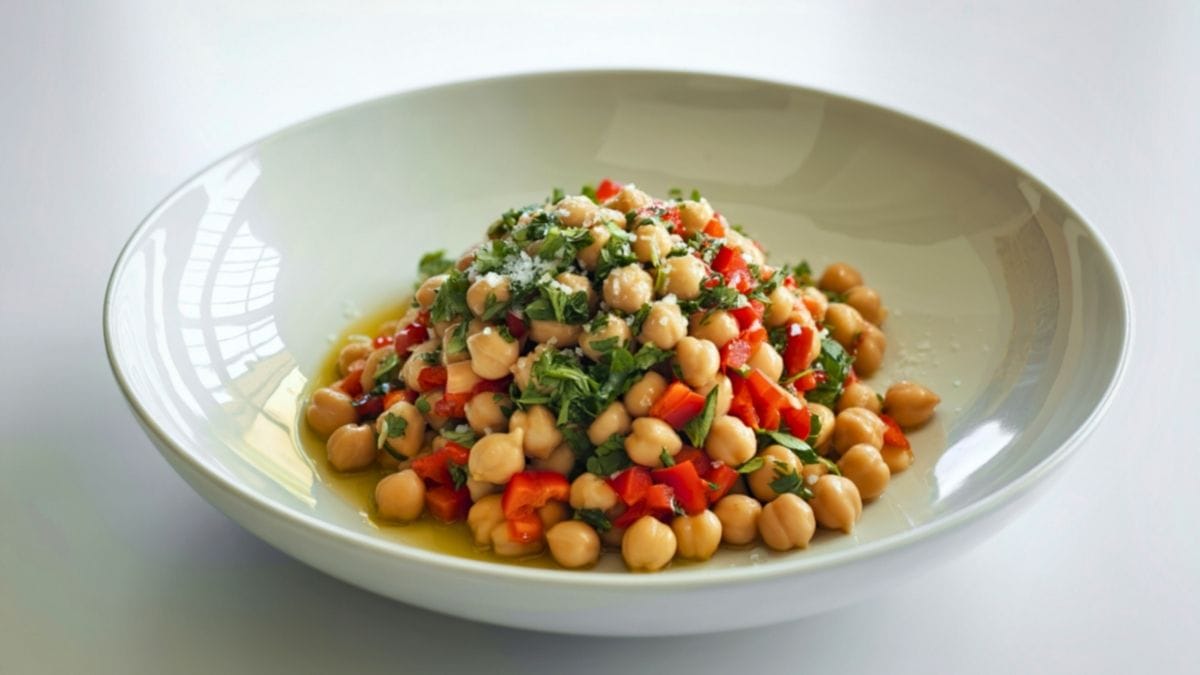
A 2024 study across seven countries found that adding beans, lentils, and chickpeas to your diet is linked to a longer life. Harvard research found that every extra half-cup of beans per day cuts your risk of death by 8% over a decade. Canned beans count.
Whole grains were in the same top three in that study. Swap white bread for oats. Replace white rice with brown rice. Small changes, real results.
Nuts are next. A 30-year study in Nature Medicine found that people eating more nuts had an 86% greater chance of healthy aging at 70.
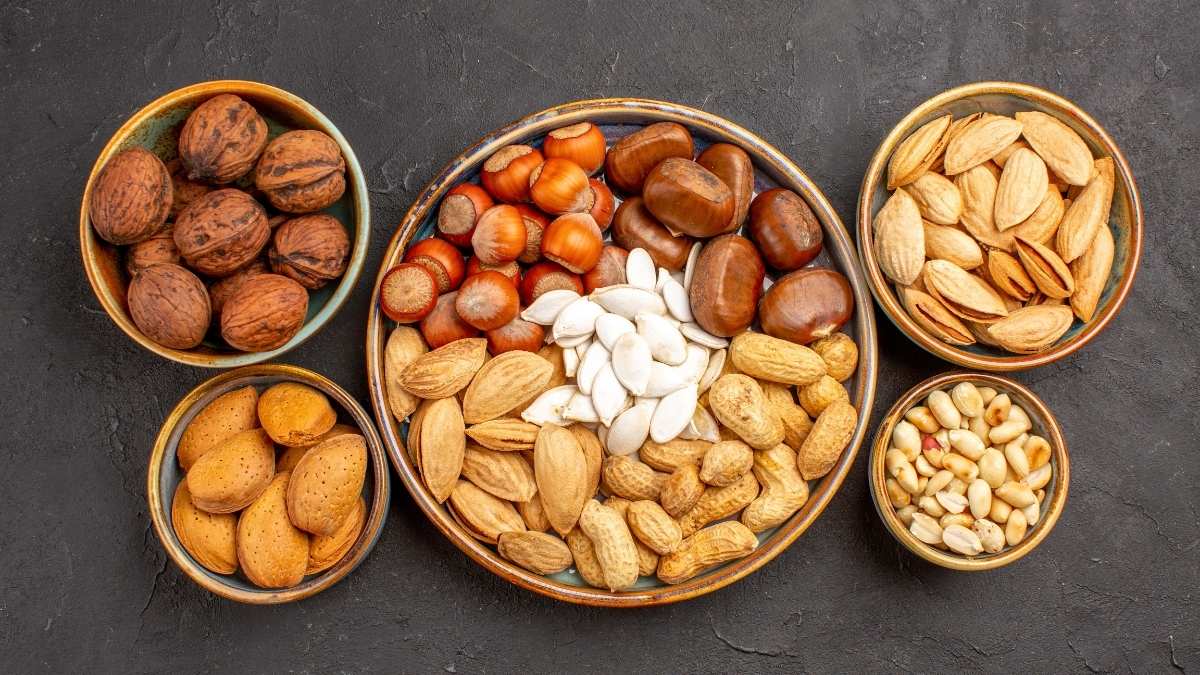
Olive oil protects your heart. Use it instead of butter. Aim for around four tablespoons daily — that is what the research actually tested.
Vegetables and fish round it out. Fill half your plate with vegetables at every meal. Add sardines, mackerel, or salmon a few times a week for omega-3s.
What to Reduce: Things Quietly Working Against You
This is not about cutting everything you enjoy. It is about knowing what actively interferes with your body’s repair systems.
Ultra-processed foods are the clearest target.
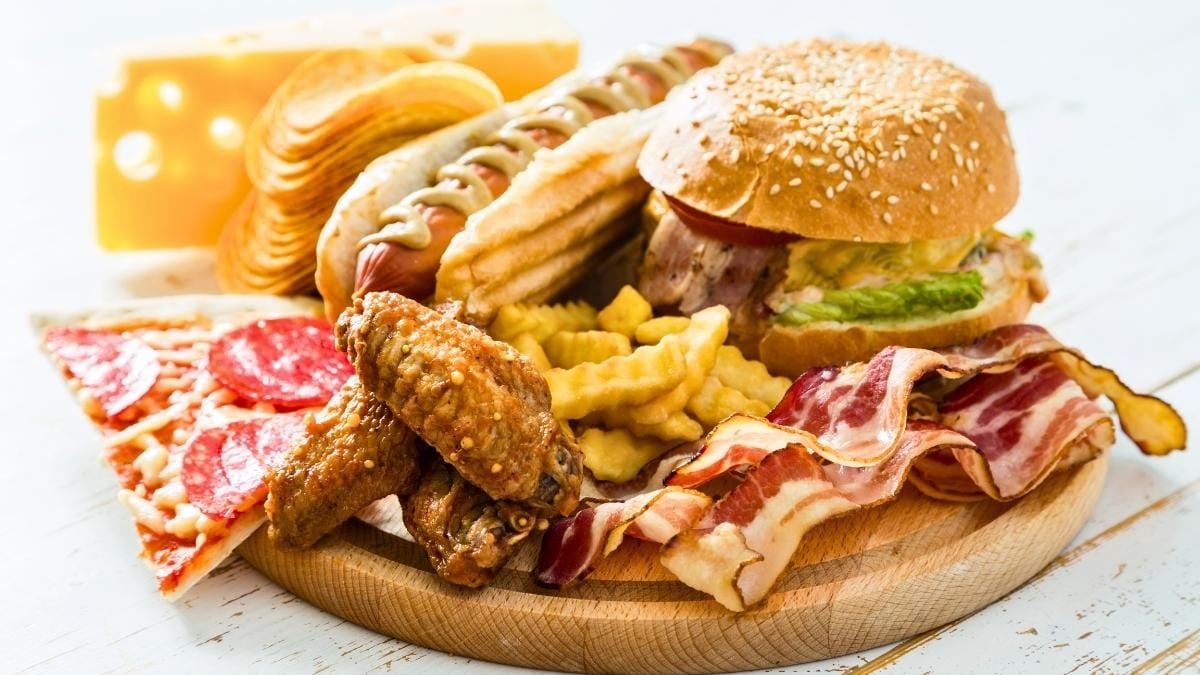
If a packaged product has more than five ingredients — and most of them are things you cannot picture in nature — it qualifies. Research consistently links high UPF intake to worse physical and mental aging outcomes.
Processed meat is a real problem. The 2024 American Journal of Clinical Nutrition study found the U.S. has the most to gain from cutting processed meat. You do not need to eliminate it. Just stop eating it daily.
Sugary drinks are among the worst things in your diet.

Swapping one soda per day for water or plain tea is one of the highest-return changes you can make — and it costs nothing.
Refined grains spike your blood sugar fast. Over years, that drives inflammation. Replace them, do not just remove them.
Excess sodium raises blood pressure over time. Most of it comes from packaged food and restaurants, not your salt shaker.
The rule is simple: occasional is fine. Daily is where the damage builds.
What to Ignore: Trends That Do Not Deserve Your Money
The longevity industry is worth billions. Most of it is not backed by strong science.
Supplements are the biggest example.
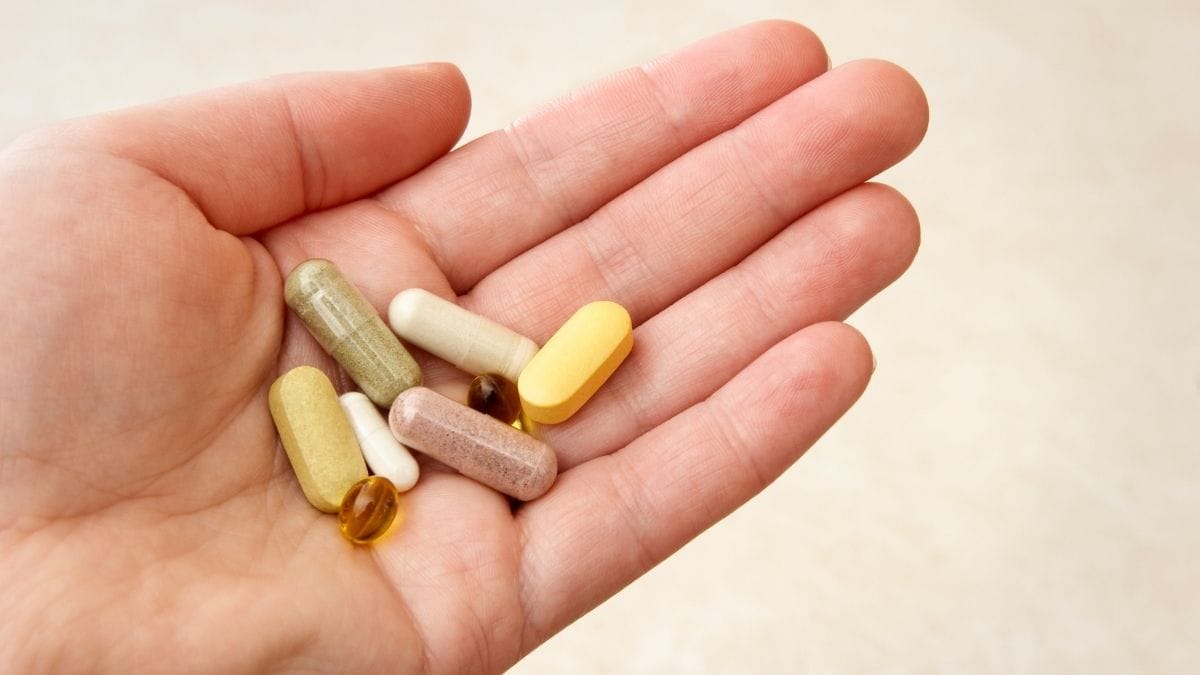
For most healthy adults eating a reasonable diet, supplements do not extend life. Large studies find no consistent benefit from daily multivitamins. There are real exceptions — Vitamin D if you get little sun, omega-3s if you never eat fish — but a $200 supplement stack does not replace food quality.
Expensive superfoods are another trap. Açaí, goji berries, adaptogen powders — none of them have strong research showing they extend life. The longest-lived populations eat lentils and sweet potatoes. Not health store products.
The seed oil panic is not supported by the best evidence we have. A 2025 JAMA study following 220,000 people for 33 years found that plant-based oils lowered mortality risk. Replacing butter with plant oils was linked to a 17% lower risk of death.
Detox teas and cleanses do nothing your liver and kidneys do not already do every day.

Dr. Frank Hu of Harvard said it clearly: “There is no rigid type of diet that everyone should follow. People can create their own fusion diet.”
Your Practical Starting Point Right Now
You do not overhaul your diet in a week. You stack one small change at a time and let them stick.

Week 1: Add legumes. Replace one meal per day with something bean- or lentil-based. This is the single most undereaten longevity food in Western diets.
Week 2: Audit your packaged food. For three days, track everything processed you eat. Find your top two or three habits and swap them for real food alternatives.
Week 3: Switch your cooking oil. Replace butter with extra-virgin olive oil. Use it on vegetables, in cooking, everywhere you can.
Week 4: Build a simple plate template. Half the plate is vegetables. One quarter is whole grains or legumes. One quarter is protein — fish, eggs, or more legumes.
On supplements: only add one if you have a confirmed gap. Start with food first.
On eating windows: most centenarians stop eating by early evening. Research from the Salk Institute shows a 10-hour eating window supports cell repair — even without cutting calories. Worth trying. Not mandatory.
Final Thought;
The research is clearer than the market wants you to think. Add legumes, whole grains, nuts, olive oil, and vegetables. Reduce ultra-processed food, processed meat, and added sugar. Ignore the expensive noise.
Pick one change from this article. Start it this week. Not ten changes. One.
Eating for longevity does not require perfection — it requires consistency with a small number of proven habits.