
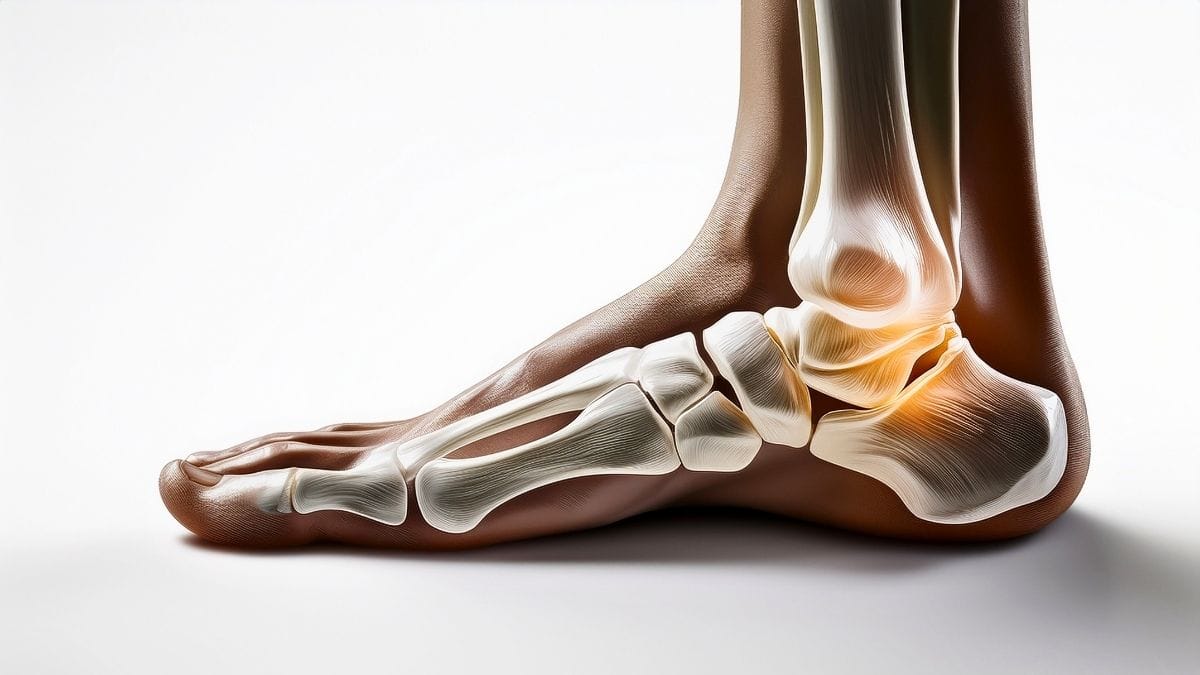
Growing older often brings wisdom, confidence, and a deeper understanding of life. But it also brings quiet physical changes that many people do not notice until they become serious.
One of the biggest changes happens inside your bones. They slowly lose density, become weaker, and increase the risk of fractures.
Many people believe bone problems only happen after an injury. In reality, bone loss often develops silently for years. By the time symptoms appear, the bones may already be fragile.
Orthopedic experts repeatedly see patients who wish they had known certain things earlier.
The good news is that understanding these facts can help protect your mobility, independence, and overall health as you age.
Here are the most important things orthopedic experts wish everyone understood about bone strength after 50.
Point 1. Bone Loss Starts Earlier Than Most People Think
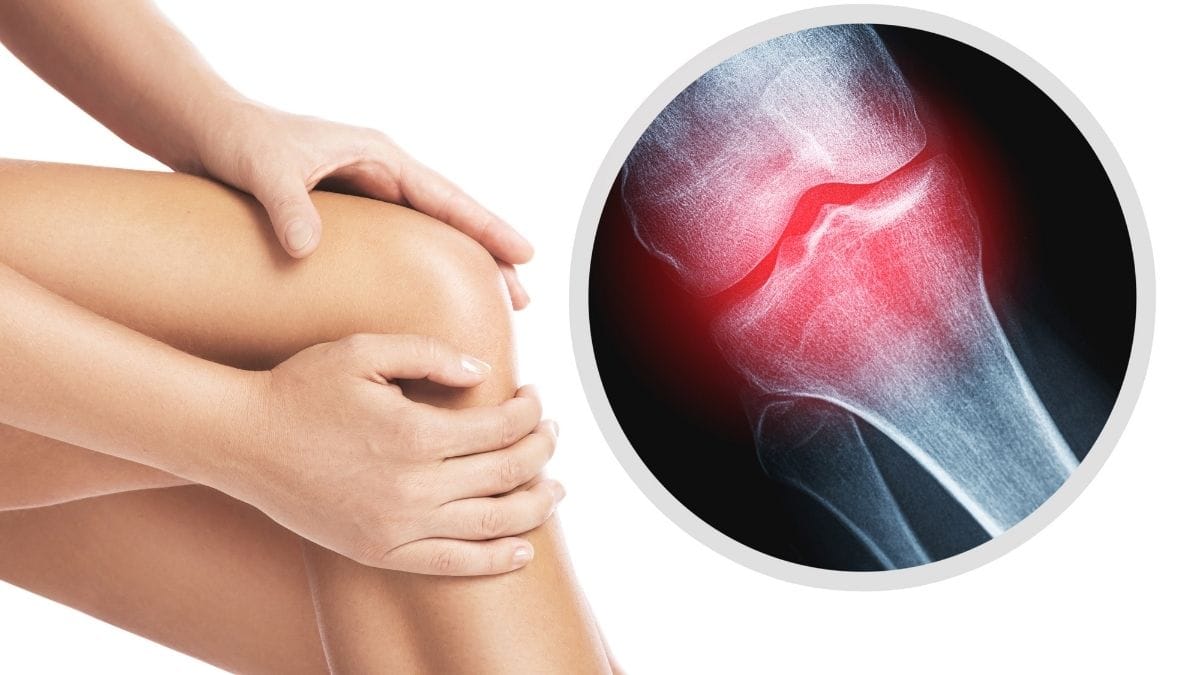
Many people assume bone loss begins in their senior years. Experts explain that bone density often starts declining in the late 30s or early 40s. By age 50, this process usually speeds up, especially for women after menopause.
Bones are living tissue. They constantly break down and rebuild themselves. When you are younger, your body rebuilds bone faster than it loses it.
After 50, this balance shifts. Bone breakdown may happen faster than rebuilding.
This is why many fractures occur after minor falls or small accidents. The bones are already weaker before the fall happens.
Orthopedic specialists recommend paying attention to bone health long before problems appear. Waiting for symptoms can make prevention much harder.
Point 2. Calcium Alone Is Not Enough
Calcium is often seen as the main solution for bone health. While calcium is essential, experts warn that it is only one piece of the puzzle.
Your body needs vitamin D to absorb calcium properly. Without enough vitamin D, calcium passes through the body without strengthening bones.
Magnesium and vitamin K also support bone structure and help calcium reach the right places.
Many adults take calcium supplements but still develop weak bones because they lack these supporting nutrients.
Orthopedic experts suggest focusing on a balanced diet that includes:
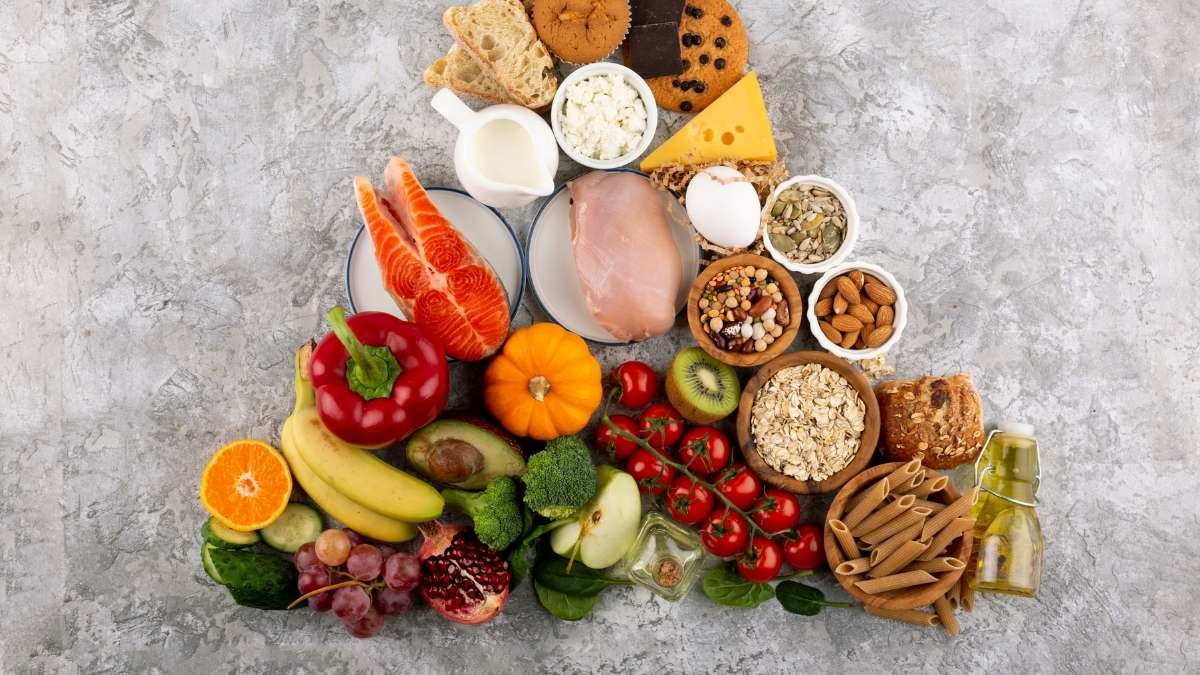
- Dairy products like milk, yogurt, and cheese
- Leafy green vegetables such as spinach and kale
- Nuts, seeds, and whole grains
- Fatty fish like salmon and sardines
Supplements can help when diet alone is not enough, but they should not replace proper nutrition.
Point 3. Muscle Strength Protects Your Bones
Strong muscles do more than improve physical appearance. They play a major role in protecting bones.
Muscles pull on bones during movement. This pressure signals the body to build stronger bone tissue. Without regular movement, bones receive fewer signals to stay strong.
Orthopedic experts often see patients who focus only on walking but avoid strength training.
Walking is beneficial for heart health and mobility, but it may not provide enough resistance to maintain bone density.
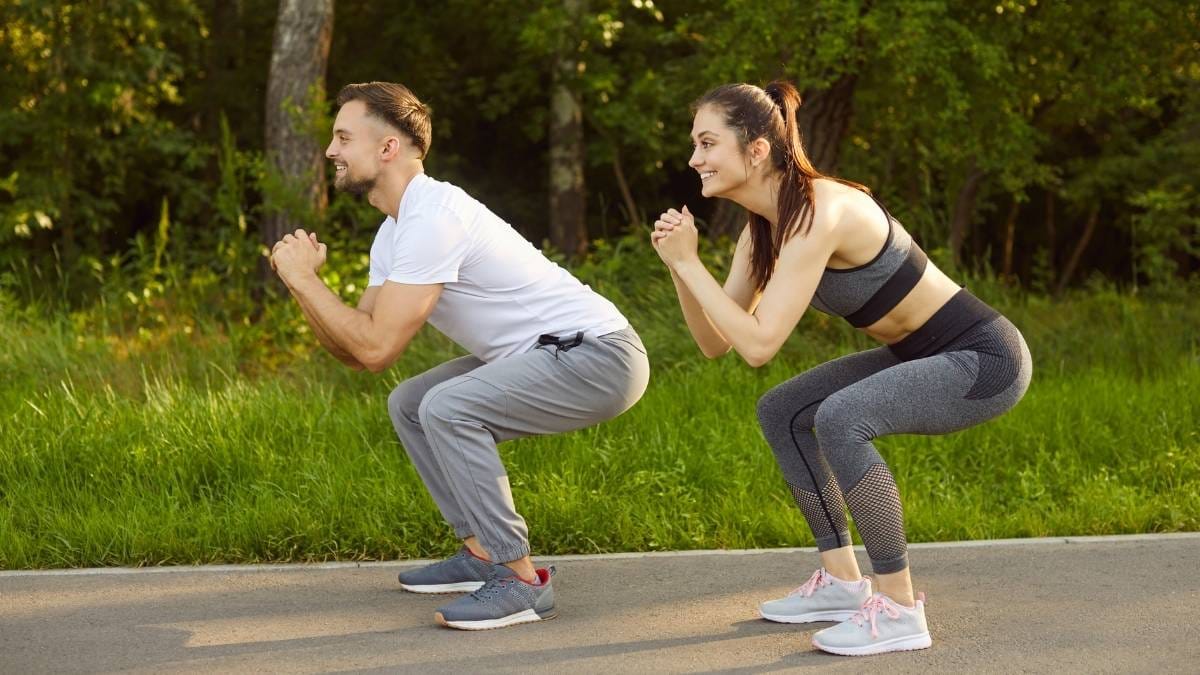
Weight-bearing exercises and resistance training are especially helpful. These include:
- Light weightlifting
- Bodyweight exercises like squats and lunges
- Resistance band workouts
- Climbing stairs
Regular strength training improves balance, reduces fall risk, and supports bone strength after 50.
Point 4. Sedentary Lifestyle Is One of the Biggest Risks
Modern life encourages sitting. Many adults spend hours sitting at work, watching television, or using smartphones. Experts warn that long periods of inactivity accelerate bone loss.
Bones need movement to stay strong. When activity levels drop, bones begin to lose density faster. Sitting also weakens muscles and reduces joint flexibility, increasing fall risk.
Orthopedic specialists suggest simple daily movement habits, such as:
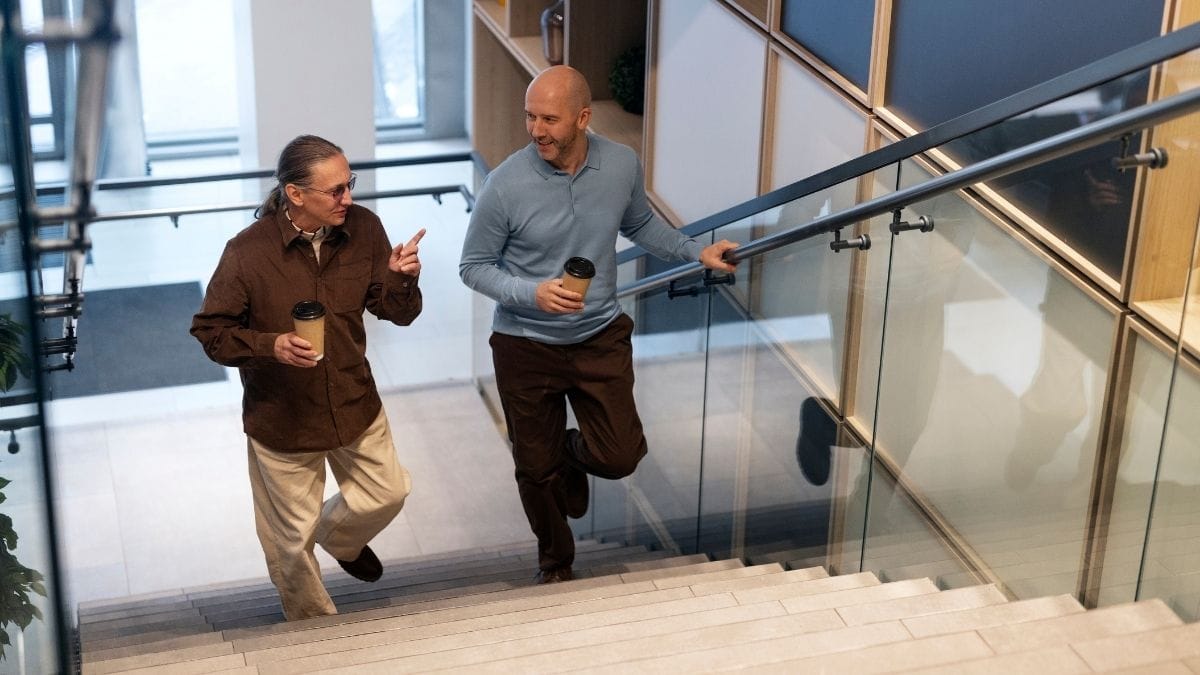
- Standing or walking every hour
- Taking short activity breaks during work
- Using stairs instead of elevators
- Adding light stretching to daily routines
Even small changes in daily activity can help slow bone loss and improve overall health.
Point 5. Vitamin D Deficiency Is Extremely Common
Vitamin D plays a critical role in bone health. It helps the body absorb calcium and supports muscle function. Unfortunately, many adults over 50 have low vitamin D levels.
Sunlight is the main natural source of vitamin D. However, aging skin produces less vitamin D, and many people spend less time outdoors.
Symptoms of vitamin D deficiency are often subtle. They may include fatigue, muscle weakness, or frequent aches. Because these symptoms are common in aging, they are often ignored.
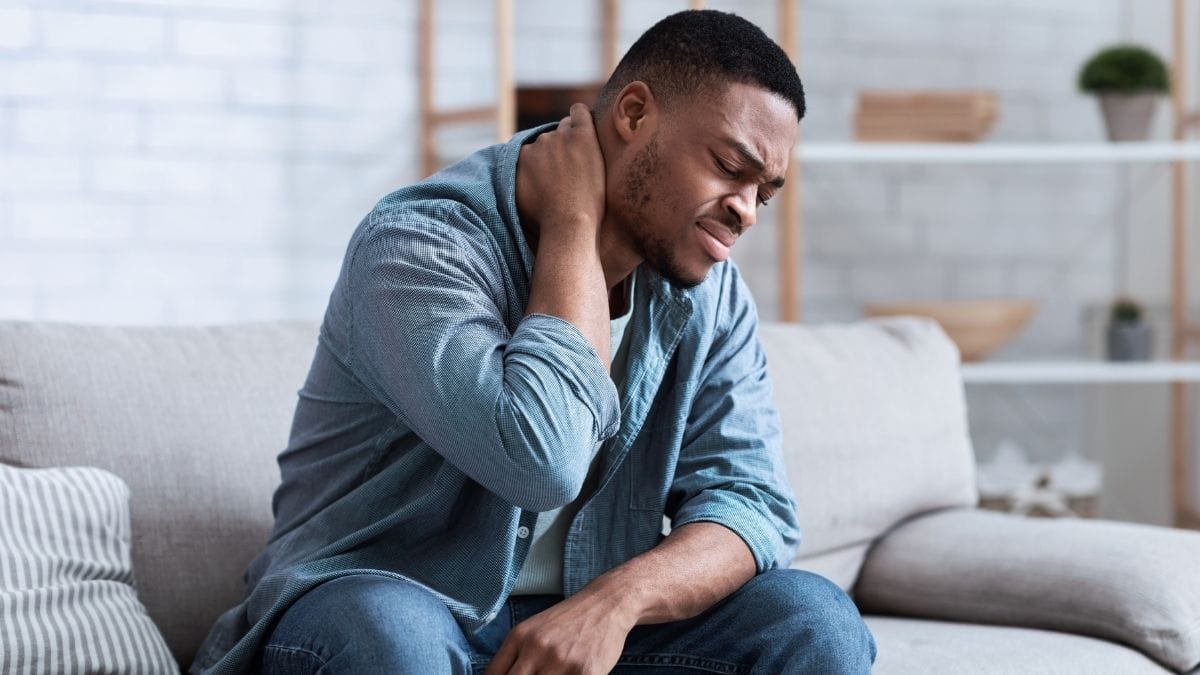
Orthopedic experts frequently recommend vitamin D testing, especially for older adults. Safe sun exposure, vitamin D-rich foods, and supplements can help maintain healthy levels.
Point 6. Bone Density Testing Can Prevent Serious Problems
Many people wait until they experience a fracture before checking bone health. Experts strongly advise against this approach.
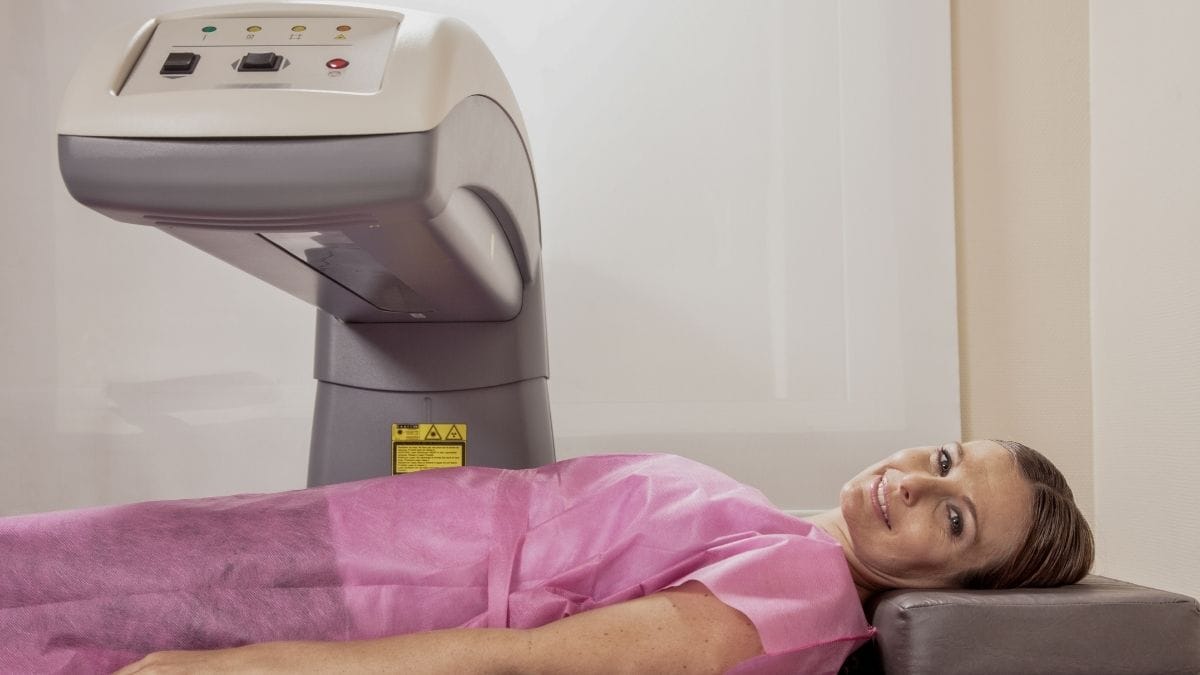
Bone density testing, often called a DEXA scan, measures bone strength and fracture risk. The test is painless, quick, and widely available.
Early testing helps doctors detect bone thinning before fractures occur. It also allows individuals to make lifestyle changes or start treatments when they are most effective.
Orthopedic specialists often recommend testing for:
- Women aged 50 and older
- Men with risk factors such as smoking or low body weight
- Adults with a family history of osteoporosis
- Individuals who have experienced previous fractures
Early detection is one of the most powerful tools for protecting long-term mobility.
Point 7. Falls Are Often More Dangerous Than Bone Disease Itself
Many fractures occur because of falls rather than severe bone disease. After 50, balance, coordination, and reflexes naturally decline. Vision changes and medication side effects can also increase fall risk.
Orthopedic experts emphasize that fall prevention is just as important as bone strengthening.
Simple steps to reduce fall risk include:
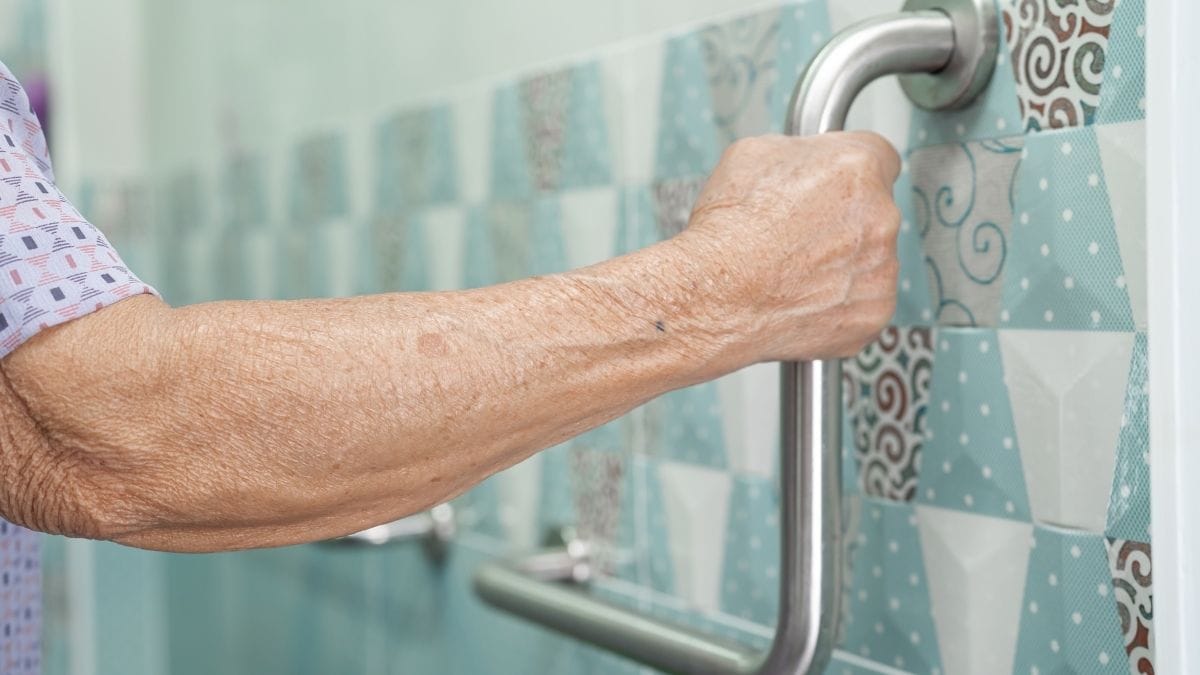
- Keeping floors clear of clutter
- Installing grab bars in bathrooms
- Using proper lighting in hallways and stairs
- Wearing supportive, non-slip footwear
- Practicing balance exercises like yoga or tai chi
Preventing falls greatly reduces the chances of serious bone injuries.
Point 8. Hormonal Changes Affect Bone Strength Significantly
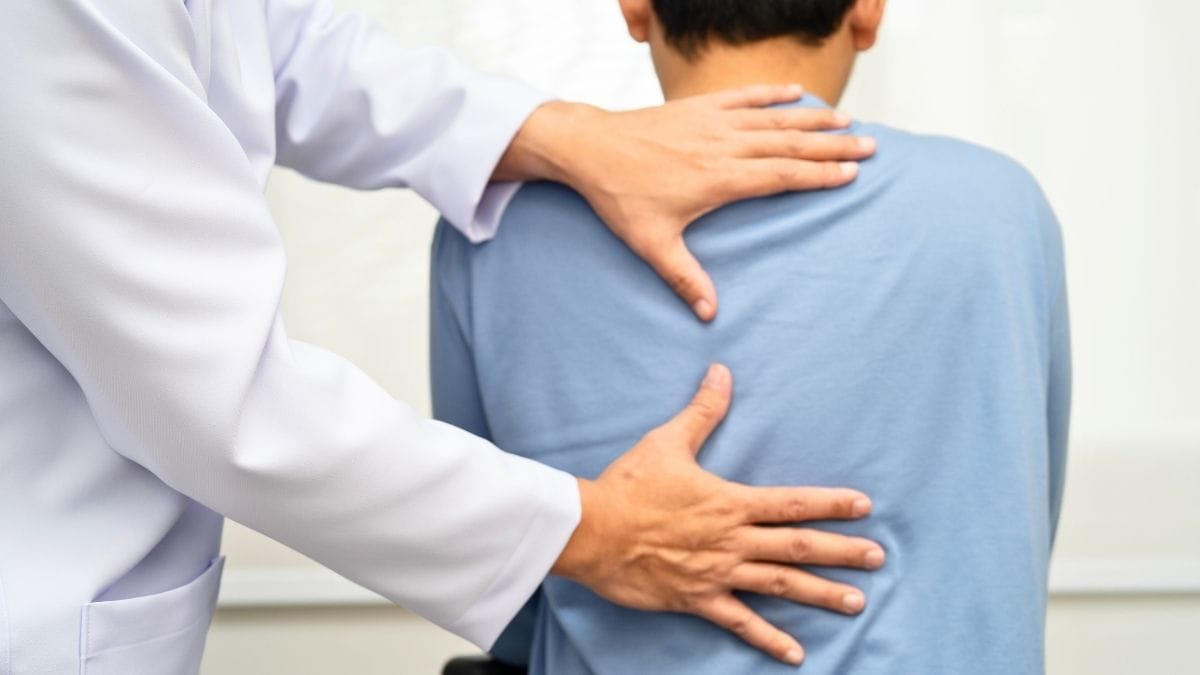
Hormones help regulate bone rebuilding. After menopause, women experience a sharp drop in estrogen levels. Estrogen protects bones, so this drop can lead to rapid bone loss.
Men also experience gradual hormone changes that affect bone density, although the process is slower.
Orthopedic experts recommend discussing hormonal health with healthcare providers when signs of bone weakness appear. In some cases, medical treatments or lifestyle adjustments can help slow bone loss.
Understanding hormone changes is essential for maintaining bone strength after 50 and preventing future fractures.
Point 9. Smoking and Alcohol Can Weaken Bones Faster Than Expected

Lifestyle habits play a major role in bone health. Smoking reduces blood flow to bones and slows bone-building cells. Alcohol can interfere with calcium absorption and hormone balance.
Experts often see patients who focus on diet and exercise but ignore these harmful habits. Over time, smoking and heavy alcohol use can significantly reduce bone density.
Reducing or eliminating these habits supports stronger bones and improves overall health. Even gradual lifestyle changes can create long-term benefits.
Point 10. Nutrition and Lifestyle Habits Work Best Together
Many people look for one solution to protect their bones. Experts stress that bone health depends on a combination of habits rather than a single action.
Strong bones require:
- Balanced nutrition
- Regular exercise
- Healthy lifestyle choices
- Routine medical checkups
- Fall prevention strategies
When these factors work together, they create a strong defense against bone loss. Ignoring even one area can weaken the overall results.
Consistency is more important than perfection. Small, regular improvements often lead to the best long-term outcomes.
Final Thoughts:
Bone health is rarely discussed until problems appear, yet it plays a major role in maintaining independence and quality of life.
Orthopedic experts consistently see how early awareness can prevent serious injuries and long recovery periods.
The truth is that bone loss is not an unavoidable part of aging. With proper knowledge, nutrition, movement, and medical support, many people can maintain strong and healthy bones well into later life.
Understanding the risks, making simple lifestyle adjustments, and staying proactive about medical screening can make a significant difference. Protecting your bones today can help preserve your mobility, confidence, and freedom for years to come.
Taking small steps now may be one of the most valuable investments you make in your future health.