
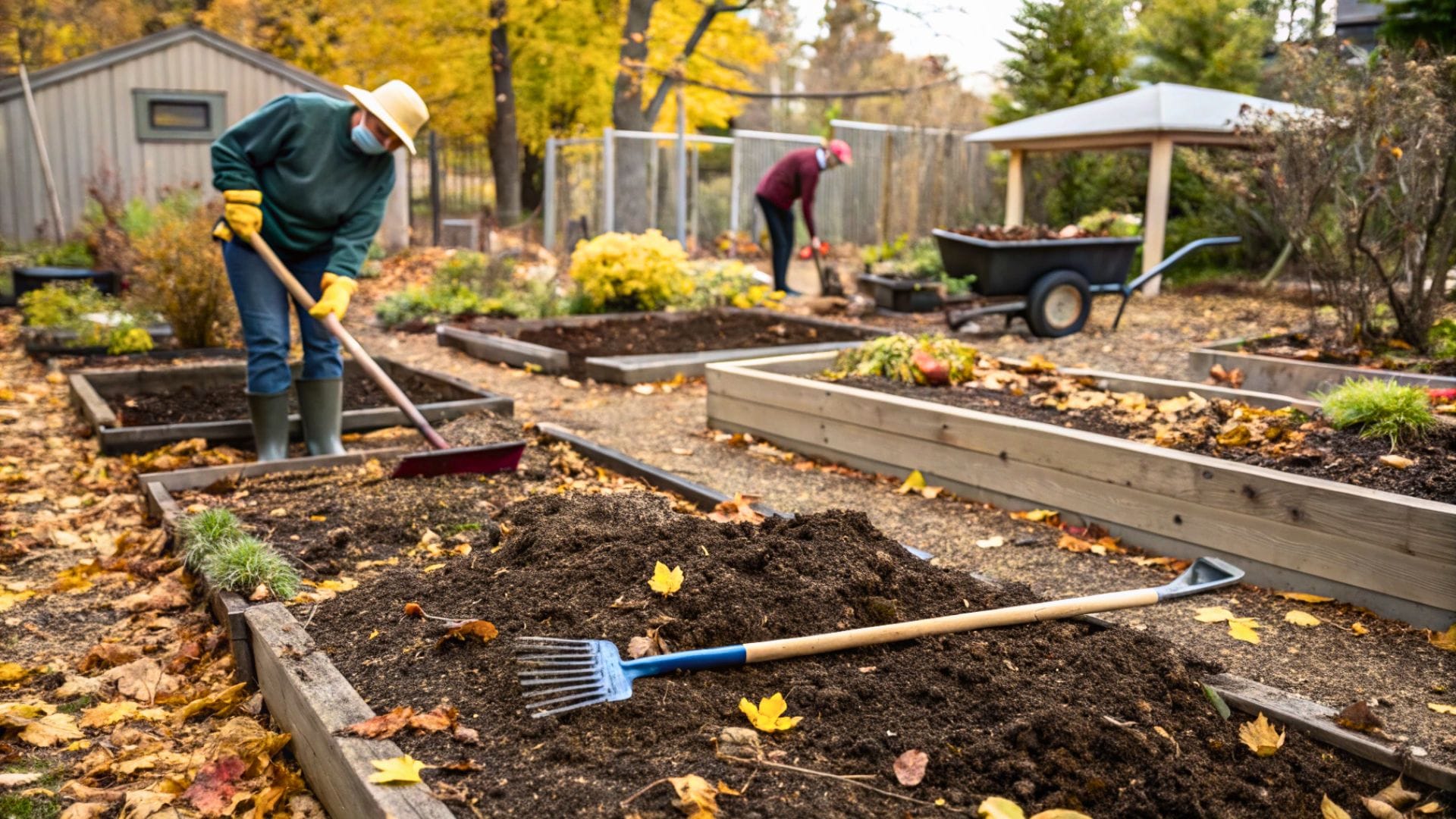
As autumn leaves begin their spectacular color show, savvy gardeners know this is the most crucial season for setting up next year’s garden success. While others are putting their gardening tools away, you’ll be getting ahead of the game with these eight essential fall gardening tasks that will transform your outdoor space into a spring masterpiece.
The secret to a breathtaking spring garden isn’t just about what you plant in March – it’s about what you do in October and November. These proven fall preparation strategies will give you a significant head start, ensuring your garden emerges from winter stronger, healthier, and more beautiful than ever before.
1. Soil Testing and Amendment: Your Garden’s Foundation for Success
The Foundation of Garden Excellence
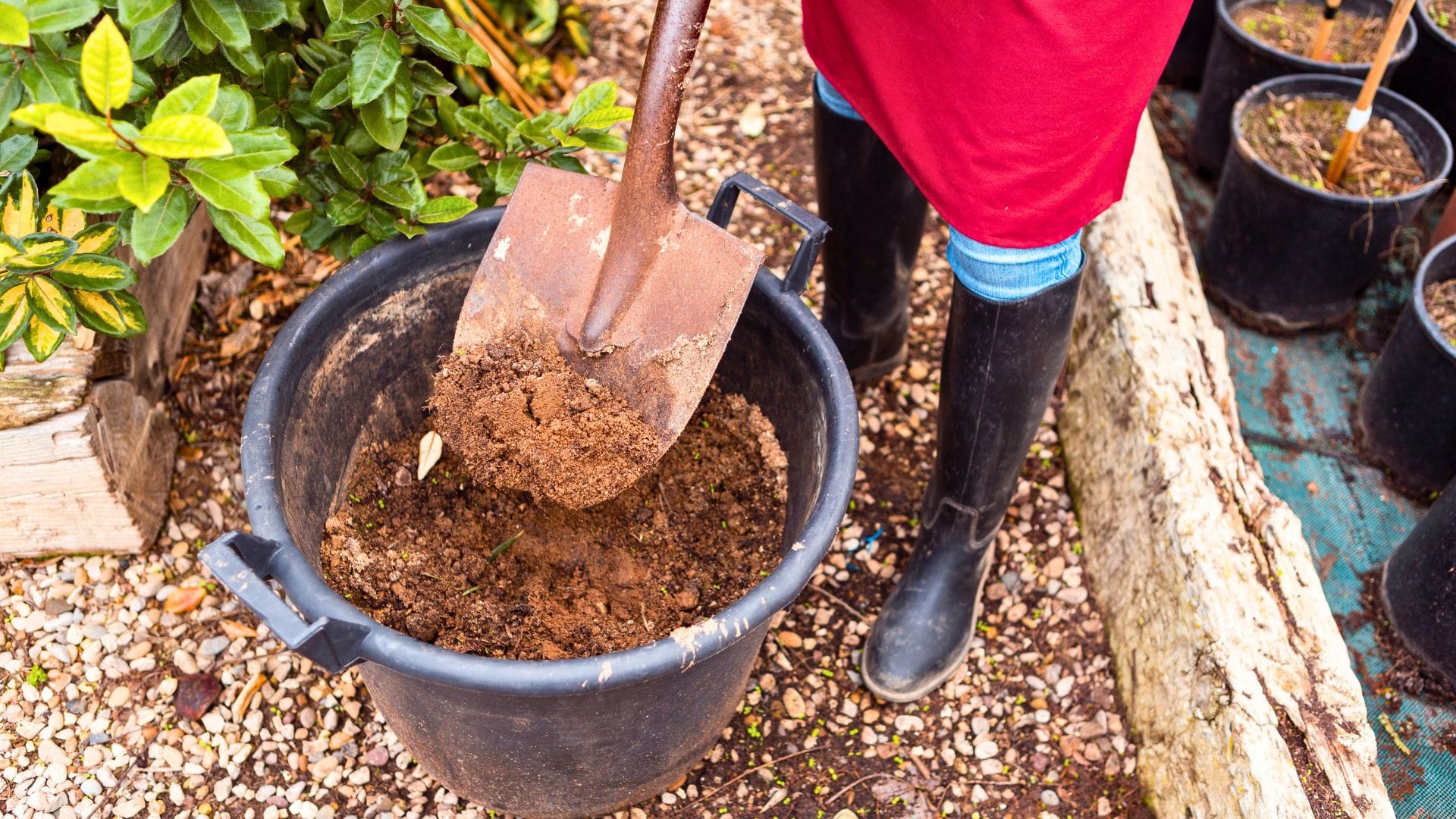
Nothing impacts your garden’s performance more than soil quality, yet most gardeners skip this critical step. Fall is the perfect time to test your soil’s pH, nutrient levels, and organic matter content because it gives amendments time to integrate naturally over winter.
Start by collecting soil samples from different areas of your garden, mixing them in a clean bucket, and either using a home test kit or sending samples to your local extension office. Most vegetables and flowers thrive in soil with a pH between 6.0 and 7.0, while acid-loving plants like blueberries prefer 4.5 to 5.5.
Based on your results, add necessary amendments now. Lime raises pH gradually over several months, while sulfur lowers it. Organic matter like compost, aged manure, or leaf mold improves soil structure, drainage, and nutrient retention regardless of your soil type.
The key advantage of fall soil preparation is time – amendments have months to break down and integrate, creating the perfect growing medium for spring planting. This single step can increase your garden’s productivity by up to 40% compared to unamended soil.
2. Strategic Fall Planting: Cold-Hardy Vegetables and Perennials
Plant Now, Harvest Rewards Later
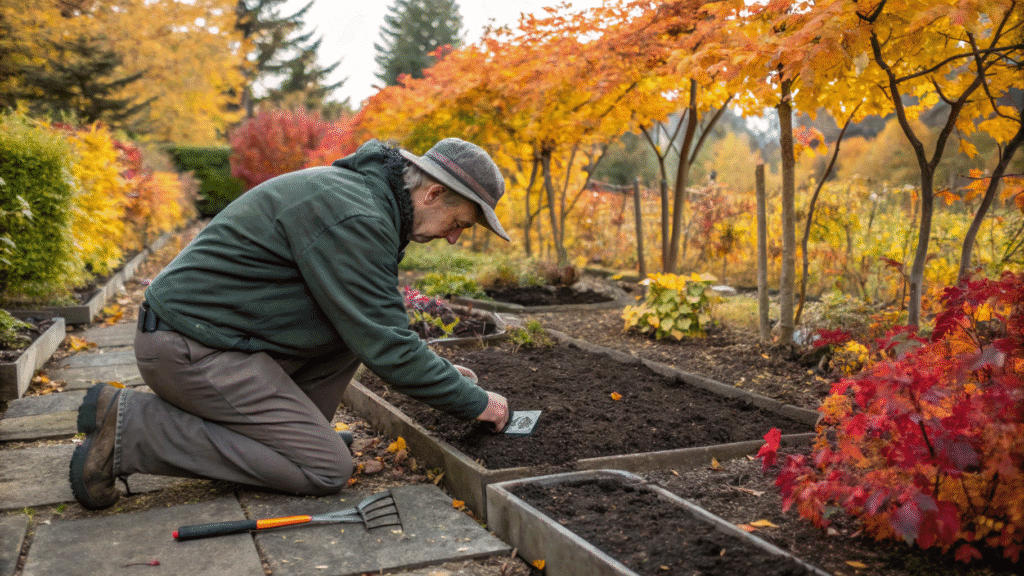
Fall planting is one of gardening’s best-kept secrets for extending your growing season and establishing stronger plants. Cool-season vegetables like kale, spinach, carrots, and radishes actually improve in flavor after frost, while fall-planted perennials develop robust root systems over winter.
For vegetables, plant 8-10 weeks before your first hard frost date. These crops will grow slowly through winter in most climates, providing fresh greens when grocery store prices soar. In warmer zones, you’ll have continuous harvests through winter.
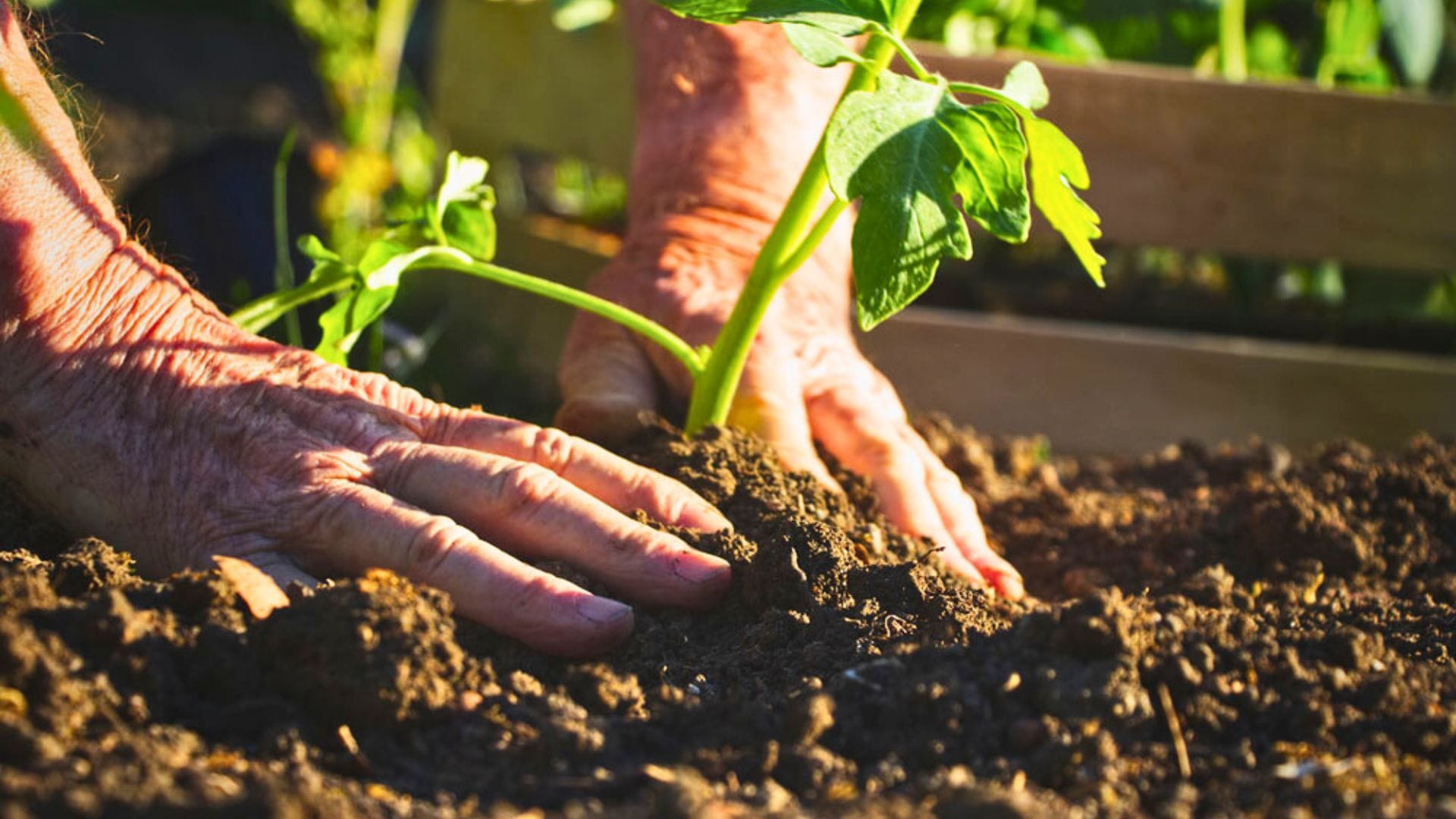
Perennial planting in fall takes advantage of cooler temperatures and increased rainfall, allowing plants to establish without summer heat stress. Trees, shrubs, and perennial flowers planted now will be significantly larger and stronger by next spring than those planted in spring itself.
Don’t forget about garlic – planted in late fall, it requires winter’s cold period to develop proper bulbs. Choose hardneck varieties for cold climates and softneck for warmer areas.
3. Bulb Planting: Programming Your Spring Color Spectacular
Creating Spring’s Greatest Show
Spring-blooming bulbs must be planted in fall – there’s simply no way around this timing requirement. These plants need 12-16 weeks of cold temperatures below 50°F to develop properly, making fall planting absolutely essential for spring blooms.
Plan your bulb display by considering bloom times, heights, and colors. Early bloomers like crocuses and snowdrops emerge first, followed by daffodils, then tulips and alliums. Plant in layers or drifts for maximum impact, placing larger bulbs deeper and smaller ones shallower.
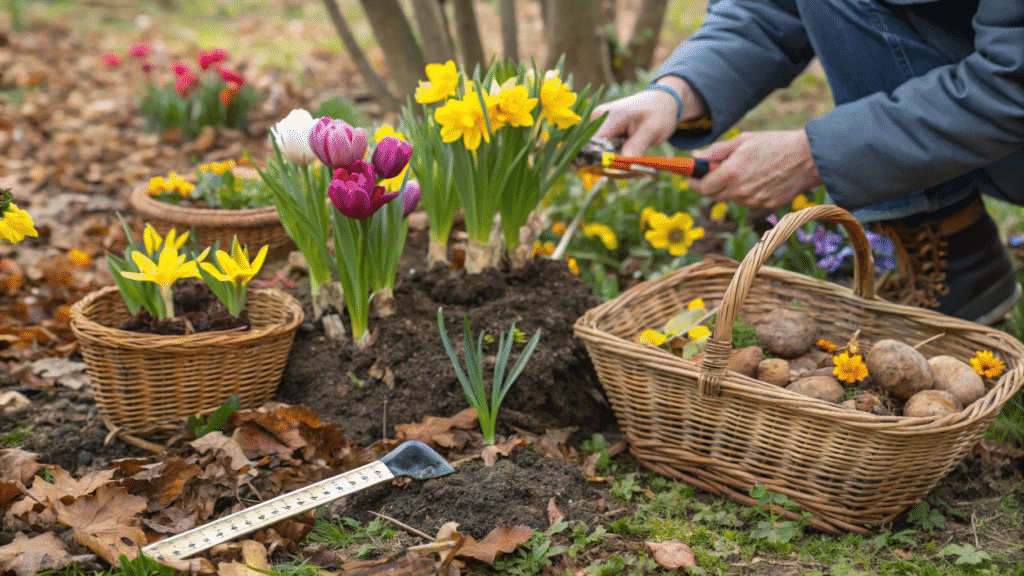
The rule of thumb is to plant bulbs at a depth three times their height. Add bone meal or bulb fertilizer to planting holes, and ensure good drainage to prevent rot. Plant pointed end up, except for crown imperial bulbs which should be planted on their sides.
For natural-looking displays, toss handfuls of bulbs gently and plant them where they land. This creates the organic, naturalized look that’s far more appealing than rigid rows. Consider adding bulbs under deciduous trees where they’ll bloom in spring sunshine before leaves emerge.
4. Comprehensive Garden Cleanup: Disease Prevention Strategy
Your Garden’s Health Insurance Policy
Fall cleanup isn’t just about aesthetics – it’s your most important disease and pest prevention strategy. Many garden problems overwinter in plant debris, soil, and hidden garden corners, emerging with renewed vigor in spring.
Remove all diseased plant material immediately. Don’t compost anything showing signs of blight, powdery mildew, or bacterial infections. These pathogens can survive composting and reinfect your garden next year. Bag diseased materials or burn them if local regulations allow.
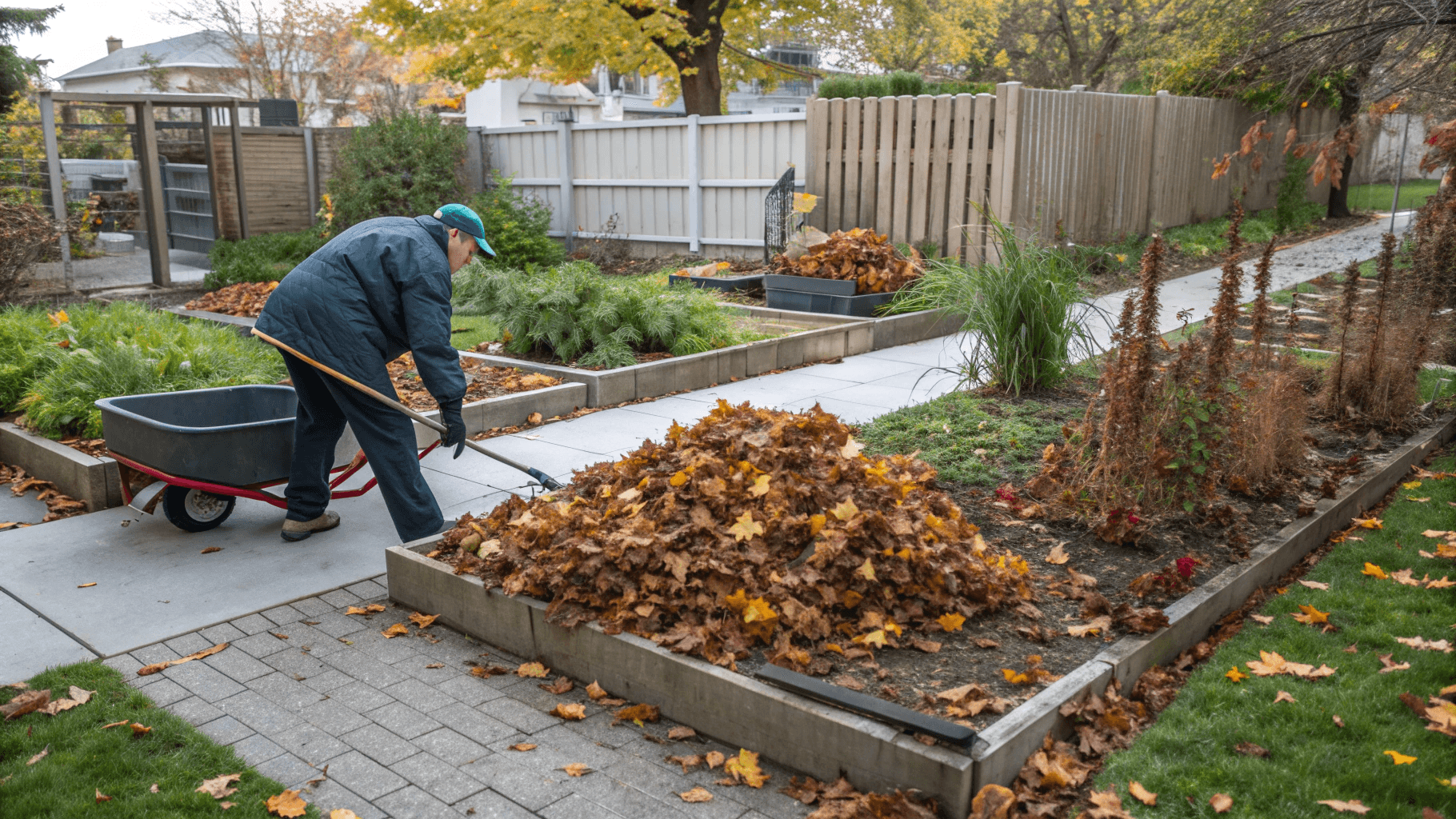
Clear weeds before they set seed – one pigweed plant can produce over 100,000 seeds, creating years of future problems. Pay special attention to invasive species like Canada thistle or Japanese knotweed, which are easier to spot and treat when other plants are dormant.
However, don’t clean everything. Leave ornamental grasses, seed heads, and some perennial stalks for winter interest and wildlife habitat. These provide food for birds and beneficial insects while adding structure to winter gardens.
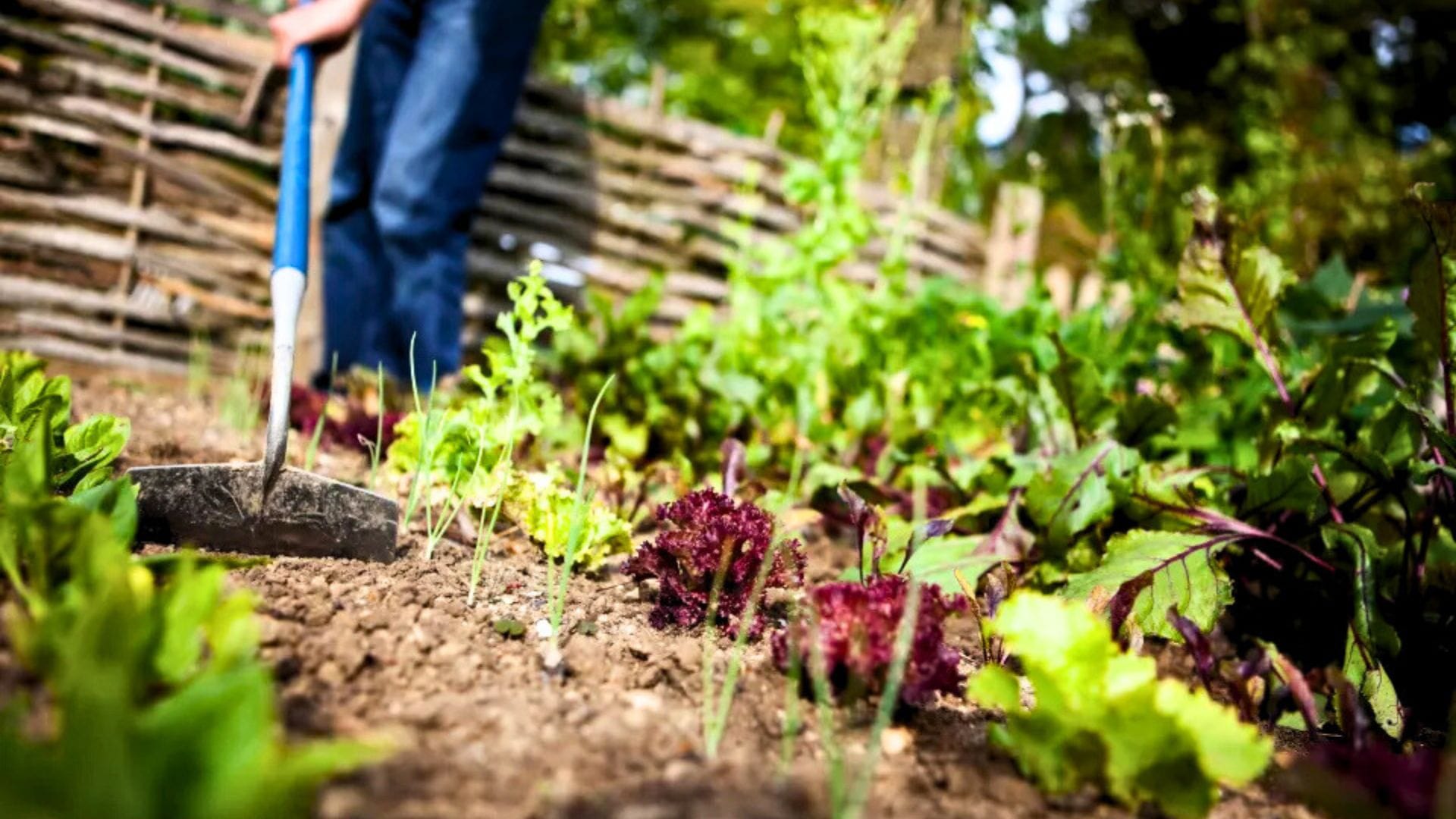
5. Mulching Mastery: Winter Protection and Spring Benefits
The Garden’s Winter Coat
Proper mulching is like tucking your garden in for winter – it provides insulation, prevents erosion, suppresses weeds, and breaks down to improve soil over time. The key is choosing the right mulch for each area and applying it correctly.
For vegetable gardens, use organic mulches like shredded leaves, straw, or grass clippings. These break down over winter, adding organic matter while protecting soil from freeze-thaw cycles that can damage plant roots and soil structure.
Around trees and shrubs, apply 2-4 inches of organic mulch, keeping it several inches away from trunks to prevent pest and disease issues. Wood chips work well here, breaking down slowly to provide long-lasting benefits.
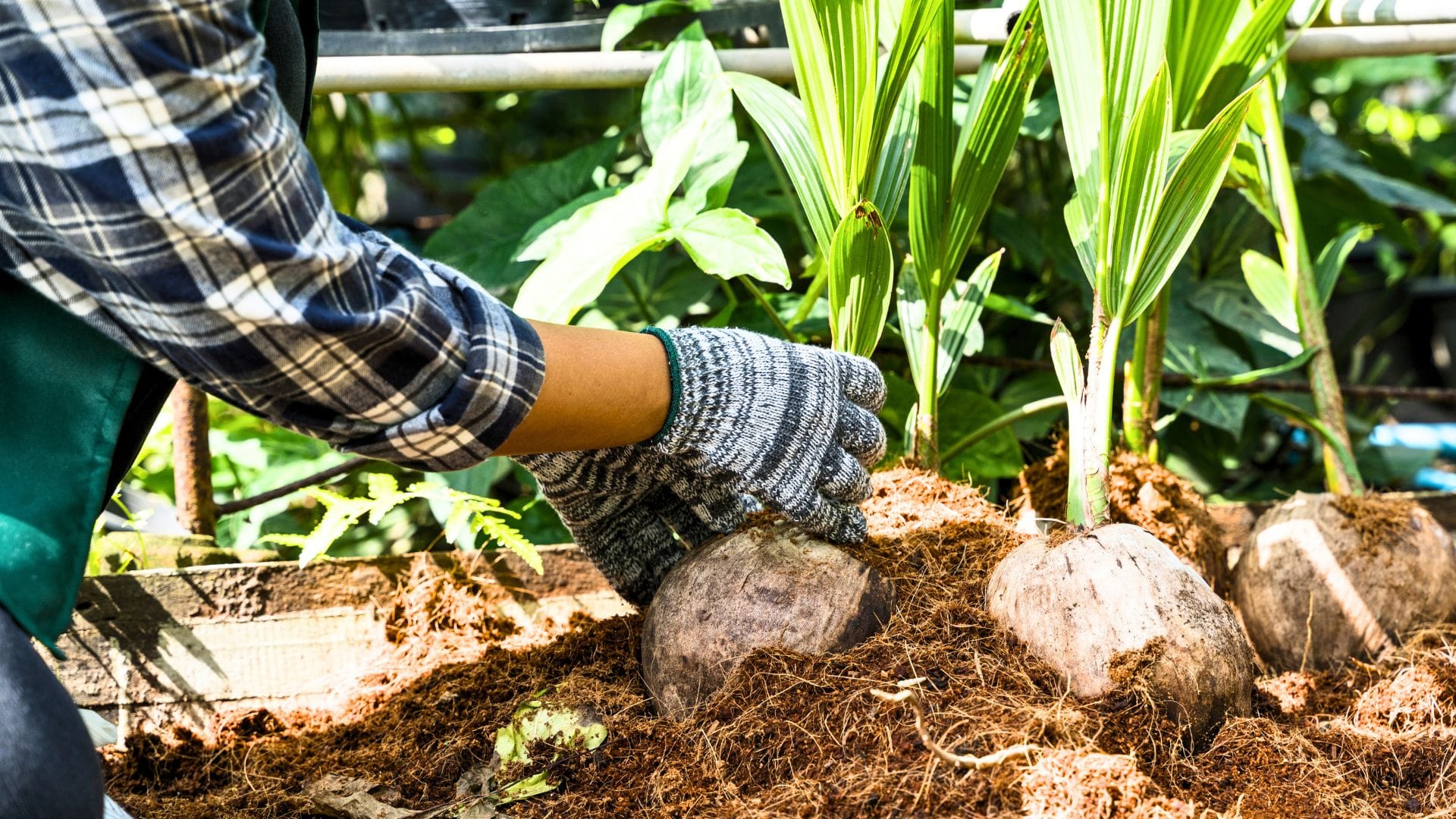
For perennial beds, shredded leaves are ideal – they’re free, improve soil as they decompose, and allow air and water penetration while insulating plant crowns. Run your mower over fallen leaves to shred them, making them less likely to blow away and faster to decompose.
Timing matters: Apply mulch after the ground begins to freeze but before severe cold hits. This prevents rodents from nesting in warm mulch while providing protection when plants need it most.
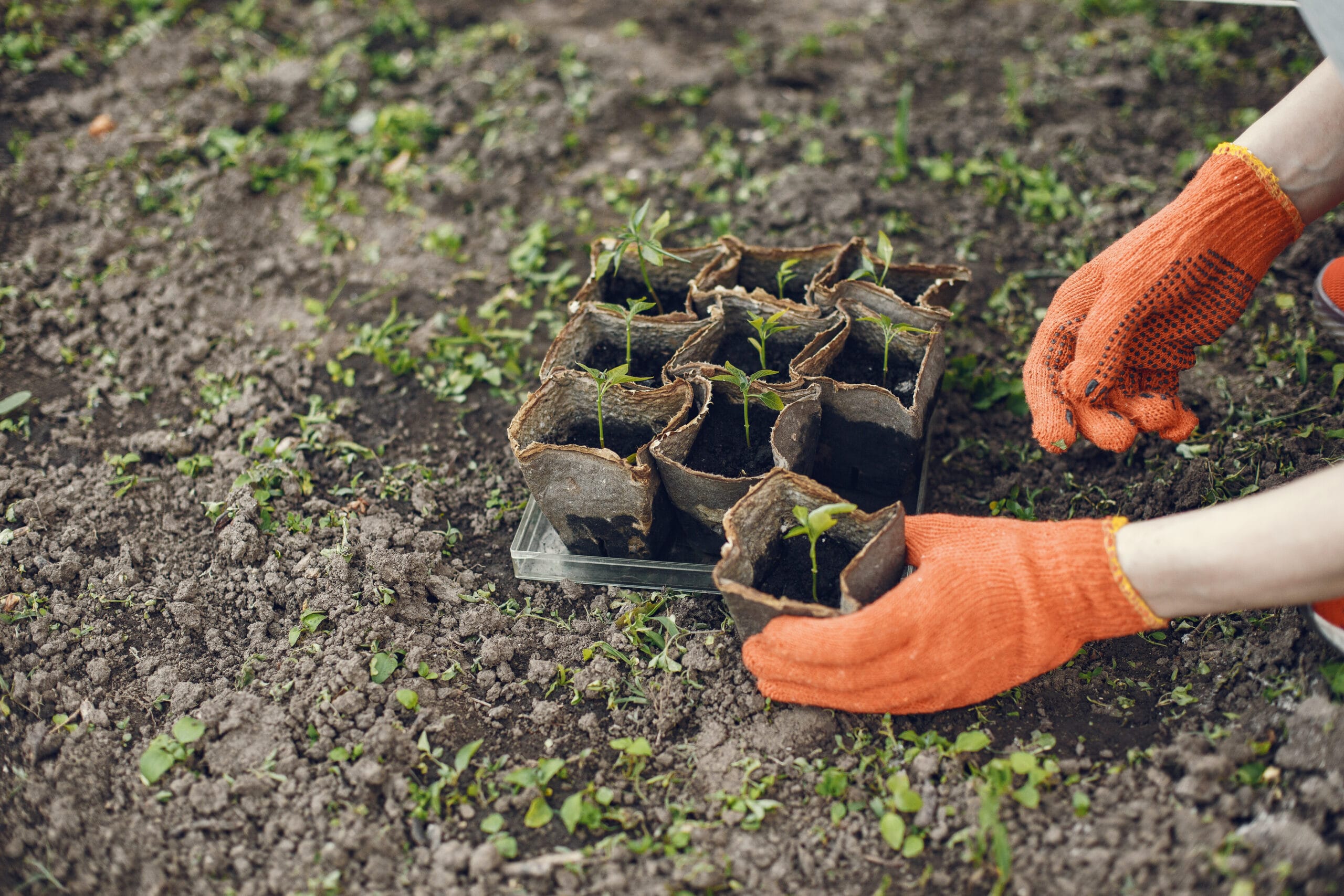
6. Compost System Setup: The Secret Weapon Every Gardener Needs (Don’t Skip This!)
The Game-Changer That Transforms Gardens
Here’s why #6 is absolutely critical: Fall is the perfect time to start or expand your composting system because you have abundant organic materials and months for decomposition before spring planting. A well-managed compost system can eliminate 30% of household waste while creating gardening gold worth its weight in fertilizer.
Start with the right location – a partially shaded area with good drainage and easy access. Your compost system can be as simple as a three-bin setup made from pallets or as sophisticated as a tumbling composter. The key is maintaining proper ratios and conditions.
The magic formula is 3:1 carbon to nitrogen materials. Fall provides perfect carbon sources: dry leaves, paper, cardboard, and woody materials. Kitchen scraps, grass clippings, and garden trimmings provide nitrogen. Layer these materials like lasagna, adding water to maintain moisture like a wrung-out sponge.
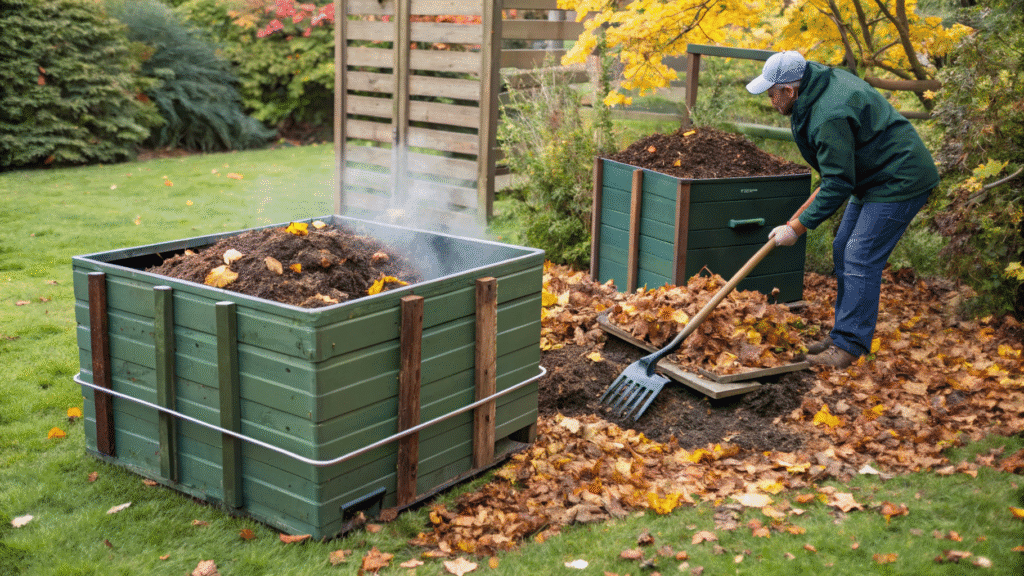
Turn your pile every 2-3 weeks to add oxygen, which accelerates decomposition and prevents odors. A properly managed compost pile will heat up to 140-160°F in the center, killing weed seeds and pathogens while breaking down materials efficiently.
By spring, you’ll have rich, crumbly compost that improves soil structure, retains moisture, provides nutrients, and supports beneficial microorganisms. This single practice can transform poor soil into a thriving ecosystem that supports vigorous plant growth.
7. Tree and Shrub Care: Preparing Woody Plants for Winter
Protecting Your Garden’s Backbone
Trees and shrubs are your garden’s permanent structure, and fall care ensures they survive winter and thrive next spring. This is especially critical for newly planted specimens and marginally hardy varieties.
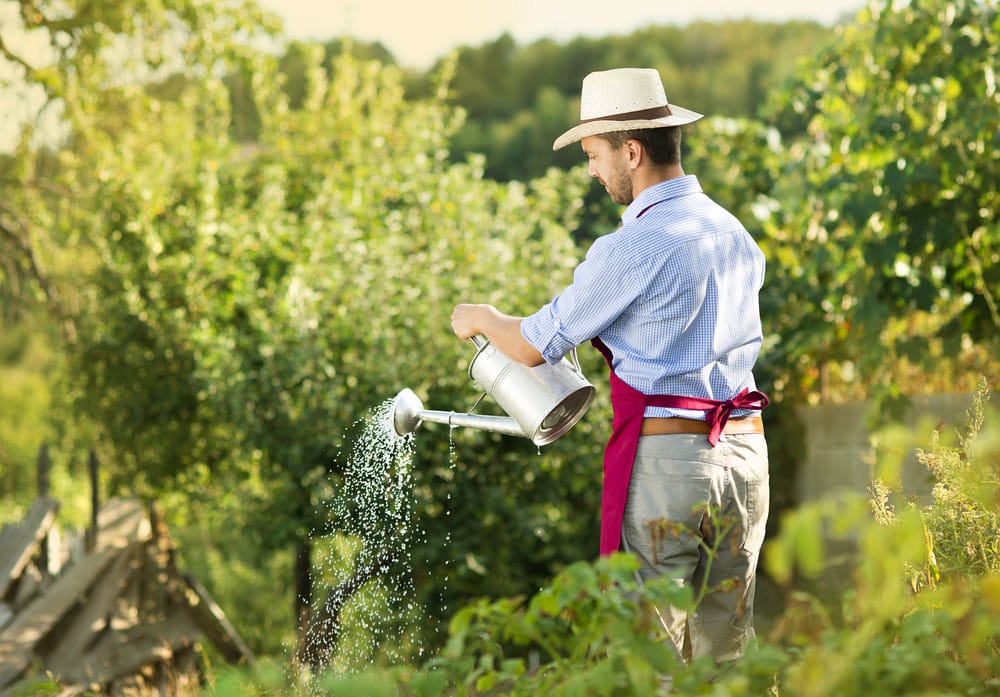
Start with deep watering before ground freezes. Evergreens continue losing moisture through their needles all winter, making fall hydration crucial. Water thoroughly until soil is saturated 12-18 inches deep around the root zone.
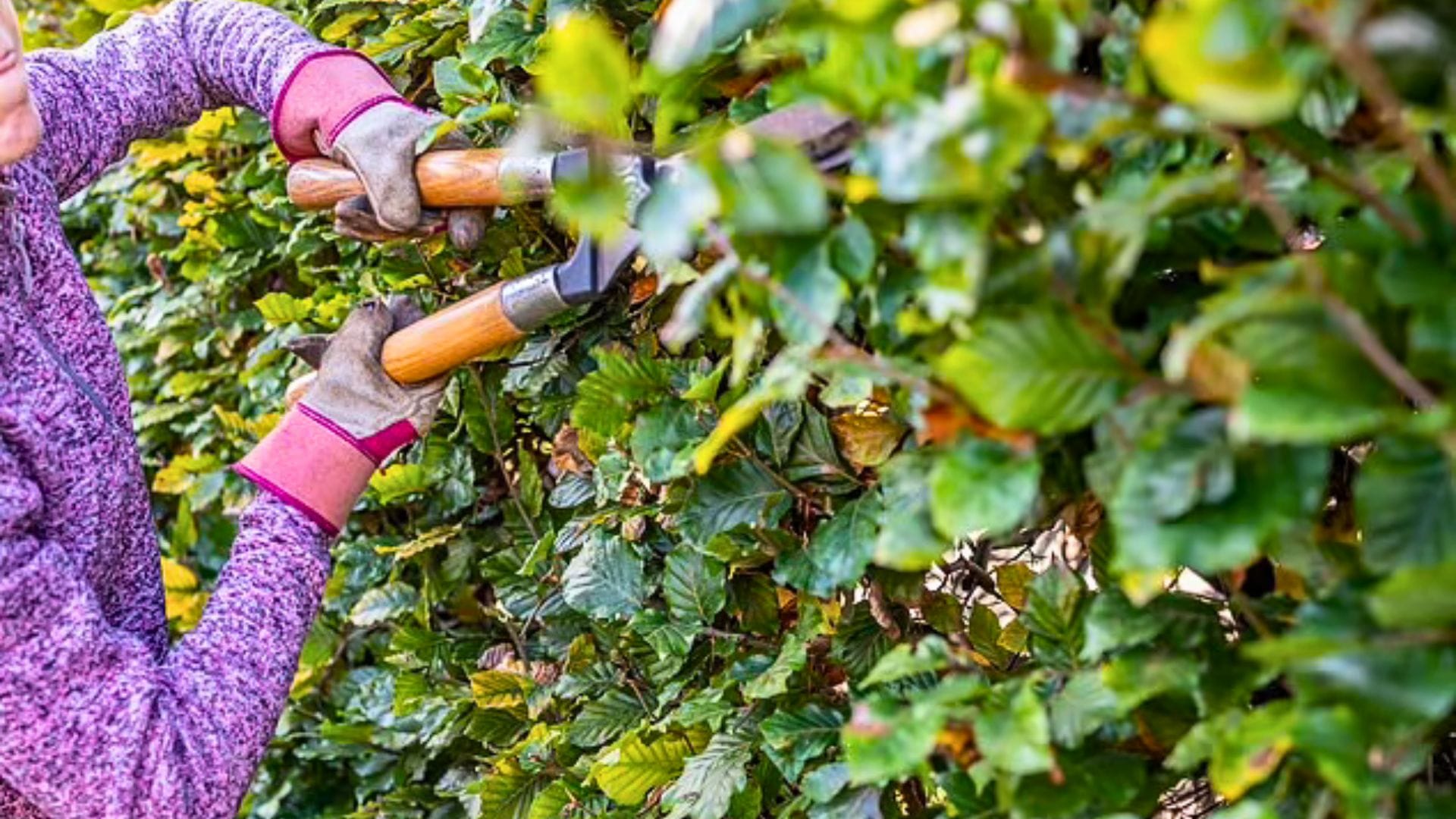
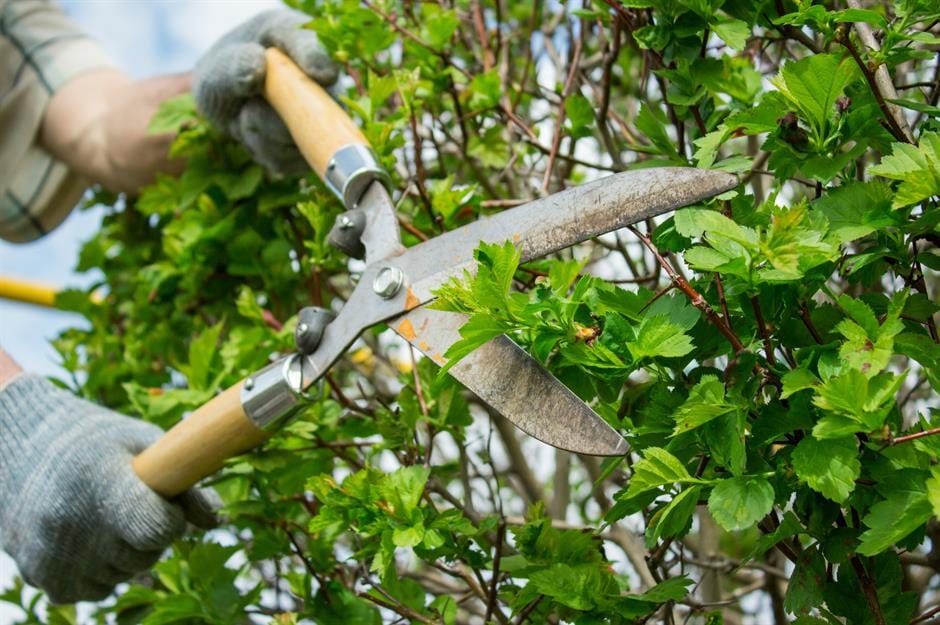
Prune strategically, focusing on dead, diseased, or damaged wood. Avoid major pruning of spring-flowering shrubs, as you’ll remove next year’s flower buds. Save heavy pruning for late winter when plants are fully dormant.
Protect vulnerable plants with burlap screens or tree wrap, especially on the south and southwest sides where winter sun can cause bark splitting. Young trees benefit from tree guards that prevent rodent damage and frost cracking.
Apply a 3-4 inch layer of organic mulch around trees and shrubs, extending to the drip line but keeping mulch away from trunks. This insulates roots, conserves moisture, and prevents soil compaction from freeze-thaw cycles.
8. Tool Maintenance and Storage: Protecting Your Garden Investment
Extending Tool Life and Garden Efficiency
Your gardening tools are significant investments that can last decades with proper fall maintenance. Clean, sharp, well-maintained tools make every garden task easier and more enjoyable while preventing the spread of plant diseases.
Start with thorough cleaning using a wire brush and soapy water to remove soil and plant residue. Disinfect cutting tools with rubbing alcohol or 10% bleach solution to eliminate pathogens that can spread between plants.
Sharpen all cutting edges using appropriate files or whetstones. Sharp tools require less effort, create cleaner cuts that heal faster, and reduce plant stress. Don’t forget often-overlooked tools like hoes, which work much better when sharp.
Apply a thin coat of oil to metal surfaces to prevent rust during storage. WD-40 or machine oil works well for this purpose. Clean and oil wooden handles, sanding rough spots to prevent splinters and applying linseed oil to prevent cracking.
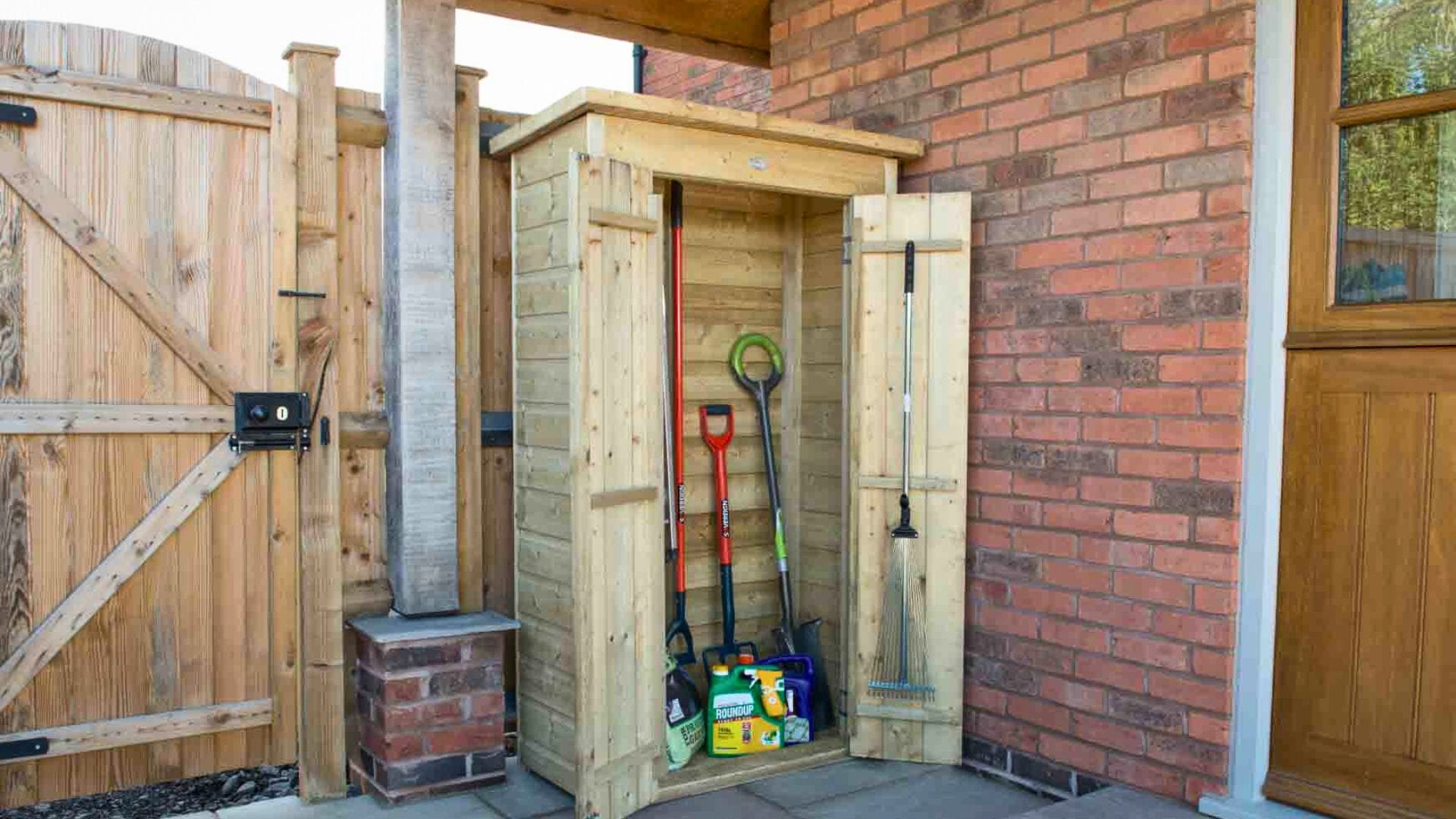
Store tools in a dry location, hanging them when possible to prevent contact with damp floors. Organize your storage area now while you remember where everything belongs – you’ll appreciate this organization when spring fever strikes and you’re eager to get gardening.
Final Thought: Your Path to Spring Garden Success
These eight fall preparation tasks create a foundation for garden success that extends far beyond next spring. By investing time in fall preparation, you’re not just preparing for one growing season – you’re building soil health, establishing systems, and creating habits that will benefit your garden for years to come.
The gardeners who consistently have the most beautiful, productive gardens aren’t necessarily the ones who spend the most time working in spring and summer. They’re the ones who understand that fall preparation is the secret to effortless spring gardening.

Start with soil testing and composting – these two tasks alone will transform your garden’s performance. Then work through the remaining tasks at your own pace, knowing that each completed task brings you closer to the stunning spring garden you envision.
Remember, gardening is a long-term investment in beauty, sustainability, and personal satisfaction. These fall tasks might require effort now, but they’ll pay dividends in easier maintenance, better plant performance, and more spectacular results throughout the coming growing season.
Your future self will thank you next spring when your garden emerges from winter stronger, healthier, and more beautiful than ever before. The time to start is now – your dream garden begins with today’s preparation.