
Eating 30 grams of fiber daily won’t transform your gut health if all that fiber comes from the same source. New 2025 research explains exactly why diversity trumps quantity.
You’ve heard the advice for years: eat more fiber. But despite adding fiber to your diet, you’re not seeing the health benefits you expected.
That’s because generic recommendations miss a key point—different fiber types feed different gut bacteria.
Here’s what you’ll learn. Why fiber diversity matters more than fiber amount for your microbiome health.
How eating varied fiber types reduces inflammatory markers linked to aging. Which foods give you the fiber combinations that actually work. And how to build a simple strategy that fits your life.
Why Fiber Diversity Matters More Than Total Amount
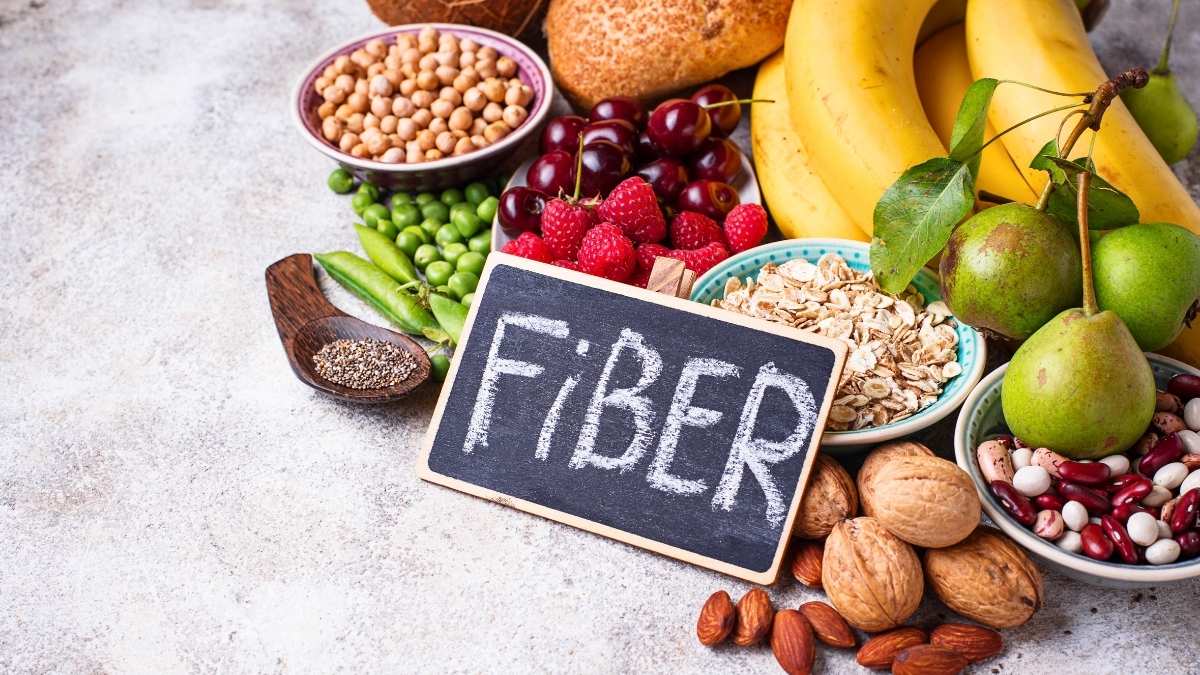
Your gut holds thousands of different bacteria. Each type needs specific fuel to survive. When you eat only one fiber type, you feed only a small group of gut bacteria.
Here’s the problem. 2024 Purdue research found that single fiber sources like inulin supplements support narrow bacterial populations.
Multi-component fibers feed a broader range of beneficial bacteria. Think of it like this: wheat-derived Arrabina feeds multiple species, while pure inulin feeds mostly Bifidobacterium.
Different bacteria have different jobs. Bifidobacterium breaks down inulin and short-chain fructans. Bacteroides species handle pectins and beta-glucans.
Firmicutes prefer resistant starches. A 2021 study tested 22 fiber sources and found each one created distinct microbiome changes.
Here’s why this matters for inflammation. Higher microbial diversity means lower inflammation in your body.
2025 studies show diverse fiber intake reduces IL-6 and TNF-α—two key inflammatory markers that rise with age.
Your starting point matters too. A November 2024 study found that people with Prevotella-rich gut bacteria respond better to resistant starch.
Those with more Bacteroides benefit from different fiber types. One size doesn’t fit all.
The Five Main Fiber Categories and Their Unique Roles
Think of fiber types as different workers in your gut. Each one has a specific job. Here’s what you need to know about the five main categories.
Resistant Starch – The Anti-Inflammatory Powerhouse
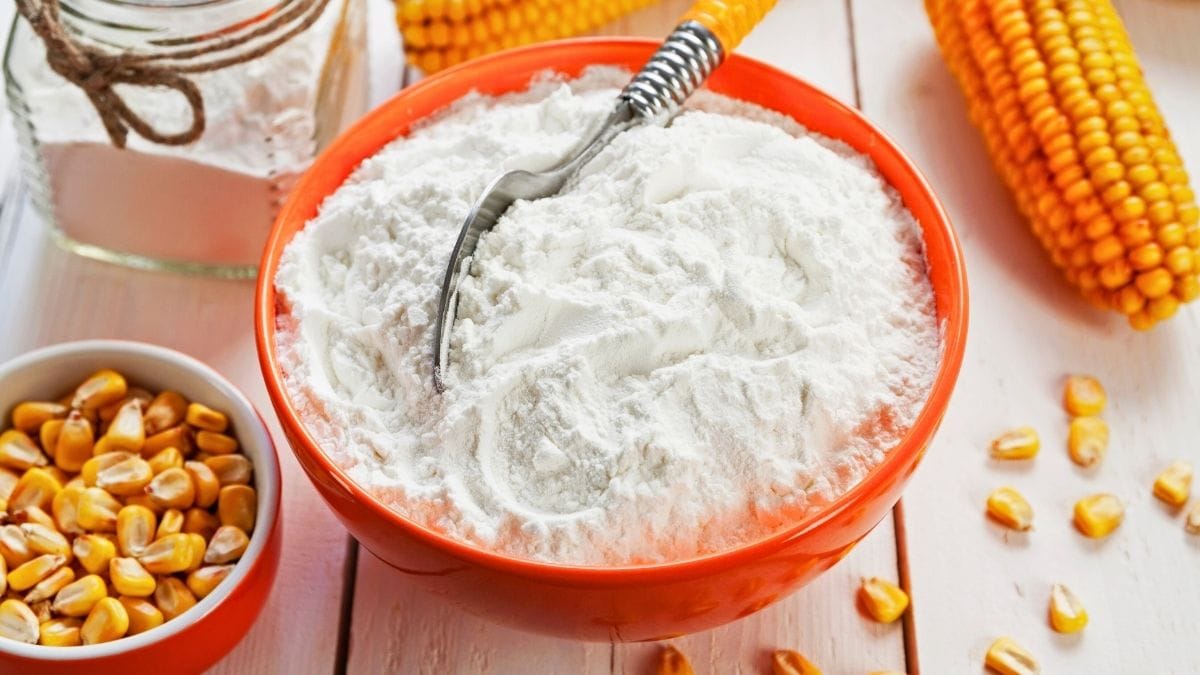
This fiber produces butyrate, a powerful anti-inflammatory compound. Clinical trials show resistant starch increases butyrate production by 40-60%.
You’ll find it in cooked and cooled potatoes, green bananas, legumes, and oats. It feeds Ruminococcaceae and Faecalibacterium prausnitzii—two bacteria linked to lower inflammation.
Here’s a simple trick. Cook your rice or potatoes, refrigerate them overnight, then reheat. This process creates more resistant starch. 2025 research confirms these interventions reduce inflammation markers.
Inulin – The Bifidobacterium Booster
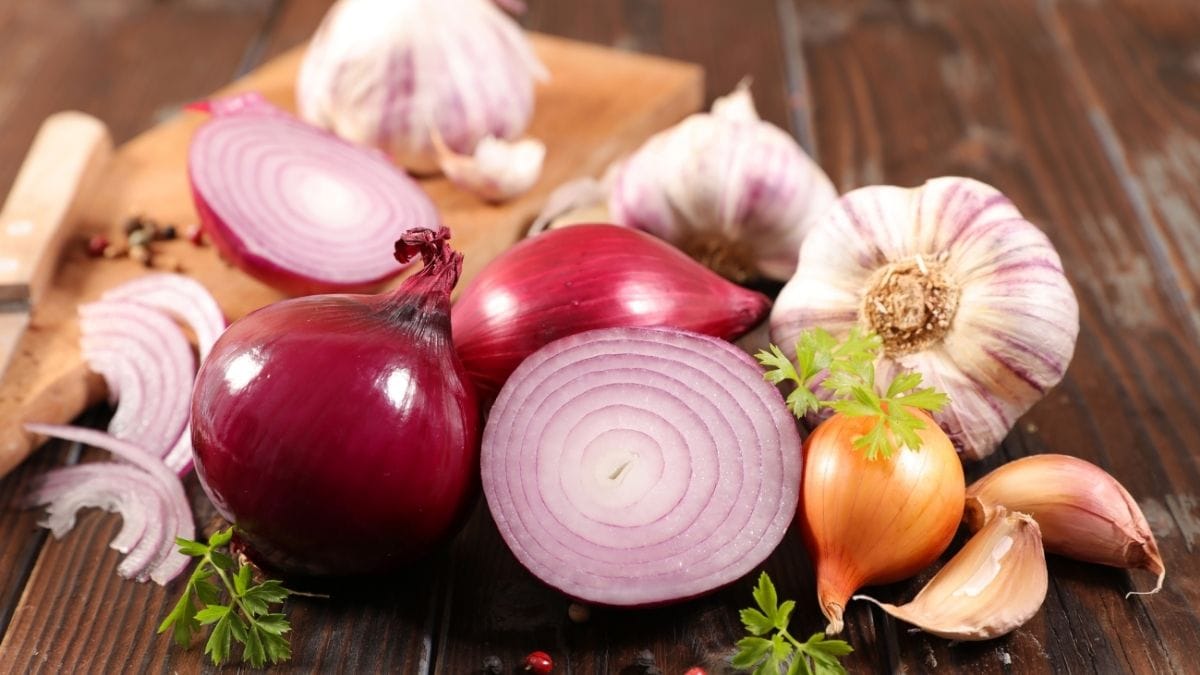
Inulin feeds Bifidobacterium species, the good bacteria you want more of. You’ll get it from chicory root, garlic, onions, leeks, and asparagus.
Studies show inulin produces the highest increase in beneficial lactobacilli. It also boosts Collinsella, a bacteria linked to lower colorectal cancer risk.
Start slow. Add 2-3 grams daily. Too much too fast causes gas and bloating. Your gut needs time to adapt.
Beta-Glucan – The Cholesterol Fighter
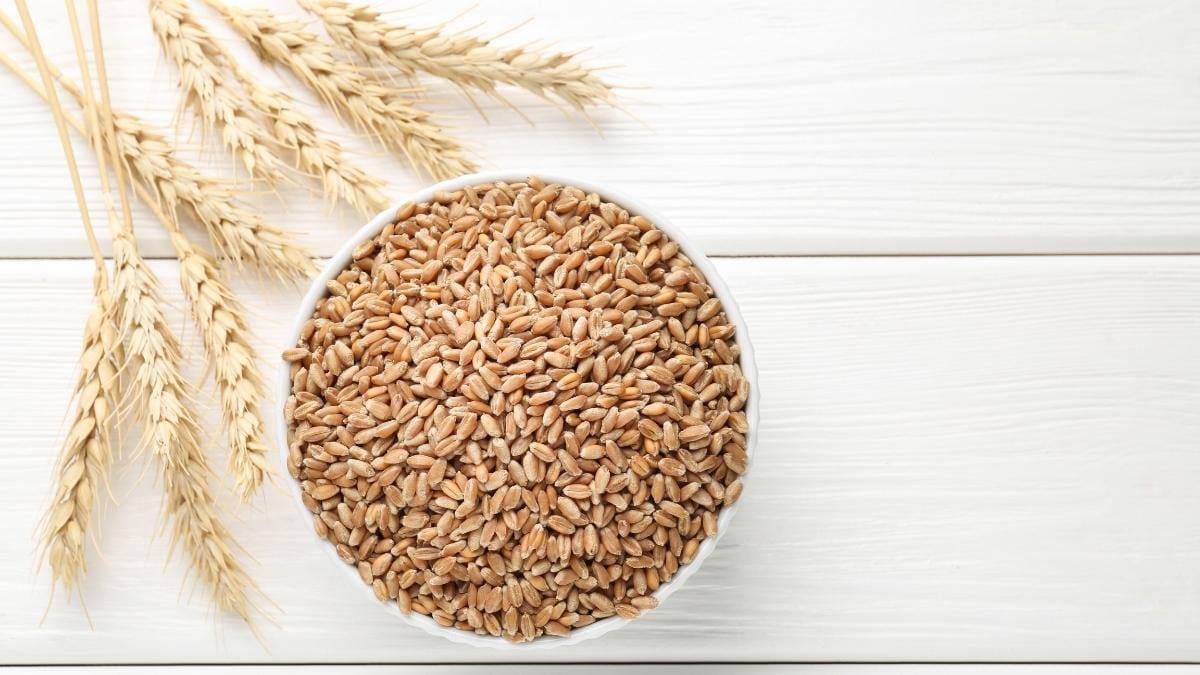
Found in oats, barley, mushrooms, and yeast, beta-glucan does multiple jobs. It lowers cholesterol, controls blood sugar, and feeds Akkermansia muciniphila—a bacteria that strengthens your gut lining.
The FDA approves this claim: 3 grams from oats or barley reduces heart disease risk. A 2024 study found beta-glucan changes bile acids in ways that benefit your gut.
Pectin – The Gut Barrier Protector
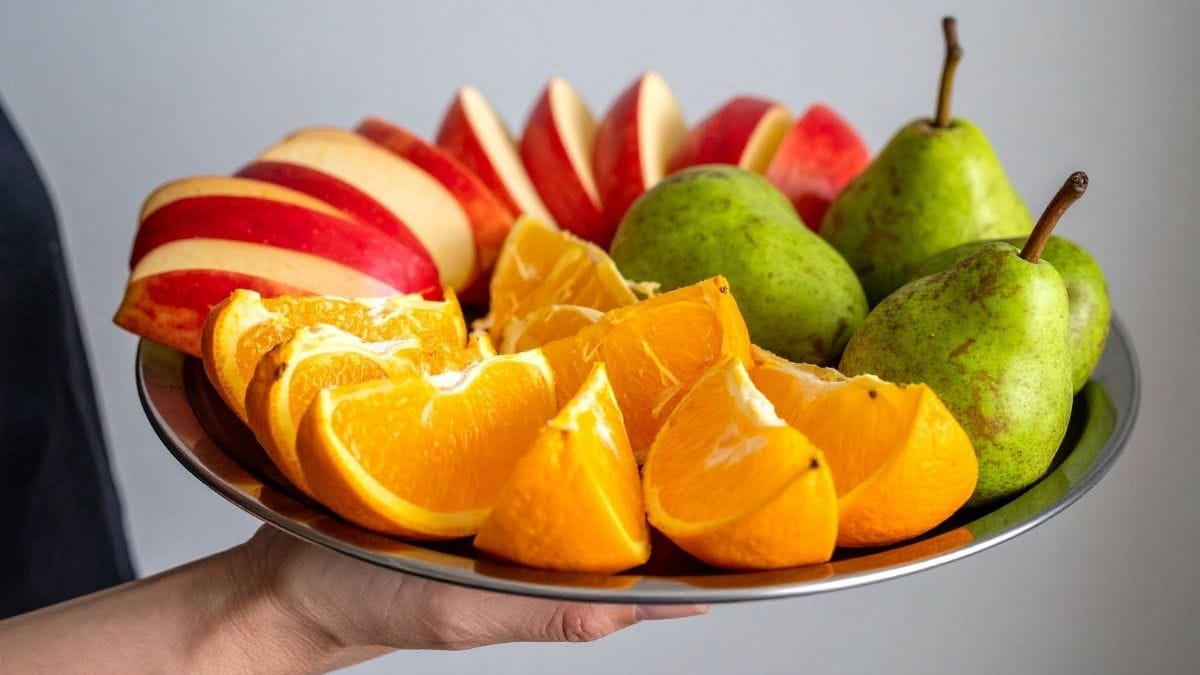
Apples, pears, citrus peels, carrots, and berries give you pectin. This fiber slows digestion and strengthens your gut barrier.
It feeds Bacteroides species and works best when you eat whole fruits with skins. Blend them into smoothies for maximum benefit.
Cellulose – The Regularity Keeper
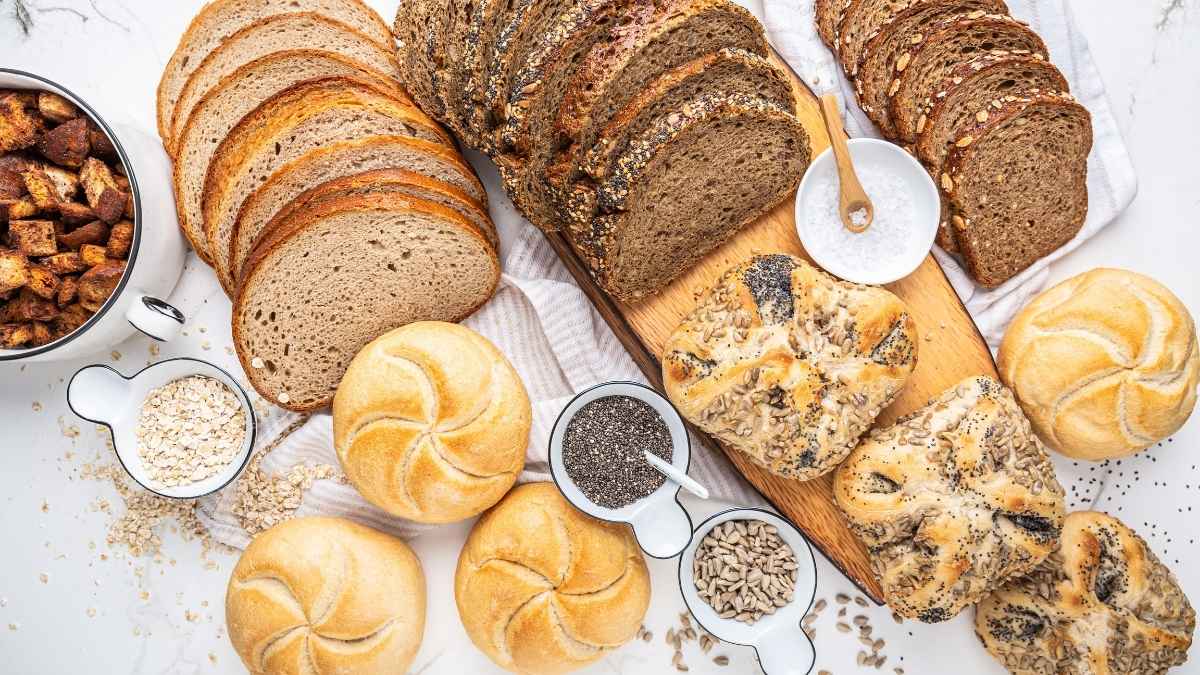
Wheat bran, whole grains, vegetable skins, nuts, and seeds contain cellulose. This fiber doesn’t ferment much, but it adds bulk and keeps things moving.
It works best when combined with fermentable fibers. You need both types for optimal gut health.
How Fiber Diversity Reduces Inflammatory Markers in Aging

As you age, your body develops chronic low-grade inflammation. Scientists call this “inflammaging.”
Your inflammatory markers—IL-6, TNF-alpha, and C-reactive protein (CRP)—start rising. This links directly to heart disease, diabetes, brain decline, and frailty.
Here’s the connection to your gut. Fiber-fermenting bacteria decline as you age. This creates gut dysbiosis, which fuels inflammation throughout your body.
How Diverse Fiber Fights Inflammation
When gut bacteria break down different fiber types, they produce short-chain fatty acids (SCFAs). These include butyrate, propionate, and acetate.
February 2025 research shows SCFAs change how your genes express themselves. Butyrate feeds your gut lining cells and strengthens your intestinal barrier. Propionate and acetate calm your immune system.
Multiple fiber types create diverse SCFAs. This gives you broader anti-inflammatory effects than eating just one fiber source.
The Numbers Don’t Lie
The Women’s Health Initiative studied thousands of women. High fiber intake correlated with lower IL-6 levels (P-value 0.01).
That’s statistically significant. The Mediterranean diet, rich in diverse fibers, reduces IL-6 by 1.07 pg/mL and IL-1β by 0.46 pg/mL.
A 2025 review found resistant starch and inulin show the clearest anti-inflammatory effects. IL-6 and TNF-alpha respond better to fiber than CRP does.
What Happens in Aging Guts
Your microbiome loses diversity with age. Fiber-degrading specialists like Coprococcus and Prevotella decline. Harmful species like Clostridium hathewayi increase. This imbalance drives inflammation.
Good news: you can fight back. Studies in people aged 55-80 show inulin supplementation increases microbial diversity and Bifidobacterium.
High-fiber diverse diets partially restore beneficial bacteria composition. Diverse fibers support multiple species at once, making your microbiome more resilient.
They reduce inflammatory compounds like TMAO and p-cresol while boosting protective tryptophan metabolites.
Your fiber choices today shape your inflammation levels tomorrow.
Building Your Fiber Diversity Strategy: Practical Guidelines
You know fiber diversity matters. Now here’s how to actually do it in your kitchen.
The 30-Plant Rule
Aim for 30 different plant foods each week. This isn’t as hard as it sounds. Count whole grains, legumes, vegetables, fruits, nuts, seeds, herbs, and spices. Each plant provides a unique fiber profile. Variety beats volume for gut health.
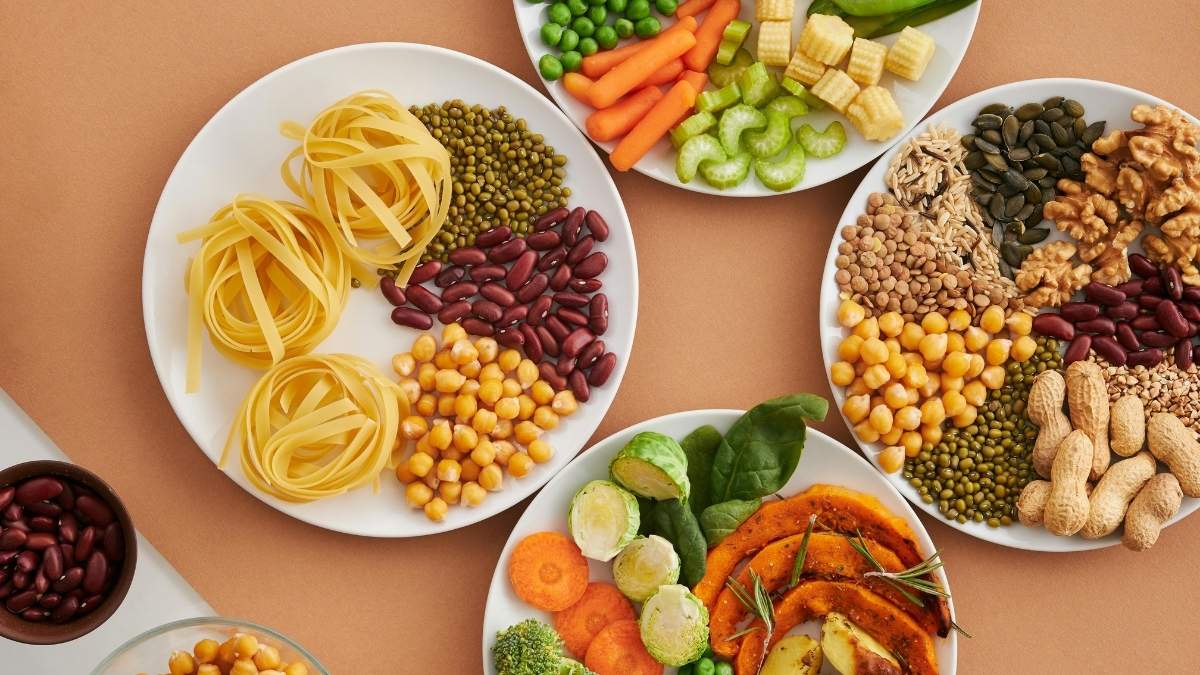
Start tracking this week. You might be closer than you think.
What to Eat Each Day
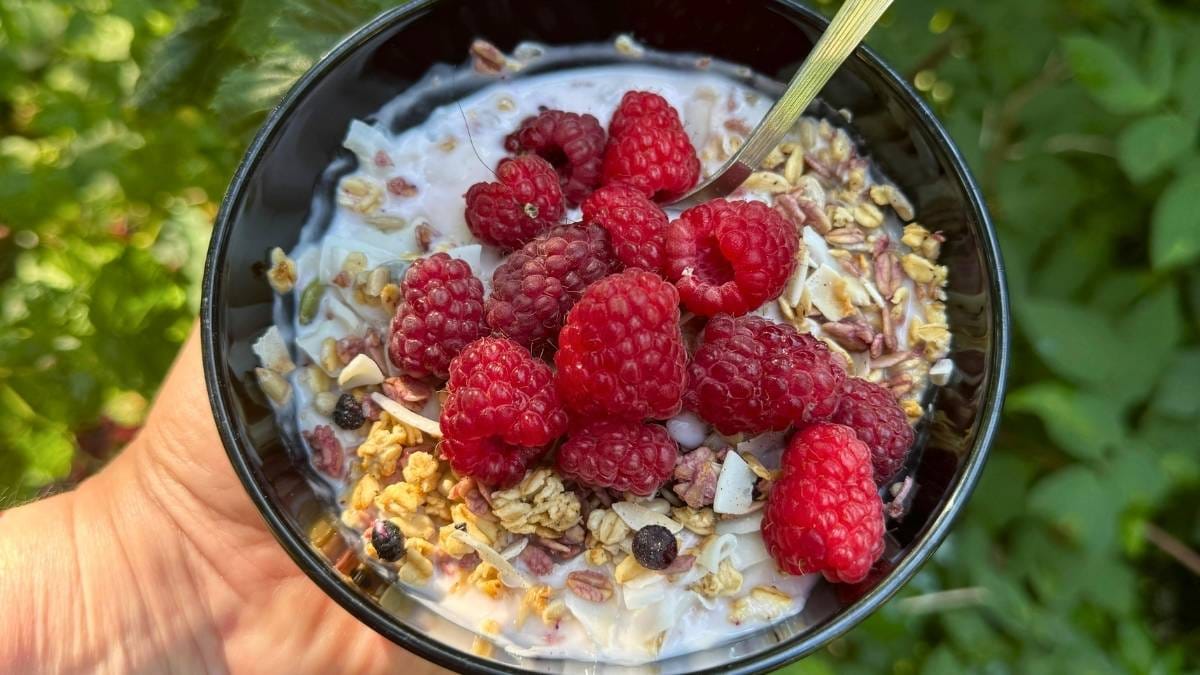
Breakfast: Oats give you beta-glucan. Add berries for pectin. Sprinkle chia seeds for mucilage fiber.
Lunch: Make a lentil salad for resistant starch. Add mixed vegetables for various fiber types.
Dinner: Cook brown rice, refrigerate it overnight, then reheat. This creates resistant starch. Serve with different vegetables each night.
Snacks: Grab nuts, whole fruits with skin, or hummus with raw vegetables.
Start Slow to Avoid Problems
If you currently eat less than 15 grams of fiber daily, start at 15-20 grams. Increase by 3-5 grams each week.
Clinical studies show this gradual approach minimizes gas and bloating. Spread your fiber throughout the day, not all at one meal.
Drink plenty of water. Both soluble and insoluble fibers need it to work properly.
Some gas is normal. It means your gut bacteria are actively fermenting fiber. But if you get severe bloating, reduce fermentable fibers temporarily. Then add them back slowly.

Should You Take Supplements?
Whole foods beat supplements every time. They provide polyphenols, vitamins, and minerals that work together with fiber.
But if you supplement, choose multi-fiber products. Look for psyllium plus inulin combinations or resistant starch with beta-glucan blends.
Research shows multi-component fibers like Arrabina are tolerated at 15 grams daily. Pure inulin often causes distress at the same dose. Don’t rely on supplements alone. Use them to complement whole foods.
Your Gut Is Unique
Your response depends on your baseline microbiome. People with more Prevotella bacteria respond better to resistant starch.
Those with more Bacteroides benefit from diverse soluble fibers. Monitor how you feel: energy levels, digestion, regularity. These tell you what’s working.
Stool testing is optional. Most people don’t need it.
Top Food Sources for Each Fiber Type (Quick Reference)
Here’s your shopping list for fiber diversity. Pick at least one from each category.
Resistant Starch Champions
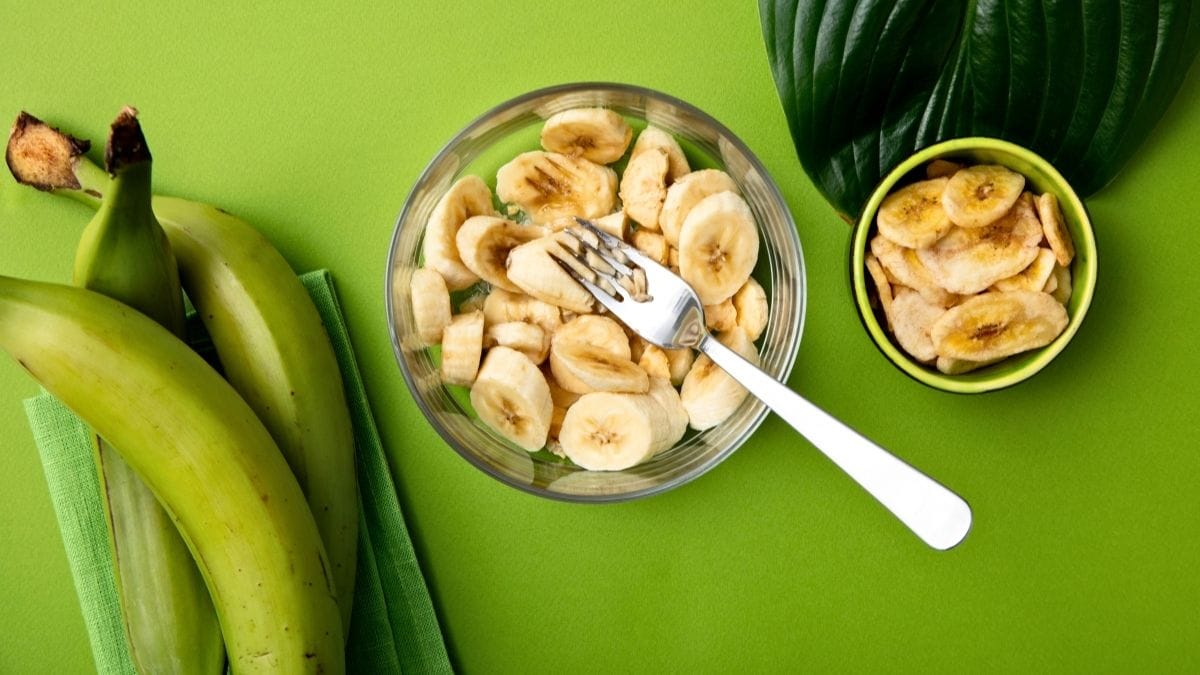
- Cooked and cooled potatoes, rice, pasta (cook, refrigerate overnight, reheat)
- Green bananas (the less ripe, the more resistant starch)
- Lentils, chickpeas, white beans
- Oats (bonus: also contain beta-glucan)
- Cashews and pistachios
Inulin-Rich Foods
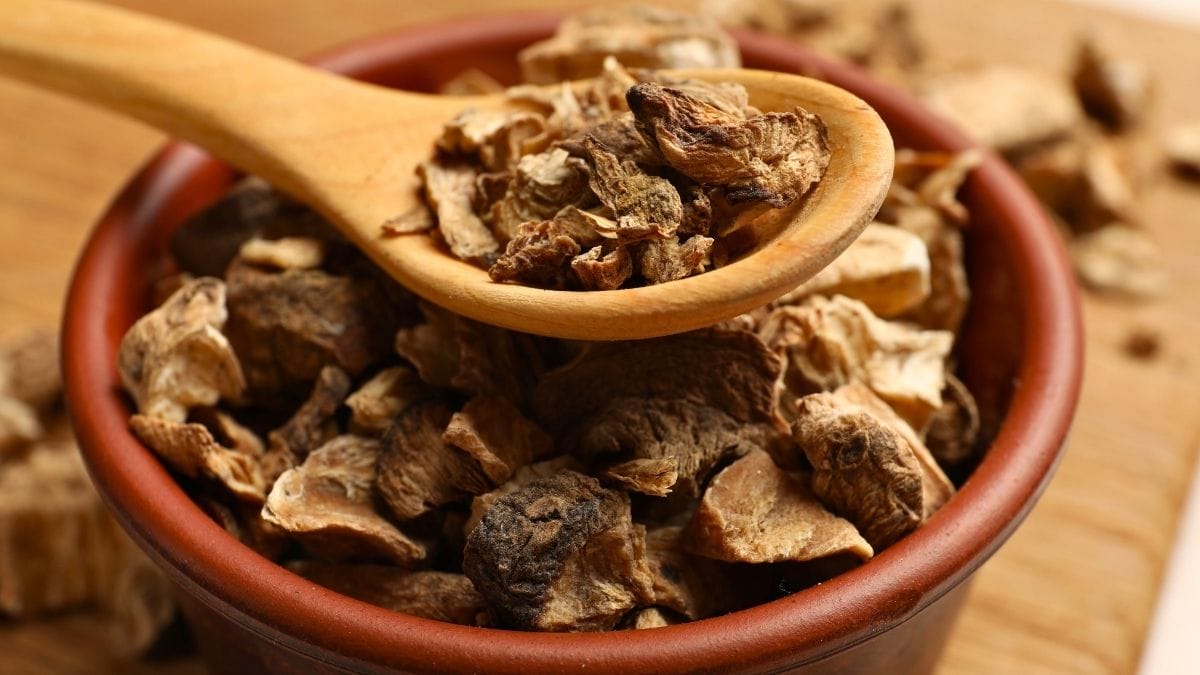
- Chicory root (highest source)
- Jerusalem artichokes
- Garlic and onions (eat raw or lightly cooked for maximum benefit)
- Leeks and asparagus
- Dandelion greens
Beta-Glucan Sources
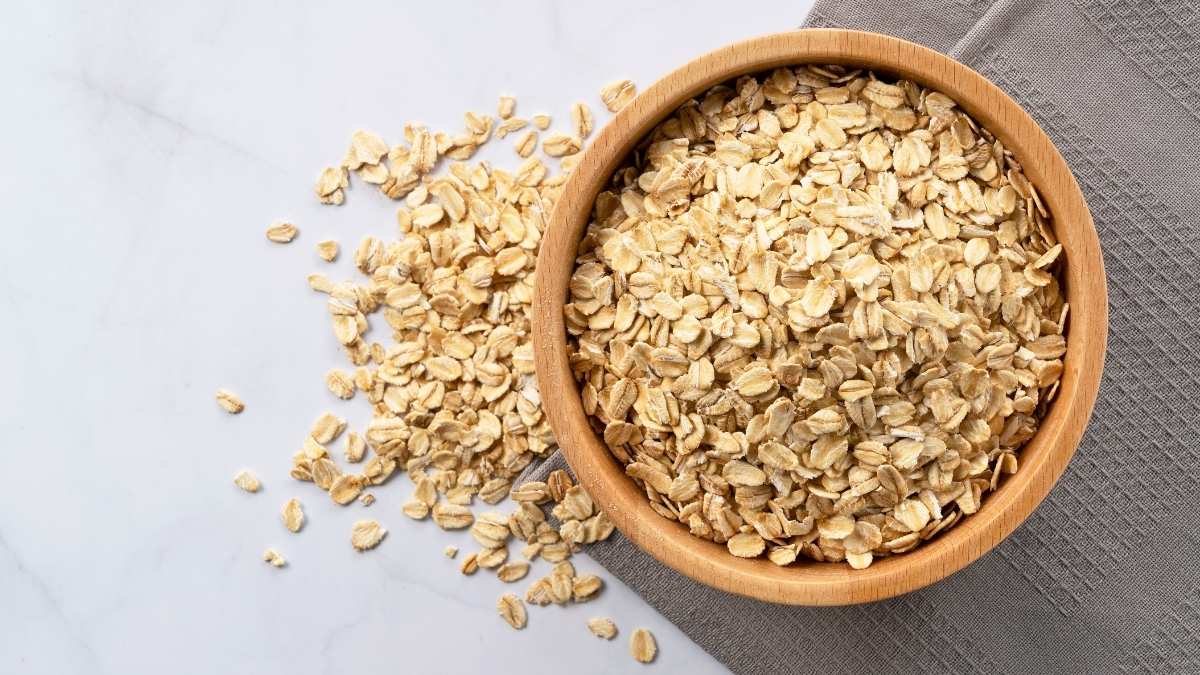
- Oats and oat bran (easiest to find)
- Barley
- Mushrooms: shiitake, oyster, maitake
- Nutritional yeast
- Some seaweed varieties
Pectin-Packed Options
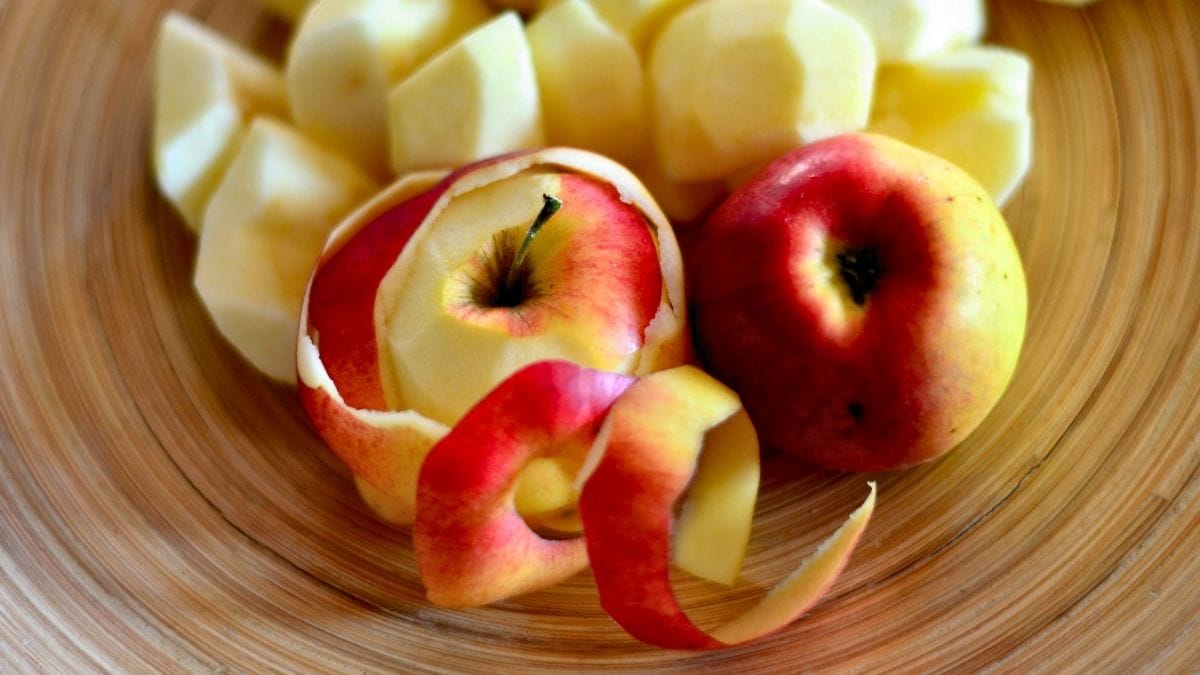
- Apples with skins
- Citrus fruits (eat some of the white pith)
- Pears, plums, apricots
- Carrots and beets
- All berries
Mix and Match Strategy
Rotate your whole grains: wheat, oats, rye, barley, quinoa. Switch between different legumes weekly: beans, lentils, peas. Add variety with nuts and seeds: flax, chia, hemp, pumpkin, sunflower.
Load up on vegetables. Eat cruciferous vegetables (broccoli, cauliflower), alliums (onions, garlic), root vegetables (carrots, beets), and leafy greens. Your goal: 5-7 different fiber sources daily minimum.
This variety ensures you’re feeding all types of gut bacteria, not just a few.
Common Mistakes to Avoid
Don’t sabotage your fiber strategy with these common errors.
Mistake 1: Relying on One “Superfood”
Eating only chia seeds or taking just inulin supplements won’t cut it. No single fiber does everything. You’re only feeding a narrow group of bacteria. Rotate 5-7 different fiber sources daily for real gut health benefits.
Mistake 2: Adding Too Much Too Fast
You get excited and jump from 10 grams to 40 grams overnight. Then severe bloating hits. You quit.
Your microbiome needs 2-4 weeks to adapt to higher fiber intake. Increase by 3-5 grams weekly. Be patient with the process.
Mistake 3: Ignoring Your Body’s Signals
Some people react poorly to certain fibers. If you have IBS, high-FODMAP fibers might cause problems. People with IBD may need to avoid certain fructans during flares.
Listen to your body. Adjust your fiber sources accordingly. You can still get diversity with tolerable types.
Mistake 4: Replacing Whole Foods with Supplements
Supplements miss the polyphenols, vitamins, and antioxidants found in whole foods. These nutrients work together with fiber for better health. Use supplements to add to your diet, not replace real food.
Mistake 5: Skipping Water
Fiber without water worsens constipation. Both soluble and insoluble fibers need hydration to work. Drink 8-10 cups daily when consuming 25-35 grams of fiber.
Lastly:
Fiber diversity beats fiber quantity for microbiome health. Different fiber types—resistant starch, inulin, beta-glucan, pectin, cellulose—feed different beneficial bacteria.
This variety reduces inflammatory markers like IL-6 and TNF-alpha that drive aging.
Your action plan: eat 30 different plant foods weekly with 5-7 fiber sources daily. Start slowly and increase gradually.
This week, count how many different plant foods you eat. If you’re under 20, add just three new sources from different fiber categories. Your microbiome and your inflammatory markers will thank you. That’s healthy aging in action.