
You’ve seen the supplements. You’ve heard about açai berries and spirulina. But here’s the truth: some of the most powerful foods for your health are already in your kitchen.
The problem? Everyone’s selling you something complicated. Expensive powders. Hard-to-pronounce ingredients. Diet trends that change every month.
The new 2026 Dietary Guidelines keep it simple: eat real, whole foods. But which ones actually work?
This guide shows you five affordable foods with real science behind them. You’ll learn exactly how they help your body, what the research says, and how to eat them starting today.
No PhD required. No weird ingredients. Just simple dietary changes that actually improve your health.
Blueberries: The Brain-Boosting Powerhouse Hiding in Plain Sight
Your brain needs help. And blueberries deliver it.
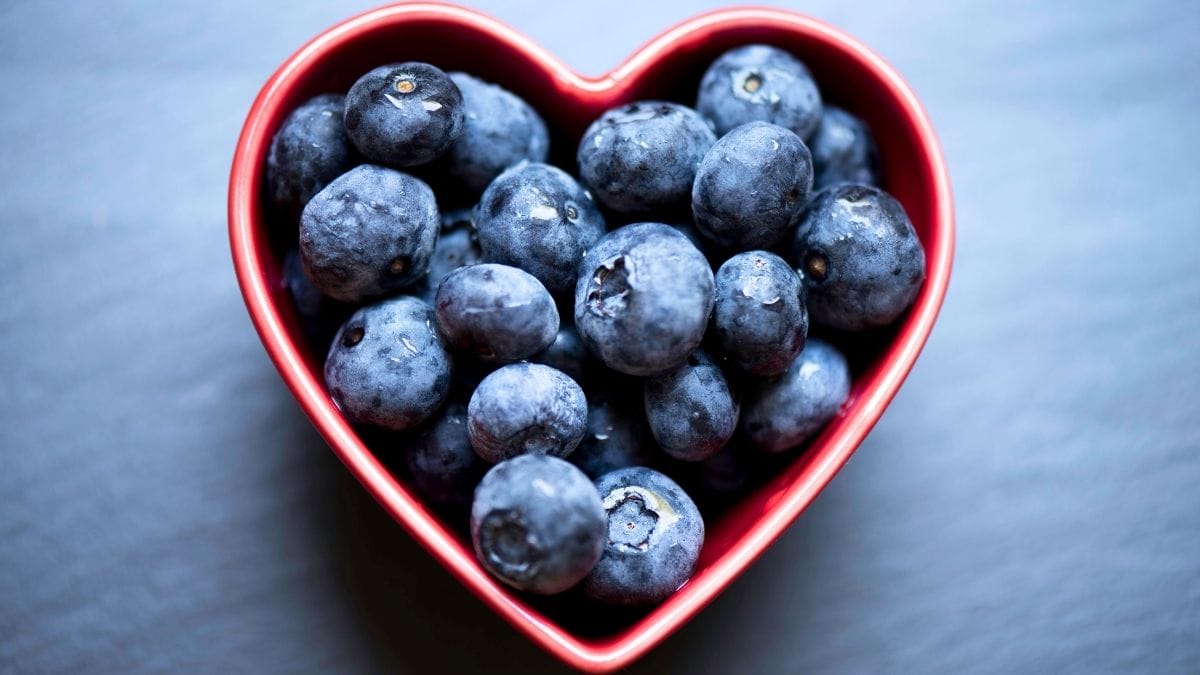
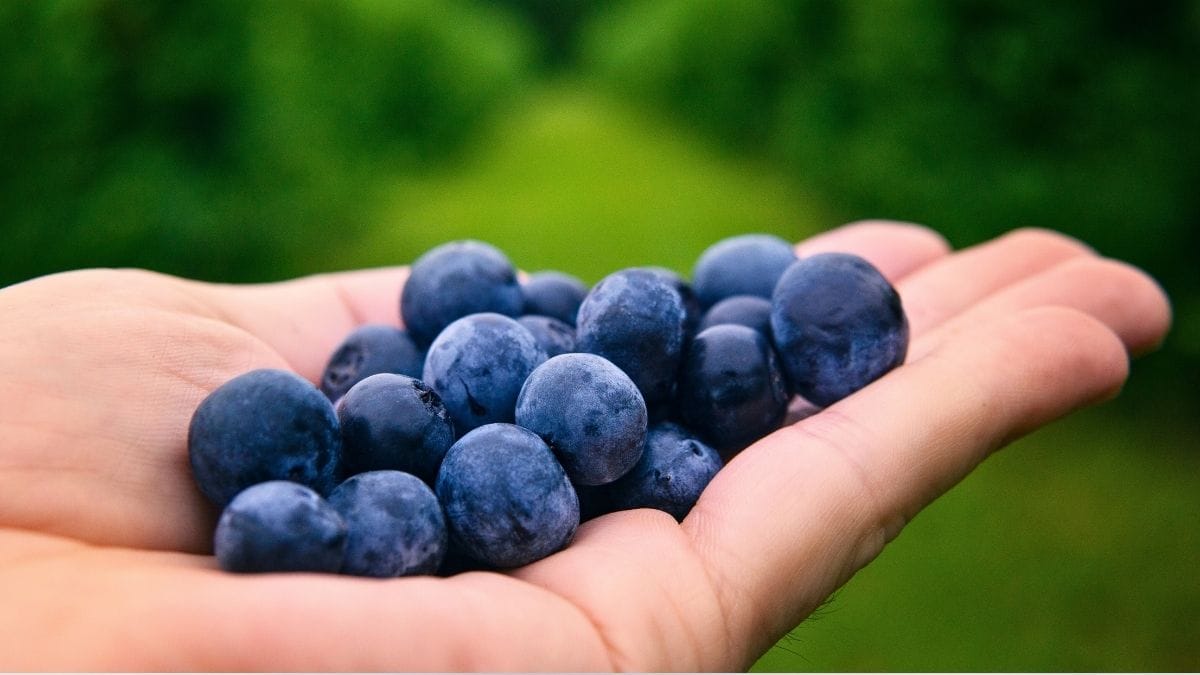
Each cup contains 302mg of anthocyanins. These are plant compounds that cross into your brain and protect your cells. A King’s College London study tested this on adults aged 65-80.
The participants ate 75-80 blueberries daily. That’s just one cup. After 12 weeks, they showed better memory and faster reaction times.
But your brain isn’t the only winner. Wild blueberries improve blood vessel function.
Research links higher anthocyanin intake to 25% less coronary artery disease risk. One twin study found people who ate more blueberries had 3-9% lower body fat.
Here’s the best part: frozen works. Frozen blueberries keep their nutrients and cost less. Throw them in smoothies, yogurt, or oatmeal. Your brain will thank you in ways you can measure.
Start here: add three-quarters cup to breakfast tomorrow.
Green Tea: The 2,000-Year-Old Drink Scientists Are Still Studying
Green tea has been around for 2,000 years. Scientists are still finding new reasons it works.

The key ingredient is EGCG. This polyphenol has 100 times the antioxidant power of vitamin C or E.
One randomized trial studied people with osteoarthritis. Those who took green tea extract with their regular medicine showed better pain relief after four weeks.
Green tea also protects your heart. Studies link it to better metabolism and lower diabetes risk.
The L-theanine in tea reduces stress without making you tired. One study gave people 200mg of L-theanine nightly for four weeks. Depression scores dropped. Sleep quality improved.
Two to three cups daily gives you the benefits. Brew it for 3-5 minutes in water that’s hot but not boiling. Add lemon if you want. Skip the sugar.
Swap one coffee for green tea this week. See how you feel.
Fatty Fish: The Mediterranean Secret to Brain and Heart Health
Your brain is 60% fat. About 30% of that is DHA, an omega-3 fatty acid. You can’t make it. You have to eat it.

Fatty fish delivers. Salmon, sardines, mackerel, and trout pack EPA and DHA. One neuroscience researcher added omega-3s to their diet and saw a 40% increase in new brain cell growth.
A 24-week study showed fish oil reduced cognitive decline in older adults.
These same omega-3s fight inflammation. They may lower beta-amyloid levels in your brain. That’s the protein linked to Alzheimer’s. They also help your joints by reducing arthritis pain.
Eat fatty fish twice a week. A 3.5-ounce serving of wild salmon gives you 2,000mg of omega-3s. Can’t afford fresh? Canned sardines work great. They’re cheap and loaded with nutrients.
Put salmon on your shopping list for this week.
Garlic: Why This Kitchen Staple Deserves More Credit
Garlic does more than flavor your food. It fights for your health.
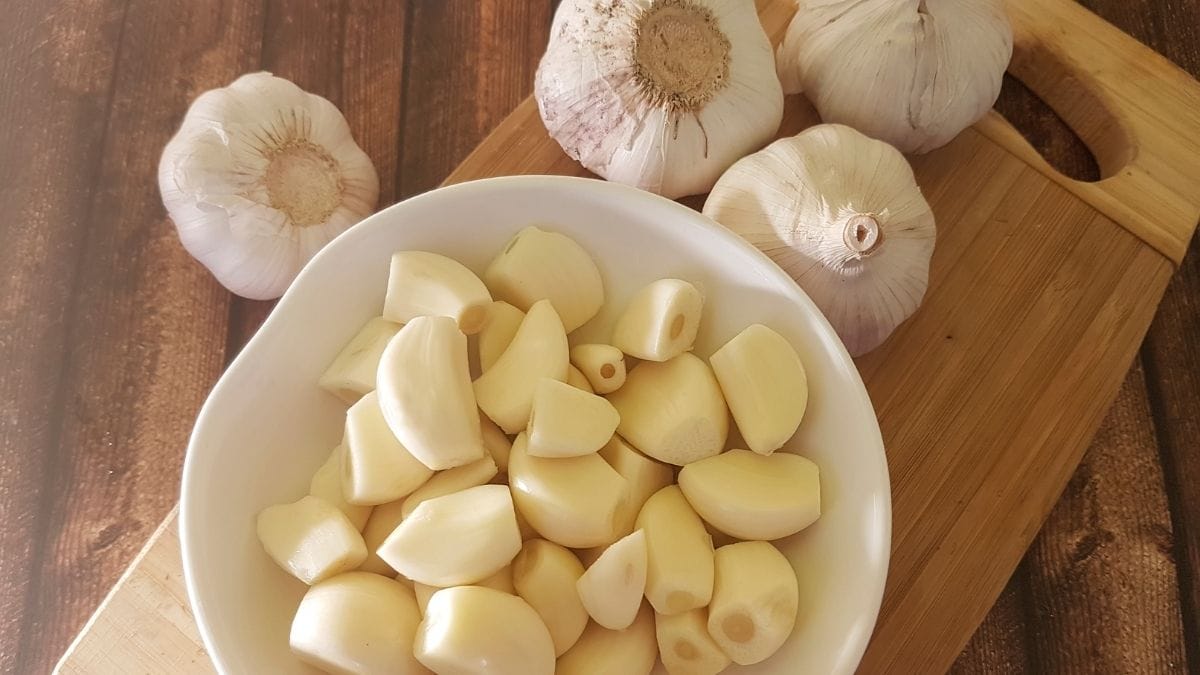
When you chop garlic, it creates allicin. This compound interacts directly with viruses and supports your immune system.
Recent 2026 research highlights garlic among everyday foods with proven antiviral properties.
Garlic also helps your heart. Regular eating lowers LDL cholesterol and blood pressure. It reduces inflammation throughout your body. The diallyl disulfide in garlic may slow cartilage damage in your joints.
Here’s what makes garlic special for your gut: it’s 80% inulin. That’s a prebiotic fiber. It feeds the good bacteria in your digestive system.
The trick? Chop it and wait 10 minutes before cooking. This maximizes the allicin. Add it during the last five minutes of cooking to keep the benefits.
Aim for one to two cloves daily. Your immune system will notice.
Fiber-Rich Foods: Feeding the Trillions Working for You
You have trillions of bacteria in your gut. About 70% of your immune system lives there. What you feed these bacteria matters.
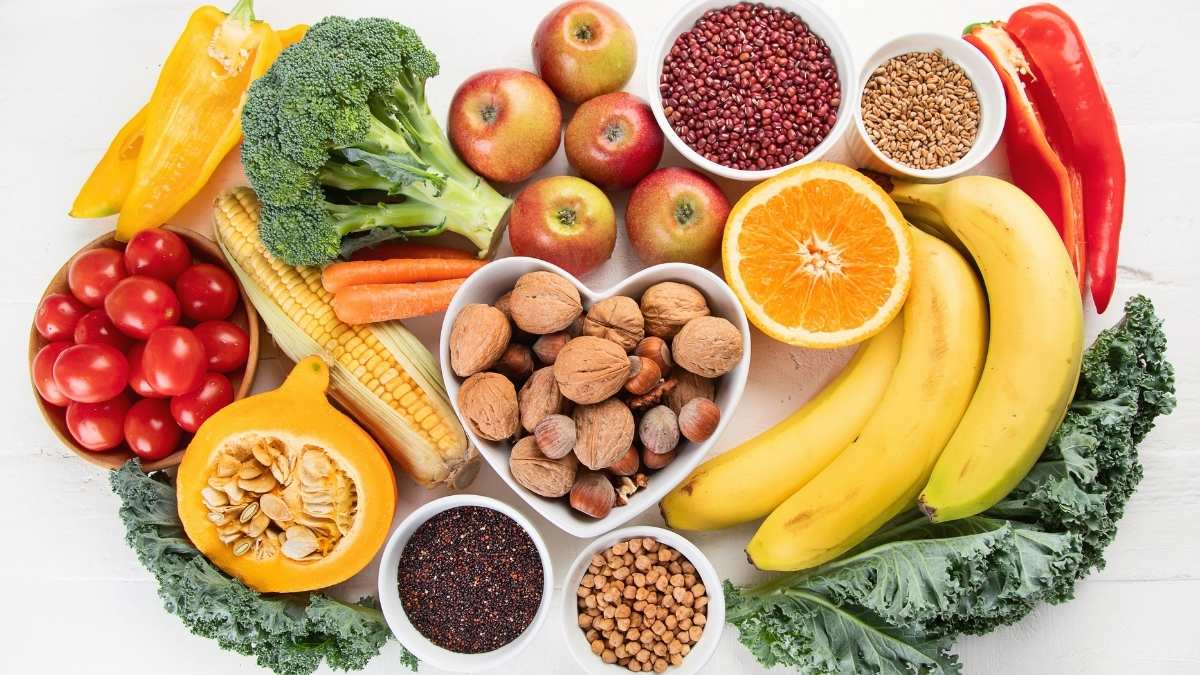
Fiber is their favorite meal. When gut bacteria eat fiber, they produce short-chain fatty acids (SCFAs).
One study showed people eating high-fiber diets had significant improvements in bowel health. Their beneficial bacteria like Bifidobacterium and Fusicatenibacter increased.
More fiber also means less inflammation. Research links dietary fiber to lower C-reactive protein levels. That’s a key inflammation marker. Fiber-rich diets are associated with lower cancer rates too.
Women need 25 grams daily. Men need 38 grams. Most people get less than half that. Good sources: fruits with skin, vegetables, whole grains, beans, and lentils.
Increase slowly. Add five grams per week. Drink more water. Your gut needs time to adjust.
Start with one extra serving of vegetables today.
Lastly:
These five foods work. Blueberries protect your brain. Green tea fights inflammation. Fatty fish feeds your neurons. Garlic boosts immunity. Fiber feeds your gut bacteria.
Pick one. Add berries to breakfast. Drink green tea instead of coffee. Eat salmon twice weekly. Small changes add up. Your body recognizes real food and uses it well.