

A 2025 study from Oregon Health & Science University found something surprising. How long you sleep predicts how long you live — more than what you eat or how often you exercise.
Most people try to fix their health one piece at a time. They start a diet. They join a gym. They try to sleep earlier. And nothing sticks.
That is because food, movement, and sleep are not three separate problems. They are one system. Fix one and the others get easier. Ignore one and the others fall apart.
In this article, you will learn what the latest research actually says about each pillar. You will see how they connect. And you will get real, simple steps you can start this week — no extreme plans needed.
Why These Three Work Together, Not Separately
Imagine eating perfectly clean for six months. But you sleep five hours a night and sit at a desk all day. How much of that effort actually counts? Less than you think.
A January 2026 study in eClinicalMedicine tracked 59,078 people. It found that making small improvements in sleep, food, and movement at the same time added real years to life. Not big changes. Small, steady ones — done together.

Here is why this matters. When you sleep badly, you crave junk food the next day. When you eat junk, you feel too tired to move.
When you do not move, you sleep worse. You are stuck in a loop — and most people do not even know it.
But the same loop runs the other way. Better sleep leads to smarter food choices. Better food gives you energy to move. More movement helps you sleep deeper. That is the system. And once you see it, everything clicks.
Sleep — The One Pillar You Keep Ignoring
When did you last wake up without an alarm, feeling rested? If you cannot remember, that is a problem worth taking seriously.
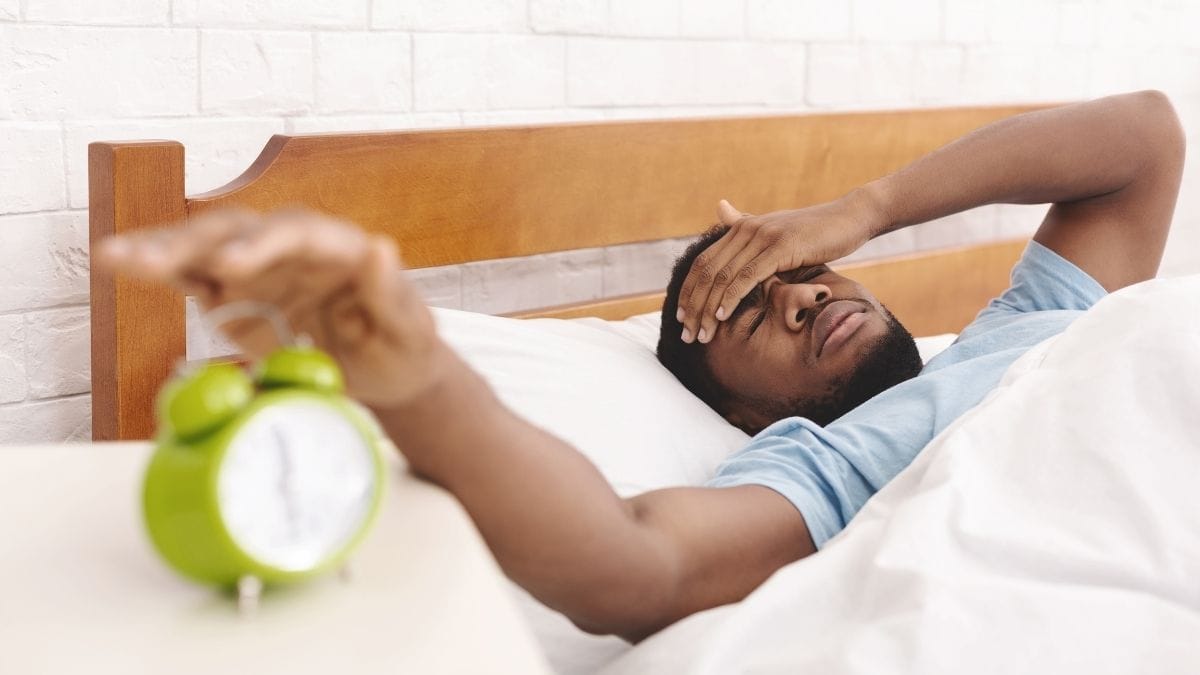
A December 2025 study from OHSU looked at CDC data from across the United States. It found that not getting enough sleep is more harmful to life expectancy than poor food, no exercise, or social isolation. That is a strong finding.
About 16% of the world has insomnia. Six in ten adult Americans do not get enough sleep, according to the National Sleep Foundation. Seven hours per night is the minimum — not a suggestion.
Dr. Andrew McHill, the OHSU researcher behind the study, said it clearly: “Getting a good night’s sleep will improve how you feel but also how long you live.”
Sleep clears waste from your brain, controls hunger hormones, repairs muscle, and manages blood sugar. Poor sleep is tied to obesity, type 2 diabetes, and heart disease.
What to do: Pick one wake time and keep it every day. Stop eating 3 hours before bed. Turn screens off 60 minutes before sleep. Keep your room cool and dark.
Food — You Do Not Need a Perfect Diet
You do not need a perfect diet. You need a consistent food pattern. That is what the research keeps showing, over and over.
The Mediterranean pattern is still the most evidence-backed approach for longevity. It is not a strict diet. It is a style of eating — mostly vegetables, legumes, whole grains, olive oil, and fish.
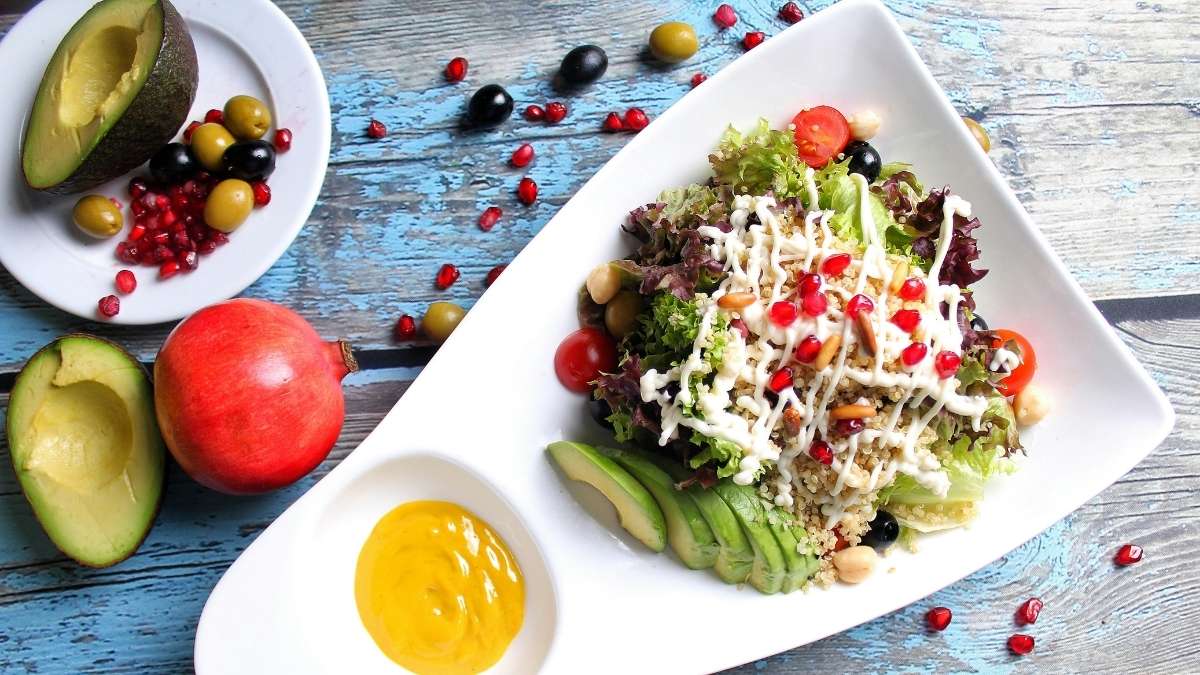
People in Blue Zones like Okinawa, Sardinia, and Ikaria all eat some version of this. They live the longest.
A 2025 study in the Journal of Nutrition, Health and Aging found that ultra-processed foods hurt brain health in middle-aged adults. That includes packaged snacks, fast food, and sugary drinks.
Meal timing matters too. Eating your last meal within three hours of bedtime is linked to worse sleep quality. This is not about calories. It is about protecting your sleep.
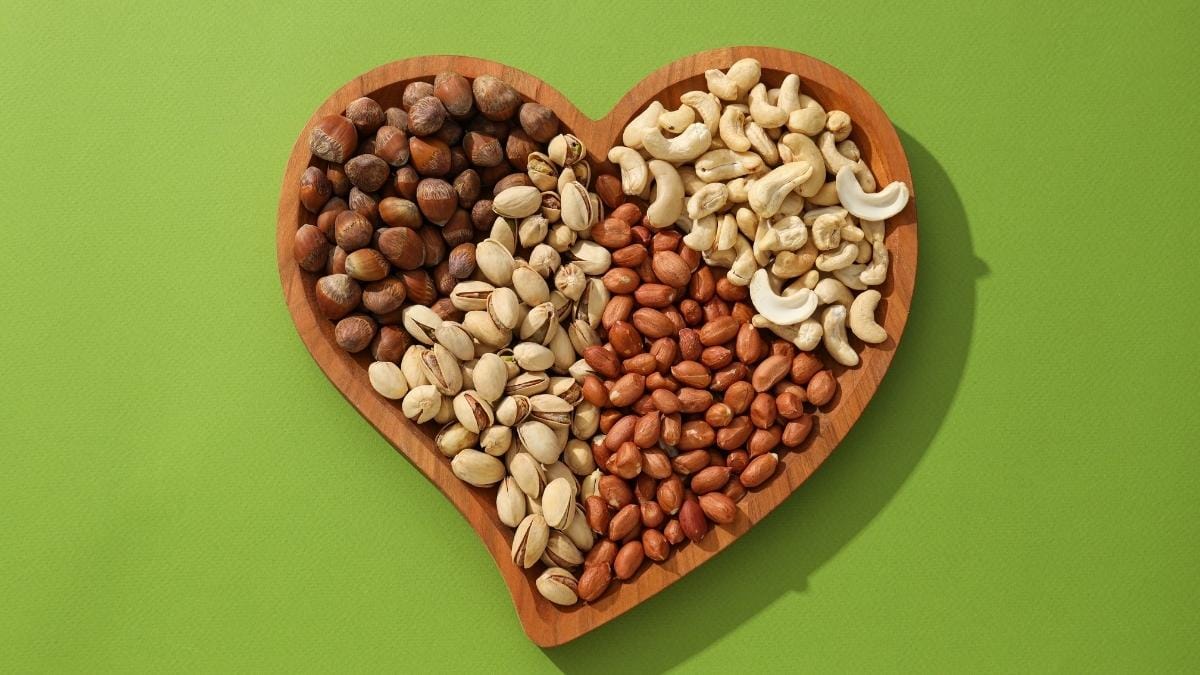
What to do: Build most meals around vegetables and legumes. Eat your last meal at least 3 hours before sleep. Include fatty fish, walnuts, or flaxseed once a day. Cut one ultra-processed snack and replace it with fruit or nuts.
Movement — How Little Is Actually Enough
You do not need a gym membership. You do not need to run. The research says much less is enough to add years to your life.

A study in the British Journal of Sports Medicine found that walking at a moderate pace for 160 minutes per day could add 5 to 11 years to your life. For the least active people, just 111 extra minutes of daily walking could add 11 years.
Even smaller wins count. A January 2026 Lancet study found that adding just five minutes of brisk walking per day reduces early death risk.
A meta-analysis of one million people found that 5,000 steps three times a week for two years can add three years to life expectancy.
People in Blue Zones do not go to gyms. They walk, garden, and move throughout the day. That daily natural movement is just as powerful as a structured workout.

What to do: Walk 7,000 to 10,000 steps daily. Do two bodyweight sessions per week — squats, pushups, lunges. Walk after meals. Break up sitting every 60 to 90 minutes.
How Each Habit Makes the Others Stronger
This is where it all comes together. Each of the three pillars directly improves the other two.
Movement improves sleep. Regular activity reduces how long it takes to fall asleep and increases deep sleep.
A 2024 study in Scientific Reports confirmed this. Moving more during the day is one of the most reliable ways to sleep better at night.

Sleep improves your food choices. When you are sleep-deprived, your brain’s reward system becomes more active. Your decision-making gets weaker. You reach for high-calorie, low-quality food. It is not a willpower problem. It is biology.
Food supports movement. Protein helps your muscles recover. Magnesium and B vitamins give you steady energy. Eating too close to bedtime disrupts sleep, which cuts next-day energy for activity.
The cycle looks like this: Sleep well → make better food choices → have energy to move → move more → sleep deeper → repeat.
You do not need to be perfect at all three. You just need to keep all three moving in the right direction.
A Simple Plan to Start This Week
No theory here. Just clear, specific actions organized by the three pillars. Pick what fits your life right now.

For sleep: Choose one wake time and do not change it — even on weekends. Stop eating three hours before bed tonight. Dim your lights one hour before sleep. Do this for seven days straight before adding anything else.
For food: Swap one processed snack for fruit, nuts, or a boiled egg. Add one serving of vegetables to your biggest meal. Eat fish or legumes at least three times this week. That is it.
For movement: Walk 20 to 30 minutes after dinner each evening this week.
On two days, add 15 minutes of bodyweight exercises — squats, pushups, and lunges, no equipment needed. Take stairs. Park farther away. Walk during phone calls.
In week two, add five more minutes to your walks. Cook one extra meal at home. Sleep 15 minutes earlier. These actions are small.
But compounded over 90 days, they produce real, measurable change in how you feel and how long you live.
Conclusion:
Food, movement, and sleep are one system — not three problems. Research from 2024 and 2025 is clear: small improvements in all three, done together, extend your life more than perfecting just one.
Pick one action from each pillar. Start today. Stay consistent. Your longevity lifestyle habits do not need to be perfect — they need to be real.