
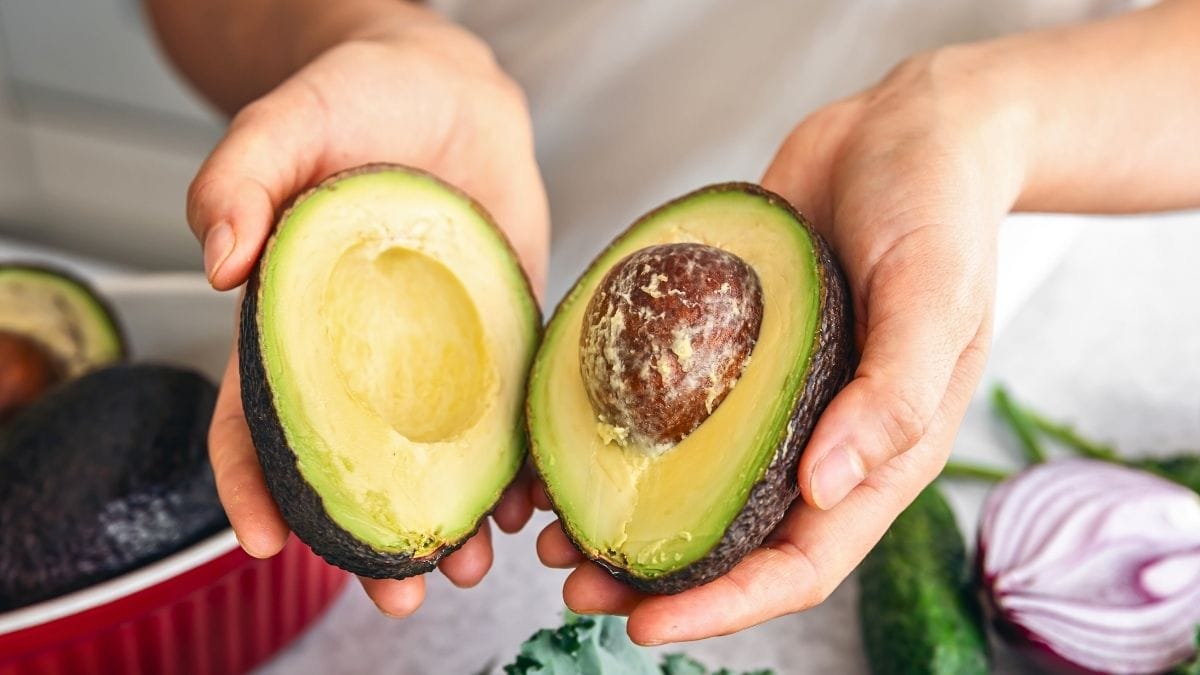
If dinner used to be your favorite part of the day but now leaves you bloated, gassy, or uncomfortable — your stomach hasn’t turned against you. It has just changed.
As you get older, your digestive system slows down. Stomach acid decreases. Gut muscles don’t work as hard as they used to.
Foods that felt fine at 40 can cause real discomfort at 65. And most people don’t know what to eat instead.
Here’s the good news. There are simple, everyday foods that are gentle on an aging stomach. They are easy to find, easy to prepare, and still nutritious.
In this guide, you’ll get a clear list of 12 easy-to-digest foods for aging stomachs — what they are, why they work, and exactly how to use them in your next meal. No complicated recipes. No confusing advice. Just real, practical help.
Why Your Stomach Feels Different As You Get Older
Before we get to the food list, it helps to know what’s actually happening inside your gut.

Your digestive muscles lose strength over time. The esophagus, stomach, and intestines don’t move food along as quickly as they used to. Stomach acid — which breaks food down — can drop as you age.
About one-third of older adults develop a condition called atrophic gastritis, where the stomach lining produces less acid than it should.
This affects how food feels after you eat it. It also affects how well your body absorbs nutrients like calcium, iron, and folic acid.
Here’s a number worth knowing. According to the National Institutes of Health, around 60 to 70 million adults in the US have some kind of digestive disease. That means you are not alone, and your symptoms are not in your head.
About 23% of older adults experience GERD — acid reflux that burns and irritates the throat. Others deal with constipation, bloating, or feeling full too fast.
The right foods won’t fix every problem. But they can make a real difference every single day.
1. Bananas: The First Food Your Gut Actually Likes
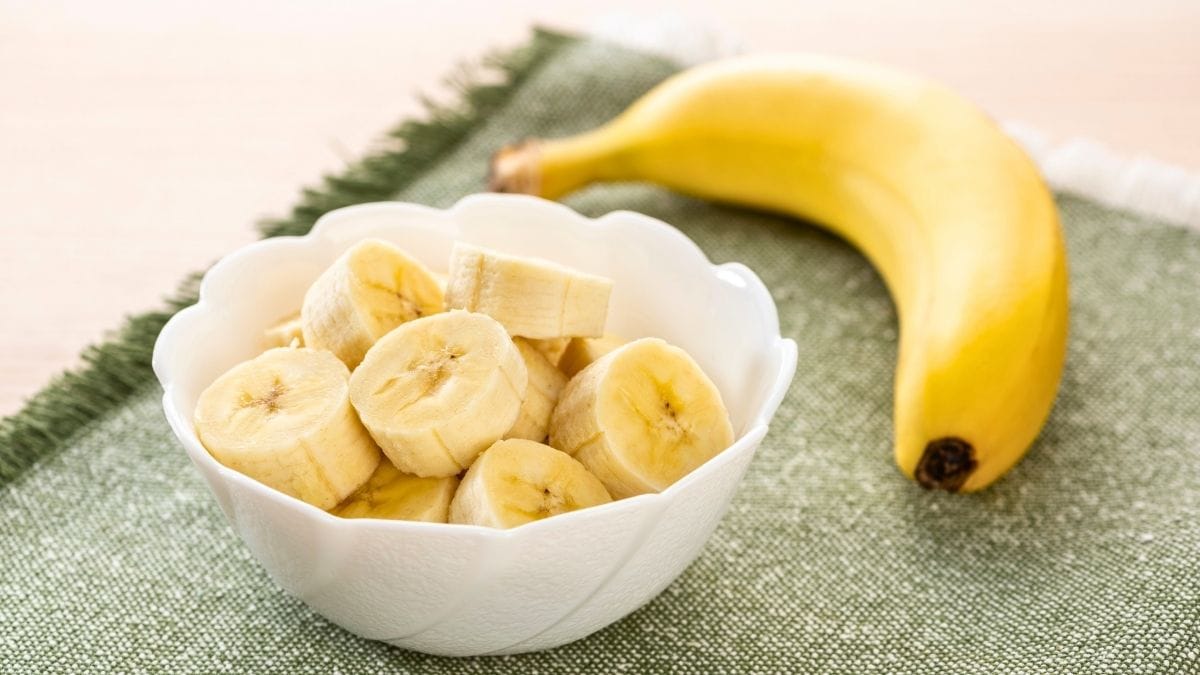
Bananas are one of the easiest foods your stomach can handle. They are soft, require no cooking, and need very little chewing. That already makes them a win for an aging gut.
But here’s why they actually work. Bananas contain soluble fiber. This type of fiber forms a gentle gel inside your digestive tract. It doesn’t scrape or irritate — it moves slowly and smoothly. That’s exactly what a sensitive stomach needs.
Bananas are also packed with potassium, which supports muscle function — including the muscles in your digestive tract.
One important tip: eat a ripe banana, not a green one. Green bananas contain resistant starch, which is harder to digest and can cause gas. A yellow banana with a few brown spots is your best bet.
Quick idea: Slice a banana over plain oatmeal for breakfast. Soft, gentle, and filling — with no added sugar needed.
2. White Rice: Simple, Bland, and Surprisingly Effective
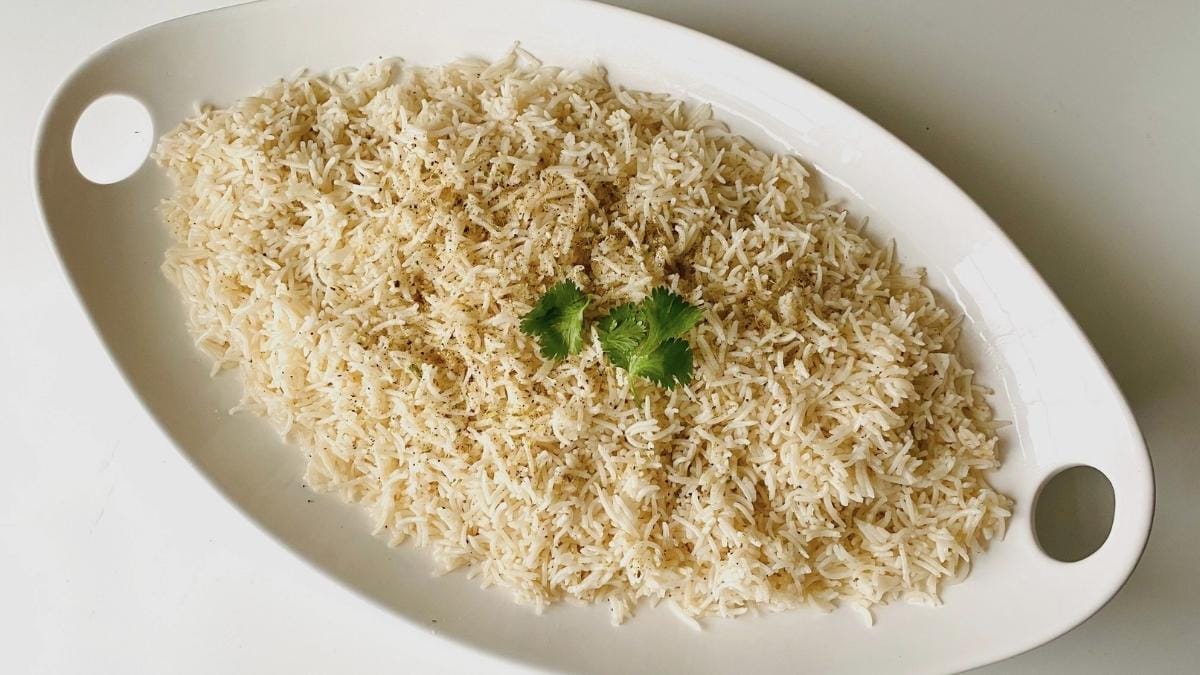
White rice gets a bad reputation because it’s “processed.” But for an aging stomach, that’s exactly what makes it helpful.
It is low in fiber. And for a gut that’s already struggling, less fiber means less gas, less pressure, and less discomfort. White rice moves through your digestive system without creating much work.
Whole grain rice is nutritious — but it is rougher and harder to break down. On days when your stomach is already unhappy, white rice is the smarter choice.
Cook it soft. A little overcooked is perfectly fine. You want it easy to chew and easy to move through your gut.
Quick idea: Pair plain white rice with poached chicken and steamed carrots. This is one of the gentlest meals you can put together, and it takes less than 30 minutes.
3. Greek Yogurt: Gentle Protein With Gut-Friendly Bacteria
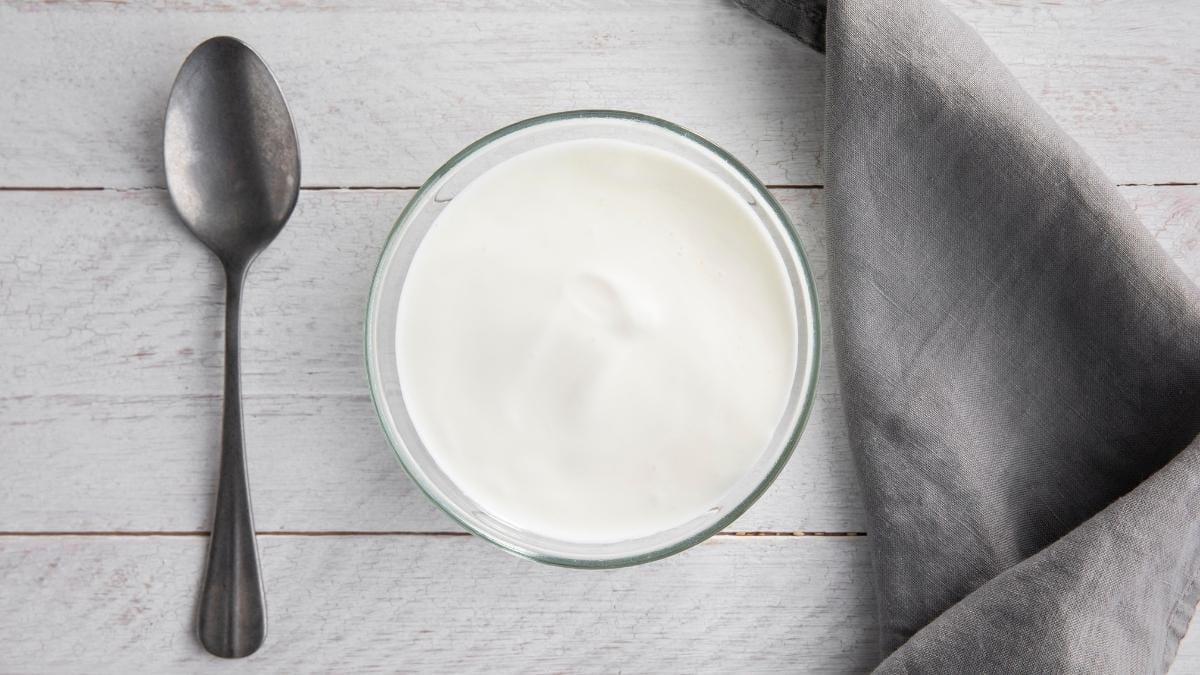
Greek yogurt does two jobs at once. It gives your body protein, and it puts helpful bacteria into your gut.
One cup of plain Greek yogurt contains about 17 grams of protein and 20% of your daily calcium. Both of those matter more as you age, when muscle loss and bone density become real concerns.
The live cultures in Greek yogurt — called probiotics — help balance your gut bacteria. A balanced gut means smoother digestion, less bloating, and a stronger immune system.
Some older adults develop lactose intolerance. If that’s you, Greek yogurt may still be fine. The fermentation process breaks down much of the lactose. Try it with a meal rather than on an empty stomach and see how your body responds.
Always choose plain, unsweetened yogurt. Flavored versions contain added sugar, which feeds harmful gut bacteria and can make bloating worse.
Quick idea: Add a teaspoon of honey and a few soft blueberries. Simple and easy.
4. White Fish: Light Protein That Doesn’t Weigh You Down
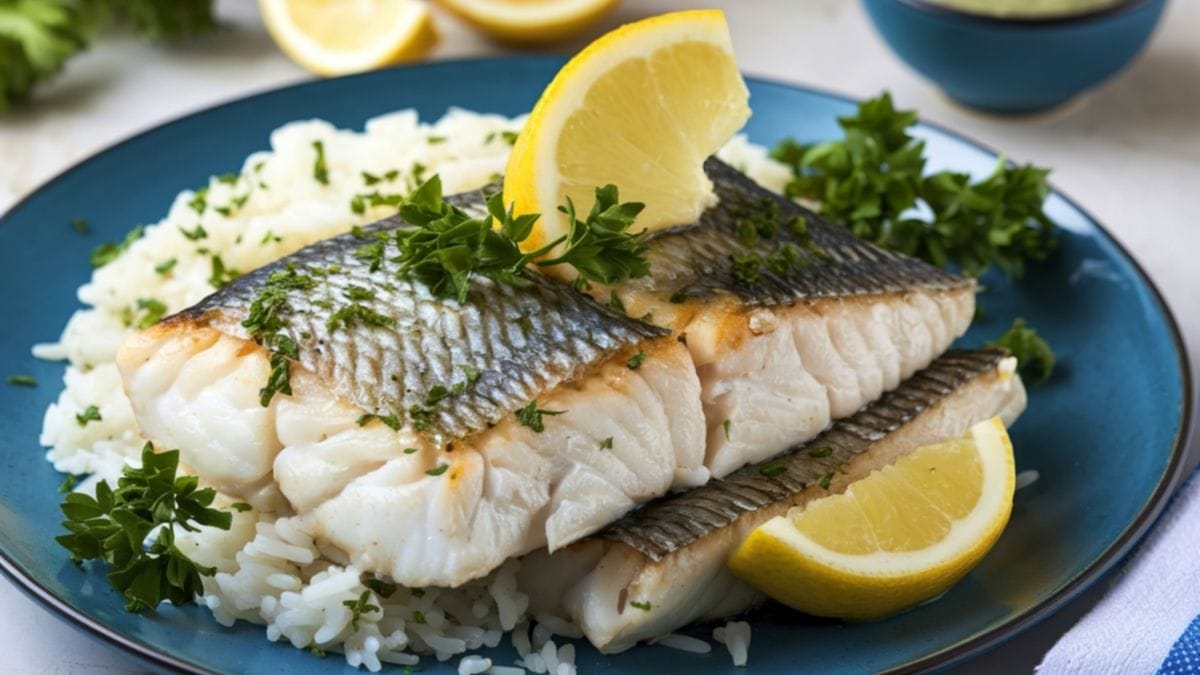
Fish like cod, tilapia, and flounder are some of the easiest proteins your body can digest. They are low in fat, soft in texture, and gentle on the stomach lining.
Fat takes the longest to digest. That’s why red meat, fried food, and greasy meals sit so heavy. White fish has very little fat, so your stomach moves it through much faster.
It also provides the protein your muscles need — which matters a lot for older adults who want to stay strong and active.
Avoid fried fish or anything heavily seasoned with spices. Frying adds fat. Spices can irritate an already sensitive stomach lining.
Quick idea: Bake a piece of cod at 375°F with a drizzle of olive oil and a squeeze of lemon. It’s ready in about 20 minutes and goes perfectly with steamed carrots or white rice.
5. Eggs: One of the Easiest Complete Proteins to Digest
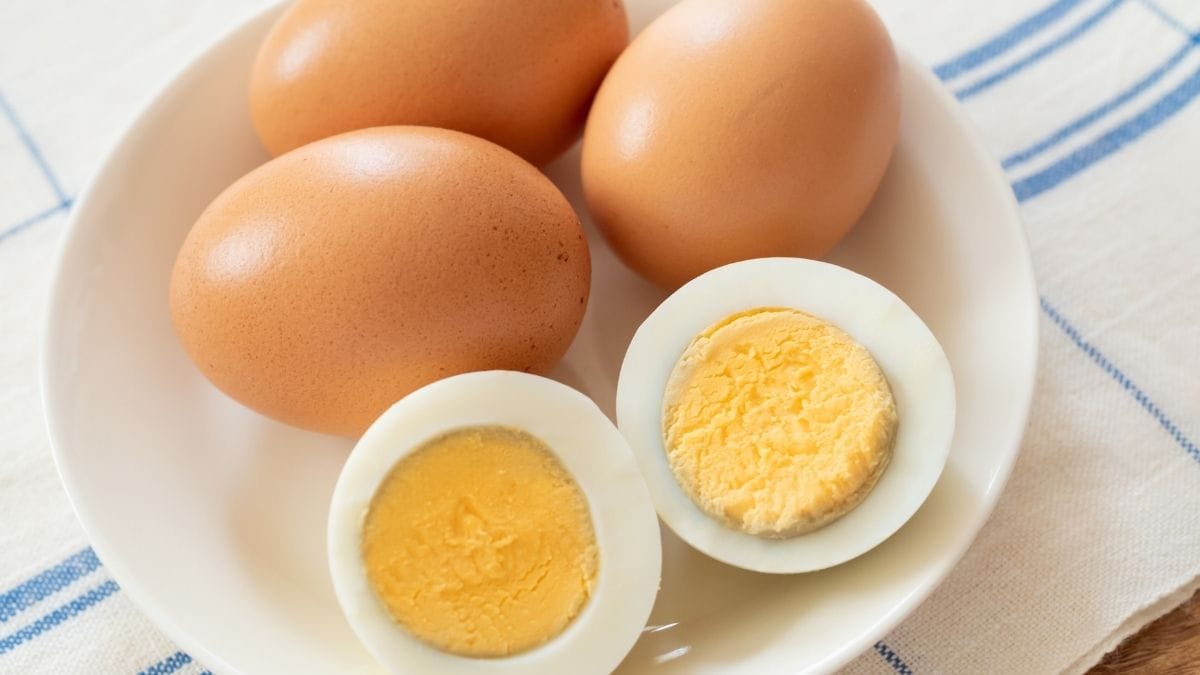
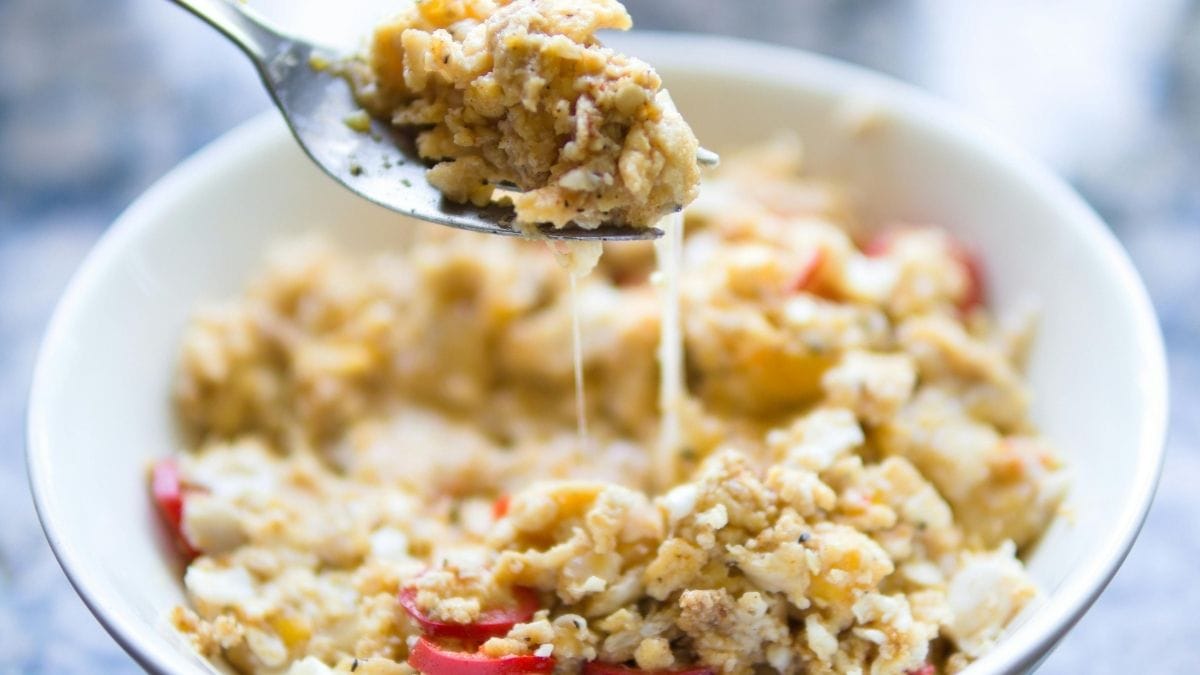
Eggs are one of the most digestible foods on earth. Soft-scrambled or poached eggs are low in fiber, gentle in texture, and packed with high-quality protein.
For older adults, protein is essential. It helps maintain muscle mass, which tends to decrease with age. Eggs give you that protein without putting stress on your gut.
The key is how you cook them. Soft scrambled or poached eggs are the easiest on your stomach. Hard-boiled eggs can cause gas in some people because of how the sulfur compounds react during longer cooking.
Skip frying. Skip heavy seasoning. Cook on low heat with just a small splash of low-fat milk for softness.
Quick idea: Soft-scrambled eggs on a slice of plain white toast. This is one of the gentlest breakfasts you can eat — and it takes about five minutes to make.
6. Oatmeal: Soluble Fiber That Soothes Instead of Irritates
Not all fiber is the same. Insoluble fiber — found in raw vegetables and whole grains — can be rough on a sensitive gut. Soluble fiber — found in oatmeal — behaves very differently.
Oatmeal contains a soluble fiber called beta-glucan. It forms a soft gel inside your digestive tract and moves through slowly and gently. It also feeds the good bacteria in your gut, which helps your whole digestive system work better.
The trick is to cook it well. Cook oatmeal longer than the package instructions say. The softer it gets, the easier it is for your stomach to handle.
Don’t add sugar. Don’t add dried fruit right away. Start with plain, soft oatmeal and build from there once you know how your stomach responds.
Quick idea: Make oatmeal with water or low-fat milk. Mash half a ripe banana into it. You get sweetness and gut-friendly nutrition without any added sugar.
7. Cooked Vegetables: Same Nutrients, None of the Stomach Drama
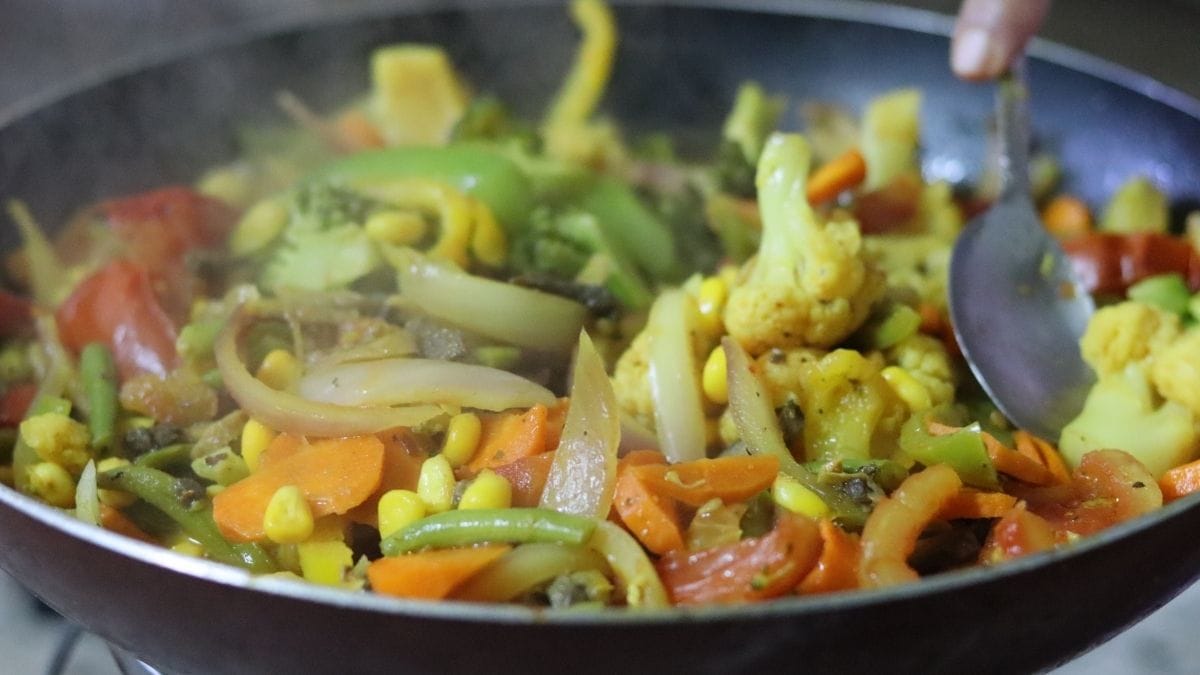
Raw vegetables are hard on an aging gut. Their cell walls are tough. Breaking them down requires stomach acid — and if your acid is already low, raw veggies can cause gas, bloating, and real discomfort.
Cooking changes everything. Heat softens the fiber in vegetables, making them much easier to digest. You still get the vitamins and minerals — just without the irritation.
The best options are carrots, zucchini, and green beans. They become soft quickly when steamed or boiled, and they rarely cause problems.
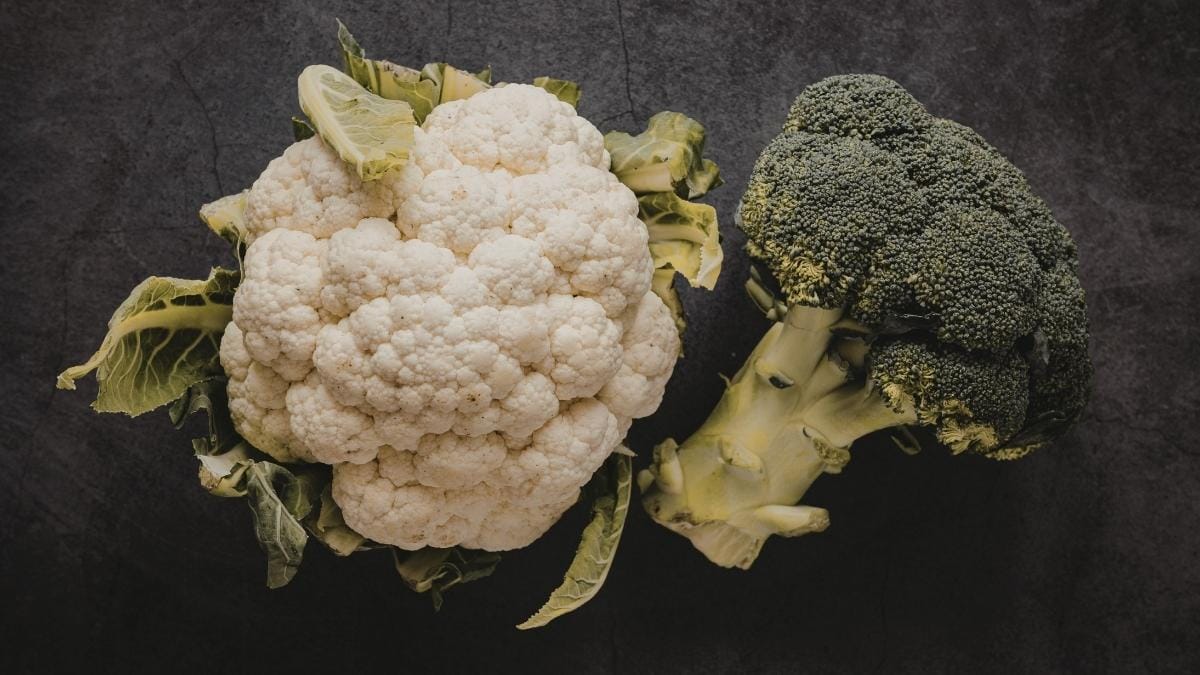
Avoid raw cruciferous vegetables like broccoli, cauliflower, and cabbage — especially on days when your stomach is already sensitive. Even cooked, these can cause significant gas in some older adults.
Quick idea: Steam carrots and zucchini until fork-tender. Add a small drizzle of olive oil and a pinch of salt. Skip the raw salad on bad stomach days and replace it with this instead.
8. Skinless Chicken Breast: Lean Protein the Gut Handles Easily
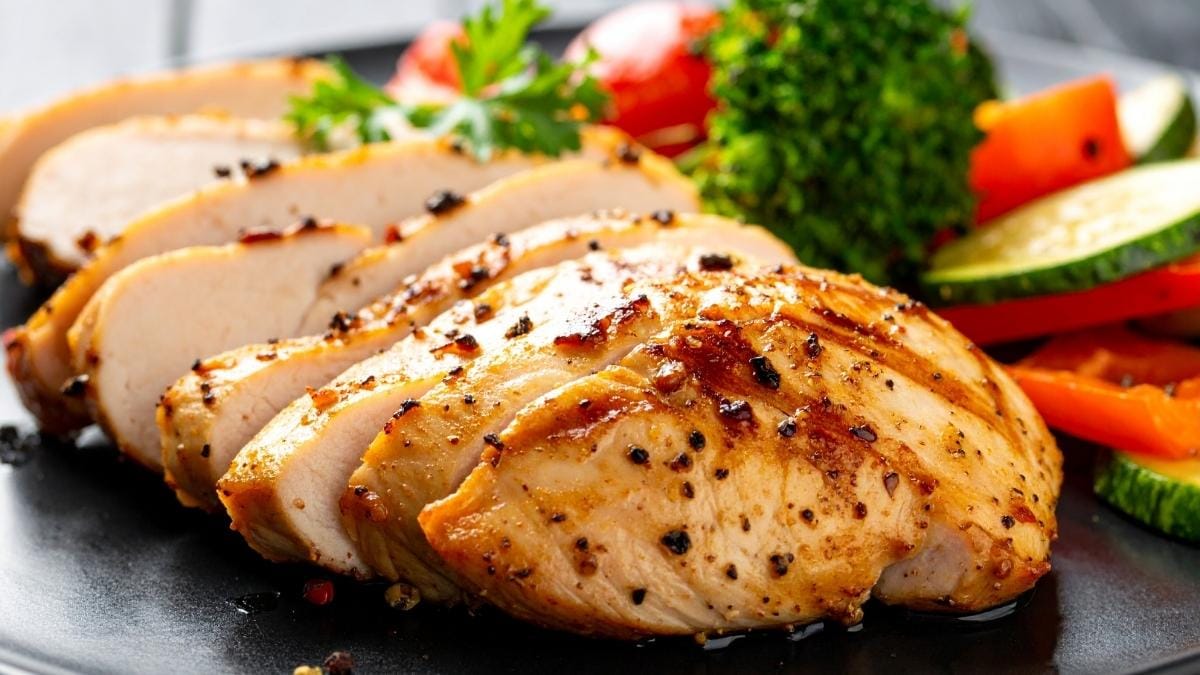
Chicken breast is one of the most reliable proteins for seniors with sensitive digestion. It’s lean, mild in flavor, and easy for your stomach to process.
The fat in meat is what makes it hard to digest. Skinless chicken breast has very little fat. That means your stomach doesn’t have to work as hard, and food moves through at a comfortable speed.
Poaching is the best cooking method. It keeps the chicken moist without adding any fat. You can also bake it — just skip butter and heavy sauces.
Removing the skin is essential. Chicken skin is high in fat and can worsen acid reflux in older adults who already deal with GERD.
Quick idea: Poach a chicken breast in low-sodium chicken broth. Shred it when done. Add it to white rice or a simple vegetable soup. It turns a basic meal into something filling and gut-friendly.
9. Bone Broth and Clear Soup: The Most Underrated Gut-Healing Meal
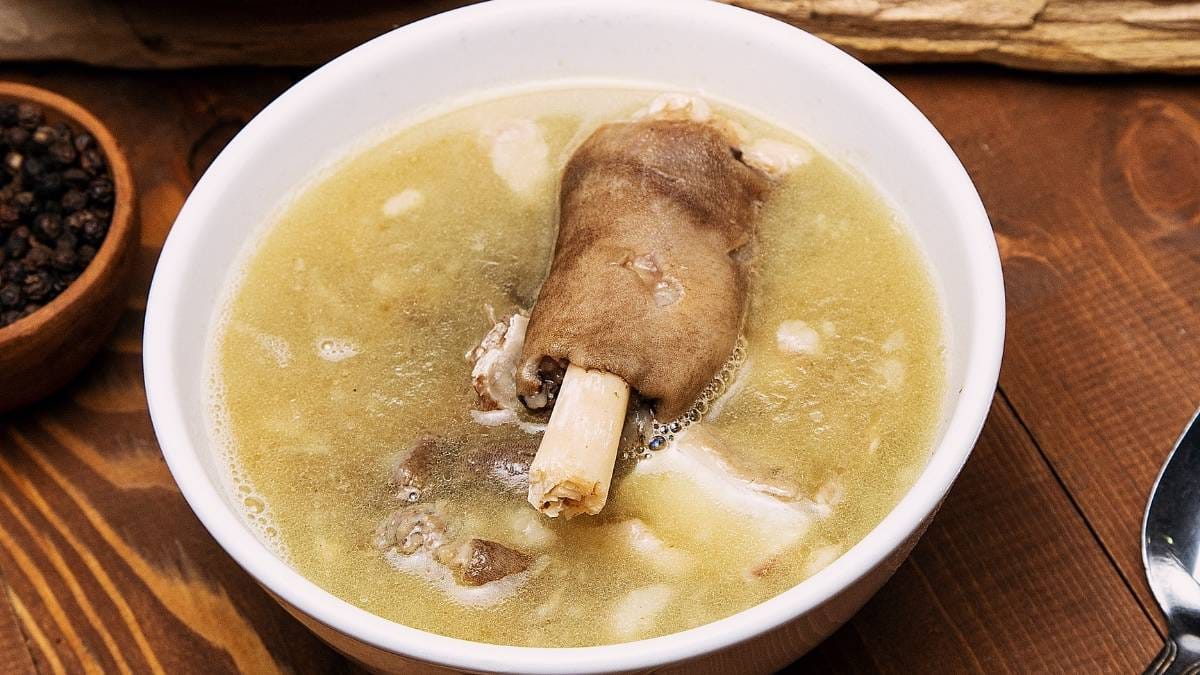
Liquid meals are easier to digest than solid ones. Your stomach doesn’t have to do as much mechanical work to break things down. That’s why broth and soup are so helpful for aging digestive systems.
Bone broth is warm, hydrating, and gentle. Clear vegetable or chicken soup softens all its ingredients, making them easier to absorb. You also get protein, vegetables, and hydration in one bowl.
Hydration is more important than most people realize. Older adults often don’t feel thirsty even when their body needs water. Drinking less water leads to constipation and makes digestion slower and more painful. Seniors need at least 8 cups (64 ounces) of water per day.
Warm broth counts toward that goal.
Quick idea: Make a simple soup with chicken broth, shredded chicken, white rice, and soft carrots. Warm, filling, and one of the gentlest meals you can eat.
10. Fermented Foods: Feeding the Gut Bacteria You Need

Your gut contains trillions of bacteria. As you age, the balance of those bacteria can shift — and not always in a good direction. Fermented foods help put helpful bacteria back in.
Foods like plain yogurt, kefir, fermented pickles, and sauerkraut contain live probiotic bacteria. These bacteria support digestion, reduce bloating, and strengthen your immune system.
Kefir is one of the easiest to start with. It’s a drinkable yogurt — smooth, mild, and easy on the stomach. Start with just 4 ounces per day to let your gut adjust.
Don’t add multiple fermented foods at once. Introduce one at a time. Some people experience temporary bloating when they first start — this usually passes within a week as gut bacteria rebalances.
Quick idea: Stir plain kefir into a banana smoothie. You won’t taste much difference, but your gut bacteria will notice.
11. Avocado: Healthy Fat That Doesn’t Irritate the Stomach
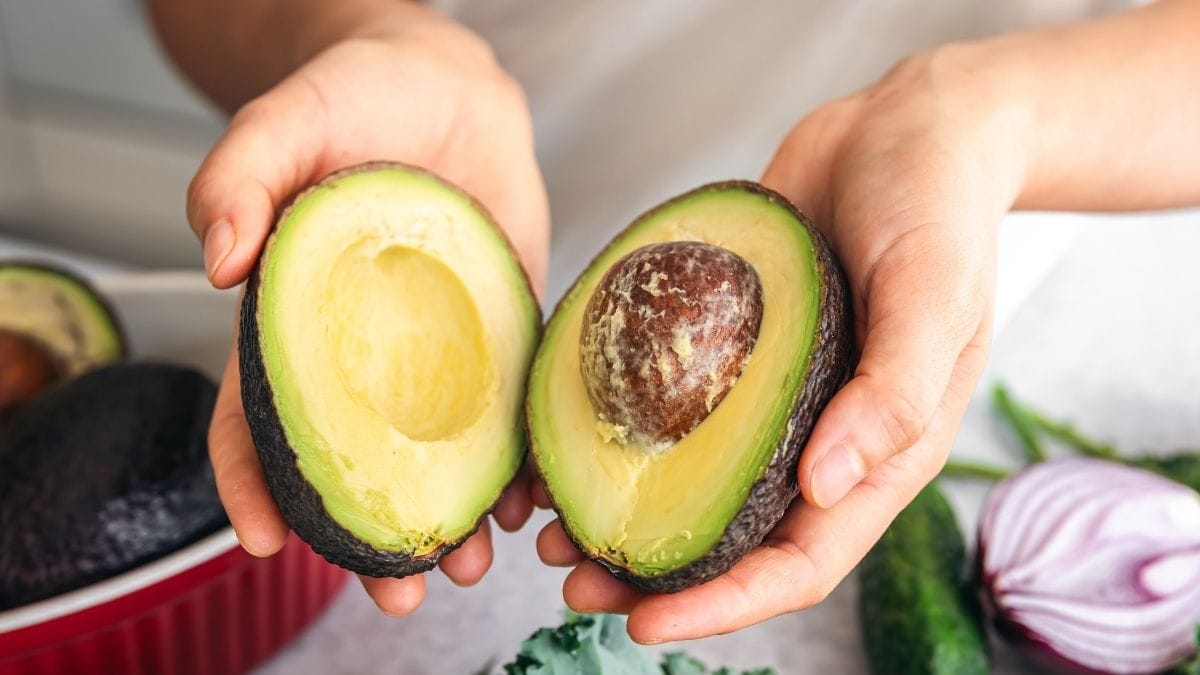
Most high-fat foods are hard on an aging gut. Avocado is an exception. The fat in avocado is monounsaturated — the kind that digests more easily and doesn’t slow your stomach the way saturated fat does.
Avocado is also naturally soft, smooth, and easy to chew. There are no tough fibers, no hard textures. It’s one of the few foods that gives you healthy fat, fiber, and antioxidants without causing stomach stress.
It’s also calorie-dense, which matters for older adults who struggle with appetite or unintentional weight loss. A small amount goes a long way.
If you don’t love the taste, blend it into a smoothie with banana. You won’t taste it much, but you get all the nutritional benefits.
Quick idea: Mash half an avocado onto a slice of plain white toast. Add a pinch of salt. That’s it. Soft, filling, and easy on your stomach.
12. Unsweetened Applesauce: The Soft Fruit Option That Rarely Causes Problems
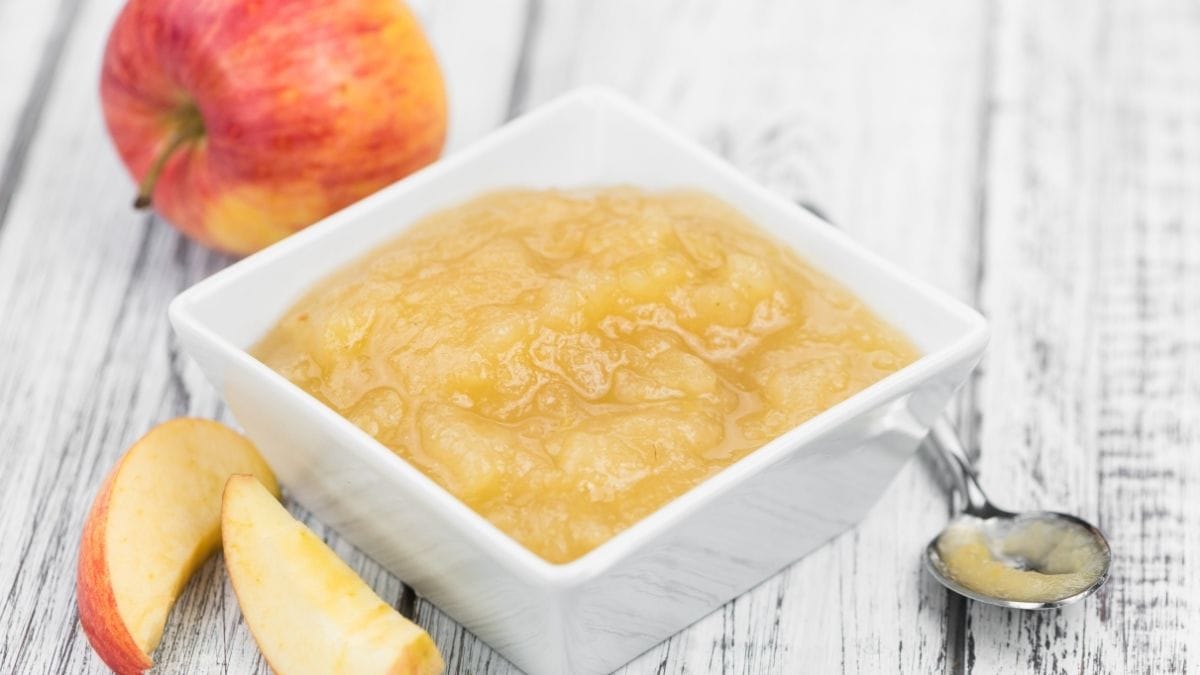
Raw apples are hard to chew and hard to digest. The skin contains tough insoluble fiber. The flesh can feel acidic. For many seniors, raw apples cause more problems than they solve.
Applesauce is different. Cooking and pureeing the apple removes the skin, softens the fiber, and makes it much easier for your stomach to handle.
Applesauce contains pectin — a soluble fiber that helps regulate digestion. It can ease both constipation and loose stools, depending on what your gut needs.
It’s also easy to eat for seniors with dental issues or reduced jaw strength. As we age, chewing can become harder, and applesauce requires none of it.
Always choose unsweetened. Added sugar feeds harmful bacteria in your gut and can make bloating worse.
Quick idea: Stir unsweetened applesauce into plain oatmeal. Or serve it alongside baked chicken as a gentle, no-effort side.
5 Foods That Often Trigger Problems for Aging Stomachs
Knowing what helps is half the job. Knowing what to skip on hard days is the other half.
Raw cruciferous vegetables like broccoli, cauliflower, and cabbage produce gas when they ferment in the gut.
Fried and greasy foods slow down gastric emptying and make acid reflux worse.
Spicy foods, coffee, and alcohol are harder for aging bodies to process and can irritate the stomach lining.
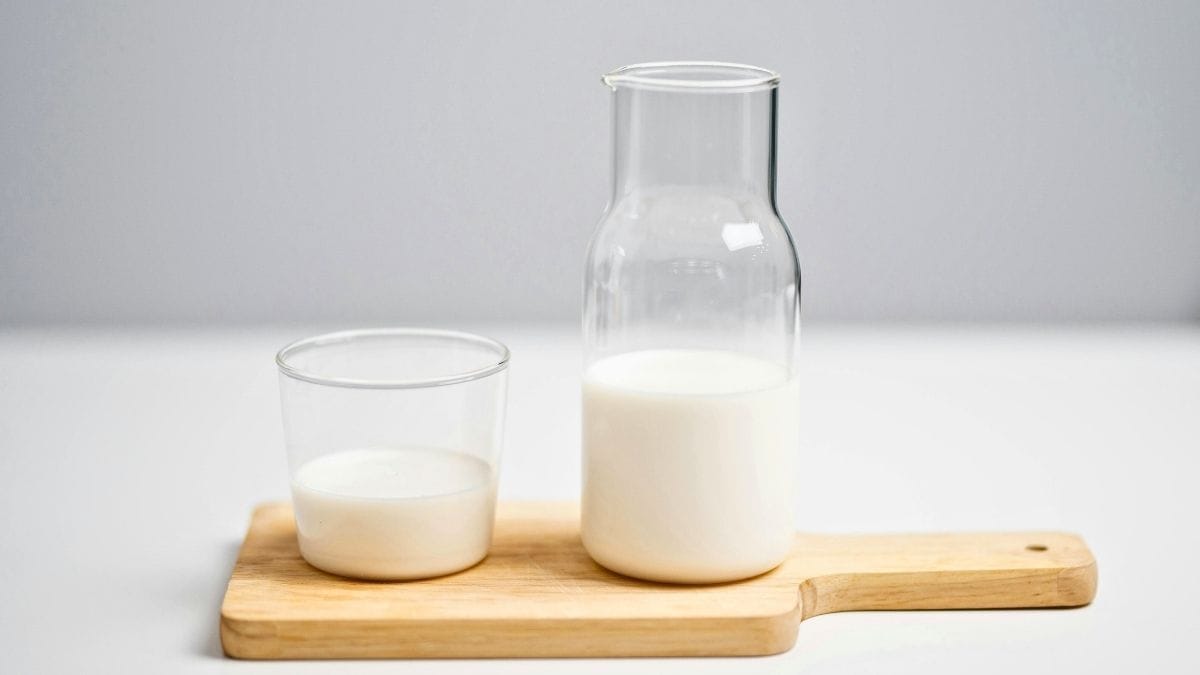
Full-fat dairy can be a problem if you’ve developed lactose intolerance.
Ultra-processed snacks and packaged foods strip away fiber and add chemicals that disrupt your gut bacteria.
None of these need to be banned forever. But on days when your stomach is already unhappy, cutting these out can make a real difference within hours.
Start by reducing one or two. See how your gut responds. Small adjustments over time add up.
4 Simple Eating Habits That Make Digestion Easier
What you eat matters. But how you eat matters just as much.
Eat smaller meals more often. A large meal can take a long time to move through a slowing digestive system. Smaller portions mean less pressure on your stomach and less chance of reflux or bloating.
Chew slowly and thoroughly. When you eat fast, your stomach has to work harder to break food into smaller pieces. Slowing down gives your gut a head start.
Drink enough water. Water keeps things moving through your digestive tract. Without enough fluids, stools harden, constipation sets in, and discomfort follows. Aim for 8 cups a day.

Move your body after meals. Even a short walk helps your digestive muscles do their job. Physical activity keeps your gut moving — and that’s one of the most effective things you can do for constipation and slow digestion.
Conclusion;
Your gut changes as you age — but it doesn’t give up. The 12 easy-to-digest foods in this guide work with your aging stomach, not against it.
Pick two or three from this list and add them to your next meal. Small, consistent swaps protect your digestive health more than any single perfect diet ever could.