Despite carrying water bottles everywhere, you might still feel tired, foggy, and drained after workouts. Drinking plain water isn’t always enough. Your body needs more than just H2O to perform at its best.
This guide shows you the foods that hydrate better than water. You’ll learn exactly what to eat before and after exercise to boost energy and speed up recovery.
We’ll cover the best hydrating foods, when to eat them, and how to combine them for maximum results. No confusion. No guesswork. Just simple strategies that work for real workouts and real results.
Why Water Alone Isn’t Enough for Workout Hydration
Water keeps you alive, but it won’t keep you performing at your best. When you sweat during exercise, you lose more than just water. You lose salt and minerals your muscles need to work properly.
Here’s the problem. Losing just 2% of your body weight through sweat can hurt your workout performance by up to 10%.
During intense training in hot weather, athletes can lose 4-10 liters of water and 3,500-7,000 mg of sodium daily. That’s massive.
Water alone can’t replace what you lose. You need electrolytes, carbs, and protein for proper hydration for athletes.
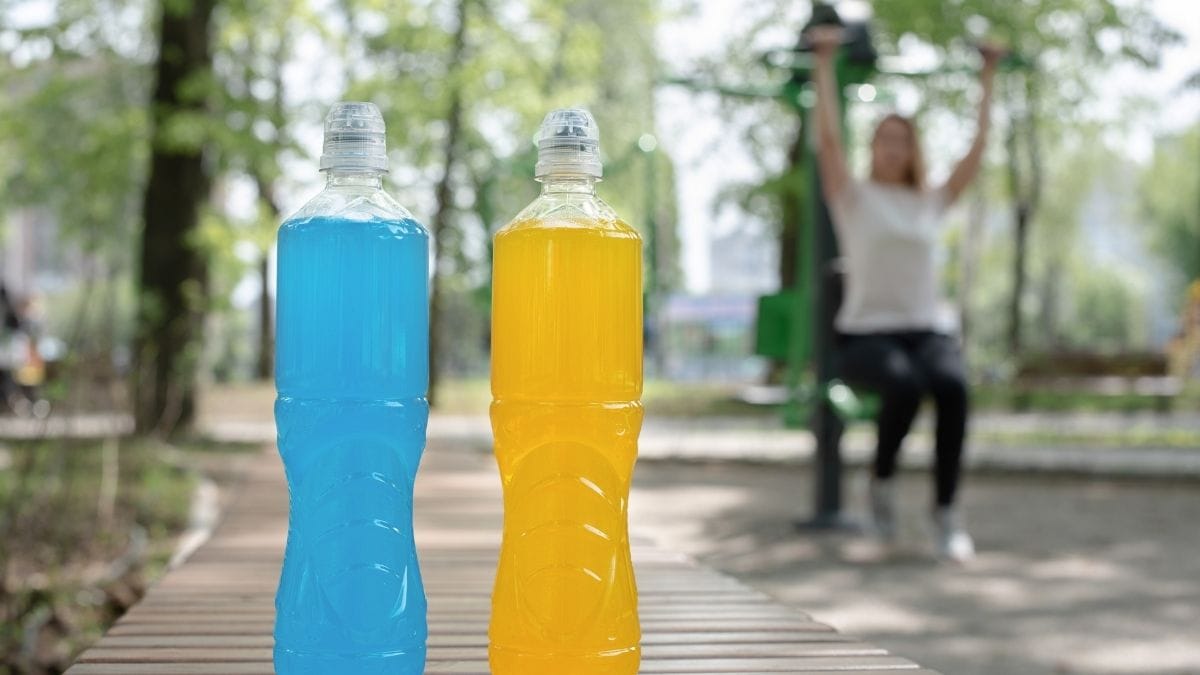
The American College of Sports Medicine recommends 300-600 mg of sodium per hour during endurance exercise. Food gives you all of this. Plain water doesn’t.
Top 10 Foods That Hydrate Better Than Water
These high water content foods pack more benefits than any water bottle.
They give you hydration plus the vitamins and minerals your body needs to perform. Here are the top hydrating fruits and vegetables to add to your diet.
1. Cucumber (96% water)
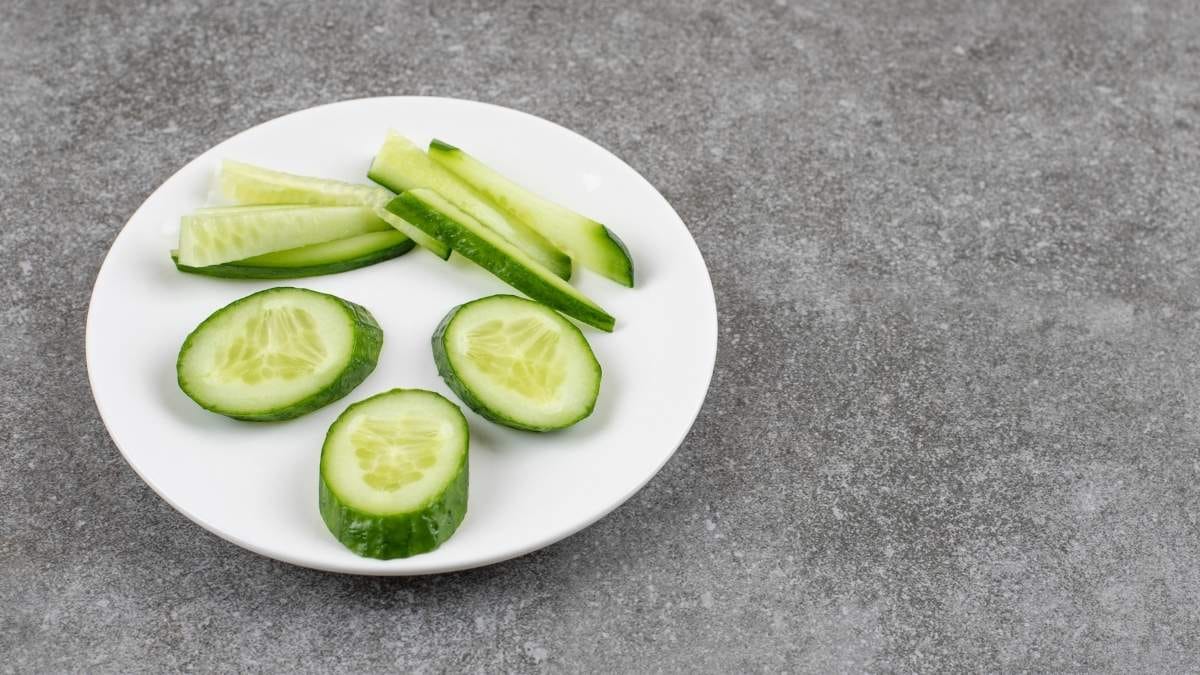
Cucumbers are hydration champions. One whole cucumber gives you about 10 ounces of water for only 45 calories. That’s almost a full glass of water wrapped in a crunchy, refreshing package.
But cucumbers do more than hydrate. They contain vitamin K for bone health and antioxidants that protect your cells.
Slice them into your water bottle for flavor, add them to salads, or eat them as a quick snack. They’re perfect before or after workouts because they won’t upset your stomach.
2. Watermelon (92% water)
Experts call watermelon “nature’s sports drink” for good reason.
This fruit delivers serious hydration along with potassium, an electrolyte you lose through sweat. It’s also the best food source of lycopene, a powerful antioxidant.
Two cups of watermelon give you about one cup of water. The natural sugars provide quick energy without the crash.
Eat it cold after a hot workout, blend it into smoothies, or freeze chunks for a hydrating treat.
3. Strawberries (91% water)
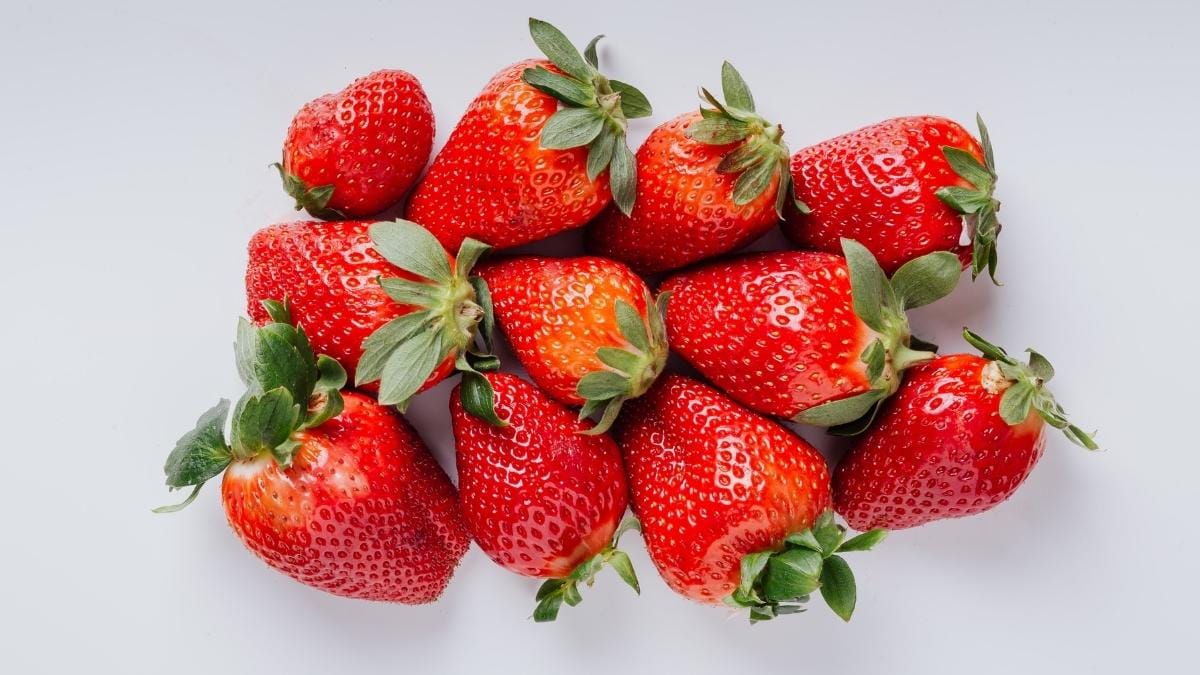
Strawberries pack water, fiber, and vitamin C into every bite. Eight medium strawberries contain about three-quarters of a cup of water.
They also deliver folate and manganese for energy production.
Research shows strawberries may reduce inflammation in your body. This helps with workout recovery.
Toss them in your pre-workout oatmeal, blend them into protein shakes, or eat them plain. Fresh or frozen both work.
4. Cantaloupe (90% water)
One cup of cantaloupe delivers more than half a cup of water. This melon is loaded with vitamins A and C, which support your immune system and skin health.
The orange color comes from beta-carotene, another powerful antioxidant.
Cantaloupe digests easily, making it smart for pre-workout fuel. Cut it into cubes for meal prep. Pair it with cottage cheese for protein, or eat it solo for quick hydration.
5. Celery (95% water)
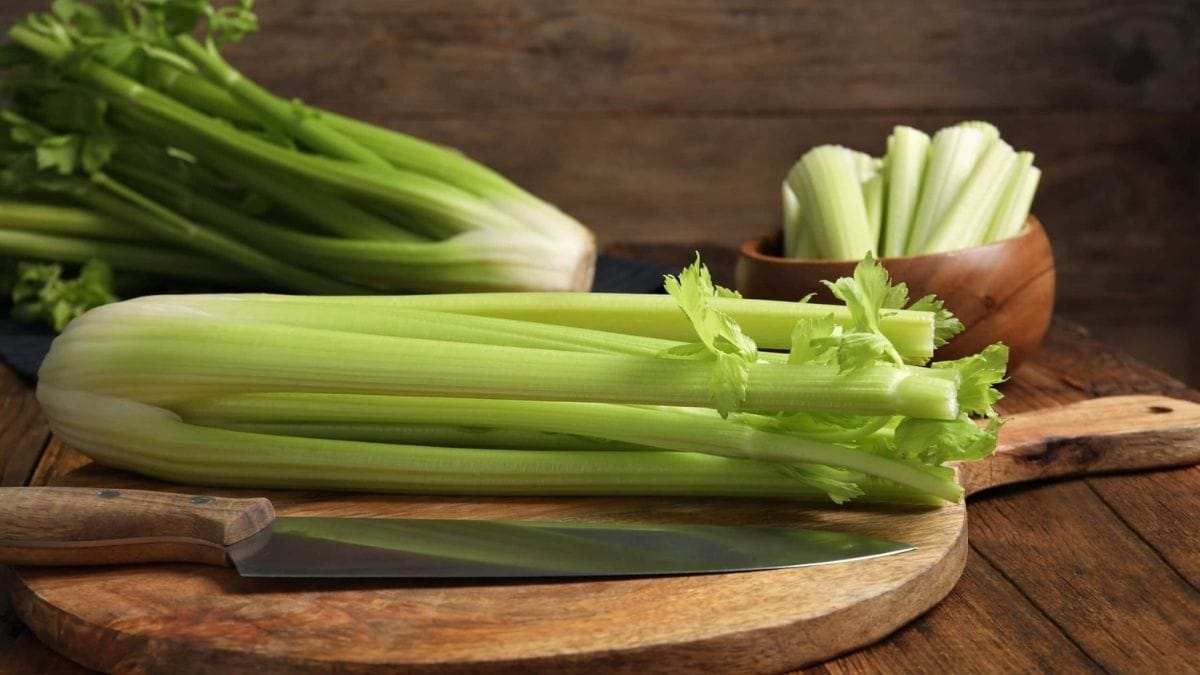
Celery gives you satisfying crunch plus serious hydration. At 95% water, it’s one of the most hydrating foods you can eat. Two large stalks provide about half a cup of water and barely any calories.
The fiber in celery helps your digestive system. Spread peanut butter on stalks for a balanced snack. Add it to salads for texture. Or juice it with other vegetables for a hydrating drink.
6. Oranges (87% water)
One medium orange contains about half a cup of water plus 70 mg of vitamin C.
Oranges provide electrolytes that help maintain fluid balance during exercise. The natural sugars give you quick energy when you need it.
Eat whole oranges instead of drinking juice. You’ll get more fiber and feel fuller longer. Pack orange slices in your gym bag. They travel well and don’t need refrigeration for a few hours.
7. Zucchini (95% water)
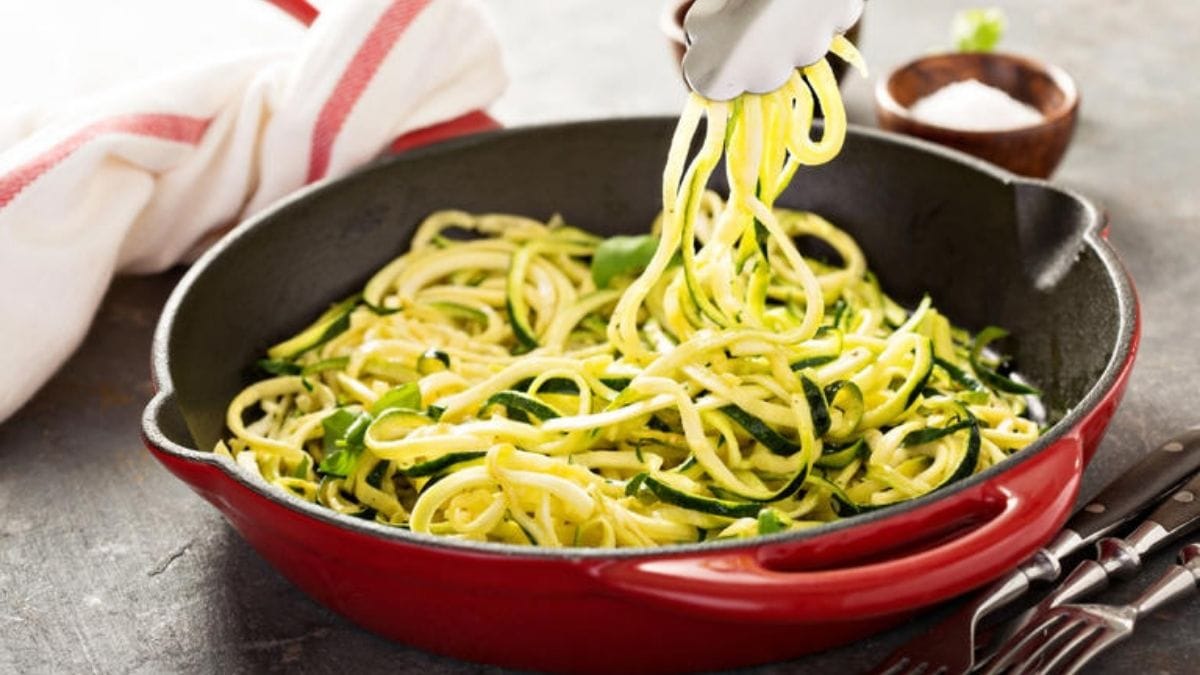
Zucchini delivers 4.2 ounces of water per cup along with 25% of your daily vitamin C needs.
It contains potassium and magnesium, two electrolyte-rich foods your muscles need. The mild taste makes it easy to add to almost any meal.
Spiralize it into noodles for a hydrating pasta alternative. Grill it with olive oil and salt. Or add it to smoothies where you won’t taste it but will get the hydration benefits.
8. Lettuce (94-96% water)
Iceberg lettuce hits 96% water content. Romaine comes in at 94%. Even spinach contains 91% water.
Two cups of lettuce provide about one and a half cups of water. Use any variety as a base for hydrating salads.
Mix different types for variety. Add other hydrating vegetables like cucumbers and tomatoes. Top with protein and healthy fats for a complete meal that keeps you hydrated.
9. Bell Peppers (92% water)
Red, yellow, and green bell peppers all deliver over 90% water. They’re packed with vitamins and contain more vitamin C than oranges.
One cup of sliced peppers gives you about three-quarters of a cup of water.
The antioxidants in peppers help reduce workout-related stress on your body. Eat them raw with hummus. Add them to stir-fries. Or stuff them with lean protein for a complete meal.
10. Coconut Water
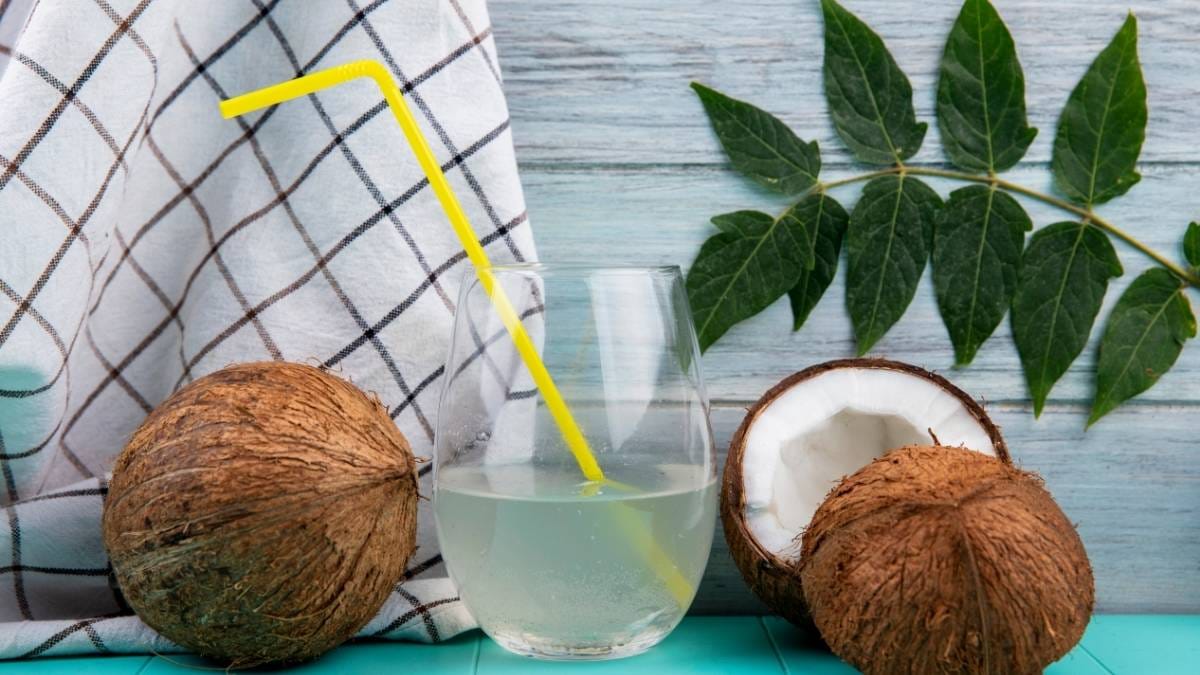
Coconut water contains natural electrolytes including potassium, sodium, and magnesium.
One cup provides similar hydration to sports drinks but with less sugar. It helps restore what you lose through sweat.
Drink it straight after intense workouts lasting over an hour. Mix it into smoothies. Or freeze it into ice cubes for your water bottle. Just check labels and choose versions without added sugar.
Pre-Workout Hydration: What to Eat 1-3 Hours Before Exercise
What you eat before training makes or breaks your workout. The right pre-workout meal timing gives you energy without stomach cramps.
The wrong timing leaves you sluggish or running to the bathroom.
2-3 Hours Before: Full Meals
This is your main workout fuel window. Eat a complete meal with carbs, protein, and healthy fats. Your body has time to digest everything and turn it into usable energy.
Try oatmeal with a banana and toast with peanut butter.
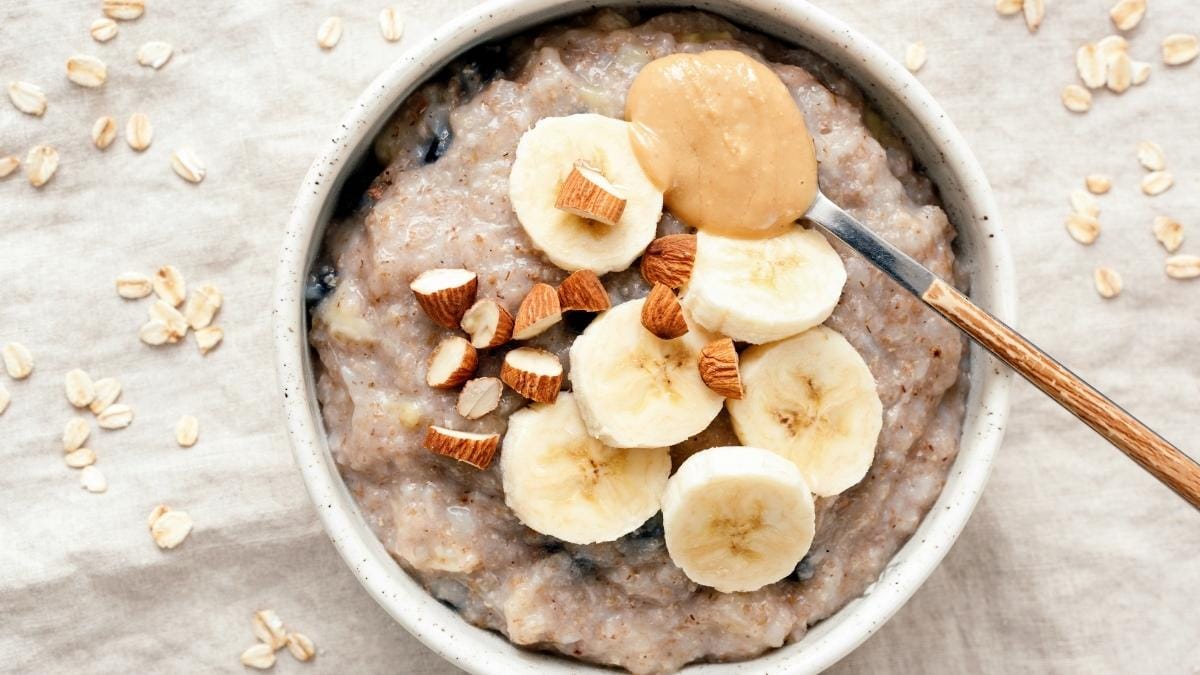
The oats give you slow-burning energy. The banana adds quick carbs and potassium. Peanut butter provides protein and healthy fats to keep you satisfied.
Another option is Greek yogurt with banana, honey, and whole grain granola. Add 16 ounces of water with this meal.
The yogurt gives you protein. The granola and honey provide carbs. The banana adds hydration and electrolytes.
Whole wheat bread with cream cheese and fruit jam works too. This combo is lighter but still gives you the carbs and protein you need. It won’t sit heavy in your stomach.
1 Hour Before: Lighter Options
Your meal should get smaller as you get closer to workout time. At one hour out, focus on easy-to-digest carbs with some protein. Skip heavy fats that slow digestion.
Best foods before exercise at this point include a small smoothie with berries and protein powder. Or try half a turkey sandwich on white bread. Keep portions moderate.
30 Minutes Before: Quick Fuel
This is last-minute energy only. Grab a banana or an energy bar. These digest fast and won’t cause cramps. A banana is perfect because it’s 75% water and packed with quick carbs.
Hydration Timing
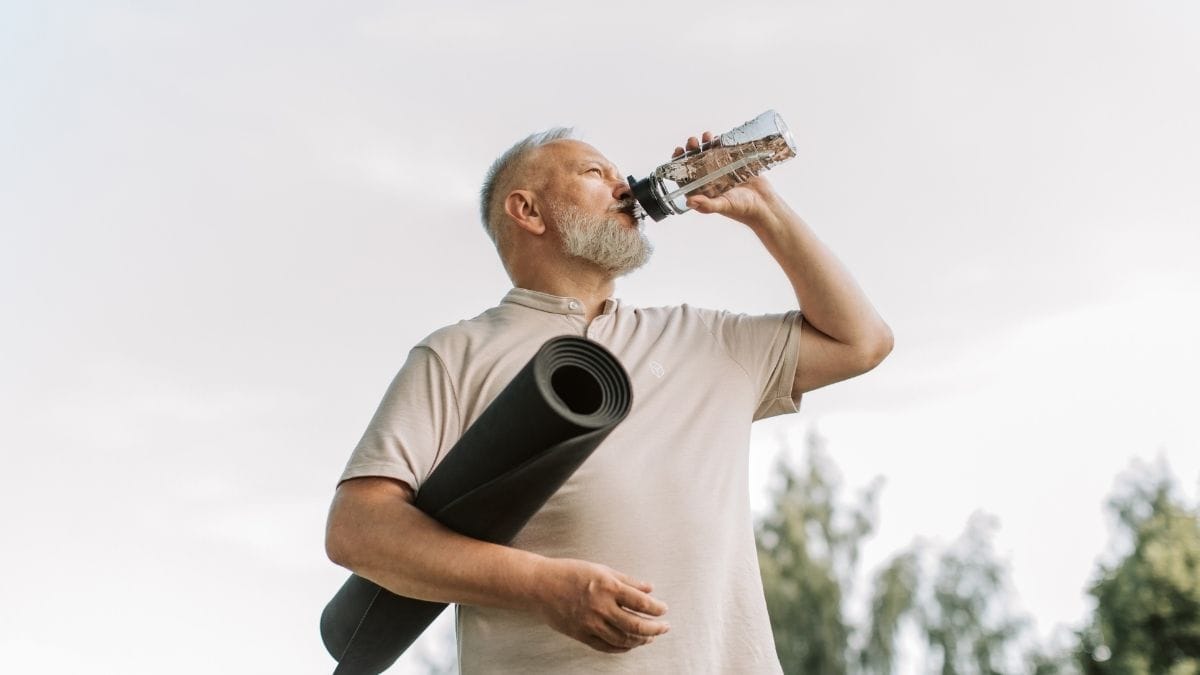
Start hydrating early. Drink 25-30 ounces of water 2-3 hours before high-intensity cardio. This gives your body time to absorb it.
Then drink 8 ounces 30 minutes before you start. Sip slowly instead of chugging.
For endurance workouts lasting 1-1.5 hours, you need 40-50% of your daily carbs beforehand. That’s about 150-200 grams for most people. Spread this across your pre-workout meals.
The key is testing what works for your body. Everyone digests food differently.
During Workout: Foods for Extended Training Sessions
Most workouts under an hour need just water. But longer sessions drain your energy and electrolytes fast. Your body needs fuel to keep going strong.
When You Need Intra-Workout Nutrition
For workouts lasting over an hour, eat 30 to 90 grams of carbs every hour. This keeps your blood sugar stable and your muscles working. Without it, you’ll hit a wall and feel exhausted.
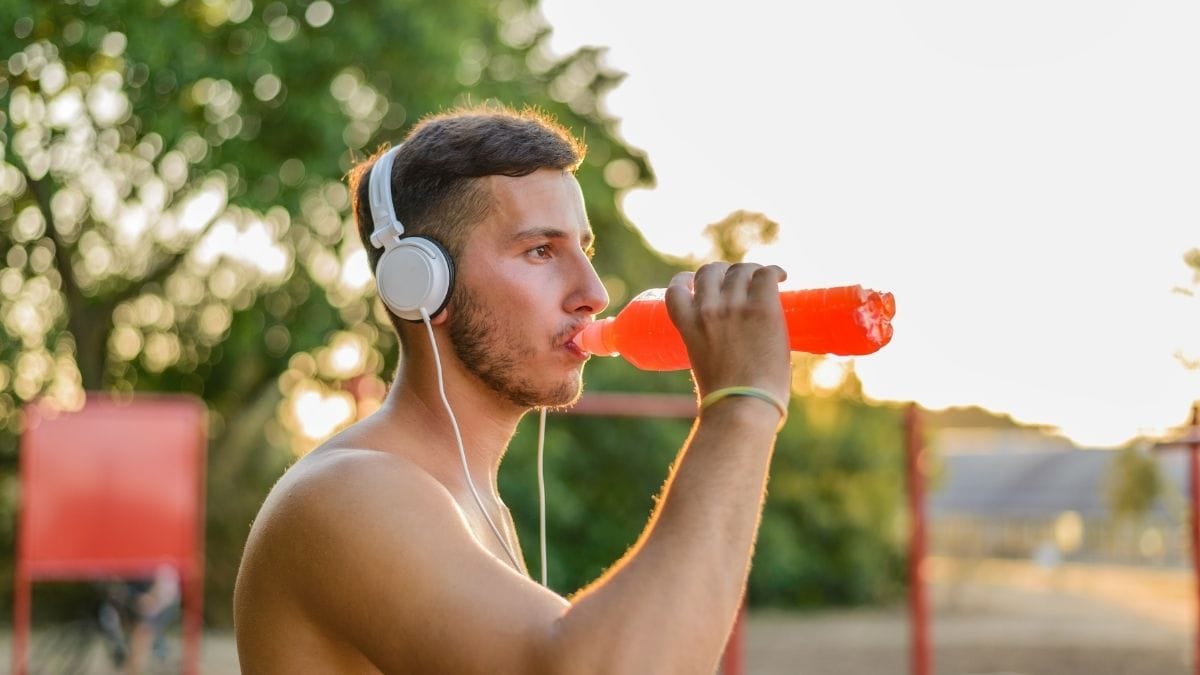
If your training goes past 45 minutes, switch from plain water to a sports drink.
You’re losing salt and minerals through sweat. Sports drinks vs water becomes important here because plain water can’t replace those lost electrolytes.
Best Portable Snack Options
Keep these in your gym bag for easy during exercise hydration and energy. Banana slices are perfect because they’re 75% water and packed with potassium. They digest quickly and won’t cramp your stomach.
Orange segments give you water, natural sugar, and vitamin C. They’re easy to eat between sets or during rest breaks.
Watermelon cubes are another smart choice. Pop a few every 20 minutes during long cardio sessions.
Trail mix with raisins and almonds works for lower-intensity workouts like hiking. The raisins provide quick carbs.
The almonds add staying power. Just avoid this for high-intensity training since nuts digest slowly.
Keep It Simple
The easier the food is to eat and digest, the better. Save complex meals for before and after. During your workout, focus on quick energy and hydration that won’t slow you down.
Post-Workout Recovery: Foods That Repair and Rehydrate
Your workout doesn’t end when you leave the gym. What you eat in the next two hours determines how fast you recover and how strong you get.
Skip post-workout nutrition and you’re wasting your hard work.
The Protein and Carbs Rule
Your muscles need 20-40 grams of protein after training to repair and grow. But protein alone isn’t enough. You need carbs too. The best ratio is 3:1 or 4:1 carbs to protein.
Why both? Protein rebuilds torn muscle fibers. Carbs refill your energy stores and help your body use that protein better.
Research shows this combo maximizes recovery, muscle growth, and injury prevention.
Best Muscle Recovery Foods
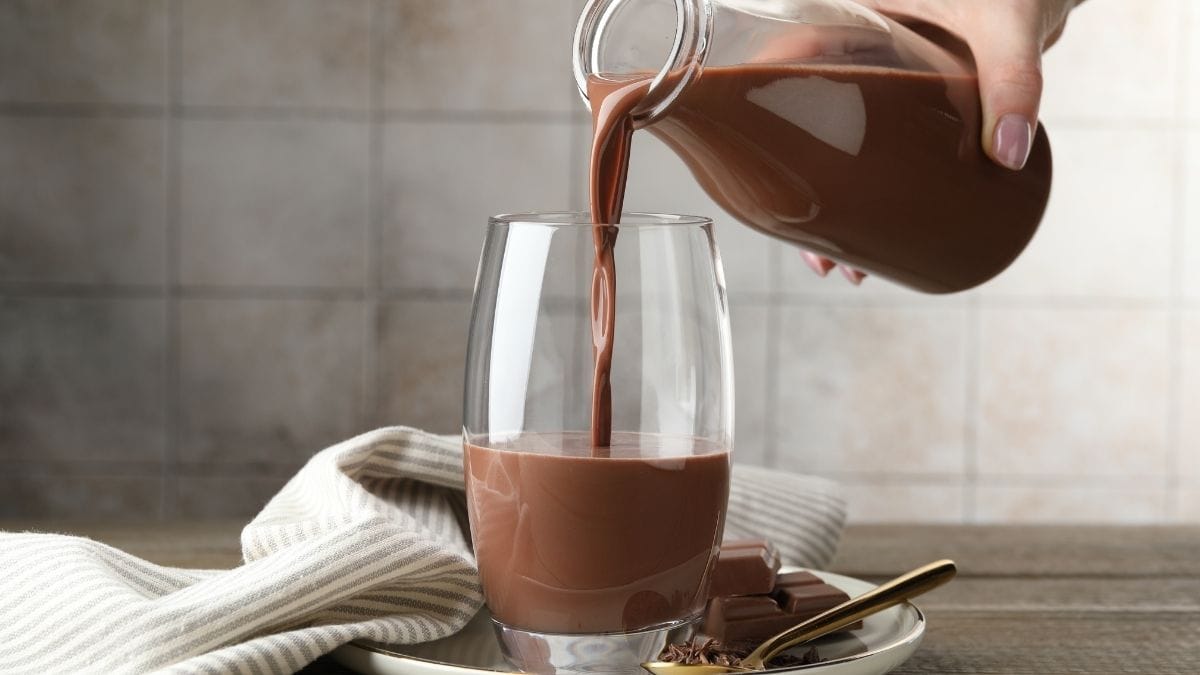
Chocolate milk is the easiest option. One glass gives you the perfect ratio of protein and carbs plus hydration. It tastes good and works fast.
Toast with eggs delivers quality protein from the eggs and quick carbs from the bread.
Add a piece of fruit for extra vitamins. Greek yogurt with berries combines protein, carbs, and antioxidants that fight inflammation.
Salmon with sweet potatoes gives you protein plus omega-3 fats that reduce muscle soreness. The sweet potato refills your energy and adds potassium.
A banana smoothie with yogurt and spinach supplies protein, magnesium, and potassium your muscles lost through sweat.
Other solid choices include chicken with rice, fish with potatoes, or any combination of lean protein with starchy vegetables and fruits.
Rehydration Strategies That Work
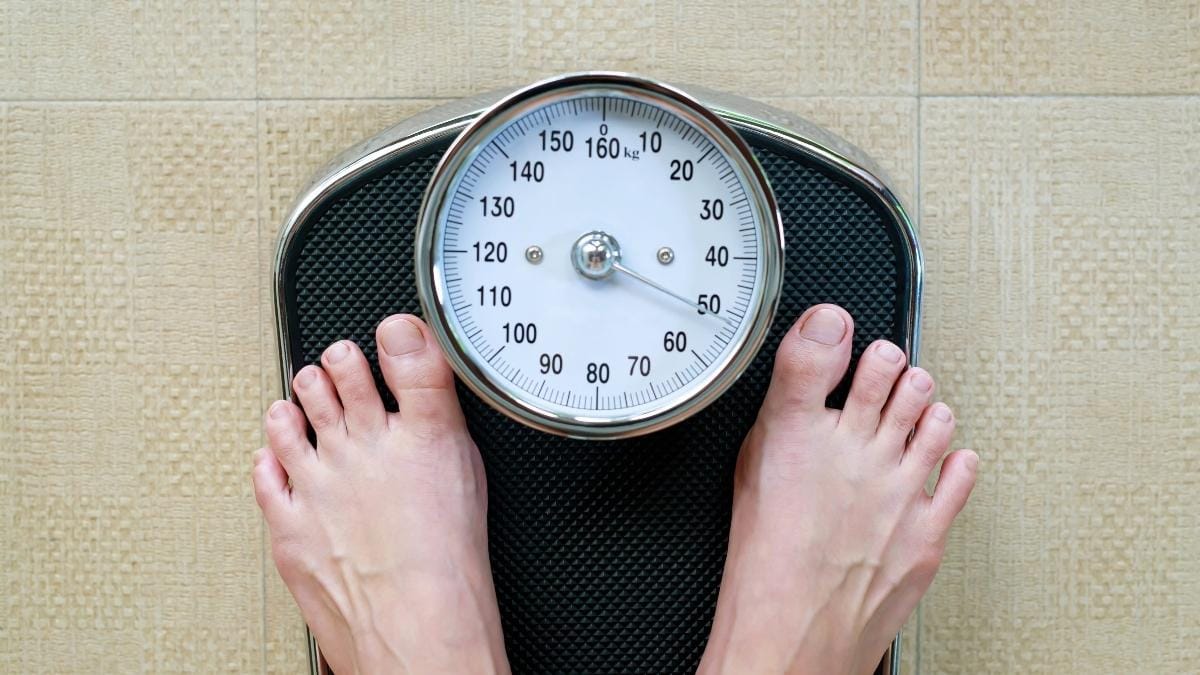
Weigh yourself before and after workouts. For every pound you lose, drink 16-24 ounces of fluid. This replaces what you sweated out.
Plain water works for short workouts. But for intense training, mix your food with milk-based drinks or sports drinks.
Drinking fluids with your meal during the 2-4 hours after exercise improves hydration better than water alone.
The Recovery Window
Your body builds muscle most effectively in the 2-24 hours after training. Eat your recovery meal within 30 minutes to 2 hours after finishing. Earlier is better, especially if you’re training again soon.
Don’t skip this meal thinking you’ll save calories. Your body needs this fuel to get stronger and perform better next time.
Electrolytes Explained: Why They Matter More Than You Think
Electrolytes sound complicated but they’re simple. They’re minerals in your blood that carry electric charges. Your muscles and nerves need them to work properly.
The Main Players
Sodium and potassium are the big ones you lose through sweat. You also lose calcium, magnesium, and phosphate. When these drop too low, your body struggles.
Warning Signs You’re Running Low
Muscle cramps are the most obvious sign. Your legs or arms suddenly tighten up during or after workouts. Fatigue hits you hard even after decent sleep.
Headaches appear out of nowhere. Some people get nausea or notice their heart beating irregularly.
Getting Natural Electrolytes From Food
Skip the chips and fast food. That processed sodium doesn’t help hydration. Instead, eat electrolyte-rich foods that work better.
For sodium and potassium, try pickles, salted nuts, or tomato juice. Bananas, avocados, and sweet potatoes pack potassium.
Spinach, almonds, and dark chocolate deliver magnesium. Greek yogurt, leafy greens, and salmon give you calcium.
Food vs Supplements
Most people get enough electrolytes from food. You only need supplements if you’re training hard for over 90 minutes in heat.
Even then, try coconut water or chocolate milk first. Save expensive electrolyte powders for extreme situations.
Meal Timing: When to Eat These Hydrating Foods
Getting nutrient timing right makes a huge difference in how you feel and perform. Eat too close to training and you’ll get cramps. Wait too long and you’ll run out of energy.
The Three Pre-Workout Windows
Three hours before is your full meal window. Eat a complete meal with protein, carbs, and fat.
Your body has plenty of time to digest everything. Try grilled chicken with rice and vegetables plus a glass of water.
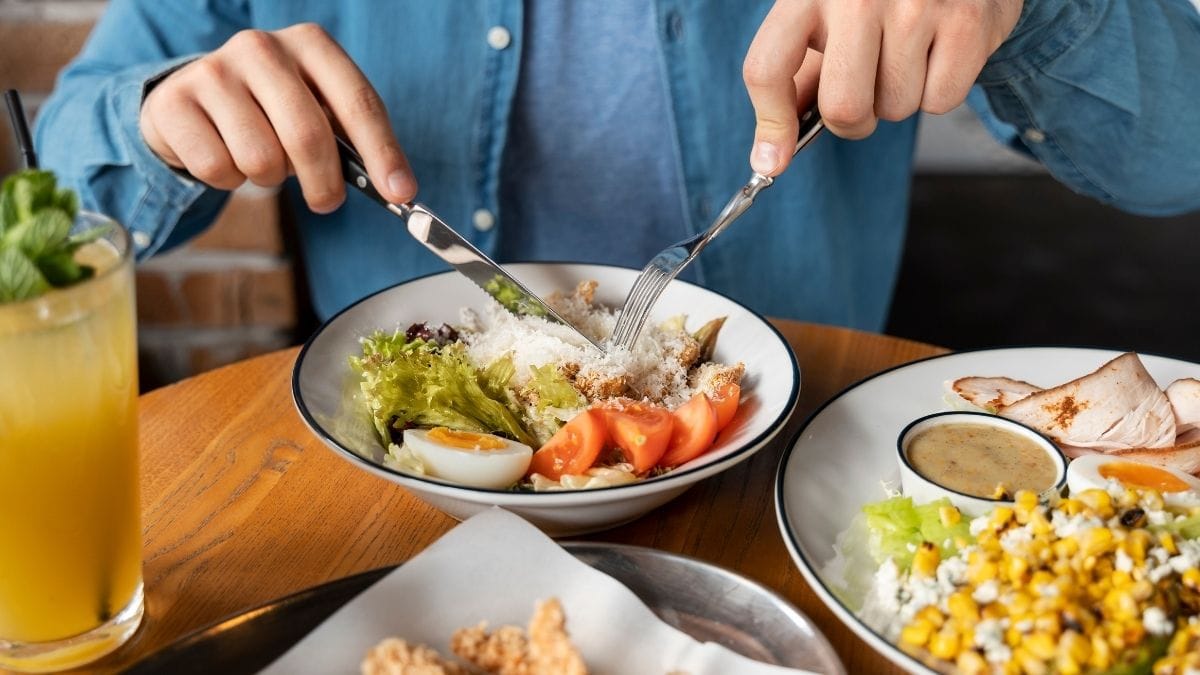
One hour before works for lighter meals. Most studies show this timing gives you energy without stomach issues.
Grab a banana with peanut butter or Greek yogurt with granola. Keep portions smaller than your three-hour meal.
Thirty minutes before is for quick fuel only. A single piece of fruit or energy bar is enough. Anything bigger will sit in your stomach during training.
Morning Workout Timing
Early training makes meal timing for workouts tricky. You can’t eat a big meal at 4 AM. Have a banana or toast 30 minutes before. Save your main meal for after.
Drink 16 ounces of water when you wake up. Your body loses water overnight and needs quick hydration before exercise.
Evening Training Strategy
Eat your normal lunch 3-4 hours before evening workouts. Add a small snack one hour before training. This gives you sustained energy without feeling stuffed.
The Post-Workout Anabolic Window
Your muscles absorb nutrients best in the 30 minutes to 2 hours after training. This is called the anabolic window. Eat protein and carbs during this time for maximum recovery.
Multiple Daily Sessions
Training twice a day? Eat immediately after your first session. You need 3-4 hours between workouts to recover properly. Focus on protein, carbs, and hydrating foods like watermelon or oranges.
Match your meal size to workout intensity. Hard training needs more fuel. Light sessions need less. Listen to your body and adjust.
Common Hydration Mistakes Athletes Make
Even dedicated athletes mess up hydration. These mistakes kill your performance and leave you feeling terrible. Here’s what to stop doing right now.
Drinking Only Water on Long Workouts
Water alone can’t replace what you lose through sweat. During workouts over 45 minutes, you need electrolytes too.
Plain water just dilutes your blood further. Add a sports drink, coconut water, or eat salty snacks alongside your water.
Skipping Meals Before Training
Not eating makes dehydration worse. Your body needs food to hold onto water properly.
Skipping meals means you start your workout already behind on hydration. Always eat something before training.
Drinking Alcohol After Workouts
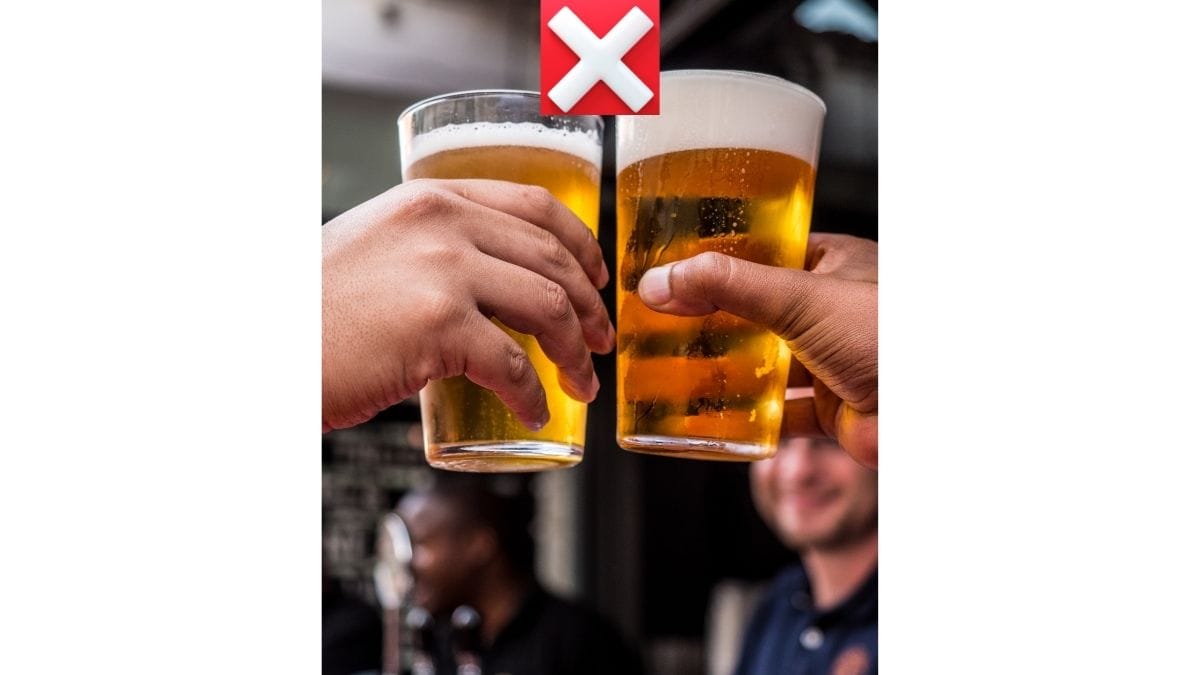
That post-workout beer speeds up dehydration and throws off your electrolyte balance. Alcohol makes you pee more, which dumps water and minerals your body needs.
Have your recovery meal and water first. Wait at least two hours before drinking alcohol.
Ignoring the Scale
Weigh yourself before and after workouts. Each pound lost is a pound of water you need to replace. This is one of the best workout hydration tips you’ll get. The scale doesn’t lie about fluid loss.
Waiting Until You’re Thirsty
By the time thirst hits, you’re already dehydrated. These dehydration signs mean you waited too long.
Drink on a schedule instead. Sip water every 15-20 minutes during exercise, whether you feel thirsty or not.
Final Thought;
You now know that foods that hydrate better than water can transform your workout performance.
Cucumbers, watermelon, and oranges deliver nutrients plain water can’t match. Timing matters just as much as food choice.
Start small. Add 2-3 hydrating foods to your meals this week. Track your progress by checking urine color and weighing yourself before and after workouts. Test different pre-workout meals to find what fuels you best.
Better workout hydration and performance nutrition don’t require fancy supplements. Real food works better.
Keep a simple journal noting what you eat and how you feel during training. Your body will tell you what works.