
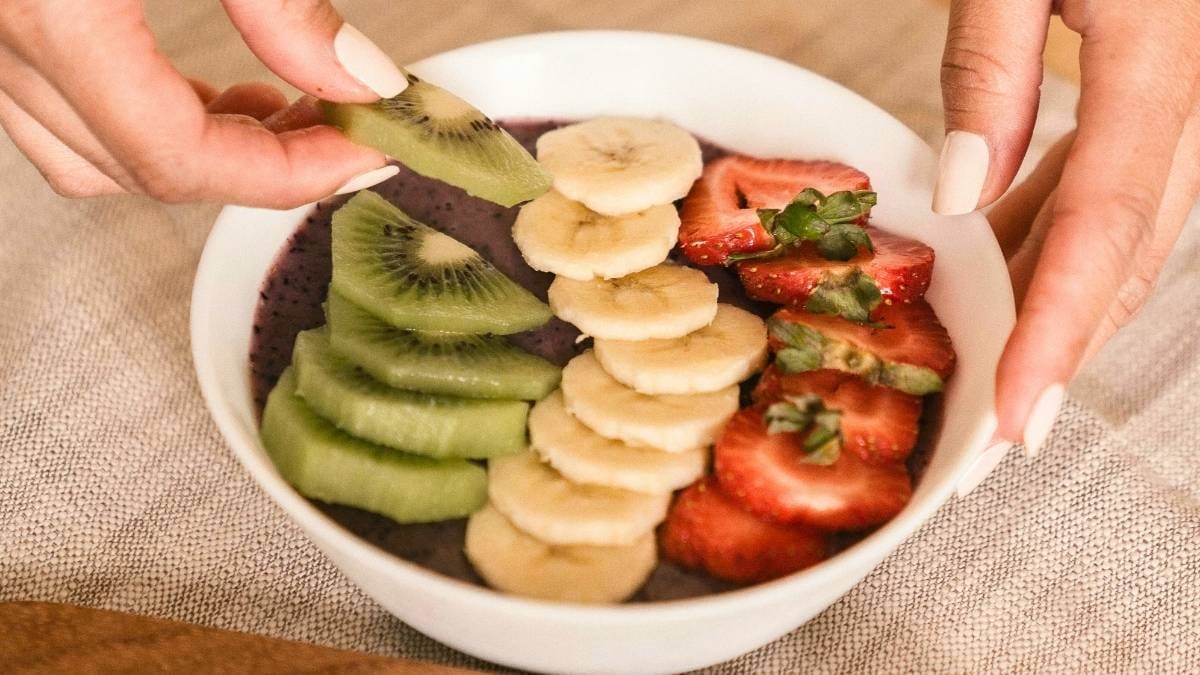
A recent study tracked eating habits across seven countries and found something remarkable:
Americans could add nearly ten years to their lives through better food choices. The best part? You don’t need to give up entire food groups or follow strict rules.
You’ve probably seen dozens of diet books that all say different things. One says eat only plants. Another pushes meat. A third tells you to skip meals for days.
You just want to know what foods actually help you live longer without making every meal feel like homework.
This guide shows you the latest science from 2024 and 2025. You’ll learn about three foods that research links most strongly to longer lives: legumes, whole grains, and nuts.
You’ll see what people in Blue Zones eat every day. These are places where folks regularly live past 100. You’ll understand how certain processed foods speed up aging in your cells.
And you’ll get simple ways to add longevity foods to what you already eat, supporting healthy eating for longevity without the stress of an extreme anti-aging diet.
What Makes a Food “Longevity-Supporting”? The Science Behind the Research
Longevity foods work differently than you might think. They don’t contain magic ingredients. Instead, they affect how your body ages at the cellular level.
A major study followed over 105,000 people for 30 years. Researchers tracked eight different eating patterns and measured more than just how long people lived.
They looked at brain function, physical health, and freedom from chronic diseases. The results were clear. People who stuck to certain eating patterns had 45% to 86% better odds of healthy aging.
So what makes these foods special? Scientists studied people who lived past 100 and found specific compounds in their blood.
These came from plant-based foods like mushrooms, asparagus, celery, parsley, and dark chocolate. Your body recognizes these whole foods and processes them smoothly.
Here’s the key difference. Longevity foods are whole foods with their natural structure intact. They’re high in fiber and plant compounds.
They haven’t been stripped down or heavily processed. These foods give you steady energy without causing inflammation or stress that speeds up aging in your cells.
The Three Food Categories That Research Consistently Links to Longer Lives
Scientists looked at eating habits from countries around the world. They found three food groups that kept showing up in the longest-lived populations: legumes, whole grains, and nuts.
What makes this powerful is that it’s true across different cultures, climates, and genetics.
Legumes: The Longevity Staple You’re Probably Underusing
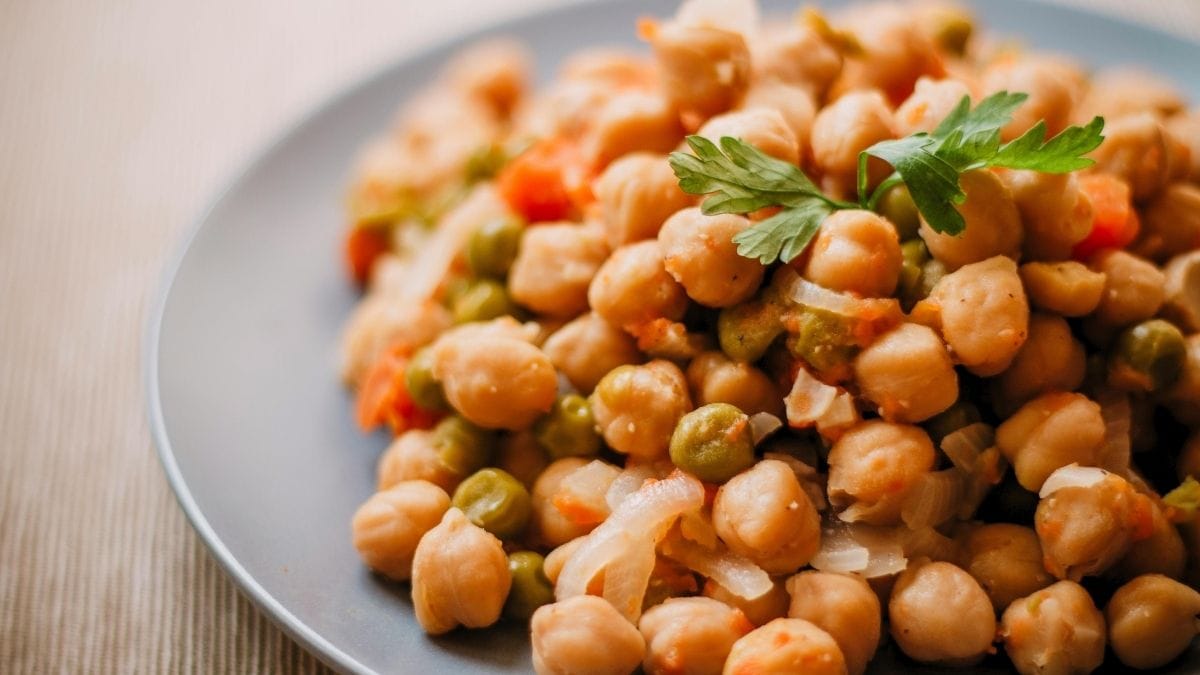
Beans, lentils, and chickpeas appear in almost every long-lived group’s diet. Yet most Americans barely eat them.
Research looked at over 150 dietary surveys from Blue Zones, where people regularly live past 100. These folks eat legumes every single day.
Here’s why that matters. Legumes pack protein, fiber, and resistant starch. They feed the good bacteria in your gut and help keep your blood sugar steady.
And here’s the best part: they’re incredibly cheap and easy to use. A serving costs pennies. They sit in your pantry for months.
You can toss black beans into tacos, chickpeas into salads, or lentils into soups. Any cuisine works.
Whole Grains: Beyond the Processed Grain Debate
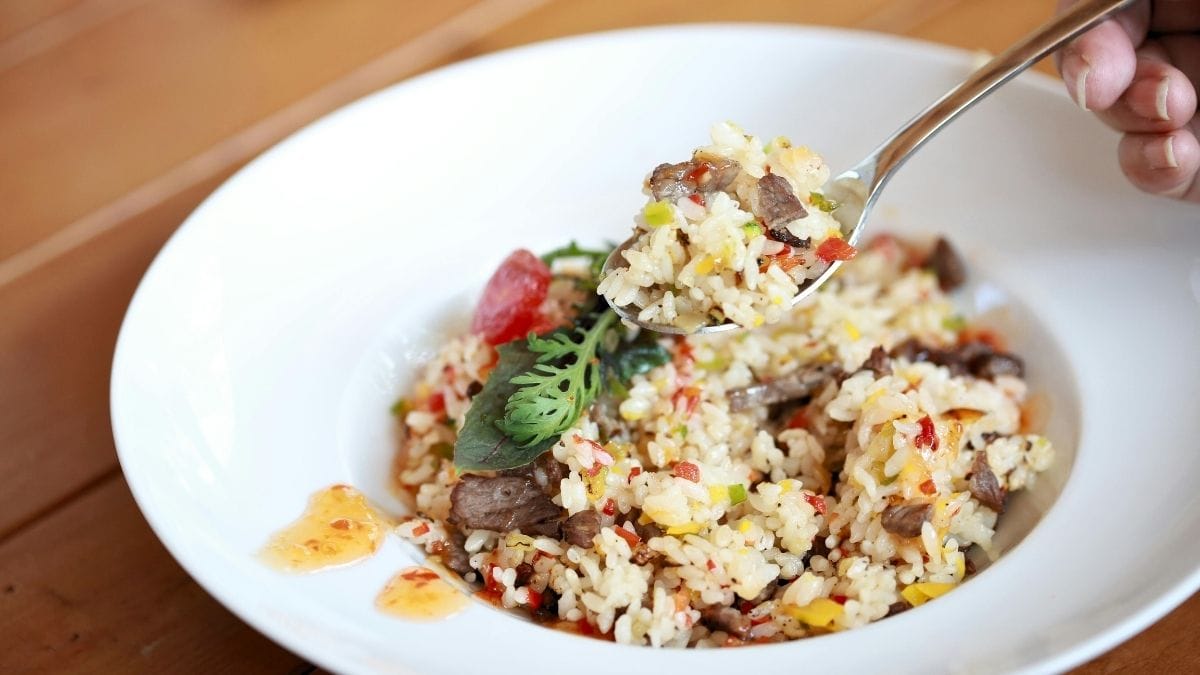
A large analysis published in BMJ found that eating more whole grains lowers your risk of heart disease and cancer while helping you live longer. The word “whole” is key here.
Whole grains keep their bran, germ, and endosperm intact. White bread and white rice have been stripped down to just starch.
You don’t need huge amounts either. Studies show that just over one cup of broccoli daily links to longer lifespan.
The same principle applies to whole grains. Consistent, moderate amounts work better than trying to eat massive portions.
Nuts: Small Portions, Significant Impact
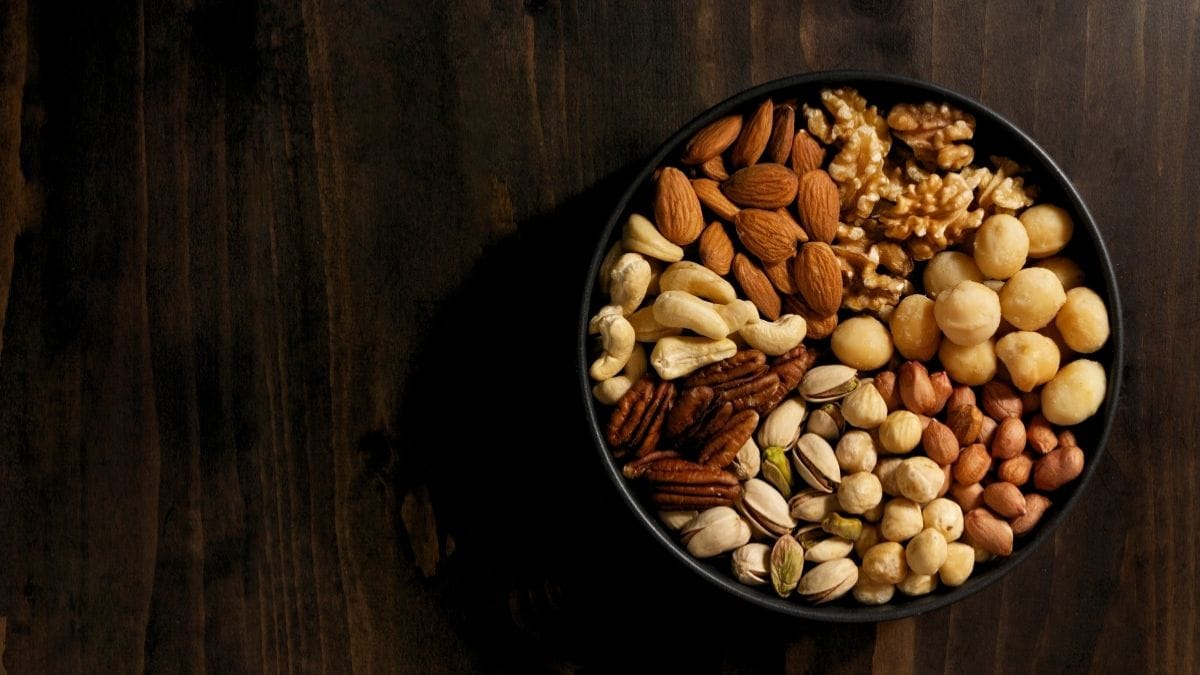
One ounce of walnuts daily could add more than a year to your life. Research found that women gained 1.3 extra years and men gained 1.26 years at age 60. Even half that amount showed benefits.
Nuts give you healthy fats, protein, vitamins, fiber, and minerals. They protect your heart and brain.
The Adventist Health Study tracked thousands of people and found that those who ate nuts regularly had lower death rates from all causes.
This makes nuts one of the most reliable longevity foods across all research.
Start simple. Add a handful of almonds to your breakfast. Sprinkle walnuts on your salad. Mix chickpeas into your lunch. These small additions compound over time into real health benefits.
What People in Blue Zones Actually Eat (And What They Avoid)
Blue Zones are five places where people regularly live past 100: Okinawa Japan, Sardinia Italy, Nicoya Costa Rica, Ikaria Greece, and Loma Linda California.
These populations didn’t follow diet books. They developed eating patterns naturally over generations that helped them live longer, healthier lives.
The 95% Plant-Based Pattern
People in Blue Zones eat about 95% plants. This means vegetables, fruits, and whole grains fill almost every plate.
They do eat animal products, but plants form the base of each meal. Most Blue Zone residents eat fish, but less than you’d expect. They have up to three small servings per week, with portions under three ounces.
The Adventist Health Study tracked 96,000 Americans since 2002.
It found that the people who lived longest were either vegan or ate mostly plants with small amounts of fish. This matches what happens naturally in Blue Zones.

Meal Timing and Eating Practices
Here’s something interesting about when they eat. Most Blue Zone residents have a big breakfast before work, a medium lunch in the late afternoon, and a light early dinner.
They eat most of their food before noon. Recent research on body clocks suggests this timing helps your metabolism work better.
In Okinawa, people practice hara hachi bu. This means eating until you’re 80% full instead of stuffed. It’s a simple way to control how much you eat without counting calories or measuring food.
Foods That Rarely Appear
You won’t find processed meats in Blue Zones diets. Cow’s milk barely shows up either, except in some Adventist communities.
When people do eat dairy, it comes from goats or sheep in places like Ikaria and Sardinia. Everything gets prepared from scratch using fresh, whole ingredients.
The Social Component
People in Blue Zones never eat alone, standing up, or in their cars. Meals are social events where families gather, talk, and connect.
Studies show kids who eat with family at least three times weekly maintain healthier weights and better eating habits as they grow up.

Building Your Longevity-Supporting Eating Pattern: Practical Implementation
You don’t need to throw out everything in your kitchen tomorrow. Here’s a helpful way to think about it: you eat roughly 1,100 meals each year.
If you enjoy treats a couple times weekly, that still gives you nearly 1,000 meals to eat foods that help you live longer. Perfect eating isn’t the goal. Consistent better choices are what matter.
The Gradual Addition Approach
Focus on adding good foods instead of cutting out bad ones. Start with one plant-based meal each week.
As you get comfortable with beans, lentils, and vegetables, add another meal. Mix ideas from different longevity diets to find what you like.
Try Mediterranean olive oil with Japanese tofu, or Nordic berries with beans from Costa Rica.
Dr. Frank B. Hu, a Harvard nutrition professor, says to find whole foods you actually enjoy.
Build your own healthy eating pattern by combining elements from different cultures and styles. Long-term success comes from enjoying what you eat, not following perfect rules.
Simple Swaps That Compound Over Time
Replace white rice with brown rice once or twice weekly. Choose whole grain bread instead of white bread.
These tiny changes add up to big differences in nutrition over months and years. You’re not restricting yourself. You’re just making slightly better choices most of the time.
Focus on including vegetables, fruit, whole grains, legumes, lean protein, fatty fish, and plant fats like nuts, seeds, avocado, and olive oil.
Eat less processed snacks, bacon, sausage, added sugar, and refined carbs.
Making It Sustainable
Meal planning removes the stress of deciding what to eat every single day. Spend one hour each Sunday planning your week.
Cook a big batch of beans to use in different meals. Wash and chop vegetables right after shopping. Portion nuts into small containers for easy snacking.
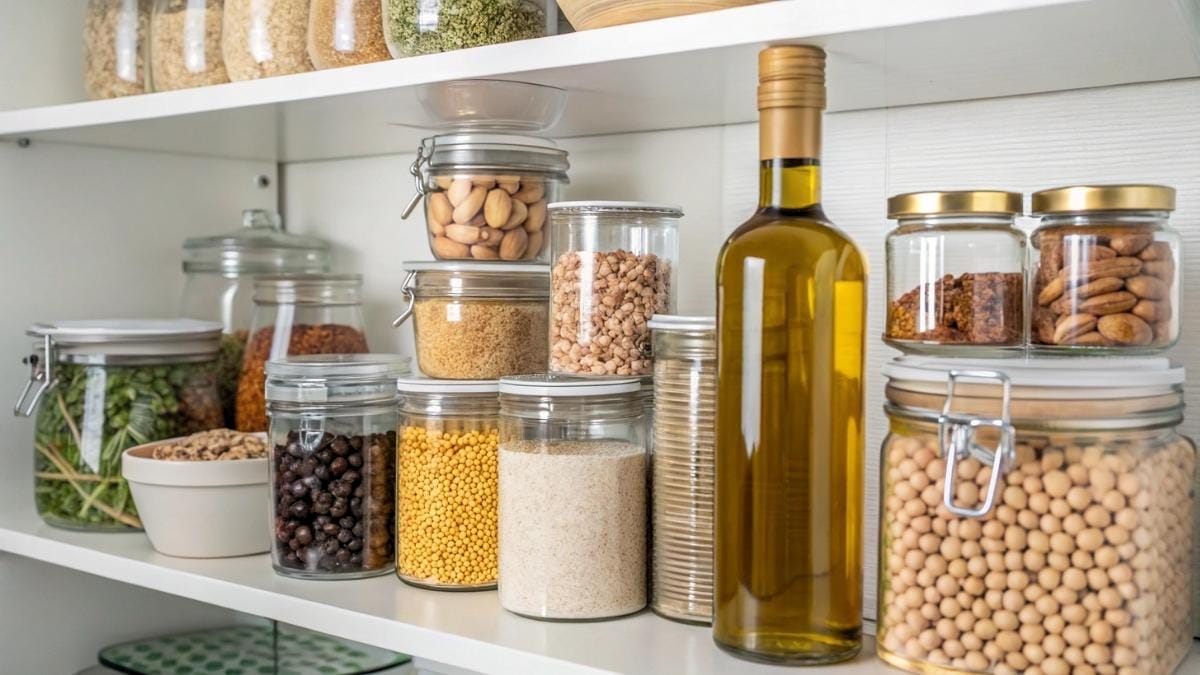
Stock your pantry with dried legumes, whole grains, nuts, and olive oil. These items last for months, so you always have healthy foundations ready.
The Role of Specific Superfoods in Longevity Research
Beyond legumes, whole grains, and nuts, certain foods show especially strong connections to longer life in recent studies. Let’s look at what the research tells us about these specific foods and how you can add them to your meals.
Fatty Fish and Omega-3s
Salmon, mackerel, and sardines rank at the top of longevity research. Studies show that people who eat more omega-3-rich fish have lower rates of death from heart disease.
These fatty acids protect your heart and keep your brain working well as you age. Aim for two to three servings per week. A serving is about the size of your palm, roughly three to four ounces.
If fresh fish feels expensive, canned sardines and mackerel cost much less and provide the same benefits.
Leafy Greens and Cruciferous Vegetables
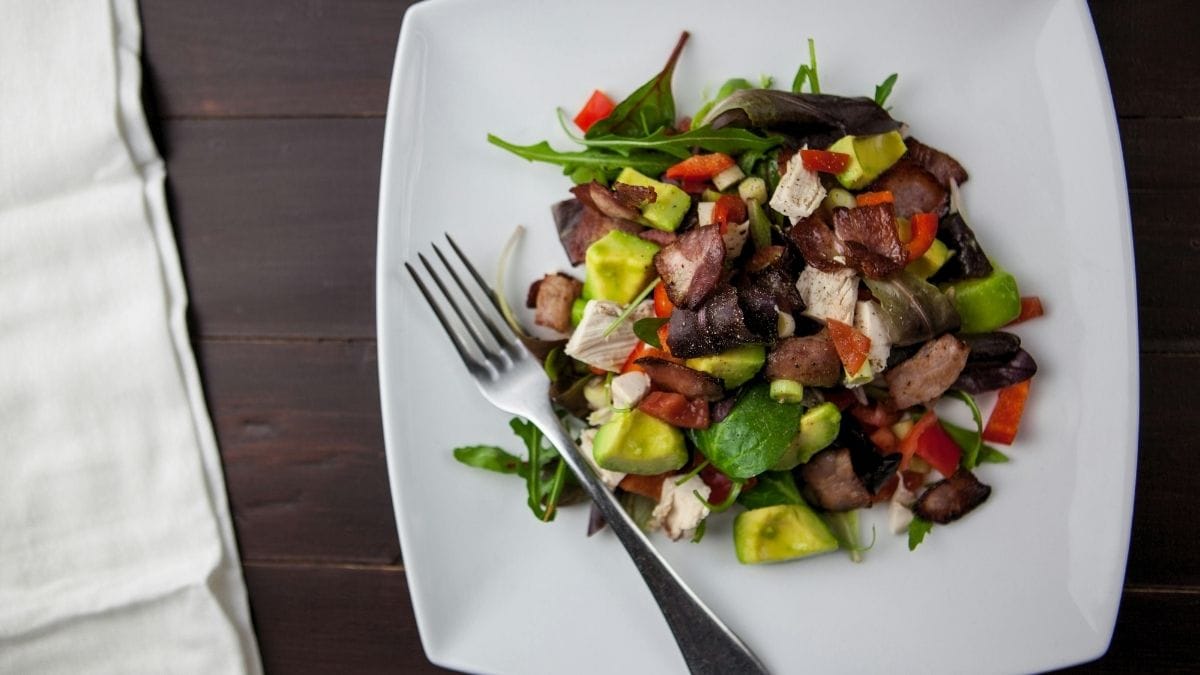
People in Blue Zones eat leafy greens like spinach, kale, chard, and collards when they’re in season.
Then they pickle or dry them to eat all year. These vegetables give you vitamins, minerals, and plant compounds that support your whole body.
Try to eat at least one cup of leafy greens daily. Add spinach to your morning eggs, toss kale into soups, or make a simple salad with your dinner.
Berries and Polyphenol-Rich Foods
The Nurses’ Health Study tracked thousands of women and found that those who ate flavonoid-rich foods like berries had lower rates of heart disease death.
Berries give you antioxidants and fiber while satisfying your sweet tooth naturally. You don’t need exotic berries either. Blueberries, strawberries, and blackberries all work.
Frozen berries cost less than fresh and keep longer. Add a half cup to your breakfast or afternoon snack.
Coffee and Its Surprising Benefits

Research from December 2024 looked at how coffee affects aging. The findings were positive. Moderate coffee drinking appears protective in many longevity studies.
Scientists think the polyphenols and other active compounds in coffee help, not just the caffeine. Two to three cups daily seems to be the sweet spot for most people.
Olive Oil as a Cornerstone Fat
Reports from Ikaria Greece show something remarkable. People who consume six tablespoons of olive oil daily cut their death risk in half.
The oleocanthal in olive oil fights inflammation in your body. Extra virgin olive oil gives you both healthy fats and protective plant compounds. Use it for cooking, drizzle it on salads, or dip bread in it.
Beyond Food: The Lifestyle Factors That Multiply Dietary Benefits
Food matters, but it’s not the whole story. Diet plays a major role in how long you live and how healthy you stay.
But other lifestyle factors like movement, stress management, and social connections work together with good nutrition to give you the best results for healthy aging.
Movement Integrated Into Daily Life
A November 2024 study looked at walking habits in the United States.
It found something powerful: if people over 40 walked as much as the most active people in their age group, they could add about five years to their lives.
You don’t need a gym membership or intense workouts. People in Blue Zones move naturally throughout their day. They garden, walk to the store, and stay active with hobbies they enjoy.
Social Connections and Shared Meals
Research from January 2024 showed that reducing loneliness lowers your risk of early death.
This is especially true for people struggling with weight. The support and care from friends and family might be one of the most important factors for living longer.
When you eat meals with family, walk with friends, or stay connected with people you care about, you build a support system that helps you make better choices.

Purpose and Mental Wellbeing
People in Blue Zones know what brings them joy. They spend time doing activities that give their lives meaning.
This sense of purpose improves mental and emotional health, which then supports your physical health. The connection between mind and body goes beyond just managing stress. It’s about finding fulfillment in your daily life.
Conclusion:
Living longer doesn’t require extreme diets or complicated rules. Research points to three simple food groups: legumes, whole grains, and nuts. Add more plants, eat whole foods, and limit processed items.
Start small this week. Add one serving of beans to your daily meals. Next week, swap white rice for brown rice once. The week after, eat a handful of nuts as your afternoon snack.
These tiny changes add up over time into patterns that help you live longer and feel better. Consistency beats perfection every time.