
Why Bone Health Matters at Any Age
Your bones are alive. They break down and rebuild every single day.
This process never stops. Not at 25. Not at 65. Your skeleton completely rebuilds itself every 10 years.
Here’s what most people miss: bone strength isn’t just about calcium. It’s a complex team effort. You need vitamin D to absorb calcium. Vitamin K2 to direct it to your bones instead of your arteries. Magnesium to activate vitamin D. Protein to build the bone matrix.
Skip one player, and the whole team suffers.
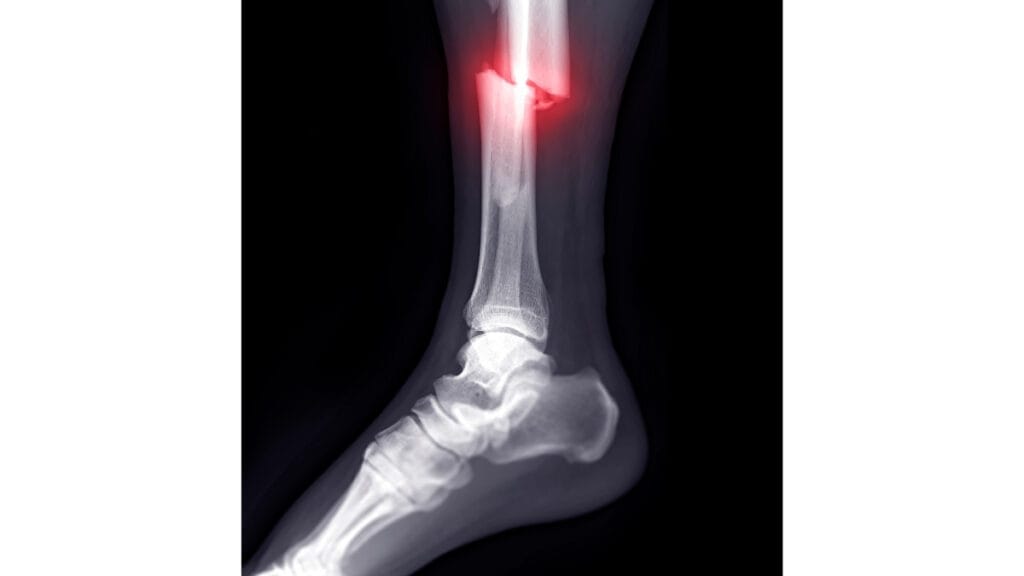
The numbers tell a stark story. Over 200 million people worldwide have osteoporosis. Half of women over 50 will break a bone because of it. One in four men will too.
But here’s the good news: nutrition works. Studies show that proper intake of bone-supporting nutrients can reduce fracture risk by up to 30%. The key is eating the right foods consistently.
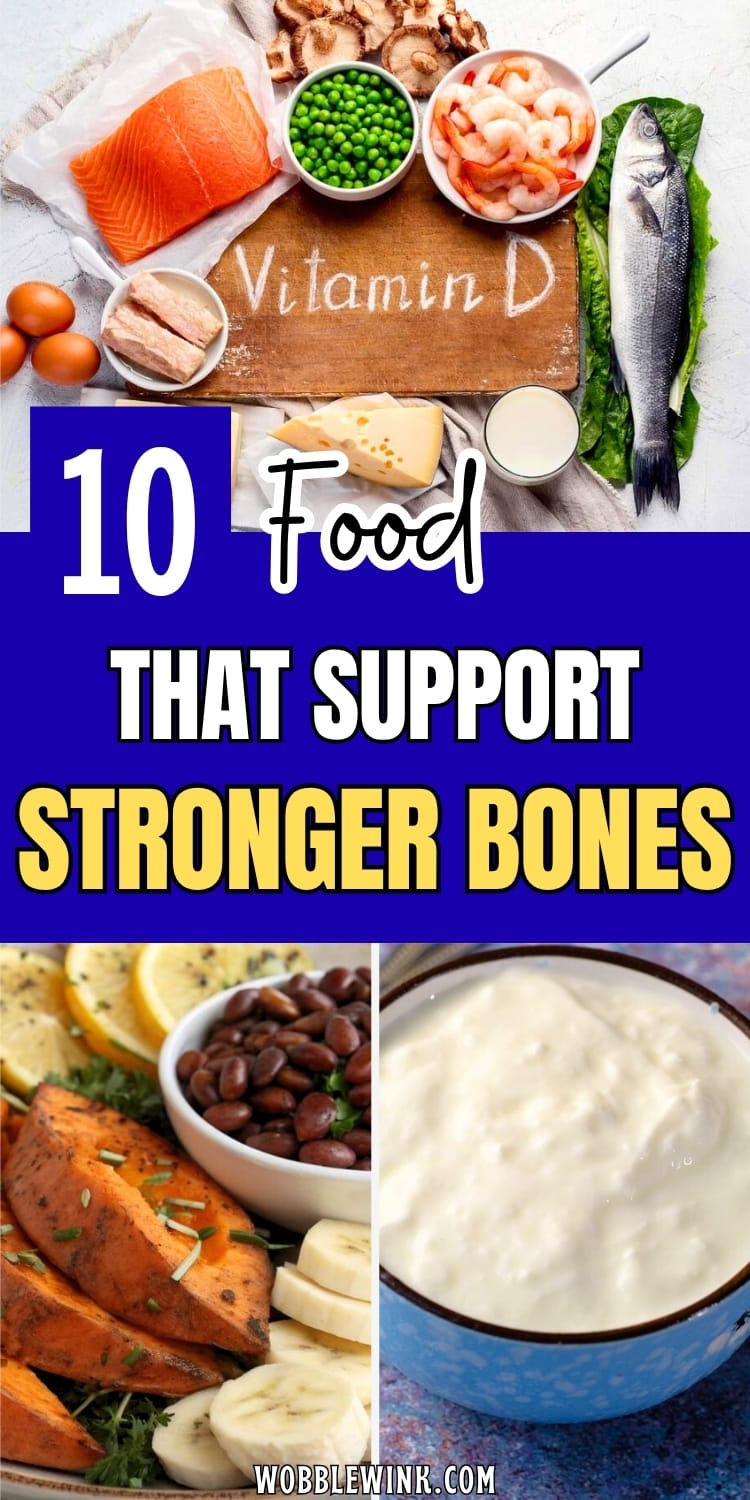
This guide features 10 dietitian-approved foods. Each one provides specific nutrients your bones need. These recommendations align with current Recommended Dietary Intakes (RDI) from nutrition authorities worldwide.
No supplements required. Just real food, real results.
Let’s build stronger bones together.
The 10 Bone-Boosting Foods
1. Sardines (Calcium + Vitamin D + Omega-3s)
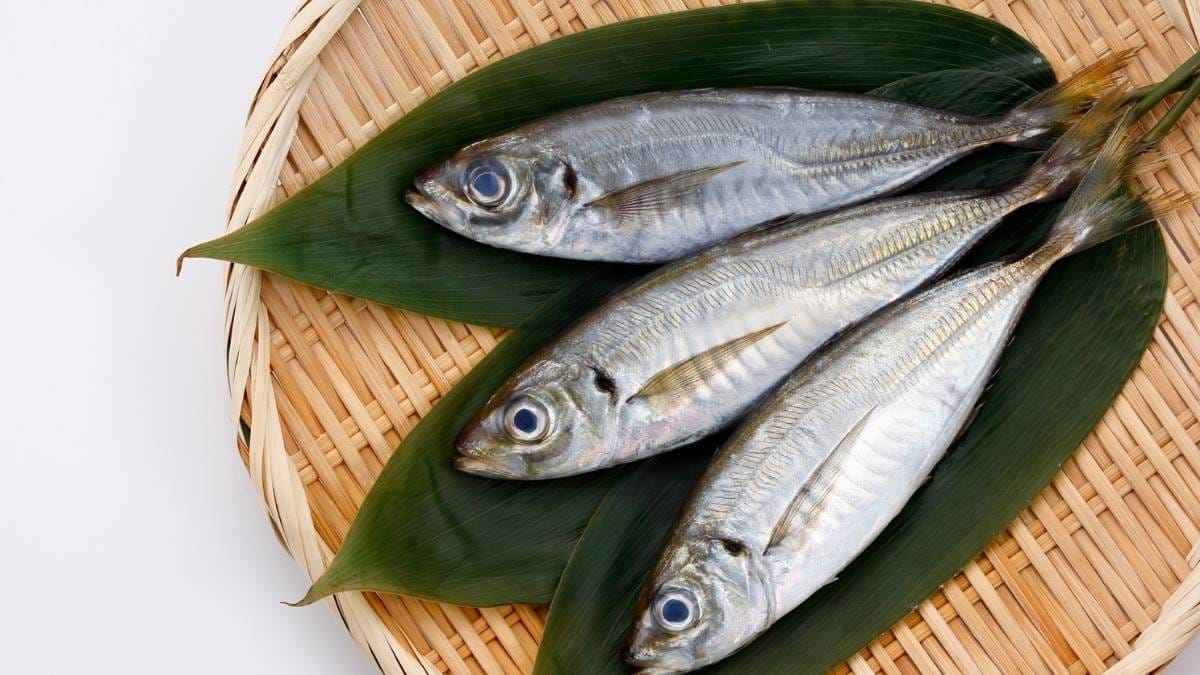
The Power: 100 grams of canned sardines with bones delivers 382 mg of calcium (38% RDI) and 272 IU of vitamin D (68% RDI).
How It Works: The edible bones are pure calcium. The fish itself provides vitamin D, which acts like a key that unlocks your intestinal cells, allowing calcium to pass into your bloodstream.
The omega-3 fatty acids reduce bone-destroying inflammation.
Serve It: Mash sardines with lemon and olive oil on whole grain toast. Toss into pasta with tomatoes and capers. Blend into a pâté with Greek yogurt and herbs.
2. Collard Greens (Vitamin K1 + Calcium)
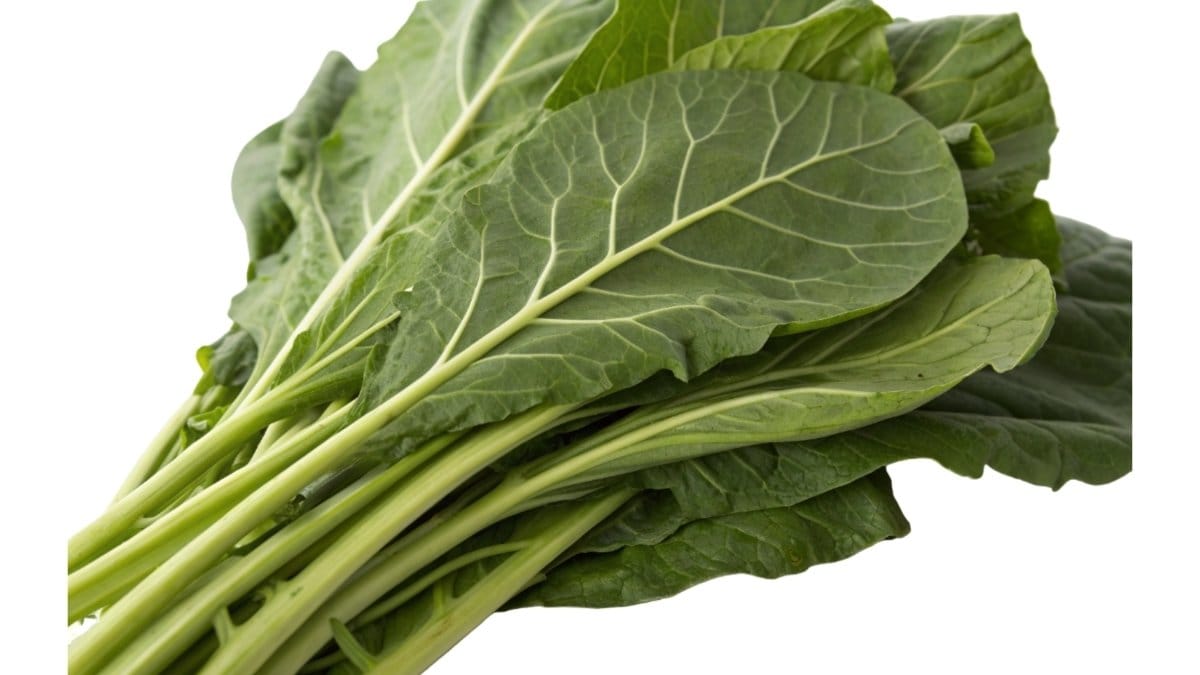
The Power: One cup (190 grams) of cooked collard greens contains 1,059 mcg of vitamin K (883% RDI) and 266 mg of calcium (27% RDI).
How It Works: Vitamin K activates osteocalcin, a protein that literally grabs calcium molecules and binds them into your bone matrix.
Without vitamin K, calcium can’t stick to your bones. It also prevents calcium from depositing in your blood vessels.
Serve It: Sauté with garlic and olive oil. Add to soups and stews. Braise slowly with onions and vegetable broth.
The slight bitterness pairs beautifully with acid—try a splash of vinegar.
3. Plain Greek Yogurt (Calcium + Protein + Probiotics)
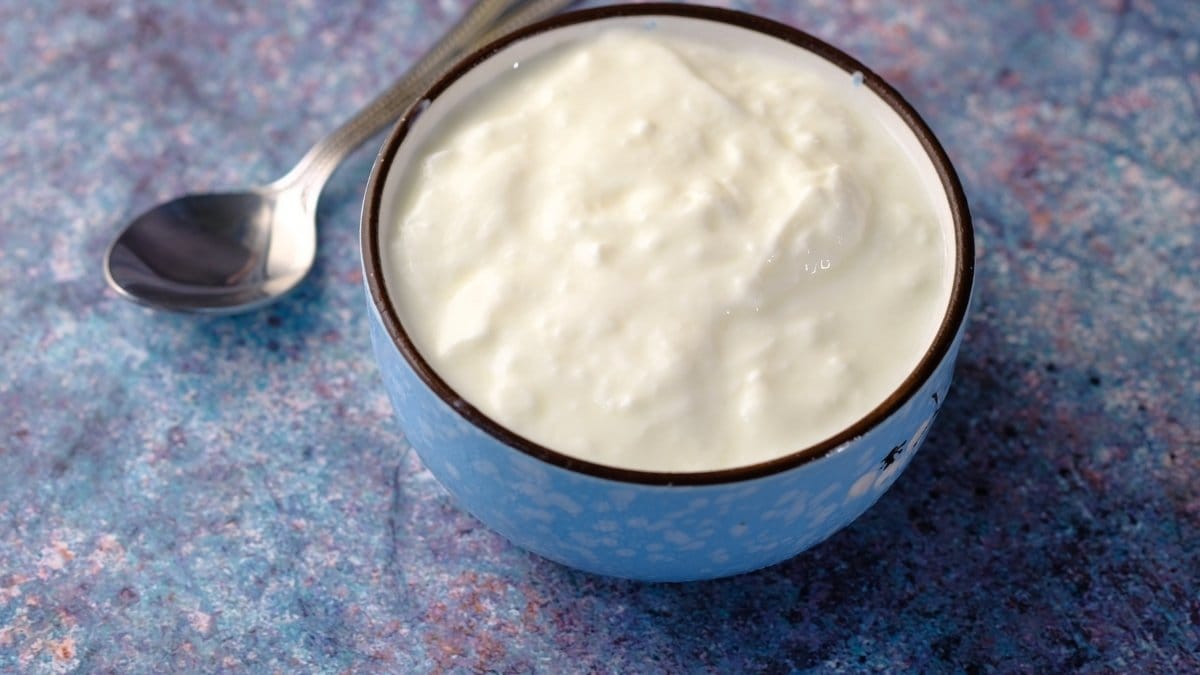
The Power: 200 grams provides 320 mg of calcium (32% RDI) and 20 grams of protein.
How It Works: Calcium builds bone mineral density. Protein forms the collagen framework that holds calcium deposits together—think of it as the scaffolding.
Probiotics may enhance calcium absorption by improving gut health.
Serve It: Top with berries and nuts for breakfast. Use as a sour cream substitute. Make savory dips with herbs and spices. Freeze into bark with dark chocolate and almonds.
4. Prunes (Boron + Vitamin K + Polyphenols)
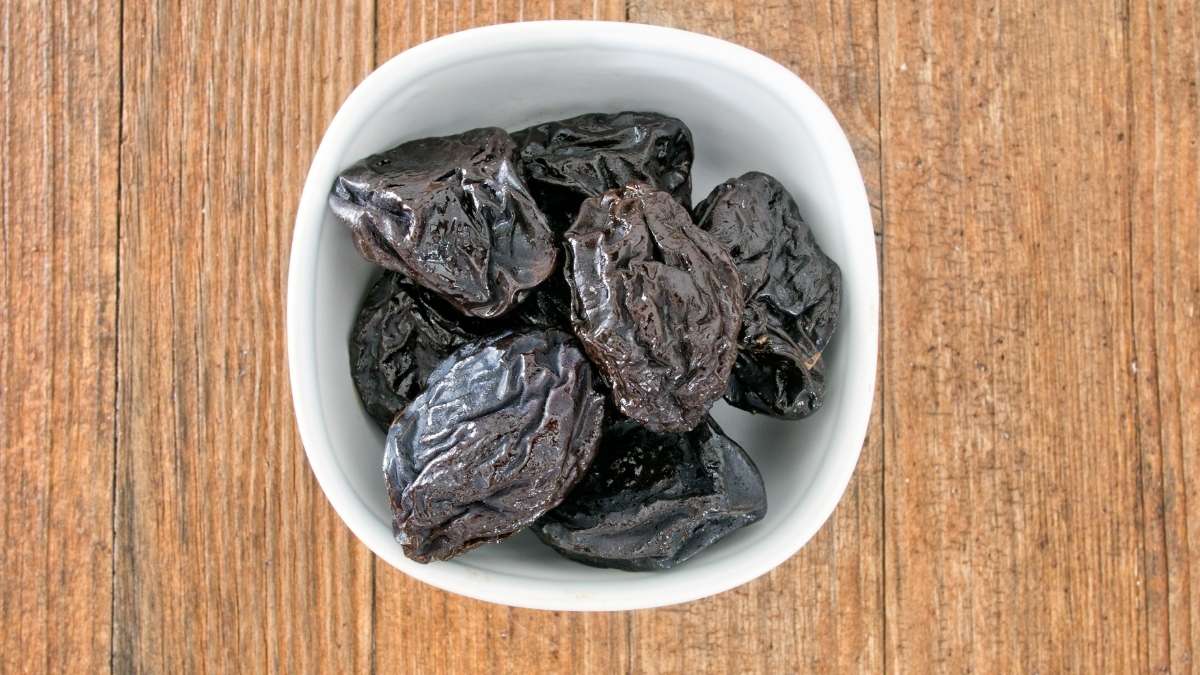
The Power: 100 grams (about 10 prunes) provides 3.1 mg of boron and 59 mcg of vitamin K (49% RDI).
How It Works: Boron reduces calcium excretion through urine—you keep more of what you eat. It also boosts estrogen levels slightly, which protects bones.
The polyphenols suppress inflammation that breaks down bone tissue. Clinical studies show eating 50-100 grams of prunes daily significantly increases bone density.
Serve It: Eat as a mid-morning snack. Chop into oatmeal. Blend into smoothies. Simmer with spices for a compote to top yogurt or roasted meats.
5. Fortified Plant Milk (Calcium + Vitamin D)
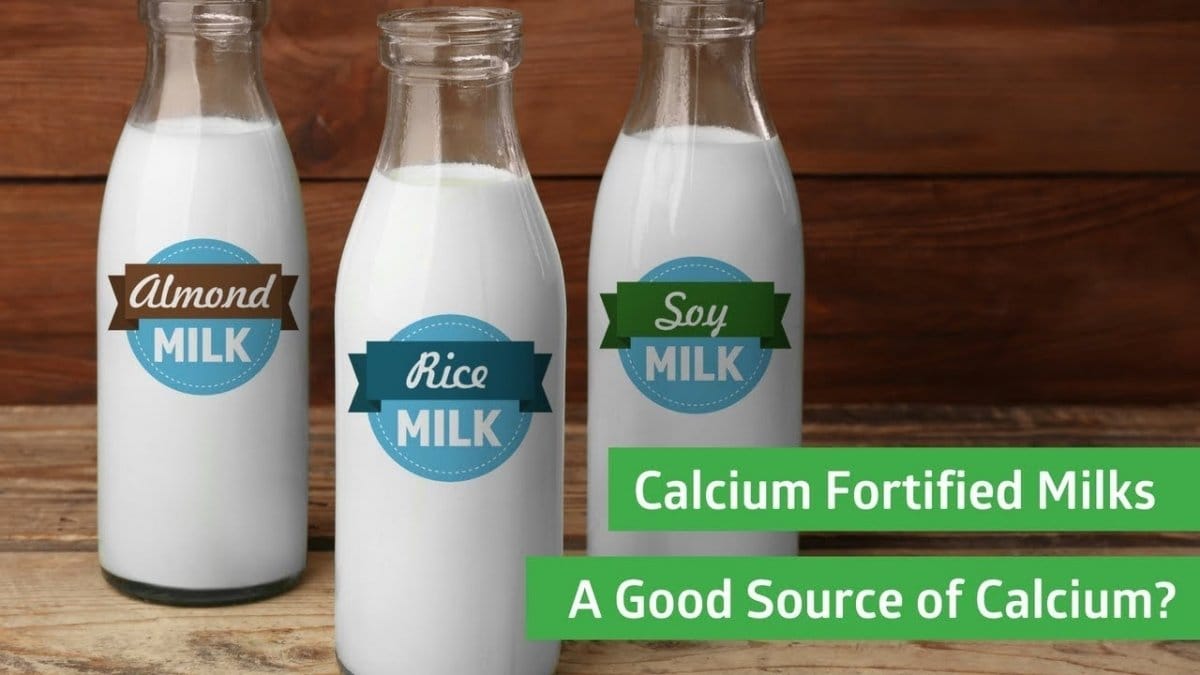
The Power: 250 ml of fortified soy, almond, or oat milk typically provides 300 mg of calcium (30% RDI) and 100 IU of vitamin D (25% RDI).
How It Works: Fortification adds the exact nutrients dairy provides—but in plant form. Your body absorbs calcium from fortified plant milk just as well as from cow’s milk.
The vitamin D works the same way: it increases calcium absorption efficiency from about 10-15% to 30-40%.
Serve It: Use in smoothies, coffee, and tea. Pour over cereal. Use in cooking and baking as a 1:1 dairy milk substitute.
Critical Note: Always shake the container. Calcium settles at the bottom.
6. Salmon (Vitamin D + Omega-3s + Protein)
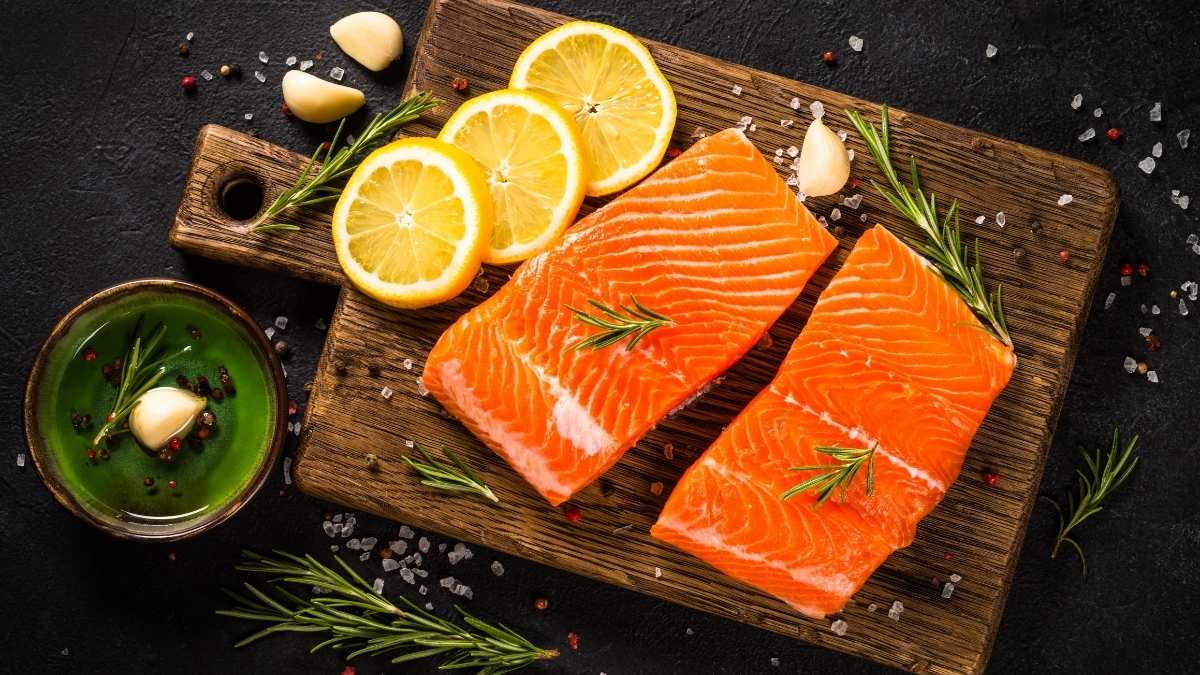
The Power: 100 grams of cooked wild salmon provides 526 IU of vitamin D (132% RDI), 25 grams of protein, and 2.3 grams of omega-3s.
How It Works: Vitamin D doesn’t just help calcium absorption—it regulates the cells that break down and rebuild bone.
Adequate vitamin D means balanced bone remodeling. The omega-3s reduce inflammatory compounds that accelerate bone loss. Protein provides amino acids to build bone matrix.
Serve It: Bake with herbs and lemon. Grill with teriyaki glaze. Poach gently for salads. Pan-sear skin-side down until crispy.
7. Almonds (Magnesium + Calcium + Protein)
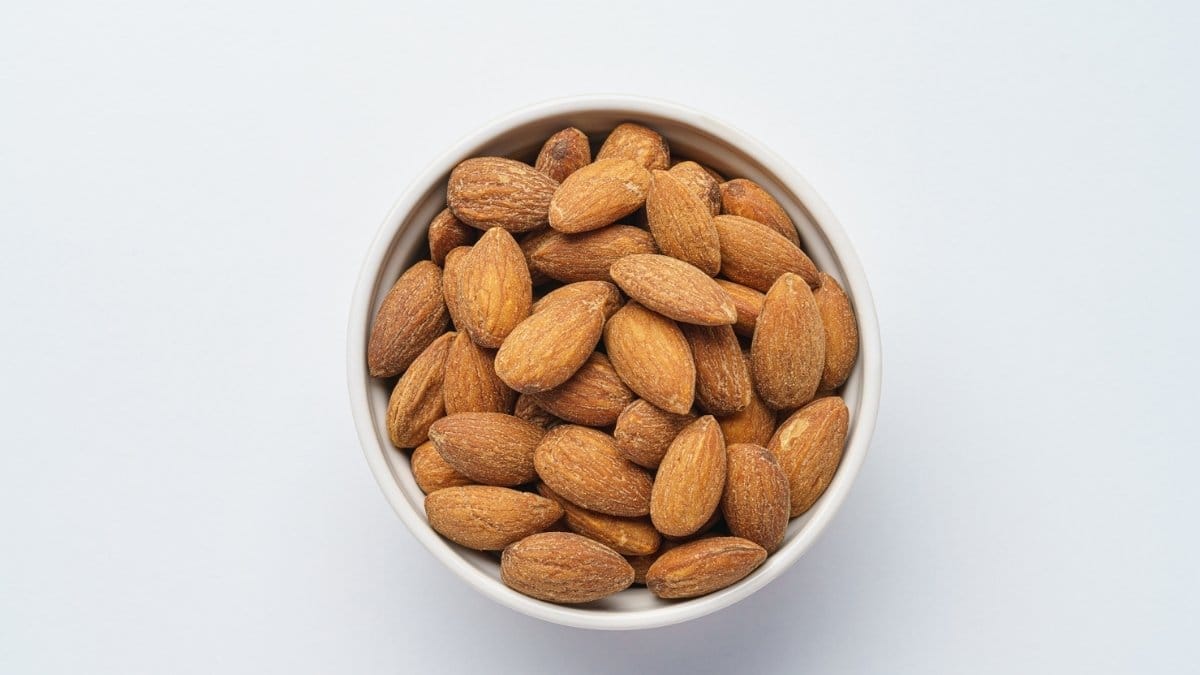
The Power: 30 grams (about 23 almonds) provides 80 mg of magnesium (20% RDI) and 76 mg of calcium (8% RDI).
How It Works: Magnesium converts vitamin D into its active form—the form your body actually uses. Without magnesium, vitamin D just sits there, useless.
Magnesium also regulates parathyroid hormone, which controls calcium levels in blood and bones. Studies show people with higher magnesium intake have significantly higher bone density.
Serve It: Snack on a small handful. Slice into salads. Blend into nut butter. Toast and chop as a topping for vegetables or yogurt.
8. Tofu (Calcium + Protein + Isoflavones)
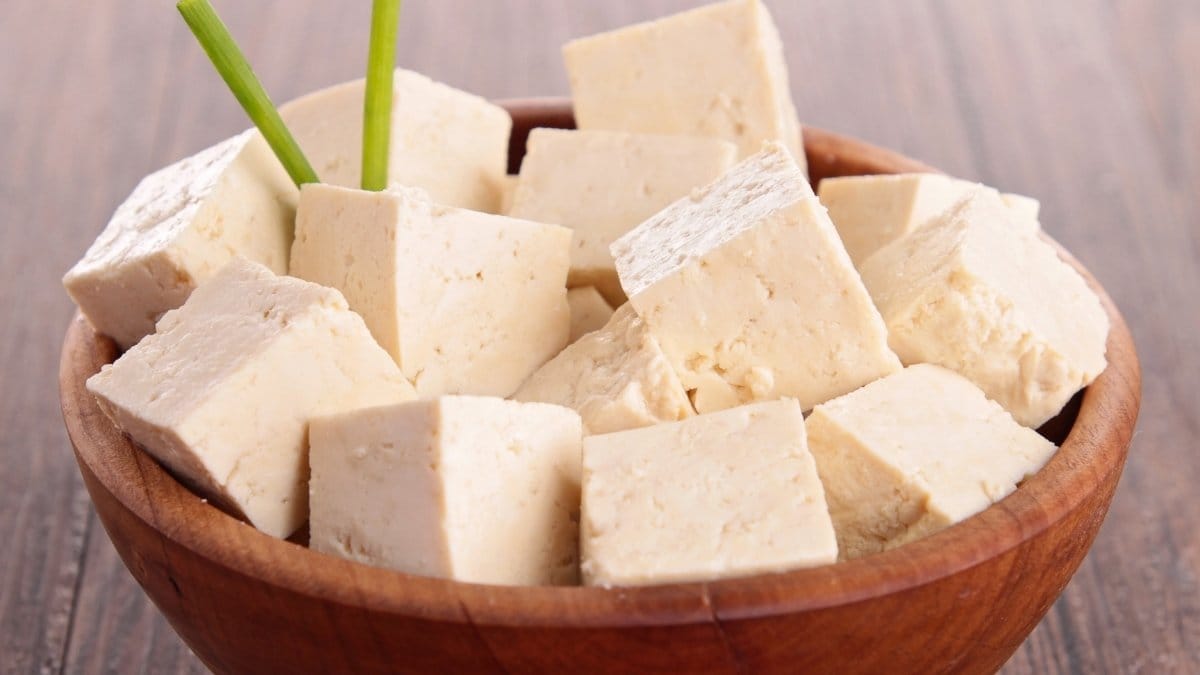
The Power: 100 grams of calcium-set tofu provides 350 mg of calcium (35% RDI) and 9 grams of complete protein.
How It Works: Tofu is set using calcium sulfate—that calcium becomes part of the tofu.
The isoflavones (plant compounds) have mild estrogen-like effects that protect bone density, especially important after menopause when estrogen drops. The protein builds bone structure.
Serve It: Cube and add to stir-fries. Crumble into scrambles. Press firmly and grill. Blend silken tofu into creamy sauces and desserts.
Important: Check labels. Only calcium-set tofu provides significant calcium. Nigari-set tofu (made with magnesium chloride) offers less.
9. Edamame (Protein + Calcium + Isoflavones)
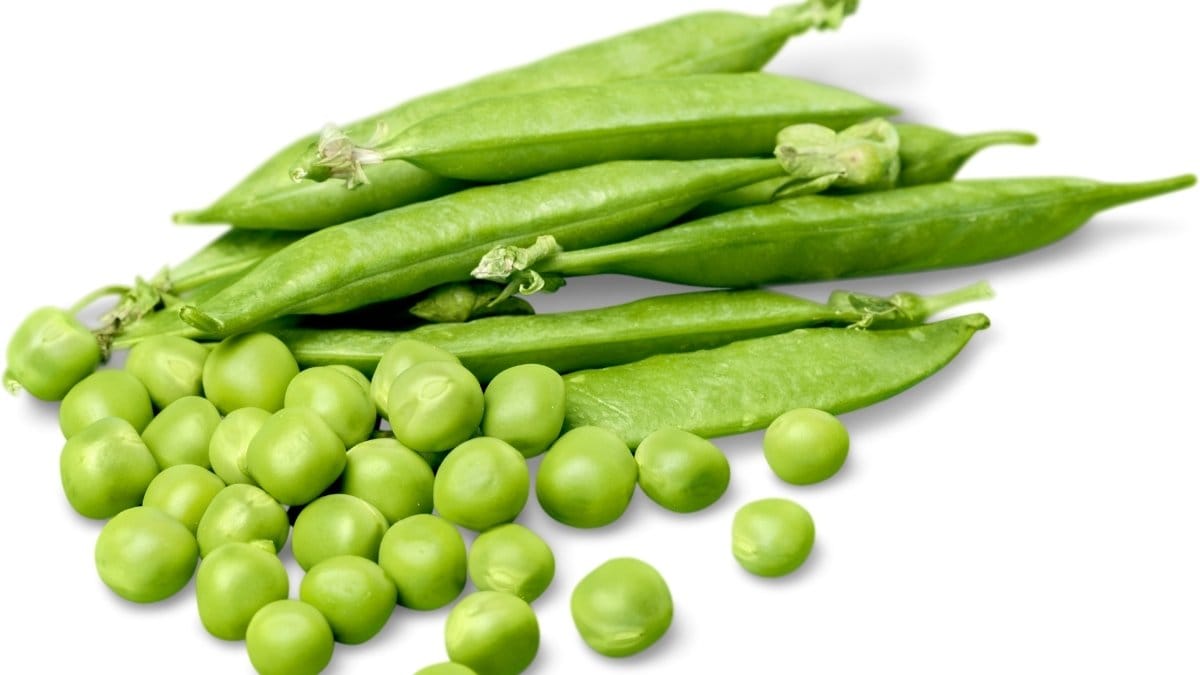
The Power: 155 grams (1 cup shelled) provides 18 grams of protein, 98 mg of calcium (10% RDI), and significant isoflavones.
How It Works: The protein provides essential amino acids for bone matrix formation.
Young soybeans contain genistein, an isoflavone that stimulates bone-building cells and inhibits bone-breakdown cells. Research shows regular soy intake is associated with reduced fracture risk.
Serve It: Steam pods and sprinkle with sea salt for a snack. Shell and toss into grain bowls. Blend into hummus-style dips. Add to pasta dishes.
10. Kefir (Calcium + Vitamin K2 + Protein + Probiotics)
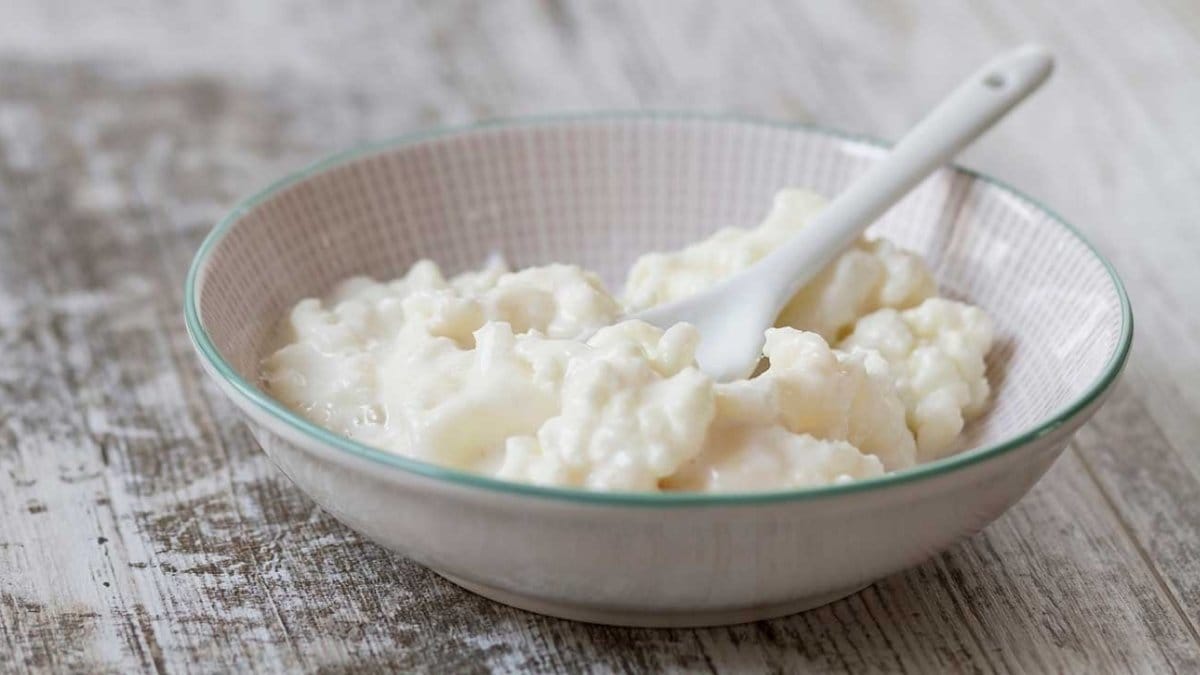
The Power: 250 ml provides 316 mg of calcium (32% RDI), 9 grams of protein, and bacterial-produced vitamin K2.
How It Works: This fermented milk drink delivers calcium plus something special: vitamin K2 (MK-7), produced by the bacteria during fermentation.
K2 activates proteins that mineralize bones and prevent calcium from depositing in arteries. The probiotics improve gut health, which enhances nutrient absorption.
Serve It: Drink plain or flavored. Use as a buttermilk substitute in baking. Blend into smoothies. Make salad dressings with herbs and spices.
3 Common Bone Health Mistakes to Avoid
Mistake #1: Calcium Without Co-Factors
Taking calcium alone is like having bricks without mortar or builders.
You need vitamin D to absorb it. Vitamin K2 to direct it to bones. Magnesium to activate vitamin D. Protein to build the structure that holds it.
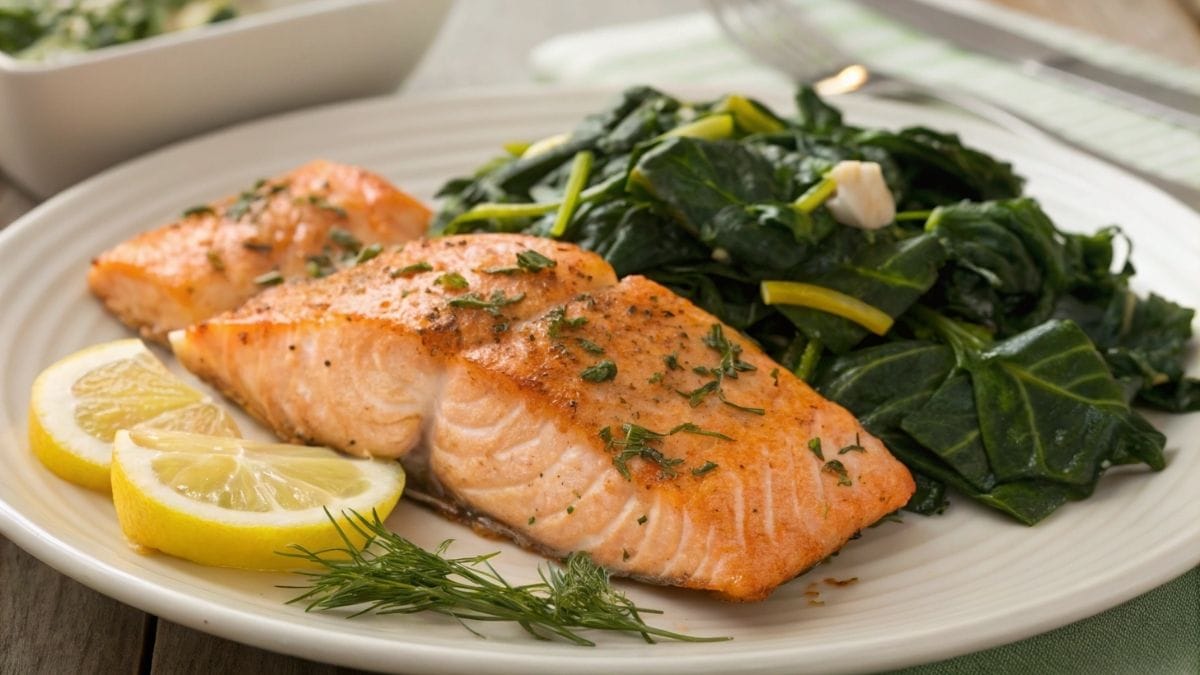
The Fix: Eat combinations. Greek yogurt (calcium + protein) with almonds (magnesium). Salmon (vitamin D) with collard greens (vitamin K + calcium). This guide’s foods work together—that’s why they’re here.
Mistake #2: Ignoring Vitamin D Status
Over 40% of US adults are vitamin D deficient. In Europe, it’s even higher—especially in northern regions.
Vitamin D comes from sun exposure and very few foods. During winter months above latitude 37°N (roughly above San Francisco or Athens), your skin makes almost zero vitamin D from sunlight.
The Fix: Eat vitamin D-rich foods daily: sardines, salmon, fortified milk.
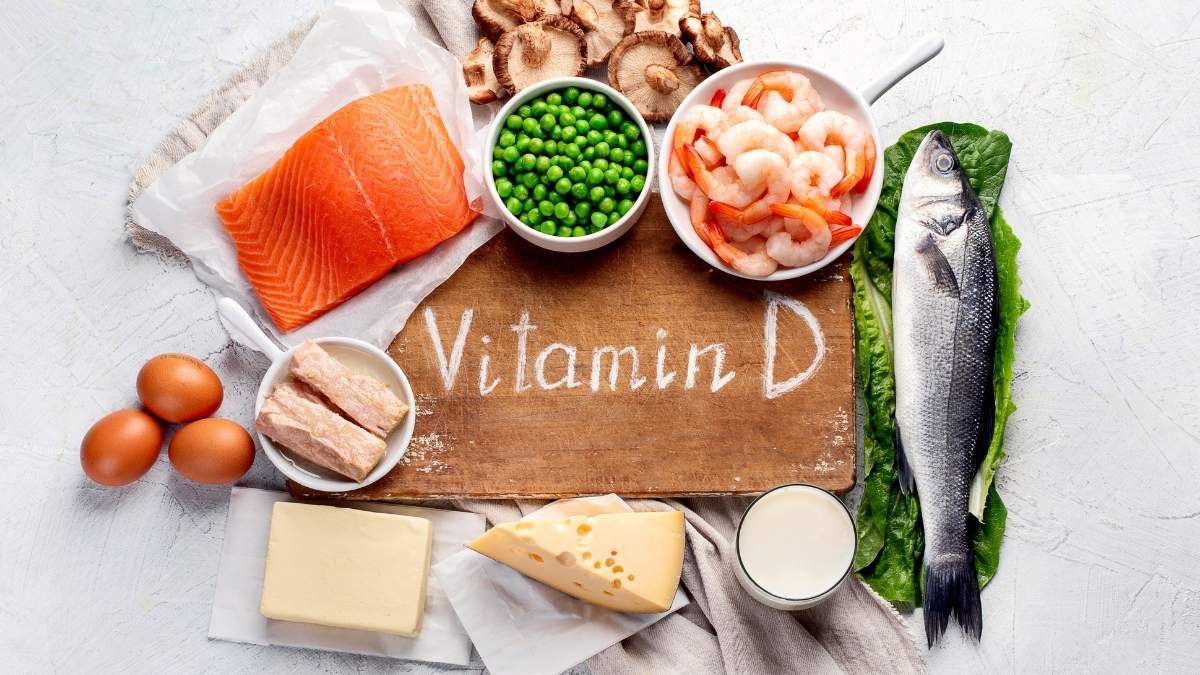
Consider getting your blood levels tested (optimal range: 75-100 nmol/L or 30-40 ng/mL). Many dietitians recommend supplementation during winter months—typically 1,000-2,000 IU daily for adults.
Mistake #3: Too Much Sodium, Too Little Potassium
High sodium intake causes calcium loss through urine. For every 2,300 mg of sodium you consume (one teaspoon of salt), you lose about 40 mg of calcium.
Most people eat 3,400 mg of sodium daily—well above the recommended 2,300 mg limit.
The Fix: Reduce processed foods (the main sodium source). Increase potassium-rich foods like sweet potatoes, bananas, and beans.
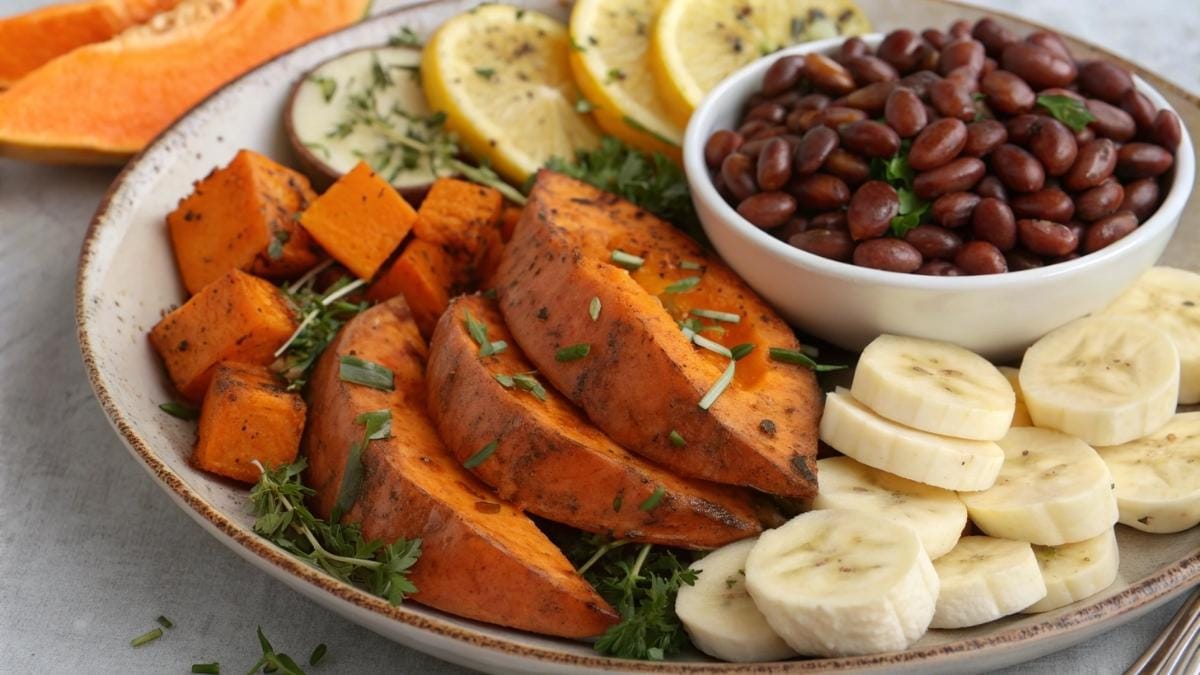
Potassium counteracts sodium’s calcium-leaching effect. Choose fresh foods over packaged ones. Cook at home more often.
Practical Action Plan: How to Incorporate These Foods
Start With Three Core Daily Habits
Morning: Greek yogurt (200g) with berries and 10 almonds. Delivers calcium, protein, magnesium.
Lunch or Dinner: Include one dark leafy green serving (collard greens, kale, spinach). Provides vitamin K, calcium.
Snack: Small handful of prunes (4-5) or edamame. Adds boron, polyphenols, isoflavones.
Add Two Fatty Fish Meals Weekly
Tuesday and Friday: Salmon or sardines. This provides your vitamin D and omega-3s. One 100-gram serving each time hits most of your weekly vitamin D target.
Make Simple Swaps
- Regular milk → Fortified plant milk (shake well!)
- Sour cream → Greek yogurt
- Chicken → Tofu (in one or two meals weekly)
- Juice → Kefir smoothie
Build a Bone-Boosting Smoothie
Blend together:
- 250 ml fortified plant milk or kefir
- 100 g Greek yogurt
- 1 cup spinach (raw)
- 1 banana
- 1 tablespoon almond butter
- 4 prunes
This single smoothie delivers calcium, vitamin D, K, magnesium, protein, boron, and probiotics.
Prep Once, Eat All Week
Sunday prep:
- Cook a large pot of collard greens with garlic
- Portion Greek yogurt into containers with nut toppings
- Bake or grill 2-3 salmon fillets
- Portion prunes into snack bags
Having these ready means you’ll actually eat them.
Your Bones Are Counting on You
Strong bones aren’t built in a day. They’re built in thousands of small, consistent choices.
Each meal is an opportunity. Each snack matters. The foods in this guide give your bones exactly what they need to stay dense, resilient, and fracture-resistant.

You don’t need every food every day. You don’t need perfection. You need consistency.
Start with one or two foods this week. Add another next week. Within a month, these bone-boosting choices will feel automatic.
Your 80-year-old self will thank you. Strong bones mean independence. They mean hiking, playing with grandchildren, traveling, living fully.

Your Next Step: Choose three foods from this list. Buy them this week. Eat them. Notice how simple it is.
That’s how you build unbreakable bones—one delicious bite at a time.