
Your heart races. Your mind won’t stop spinning. You reach for comfort food—but what if the food you chose could actually dial down your stress hormones instead of spiking them?
Stress hits 300 million people worldwide. You can’t avoid it completely. But here’s the problem: most people make stress worse by eating the wrong things. When you’re anxious, you might grab chips, cookies, or fast food. These spike your cortisol levels even higher.
This creates a nasty cycle. High cortisol makes you crave junk food. Junk food raises cortisol more. You feel worse, so you eat more bad food. Round and round it goes.
There’s a better way. Science proves that certain foods actually lower your stress hormones. They calm your nervous system. They help your brain handle pressure better.
In this guide, you’ll discover 12 stress-reducing foods backed by real research. For each one, you’ll learn exactly how it works in your body. You’ll get the right serving sizes. And you’ll see simple ways to eat it every day.
No complicated recipes. No expensive supplements. Just real food that reduces stress and anxiety while boosting your mood.
Let’s fix your stress response from the inside out.
🧠 12 Foods That Fight Stress
Science-Backed Nutrition to Lower Cortisol & Calm Your Mind
300M+
People affected by stress worldwide
37.7%
Jump in anti-anxiety medication prescriptions
29%
Cortisol reduction from dark chocolate
💡 The Gut-Brain Connection
Your gut makes 90% of your serotonin (not your brain!). This is why the gut-brain axis is crucial for managing stress. When you eat junk food, you disrupt this connection and prevent calm signals from reaching your brain. Magnesium regulates cortisol directly—without it, stress hormones spike higher and stay elevated longer.
The 12 Stress-Fighting Superfoods
How These Foods Help You
⚠️ Foods That INCREASE Stress
These spike cortisol, cause blood sugar crashes, and increase brain inflammation
✅ Your Action Plan

How Food Affects Your Stress Response
Your body builds stress hormones from the food you eat. Every nutrient matters. Your brain needs specific vitamins and minerals to make serotonin, dopamine, and other chemicals that control your mood. Without the right fuel, your stress response breaks down.
Here’s something wild: 90% of your serotonin is made in your gut, not your brain.
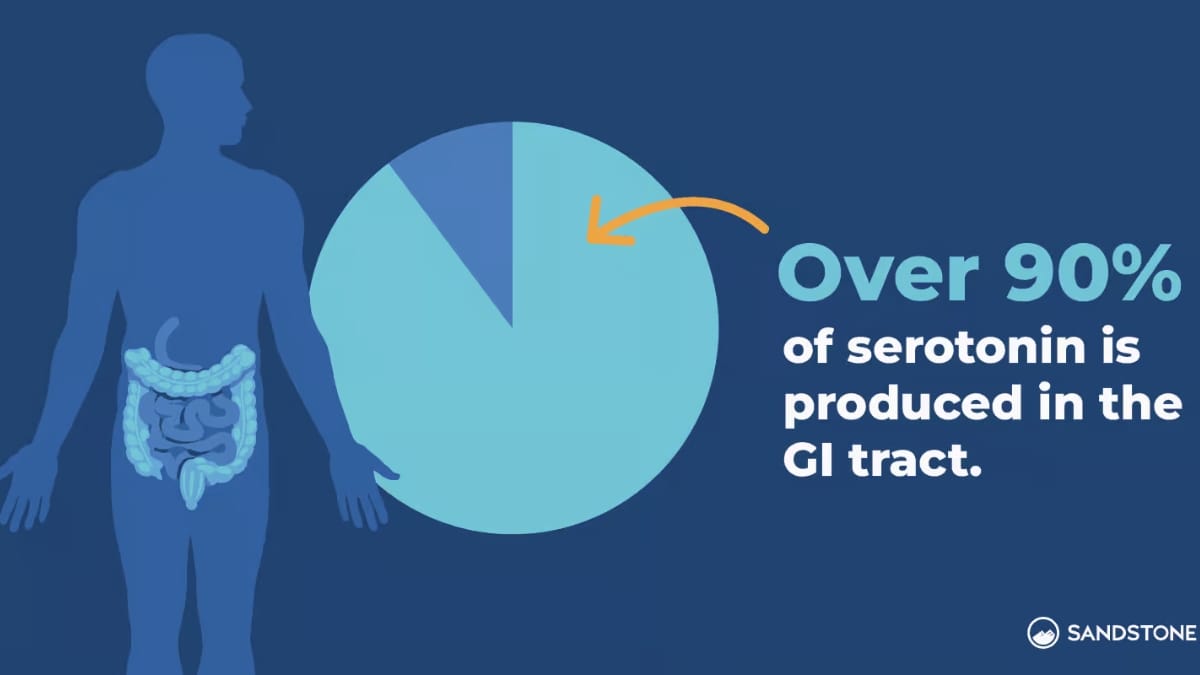
That’s why the gut-brain axis is so important. When you eat junk food, you mess up this connection. Your gut can’t send calm signals to your brain.
Magnesium regulates cortisol levels directly. When you’re low on magnesium, your body can’t control stress hormones properly. They spike higher and stay elevated longer. This makes anxiety worse.
Poor food choices trigger a double hit. First, they spike your cortisol. Second, they cause inflammation throughout your body, including your brain. Sugar and processed foods are the worst offenders.
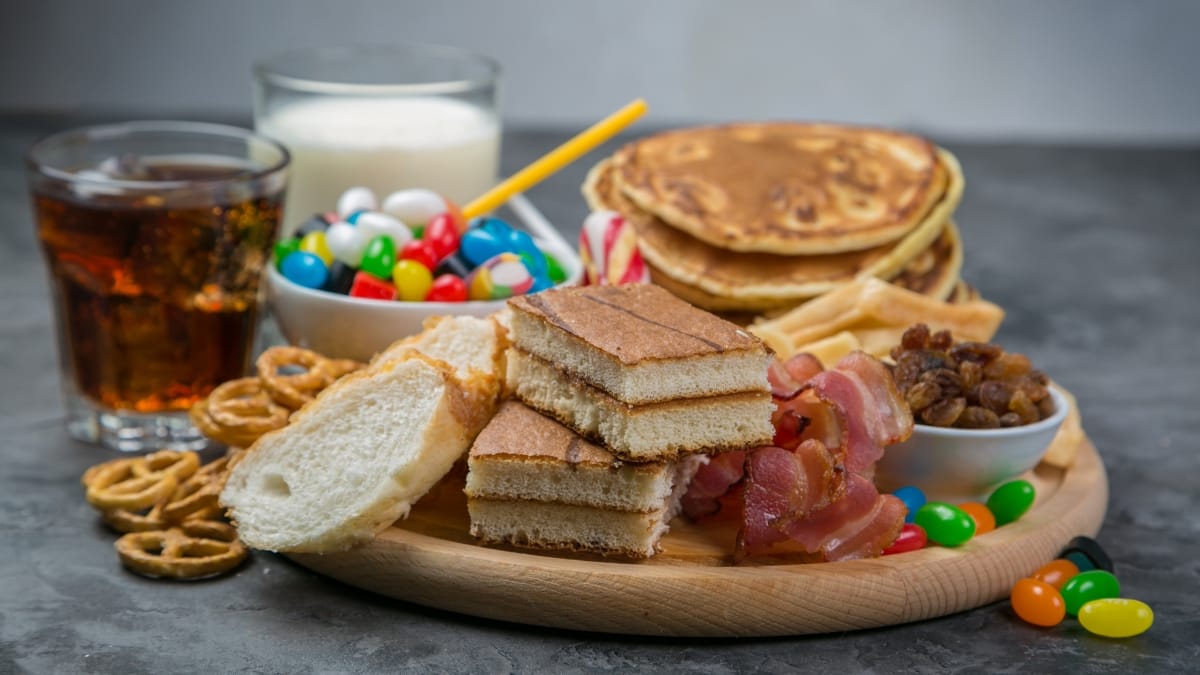
Dietary fiber fights back. It reduces inflammation in your gut and brain. This is why whole foods work better than supplements.
The numbers tell the story. Anxiety disorders affected 18.1% of Americans before the pandemic. By mid-March 2020, prescriptions for anti-anxiety medications jumped 37.7%. More people are struggling than ever.
Food can’t cure anxiety. But it can make your stress response work better or worse. Choose wisely.
1. Dark Chocolate (70%+ Cacao)
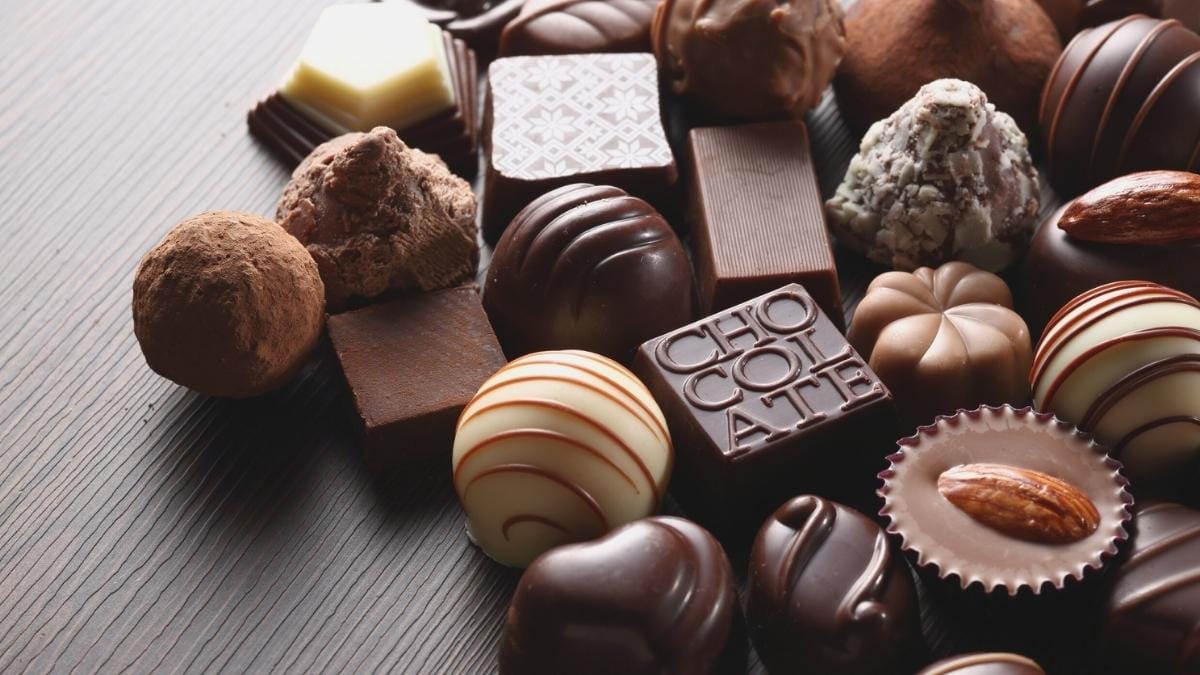
Good news: chocolate actually fights stress. But only the right kind works. You need dark chocolate with at least 70% cacao. Milk chocolate won’t help.
The science is impressive. In one study, people ate high-polyphenol dark chocolate for four weeks. Their cortisol levels dropped from 11.23 ng/mL down to 7.97 ng/mL. That’s a 29% reduction in stress hormones.
Another study found similar results with just two weeks of daily dark chocolate. Participants ate 1.4 ounces (40 grams) each day. Their stress hormones went down. Their mood improved. Their brain function got better.
Here’s why dark chocolate works for stress relief. It contains flavonoids that protect your brain cells. These compounds reduce inflammation and lower cortisol. Dark chocolate also has magnesium, which calms your nervous system.
How much should you eat? Stick to 30-40 grams daily (about 1 to 1.5 ounces). That’s roughly 3-4 squares from a standard bar. Eat it after lunch or dinner for the best cortisol reduction.
Skip the milk chocolate. It has too much sugar and not enough cacao. The sugar will spike your stress hormones instead of lowering them. Look for bars labeled 70% cacao or higher.
This is one stress remedy that actually tastes good.
2. Fatty Fish (Salmon, Tuna, Sardines)
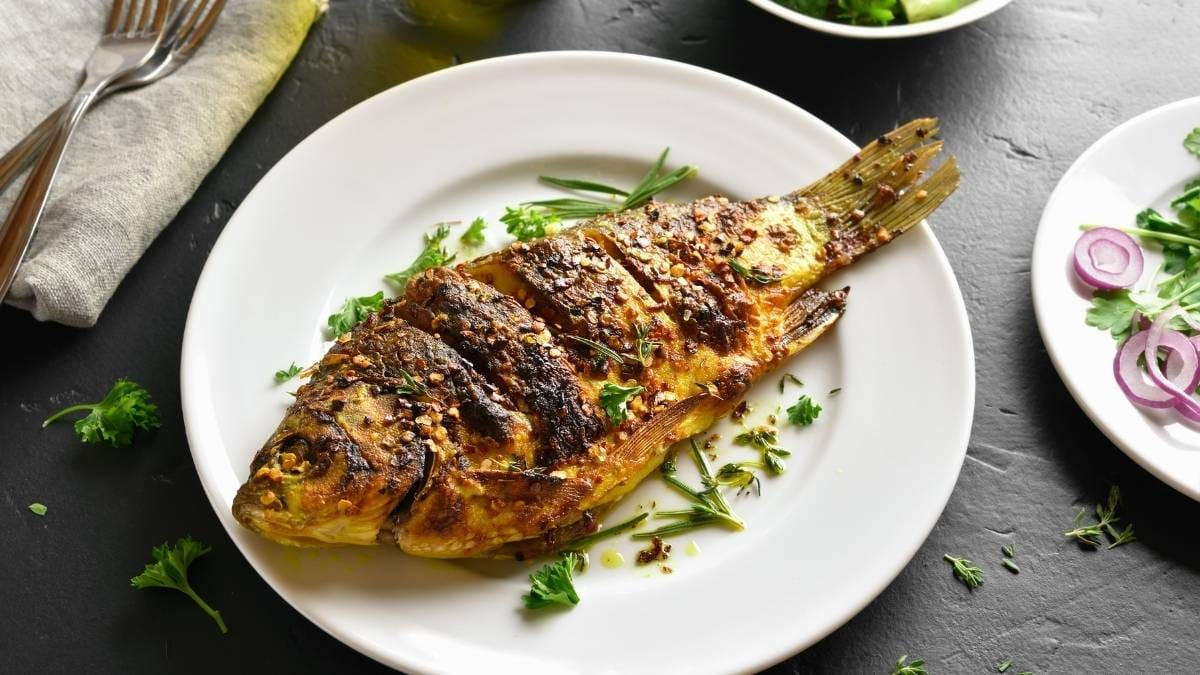
Omega-3 fatty acids are anxiety fighters. These special fats protect your body from cortisol surges. They also help prevent heart disease, which stress can trigger.
The research is clear. Studies show that each gram of omega-3s per day reduces anxiety symptoms. Medical students who took 2.5 grams daily saw significant anxiety reduction during stressful exam periods.
Here’s the sweet spot: 2 grams of omega-3s per day gave people the greatest improvement in anxiety. Less than that still helps, but 2 grams is where the magic happens. Your brain needs these EPA and DHA fatty acids to regulate stress hormones properly.
The best sources are fatty fish. Wild-caught salmon, tuna, sardines, and mackerel pack the most omega-3s. Eat 3.5 ounces of fatty fish at least twice per week. That’s about the size of a deck of cards.
Don’t eat fish? You have options. Chia seeds, flaxseeds, and walnuts contain ALA omega-3s. Your body converts some ALA into EPA and DHA, though not as efficiently as eating fish directly.
Canned sardines and tuna work just as well as fresh. They’re cheaper and last longer in your pantry. No excuses.
3. Fermented Foods (Yogurt, Kimchi, Sauerkraut)
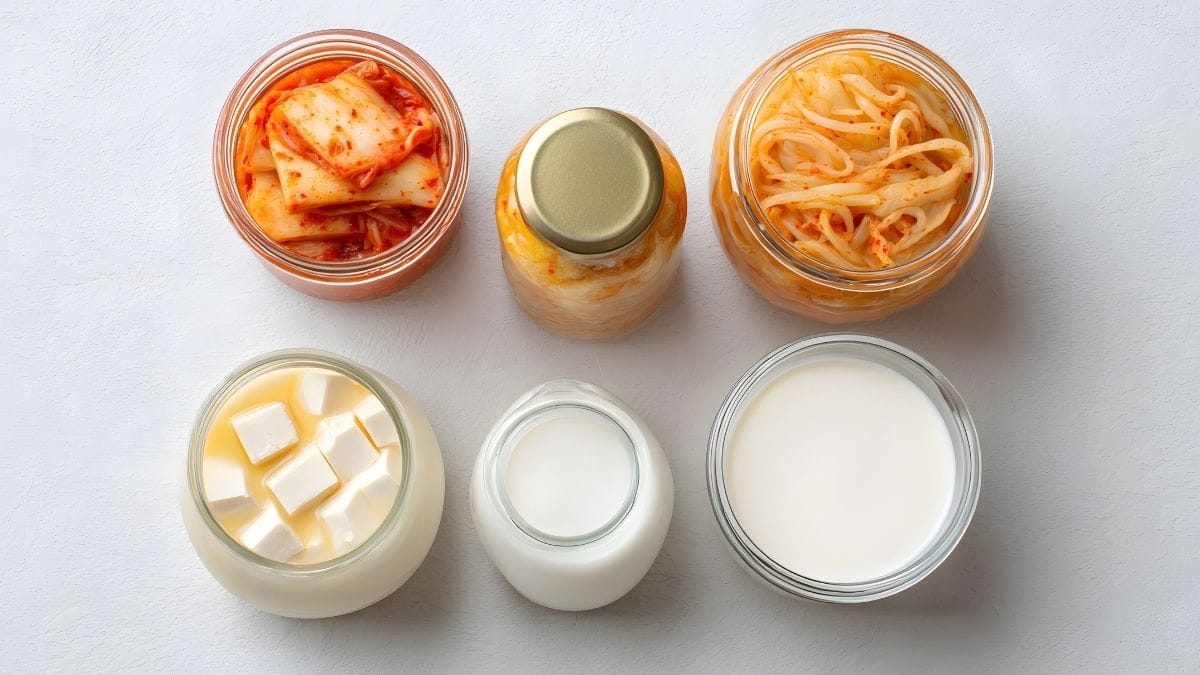
Your gut controls more of your mood than you think. Remember, 90% of serotonin is made in your digestive system. When your gut bacteria are healthy, your brain gets better stress signals through the gut-brain connection.
Fermented foods feed the good bacteria. These probiotic foods keep your gut balanced. University of Virginia researchers found that common probiotic strains in fermented foods help reduce anxiety and depression.
Animal studies back this up. When researchers fed mice fermented foods, the animals showed less anxiety-like behavior. Their stress hormone levels (corticosterone) also dropped during stressful situations.
Here’s what to eat. Greek yogurt works best—aim for 1 cup daily, but skip the sweetened versions. Sugar cancels out the benefits. Add 2-4 tablespoons of kimchi or sauerkraut to your meals for extra probiotic power.
Other options include kombucha (4-8 ounces) and kefir (1 cup as a breakfast base). Start small if you’re new to fermented foods. Your gut needs time to adjust.
The takeaway? Fix your gut, fix your stress response.
4. Leafy Greens (Spinach, Swiss Chard, Kale)
Most people don’t get enough magnesium. This deficiency is common worldwide. And here’s why that matters for stress: magnesium directly regulates cortisol levels and reduces anxiety.
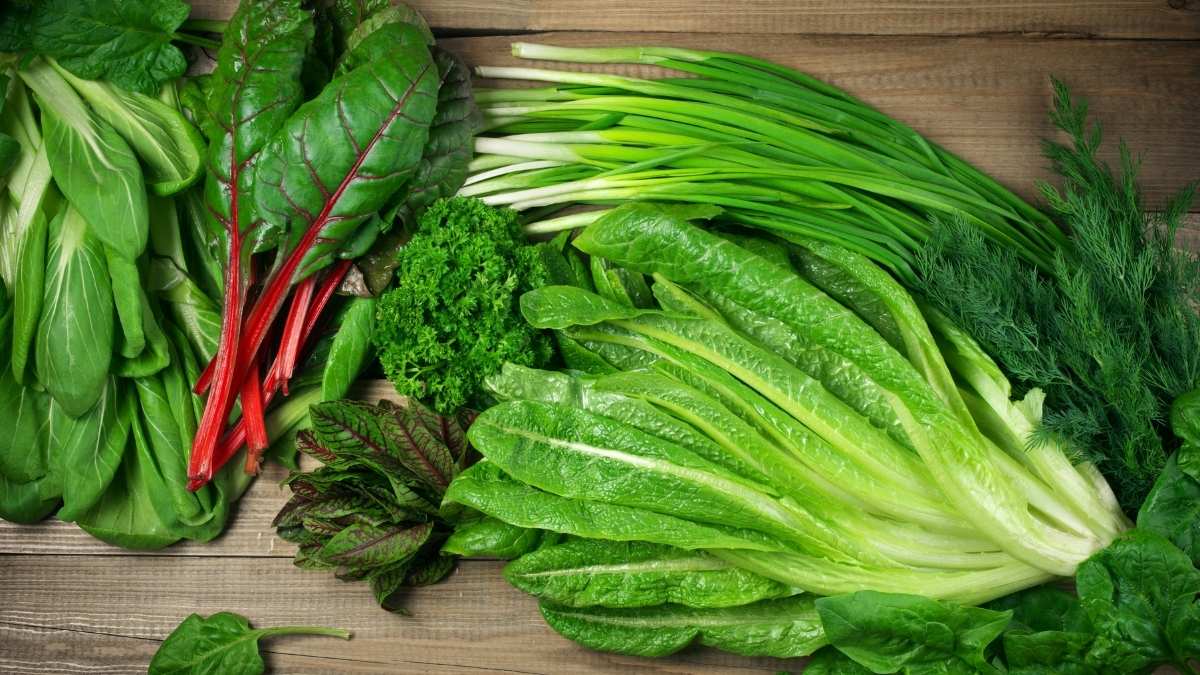
Leafy greens are magnesium powerhouses. One cup of cooked spinach gives you 156mg of magnesium—that’s 37% of your daily needs. Swiss chard delivers 75mg in just half a cup cooked.
The fiber in leafy greens also fights depression. Studies show that women who eat more fiber have lower rates of depression. Fiber reduces inflammation throughout your body, including your brain.
These anti-inflammatory properties are key. Chronic stress causes brain inflammation. Leafy greens combat this with their antioxidants and nutrients.
How to eat them? Make it easy. Toss spinach into smoothies (you won’t taste it). Add kale to stir-fries. Mix Swiss chard into omelets. Eat them raw in salads or cooked as a side dish.
One cup daily makes a difference in your stress levels.
5. Avocados

Avocados pack three stress-fighting nutrients in one food. You get magnesium, fiber, and omega-3 fatty acids. This triple combination helps lower cortisol levels naturally.
Each avocado contains 58mg of magnesium. That’s about 15% of what you need daily. The fiber keeps your blood sugar stable, preventing stress spikes. The healthy fats feed your brain.
Avocados also provide B vitamins. Your body uses these to build stress-response chemicals. Without enough B vitamins, your nervous system can’t handle pressure well.
Eat half to one whole avocado daily for avocado stress relief. Spread it on toast for breakfast. Toss chunks into salads. Blend it into smoothies for creaminess. Use mashed avocado instead of mayonnaise on sandwiches.
The healthy fats help your brain absorb other nutrients too. Add avocado to meals with leafy greens for better vitamin absorption.
Simple, versatile, and effective.
6. Berries (Blueberries, Strawberries, Blackberries)
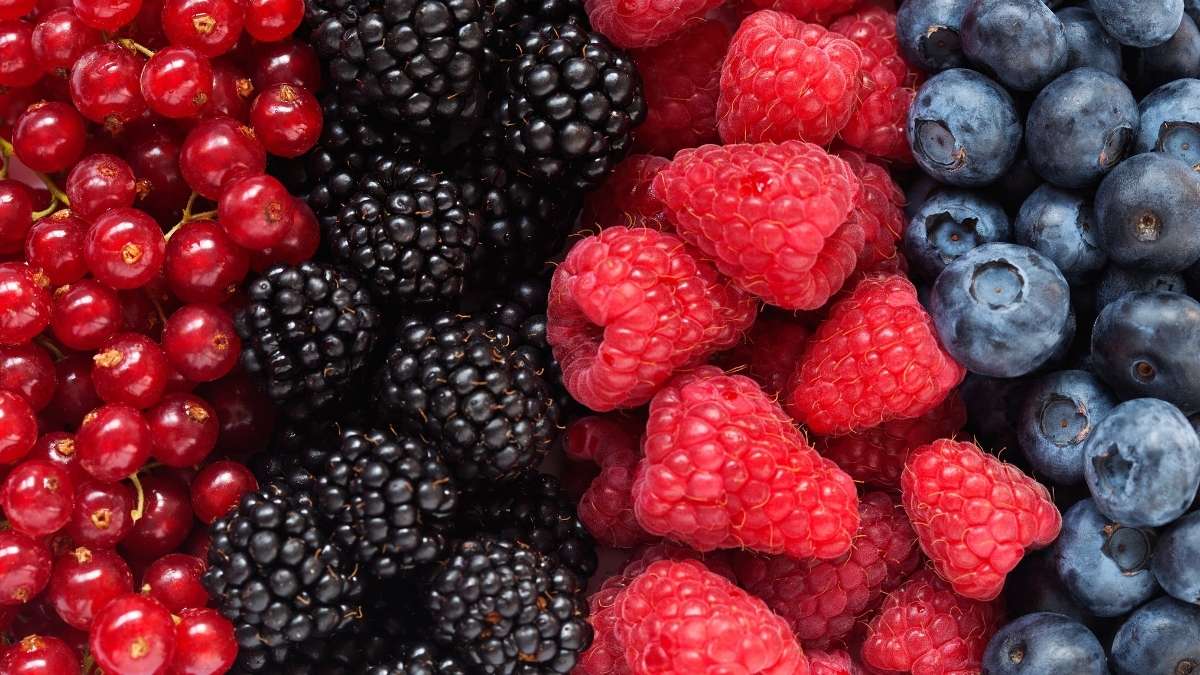
Berries are packed with flavonoid antioxidants. These compounds fight inflammation in your brain and protect your nerve cells. When stress damages your cells, antioxidant foods help repair them.
The vitamin C in berries regulates cortisol and blood pressure after stressful events. Your body burns through vitamin C fast when you’re anxious. Berries refill your supply.
Here’s another win: berries have a low glycemic index. They won’t spike your blood sugar like candy or soda. Stable blood sugar means stable mood and energy.
Eat 1 cup of mixed berries daily. Toss them into yogurt for breakfast. Stir them into oatmeal. Blend them into smoothies. Fresh and frozen berries work equally well—frozen might even be cheaper.
Blueberries, strawberries, and blackberries all deliver these berries mood benefits. Mix them up or stick with your favorite.
Sweet stress relief that actually works.
7. Nuts and Seeds (Almonds, Pumpkin Seeds, Walnuts)
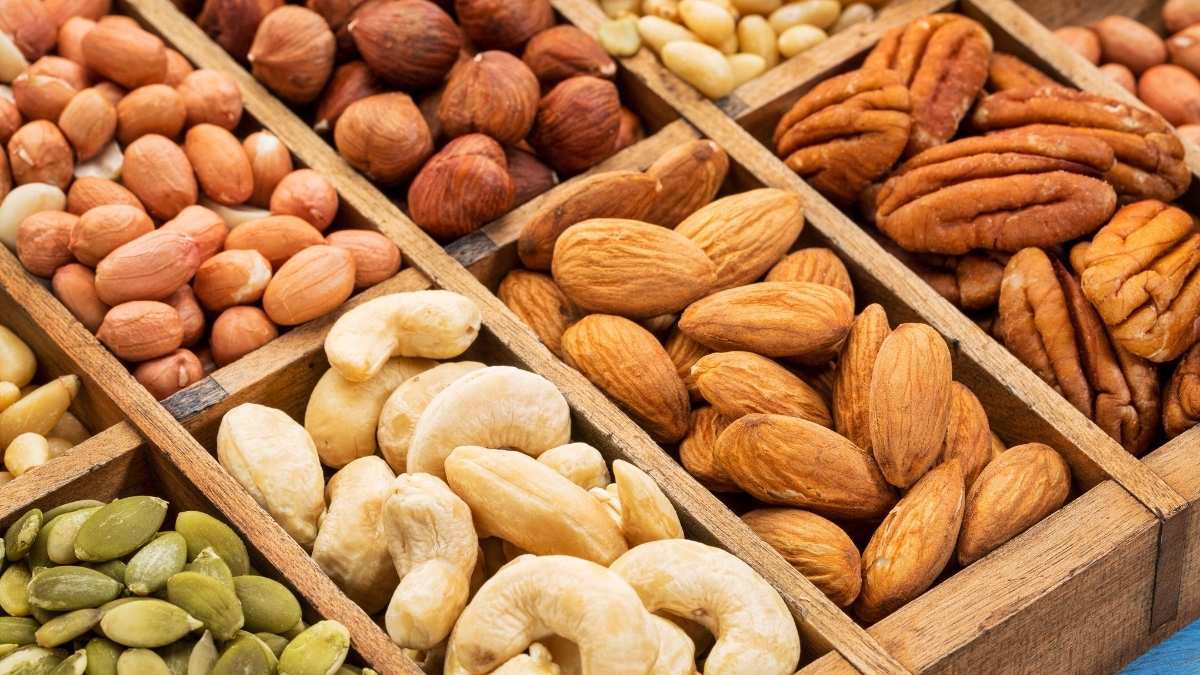
A small handful of nuts daily protects you from stress damage. Studies show that pistachios, walnuts, and almonds lower cholesterol and reduce heart inflammation. They also shield your body from the harmful effects of chronic stress.
Pumpkin seeds are magnesium champions. One ounce gives you 156mg—that’s 37% of your daily needs. This makes them perfect stress-relieving snacks.
Nuts also contain selenium. Research shows this mineral helps lower depression, especially postpartum depression. The protein in magnesium nuts supports your brain’s production of feel-good chemicals.
Eat 1 ounce daily—that’s a small handful. Best choices are almonds, walnuts, pumpkin seeds, and chia seeds. Their healthy fats feed your brain.
Skip the salted or honey-roasted versions. Extra salt raises blood pressure. Added sugar spikes cortisol. Stick with raw or dry-roasted nuts.
Keep a bag at your desk for quick stress relief.
8. Oatmeal and Whole Grains
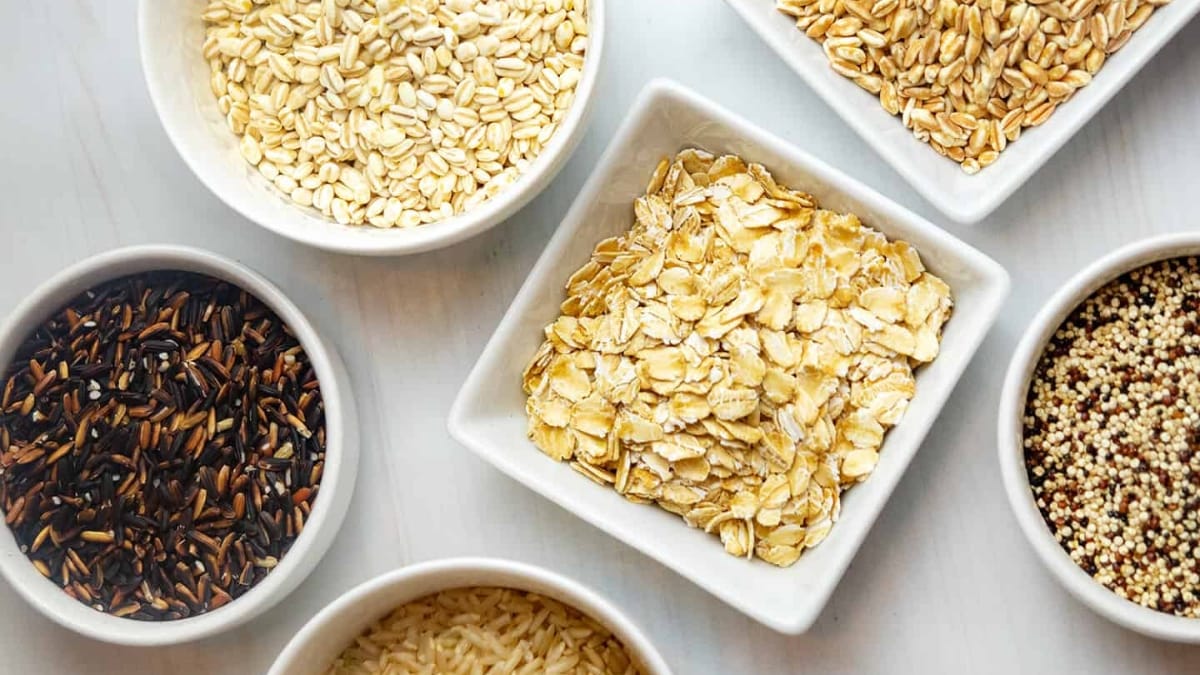
Oatmeal is a complex carbohydrate that steadies your blood sugar. Unlike sugary cereals that spike and crash, oats release energy slowly. This keeps stress hormone levels stable in your brain.
The nutrients in oatmeal help your body make serotonin. More serotonin means more relaxation, calmness, and creativity. That’s why serotonin foods like oats improve your mood throughout the day.
Half a cup of dry oats gives you 13% of your daily magnesium. The high fiber content also feeds good gut bacteria, supporting your gut-brain connection.
Choose steel-cut or rolled oats over instant packets. Instant oats often contain added sugar that cancels the benefits. Top your bowl with berries, nuts, and chia seeds for extra stress-fighting power.
Eat oatmeal for breakfast to start your day calm. The sustained energy prevents the mid-morning crash that triggers cortisol spikes.
Simple, filling, and effective whole grains mood support.
9. Green Tea and Matcha

Green tea contains L-theanine, a special amino acid that calms your brain. This compound supports brain chemicals that reduce L-theanine anxiety naturally. Matcha has even more L-theanine than regular green tea.
Here’s what makes green tea smart: the L-theanine balances out the caffeine. Coffee can make you jittery and anxious. Green tea gives you gentle energy without the stress spike. You get alert and calm at the same time.
Drink 1-2 cups of green tea or 1 cup of matcha daily. Best timing is morning or early afternoon. The caffeine will keep you awake if you drink it too late.
Steep your tea for 3-5 minutes for optimal L-theanine release. Too short and you miss the benefits. Too long and it gets bitter.
Matcha stress relief is stronger because you consume the whole tea leaf. Regular green tea still works—matcha is just more concentrated.
A calm, focused energy that lowers green tea cortisol levels.
10. Chamomile Tea
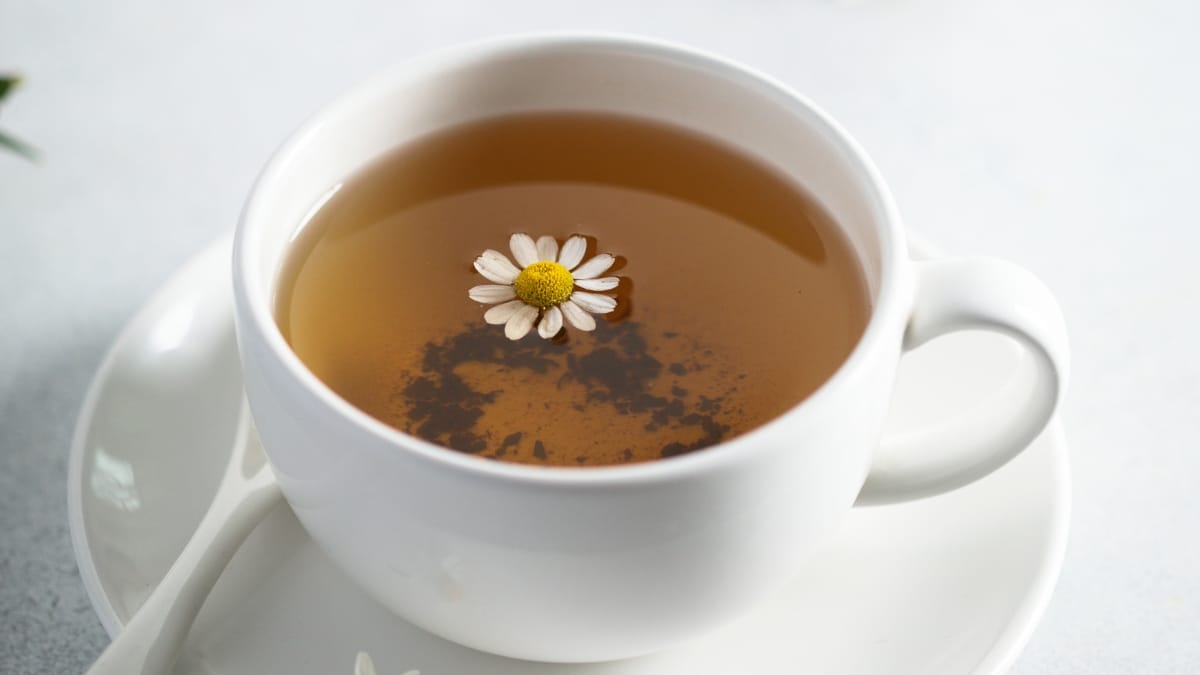
Chamomile anxiety relief has real science behind it. An 8-week study tracked 45 people with anxiety who took 1.5 grams of chamomile extract daily. Their salivary cortisol levels dropped. Their anxiety symptoms improved.
People have used this herbal tea stress remedy for thousands of years. Ancient cultures knew what modern science now proves: chamomile calms your nervous system.
Chamomile also promotes restful sleep. Better sleep means better stress recovery. Your body repairs itself while you sleep, lowering cortisol naturally.
It’s caffeine-free, so drink it anytime—especially before bed. Have 1-2 cups daily as a natural sleep aid. Steep for 5-7 minutes to get the maximum calming compounds.
Add lemon and honey if you want. The taste is mild and slightly sweet on its own.
This won’t work instantly like medicine. Give it a few weeks of daily use to feel the full effect.
Simple, safe, and proven.
11. Citrus Fruits (Oranges, Kiwi, Grapefruit)
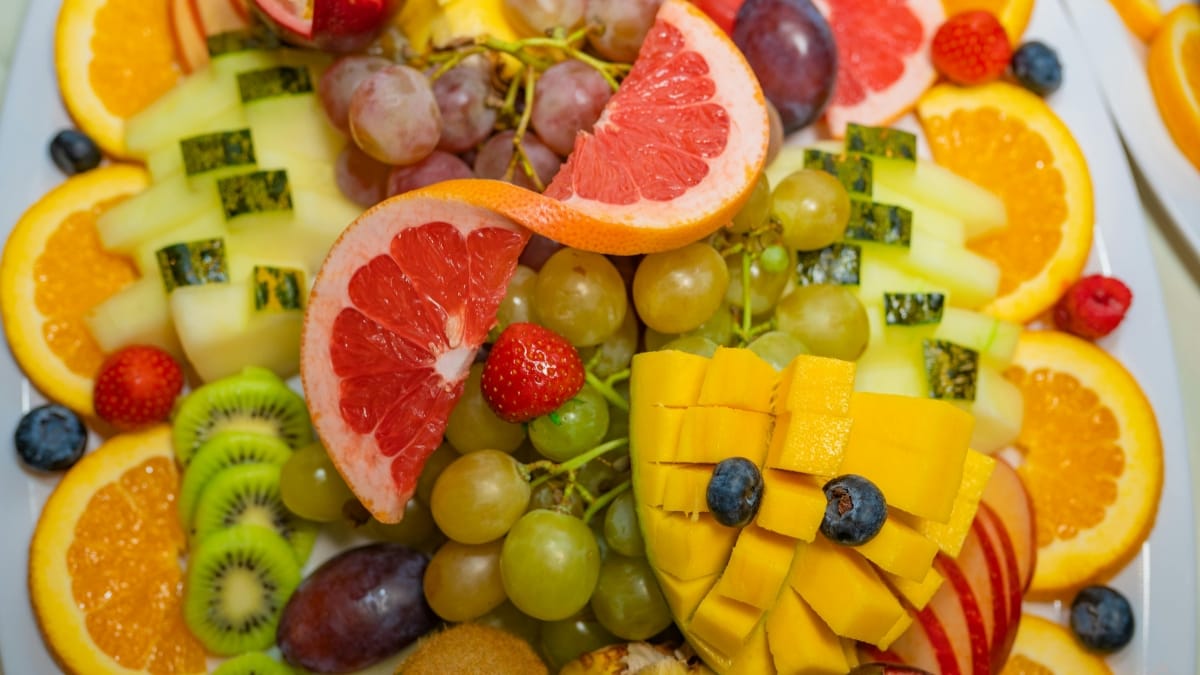
Vitamin C stress relief works two ways. It curbs stress hormone levels while strengthening your immune system. When you’re stressed, your body burns through vitamin C fast. Citrus fruits refill your supply.
Kiwis are the hidden champion here. They pack almost three times more vitamin C than oranges. Plus, kiwis contain melatonin and serotonin—the same chemicals your brain uses to regulate mood and sleep.
Athletes who ate two kiwis one hour before bed for four weeks saw real results. Their sleep quality improved. Their workout recovery got better. Less stress, better rest.
Eat 1-2 servings of citrus fruits anxiety fighters daily. One medium orange gives you a full day’s vitamin C. Two kiwis before bed provide sleep benefits plus immune support.
Grapefruit works too, but check medication interactions first. It affects how some drugs work in your body.
Simple fruits, powerful stress protection.
12. Legumes and Beans (Chickpeas, Black Beans, Lentils)
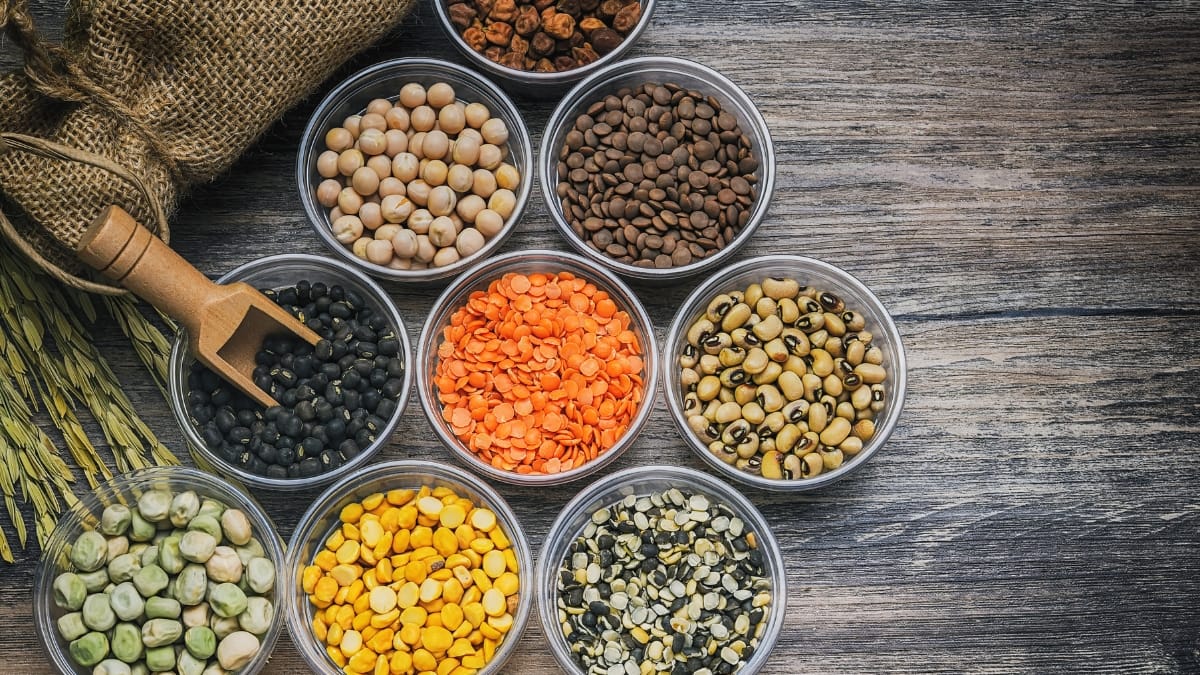
Chickpeas deliver three mood boosters in one food. They provide fiber, magnesium, and L-tryptophan. Your body converts L-tryptophan into serotonin—the brain chemical that keeps you calm and happy.
The fiber in beans and lentils has been proven to lower anxiety and distress. A study of over 9,000 people following a Mediterranean diet rich in legumes showed better mood and less stress.
Black beans pack 84mg of magnesium per cup. The plant-based protein stress support helps your brain make neurotransmitters properly.
Eat 1/2 to 1 cup of cooked beans daily. Add chickpeas to salads. Toss black beans into grain bowls. Stir lentils into soups. Use any legumes mood foods in tacos.
Canned beans work fine—just rinse them first. They’re cheap, filling, and last forever in your pantry. No excuses.
Fiber anxiety relief from the most affordable stress-fighting food.
Foods to Avoid When Stressed
Some foods that increase stress seem helpful at first but make things worse. When you’re anxious, you might reach for comfort. But these choices backfire.
Alcohol feels calming initially. It acts as a depressant that slows your nervous system. But over time, alcohol increases anxiety and disrupts sleep. The temporary relief isn’t worth the long-term damage.
Too much caffeine overstimulates your nervous system.
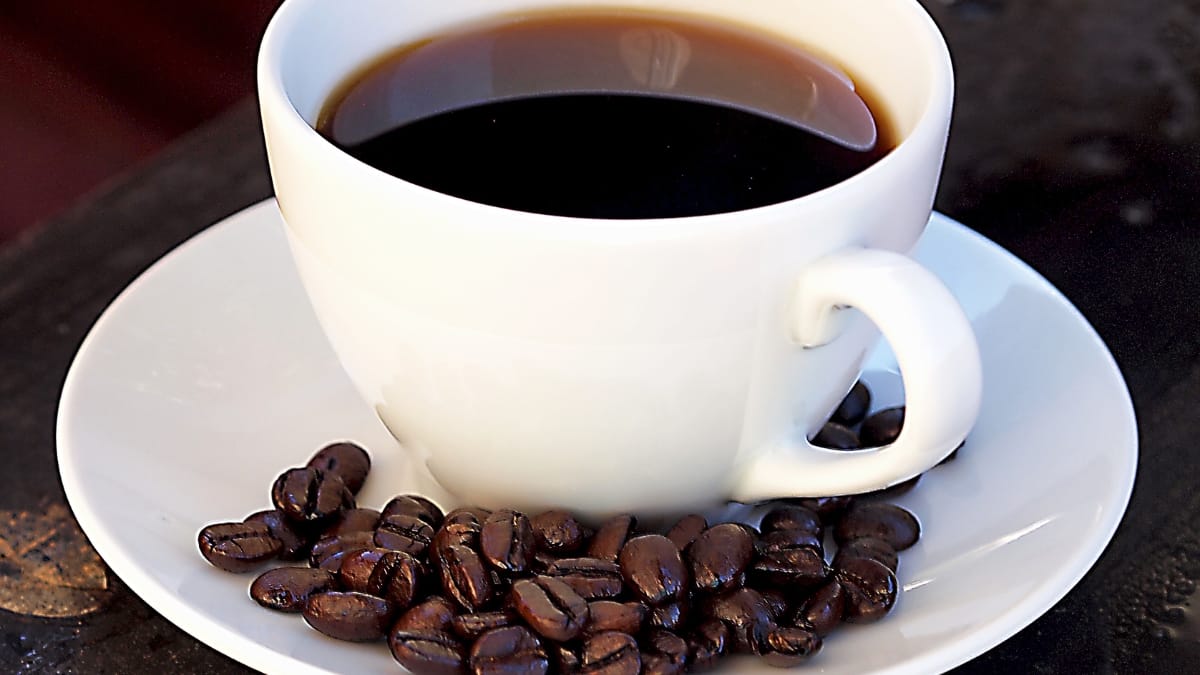
Your heart rate jumps. You feel jittery. The caffeine cortisol spike makes existing anxiety worse. Limit yourself to one cup of coffee, or switch to green tea.
High-sugar foods create a roller coaster. Your blood sugar spikes fast, then crashes hard. These fluctuations cause mood swings and trigger more anxiety. Sugar and anxiety feed each other.
Processed junk food has lots of calories but few nutrients. Your body gets energy without the vitamins and minerals needed to manage stress. The blood sugar swings keep cortisol elevated.
Skip these. Stick with the 12 stress-reducing foods instead.
Your Next Step: Start Eating for Calm
Stress won’t disappear from your life. But eating a healthy diet reduces the damage stress does to your body by fighting oxidation and inflammation.
The 12 foods you just learned about work in different ways. Dark chocolate lowers cortisol with polyphenols. Salmon calms you with omega-3s. Fermented foods fix your gut-brain connection. Together, they support your mental resilience.
Start small this week. Pick just one or two stress-reducing foods. Add them to your daily meals. Track how you feel for two weeks. Then add more foods gradually.
Be realistic: food alone won’t eliminate stress. Combine these dietary changes with exercise, sleep, and other stress management techniques.

That’s when you’ll see real improvement in your body’s stress response.
Transform your relationship with stress. Eat foods that reduce cortisol, support your gut-brain connection, and give your body the nutrients it needs to stay resilient.
You’ve got the knowledge. Now take action.