
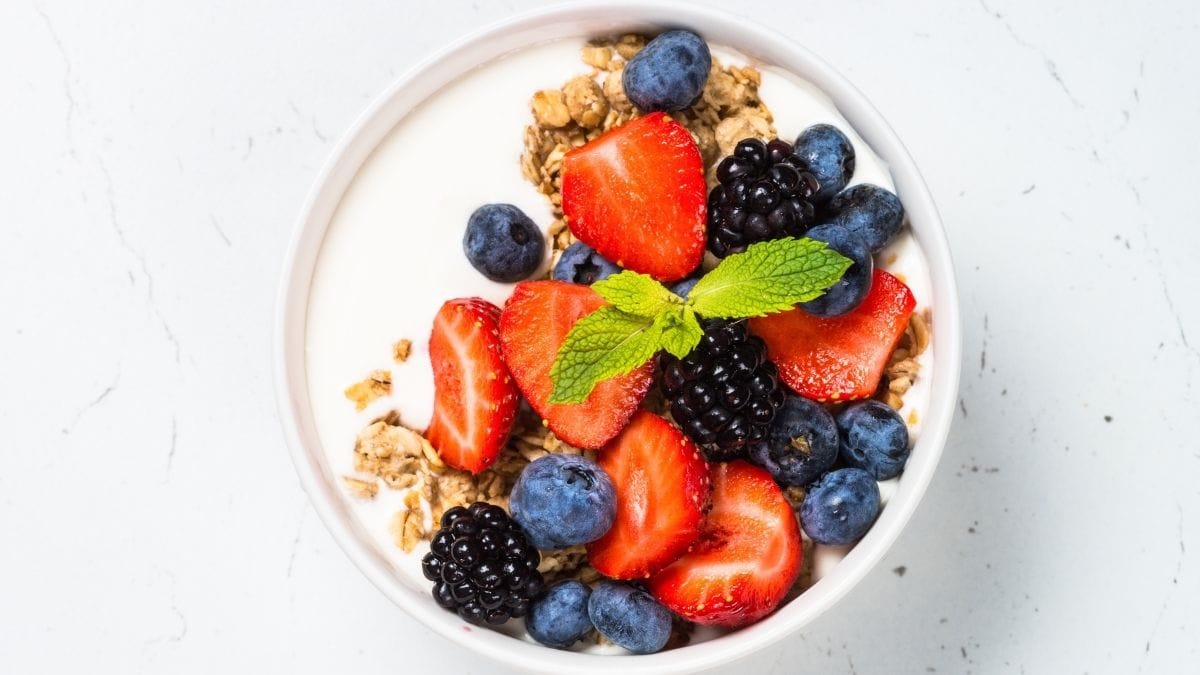
Blueberries are famous. They get the headlines. They taste great. And yes — they are a good source of antioxidants.
But they are not the mountain-top of antioxidant power.
Many common, global foods — especially spices, dried berries, nuts, beans and dark chocolate — have higher measured antioxidant capacity than the typical cultivated blueberry.
A quick note on the numbers: antioxidant capacity is often reported as ORAC (Oxygen Radical Absorbance Capacity), measured in μmol Trolox equivalents per 100 g (μmol TE/100 g).
ORAC is an in-vitro lab measure of antioxidant activity. It does not directly tell you what happens inside the body. Still, it’s useful for comparing foods’ antioxidant potential.
For consistency here I use a common benchmark used in many historic lab tables:
Cultivated blueberry ≈ 4,669 μmol TE / 100 g.
(Some wild blueberry varieties score higher; values vary by cultivar, drying, and lab method.)
Below I list 20 foods that score above that cultivated-blueberry reference.
Values are approximate historic ORAC figures from published lab tables and widely-cited analyses. ORAC numbers can vary by source — I flag that where it matters.
The Top 20 Foods (each entry: approximate ORAC, main antioxidant, specific health benefit, serving tip in grams)
All ORAC numbers are approximate (μmol TE / 100 g). I compare each to cultivated blueberries (≈ 4,669 μmol TE / 100 g).
- Cloves (ground) — ~290,000 μmol TE / 100 g (≈ 62× blueberry)
- Main antioxidant: eugenol and polyphenols.
- Benefit: powerful anti-inflammatory and antimicrobial actions in lab studies.
- Serving tip: 1 g (a pinch) — add to stews, chai or oat porridge.
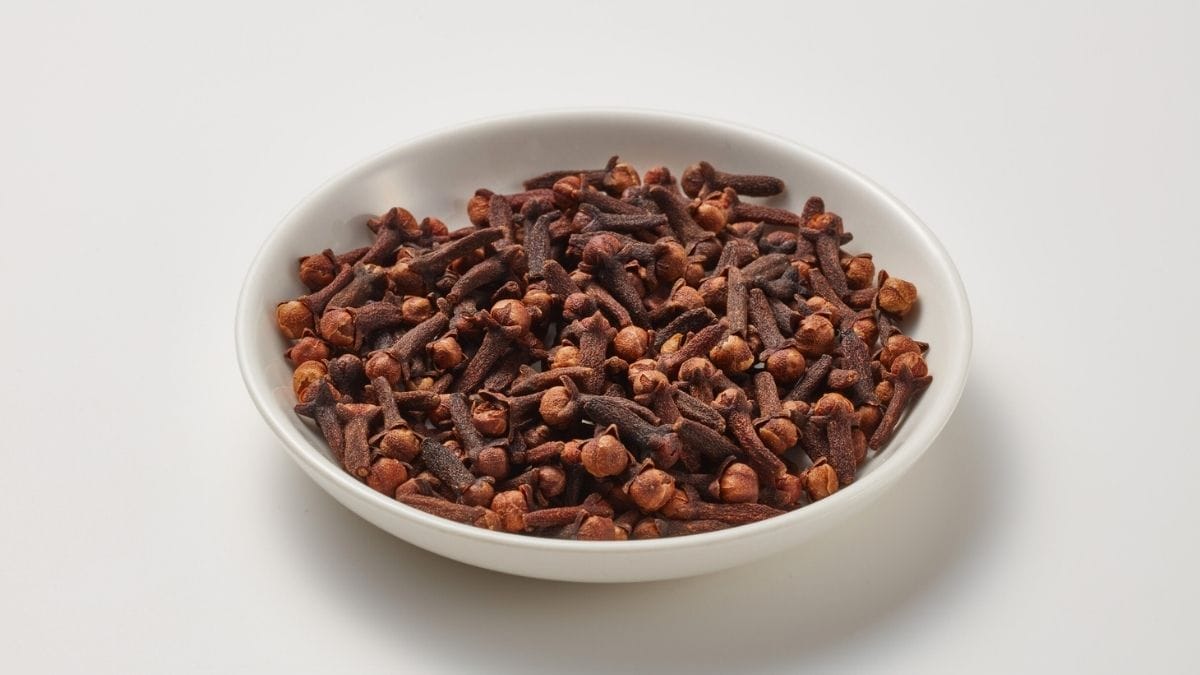
- Cinnamon (ground) — ~267,500 μmol TE / 100 g (≈ 57×)
- Main antioxidant: cinnamaldehyde and procyanidins.
- Benefit: supports healthy blood sugar response and reduces oxidative markers.
- Serving tip: 2–4 g (½–1 tsp) on yogurt or coffee.
- Oregano (dried) — ~200,000 μmol TE / 100 g (≈ 43×)
- Main antioxidant: rosmarinic acid and thymol.
- Benefit: antimicrobial and anti-inflammatory; supports gut microbial balance.
- Serving tip: 1–2 g dried on salads, sauces.
- Turmeric (ground) — ~159,000 μmol TE / 100 g (≈ 34×)
- Main antioxidant: curcumin (plus curcuminoids).
- Benefit: anti-inflammatory, supports joint comfort and cellular signaling.
- Serving tip: 3 g (1 tsp) with black pepper and fat for absorption.
- Sumac (dried) — ~150,000 μmol TE / 100 g (≈ 32×)
- Main antioxidant: anthocyanins and tannins.
- Benefit: antioxidant and anti-inflammatory effects; bright, lemony flavor.
- Serving tip: 1–3 g on salads, fish.
- Acai (freeze-dried) — ~102,700 μmol TE / 100 g (≈ 22×)
- Main antioxidant: anthocyanins and flavonoids.
- Benefit: vascular and cellular antioxidant activity in many studies.
- Serving tip: 10–20 g powder in a smoothie bowl.
- Rosemary (dried) — ~43,000 μmol TE / 100 g (≈ 9×)
- Main antioxidant: carnosic acid and rosmarinic acid.
- Benefit: protects lipids from oxidation; great for roasted vegetables.
- Serving tip: 1–2 g on roast potatoes or lamb.
- Cocoa powder (unsweetened) — ~80,900 μmol TE / 100 g (≈ 17×)
- Main antioxidant: flavanols (catechins, epicatechin).
- Benefit: supports vascular health and blood flow when consumed moderately.
- Serving tip: 5–10 g in hot chocolate or smoothies.
- Dark chocolate (70–85% cocoa) — ~21,000 μmol TE / 100 g (≈ 4.5×)
- Main antioxidant: cocoa flavanols and polyphenols.
- Benefit: improves mood and cardiovascular markers in moderate servings.
- Serving tip: 10–20 g square as a daily treat.
- Goji berries (dried) — ~25,300 μmol TE / 100 g (≈ 5.4×)
- Main antioxidant: zeaxanthin and carotenoids plus polyphenols.
- Benefit: eye health support and immune-related benefits.
- Serving tip: 15–25 g in cereal or trail mix.
- Black chokeberry (aronia) — ~16,000 μmol TE / 100 g (≈ 3.4×)
- Main antioxidant: anthocyanins and proanthocyanidins.
- Benefit: strong vascular and antioxidant effects in human trials.
- Serving tip: 50–80 g fresh or as a concentrated juice.
- Elderberries (dried) — ~14,700 μmol TE / 100 g (≈ 3.1×)
- Main antioxidant: anthocyanins and flavonols.
- Benefit: immune support; used traditionally for cold/flu symptoms.
- Serving tip: 20–30 g in syrups or cooked sauces (don’t eat raw).
- Walnuts — ~13,500 μmol TE / 100 g (≈ 2.9×)
- Main antioxidant: ellagitannins and polyphenols; plus omega-3 ALA.
- Benefit: supports brain and heart health; reduces oxidative stress.
- Serving tip: 30 g (a small handful) as snack or salad topping.
- Red cabbage (raw) — ~5,600 μmol TE / 100 g (≈ 1.2×)
- Main antioxidant: anthocyanins and vitamin C.
- Benefit: gut health support and reduced inflammatory markers.
- Serving tip: 75–100 g shredded in slaws or stir-fries.
- Blackberries — ~5,347 μmol TE / 100 g (≈ 1.1×)
- Main antioxidant: anthocyanins and ellagitannins.
- Benefit: gut, vascular and cognitive support through polyphenols.
- Serving tip: 100–125 g as snack or in breakfasts.
- Cranberries (dried) — ~9,000 μmol TE / 100 g (≈ 1.9×)
- Main antioxidant: proanthocyanidins and flavonoids.
- Benefit: urinary tract health and vascular antioxidant effects.
- Serving tip: 20–30 g (watch added sugar) in salads or sauces.
- Kidney beans (cooked) — ~8,600 μmol TE / 100 g (≈ 1.8×)
- Main antioxidant: flavonoids and phenolic acids.
- Benefit: blood-sugar balance, gut health and slow energy release.
- Serving tip: 130 g cooked (½ cup) in stews or salads.
- Black beans (cooked) — ~8,500 μmol TE / 100 g (≈ 1.8×)
- Main antioxidant: anthocyanins and phenolic compounds.
- Benefit: supports heart and metabolic health.
- Serving tip: 130 g cooked (½ cup) in bowls or tacos.
- Pecans — ~5,095 μmol TE / 100 g (≈ 1.1×)
- Main antioxidant: flavonoids and tocopherols.
- Benefit: heart-healthy fats plus antioxidant protection.
- Serving tip: 30 g (a small handful) on yogurt or salad.
- Coffee (brewed) — ~5,200 μmol TE / 100 g (≈ 1.1×)
- Main antioxidant: chlorogenic acids and melanoidins.
- Benefit: antioxidant and cognitive benefits observed in many population studies.
- Serving tip: 150–240 g (one cup) — enjoy black or with minimal sugar.
Quick reality check: many dried herbs and spices (clove, cinnamon, oregano, turmeric, sumac) beat blueberries by orders of magnitude when measured per 100 g.
That’s why small amounts can raise antioxidant intake dramatically.
Comparative Table (quick view)
| Food | Approx. ORAC (μmol TE/100 g) | How it compares to blueberries (4,669) |
|---|---|---|
| Cloves (ground) | 290,000 | ~62× higher |
| Cinnamon (ground) | 267,500 | ~57× higher |
| Oregano (dried) | 200,000 | ~43× higher |
| Turmeric (ground) | 159,000 | ~34× higher |
| Acai (freeze-dried) | 102,700 | ~22× higher |
| Cocoa powder | 80,900 | ~17× higher |
| Sumac (dried) | 150,000 | ~32× higher |
| Dark chocolate (70–85%) | 21,000 | ~4.5× higher |
| Goji (dried) | 25,300 | ~5.4× higher |
| Chokeberry (aronia) | 16,000 | ~3.4× higher |
| Elderberry (dried) | 14,700 | ~3.1× higher |
| Walnuts | 13,500 | ~2.9× higher |
| Cranberry (dried) | 9,000 | ~1.9× higher |
| Kidney beans (cooked) | 8,600 | ~1.8× higher |
| Black beans (cooked) | 8,500 | ~1.8× higher |
| Red cabbage | 5,600 | ~1.2× higher |
| Blackberries | 5,347 | ~1.1× higher |
| Pecans | 5,095 | ~1.1× higher |
| Coffee (brewed) | 5,200 | ~1.1× higher |
| Rosemary (dried) | 43,000 | ~9× higher |
3 Common Mistakes That Destroy Antioxidants
- Overcooking at high heat.
- Heat, oxygen and long cooking can degrade heat-sensitive antioxidants like vitamin C and some polyphenols. Quick steaming or gentle sautéing preserves more than prolonged boiling.
- Using too much water and discarding it.
- Water-soluble antioxidants leach into cooking water. If you discard the liquid, you lose them. Use the cooking liquid for soups, sauces or stews.
- Storing herbs & spices improperly.
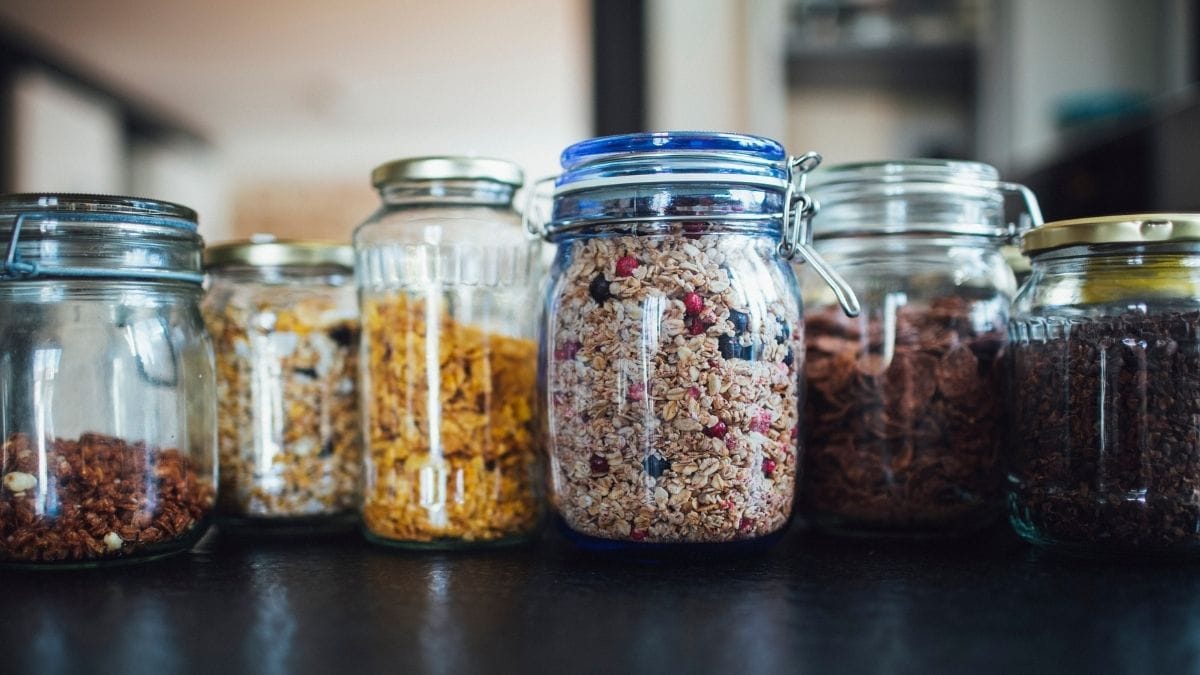
- Light, heat and air destroy volatile antioxidants in spices. Store in airtight dark jars, away from heat. Fresh herbs lose potency fast—use them early.
Practical Action Plan — How to Eat Them (simple, measurable steps)
Follow this one-week plan to add powerful antioxidant hits to your diet. Portions in grams are practical and metric.
Daily habit (every day)
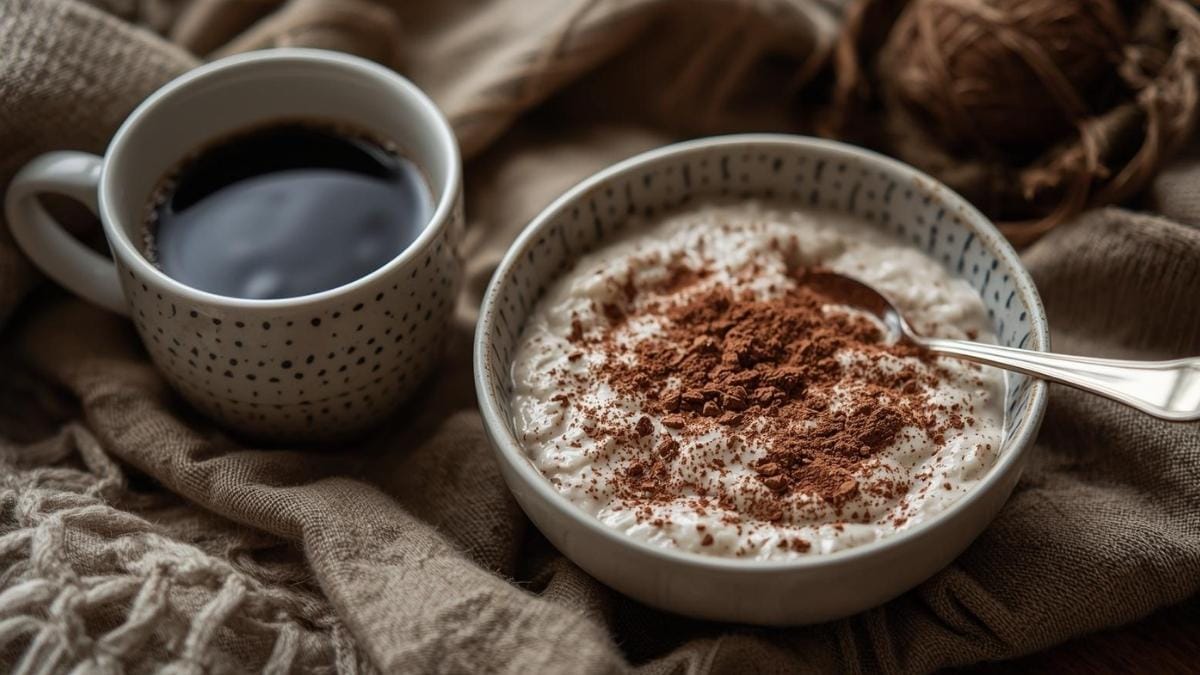
- Morning: Coffee 150–200 g (one cup). Add 5 g cocoa powder to overnight oats twice a week.
- Snack: Walnuts or pecans, 30 g.
- Cooked meal: add turmeric 2–3 g (with black pepper) and rosemary 1 g to a roast or sauté.
- Salads: sprinkle dried oregano or sumac 1–2 g; include red cabbage 75 g and blackberries 100 g on alternate days.
3x week boost
- Use cloves or cinnamon in smoothies or stews (1 g).
- Add acai powder 10 g or goji berries 20 g to bowls.
- Include black beans or kidney beans 130 g cooked in salads or bowls.
Weekend treat
- Enjoy dark chocolate 15–20 g after dinner.
- Make a cranberry-walnut salad with 20 g dried cranberries.
Cooking tips
- Add spices early for flavor but late for antioxidant retention depending on spice: turmeric benefits from low heat with fat and black pepper; delicate herbs (oregano, rosemary) add flavor at end.
- Use whole, minimally processed foods. Dried spices pack the biggest ORAC punch per gram.
Evidence & Practical Caveats
- ORAC is useful to compare antioxidant potential in the lab, but not a direct measure of health outcomes. Whole-food patterns matter more than single numbers.
- Some high-ORAC items (spices) are used in tiny amounts — they still matter because they deliver concentrated polyphenols.
- Food matrix, bioavailability and human metabolism determine how much antioxidant effect you get after eating. Combining small doses across many foods is smart and realistic.
Quick Call to Action
Try this for two weeks: add one spice (cinnamon, turmeric or oregano) and one high-ORAC berry or nut (acai powder, goji, walnuts) to your daily routine.
Keep servings small — 1–2 g spices, 15–30 g berries/nuts — and notice energy, flavor and how easy it is to boost antioxidant variety.