
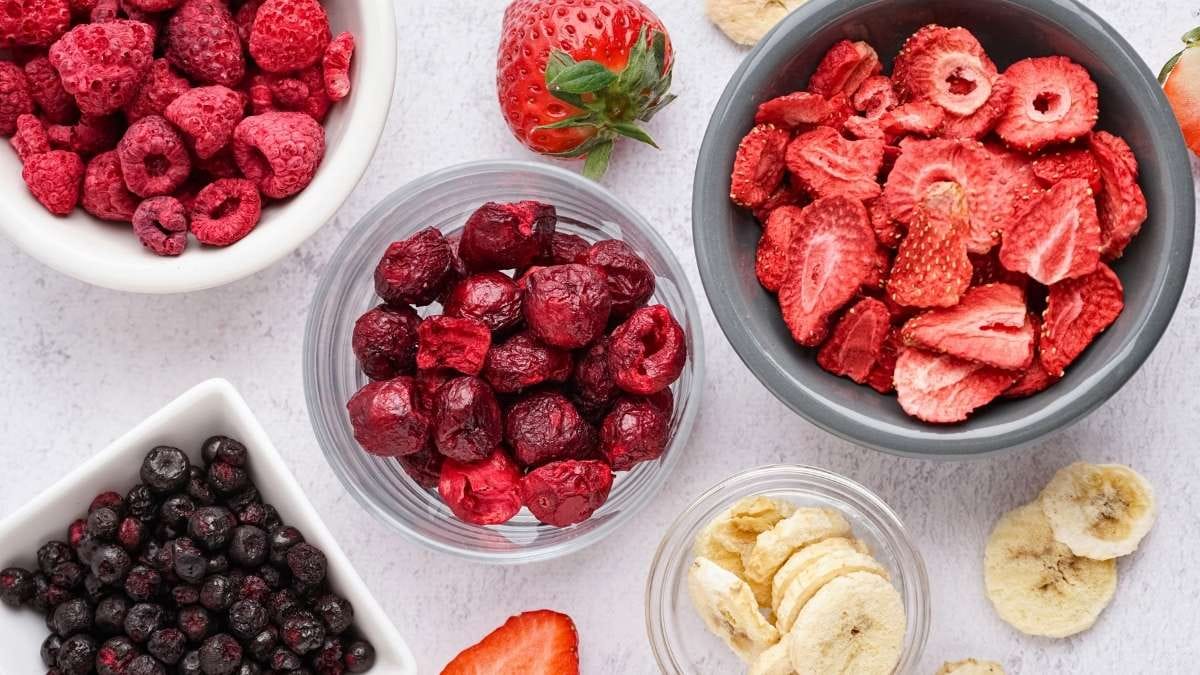
Walk into any grocery store in 2025, and you’ll find entire aisles dedicated to freeze-dried strawberry “chips,” superfood protein bites, and $8 bags of crunchy berries promising nutritional superpowers.
You’re spending more on these trendy snacks. But are they actually healthier? Or is it just smart marketing?
The superfood snacks market hit $5 billion in 2025. It’s growing 7% every year. Yet nutrition experts say “superfood” is mostly a marketing term. Not a real science term.
This article cuts through the hype. You’ll see what science actually says about freeze-dried fruits. We’ll compare them to fresh fruit. You’ll learn if superfood snacks are worth your money. And you’ll get clear answers to make better choices in 2025.
No BS. Just facts.
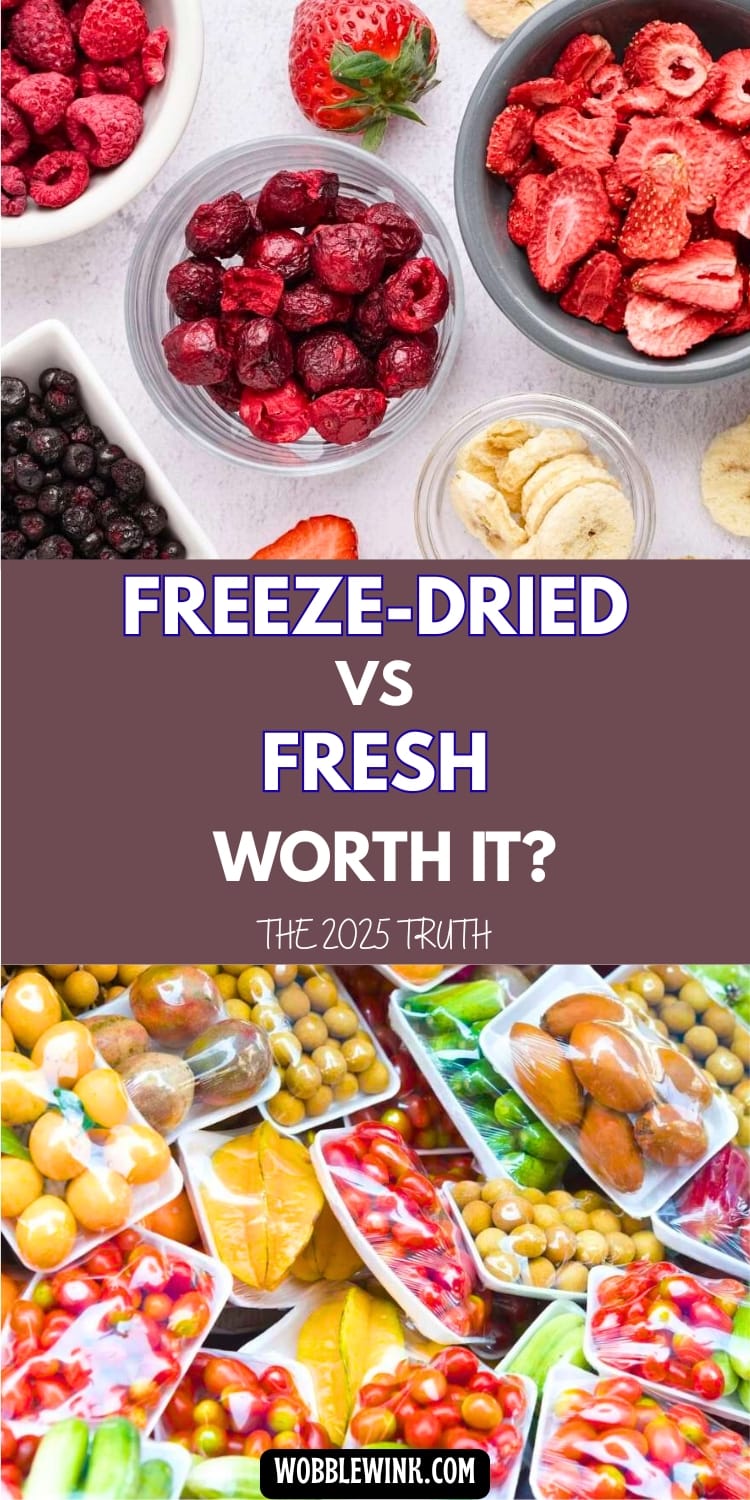
The Science Behind Freeze-Dried Fruits: What Actually Happens
Most people think freeze-drying kills nutrients like regular drying. They’re wrong.
Freeze-drying keeps up to 90% of the original nutrients in fruit. That’s way better than other methods. Here’s how it works.
The process takes 18-36 hours. First, the fruit freezes solid. Then machines pull out the water without melting the ice. Scientists call this “sublimation.” The ice turns straight into vapor. No liquid step. This keeps the nutrients locked in because there’s no heat damage.
Regular dehydration uses heat. That destroys 40-60% of nutrients. Freeze-drying preserves 97-98% instead. A 2025 study on blueberries proved this.
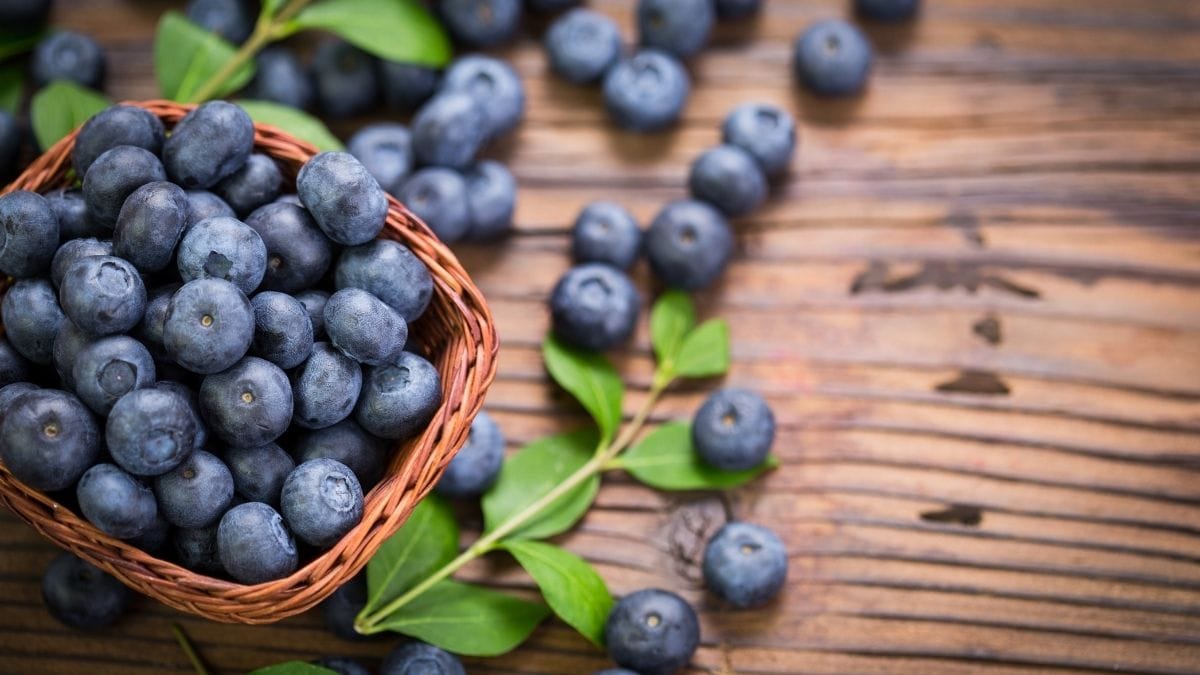
The freeze-dried berries kept 1077 mg of antioxidants per 100g. That’s almost everything.
Vitamin C stays intact. So do anthocyanins and flavonoids. These are the compounds that make berries healthy. Most minerals survive too.
But you do lose something. The water disappears completely. Fresh fruit hydrates you. Freeze-dried fruit doesn’t. Some fiber gets reduced too.
Here’s the catch nobody mentions. When water leaves, everything else gets packed tighter. The sugar concentrates. Take strawberries. 34 grams of freeze-dried strawberries has 120 calories and 15 grams of sugar. The same amount of fresh strawberries? Only 11 calories and 1.7 grams of sugar.
That’s 10 times more calories in the same weight. One pound of freeze-dried raspberries equals 10-12 pounds of fresh raspberries when you add water back.
So yes, freeze-dried fruit keeps most nutrients. But you’ll eat way more calories and sugar per bite. That’s the trade-off.
Breaking Down “Superfood” Claims: Marketing vs. Reality
“Superfood” isn’t a real scientific term. It’s marketing. The FDA doesn’t define it. Neither does the European Food Safety Authority.
The Oxford Dictionary calls it “a nutrient-rich food considered especially beneficial for health.” But there’s no official standard. Anyone can slap “superfood” on a label.
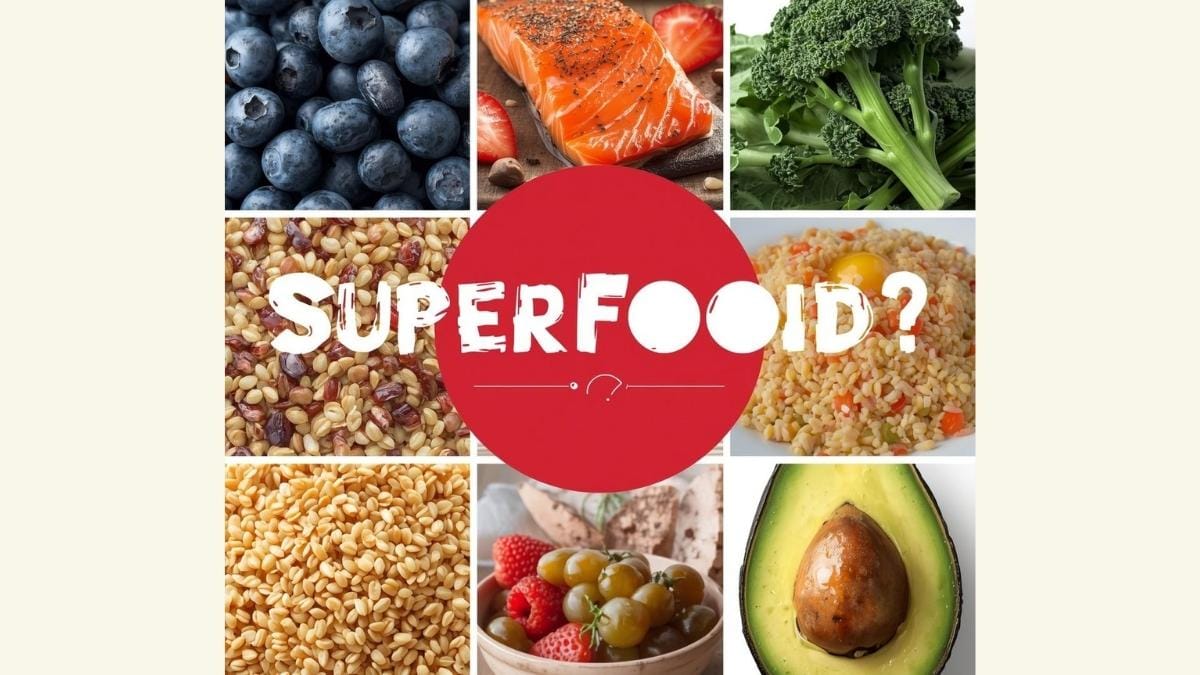
Europe banned the term in 2007. You can’t call something a superfood there unless you prove specific health claims with real research. America? No such rules.
Here’s how big this market is. The global superfood industry hit $179.8 billion in 2024. It’ll reach $265.6 billion by 2033. Companies make serious money from this word.
And consumers buy in. 60% of people choose snacks specifically for health reasons. They see “superfood” and think it’s better. But is it?

A 2022 study found 136 different foods called “superfoods” across 45 websites. Only 10 foods appeared on at least 15 sites. There’s no agreement on what even counts.
The science gets murky fast. Most superfood studies test isolated nutrients in labs. That’s not how you eat food in real life. A researcher analyzing social media claims found superfood information was only “somewhat accurate” at best.
Take blueberries. Yes, they have antioxidants. Studies show benefits. But eating whole blueberries in your normal diet doesn’t give the same results as lab tests on blueberry extract. UCLA nutrition experts point out that regular spices and herbs often have more antioxidants than berries marketed as superfoods.
Bottom line? Many “superfoods” are healthy foods. But they’re not magical. They’re not better than regular fruits and vegetables you already know. Marketing makes them seem special. Science says they’re just… food.
You’re paying extra for a buzzword.
The Real Cost Analysis: Are They Worth Your Money?

That $12 bag of freeze-dried mangoes looks expensive. But let’s do the actual math.
Freeze-dried fruit costs five times more than regular dried fruit. Why? The process takes 18-36 hours and uses tons of electricity. Machines need to keep everything frozen while pulling out water in a vacuum. That’s not cheap.
The packaging costs more too. It needs special moisture barriers to keep the fruit crispy for years.
Here’s where it gets interesting. One can of freeze-dried raspberries equals 10-20 pounds of fresh raspberries. When you add water back, that expensive can suddenly costs $5.42 to $6.50 per pound. Fresh raspberries at the store? About $4-7 per pound.
But fresh raspberries die in 3 days. Freeze-dried lasts 7,300 days unopened. That’s 20 years. Even after opening, you get 540 days.
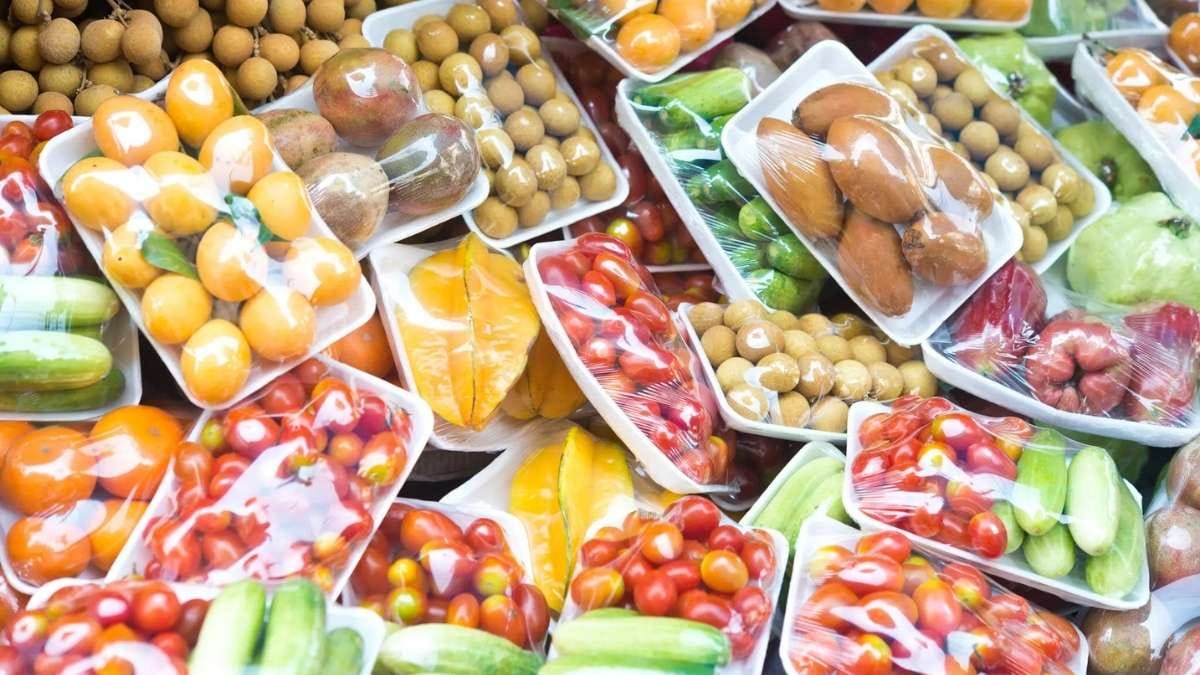
Think about your fridge right now. How many moldy strawberries did you throw out last month? The average family wastes a lot of produce. It goes bad before you eat it. That’s money in the trash.
Freeze-dried fruit? Zero waste. You use exactly what you need. The rest stays fresh.
Millennials and Gen Z will pay more for convenience. Grab-and-go snacks fit their lifestyle. No washing. No cutting. No spoilage. Just open and eat.

When does freeze-dried make sense for your wallet?
You buy expensive berries that spoil fast. You want year-round access to seasonal fruits. You’re prepping for emergencies. You’re packing for hiking or travel. You need portion-controlled snacks for kids’ lunch boxes.
When does it NOT make sense?
You eat tons of fruit daily. You shop frequently and use fresh produce fast. You’re on a tight budget. You have easy access to affordable fresh options.
The verdict? Freeze-dried costs more upfront but can save money if you’re throwing out spoiled produce. Calculate what you waste now. That’s your real comparison.
The Hidden Downsides Nobody Talks About
Before you replace all your fresh fruit with freeze-dried versions, let’s talk about what the bags don’t mention.
You’ll eat way more than you think. Freeze-dried fruit is tiny and crunchy like chips. It’s super easy to eat two or three times what you’d eat fresh. The texture doesn’t fill you up. You keep munching without feeling satisfied.
One handful of freeze-dried strawberries? You just ate three cups of fresh strawberries worth of calories and sugar. That’s the overconsumption trap.
Here’s another problem. Fresh fruit hydrates you. Freeze-dried fruit doesn’t. Most people already don’t drink enough water. Fresh watermelon or oranges help with that. Freeze-dried versions? Zero hydration benefit.
Some fiber gets lost too. Not all of it, but enough to matter for your digestion and how full you feel.
The environment takes a hit. The freeze-drying process uses massive amounts of electricity. Running those machines for 18-36 hours per batch isn’t eco-friendly. The special packaging adds more waste.
And watch out with small kids. Some freeze-dried fruits are hard and crunchy. They can be choking hazards. You need to supervise young children.
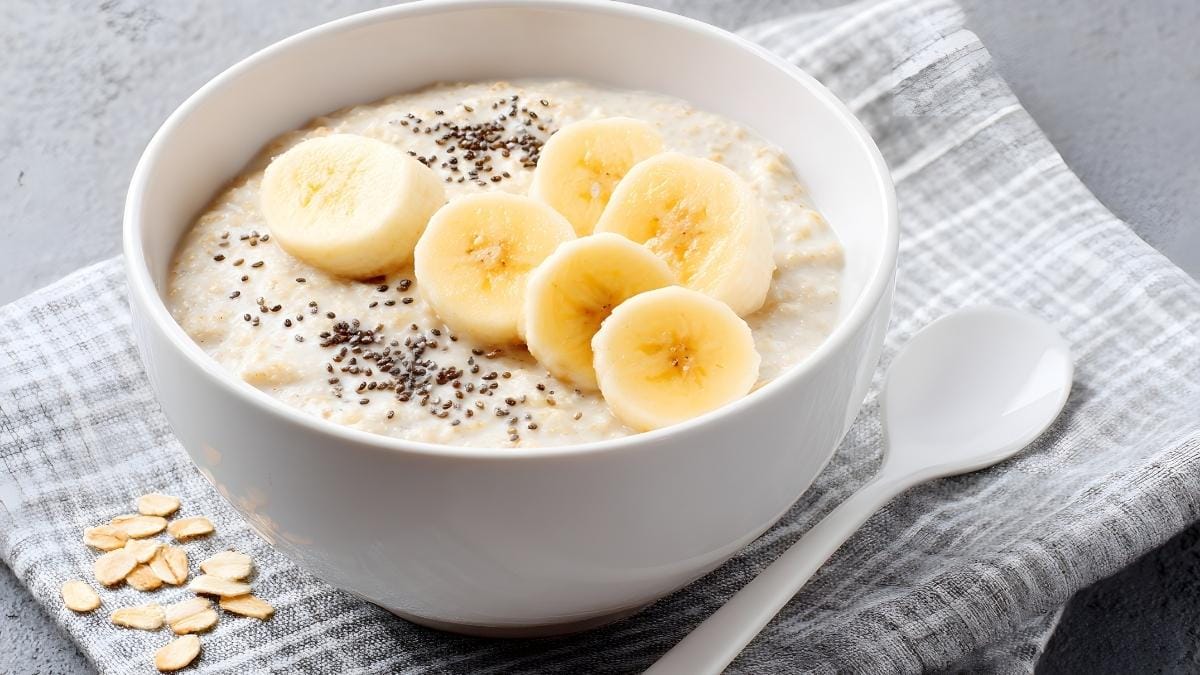
Nutrition experts are clear about this. Don’t use freeze-dried fruit as your main snack. Use it as a topping on yogurt or oatmeal. Pair it with protein or healthy fats. It’s not a meal replacement.
A balanced diet beats any single “superfood.” Variety matters more than eating one special fruit. Freeze-dried has a place in your diet. Just not as the star of the show.
Smart Buying Guide: How to Choose Quality Products in 2025
Not all freeze-dried products are created equal. Here’s how to spot quality and avoid overpriced junk.
Check the ingredient list first. The only ingredient should be fruit.
That’s it. No added sugar. No preservatives. No weird additives. Over 95% of households bought organic products in 2024. If you can afford it, go organic.
Watch out for these red flags. Added sugars or artificial sweeteners. Sulfur dioxide (bad for asthmatics). High sodium. “Natural flavors” that mean nothing specific. Some brands throw in trendy superfoods just for marketing. The amount is too small to help you.
Look for transparent companies. They show where fruit comes from. They list clear nutrition facts. They have third-party certifications you can verify. Some good brands now add probiotics or extra protein. That’s worth paying for.
Where should you shop? Regular supermarkets have competitive prices. They hold about 50% of the market. But online stores are growing 12.80% per year. You get better selection online. Subscription services offer discounts too.
Here’s how to actually use this stuff. Don’t eat it straight from the bag. Sprinkle it on yogurt or oatmeal. Throw it in smoothies where it rehydrates instantly. Mix it with nuts and seeds for homemade trail mix. Portion it into small containers so you don’t overeat.
Dietitians recommend this approach. It works for kids’ lunch boxes. Works for car snacks too.
And here’s something interesting. 71% of younger people find new snacks on social media. 79% of Americans want healthier snacks now. Companies know this. They’re making better products in 2025.
Your move? Read labels. Buy smart. Use it right.

Final Thought:

So are freeze-dried fruits and superfood snacks worth it? Sometimes.
The science is real. Freeze-drying keeps 90-97% of nutrients. These products are legitimately nutritious. But “superfood” is still just marketing talk.
They’re worth buying for convenience, travel, emergency prep, and stopping food waste. They’re not worth it if you expect magic health fixes or want to replace fresh fruit completely.
Read labels. Control portions. Buy unsweetened. Compare prices per serving. Make choices based on your life and budget—not fancy marketing promises.
The healthiest snack? The nutritious one you’ll actually eat.