

If your hands have started shaking after the age of 70, you are not alone. Millions of older adults deal with this every day. It makes eating harder. Writing feels frustrating. Even holding a cup of tea can feel embarrassing.
Most people assume it means Parkinson’s disease. That fear stops them from asking for help. But here’s the truth — most hand tremors after 70 are NOT Parkinson’s. And many can be improved significantly.
In this article, you will learn what really causes hand tremors in older adults. You will see which lifestyle changes help right away.
You will find out which exercises build hand control. And you will learn about proven medical treatments that reduce tremors by 60% or more — backed by real research.
Hand tremors after age 70 are common. But they are not something you just have to live with.
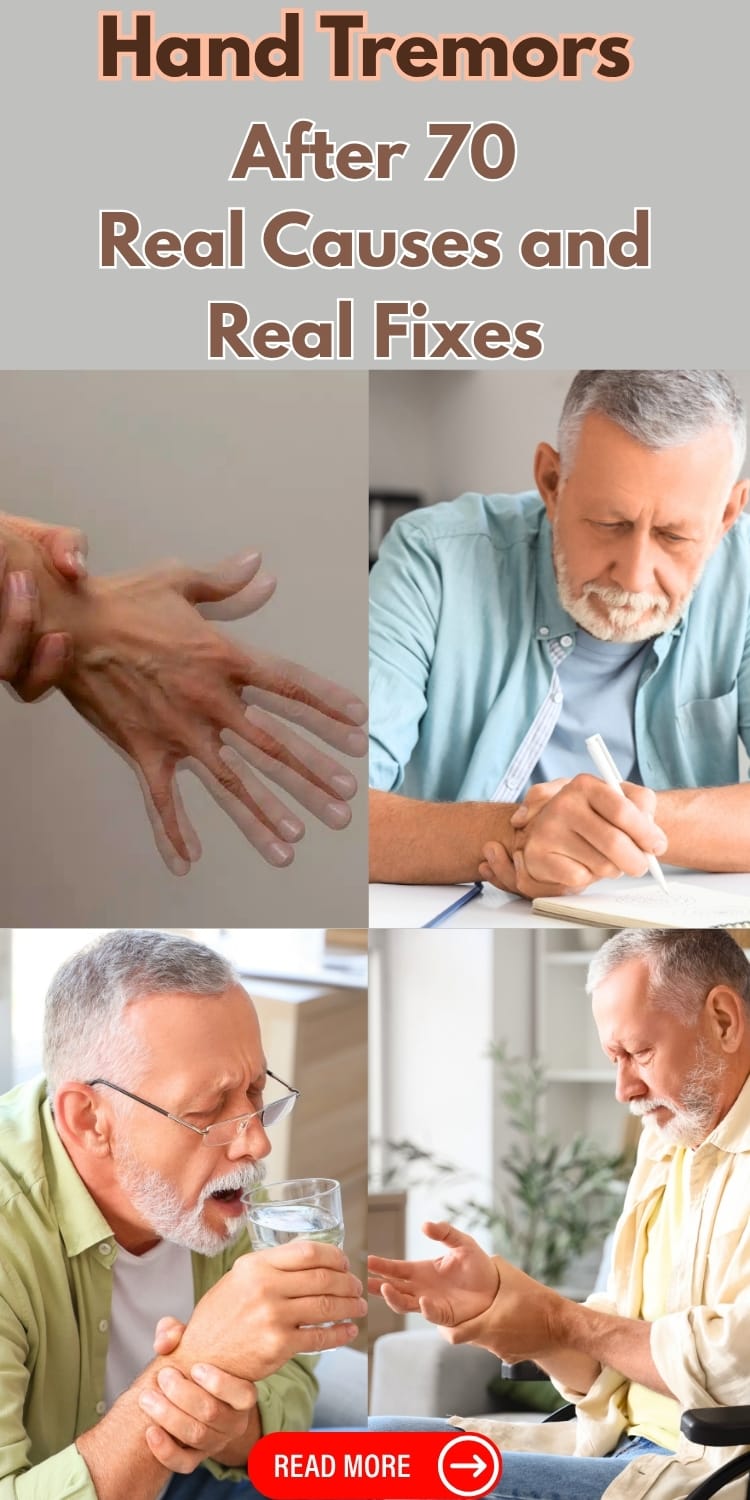
What Causes Hand Tremors After Age 70?
So what is actually making your hands shake?
The most common cause is called Essential Tremor (ET). It is one of the most common movement disorders in the world. It affects about 5% of the global population and is most common in people over 65. It is NOT Parkinson’s disease.
Dr. Michal Gostkowski of the Cleveland Clinic puts it clearly: “The biggest misconception about shaking and aging is that it means a person has Parkinson’s disease.”
There are two main types of tremors doctors look for. The first is an action tremor — your hand shakes when you reach for something or write. This type does not usually point to a serious neurological problem.
The second is a resting tremor — your hand shakes while it is just sitting still in your lap. This type can be a sign of Parkinson’s, and you should see a doctor quickly.
Other causes include stroke, thyroid problems, certain medications, stress, or low blood sugar.
One important fact: research from Oxford Academic shows that doctors only correctly diagnose ET 50–70% of the time. Getting a second opinion from a specialist matters.
Quick Tips:
- Write down when your shaking happens — during movement or at rest
- Bring a list of all your medications to your doctor
- Ask to see a movement disorder neurologist, not just a general doctor
Lifestyle Changes That Can Reduce Tremors Right Now
Before you try medications or medical procedures, there are real changes you can make today.
Cut caffeine first. The Cleveland Clinic confirms that caffeine, stress, and fatigue can make tremors worse. Cutting two cups of coffee a day can make a noticeable difference within days.
Try Tai Chi or yoga.

The National Tremor Foundation in the UK says low-impact activities like Tai Chi, yoga, and Pilates can improve balance, coordination, and muscle control.
Researchers from Harvard Medical School and the Oregon Research Institute found that patients with movement disorders benefit greatly from Tai Chi practice.
Eat more magnesium-rich foods.

Magnesium supports nerve function. Low levels can lead to muscle spasms that worsen tremors. Good sources include spinach, almonds, cashews, and black beans.
B-vitamins — especially B12 — are also important for nerve health. Deficiencies can directly affect how your brain controls movement.
Manage stress daily.

Deep breathing, meditation, and good sleep all reduce the nervous system activity that worsens tremors. Poor sleep makes tremors worse. Quality sleep helps control them.
Use adaptive tools. Weighted spoons and cups, pens with thick grips, and voice-activated devices are affordable and easy to find. The Steadi-Two anti-tremor glove is one wearable option many users report as helpful.
Quick Tips:
- Replace coffee with herbal tea or water for two weeks and notice the difference
- Add a handful of almonds or spinach to your daily meals
- Set a consistent bedtime — poor sleep directly worsens hand shaking
Exercises Proven to Improve Hand Control in Older Adults
Your hands can still respond to training at any age.
Physical therapy exercises that target hand muscles have been shown to improve motor control and reduce the impact of tremors. You do not need a gym. These take 10–15 minutes at home.
Exercise 1 — Wrist Extension: Extend your arm with your palm facing down. Slowly raise the back of your hand upward. Hold for 5 seconds. Lower it back down. Do this 10 times on each side.
Exercise 2 — Stress Ball Squeeze:
Hold a soft ball or rolled-up sock in one hand. Squeeze firmly and hold for 3 seconds. Release slowly. Repeat 10–15 times per hand. This builds wrist and hand muscle strength.
Exercise 3 — Finger Tapping: Touch your thumb to each finger one by one — index, middle, ring, pinky. Then go back in reverse. Do this for 60 seconds each hand. It builds fine motor coordination.
Exercise 4 — Light Wrist Curls:
Use a 1–2 pound weight. Slowly curl your wrist upward, then lower it. Do 10 reps per hand.
Do these exercises 5 days a week. Many people notice improvement in 4–8 weeks. An occupational therapist can also teach you daily task strategies specific to your situation.
Quick Tips:
- Do these exercises at the same time every day so they become a habit
- Film yourself monthly to track real improvement
- Ask your doctor for a referral to a physical or occupational therapist
Medications That Can Reduce Tremors — What Works and What Doesn’t
Your doctor’s first tool is usually medication. For about half of patients, it works well.
The two most common medications for essential tremor are propranolol (a beta-blocker) and primidone (an anti-seizure drug).
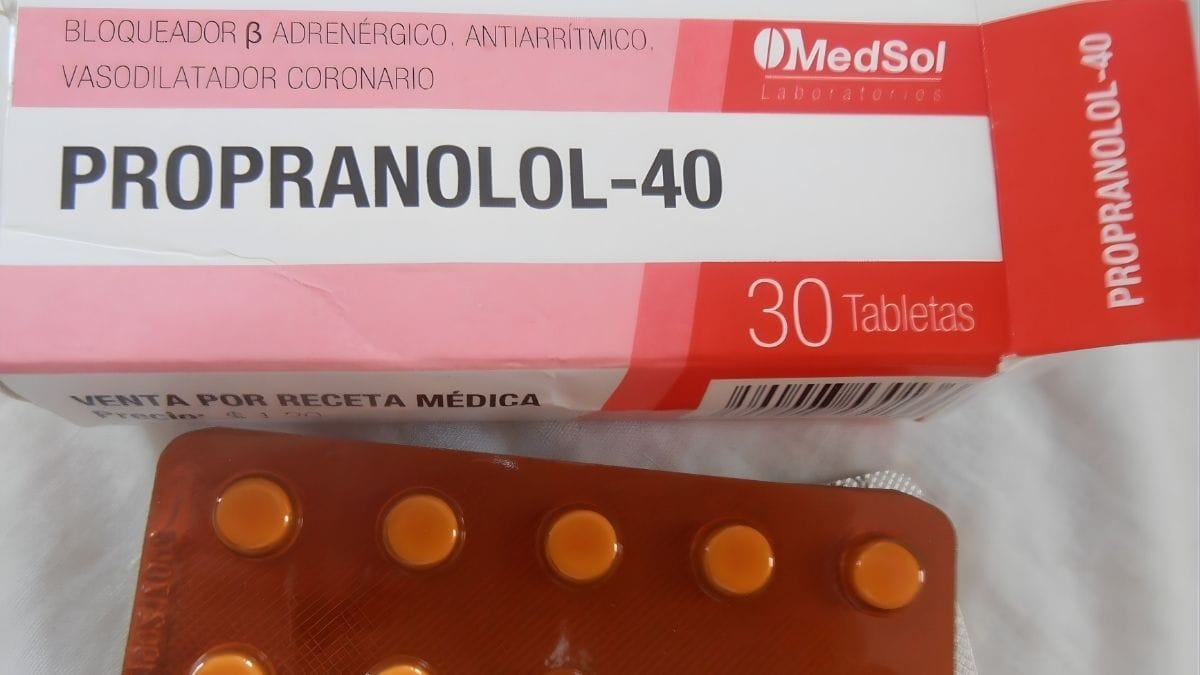
According to research published in the New England Journal of Medicine, these two drugs reduce tremor severity by approximately 60% in about 50% of patients. That is where the “up to 60%” figure comes from — and it is real.
Propranolol works by slowing down the overactive nerve signals that cause shaking. Primidone calms the tremor pathways in the brain.
But there are important things to know. These medications can make you feel drowsy. The Cleveland Clinic warns that you should ask your doctor whether it is safe to drive while taking them.
They can also interact with other drugs — and most older adults are already taking several.
Here is the honest part: research from Lippincott Williams & Wilkins shows that 25–55% of essential tremor patients eventually stop responding to medications. When that happens, it does not mean treatment is over.
Quick Tips:
- Never adjust your tremor medication dose without talking to your doctor
- Tell your doctor every other medication you take to check for interactions
- Keep a symptom diary to help your doctor track whether medication is actually working
Advanced Medical Treatments — Up to 60–90% Tremor Reduction
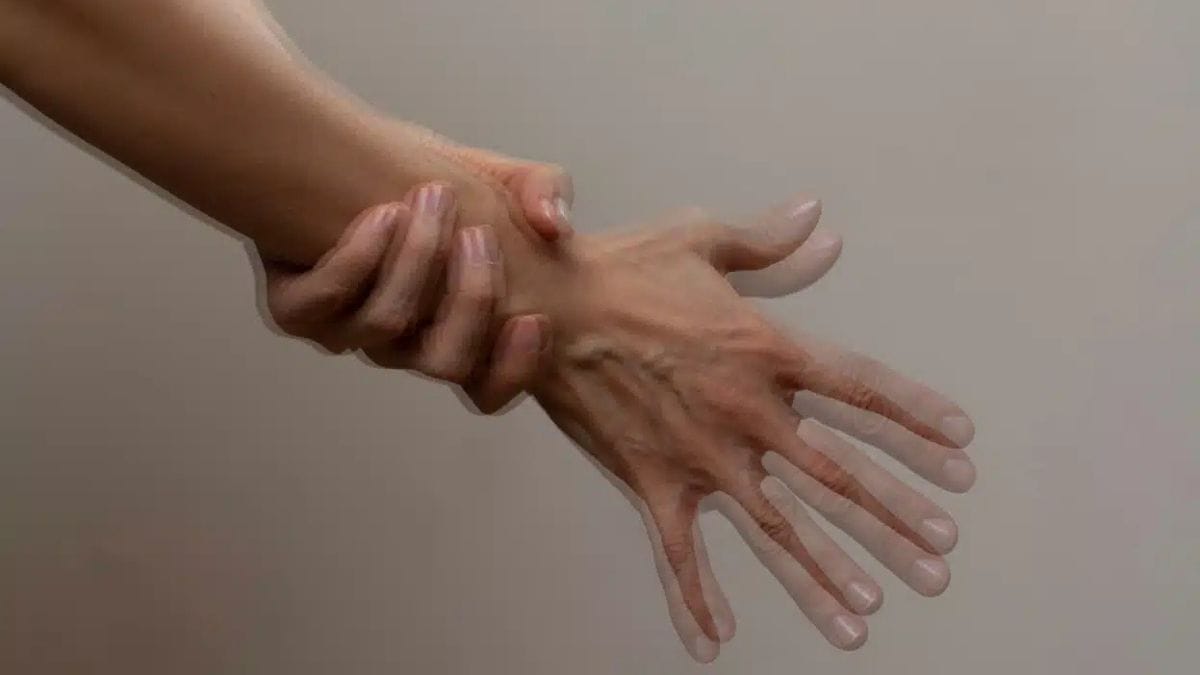
For tremors that do not respond to lifestyle changes or medication, two proven medical procedures now offer real relief.
Deep Brain Stimulation (DBS) is the gold standard for severe cases. A neurosurgeon places small electrodes in the brain connected to a device under the skin near the collarbone.
According to Yale New Haven Health and Mass General Brigham, DBS provides roughly 90% improvement in hand tremor and 85% improvement in daily activities. Benefits last 7–10 years or more.
MRI-Guided Focused Ultrasound (MRgFUS) is a newer option with no incisions and no implants. Sound waves are precisely aimed at the part of the brain causing the tremor.
A study cited by Mass General Brigham found patients saw a 73% tremor reduction that lasted at least 5 years. DBS has been shown to reduce essential tremors by more than 60% in clinical studies.
Here is something worth knowing: a PubMed study reported that patients over the age of 90 successfully had this procedure done, and it was well tolerated and effective.
Both procedures are FDA-approved. Neither is experimental.
Quick Tips:
- Ask your neurologist specifically about focused ultrasound if you want to avoid surgery
- Both procedures work best when performed at a specialist center with high volume
- Age alone is not a reason to say no — patients in their 90s have had great results
When to See a Doctor — Warning Signs You Should Not Ignore

Some tremors can wait for a regular appointment. Others cannot.
See a doctor right away if your shaking started suddenly or is getting worse fast. If your hands shake while they are completely still — resting in your lap with no movement — that is a resting tremor.
West Hartford Health notes this type can signal Parkinson’s disease and needs immediate evaluation.
Also see a doctor if tremors are affecting your safety. Driving, cooking, or using stairs with shaking hands can be dangerous.
After a stroke, tremors can develop due to damage in the brain’s motor areas.
Cala Health reports that within one year, 28% of post-stroke tremor patients see full resolution, and 64% see partial improvement. So if tremors appeared after a stroke, there is reason for real optimism.
One last thing: ask for a movement disorder neurologist, not just a general practitioner. Oxford Academic research shows the misdiagnosis rate for ET is high. A specialist gives you the most accurate answer.
Quick Tips:
- Record a short phone video of your tremor to show your doctor exactly what you are experiencing
- Write down when tremors started and whether they are getting worse
- Bring a family member or friend to your appointment to help you remember what the doctor says
Final Thought:
Hand tremors after age 70 are common — but they are not something you have to accept and ignore. Real help exists.
Simple daily changes, hand exercises, proven medications, and advanced procedures all offer genuine improvement. Start with one step today. Cut caffeine, try the hand exercises, and book a doctor’s appointment this week. The first move is yours.