
Your blood test comes back.
Your doctor says, “Your cholesterol is a little high.”
Not high enough for panic.
But high enough to make you think.
You go home and search online. One site says cut all fats. Another says eat more fats. Some say carbs are the enemy. Others blame sugar. It feels confusing fast.
So what actually works?
According to research and guidance discussed by experts at Harvard Medical School, the answer is not a crash diet. It’s not a supplement. It’s not a 30-day detox.
It’s a sustainable eating pattern — one that supports your heart every single day.
And the good news? It’s practical. It’s realistic. And most people can start today.
First, Let’s Keep It Simple: What Is Cholesterol?
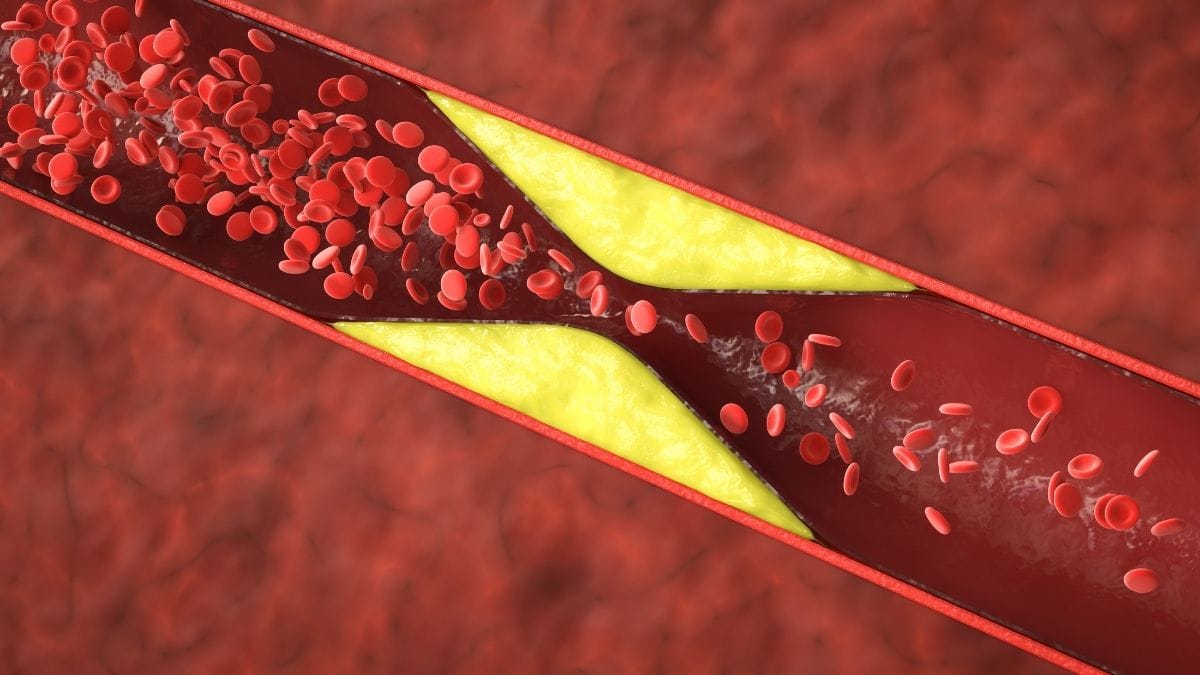
Cholesterol is not your enemy.
Your body needs it to build cells and make hormones. The problem starts when certain types of cholesterol rise too high in your blood.
You may have heard of:
- LDL – often called “bad” cholesterol
- HDL – known as “good” cholesterol
- Triglycerides – another type of fat in your blood
When LDL is high, it can build up in your arteries over time. This raises the risk of heart disease and stroke.
The goal isn’t zero cholesterol.
The goal is balance.
That’s where the right diet to lower cholesterol naturally becomes powerful.
What Harvard Experts Emphasize Most
Harvard researchers consistently point toward one major idea:
Focus on an overall eating pattern — not single “superfoods.”
In other words, your daily habits matter more than one perfect meal.
The eating pattern they often reference is similar to the Mediterranean-style diet.
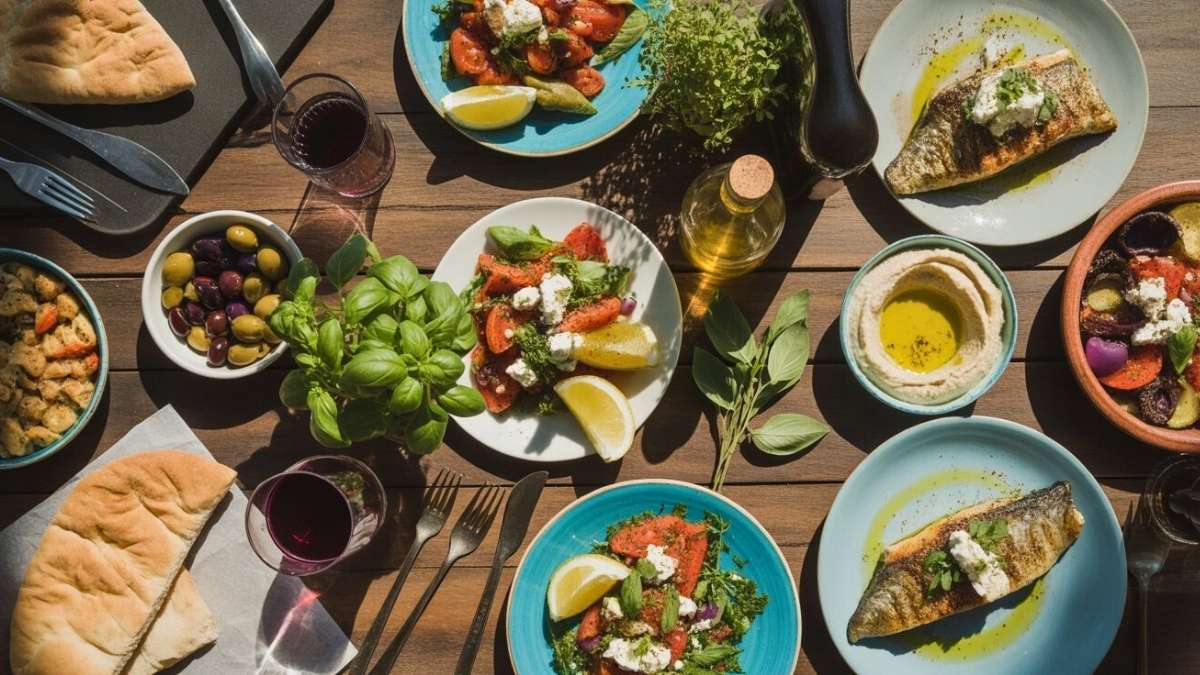
It focuses on whole, minimally processed foods that support heart health over time.
This approach isn’t extreme. It’s steady.
And steady wins in heart health.
The Core Principles of This Eating Pattern
Let’s break it down into clear, simple pieces.
1. Choose Healthy Fats — Don’t Fear All Fats
Not all fats raise cholesterol.
The focus is on:
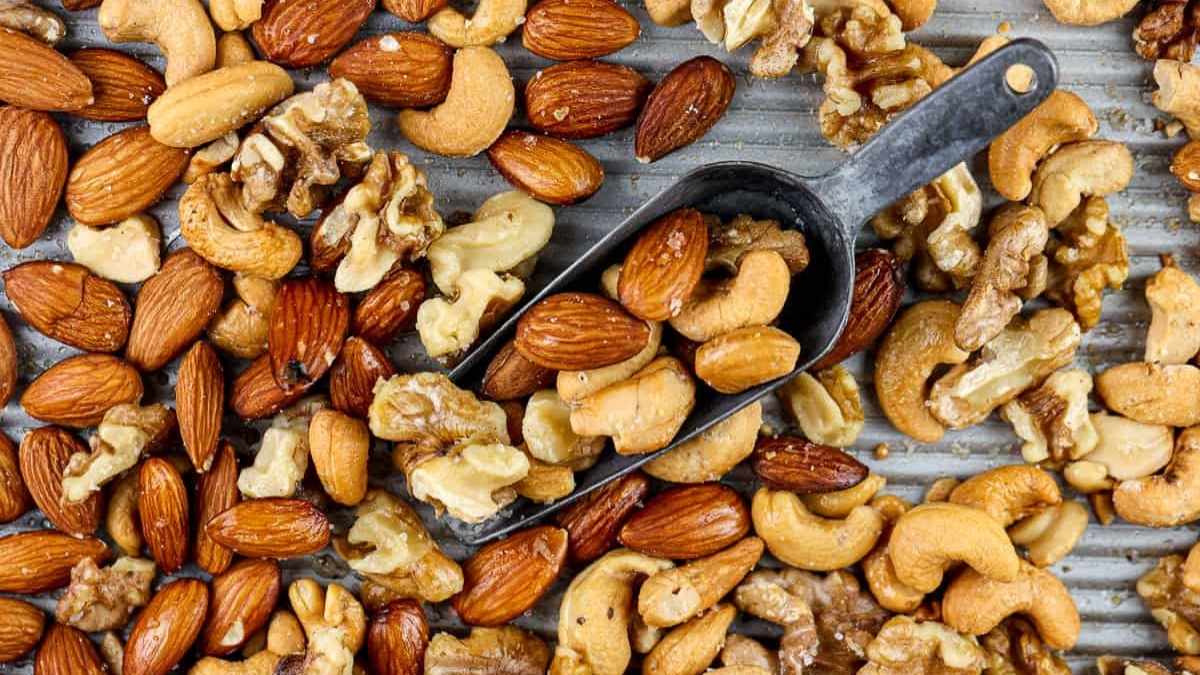
- Olive oil
- Nuts (almonds, walnuts)
- Seeds
- Avocados
- Fatty fish like salmon
These contain unsaturated fats, which can help improve cholesterol balance.
At the same time, limit:
- Processed meats
- Fried foods
- Foods high in saturated fat
- Trans fats (often in packaged snacks)
The goal isn’t perfection. It’s direction.
2. Increase Fiber — Especially Soluble Fiber
Fiber is one of the quiet heroes of heart health.
Soluble fiber helps reduce LDL cholesterol by binding to cholesterol particles and removing them from the body.
Good sources include:
- Oats
- Beans
- Lentils
- Apples
- Pears
- Barley
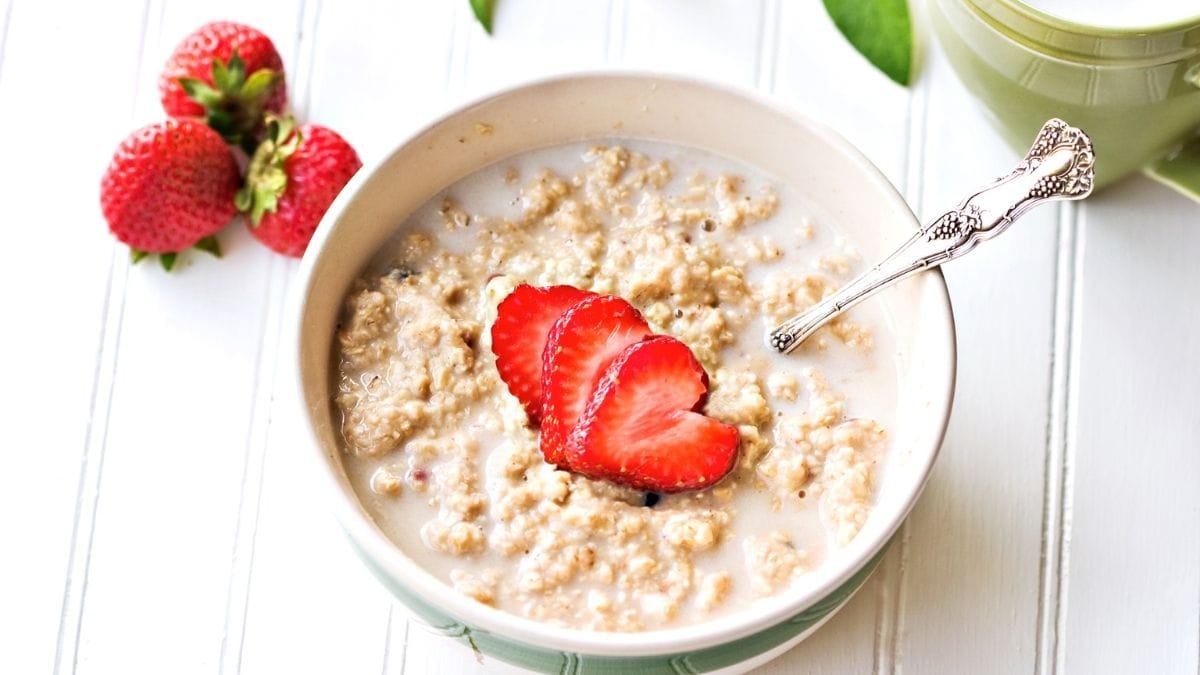
A simple bowl of oatmeal in the morning may do more for your heart than you think.
3. Eat More Plants, More Often
This doesn’t mean you must become vegetarian.
It means:
- Fill half your plate with vegetables
- Add fruit daily
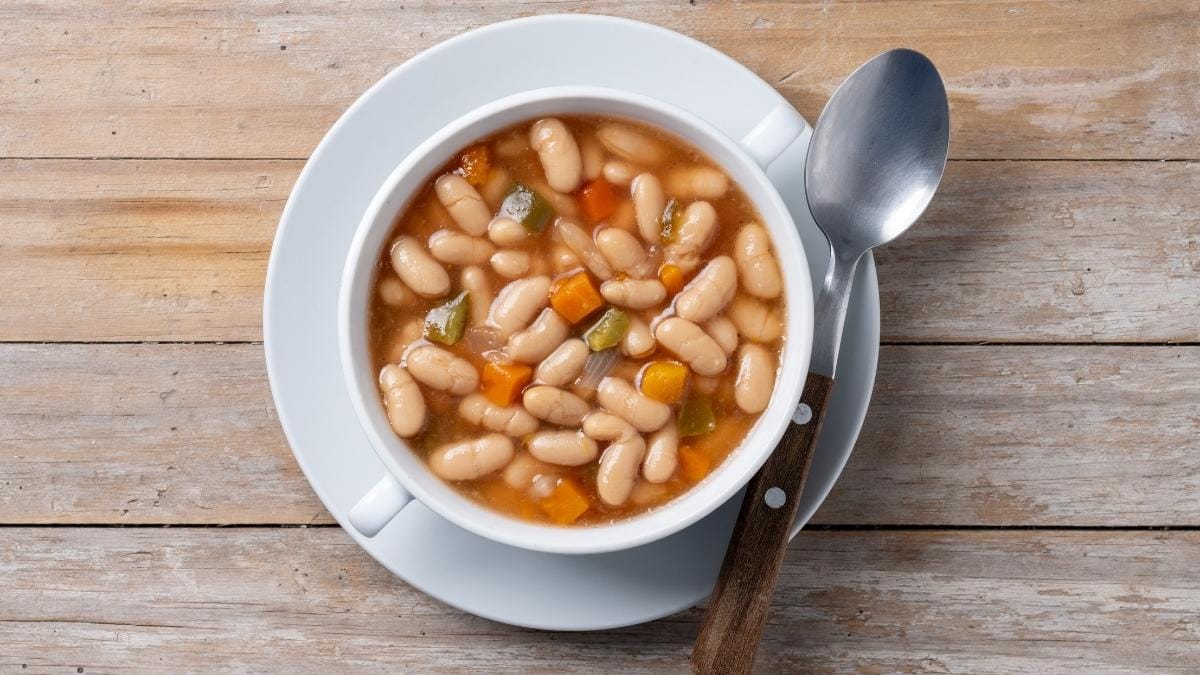
- Include legumes several times a week
Plant foods are rich in fiber, antioxidants, and nutrients that support heart function.
Over time, this consistent pattern becomes a powerful diet to lower cholesterol naturally — without extreme restriction.
4. Choose Lean Proteins
Protein matters. But the source matters more.
Better choices:
- Fish
- Skinless poultry
- Beans and lentils
- Tofu
Less often:
- Processed meats
- High-fat red meats
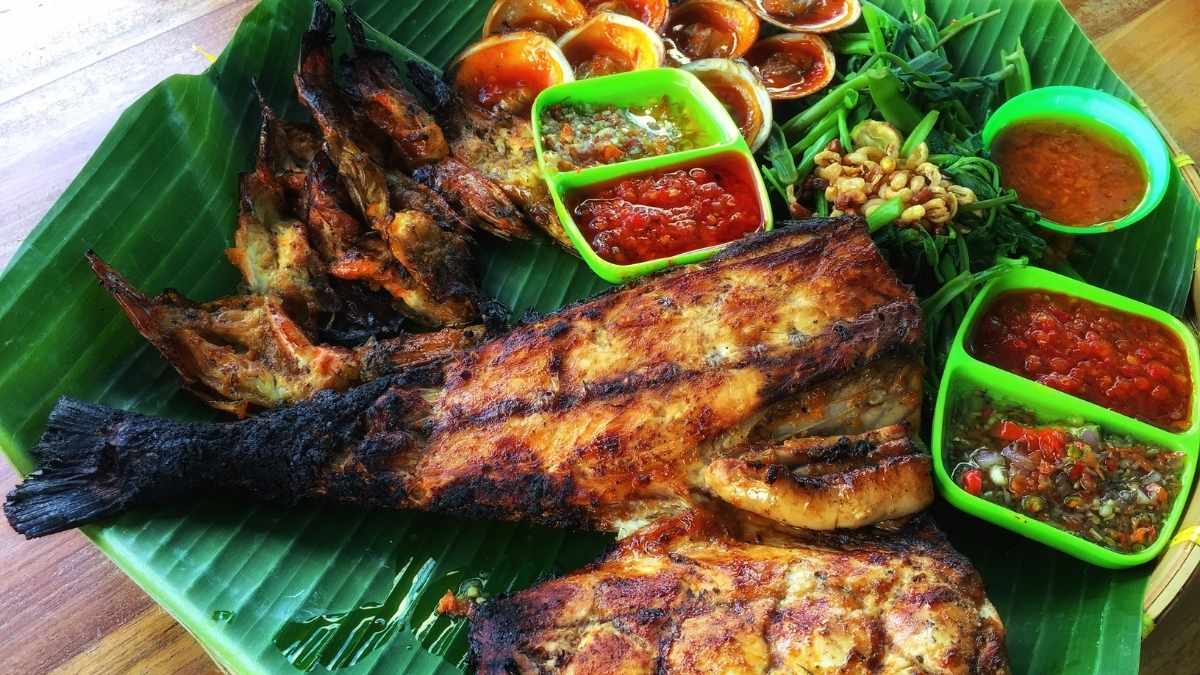
Small swaps add up. Grilled fish instead of fried meat. Beans instead of processed deli slices.
Consistency beats intensity.
5. Reduce Added Sugars and Refined Carbs
White bread, sugary drinks, pastries — these don’t just affect blood sugar. They can also worsen triglycerides and overall cholesterol balance.
Choose instead:
- Whole grains
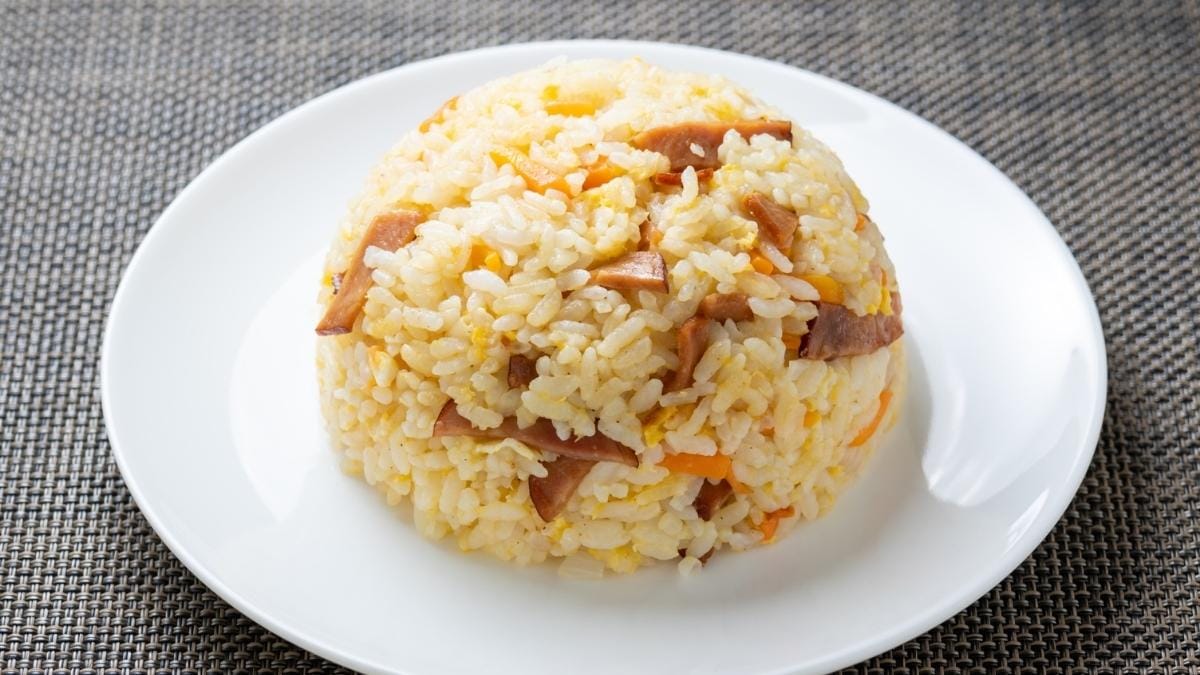
- Brown rice
- Whole wheat bread
- Quinoa
- Oats
Your heart prefers steady energy, not spikes and crashes.
Why This Works (Without Being Extreme)
Many people fail because they try to overhaul everything overnight.
Harvard’s guidance leans toward sustainability. That’s key.
Extreme diets often:
- Cut entire food groups
- Feel restrictive
- Lead to burnout
But a balanced eating pattern:
- Feels livable
- Fits family meals
- Reduces stress around food
And stress reduction matters for heart health too.
Small Changes That Make a Big Difference
You don’t need a perfect week.
Start here:
- Replace butter with olive oil
- Add one extra serving of vegetables daily
- Eat fish twice per week
- Swap sugary drinks for water or green tea
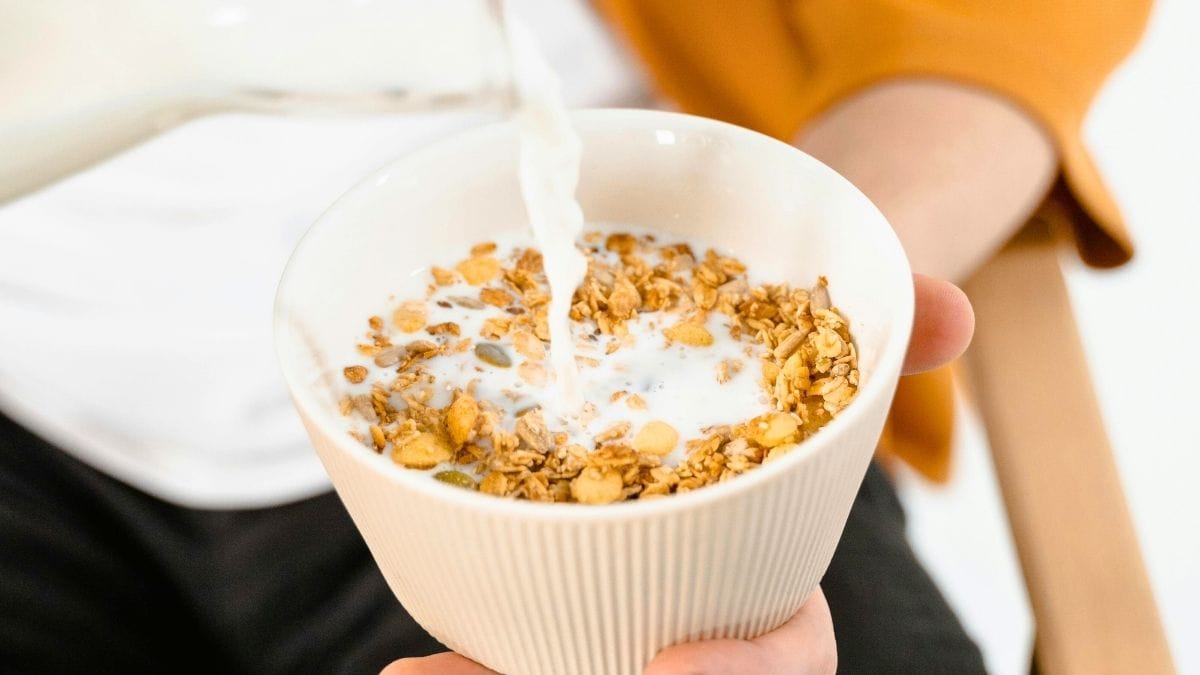
- Choose oatmeal instead of sugary cereal
Each small step supports a healthier cholesterol profile.
When done consistently, this becomes a long-term diet to lower cholesterol naturally — not a temporary fix.
The Motivation Factor Most People Miss
Food is emotional.
You eat with family. You eat at celebrations. You eat during stress.
Instead of thinking, “I can’t have this,” shift to:
“How can I improve this meal slightly?”
Add a salad.
Choose grilled instead of fried.
Eat mindfully.
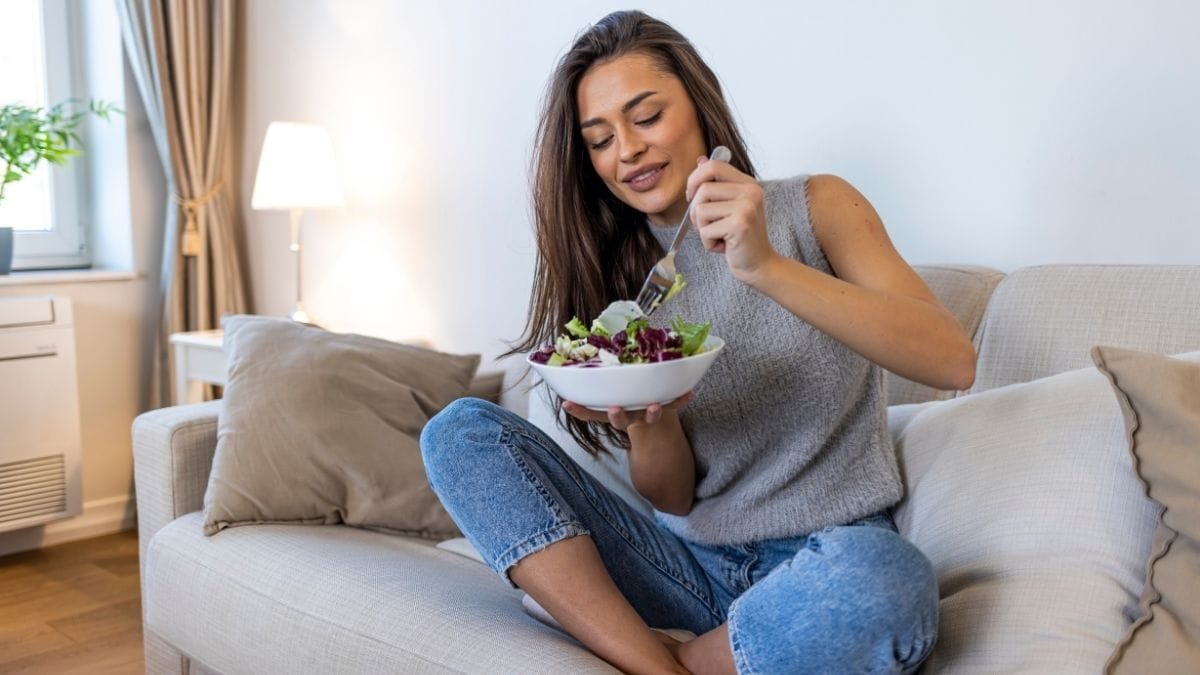
This mindset feels empowering — not restrictive.
And that’s why it lasts.
What About Medication?
Some people will still need cholesterol-lowering medication. And that’s okay.
Lifestyle and medication are not enemies. They can work together.
But even if medication is needed, improving your eating pattern strengthens your results.
Food remains foundational.
A Simple One-Day Example
Here’s what this style of eating might look like:
Breakfast:
Oatmeal with berries and walnuts
Lunch:
Large salad with mixed vegetables, olive oil, grilled chicken, and whole grain bread
Snack:
Apple with almonds
Dinner:
Baked salmon, quinoa, steamed broccoli
Nothing fancy. Nothing extreme.
Just steady, heart-supporting choices.
Why This Approach Feels Different
Because it focuses on addition — not just subtraction.
Add more fiber.
Add more plants.
Add healthier fats.
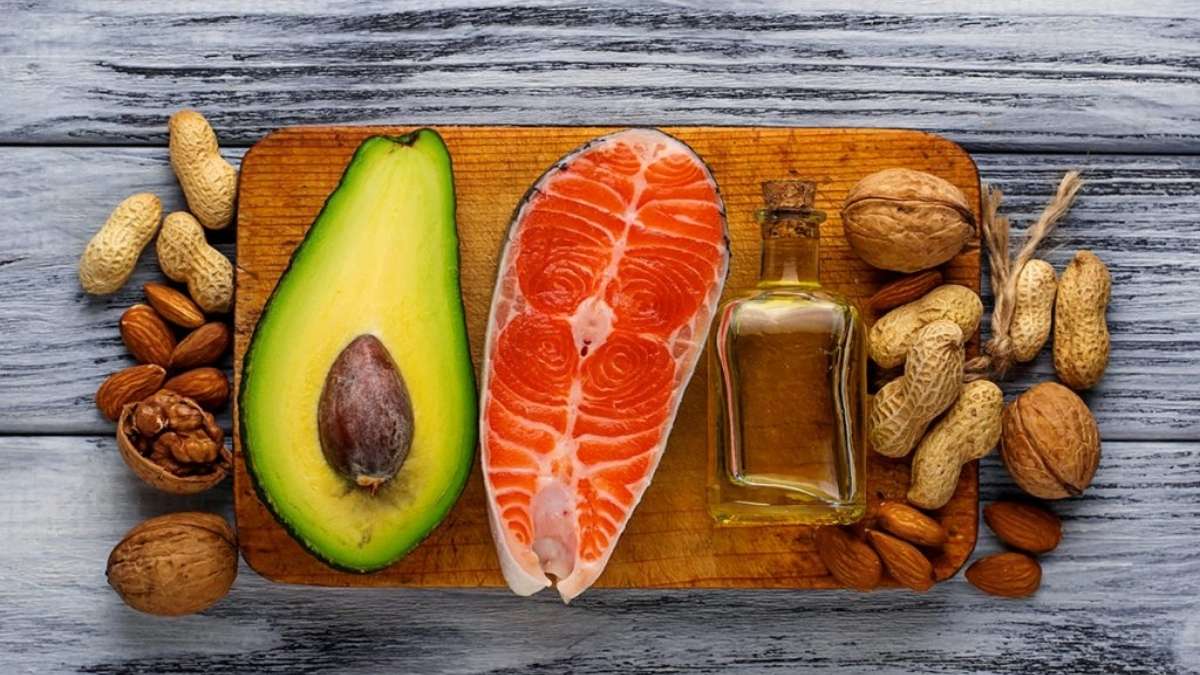
When your plate fills with nutrient-dense foods, there’s naturally less room for the foods that raise LDL.
That’s balance in action.
The Bigger Picture: It’s About Your Future Self
High cholesterol rarely causes symptoms at first.
You feel fine.
You look fine.
But inside, small changes may be happening in your arteries.
Choosing a smart eating pattern today is not about fear.
It’s about protection.
It’s about being active with your children.
Traveling later in life.
Living with energy.
That’s real motivation.
Final Thoughts:
If you feel overwhelmed by conflicting nutrition advice, simplify.
According to insights aligned with research discussions from Harvard Medical School, the most effective strategy isn’t extreme dieting.
It’s a balanced, plant-forward eating pattern rich in fiber and healthy fats.
A practical, realistic diet to lower cholesterol naturally does not require perfection. It requires steady habits.
Start with one change this week.
Then another next week.
Your heart doesn’t need dramatic action.
It needs daily care.
And that is something completely within your control.