
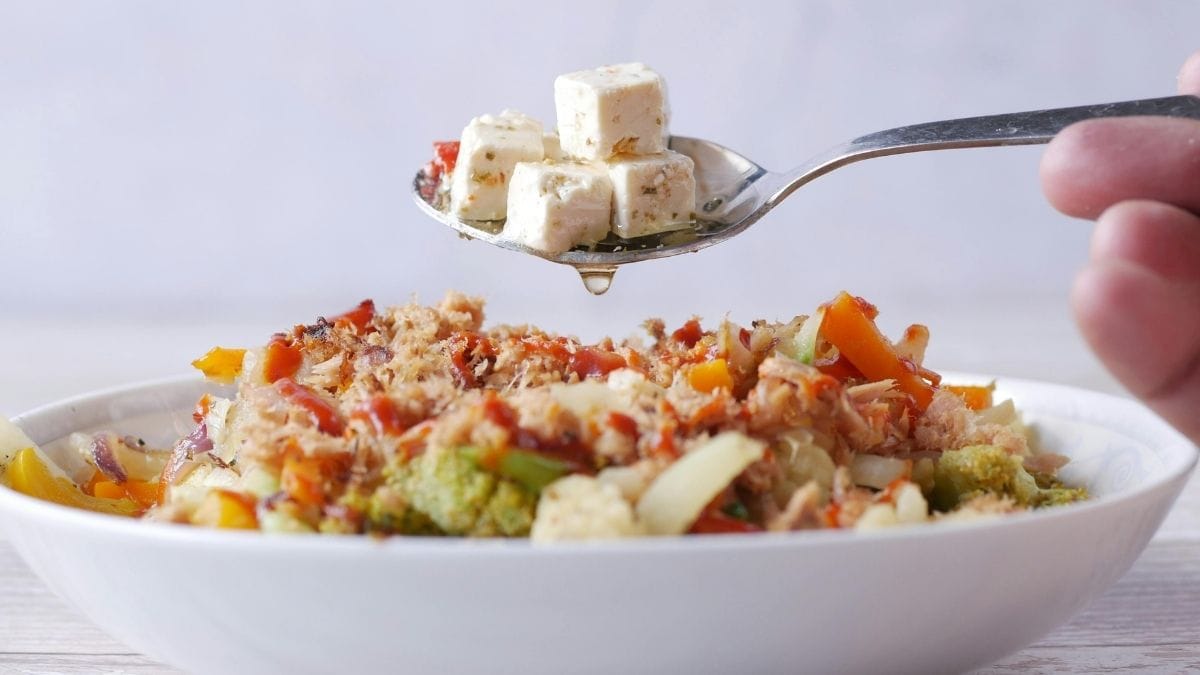
After tracking 105,000 adults for 30 years, Harvard nutrition researchers discovered something surprising.
People who ate certain everyday foods had an 86% greater chance of reaching age 70 free from chronic disease. Yet most popular diets completely ignore these foods.
You’re probably confused by all the conflicting diet advice out there. You worry about aging and losing your independence.
Maybe you’re following restrictive diets that actually miss key anti-aging nutrients. And you don’t know which foods really work for healthy aging.
This article shows you the 10 specific food groups identified in Harvard’s March 2025 Nature Medicine study. You’ll learn the exact amounts to eat.
And you’ll discover why typical diet plans overlook them. These are foods linked to the Alternative Healthy Eating Index (AHEI), and they could change how you age.
The Harvard Study That Changed Everything About Aging

Harvard researchers published groundbreaking findings in Nature Medicine in March 2025. They followed 70,091 women and 34,924 men for three decades, from 1986 to 2016.
The study didn’t just look at how long people lived. It defined healthy aging as reaching 70 without chronic disease while keeping your mind sharp, your body mobile, and your mental health strong. That’s what really matters as you get older.
Here’s the shocking part. Only 9.3% of participants achieved healthy aging. That’s just 9,771 people out of 105,000. Most people didn’t make it to 70 in good health.
But the ones who scored highest on the AHEI diet? They had an 86% greater likelihood of healthy aging at 70. At 75, their odds were 2.2 times higher.
Dr. Marta Guasch-Ferré from the University of Copenhagen led the research. Dr. Frank Hu from Harvard T.H. Chan School of Public Health co-authored it.
This wasn’t about living longer. It was about living better for longer.
Why Most Diet Plans Miss These Foods
Most popular diets focus on one thing: weight loss. They’re not designed for longevity or healthy aging. They emphasize what you can’t eat instead of what you should add.
Think about keto and paleo diets. They often cut out legumes and whole grains completely. Low-fat diets eliminate healthy fats from nuts.
These restrictions sound good for dropping pounds, but they ignore foods proven to fight aging.
Here’s the real problem with how Americans eat. Ultra-processed foods make up over 50% of our calories.
Adults 60 and older? They get 51.7% of their calories from ultra-processed foods, according to CDC 2025 data. The typical American diet includes only 10.7% minimally processed foods by weight.
Popular diets ignore affordable staples that actually work. Legumes cost pennies per serving. Whole grains are in every grocery store. But they’re not trendy, so diet books skip them.
The result? You spend money on restrictive plans that miss the foods Harvard researchers say matter most.
The 10 Everyday Foods Harvard Research Identifies
The Alternative Healthy Eating Index emphasizes specific food groups proven to reduce inflammation and promote healthy aging. Here are the 10 categories most diet plans ignore.
1. Whole Grains (5-6 servings daily)
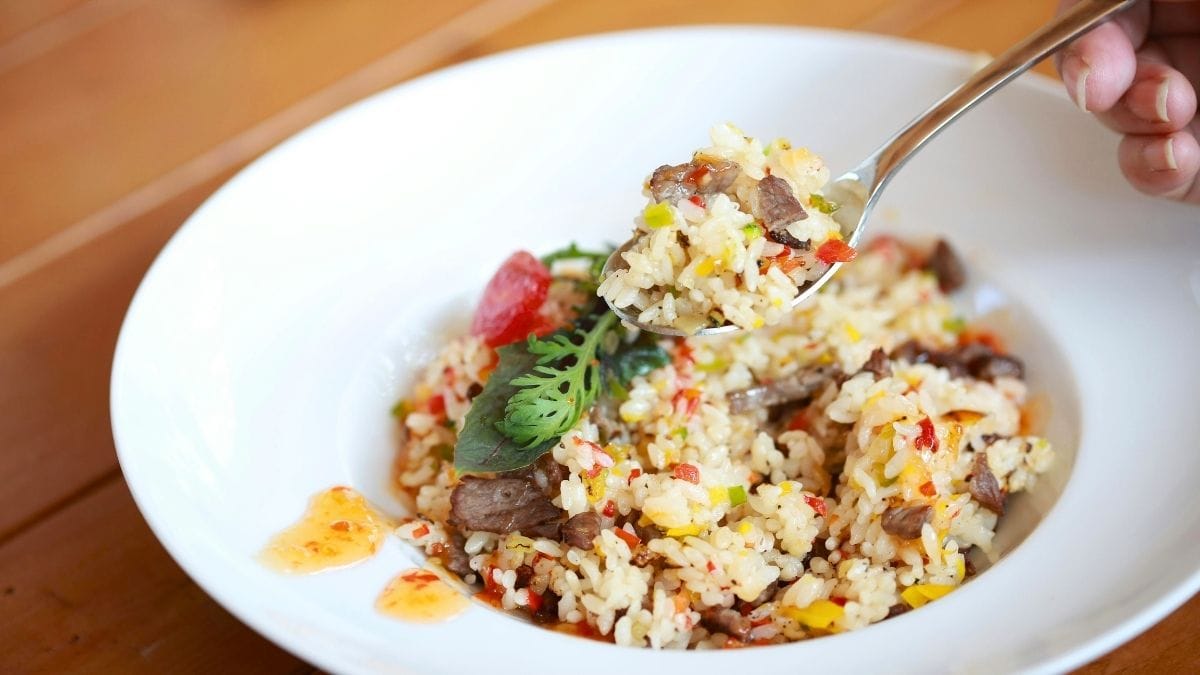
Whole grains include quinoa, brown rice, oats, whole wheat, and barley. These foods reduce your risk of diabetes and heart disease by 48%. They contain fiber, B vitamins, and minerals your body needs to age well.
Low-carb diets eliminate whole grains entirely. That’s a mistake. Whole grains reduce inflammation markers like C-reactive protein in your blood.
They’re associated with a lower glycemic index burden, meaning they won’t spike your blood sugar like refined grains do.
A serving is simple: half a cup of cooked grains or one slice of whole grain bread. Start your day with steel-cut oats. Switch white rice for brown. Use whole wheat pasta instead of regular.
Your body processes whole grains differently than processed carbs.
The fiber slows digestion, feeds good gut bacteria, and keeps you full longer. These aren’t empty calories. They’re fuel that helps your cells age slower.
2. Leafy Greens (Extra servings beyond 5 vegetables/day)
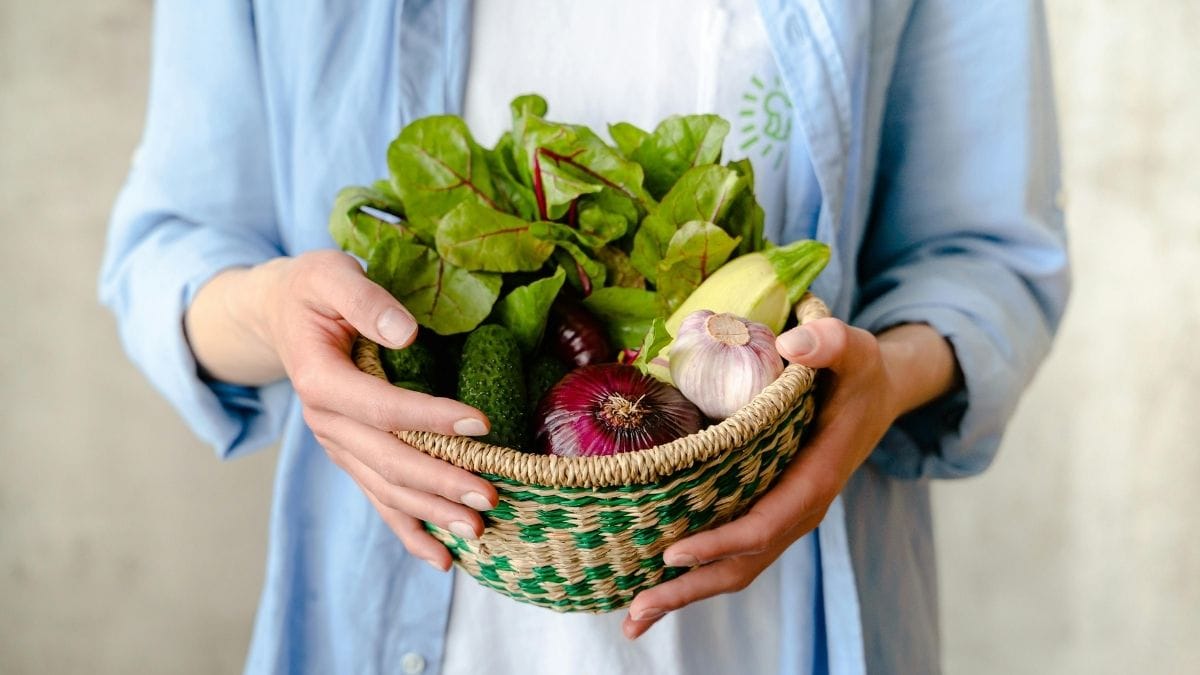
Kale, spinach, Swiss chard, collard greens, and arugula pack serious nutrition.
They reduce diabetes risk and support cognitive function as you age. You need 2-3 cups daily, and you can throw them in smoothies if you hate salads.
Most people think leafy greens are boring. They require washing and prep. So they get ignored.
But these greens are rich in vitamin K, antioxidants, and nitrates that support nitric oxide production for blood vessel health.
Research links leafy greens to slower cognitive decline. Your brain needs the nutrients they provide. The darker the green, the better. Iceberg lettuce doesn’t count—go for the deep green varieties.
Add spinach to your morning eggs. Make kale chips for snacks. Blend Swiss chard into pasta sauce.
You won’t even taste it, but your body will use those nutrients to keep your brain and body functioning well into your 70s and beyond.
3. Legumes (1-2 servings daily)
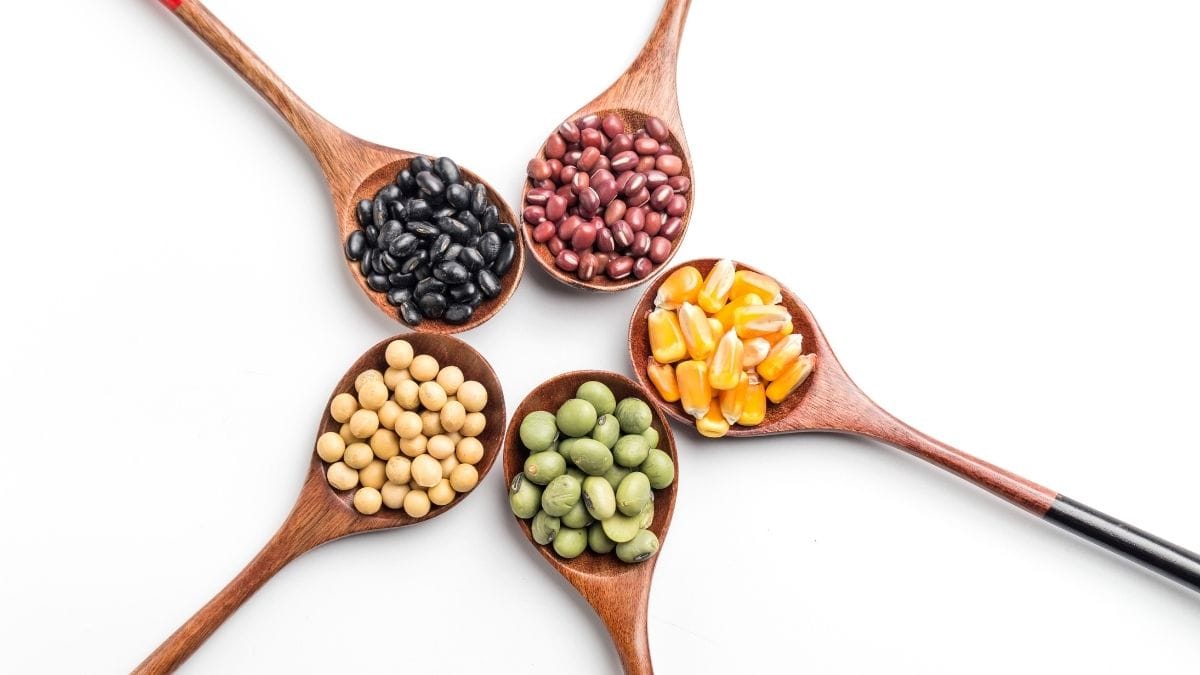
Lentils, chickpeas, black beans, and kidney beans are protein powerhouses. They’re high in fiber and have a near-zero acid load on your body. Half a cup of cooked beans counts as a serving.
People skip legumes for three reasons: gas concerns, cooking time, and they’re not trendy. But canned beans solve the time problem. And the gas? Your gut adapts after a few weeks of regular consumption.
Legumes provide plant-based protein that supports gut health. They’re associated with strong anti-inflammatory properties. Plus, they’re cheap. A can costs less than a dollar and feeds you multiple meals.
Add chickpeas to salads. Make black bean tacos. Cook lentil soup on Sunday and eat it all week.
Your gut bacteria will thrive on the fiber, and your muscles will use the protein. This is real food that’s been feeding humans for thousands of years.
4. Nuts (1-2 servings daily)
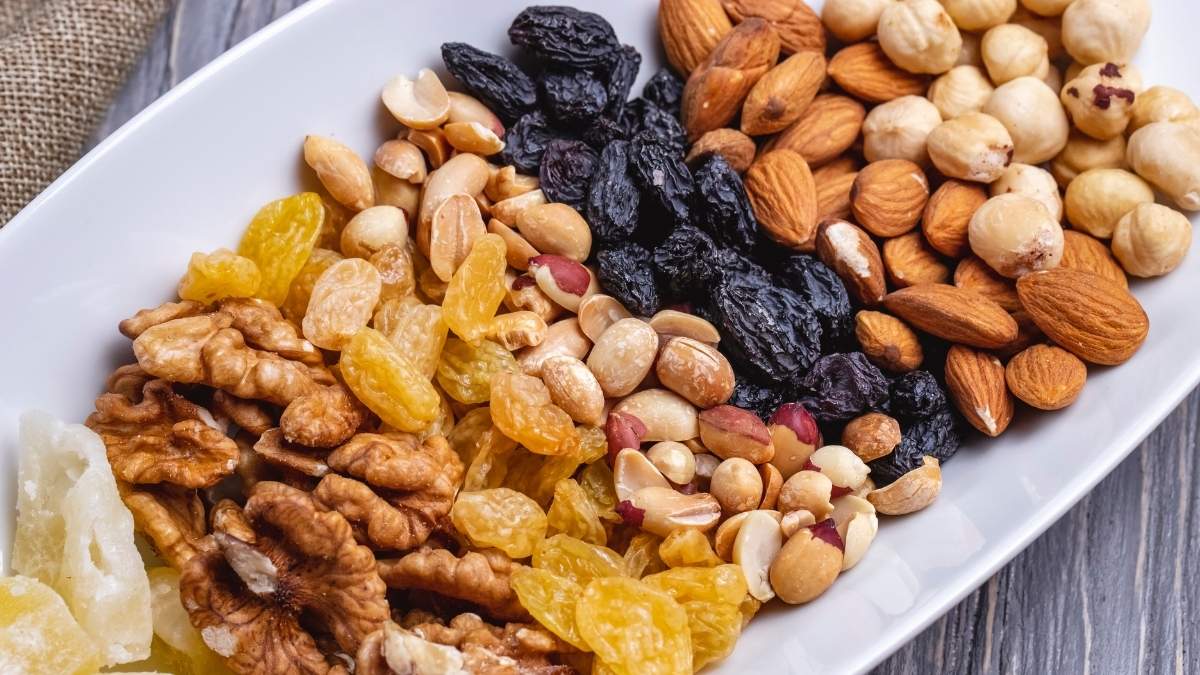
Walnuts, almonds, and peanuts (technically a legume) reduce cardiovascular disease and support brain health. One ounce—about a small handful—is all you need daily.
People worry about calories in nuts. Others think all nut allergies are common. But nut allergies affect only about 1% of adults.
And the calories come with serious benefits: omega-3 and omega-6 in proper ratios, plus anti-inflammatory vitamins and minerals.
The Harvard study showed that lettuce, broccoli, blueberries, peanuts, and walnuts were associated with lower physical impairment as people aged. Nuts were specifically linked to maintaining mobility.
Keep a container of mixed nuts at your desk. Add walnuts to oatmeal. Snack on almonds instead of chips.
The fats in nuts help your brain function and protect your heart. They’re one of the easiest additions to make to your diet starting today.
5. Berries (Part of 4 fruit servings daily)
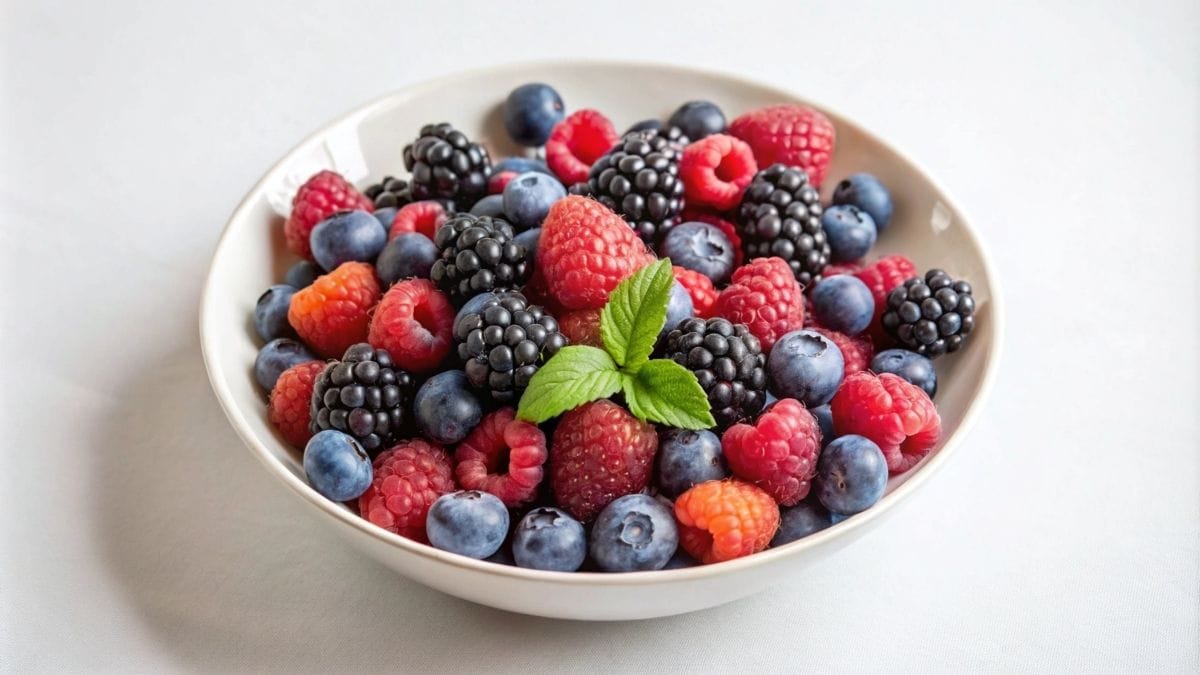
Blueberries, strawberries, blackberries, and raspberries are rich in anthocyanins, vitamin C, and glutathione.
These powerful antioxidants fight free radicals and reduce inflammatory markers. You need about one cup daily.
Fresh berries can be expensive and seasonal. That’s why people skip them. But frozen berries work just as well and cost half as much. They’re picked at peak ripeness and frozen immediately, locking in nutrients.
Berries protect against cardiovascular disease. They support brain health. They’re linked to slower cellular aging. The compounds in berries literally help your cells resist damage from oxidative stress.
Buy frozen berries in bulk. Add them to yogurt, oatmeal, or smoothies. Eat them as a snack. Your taste buds will enjoy them, and your cells will use those antioxidants to repair daily damage and stay younger longer.
6. Fatty Fish (2+ servings weekly)
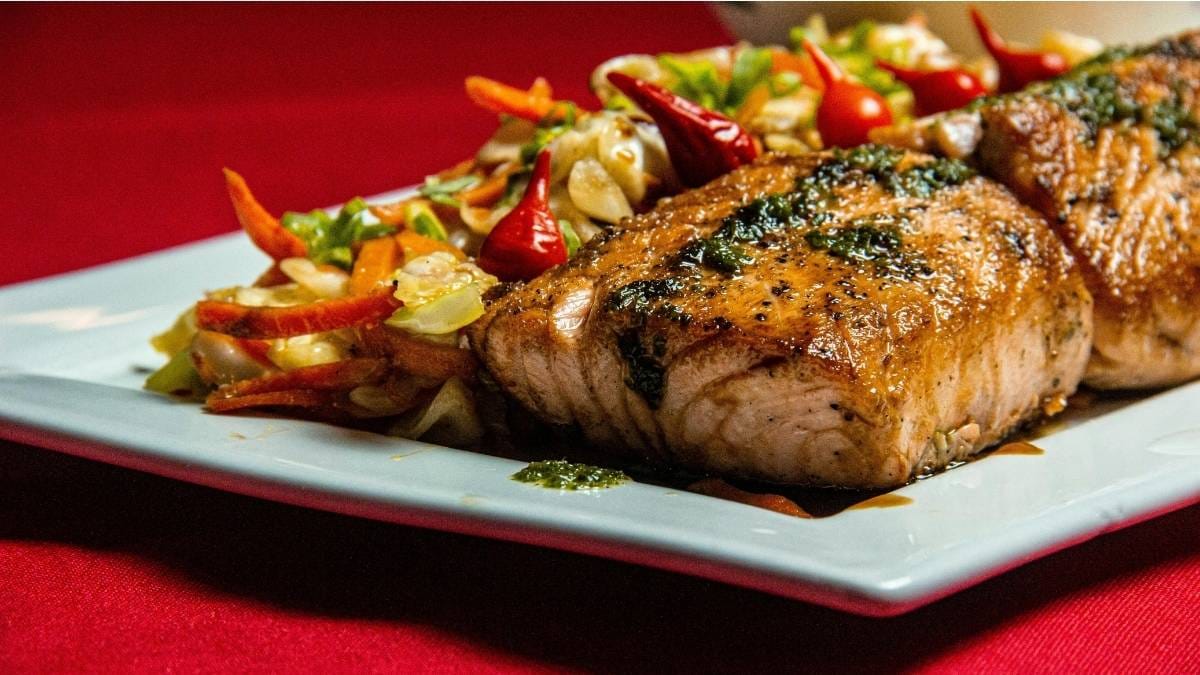
Salmon, mackerel, sardines, and herring provide omega-3s that reduce inflammation and support heart health. You need 3-4 ounce servings twice weekly. That’s less than most people think.
People skip fish because of cost, prep concerns, and mercury fears. But canned sardines and salmon are cheap and safe.
Wild-caught options have lower mercury than farm-raised. And cooking fish takes less time than chicken.
Fatty fish reduce C-reactive protein levels in your blood—a key inflammation marker. They support brain function and are associated with reduced stroke risk.
The omega-3s literally change how your cells communicate and repair themselves.
Grill salmon for dinner. Add sardines to salads. Make tuna melts with whole grain bread. Your brain is 60% fat, and it needs the right kinds of fat to function well as you age.
7. Olive Oil (Primary cooking fat)
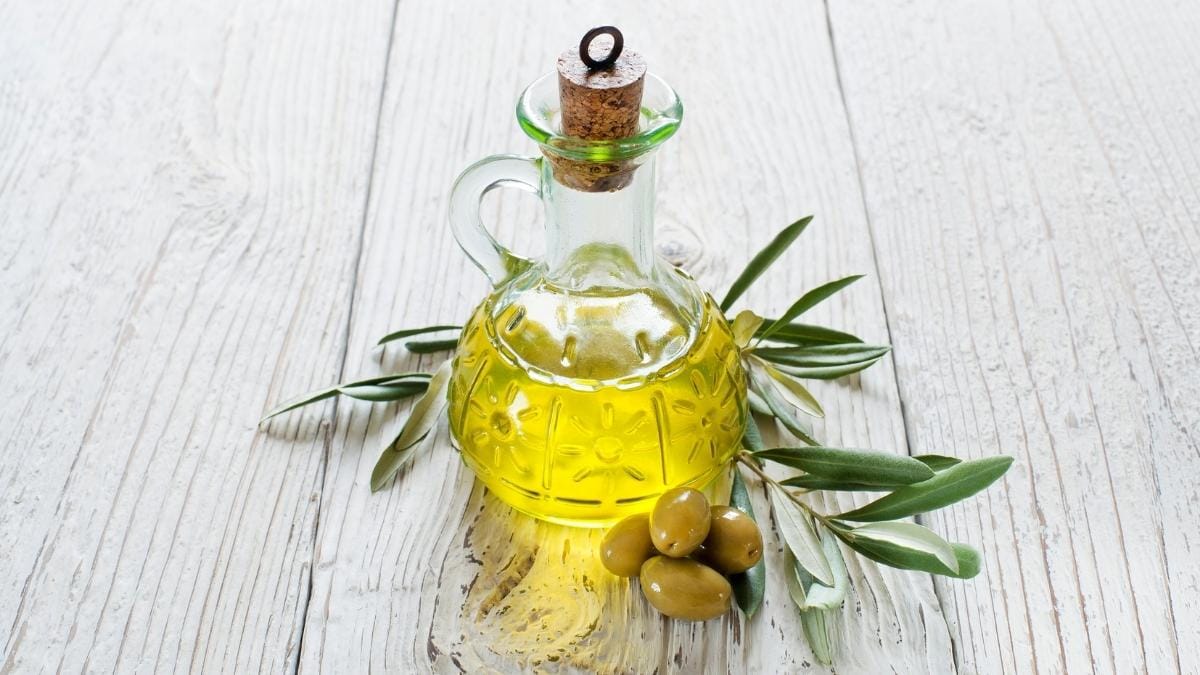
Use extra virgin, cold-pressed olive oil as your main cooking fat. It’s rich in monounsaturated fats and polyphenols that fight inflammation. This is a cornerstone of both Mediterranean and AHEI eating patterns.
People confuse olive oil with other vegetable oils. Not all oils are equal. Most vegetable oils are highly processed.
Extra virgin olive oil is pressed from olives with minimal processing, keeping beneficial compounds intact.
The polyphenols in olive oil have anti-inflammatory properties that support heart health.
Use it for salad dressings, sautéing vegetables, and drizzling over cooked dishes. Don’t deep fry with it, but use it for most other cooking.
Replace butter and vegetable oil with olive oil. Your cells will benefit from the healthier fat profile. And the antioxidants in quality olive oil help protect your arteries as you age.
8. Seeds (Daily addition)
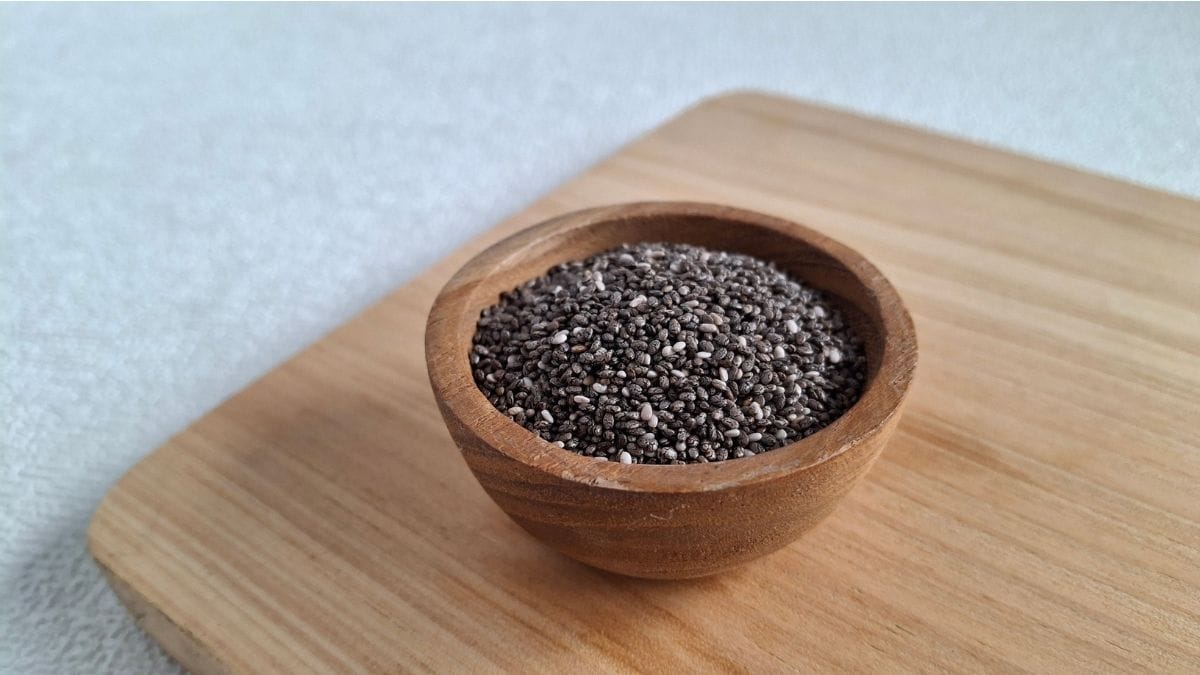
Flaxseeds, chia seeds, pumpkin seeds, and sunflower seeds provide omega-3s, fiber, and minerals. Just 1-2 tablespoons daily makes a difference.
Seeds aren’t part of the traditional American diet, which is why most people ignore them.
Seeds are tiny nutrition bombs. Flaxseeds need to be ground for your body to absorb their nutrients. Chia seeds gel up in liquid, adding texture to smoothies and yogurt. Pumpkin seeds make great snacks.
The omega-3s in seeds, especially flaxseeds, support heart and brain health. The fiber feeds your gut bacteria.
The minerals support bone health and cellular function. They’re easy to add without changing your whole diet.
Sprinkle ground flaxseed on oatmeal. Add chia seeds to smoothies. Snack on pumpkin seeds. Mix sunflower seeds into salads. Small additions create big benefits over time.
9. Soy-Based Foods (Moderate protein source)
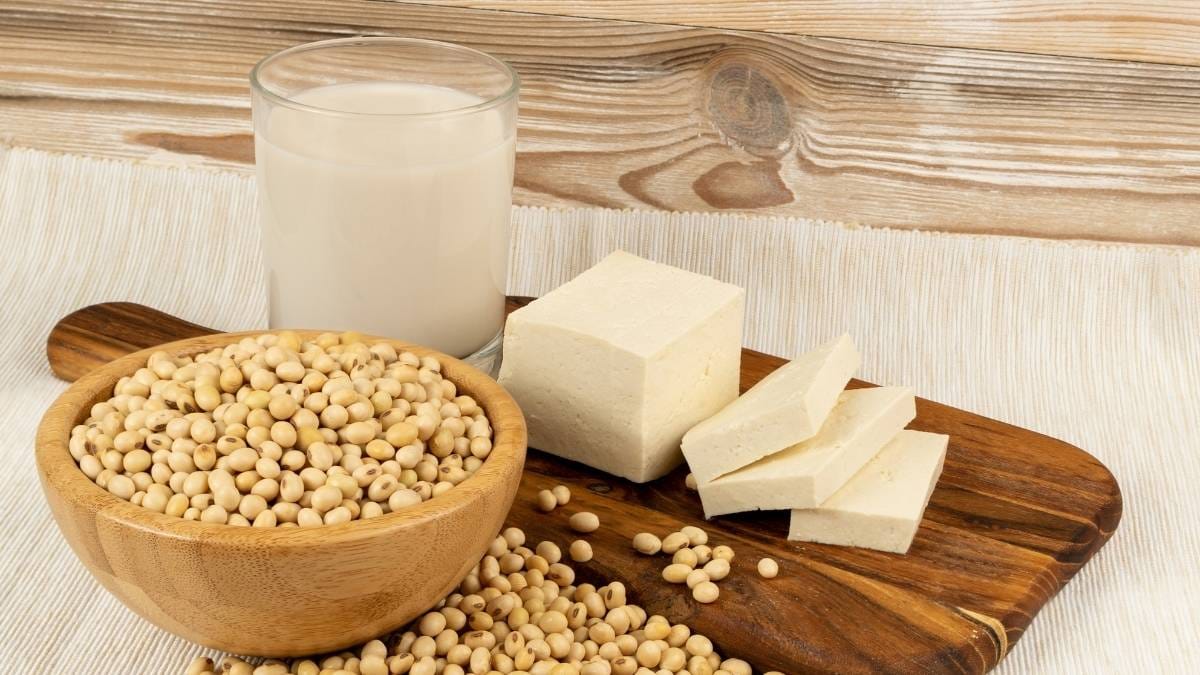
Tofu, tempeh, and edamame provide complete protein, isoflavones, and low saturated fat. Aim for several servings weekly. These foods are high in polyunsaturated fat, fiber, and calcium.
Myths about soy affecting hormones keep people away. But research shows these fears are unfounded for most adults.
The bigger issue? Most Americans don’t know how to prepare tofu or tempeh. They’re unfamiliar foods.
Soy-based foods have lower odds of inflammation-related diseases. They’re versatile protein sources that work in stir-fries, salads, and even scrambles. Edamame makes an easy snack.
Start with edamame—it tastes like a mild bean. Try marinated tofu in a salad. Experiment with tempeh in tacos. These foods have fed Asian populations for centuries with excellent health outcomes.
10. Low-Fat Dairy (Moderate amounts)
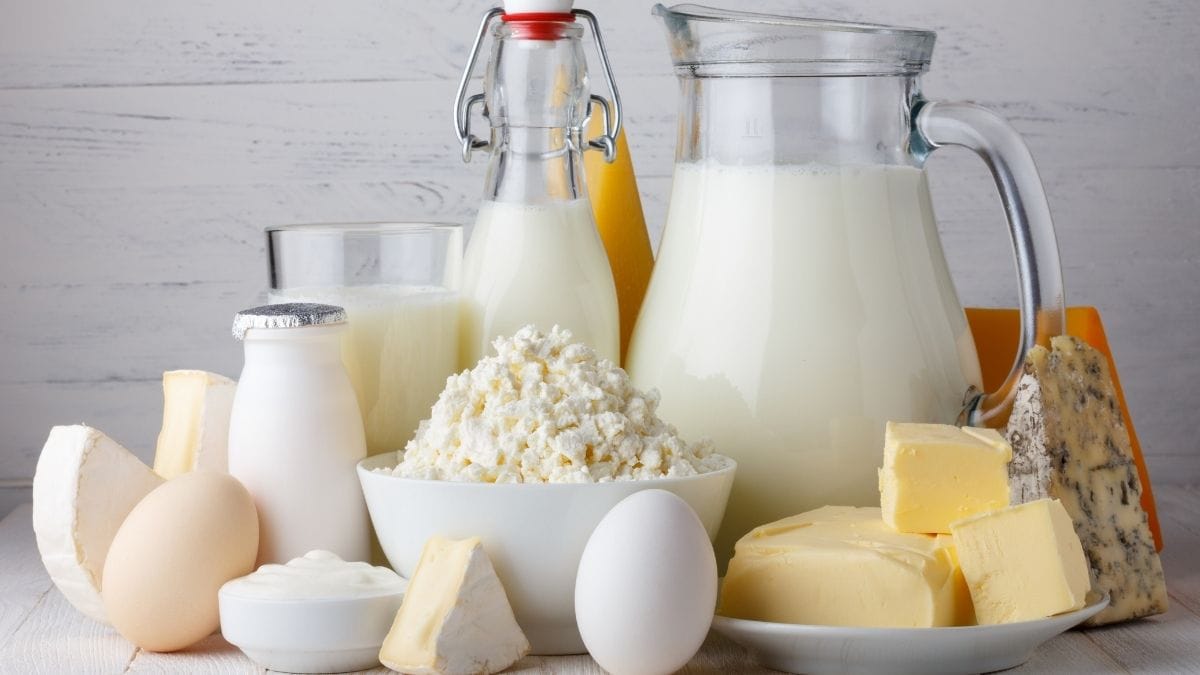
Greek yogurt, cottage cheese, and skim milk provide calcium, protein, and probiotics. Aim for 1-2 servings daily if you tolerate dairy. Not everyone digests dairy well, and that’s fine—you can skip this one.
Anti-dairy trends convince people that all dairy is bad. Lactose intolerance is real for some people.
But if you tolerate dairy, low-fat versions provide benefits without the saturated fat found in whole milk products.
Greek yogurt contains probiotics that support gut health. Cottage cheese provides cheap, high-quality protein.
Skim milk offers calcium for bone health. The key is keeping it low-fat to avoid excess saturated fat.
Choose plain Greek yogurt and add your own berries. Use cottage cheese as a snack. If dairy bothers you, skip it. But don’t avoid it based on trends if your body handles it fine.
What the Research Says to Avoid
Ultra-processed foods—especially processed meats and sugary drinks—showed the strongest negative association with healthy aging.
Trans fats need to go completely. High sodium, refined grains, and sugar-sweetened beverages all work against you.
The research is clear. Higher ultra-processed food intake means lower chances of healthy aging. Over 50% of American calories come from ultra-processed foods.
The 2025-2030 Dietary Guidelines now explicitly recommend reducing them.
Processed meats like bacon, hot dogs, and deli meat increase inflammation. Sugar-sweetened beverages spike insulin and promote cellular aging.
Trans fats damage cell membranes. Refined grains lack the fiber and nutrients of whole grains.
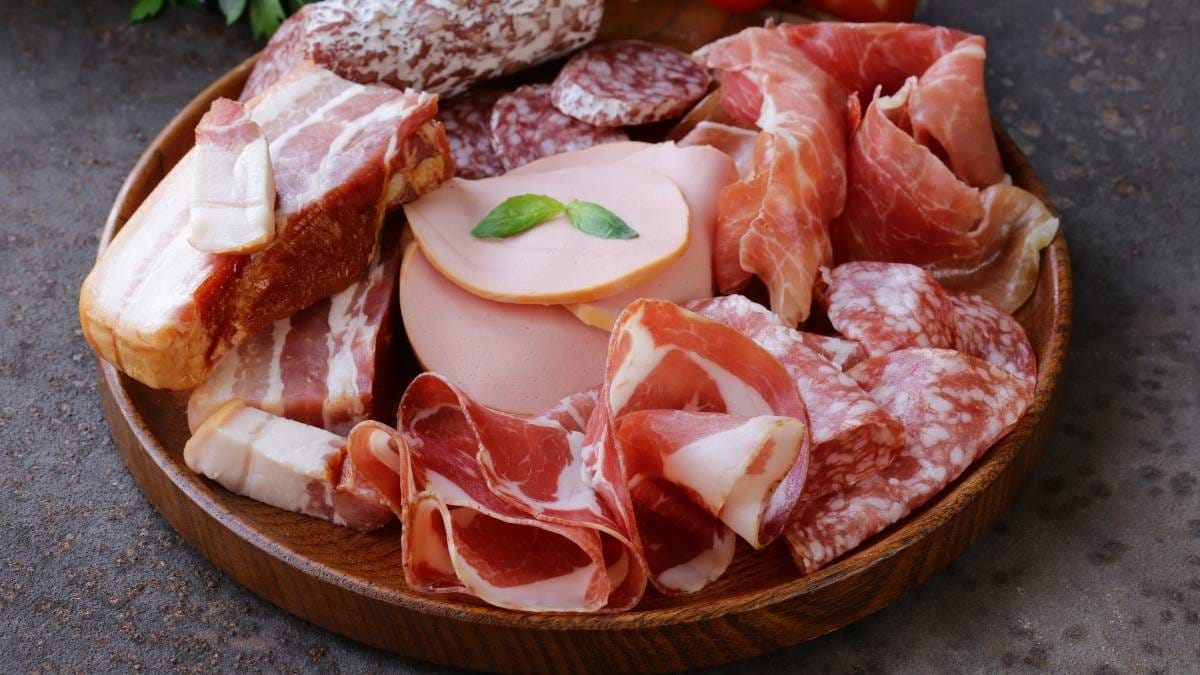
You don’t need to be perfect. But reducing these foods matters. Swap soda for water. Choose whole grain bread over white. Limit processed meats to occasional treats. Cook real food more often than you order takeout.
The good news? Adding the 10 foods above naturally crowds out processed junk. When you fill up on real food, you want less of the fake stuff.
How to Start: A Practical 7-Day Framework
Start with breakfast swaps. Replace sugary cereal with steel-cut oats topped with walnuts and blueberries. This single change adds whole grains, nuts, and berries to your day.
Build your lunch salads around dark greens and legumes. Mix spinach with chickpeas, add some nuts, and dress it with olive oil. You’ve just covered five of the 10 food groups in one meal.
Stock your freezer with frozen vegetables and berries. They’re cheaper than fresh, last longer, and work in everything from smoothies to stir-fries. Prep whole grains in batches on Sunday—cook a big pot of quinoa or brown rice.
Replace one processed meal daily. Instead of a frozen dinner, make salmon with quinoa and sautéed kale. For snacks, grab a handful of almonds or Greek yogurt with berries instead of chips or cookies.
By week’s end, you’ll have added seven of the 10 foods naturally. You’re not on a diet. You’re just eating more real food.
The Science Behind Why These Foods Work
These foods contain anti-inflammatory compounds like polyphenols and omega-3s.
Inflammation drives chronic disease—heart disease, diabetes, Alzheimer’s, and cancer all have inflammation at their core. Reducing inflammation helps your cells age slower.
The fiber in whole grains, legumes, and vegetables feeds your gut microbiome.
Your gut bacteria produce compounds that regulate inflammation, support immune function, and even affect your mood. A healthy gut means a healthier you.
Antioxidants from berries, leafy greens, and nuts fight oxidative stress. Every day, your cells face damage from free radicals. Antioxidants neutralize this damage, protecting your DNA and cellular machinery from breaking down.
These foods create a reduced glycemic load, meaning smaller insulin spikes. They also lower your diet-dependent net acid load, which affects how your kidneys and bones function.
High acid loads from processed foods stress your body. These whole foods don’t.
This isn’t magic. It’s biology working the way it should when you eat real food.
Addressing Common Concerns
Cost worries are real. But frozen berries cost the same as fresh. Canned beans are under a dollar. Frozen vegetables are cheaper than fresh and won’t rot. Buying in bulk saves money on nuts and seeds.
Time is tight for everyone. Batch cooking solves this. Cook quinoa once, eat it all week. Canned beans open in seconds. Frozen vegetables steam in minutes. You’re not adding hours to your week.
Taste concerns? Use seasonings. Garlic, herbs, and spices make everything better. Try different preparations—roasted vegetables taste different than steamed. Add variety so you don’t get bored.
Every grocery store carries these foods. You don’t need specialty shops or expensive organic versions. Regular stores stock everything you need. This isn’t some exclusive diet for wealthy people.
Start with 2-3 swaps weekly. You don’t need perfection. Small changes add up. As Dr. Anne-Julie Tessier said, “It’s never too late to make any changes in your diet.”
Lastly:
Harvard’s 30-year study of 105,000 adults proves it. Eating whole grains, leafy greens, legumes, nuts, berries, fatty fish, olive oil, seeds, soy, and low-fat dairy increases your odds of healthy aging.
Start today by adding just one of these foods to your next meal. Your 70-year-old self will thank you.