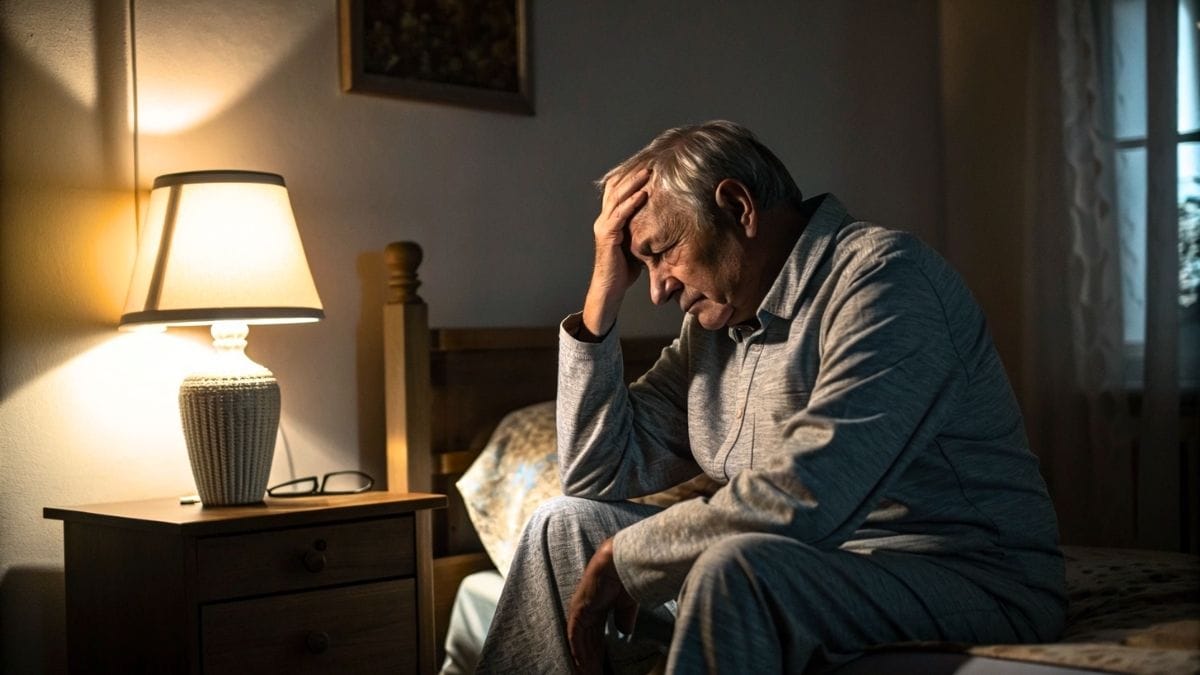
If you’re waking up at 3 AM staring at the ceiling—again—you’re far from alone.
Between 50-70% of older adults experience chronic sleep issues. Yet only 19% receive proper treatment. New Harvard research reveals this isn’t just about aging. It’s about specific, fixable changes in your body.
Your brain’s sleep system shifts after 60. Your internal clock moves earlier. Your deep sleep stages shrink. And common medications can sabotage rest without you realizing it.
But here’s the good news. You don’t need pills to fix this.
This guide shows you the real scientific reasons seniors sleep problems happen. You’ll learn which nighttime habits hurt sleep quality (even “healthy” ones). And you’ll get proven strategies that restore energy starting tonight.
Let’s fix your sleep.
Why Seniors Struggle With Sleep (The Harvard Research)
Harvard Medical School found something surprising in 2025. Sleeping too long (9+ hours) linked to cognitive frailty in older adults. Too little sleep hurt the brain. But so did too much.
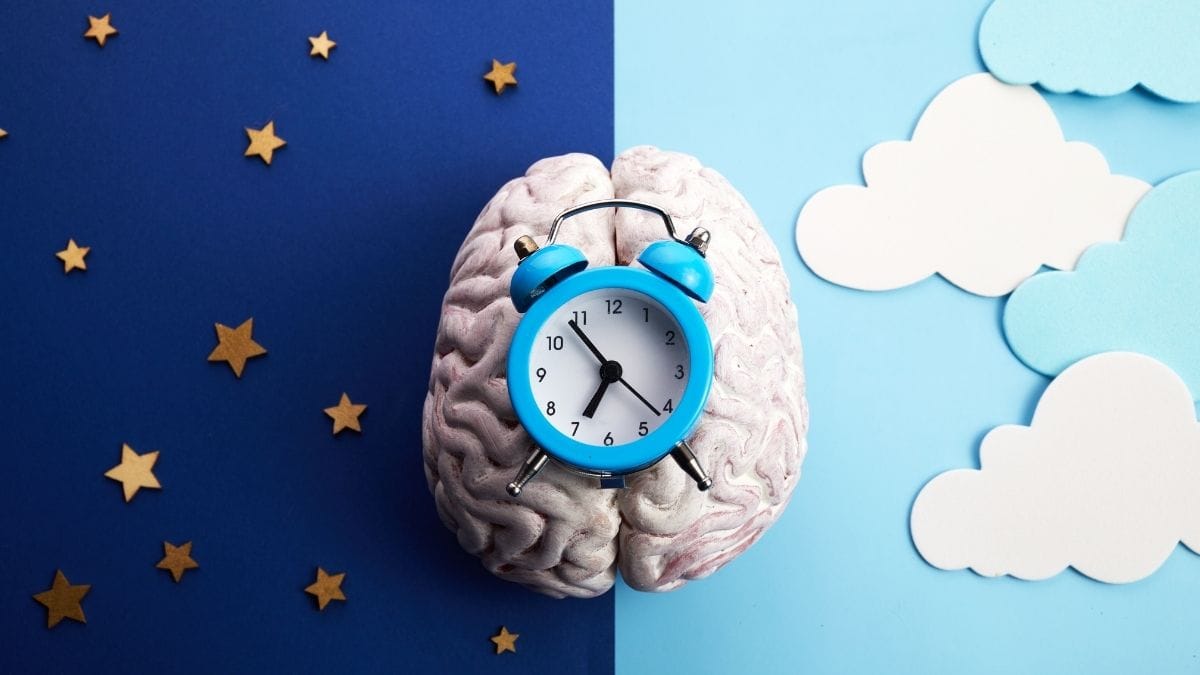
Your circadian rhythm changes as you age. Most seniors develop advanced sleep phase syndrome. This means you get tired at 7 PM instead of 10 PM. You wake at 4 AM instead of 7 AM. It’s not insomnia. Your clock just runs early.
Your sleep architecture changes too. REM sleep drops. Deep sleep shrinks. You spend more time in light sleep stages that don’t refresh you.
Here’s what the numbers show. 69% of older adults report sleep problems. But doctors only document 19% of cases. Sleep apnea affects 40% of seniors and increases depression risk by 40%.
Your brain needs different amounts of sleep now. And your body’s sleep system works differently than it did at 40.
The 5 Hidden Sleep Disruptors After Age 60
1. Your Medications Beta-blockers for blood pressure can keep you awake. Corticosteroids cause insomnia. Diuretics make you wake up to pee. Check your pill bottles. 45% of older adults have restless legs from their meds.
2. Your Melatonin Drops Your brain makes less melatonin after 55. This natural sleep hormone declines every year. That’s why you can’t fall asleep like you used to.
3. You’re Not Tired Enough Retirement means less movement. Less movement means less sleep pressure. Your body needs physical tiredness to sleep well.
4. You’re Alone Too Much Social isolation kills your sleep schedule. No activities means no routine. Your body forgets when to sleep. Get out. Talk to people. It helps more than you think.

5. Undiagnosed Sleep Disorders 67% of nursing home residents have sleep apnea. Most don’t know it. Restless legs syndrome doubles after 60. Get checked.
The Bedroom Environment Fix (Temperature, Light, Noise)
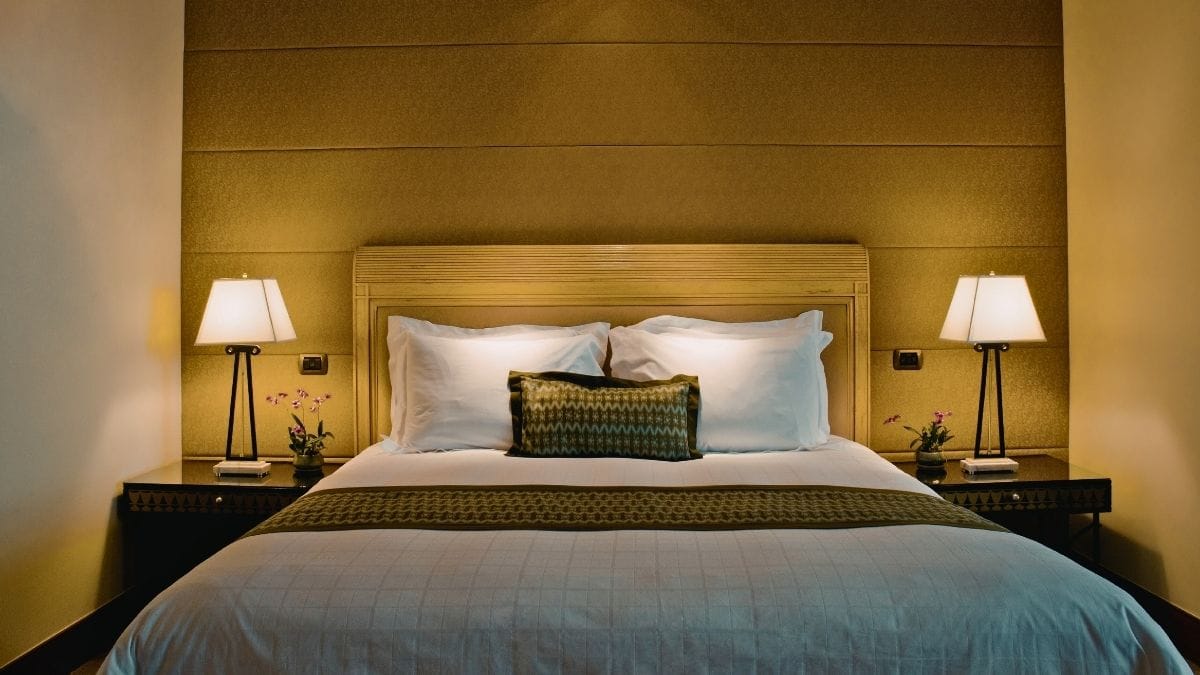
Your room temperature matters more now. Keep it between 60°F and 67°F. Seniors are more sensitive to heat. A warm room wakes you up.
Make your room completely dark. Street lights leak through curtains. Your alarm clock glows. Even small light stops melatonin production. Use blackout curtains or a sleep mask. It works.
Blue light from phones destroys sleep. Your iPad suppresses melatonin for hours. Stop screens at 8 PM if you sleep at 10 PM.
White noise helps. Consistent sound masks the dogs barking at 2 AM. The cars passing at 5 AM. Your brain needs steady, boring sound.
Your mattress should support your joints now. Pressure points hurt more at 70 than at 40. Memory foam helps. So do mattress toppers.
Create a sleep sanctuary tonight. It costs less than you think.
The Timing Strategy That Works for Aging Bodies
Going to bed at the same time every night is the single best thing you can do. Same bedtime. Same wake time. Every day. Weekends too.
Your circadian rhythm needs consistency. Pick 10 PM for bed and 7 AM for waking. Stick to it for two weeks. Your body will adapt.
Get bright light in the morning between 8-10 AM. Go outside. Sit by a window. This tells your brain “daytime starts now.” If you go to bed too early, get bright light in the evening. It keeps you awake longer.
Stop eating three hours before bed. A full stomach fights sleep. Your body should digest before you lie down.
Exercise helps. But not after 6 PM. Morning walks work best. Afternoon swimming is fine. Evening workouts keep you awake.
That afternoon nap ruins everything. If you must nap, limit it to 20 minutes before 2 PM.
What to Do When You Wake Up at 3 AM
You jolt awake. Your mind races. Here’s your exact plan.
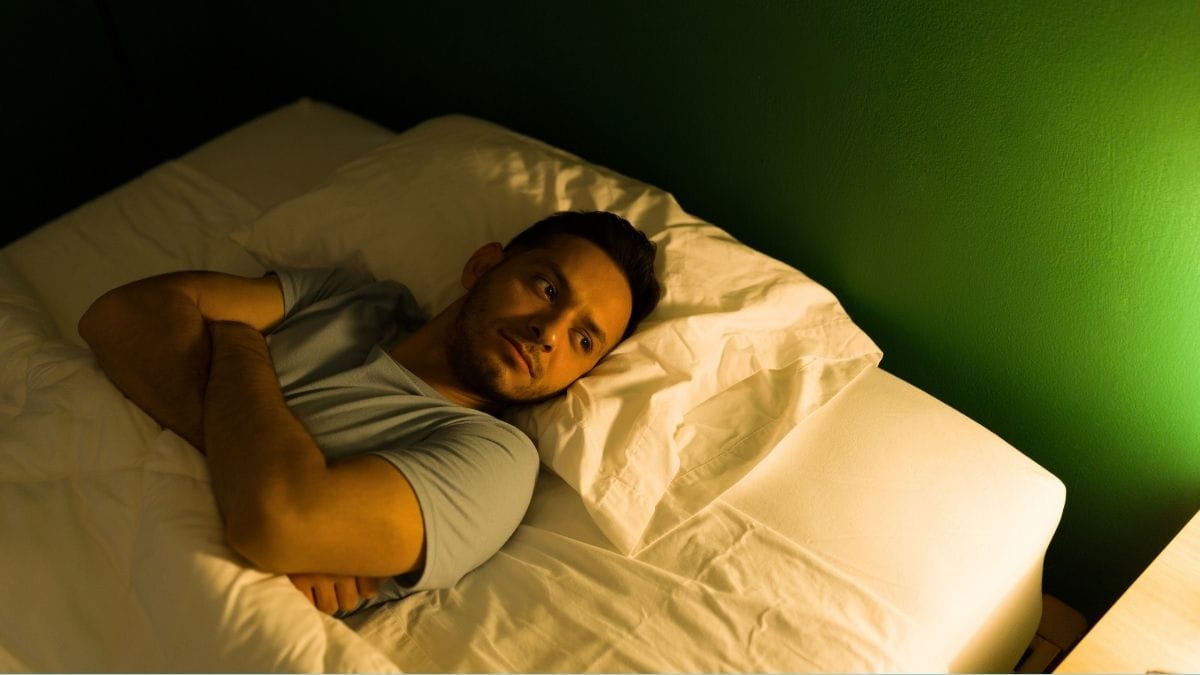
Don’t look at the clock. Seriously. Knowing it’s 3:17 AM makes anxiety worse. Turn your clock away from you.
Try to fall back asleep for 10 minutes. If you can’t, get up. Leave the bedroom. This is the 10-minute rule. It prevents your brain from linking your bed with being awake.
Go to another room. Read a boring book with amber light (not bright white light). Do gentle stretches. Fold laundry. Make it boring on purpose.
Try progressive muscle relaxation. Squeeze your toes tight for 5 seconds. Release. Move to your calves. Your thighs. Your stomach. Work up your body. This calms your nervous system.
Use 4-7-8 breathing. Breathe in for 4 counts. Hold for 7. Breathe out for 8. Repeat four times.
Return to bed only when you feel sleepy. Your eyelids should be heavy.
Cognitive Behavioral Therapy for Insomnia (CBT-I): The Gold Standard
Forget sleeping pills. The most effective insomnia solution doesn’t come in a bottle.
CBT-I is cognitive behavioral therapy for insomnia. It’s the preferred treatment. It works better than medications with fewer side effects. Harvard Medical School confirmed this.
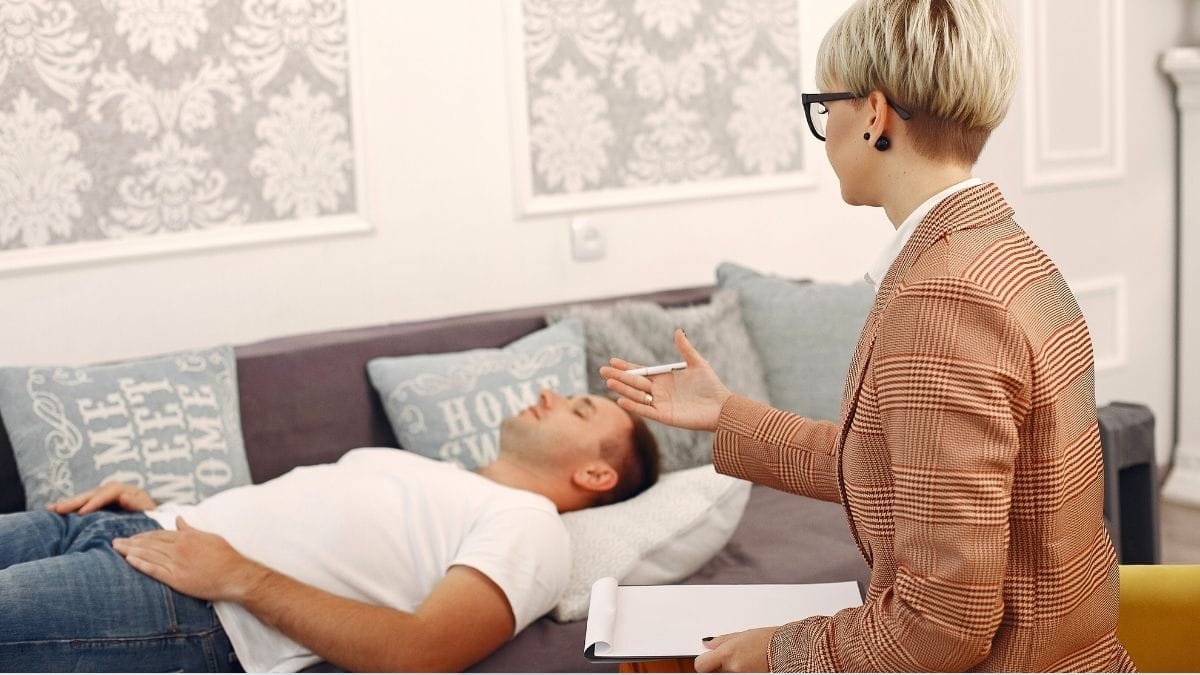
You need 6-8 sessions usually. A therapist teaches you five techniques. Sleep consolidation limits your time in bed. Stimulus control connects bed with sleep only. Cognitive restructuring fixes anxious thoughts about sleep. Sleep hygiene improves your habits. Relaxation techniques calm your body.
Sleep restriction sounds wrong but works. You stay up later to build sleep pressure. Then gradually move bedtime earlier. It retrains your brain.
Medicare Part B covers CBT-I sessions. Your insurance likely covers it too. Online programs exist if you can’t see someone in person. Try Sleepio or CBT-I Coach apps.
Success rates hit 70%. That beats any pill.
Natural Sleep Aids vs. Medications: What Actually Works
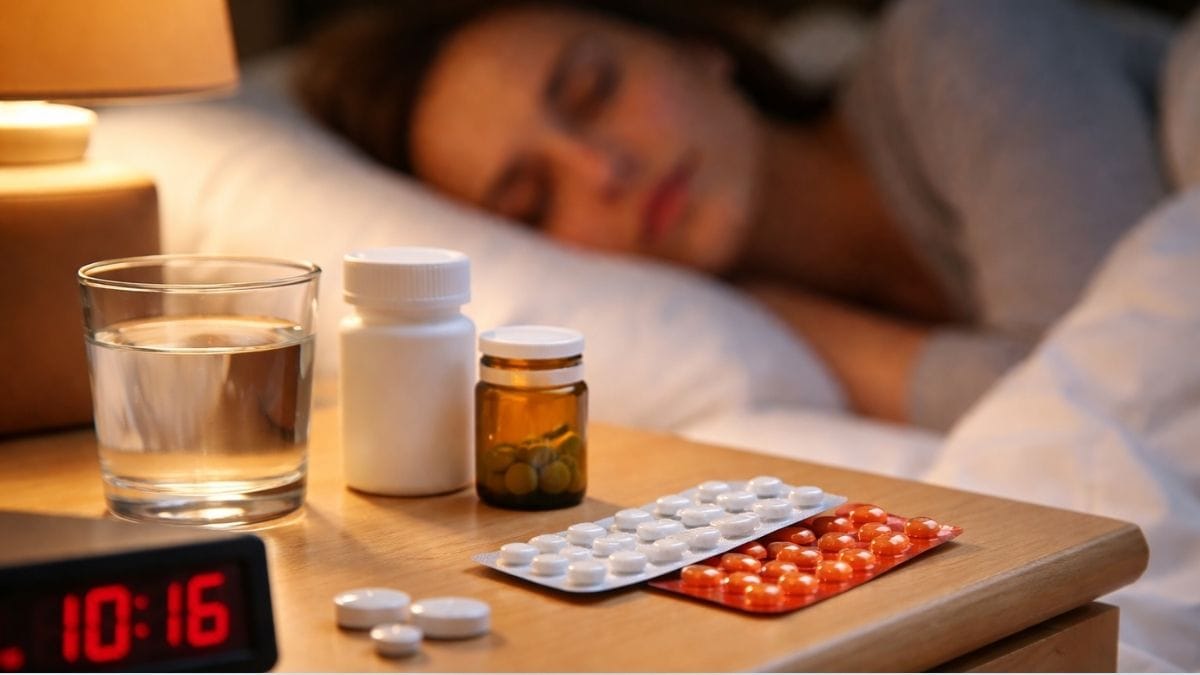
Walk into any pharmacy. You’ll see 50 sleep supplements. Here’s what the research actually says.
Melatonin might help short-term. Use 3mg or less. Don’t take it every night forever. The evidence for long-term use is weak. It’s not a miracle cure.
Magnesium helps your muscles relax. Some people swear by it. The science is mixed. It won’t hurt to try.
Valerian root and chamomile have mild effects. But doses vary wildly between brands. No regulation means you don’t know what you’re getting.
Avoid Benadryl. It causes confusion in seniors. Memory problems. Increased fall risk. Same with other over-the-counter sleep aids.
Prescription pills are worse. Benzodiazepines cause falls. Dependency. Cognitive impairment. Some increase death risk. Yale researchers found over-the-counter and prescription sleep drugs dangerous for seniors.
Short-term medication might work for a crisis. But CBT-I beats pills every time.
The Exercise-Sleep Connection for Ages 65+

Yes, exercise helps sleep. But not as much as CBT-I. And timing matters.
Morning walks work best. 30 minutes of moderate activity. Swimming is great. Tai chi helps some people. But when researchers compared tai chi to CBT-I, CBT-I won.
Exercise in the morning or afternoon. Never within three hours of bedtime. Evening workouts keep you awake. Your body temperature rises. Your heart rate increases. Both fight sleep.
Start small if you’re not active now. Walk 15 minutes. Build up slowly. Your joints need time to adapt.
Chair exercises work for limited mobility. YouTube has free videos. Pool exercises take pressure off knees and hips.
Here’s the catch. For chronic insomnia, exercise takes months to help. It’s not a quick fix. But combined with other strategies, it improves sleep quality over time.
Exercise alone won’t solve severe sleep problems. Use it as part of your plan.
When to See a Doctor (Red Flags You Shouldn’t Ignore)
Most sleep issues improve with lifestyle changes. But these symptoms need medical attention now.
Snoring plus gasping means possible sleep apnea. Your partner hears you stop breathing. You wake up gasping. Get a sleep study. Sleep apnea is dangerous.
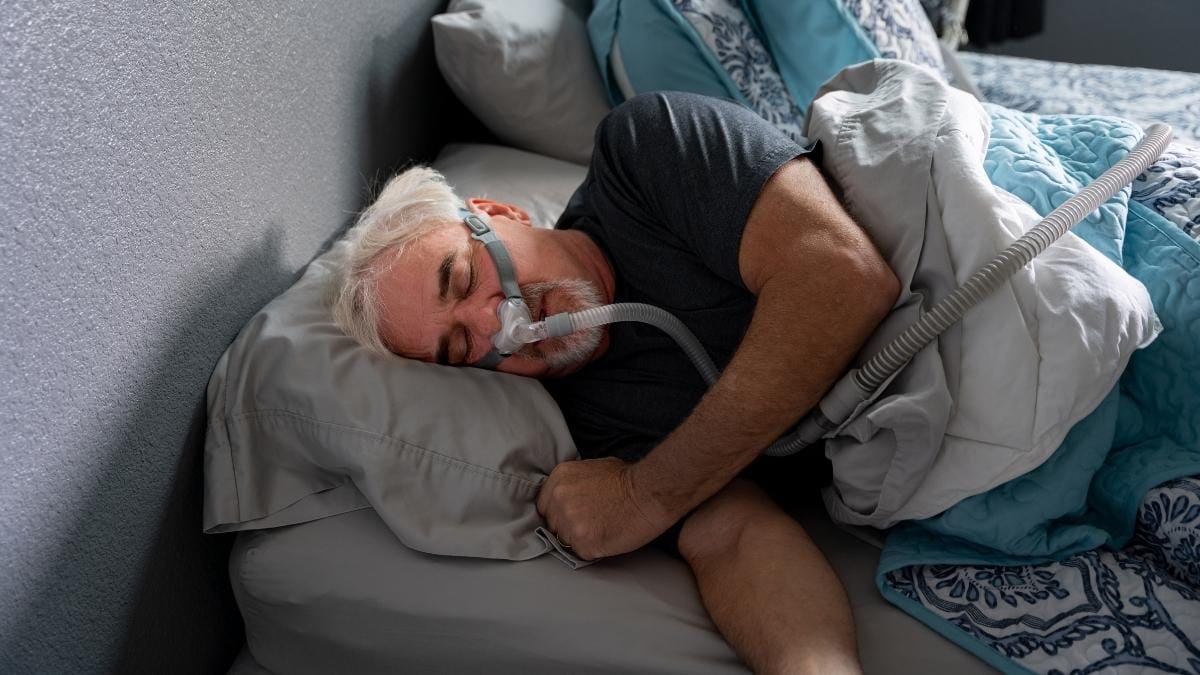
Excessive daytime sleepiness is serious. You fall asleep watching TV. While talking. Driving. This needs evaluation. It’s not just “being tired.”
Restless legs at night might mean low iron. Get your levels checked. This is fixable.
Sleep problems lasting three months or longer need professional help. Don’t wait.
A sleep study (polysomnography) isn’t scary. You sleep in a lab. They monitor your breathing, brain waves, and movements. Medicare covers it. Most insurance does too.
Your doctor will ask about medications, health conditions, and sleep habits. Be honest. They can’t help if they don’t know everything.
Early intervention prevents bigger problems.
The End:
Sleep problems aren’t inevitable with aging. Harvard research proves it. Consistent timing, proper environment, and CBT-I therapy restore energy without medication dependence.
Start tonight. Set a fixed bedtime. Cool your room to 65°F. Commit to the 10-minute rule. Track your improvements for two weeks. Your sleep quality will improve.