
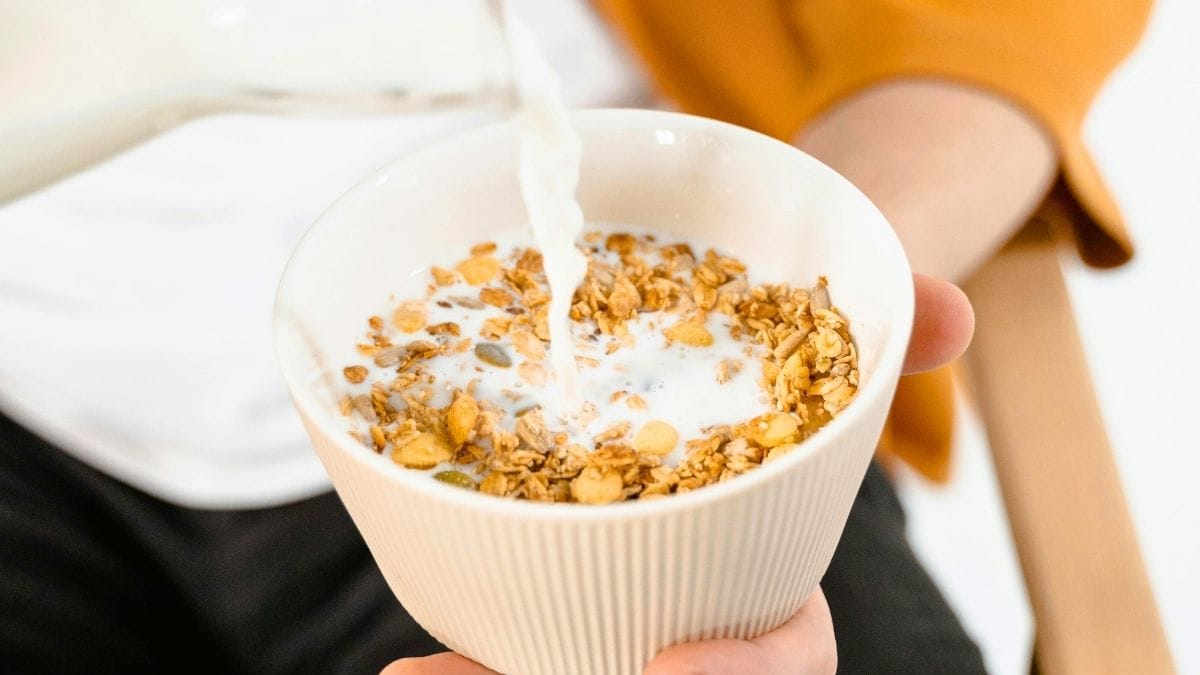
Most people think a longer life comes from luck.
Some believe it depends on genetics.
Others hope medicine will fix everything later.
But what if small food choices made today quietly shape how long—and how well—you live?
What if the biggest difference is not what you avoid, but what you add?
That simple idea sits at the heart of food for longevity.
For over 30 years, Harvard researchers tracked real people, real meals, and real outcomes.
What they found was not dramatic.
It was simple.
And that is what makes it powerful.
What This Harvard Research Really Shows
Before we talk about food, let’s be clear.
This was not a lab experiment.
It was long-term population research.
Researchers followed large groups of adults for decades.
They observed what people ate regularly.
They tracked health, disease, and lifespan.

The results do not promise extra years to everyone.
But they do show a clear pattern:
People who consistently added certain simple foods tended to live longer and age better.
This is how food for longevity works.
Not through magic.
Through habits repeated over time.
Why Most People Miss These Foods
These foods are not trendy.
They are not expensive.
They do not come with bold labels.
That is exactly why people skip them.
Modern diets focus on:
- Convenience
- Protein hype
- Low-carb extremes
Longevity foods are quieter.
But their impact adds up slowly—and deeply.
Food #1: Nuts (Especially Walnuts and Almonds)
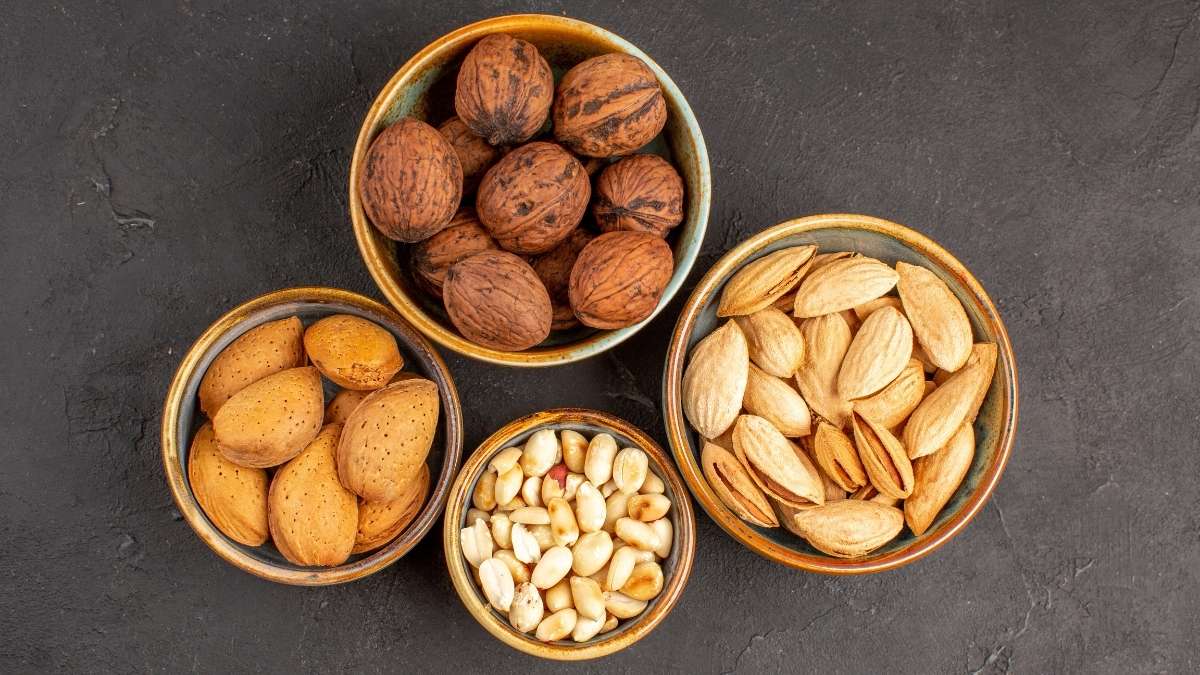
Nuts are small.
Easy to ignore.
Often feared because of fat.
That fear is outdated.
What the Research Observed
People who ate nuts regularly—just a small handful a day—were linked with:
- Lower heart disease risk
- Better metabolic health
- Longer lifespan over decades
This was seen again and again in long-term data.
Why Nuts Support Longevity
Nuts provide:
- Healthy fats that protect the heart
- Fiber that supports gut health
- Plant compounds that reduce inflammation
Inflammation is one of the main drivers of aging.
Nuts quietly lower it.
Why People Skip Them
- Fear of calories
- Belief that fat causes weight gain
- Preference for processed snacks
But longevity is not built on fear.
It is built on balance.
Simple Way to Add Them
- A small handful daily
- As a snack, not coated or sweetened
- No need to overdo it
This is food for longevity in its simplest form.
Food #2: Legumes (Beans, Lentils, Chickpeas)
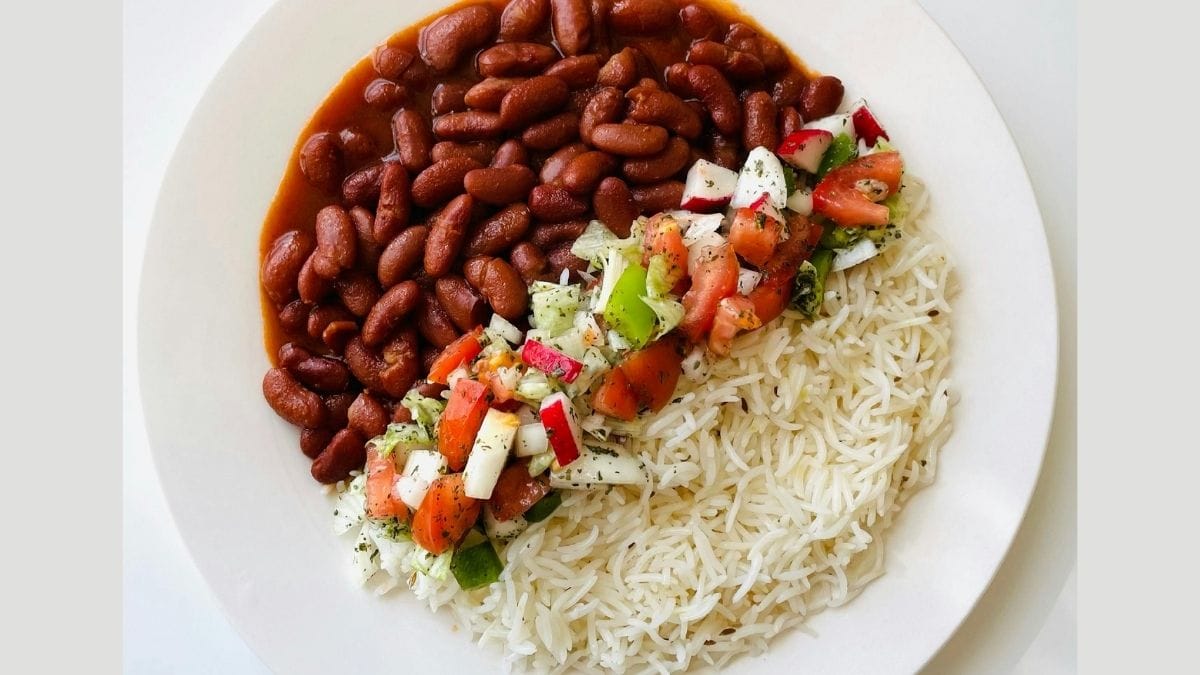
Legumes are among the most studied foods in longevity research.
Yet they are often treated as “poor man’s food.”
That is a mistake.
What the Research Observed
Across cultures, people who ate legumes several times a week:
- Had better heart health
- Showed lower chronic disease rates
- Lived longer on average
This pattern appeared in multiple populations, not just one country.
Why Legumes Matter for Long Life
Legumes:
- Stabilize blood sugar
- Feed healthy gut bacteria
- Provide plant protein without stress on the body
Stable blood sugar slows aging.
A healthy gut supports immunity and brain health.
Why People Skip Them
- They take time to cook
- They are not “exciting”
- They are overshadowed by meat trends
But excitement does not equal longevity.
Simple Way to Add Them
- Lentil soup
- Beans with rice
- Chickpeas in salads
No special diet needed.
Just consistency.
Food #3: Whole Grains (Real Ones, Not Refined)
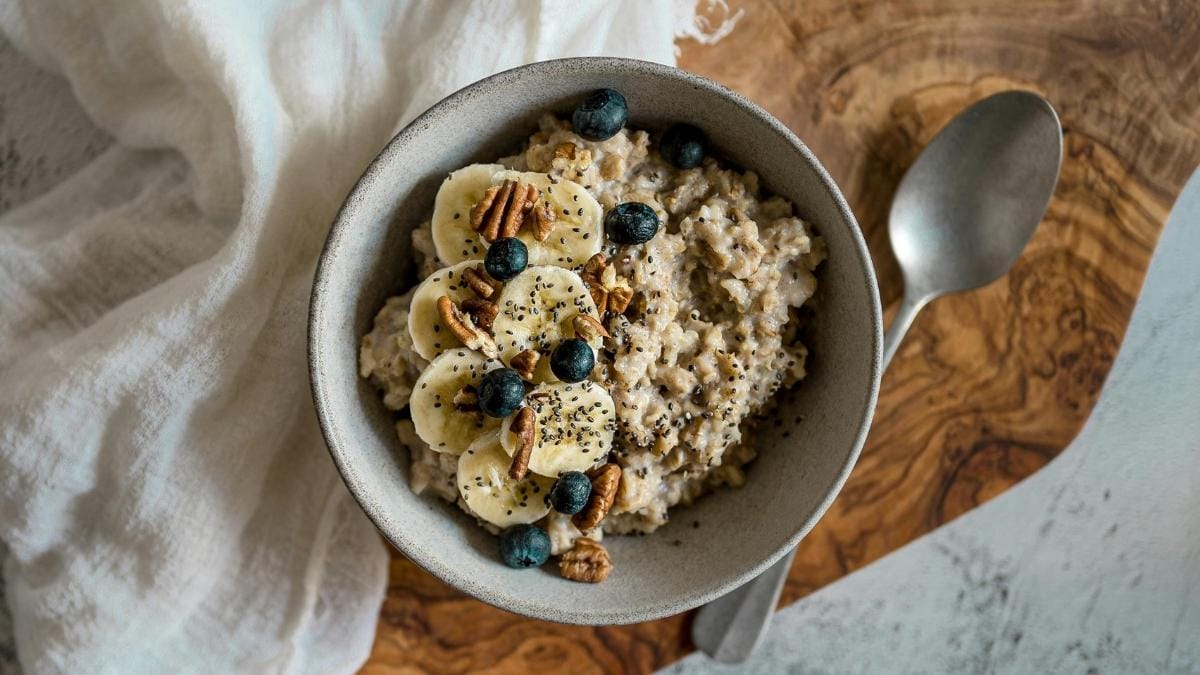
Whole grains have been confused by marketing.
Brown packaging does not always mean healthy.
But real whole grains matter.
What the Research Observed
People who chose whole grains instead of refined grains:
- Had better heart outcomes
- Showed improved digestion
- Were linked with longer life spans
The benefit came from replacement, not addition.
Why Whole Grains Support Longevity
Whole grains:
- Digest slowly
- Keep insulin stable
- Reduce inflammation over time
A body under less stress ages more slowly.
Why People Skip Them
- Confusion over labels
- Fear of carbs
- Preference for refined textures
Longevity carbs are not the enemy.
Poor quality carbs are.
Simple Way to Add Them
- Oats
- Brown rice
- Barley
- Whole grain bread with short ingredient lists
This supports food for longevity without restriction.
Why These Foods Work Better Together
No single food adds years.
Patterns do.
When nuts, legumes, and whole grains appear together:
- Blood sugar stays stable
- Inflammation stays lower
- Nutrients work in balance
This is how long-term benefits appear in population studies.
Not fast.
But lasting.
Why “Up to 10 Extra Years” Does Not Mean a Promise
This is important.
The phrase “up to” reflects an upper range observed in large studies.
It does not mean everyone gains 10 years.
Lifespan depends on:
- Genetics
- Lifestyle
- Stress
- Movement
- Sleep

Food is one powerful piece of the puzzle.
The value of this research is not the number.
It is the direction.
Longevity Is About Adding, Not Restricting
Most diets focus on what to remove.
Longevity research focuses on what to add consistently.
This shift changes everything.
Food for longevity:
- Reduces stress on the body
- Supports systems, not just weight
- Builds health quietly over time
Why This Matters More After Age 40
As the body ages:
- Recovery slows
- Inflammation rises
- Metabolic flexibility decreases
Foods that once felt neutral start to matter more.
That is why simple additions become powerful later in life.
Final Perspective:
These three foods are not secrets.
They are overlooked.
Harvard’s long-term research does not sell miracles.
It shows patterns that repeat across decades.
Longevity grows from:
- Simple foods
- Eaten regularly
- Without obsession
That is the real lesson.
And that is the true role of food for longevity.