

When Mark turned 42, his doctor delivered news he’d been dreading: pre-diabetic, high blood pressure, and a warning that his sedentary lifestyle was a ticking time bomb.
Most people in their 40s think getting healthier means joining an expensive gym or following strict diets they can’t stick to. So they do nothing. And their health gets worse.
Mark made one simple change instead. He started walking 7,000 steps every day. That’s it. No special equipment. No diet plan. Just walking.
Seven years later, his doctor pulled up his medical records for comparison. The changes were remarkable. His blood work looked better than some 30-year-olds. His energy had returned. He’d reversed his pre-diabetes.
Here’s what happened, why 7,000 steps works, and how you can do this too.
The One Habit That Changed Everything
Mark worked a desk job. He sat for nine hours straight most days. His fitness tracker showed he walked about 2,000 steps daily. That’s roughly one mile. The average American does 4,000 to 5,000 steps.

His doctor’s warning scared him. But Mark had tried gyms before. He’d waste money on memberships he never used. Complex workout plans confused him. Strict diets made him miserable.
Walking felt different. He could do it anywhere. No special clothes needed. No driving to a gym. Just put on shoes and go.
He bought a basic fitness tracker for $30. Set a goal: 7,000 steps every day. Not 10,000. Not some crazy number. Just 7,000.
The first two months were rough. Some days he forgot. Other days he felt too tired. Rain became an excuse. Work stress another one.
But something clicked around month three. Walking became part of his day, like brushing his teeth. Research shows 7,000 steps cuts your early death risk by 47%. Mark didn’t know that yet. He just knew he felt better.
What Science Says About 7,000 Steps (Not 10,000)
You’ve heard 10,000 steps is the magic number. That came from a 1960s Japanese marketing campaign.
A company sold pedometers and picked 10,000 because the Japanese character for it looked like a person walking. No science behind it.
Recent research tells a different story. A University of Sydney study analyzed 57 studies covering over 160,000 people. They found 7,000 steps is the sweet spot. Going beyond that helps, but the biggest benefits happen at 7,000.
Here’s what those 7,000 steps do for you:

- 47% lower risk of early death
- 25% lower risk of heart disease
- 38% lower risk of dementia
- 22% lower risk of depression
- 14% lower risk of type 2 diabetes
But there’s a catch. How you get those steps matters. Walking in 10 to 15-minute continuous sessions cuts your heart disease risk by up to two-thirds. Taking 100 steps here and 200 there doesn’t work as well.
The 7,000 target works because it’s achievable. You won’t burn out trying to hit it. And that means you’ll actually stick with it.
The Real Timeline: How Long Habits Actually Take to Form
Stop believing that 21-day myth. You know the one. “Do something for 21 days and it becomes automatic.” That’s not how your brain works.
University of South Australia researchers studied this in 2024. They found the median time for habit formation is 59 to 66 days.
The average? Between 106 and 154 days. And here’s the kicker: some people took just 4 days. Others needed 335 days.
Why such a huge difference? Three main factors speed up or slow down habit formation:
- How often you do it (daily beats three times a week)
- How much you enjoy it (find routes you like)
- Context stability (same time and place helps)
Morning habits form faster than evening ones. When Mark switched his walks to 7 AM, consistency got easier.

What does “automatic” actually feel like? You stop thinking about it. You don’t have internal debates. You don’t need motivation. You just do it, like checking your phone or making coffee.
Mark hit that point around month four. Before that, every day required willpower. After that, skipping felt weird.
Year 1-2: The Foundation Phase (What Actually Happened)
The first two months almost broke Mark. He missed days. Made excuses. Felt like quitting.
Month three changed things. His body started expecting the walks. He’d feel restless without them. The habit was forming.
By month six, his pants fit looser. He’d lost 8 pounds without trying. His wife noticed he had more energy with the kids.

His one-year checkup shocked him. He’d lost 15 pounds total. His blood pressure dropped from 140/90 to 125/80. His resting heart rate went down. The doctor said, “Keep doing whatever you’re doing.”
Year two brought more changes. Sleep improved. He stopped needing afternoon coffee. Stress felt more manageable. The walking gave him time to think, almost like meditation.
His mood stabilized too. Bad days at work didn’t wreck him anymore. The 30-minute morning walk set his whole day right.
The habit was now solid. He’d walk in rain, snow, or heat. Found indoor mall routes for bad weather. Packed walking shoes for trips. It became non-negotiable, like eating or sleeping.
Years 3-5: Compounding Health Benefits
This is where things got interesting. The benefits didn’t plateau. They compounded.
Mark’s cardiovascular system kept improving. His doctor noted his heart was stronger, more efficient. Blood pressure stayed consistently healthy without medication.

His pre-diabetes reversed completely. Year three blood work showed normal hemoglobin A1C levels. The 14% reduction in diabetes risk that comes with 7,000 daily steps had worked. His doctor was impressed.
But the mental benefits surprised him most. His thinking felt sharper. Memory improved.
Research shows physical activity during middle age significantly reduces dementia risk later. Mark was building brain protection.
He could keep up with his teenage kids now. Play basketball without getting winded. Hike on family vacations. His stamina had tripled since 42.

His balance improved too. He didn’t think about this much, but it matters as you age. Falls cause serious injuries in older adults. Mark was preventing future problems.
A study of 720,000 veterans found that adding one healthy behavior at age 40 added 4.5 years to life. Mark was living that research.
Years 6-7: The Transformation Doctors Noticed
At his age 49 physical exam, Mark’s doctor pulled up his records from age 42. She wanted to show him something.
“Your biological age is closer to 40,” she said. “These markers don’t lie.”

His inflammation levels (CRP) had dropped significantly. High inflammation drives heart disease, diabetes, and cancer. Mark’s were now in the low-risk range.
His bone density stayed strong. Most people lose bone mass in their 40s. Walking is weight-bearing exercise. It keeps bones healthy.
His VO2 max (how efficiently your body uses oxygen) had improved. This typically declines 10% per decade after 30. Mark’s was going up.
The doctor asked if he’d tell other patients his story. She saw too many people Mark’s age heading toward medication and disease.
Mark thought about his college friends. At their reunion, many looked older than him. They moved slower. Complained about aches and pains. Took multiple medications.
Research confirms this. People who adopted healthy habits in their 40s and 50s lived 4.5 years longer on average. Mark was seeing it firsthand.
How to Start Your Own 7,000-Step Habit (The Practical Guide)
First, measure where you are now. Download a free step-counting app on your phone. iPhone has Health built in. Android has Google Fit.
Track your normal daily steps for three days. Don’t try to walk more yet. Just see your baseline.
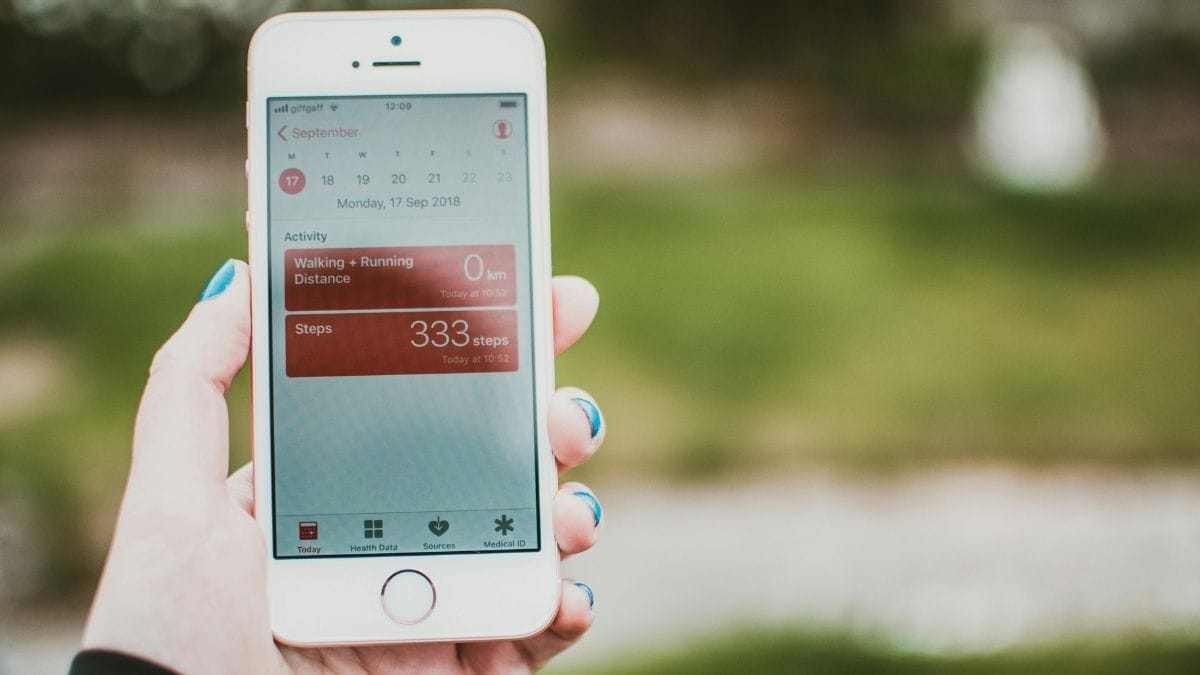
Most people get 2,000 to 4,000 steps. That’s okay. You’re not jumping straight to 7,000.
Week one: Add 500 steps to your baseline. If you normally do 2,500, aim for 3,000. That’s about a 5-minute walk. Do this for seven days.
Week two: Add another 500. Now you’re at 3,500. See the pattern? You’re building slowly.
Keep adding 500 steps each week until you hit 7,000. This takes about eight weeks if you’re starting at 2,500.
Break it into chunks throughout the day:
- 10-minute walk after breakfast (1,000 steps)
- Park farther from your office (500 steps)
- Walk during lunch break (2,000 steps)
- Evening walk with family (3,500 steps)
Equipment needed? Comfortable shoes. That’s it. Your phone tracks steps for free.
Morning walks work best. You’ll actually do them. Evening plans change. Morning routines stick.
Making It Stick: The Psychology of Sustainable Change
Motivation fades. Systems keep you going. Here’s what actually works.
Make it specific. Don’t say “I’ll walk more.” Say “I will walk for 20 minutes at 7:30 AM after my coffee.” When, where, and how. This triples your success rate.
Design your environment. Put your walking shoes by the door. Lay out comfortable clothes the night before. Make it easy to start.
Get someone to walk with you. A friend. Your spouse. Your dog. Social accountability works. You won’t skip when someone’s expecting you.

You will miss days. That’s normal. The rule: never miss twice. One skip is life. Two skips is a new habit forming. Get back out there.
Stop calling yourself “someone trying to walk more.” Start saying “I’m a person who walks daily.” This identity shift changes everything. You’re not attempting a new behavior. You’re being who you are.
Find routes you enjoy. Pretty neighborhoods. Parks. Trails. Walking should feel good, not like punishment.
Progress beats perfection. Some days you’ll only get 4,000 steps. That’s still better than 2,000. Keep going.
Lastly:
Walking 7,000 steps daily transformed Mark’s health over seven years. The science backs this up. Habits take two to three months to form, not 21 days.
Start by measuring your current steps. Add 500 more this week. Track your progress. Small steps lead to big changes.