

You notice it in small ways first.
Some people stay active, sharp, and steady well into their later years. They move with confidence. They think clearly. They live without feeling trapped by constant health struggles.
Many believe this is luck or genetics. But research on long-living populations shows something else. Daily food habits often play a quiet but powerful role in how people age.
The good news is simple. You do not need extreme diets or expensive supplements. Many strong and independent adults after 50 rely on consistent eating habits built around everyday foods.
This guide explains Healthy Aging Foods that support strength, balance, and long-term independence.
Why Food Habits Matter More After 50
After the age of 50, the body begins to change in predictable ways.
Muscle mass slowly declines. Bone strength weakens. The immune system becomes less responsive. Blood sugar also becomes harder to control.
These changes are natural, but they are not fixed. Studies show that daily food choices can slow many age-related changes. The right foods help the body repair tissue, reduce inflammation, and support brain health.
People who age well usually do not follow strict diet plans. They build simple habits and repeat them every day.
Point-1. Fatty Fish – Supports Brain and Muscle Strength
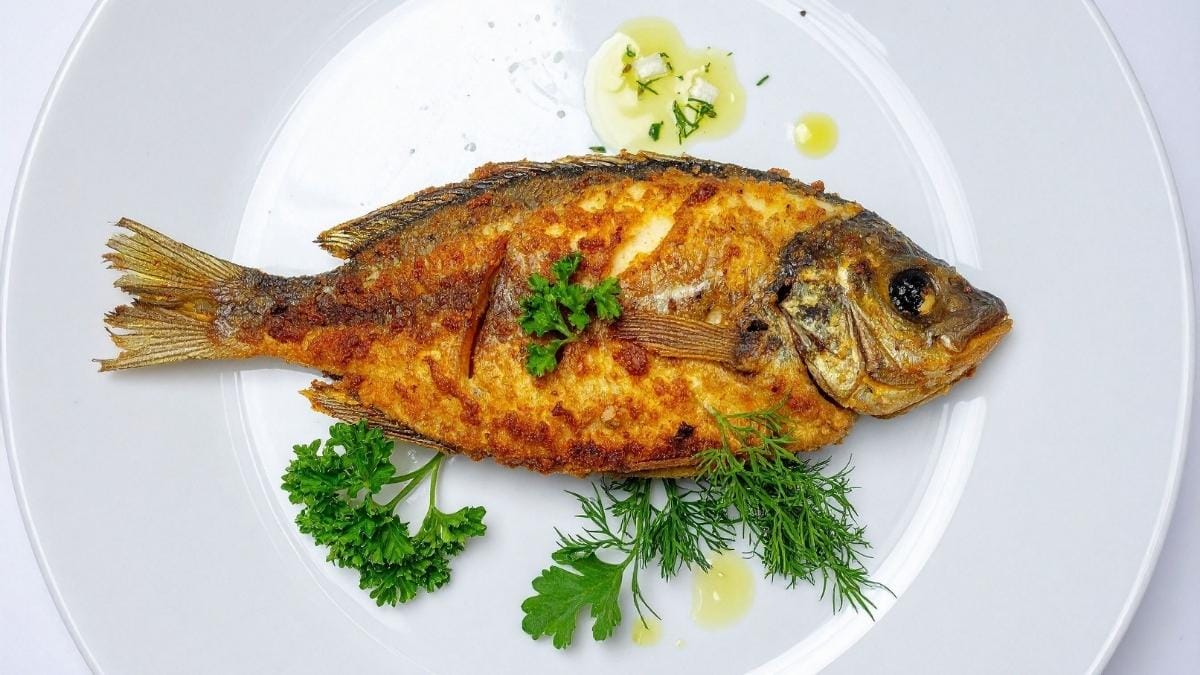
Fatty fish like salmon, sardines, and mackerel provide omega-3 fats. These healthy fats help reduce inflammation and support heart and brain function.
Omega-3 fats also help protect muscle tissue. This is important because muscle loss increases fall risk and reduces independence later in life.
Simple habit:
Eat fatty fish two to three times each week.
Easy meal idea:
Grilled salmon with vegetables or canned sardines on whole-grain toast.
Helpful tip:
Avoid deep frying. Baking or steaming helps preserve nutrients.
Fatty fish remain one of the most reliable Healthy Aging Foods because they support both physical and cognitive strength.
Point-2. Leafy Greens – Protect Blood Flow and Bone Health
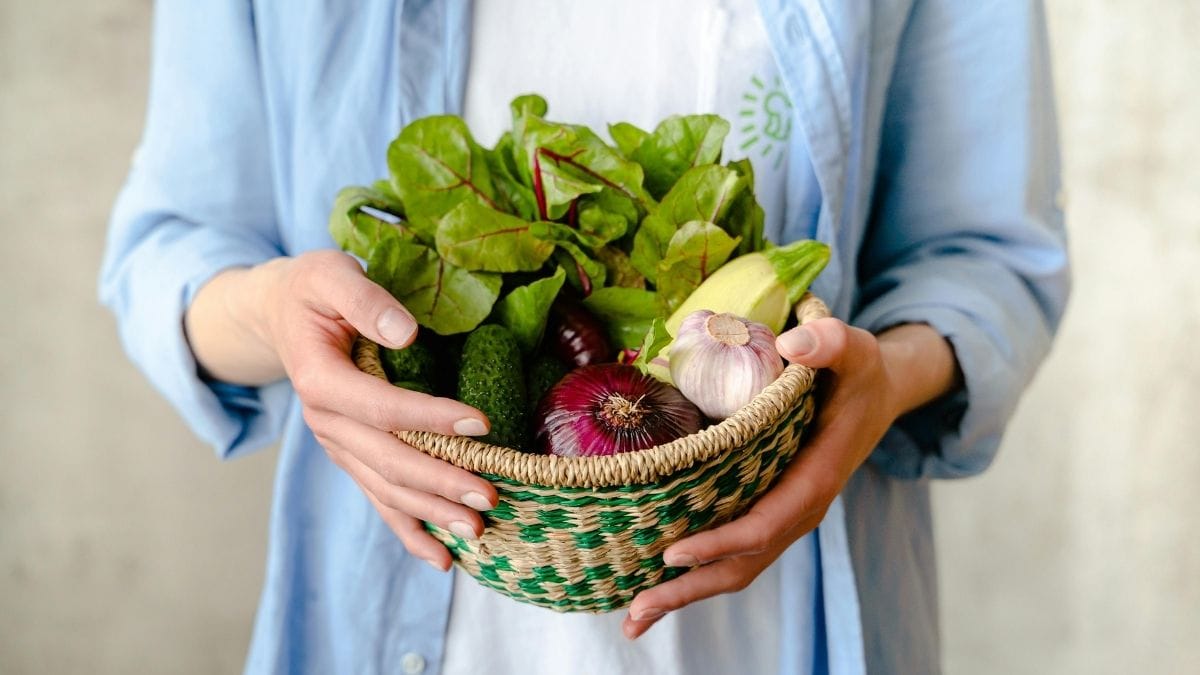
Spinach, kale, and arugula contain vitamins, minerals, and plant compounds that support circulation and bone strength.
These vegetables contain vitamin K and nitrates, which improve blood flow. Good circulation helps deliver oxygen to muscles and the brain.
Simple habit:
Eat at least one handful of leafy greens daily.
Easy meal idea:
Add spinach to eggs or blend kale into a smoothie.
Helpful tip:
Light cooking improves nutrient absorption while keeping flavor mild.
People who include greens daily often maintain better mobility and heart health as they age.
Point-3. Beans and Lentils – Stabilize Energy and Support Gut Health
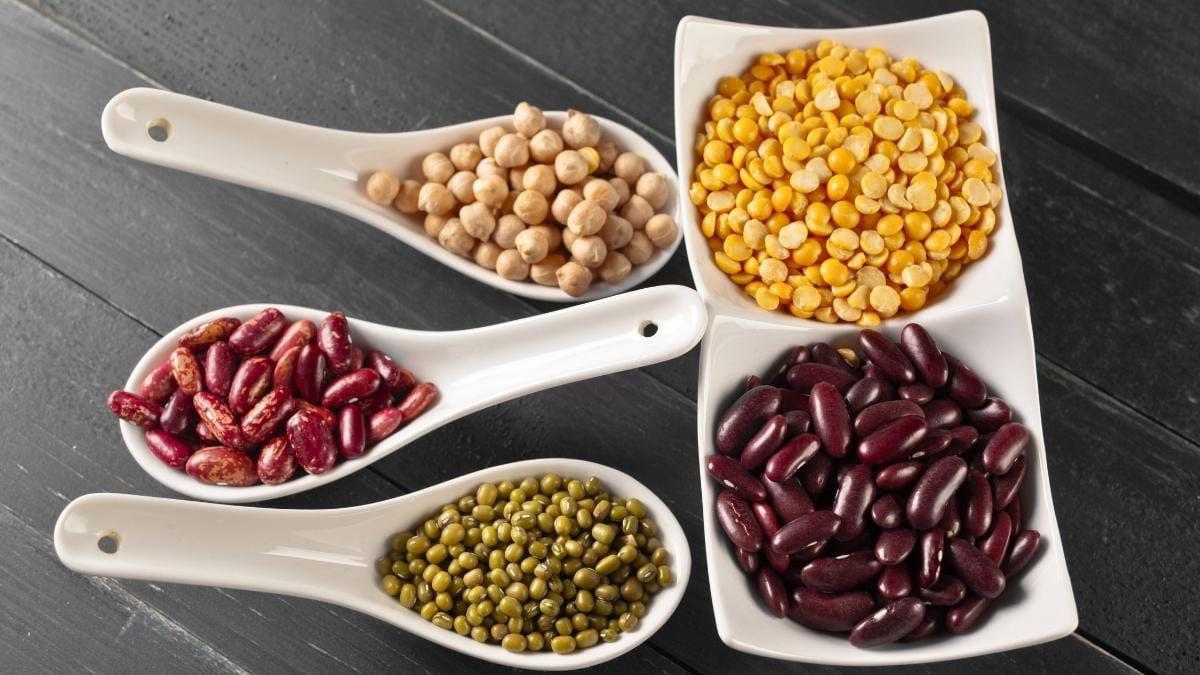
Beans and lentils provide plant protein, fiber, and minerals that help control blood sugar and support digestion.
Stable blood sugar helps maintain steady energy levels. Fiber also supports healthy gut bacteria, which plays a major role in immune health.
Simple habit:
Eat half a cup of beans or lentils most days.
Easy meal idea:
Add lentils to soup or use black beans in salads.
Helpful tip:
If using canned beans, rinse them to reduce salt.
These foods are common in cultures known for longevity, making them essential Healthy Aging Foods for daily meals.
Point-4. Nuts – Provide Steady Energy and Heart Protection
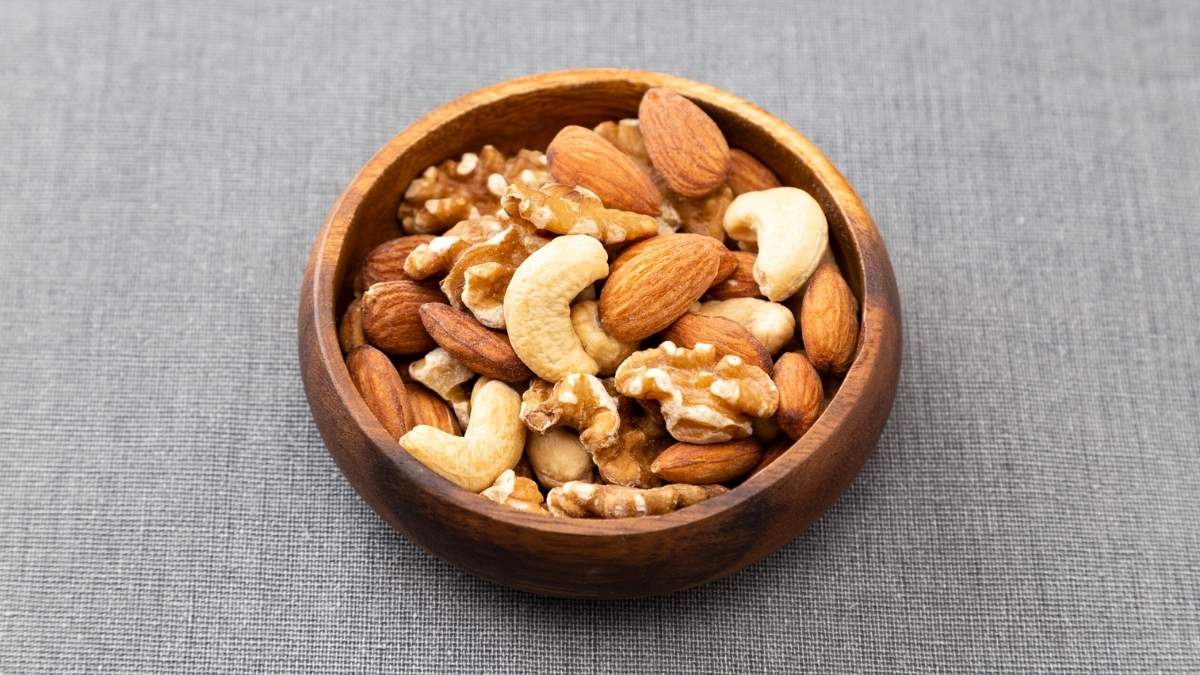
Nuts such as almonds, walnuts, and pistachios contain healthy fats, plant protein, and antioxidants. They help support heart health and reduce inflammation.
Nuts also help control hunger, which supports weight balance over time.
Simple habit:
Eat a small handful of nuts daily.
Easy snack idea:
Carry a small portion of mixed nuts instead of processed snacks.
Helpful tip:
Choose unsalted or lightly roasted options.
Regular nut consumption is linked to lower risk of chronic disease and supports long-term independence.
Point-5. Whole Grains – Support Long-Lasting Energy
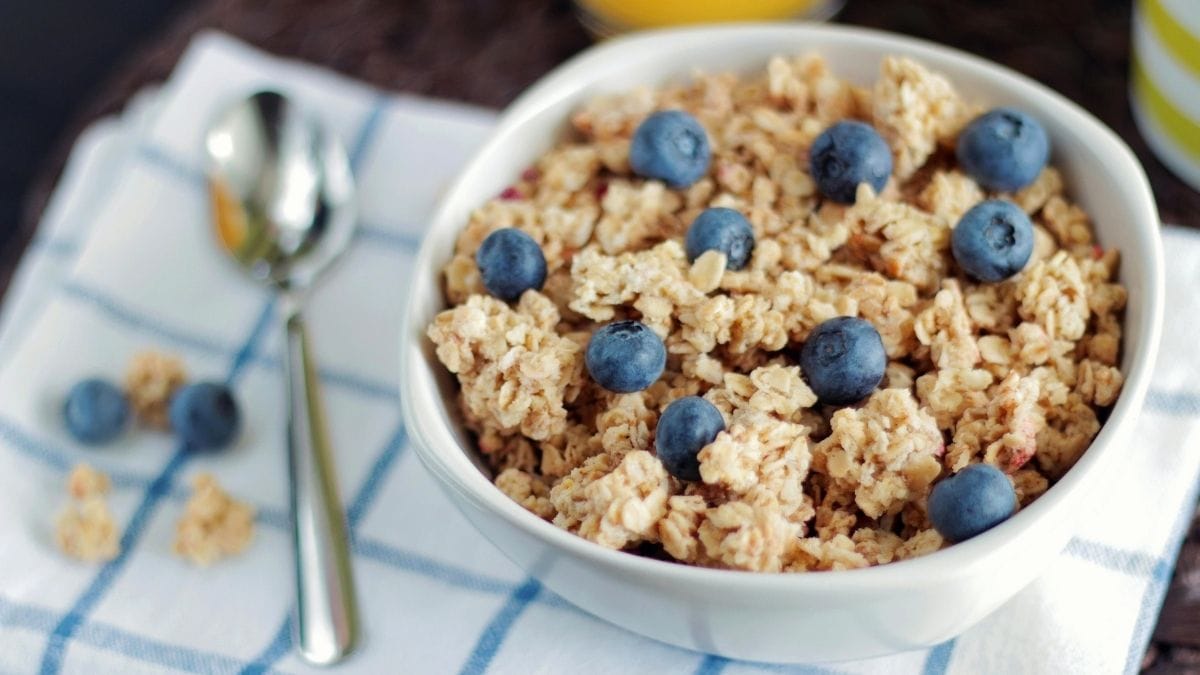
Whole grains such as oats, brown rice, and whole wheat provide slow-digesting carbohydrates. These foods release energy gradually and help prevent blood sugar spikes.
Whole grains also contain fiber that supports gut health and reduces inflammation.
Simple habit:
Replace refined grains with whole grain options.
Easy meal idea:
Start the day with oatmeal or choose brown rice with meals.
Helpful tip:
Check labels and look for “whole grain” as the first ingredient.
Whole grains help maintain steady energy levels, which is essential for active aging.
Point-6. Yogurt and Fermented Foods – Strengthen the Immune System
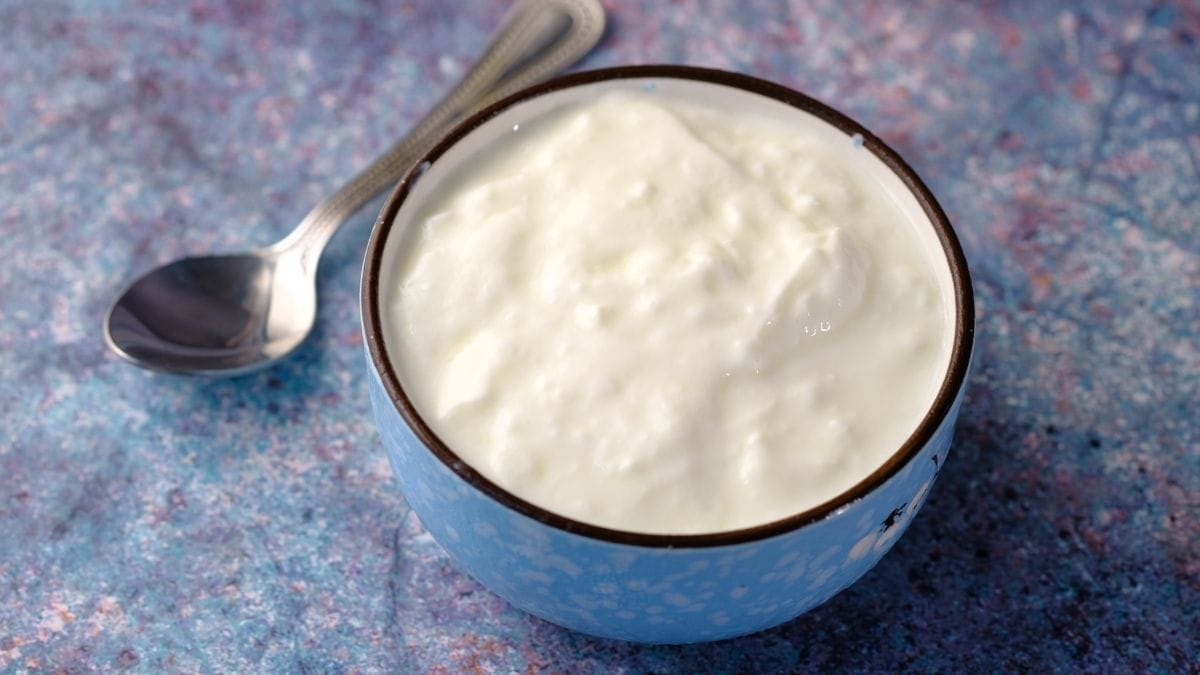
Fermented foods such as yogurt, kefir, and fermented vegetables support healthy gut bacteria. A balanced gut helps digestion, immunity, and inflammation control.
As people age, maintaining a strong immune system becomes more important.
Simple habit:
Include one small portion of fermented food daily.
Easy meal idea:
Plain yogurt with fruit or kefir as a morning drink.
Helpful tip:
Avoid flavored options high in added sugar.
These foods help the body defend against illness and maintain digestive health.
Point-7. Eggs – Support Muscle and Brain Function
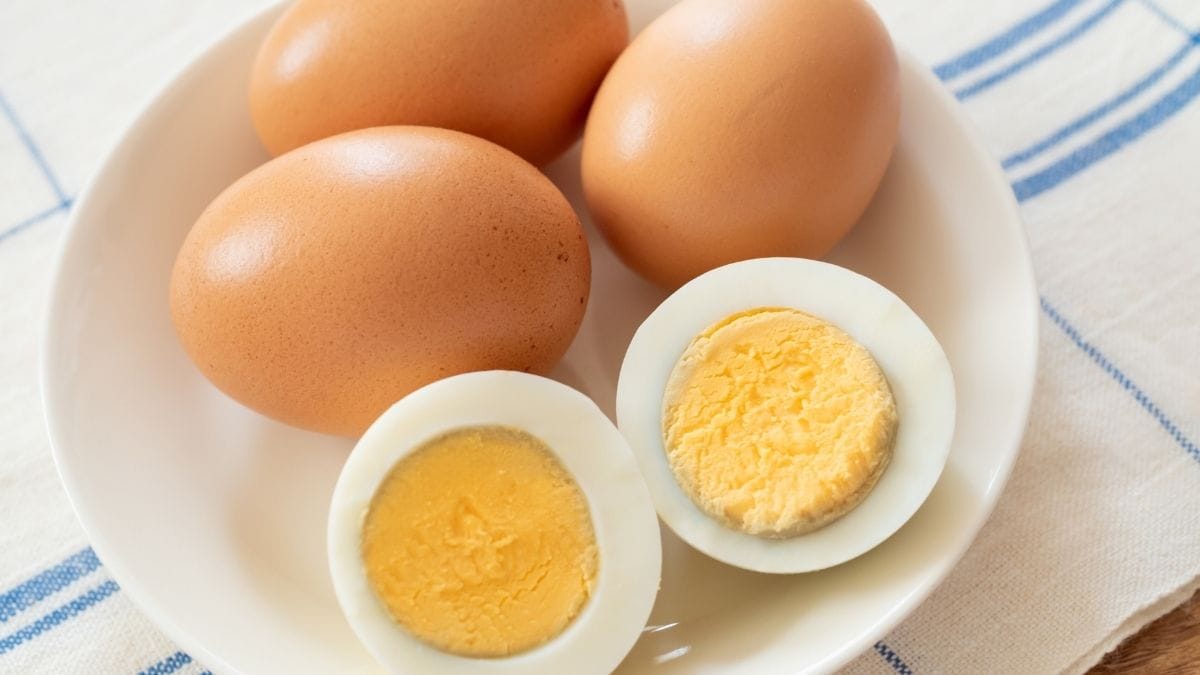
Eggs provide high-quality protein and choline. Protein supports muscle repair, while choline supports memory and brain function.
Many older adults struggle to meet daily protein needs. Eggs provide an affordable and simple solution.
Simple habit:
One egg daily is safe for most healthy adults.
Easy meal idea:
Boiled eggs for breakfast or sliced eggs added to salads.
Helpful tip:
Avoid heavy frying. Boiling or light scrambling keeps meals healthier.
Eggs help preserve strength and mental clarity as the body ages.
Point-8. Berries – Protect Memory and Cell Health
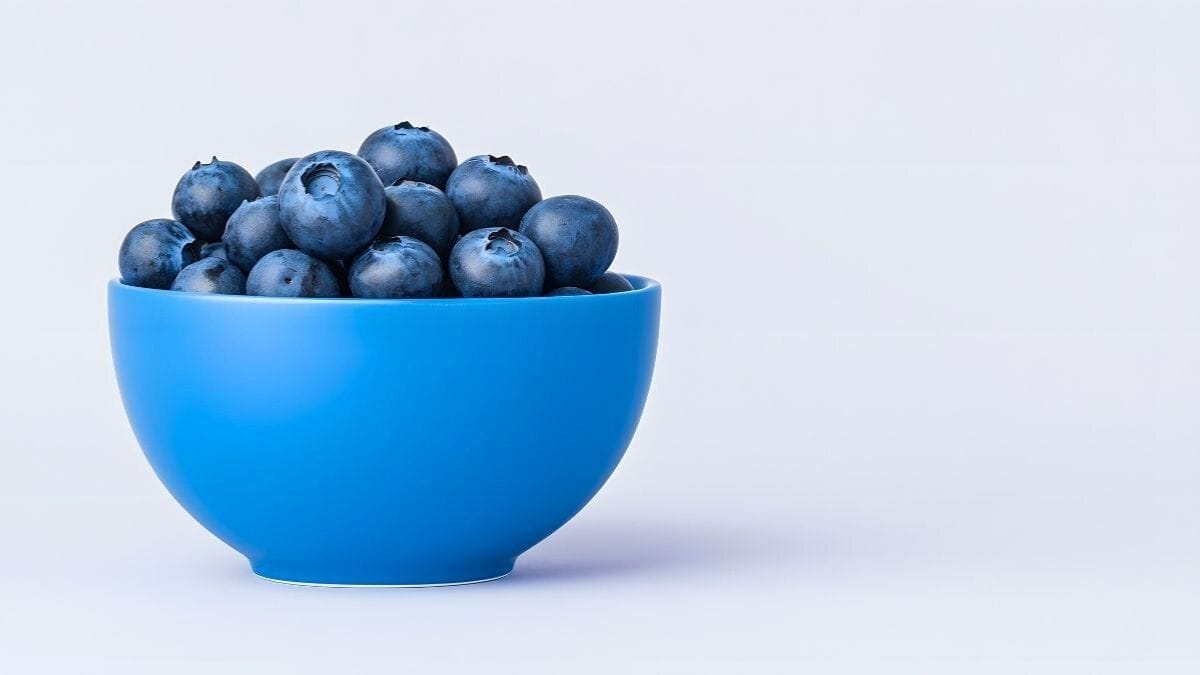
Berries such as blueberries and strawberries contain antioxidants that protect cells from damage. They also support memory and brain health.
Antioxidants help reduce oxidative stress, which is linked to faster aging.
Simple habit:
Eat half a cup of berries several times each week.
Easy meal idea:
Add berries to oatmeal, yogurt, or smoothies.
Helpful tip:
Frozen berries provide the same benefits and are often more affordable.
Berries are among the easiest Healthy Aging Foods to include in daily meals.
The Habit That Matters More Than Any Single Food
Research shows that consistency matters more than perfection.
People who stay strong and independent after 50 usually repeat simple food habits. They focus on balance rather than strict rules. They choose meals that include protein, fiber, and healthy fats.
A simple daily plate can follow this pattern:
- Half plate vegetables and greens
- One quarter protein such as fish, beans, or eggs
- One quarter whole grains
- Small portions of healthy fats and fermented foods
This balanced approach supports muscle strength, brain health, and steady energy.
Small Daily Swaps That Support Healthy Aging

Small changes often produce lasting results. These simple swaps help improve daily nutrition without stress.
- Replace sugary cereal with oatmeal and berries
- Snack on nuts instead of chips or sweets
- Choose olive oil instead of butter
- Add beans to meals instead of processed meats
- Drink yogurt or kefir instead of sugary drinks
These small habits build a strong foundation for long-term health.
A Simple 5-Day Habit Starter Plan
Starting new habits becomes easier with structure.
Day 1:
Oatmeal with berries, lentil soup, grilled fish with vegetables
Day 2:
Yogurt with nuts, brown rice bowl with beans and greens
Day 3:
Eggs with spinach, salmon salad with whole-grain bread
Day 4:
Smoothie with berries and yogurt, bean chili with vegetables
Day 5:
Whole grain toast with sardines, roasted vegetables with lentils
Repeat meals you enjoy. Consistency supports results more than variety.
Safety Note
Food supports overall wellness but does not replace medical care. Anyone with medical conditions or taking medication should consult a healthcare professional before making major diet changes.
Conclusion:
Aging well rarely comes from one special food or strict diet plan. It grows from simple habits repeated over time.
By including Healthy Aging Foods such as fatty fish, greens, beans, nuts, whole grains, fermented foods, eggs, and berries, the body receives steady support for strength and independence.
Start small. Stay consistent. Let daily food habits quietly build a stronger and healthier future.