

You reach for flavored yogurt instead of ice cream. You grab a granola bar instead of candy. You pour orange juice instead of soda. You’re making healthy choices, right? Not so fast.
Many foods marketed as healthy diet foods pack the same sugar and calories as junk food. These misleading health claims leave you confused and sabotage your goals.
Here’s what you’ll learn: which three “healthy” foods are actually hurting you, why doctors warn against them (backed by 2025 research), and what to eat instead.
We’ll expose the hidden sugar in foods you trusted and bust common nutrition myths.
Let’s fix your pantry.
⚠️ 3 “Healthy” Foods That Are Actually Junk
Hidden Sugar Bombs Sabotaging Your Health Goals
<4%
Of flavored yogurts meet healthy sugar guidelines
📊 Daily Added Sugar Limits
One “healthy” food can use up HALF your daily limit!
The 3 Culprits Exposed
⚡ 10-20g added sugar = up to 5 teaspoons per cup!
📈 Nearly TWICE the sugar of plain yogurt
Plain Greek yogurt + fresh berries + honey
⚡ Nature Valley Oats & Dark Chocolate: 17g added sugar
🍪 Same sugar as a chocolate chip cookie!
Bars with <5g added sugar or homemade oat bars
⚡ Same sugar as cola = 8 teaspoons!
📈 5% higher Type 2 diabetes risk per daily serving
Whole fruit or smoothies with fiber intact
⚠️ Health Risks from These “Healthy” Foods
🎯 Your 3-Step Action Plan
Start with ONE swap this week. Small changes add up fast!
Flavored Yogurt: The Sugar-Loaded “Health Food”
You grab that strawberry yogurt thinking you’re being healthy. But check the label. It might have more sugar than a candy bar.

Flavored yogurts look innocent. The package shows fresh fruit and promises probiotics. But here’s what they don’t tell you: flavored yogurt sugar content rivals dessert.
Research shows flavored products have nearly twice the sugar of plain yogurt—about 11.5 grams per 100 grams.
A typical flavored yogurt contains 10 to 20 grams of added sugar per serving. That’s up to 5 teaspoons of sugar in one cup.
The American Heart Association says women should limit added sugar to 25 grams daily. Men get 36 grams. One yogurt could eat up half your daily limit before lunch.
Here’s the difference that matters. Most fruit yogurts pack 26 grams of total sugar. Plain yogurt? Just 8 grams—all from natural lactose, not added sweeteners.
Some flavored varieties contain up to 22 grams of carbs per 100 grams, with 15 grams from added sugar alone.
This hidden sugar in yogurt causes real problems. It spikes your blood sugar. It leads to weight gain. It increases your heart disease risk.
And you’re eating it every morning thinking you’re making a smart choice.
Less than 4% of flavored yogurts meet healthy sugar guidelines. That’s terrible odds.
The fix is simple. Buy plain Greek yogurt and add your own fruit.
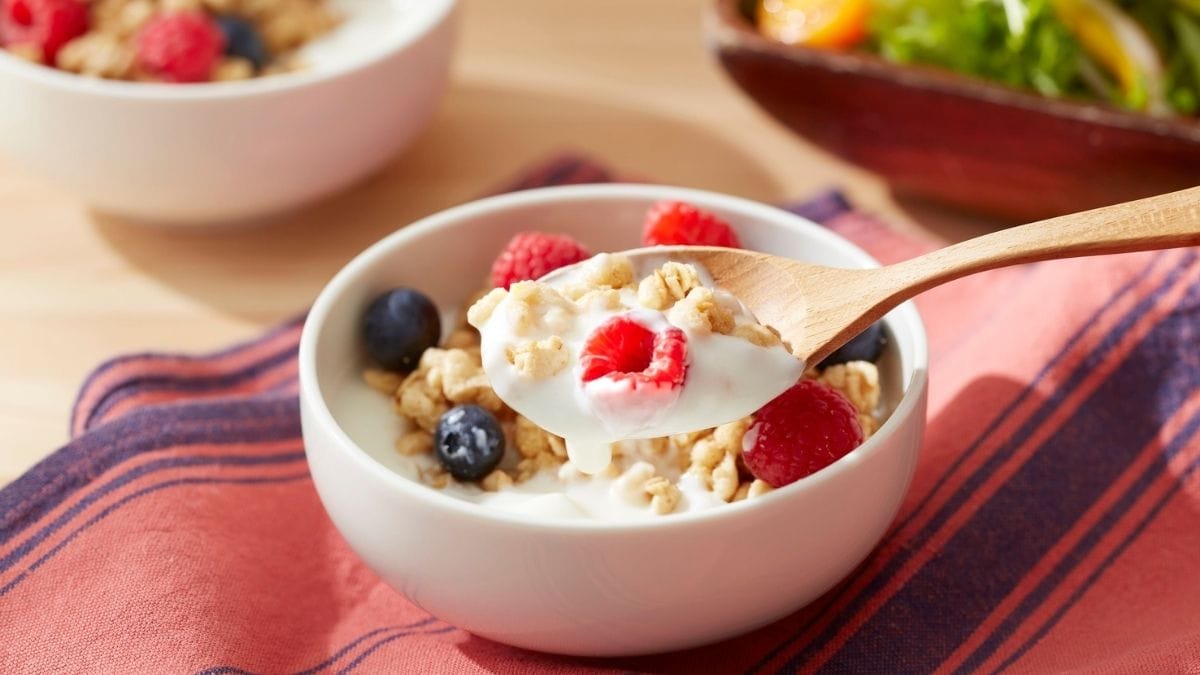
Throw in some berries, a drizzle of honey, or chopped nuts. You control the sweetness. You get the protein and probiotics without the sugar bomb.
This is one of the best healthy yogurt alternatives that actually works.
Your morning just got healthier.
Granola Bars: Candy Bars in Disguise
You toss a granola bar in your bag for a quick snack. It feels healthy. But most granola bars are just candy bars pretending to be nutritious.
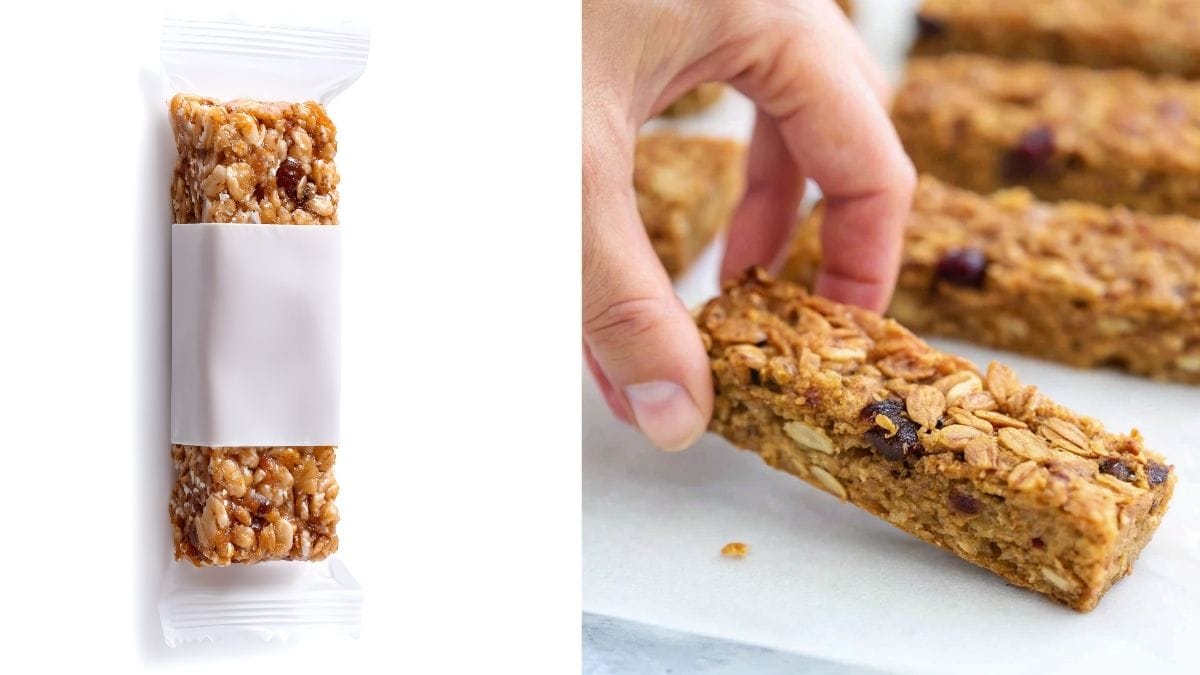
We’ve trusted granola bars for decades. The packaging shows oats and honey. It promises energy and wholesome ingredients. But the granola bar sugar content tells a different story.
Most granola bars pack 100 to 300 calories and up to 15 grams of sugar per serving. That’s mostly added sugar, not natural sweetness.
Commercial brands typically contain 8 to 12 grams of added sugar in one tiny bar—nearly half the daily limit for women.
Take Nature Valley Oats and Dark Chocolate Protein Granola. One serving has 17 grams of added sugar.
Nature Valley Oats ‘n Honey Crunchy Granola Bars? More than double the recommended sugar limit. You might as well eat a chocolate chip cookie.

The problems run deeper than sugar. These processed snack foods use cheap palm oil or hydrogenated oils that cause inflammation.
They’re loaded with emulsifiers, synthetic preservatives like BHT and BHA, and artificial flavors. The oats and rice crisps are so processed they spike your blood sugar fast.
Dr. Melissa Chen, an endocrinologist, sees this all the time. Her patients eat granola bars thinking they’re healthy. Then they wonder why they can’t lose weight or control their blood sugar.
Here’s what works better as healthy snack alternatives: bars with under 5 grams of added sugar. Check the ingredients.
Sugar shouldn’t be in the first three. Or skip the store entirely. Make your own with oats, nuts, dates, and nut butter. Real whole food snacks that actually fuel your body.
Fruit Juice: Nature’s Sugar Water
You pour orange juice for breakfast thinking it’s healthy. It says “100% fruit” on the label. But fruit juice sugar content matches soda almost exactly.
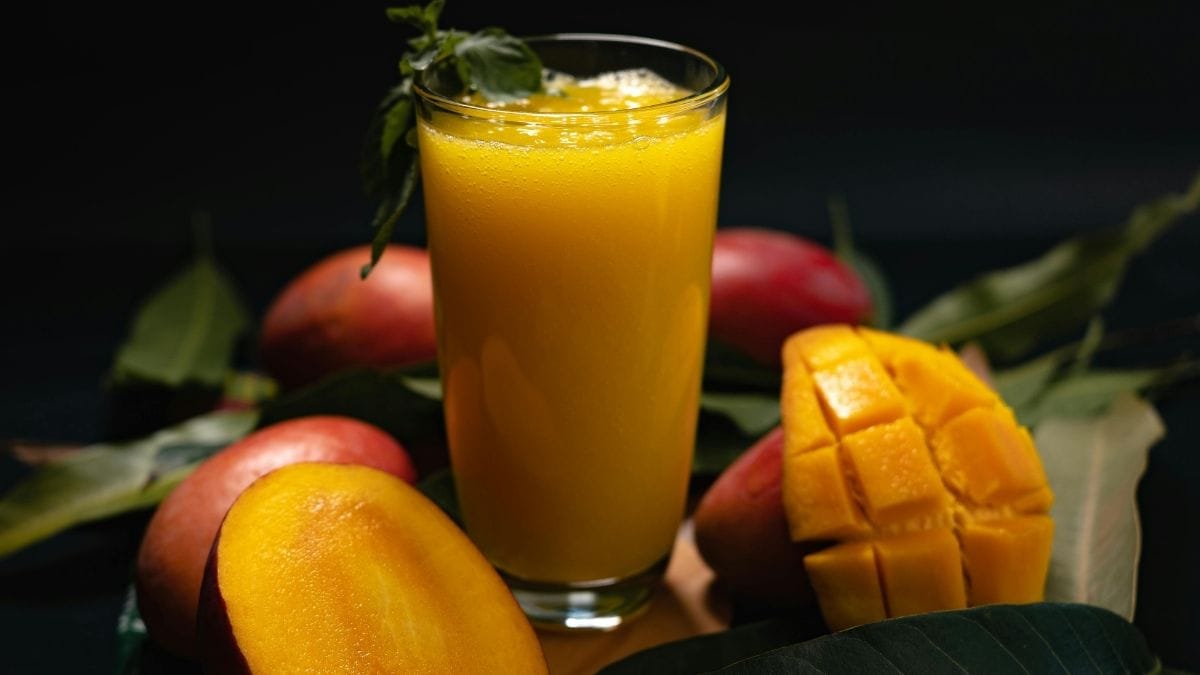
Here’s the truth about whole fruit vs juice. When you juice an apple, you remove all the fiber.
What’s left? Sugar water that hits your body like soda. Parents give kids juice every day, believing it’s nutritious. It’s one of the biggest natural sugar myths out there.
An eight-ounce glass of juice contains about 30 grams of sugar. That’s the same as cola—nearly eight teaspoons of sugar.
The World Health Organization classifies juice sugar as “free sugars,” identical to soda. Your body can’t tell the difference.
The 2025 research is alarming. Brigham Young University found that each 8-ounce serving of fruit juice daily increases your Type 2 diabetes risk by 5%.
Another study showed each 226ml serving raises diabetes risk by 5%, while sugary drinks increase it by 25%.
Why is juice worse than eating fruit? Juice delivers isolated sugars without fiber. This creates a bigger blood sugar spike that overwhelms your liver, increases liver fat, and causes insulin resistance.
You wouldn’t eat three apples in five minutes. But you’ll drink that much juice without thinking.
Researchers say fruit juice is a poor substitute for whole fruits. Fiber slows sugar absorption and regulates blood glucose.
The American Academy of Pediatrics recommends no juice before age one, and only 4 to 6 ounces daily for young kids.
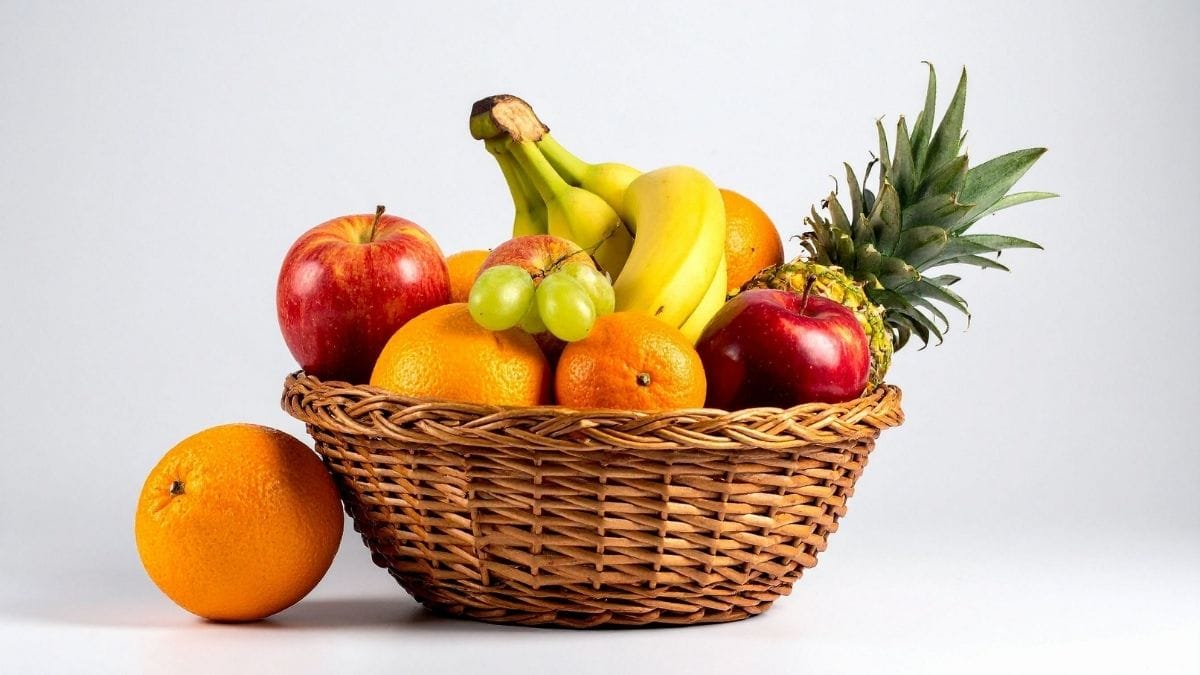
Better healthy beverage choices: Eat whole fruit instead. Make smoothies with whole fruits to keep the fiber. Drink water with lemon or fruit slices.
Only 12% of adults eat enough fruit daily. Be one of them—just eat it whole.
Lastly:
Now you know the truth. Flavored yogurt hides sugar. Granola bars are candy in disguise. Fruit juice is liquid sugar without fiber.
More than 100 studies link ultra-processed foods to Type 2 diabetes, obesity, heart disease, and depression. Reading labels matters.
Start with one swap this week. Buy plain yogurt and add berries. Grab nuts instead of granola bars. Eat whole fruit, not juice.
Making informed choices about healthy diet foods means looking past the marketing to see what you’re actually eating.
Small changes add up fast.