Most people do not fail at eating well because they lack discipline. They fail because life gets crowded. Work runs late. Kids get hungry. Energy dips by evening.
In those moments, good intentions collapse into convenience food. That is why healthy meal prep matters. Not as a trend, but as a quiet support system for real life.
Eating well is not about heroic cooking sessions or perfect containers lined up on Sunday night. It is about making the next few days slightly easier on your future self.
That small shift changes how you age, how steady your energy feels, and how present you are with family.
Why this matters more than recipes
Most people think meal prep is about saving time. It is, but that is not the main benefit. The real value is decision relief. When food is already partly prepared, you do not negotiate with yourself when you are tired. You simply eat.
This reduces stress, stabilizes blood sugar, and lowers reliance on ultra-processed foods that sneak in during busy weeks. Over months and years, that pattern shapes health far more than any single “clean eating” phase.
The mistake many people make is going all-in. They cook five full meals, get bored by Wednesday, and quit. Sustainable prep is lighter. Flexible. Designed for real weeks, not ideal ones.
Below are nine ideas built around that reality.
1. Prep ingredients, not full meals
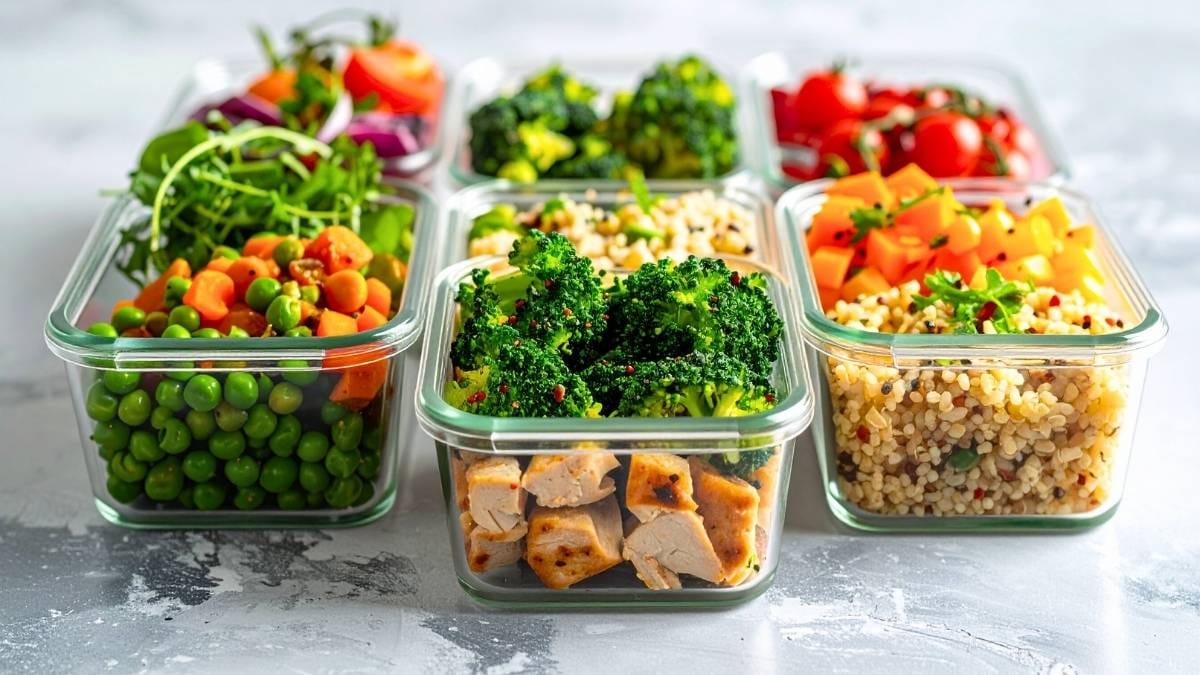
Cooking entire meals locks you into decisions you made days earlier. Prepping ingredients keeps options open. Roast a tray of vegetables. Wash and chop greens. Cook a pot of grains. During the week, those pieces become bowls, wraps, or quick sides.
This approach respects changing moods and schedules.
2. Use one “anchor” protein
Choose one protein to cook in bulk: lentils, beans, chicken, eggs, or tofu. Keep the seasoning neutral. During the week, change the flavor with herbs, sauces, or simple spices.
This saves time without creating food fatigue.
3. Rely on repeat breakfasts
Breakfast does not need variety to be nourishing. A rotating pair works well. For example: yogurt with fruit one week, eggs and toast the next. Familiar meals reduce mental load and support steady mornings.
Consistency here frees energy for the rest of the day.
4. Wash fruit the day you buy it
This sounds small, but it changes behavior. Clean fruit gets eaten. Unwashed fruit waits. A bowl of ready fruit on the counter becomes the default snack, especially for kids.
Good habits often start with visibility.
5. Keep a “fast dinner” formula
Not a recipe. A formula. Protein + vegetable + starch + fat. When those components are ready, dinner takes ten minutes. This prevents last-minute takeout when everyone is tired and hungry.
It also makes shared meals more likely, which matters for long-term health.
6. Cook once, eat twice
When you do cook, cook a little extra. Tonight’s roasted vegetables become tomorrow’s lunch salad. Extra rice turns into a quick stir-fry. This is not leftovers. It is planned reuse.
Cultures around the world have done this for generations.
7. Store food where you see it
Healthy food hidden in the back of the fridge might as well not exist. Place prepped items at eye level. Put less nourishing options lower or further back.
Environment shapes choices more than willpower.
8. Accept imperfect weeks
Some weeks will break the plan. Meetings run long. Energy drops. That does not mean the system failed. It means life happened. Return to simple prep the next time you shop.
Long-term habits survive because they forgive interruptions.
9. Choose ease over ideals
You do not need organic everything or perfect macros. Frozen vegetables count. Canned beans count. Simple meals count. The goal is not purity. It is repeatability.
This is where most people go wrong. They aim too high and burn out.
Bringing it together
Healthy eating that lasts looks quiet from the outside. It is built on small preparations, familiar meals, and kind expectations of yourself. When food supports your week instead of complicating it, you eat better without thinking about it.
That is the real power of healthy meal prep. Not control. Support.
Over time, these small systems protect energy, steady mood, and make health feel less like a project and more like a natural outcome of how you live. That is the kind of habit that stays with you, year after year, without asking for all of your Sundays.