
“Your doctor tells you to eat better. But science now shows that food doesn’t just feed your body — it talks to your genes.”
Most people over 60 think their health is already decided. They believe family history runs the show. They’ve been told to manage their conditions, not slow them down.
That’s not the full story.
What you eat after 60 can change how your genes behave. It can lower your biological age. It can reduce your risk of serious disease. You’re going to learn exactly what the science says — and what to do about it starting tomorrow.
What Does “Food Affects Your Genes” Actually Mean?
There are two kinds of aging happening right now in your body. The first is your chronological age — your birthday. The second is your biological age — how your cells actually work. Food changes the second one.
Scientists call this field nutrigenomics. It studies how diet changes which genes turn on and which turn off. Think of it like a light switch. Food doesn’t rewrite your DNA. It just controls which parts of it are active.
Your DNA is not your fate. Bioactive compounds in food — found in vegetables, fish, berries, and olive oil — can directly influence how your genes express themselves. This is real, published science. Not a wellness trend.
Researchers also use something called an epigenetic clock to measure biological age. Studies show this clock can run slower — or even backward — with the right lifestyle choices. By 2050, over 2.1 billion people will be over 60. The question is no longer how long you live. It’s how well you live.
Now that you know food talks to your genes, let’s look at the single biggest enemy of healthy aging.
The Silent Fire Burning Inside Your Body After 60
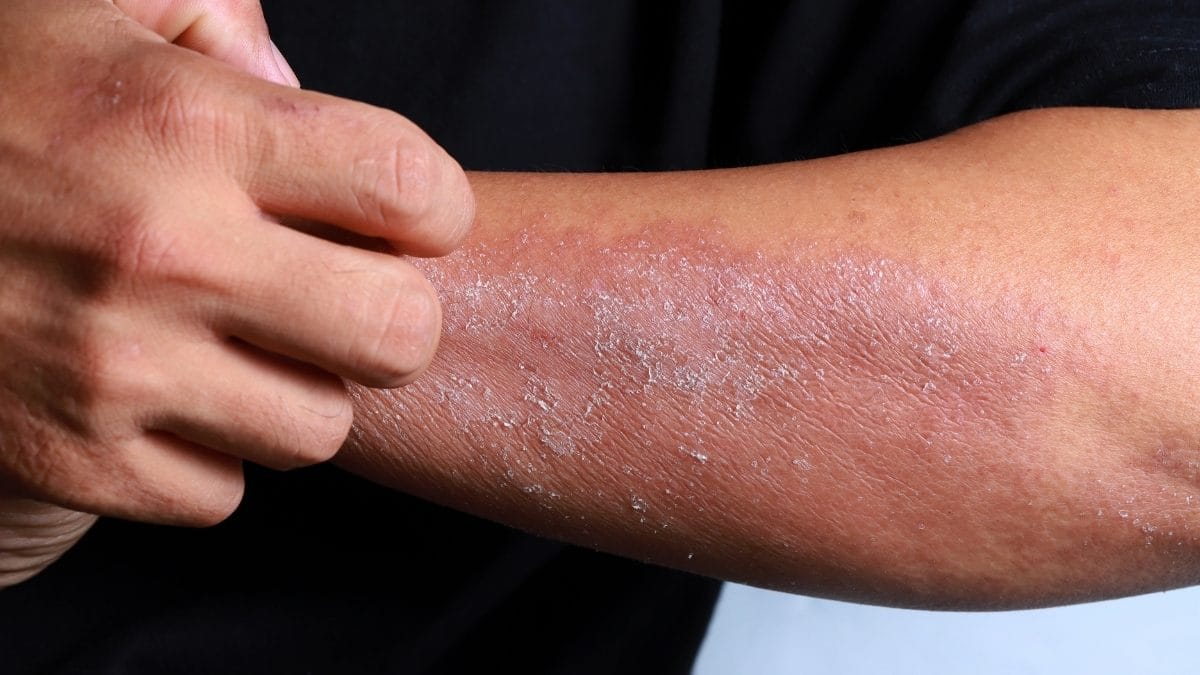
There’s a word scientists use for what’s quietly happening in older bodies: inflammaging. It’s a mix of “inflammation” and “aging.” And it’s one of the most important things you can know about your health right now.
You can’t feel it. There’s no pain signal. But research shows older adults have inflammatory markers 2 to 4 times higher than younger people. Over time, this damages blood vessels, brain cells, joints, and mood.
Inflammaging is connected to arthritis, heart disease, type 2 diabetes, cognitive decline, and certain cancers.

That’s a serious list. But here’s the good news — your diet is one of the most powerful tools to fight it.
Pro-inflammatory foods make things worse: fried food, soda, white bread, packaged snacks, processed meat. Anti-inflammatory foods fight back: fatty fish, leafy greens, berries, turmeric, and extra virgin olive oil.
The Mediterranean diet is the most studied eating pattern for inflammation.
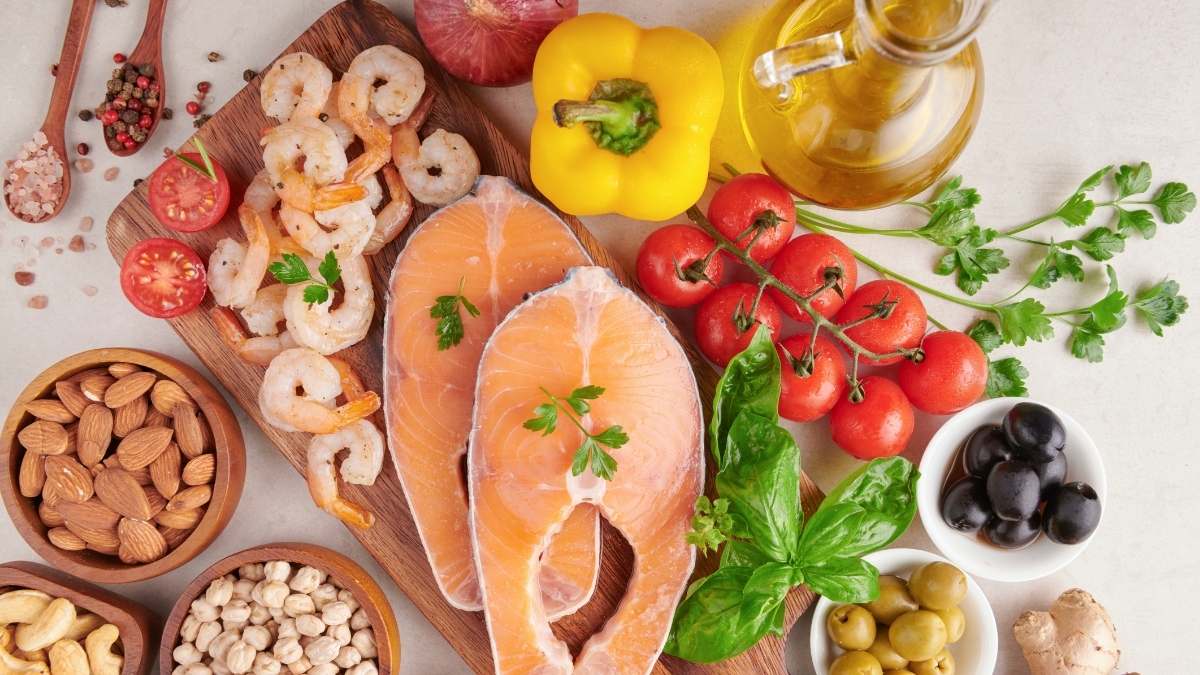
It consistently shows strong antioxidant protection, lower inflammation, and reduced cancer risk markers. This isn’t opinion. This is decades of research.
Now let’s talk about the trillions of organisms inside you that also control how you age.
Your Gut After 60 Is Changing — Here’s What to Feed It

If inflammaging is the fire, your gut microbiome is either the fire department or the fuel. It depends entirely on what you eat.
As you age, the diversity of bacteria in your gut drops. Less diversity means weaker immune response, more inflammation, and slower recovery. Research from multiple countries confirms this pattern — it’s consistent across cultures and genetic backgrounds.
Here’s something remarkable. People who live past 100 have a different gut profile than most people. They tend to have more of two specific types of beneficial bacteria: Christensenellaceae and Akkermansia. And their diets are rich in fiber, fermented foods, and plants.
You can feed your gut the right way starting today. Eat fermented foods like yogurt with live cultures, kefir, and kimchi.
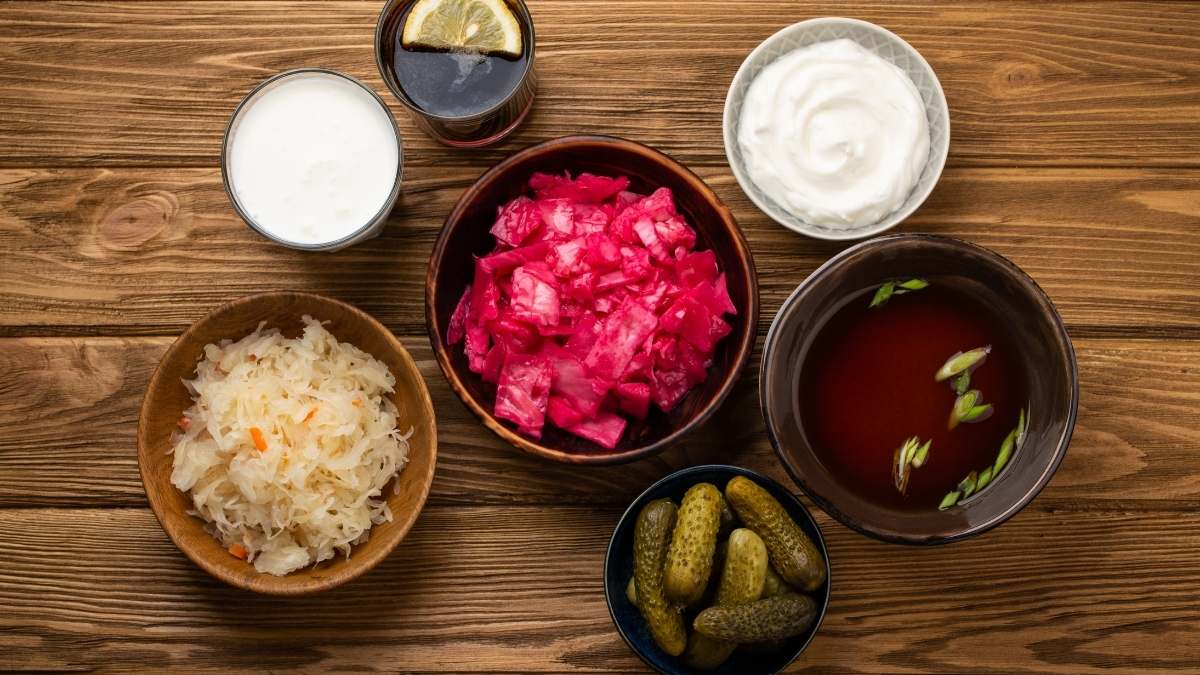
Add prebiotic foods like garlic, oats, and asparagus. These feed the good bacteria. Eat more fiber from lentils, beans, and whole grains. These produce short-chain fatty acids that calm inflammation.
Scientists have now measured what happens when people actually do this — and the results are real.
What Happens to Your Body When You Change Your Diet — Real Study Results
This is not lab theory. These are real studies on real people.
A clinical trial followed 43 men aged 50 to 72. For 8 weeks, they followed a specific diet and lifestyle plan. At the end, their biological age was 3.23 years younger than the control group. Measured. Published. Peer-reviewed.
A Harvard-led study tracked 25,315 women for 25 years. Those who closely followed a Mediterranean diet were up to 23% less likely to die during that period. Researchers found actual biological changes — not just lifestyle differences.
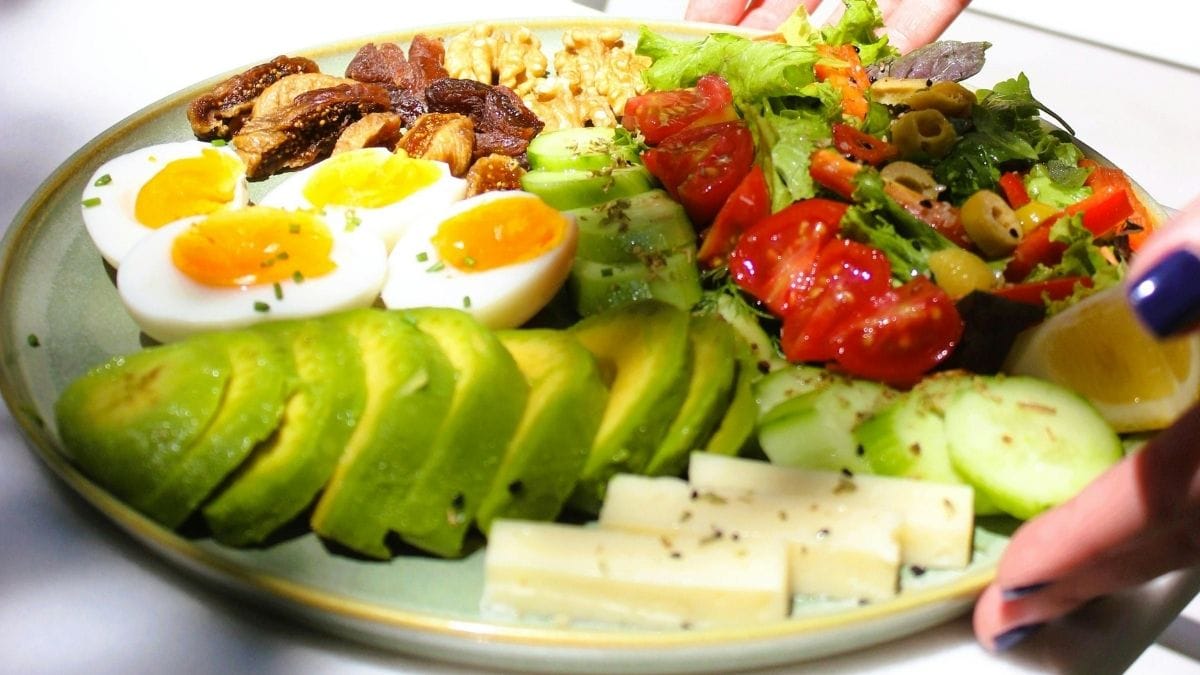
A European study of 74,000 people aged 60 and older found that eating a Mediterranean diet reduced mortality risk by 8 to 14%. A 60-year-old man who eats this way can expect to live about one year longer than one who doesn’t.
A Swedish study of 71,333 people found a 22% reduction in hip fracture risk among those with the highest Mediterranean diet scores.
The science is clear. Now let’s make it practical.
The Exact Foods to Eat More of After 60 (And What to Cut Back)
You don’t need to overhaul your kitchen. Small, consistent changes add up fast. Here’s what the research points to.
Eat more of these: Fatty fish like salmon and sardines — 2 to 3 times a week. They reduce joint pain and support brain health. Dark leafy greens like spinach and kale — daily. They provide vitamins A, C, and K, which reduce inflammation.
Berries — daily, even frozen. They protect the brain. Whole grains like oats and brown rice — replace white bread. They regulate blood sugar. Legumes like lentils and chickpeas — 3 to 4 times a week. They feed your gut bacteria. Fermented foods like yogurt and kimchi — daily if possible. Green tea — 2 to 3 cups a day.
Cut back on these: Ultra-processed snacks, sugary drinks, white bread and pasta, and processed meat.
Feeling overwhelmed? Start here: Step 1 — Add berries to breakfast and leafy greens to dinner. Step 2 — Swap your cooking oil to extra virgin olive oil. Step 3 — Add one fermented food to one meal this week.
No prescription needed. No gym required.
Final Thought;
Your genes give you a starting point. Food decides how the story goes. What you eat after 60 can lower inflammation, improve your gut, and reduce biological age. That’s not wishful thinking. It’s measurable science. Start with one change tomorrow. You’re more in control than you think.