
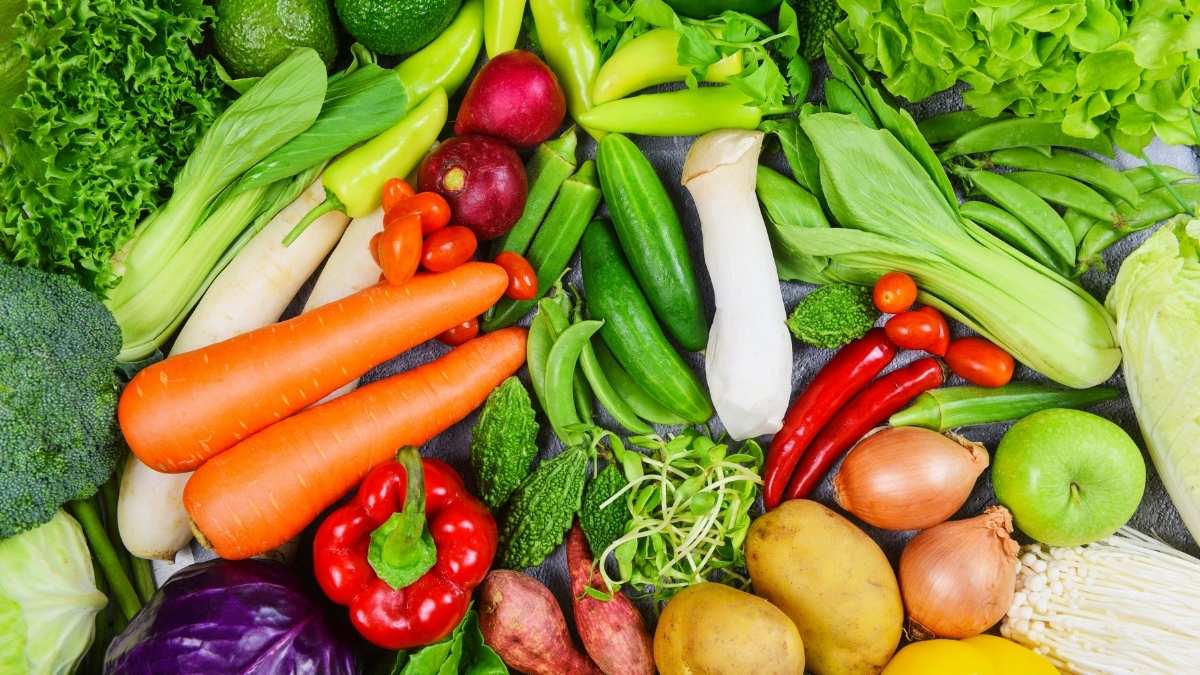
You grab the freshest spinach bag at the store, feeling proud of your healthy choice. A week later, that same spinach has lost 50% of its folate and nearly half its vitamin C—even though it still looks fine.
Most people think bagged greens stay nutritious until they eat them. Wrong. Research shows packaged spinach loses almost half its folate after just eight days in your fridge. Leave greens at room temperature? They lose 50% of their vitamin C in 2-3 days.
Here’s what you’ll learn:
- Why nutrients disappear from your greens
- Which vitamins vanish first
- When the damage happens
- Storage tricks that save 60% more nutrients
- Fresh vs. bagged: which wins

1: The Hidden Nutrient Crisis in Your Refrigerator
Your Greens Are Losing Vitamins While You Sleep
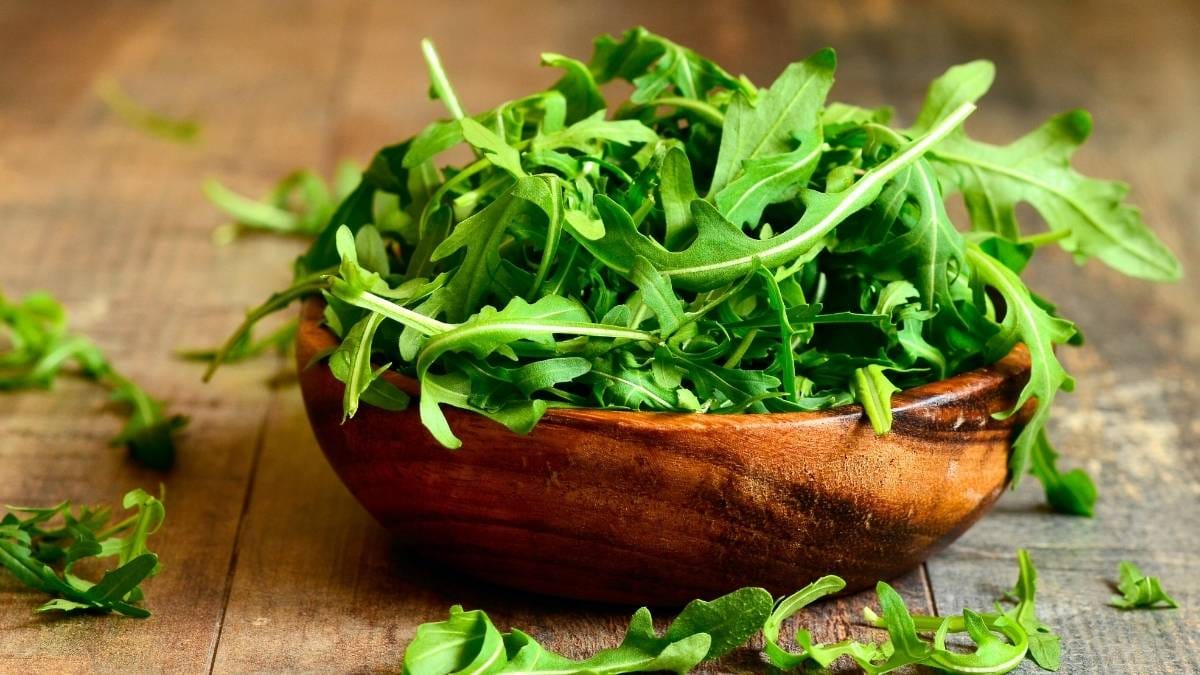
Vitamin C vanishes fast. Leave your leafy greens at room temperature and they lose 50% of their vitamin C in just 2-3 days. Spinach is the worst offender—it dumps vitamin C faster than other greens. But watercress? It keeps 60% of its vitamin C even after 10 days. Arugula barely loses any.
Here’s what that means for you: Less vitamin C equals weaker immune defense and slower skin healing. Your body can’t make collagen as well.
B vitamins disappear too. That bag of spinach in your fridge loses nearly half its folate after eight days. Folate helps your cells divide and build DNA. All water-soluble vitamins leak out easily during storage.
The good news: some nutrients stick around. Vitamins A, E, and K stay put because they’re fat-soluble. Iron and calcium don’t go anywhere. Your fiber stays intact too.
Time is your enemy. Fresh-picked spinach starts at 100% nutrients. By day 3, half the vitamin C is gone. By day 8, half the folate vanished. Delicate greens like spinach and arugula need eating within 3-5 days. Tougher greens like kale last 7-10 days.
Mary Ann Lila, a food scientist at North Carolina State University, puts it simply: “Anyone who’s eating greens instead of potato chips is already ahead of the curve.”
Bottom line: Your greens still beat junk food, even with nutrient loss. But knowing when vitamins disappear helps you eat smarter.
2: The Truth About Pre-Packaged Salad Greens
Are Bagged Salads Stealing Your Nutrients?
Yes and no. Here’s the honest truth about those convenient bags.
Triple-washing damages your greens. When companies wash spinach three times, they break plant tissues. This exposes leaves to oxygen in the water, which destroys vitamin C and folate. Every wash creates tiny wounds where nutrients leak out. But companies know this—they process greens carefully to keep losses small.
Here’s the surprise: chopping might help. When you cut lettuce, the plant freaks out. It releases polyphenols as a stress response. These antioxidants fight cancer, heart disease, and diabetes. Mario Ferruzzi, a professor at NC State, says “Dramatic losses are unlikely unless you are obliterating it.
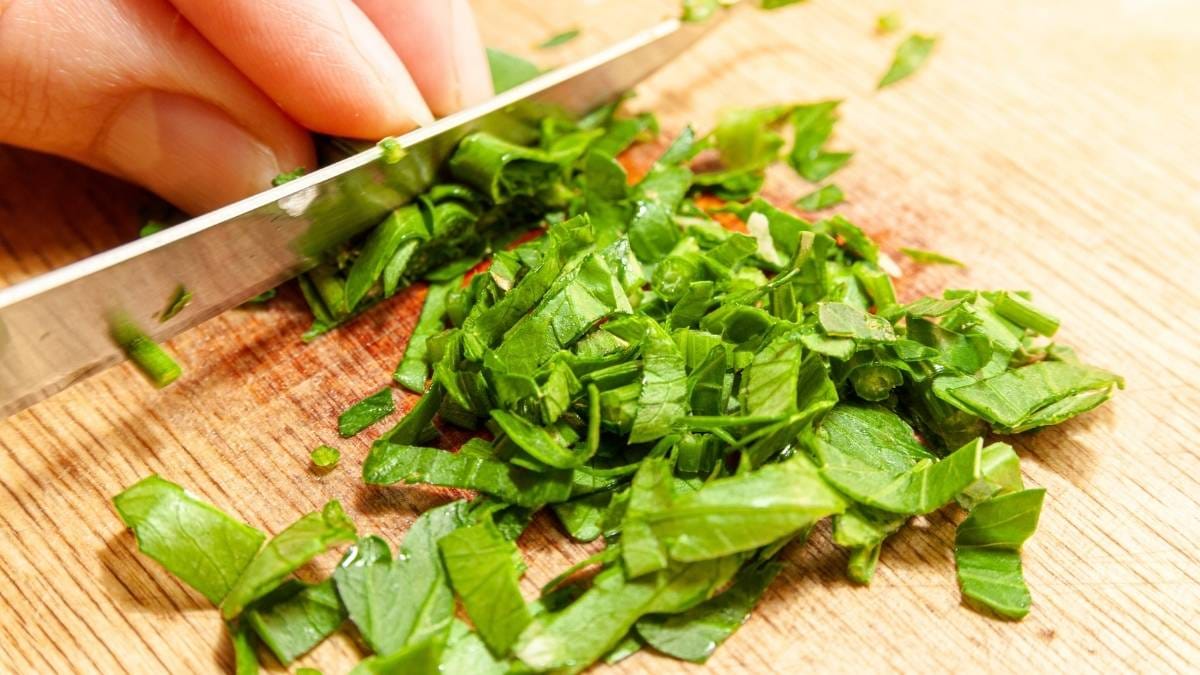
” Light chopping? You might gain antioxidants.
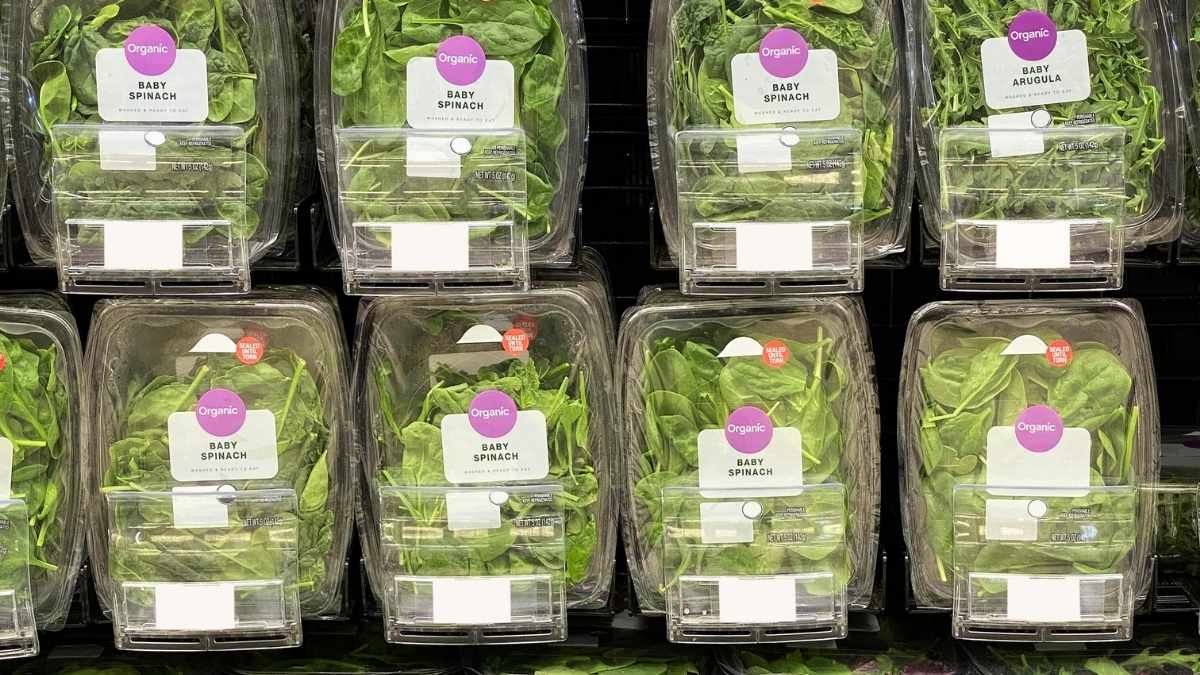
The bag itself protects nutrients. Companies use Modified Atmosphere Packaging (MAP). They suck out oxygen and pump in nitrogen gas. This stops wilting and preserves vitamin C. The catch? Once you open the bag, the protection dies. Eat those greens within two days.
Fresh vs. bagged: it depends on timing. Fresh lettuce at the store sits under lights, exposed to air. It loses nutrients every single day. Bagged greens lose vitamins during washing, but then the bag locks in quality. If you eat bagged greens fast, they win. If fresh greens sit in your fridge for a week, bagged would’ve been better.
Food scientists defend bagged salads. Mary Ann Lila explains: “The losses are negligible. The greens are not shredded into bits, they are largely intact leaves with all nutrients preserved.” She adds that convenience matters: “If the ONLY alternative was a loose bunch of greens, there are a lot of people who just would not bother to buy it.”
Bottom line: Bagged salads got more people eating vegetables. That’s a win, even with small nutrient losses.
3: The 3 Forces Destroying Your Salad’s Nutrients
What’s Actually Killing the Vitamins in Your Fridge
Three invisible enemies attack your greens the second you buy them. Here’s how they work.
Oxygen eats your nutrients. The moment you pick that lettuce, oxygen starts breaking down beta-carotene and vitamin C. Cut or tear the leaves? You just gave oxygen more surface area to attack. Water-soluble vitamins like C and folate can’t fight back—they dissolve and disappear fast.
Light acts like a vitamin destroyer. Your store displays greens under bright lights all day. Those UV rays break apart vitamin molecules. Even your refrigerator light chips away at nutrients every time you open the door. Clear plastic bags make it worse—they let light hit every leaf.
Temperature swings speed up the damage. Leave greens at room temperature and they lose 50% of vitamin C in 2-3 days. Keep them cold (32-39°F) and they last way longer. Every time your fridge warms up, enzymes inside the leaves wake up and start eating nutrients. Your crisper drawer helps—it stays colder and more humid than regular shelves.
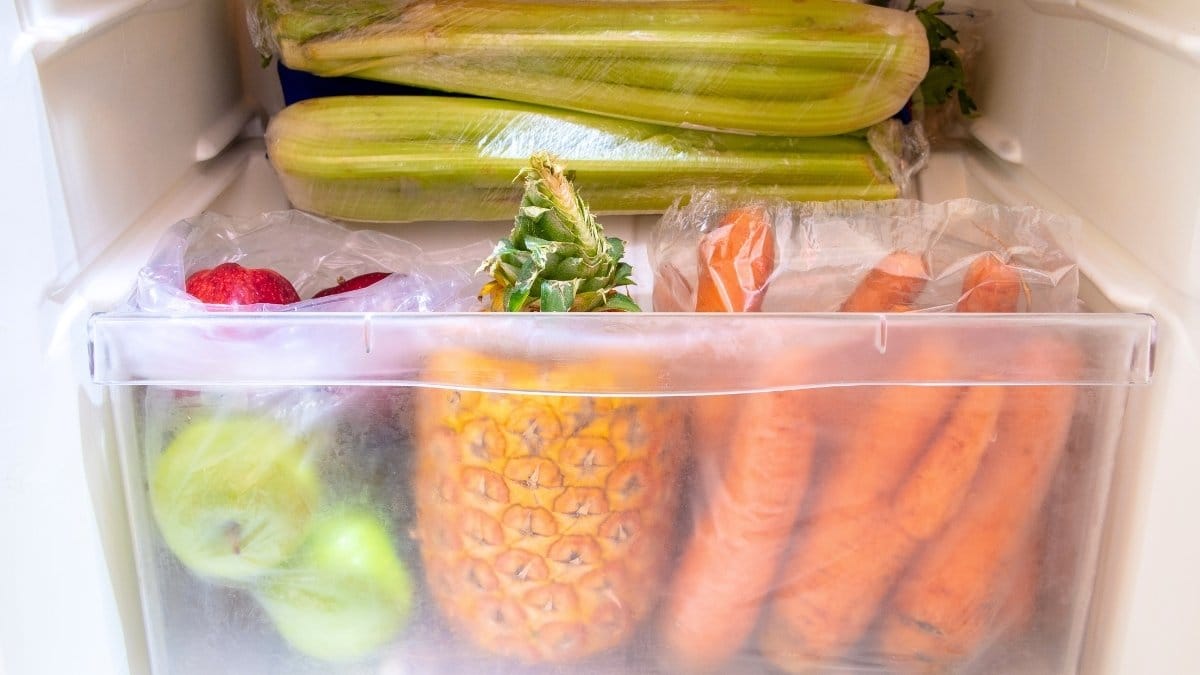
Moisture plays both sides. Too much water and bacteria grow, turning your greens slimy. Too little and leaves wilt, damaging cells and releasing nutrients. When you wash greens, water-soluble vitamins leak right out into the sink.
Time is the final killer. The nutrient clock starts ticking at harvest. Day 1: small losses. Day 3: noticeable drops. Day 7: major damage. Local farmers market greens picked yesterday beat store greens picked last week.
The fix is simple: “Purchase greens when you plan to eat them, and eat them as soon as possible,” says food scientist Mary Ann Lila.
4: How to Store Salad Greens to Preserve Maximum Nutrients
The Storage Method That Keeps Greens Fresh for 10 Days
One storage method beats all others. Research proves it.
The Container + Paper Towel Method wins. After 10 days, greens stored this way stayed crisp. The ones left in store bags? Slimy and gross. This method controls moisture, stops bruising, and lets air flow.
Here’s exactly how to do it:
- Wash your greens gently in cold water
- Spin them dry—remove 90% of the water
- Line a rigid plastic container with one dry paper towel
- Add greens loosely (don’t cram them in)
- Lay another paper towel on top
- Snap on a tight-fitting lid
- Put it in your crisper drawer
The salad spinner hack works too.
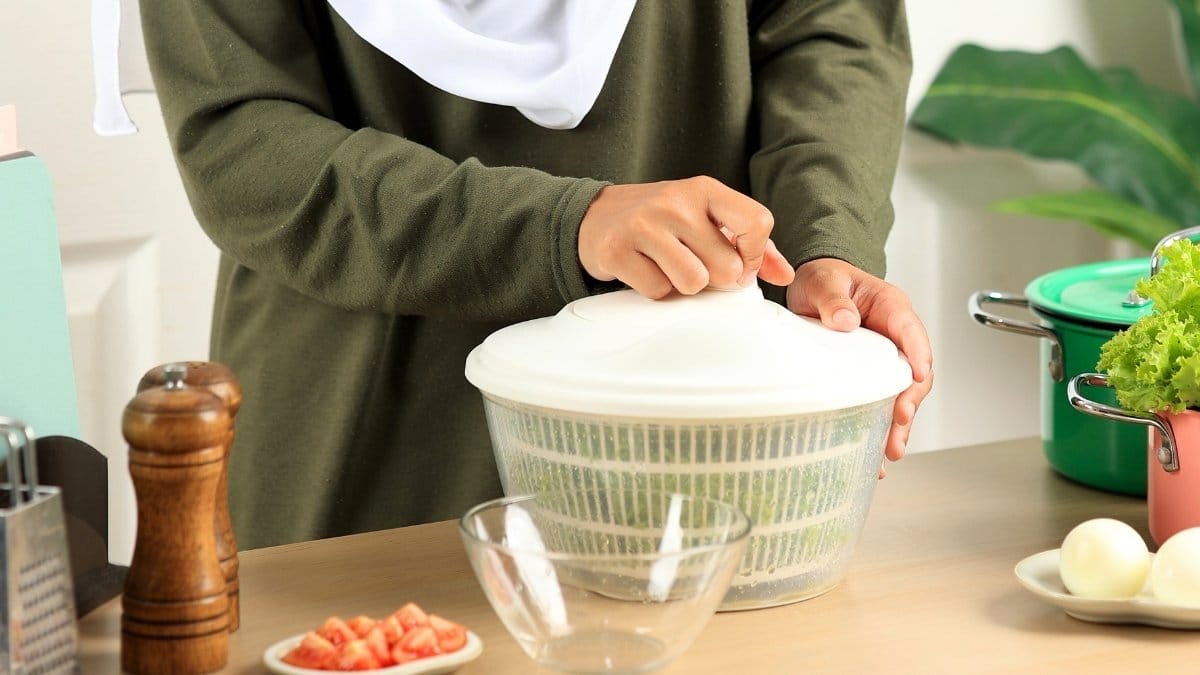
Wash your lettuce, spin it, then leave it in the spinner with the lid on. The basket lifts greens an inch off the bottom so moisture drips away. Your greens stay crisp for up to 10 days. The problem? It eats up fridge space.
Different greens need different care. Keep lettuce heads whole—don’t chop until you’re ready to eat. Chopped pieces rot faster. Store kale in a vase with water like flowers (counter or fridge both work). Delicate greens like arugula and baby lettuce hate tight spaces. Pack them loosely or they’ll decay fast. For romaine and bibb, pull off any damaged leaves first, then store in a container in your crisper.
Follow these rules or lose nutrients:
- Get greens cold fast: 35-40°F right after you buy them
- Don’t wash loose bunches until you’re ready to eat
- Always use your crisper drawer—it’s more humid
- Check paper towels halfway through storage and swap if damp
- Eat delicate greens in 3-5 days, tough ones in 7-10 days
Don’t make these mistakes:
- Leaving greens in the store bag without paper towels
- Storing at room temperature (even overnight kills nutrients)
- Putting greens near the freezer (they’ll freeze and turn to mush)
- Packing leaves too tight
- Using wet paper towels (creates slime city)
5: Buy Smarter: Getting Maximum Nutrients from the Store
How to Pick Greens That Haven’t Lost Nutrients Yet
The freshest bags hide in the back. Stores put new stock behind old stock. Reach past the front row and grab from the back. Look for the most recent pack date—it matters more than the “best by” date. Fresher greens = more vitamins still inside.
Trust your eyes. Check the color and texture before you buy. Vibrant, rich green means fresh. Yellowing or browning? Put it back. Feel the leaves through the bag—firm texture wins. See condensation on the inside of the bag? That lettuce is old.
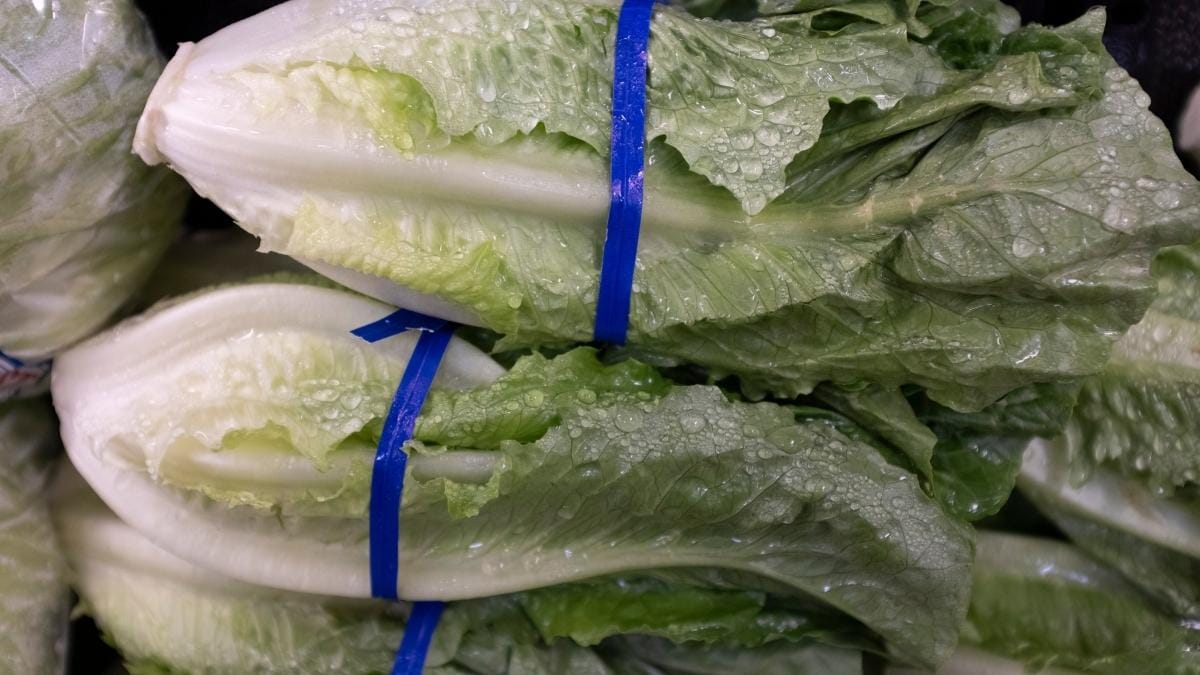
Buy local when you can. Farmers market greens picked this morning beat store greens picked last week. Shorter travel time means nutrients didn’t have days to disappear. Growing your own? Even better—you control everything.
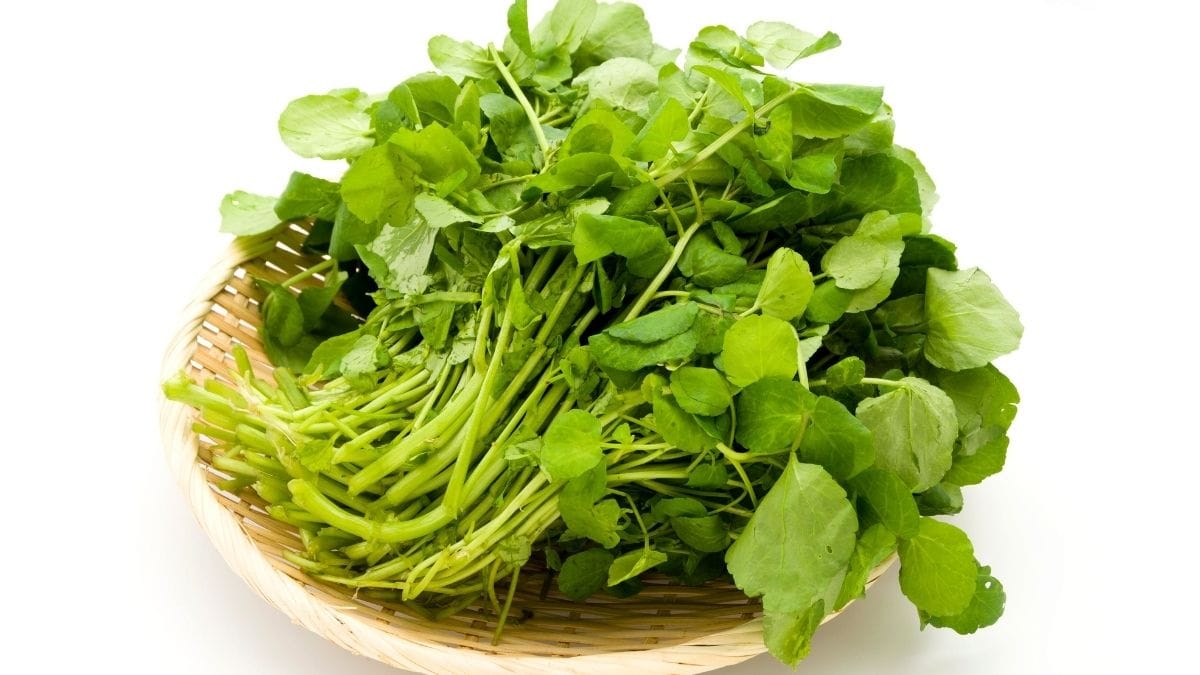
Know which greens last longest. Kale and collards stay fresh 7-10 days. Romaine and iceberg give you 5-7 days. Spinach, arugula, and mixed greens? Only 3-5 days. Watercress keeps vitamin C better than most greens.
Plan your meals around these timelines.
Don’t overbuy delicate greens. Buy what your family will actually eat in time. That giant bag of spinach sounds like a deal until half goes bad. Two smaller bags work better—you can buy the second one fresh when you need it. Match what you buy to what you’ll really use.
Quick shopping checklist:
- Grab bags from the back of the shelf
- Check the pack date
- Look for bright color and firm leaves
- Skip bags with condensation
- Buy smaller amounts of delicate greens
Lastly:
Yes, your salad greens lose nutrients—sometimes up to 50%. But now you know how to fight back. Proper salad storage with the container + paper towel method preserves 50-60% more vitamins and keeps greens fresh for 10 days.
Here’s what matters: Even nutrient-depleted greens still give you fiber, minerals, antioxidants, and vitamins. Bagged salads got more people eating vegetables—that’s a win for everyone.

Start tonight. Move those greens into a container with paper towels. Check pack dates when you shop. Eat salads within 5 days, not 2 weeks. Small changes maximize nutrition and give you fresh greens benefits you actually paid for.