

At 65, I’d wake up tired and stay tired all day—until I discovered what my body actually needed.
Like many seniors, I blamed aging for my constant fatigue and stubborn weight gain. Turns out, I wasn’t eating wrong.
I was eating at the wrong times and missing critical nutrients my aging body desperately needed.
I tried three simple changes backed by 2025 research. Within weeks, my energy doubled. Within months, I lost 12 pounds and felt stronger than I had in years.
Here’s what worked: more protein at specific times, proper hydration, and a 10-hour eating window.
No crazy diets. No expensive supplements. Just smart nutrition designed for bodies over 65.
You’ll learn the exact strategies I used, why they work, and how to start today. These aren’t theories. They’re proven methods that transformed my life.
Why I Was Constantly Exhausted (And You Might Be Too)

I couldn’t garden for more than 20 minutes without needing a nap.
Stairs became my enemy. By 2 PM, brain fog set in so thick I couldn’t focus on simple tasks. I thought this was just aging. Everyone told me to accept it.
But here’s what I didn’t know: my body was changing in ways that made my old eating habits useless.
After 60, you lose muscle mass faster. Your metabolism slows 3-10% each decade. Inflammation increases. Body fat creeps up even when you eat less.
The shocking part? About 1 in 3 people over 50 don’t get enough protein. Among women over 71, it’s 50%. I was one of them.
My muscles were literally breaking down because I wasn’t feeding them right. No wonder I felt exhausted. My body was running on empty, struggling to maintain basic functions.
That’s when everything changed.
Hack 1: I Doubled My Protein (And Everything Changed)
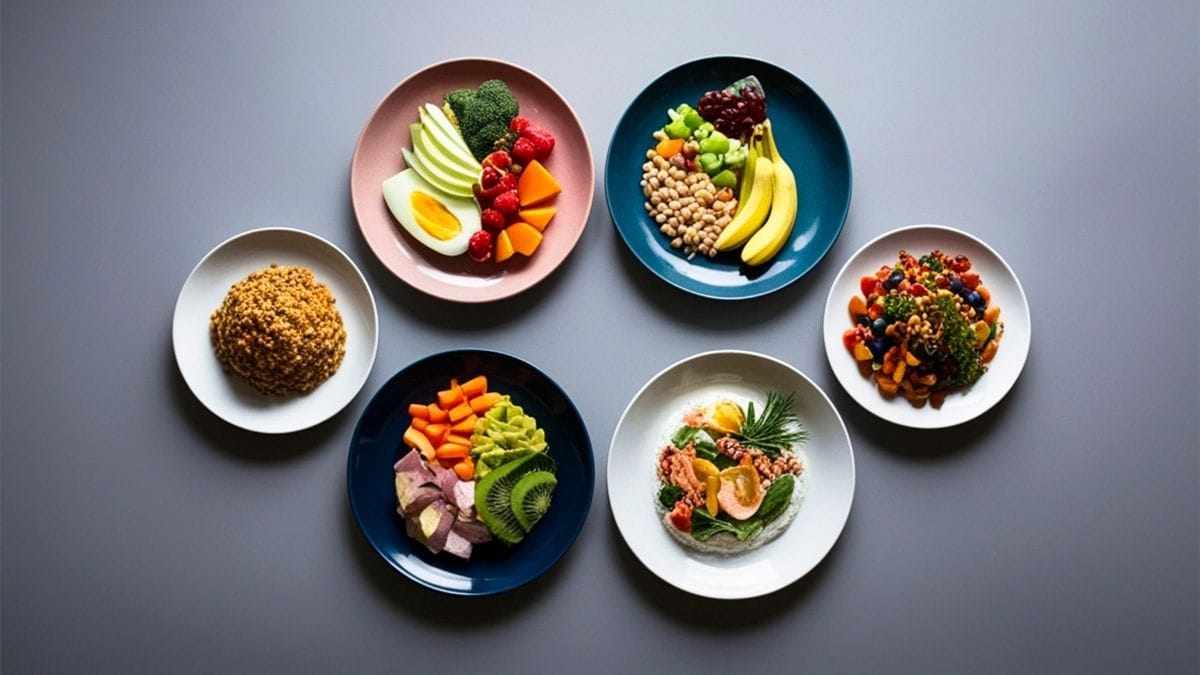
The protein calculator shocked me. I was eating less than half of what my 65-year-old body needed.
Experts say older adults need 1.2 to 1.6 grams per kilogram of body weight daily. For my 160 pounds, that meant 80+ grams of protein. I was barely hitting 40.
Here’s why this matters: as you age, your body gets worse at using protein. You need more just to maintain muscle. Without it, you get weaker and more tired.
I started tracking every meal. Breakfast went from toast and coffee (5g protein) to Greek yogurt with walnuts and berries (20g).
Lunch became salmon salad with chickpeas (35g). Dinner was chicken with quinoa and vegetables (30g).
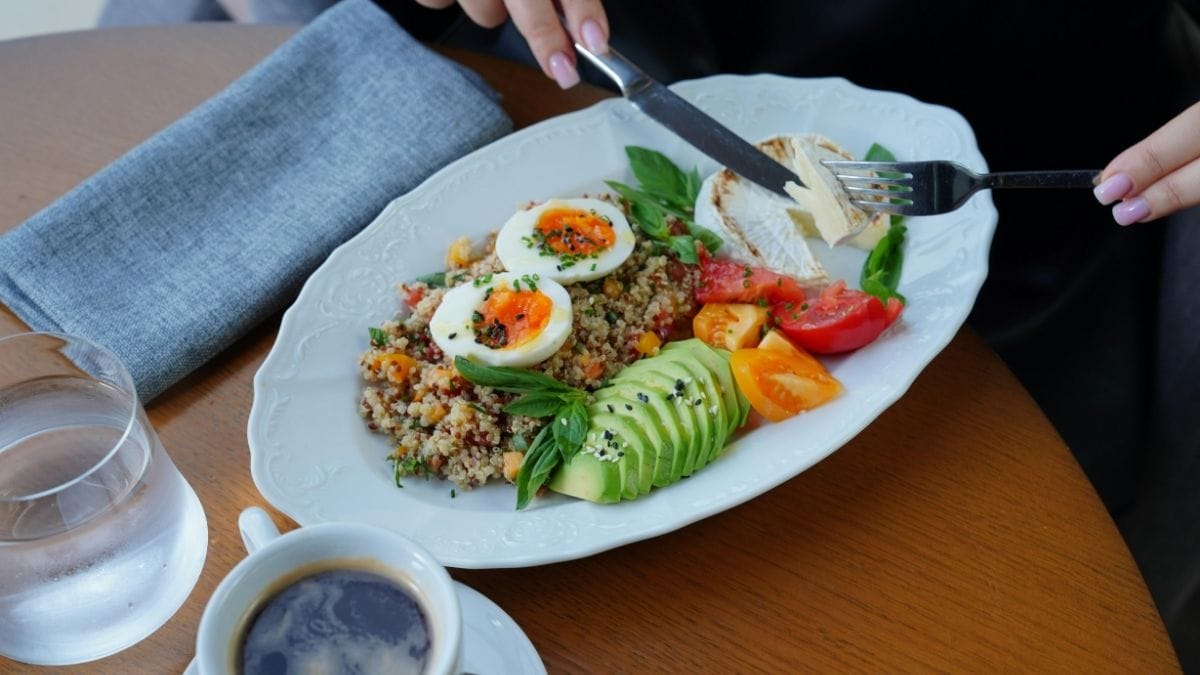
The math worked out to 25-30 grams per meal.
Within two weeks, I noticed something remarkable. I woke up feeling rested. My afternoon crashes disappeared. By week four, I could garden for two hours straight.
The key amino acid? Leucine. It’s found in whey, milk, chicken, and fish. It tells your muscles to grow.
Hack 2: The Water Strategy That Saved My Afternoons
I always thought I drank enough water. My tracker proved me spectacularly wrong.
Up to 40% of adults over 65 experience chronic dehydration. It causes fatigue, confusion, and weakness.
Your sense of thirst weakens with age. Your kidneys don’t work as well. You literally can’t tell when you’re dehydrated.
The National Academy of Medicine says men need 13 cups daily. Women need 9 cups. I was drinking maybe 4.

I started a simple routine. Every morning, 16 ounces of water before coffee. I set hourly reminders on my phone. I kept a water bottle visible at all times.
I added water-rich foods: watermelon, cucumbers, berries. I used the urine color test. Pale yellow means good. Dark yellow means drink more.
The bathroom trips worried me at first. But my body adjusted within a week.
By week three, my energy stabilized. No more 2 PM slump. My thinking cleared. Even my skin looked better.
Water became my secret weapon.
Hack 3: When I Eat Matters More Than What I Eat
Everything I’d heard about eating little and often? Wrong for my aging metabolism.

Recent research shows older age is linked to later meal times and shorter eating windows. That pattern kills your energy and packs on weight.
I was eating backwards. Skipping breakfast, light lunch, huge dinner at 8 PM. My body couldn’t handle it.
I switched to an 8 AM to 6 PM eating window. Ten hours of eating, 14 hours of fasting overnight. I front-loaded my calories: big protein breakfast at 8, substantial lunch at 1, lighter dinner by 6.

A 2025 study found 16-hour fasting lowered BMI without hurting bone density. Participants reported better energy and sleep.
The first week felt strange. I was hungry at night. But my body adapted fast.
Week two felt normal. Week three felt amazing. I had steady energy all day. No crashes. No cravings. My sleep improved dramatically.
The timing shift changed my metabolism. My body learned when to expect fuel and when to rest.
The Supporting Cast: What Else I Changed
Protein, hydration, and timing were the stars. But the supporting cast mattered too.
I focused on whole foods. My grocery cart transformed. Out went processed foods and white bread. In came colorful vegetables, whole grains, and healthy fats.

Research shows the Green Mediterranean diet reduces brain proteins linked to aging. I added 3-4 cups of green tea daily. A handful of walnuts became my afternoon snack.
I shopped at farmers markets for seasonal produce. Brown rice replaced white rice. Quinoa became a staple. Whole wheat pasta instead of regular.
Nutrient-dense foods gave me vitamins A, C, D, E, zinc, and magnesium. These support immune function and healthy aging.
Interestingly, women who ate more carbohydrates (55% of daily calories) in midlife were 29% more likely to be healthy at 70. Not low-carb. Just whole-food carbs.

I didn’t eliminate any food group. I just chose better versions. Real food instead of processed. Whole instead of refined.
Three Months Later: My Transformation by the Numbers
Three months in, I barely recognized my energy levels.
Week 1: I slept through the night for the first time in years. No more 3 AM wake-ups.
Week 4: I gardened for over two hours without needing a break. My neighbors noticed me outside more.
Week 8: I’d lost 12 pounds. But the scale didn’t tell the full story. I gained noticeable muscle tone. My clothes fit better. I felt stronger.
Week 12: I hiked trails I’d given up on. I played with my grandkids without getting winded.
My doctor was impressed. My A1C levels improved. Blood pressure dropped. Inflammation markers went down.
The study participants who tried time-restricted eating reported the same things: more energy, better sleep, improved mood.

But beyond the numbers, I felt like myself again. Clear thinking. Better mood. Less joint pain. More confidence.
At 65, I have more energy than I did at 55. And I’m still improving.
Start Your Transformation Today
At 65, I learned my body needed more protein, consistent hydration, and strategic meal timing—not another restrictive diet.
Start with one change: calculate your protein needs today. Add the hydration habit next week. Adjust your eating window the following week.
This nutrition hack transformed my energy levels and weight. It’s backed by 2025 research specifically for seniors over 65.