

“I spent six years trying to lose the same 25 pounds — keto, intermittent fasting, juice cleanses, calorie apps — and the only thing that kept changing was my level of self-blame.”
Sound familiar? You followed the rules. You hit the calorie targets. You finished the 30-day plan. And still, you ended up right back where you started.
Here is the hard truth: the problem is not you. The problem is the tool you were given.
In this article, you will learn exactly why diets keep failing you. You will see what the research actually says about long-term weight loss. And you will get a real system — not another diet — that builds results you can actually keep.
The Uncomfortable Truth About Why Diets Keep Failing You

95% of diets fail within five years. That number has not changed since the 1950s. And it is not because millions of people lack willpower. It is because most diets are built in a way your body will always fight back against.
When you cut calories hard, your body responds fast. It lowers leptin — the hormone that tells you you’re full. It raises ghrelin — the hormone that makes you feel hungry.
So you end up starving even after eating a full meal. That is not weakness. That is biology.
Around 50% of people who lose weight on a structured program gain it all back within two years.

A 2024 peer-reviewed study in Current Nutrition Reports confirmed this. Restrictive diets also cause metabolic slowdown, psychological stress, and food obsession.
The biggest problem? Most diets only fix what you eat for 30 to 90 days. They never touch the habits, stress, or emotional patterns that caused the problem in the first place.
Fixing your plate for one month while ignoring your environment is like mopping the floor while the tap is still running.
What the Science Says Actually Works (And Why Nobody Is Selling It)
The research points to one clear answer: habit formation. Not a better meal plan. Not a stricter protocol. Habits.
Habits are stored in a part of the brain called the basal ganglia.
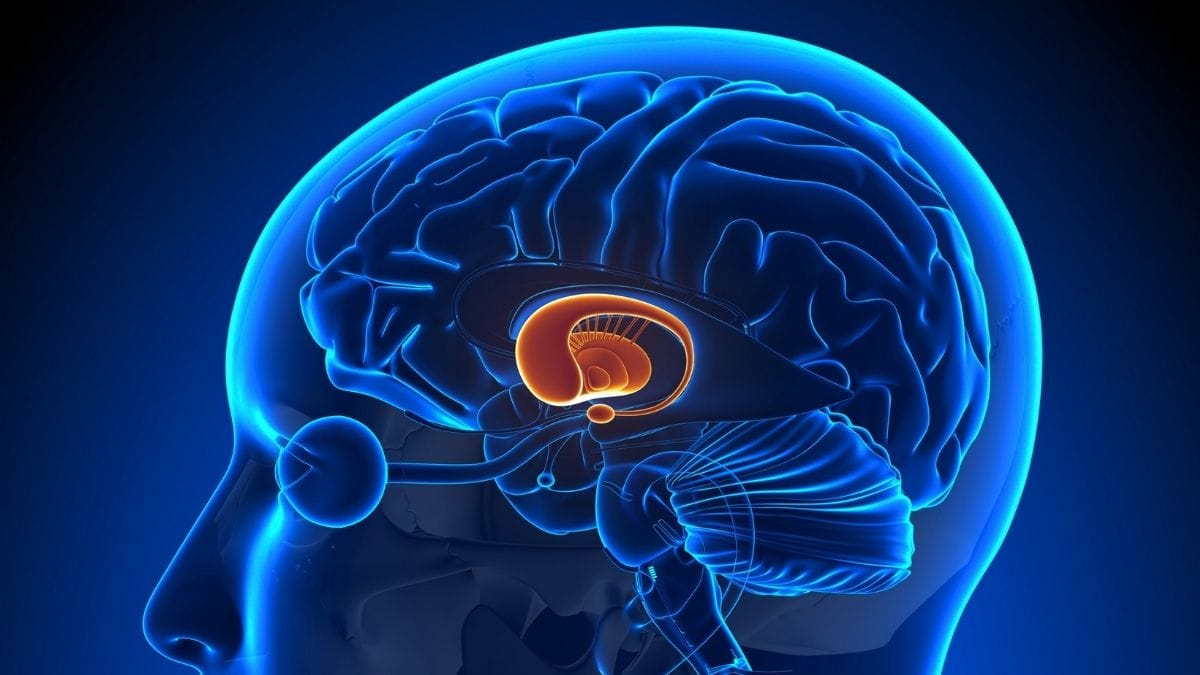
This area handles automatic behavior. When you repeat an action enough times, the brain stops working hard to do it. It just happens — like driving a familiar route without thinking.
A 2024 systematic review found that the median time to form a new habit is 59 to 66 days. Not 21 days like you have heard. That myth needs to die.
The same research found that small changes work better than big ones. Adding vegetables to your meals or taking a 20-minute walk every day creates more lasting results than an extreme overhaul.

A 2024 meta-analysis of 78 clinical trials also confirmed that eating more protein protects muscle when you are in a calorie deficit — especially when paired with resistance training.
Exercise alone will not make you lose weight fast. But it is essential for keeping weight off long-term.
The System I Built (And How You Can Steal It)
A diet has a start date and an end date. A system has neither. It runs in the background of your life because it becomes part of your routine — not something you have to fight to maintain.
Here is the difference in plain terms:
Diet: You eat chicken and broccoli for 30 days, lose 8 pounds, go back to normal, gain 10 pounds back. System: You build three small habits that stick, so eating well becomes your default — not your effort.
The habit loop is simple. You have a cue (a trigger), a routine (the action), and a reward (the payoff). Find what triggers your bad eating. Replace the routine with something better. Reward yourself with something that is not food.
Start with the 30-30-30 rule: 30 grams of protein within 30 minutes of waking, followed by 30 minutes of light movement. This one shift stabilizes blood sugar and reduces cravings for the rest of the day.
Meal planning is not punishment. Research from the National Library of Medicine shows it directly lowers the risk of being overweight. Plan once a week. Shop once. Prep basics in batches.
The Five Habits That Actually Moved the Needle
These are not tips. These are the five things that science and real-world results back consistently.
1. Make protein the center of every meal.
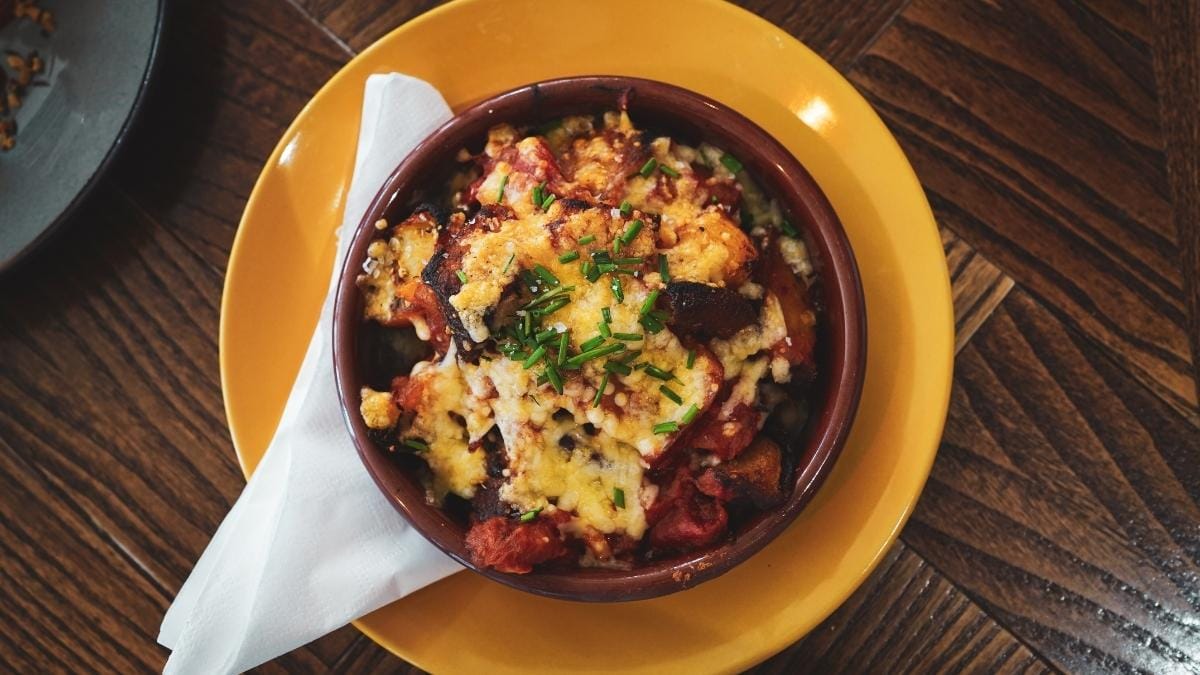
A 2024 meta-analysis confirmed protein reduces muscle loss during weight loss. Aim for 25 to 40 grams per meal. Eggs, chicken, Greek yogurt, and lentils all work.
2. Stop drinking calories.

Soda, sweet tea, and sports drinks add hundreds of calories with zero satisfaction. Swap them for water, sparkling water with fruit, or plain coffee. This one change alone can cut 300 to 500 calories a day.
3. Move to maintain, not to punish.

A 2024 JAMA review of over 100 clinical trials found that 150 minutes of moderate aerobic activity per week drives meaningful weight loss. Even 30 minutes a day gets results.
4. Build an environment that works for you.
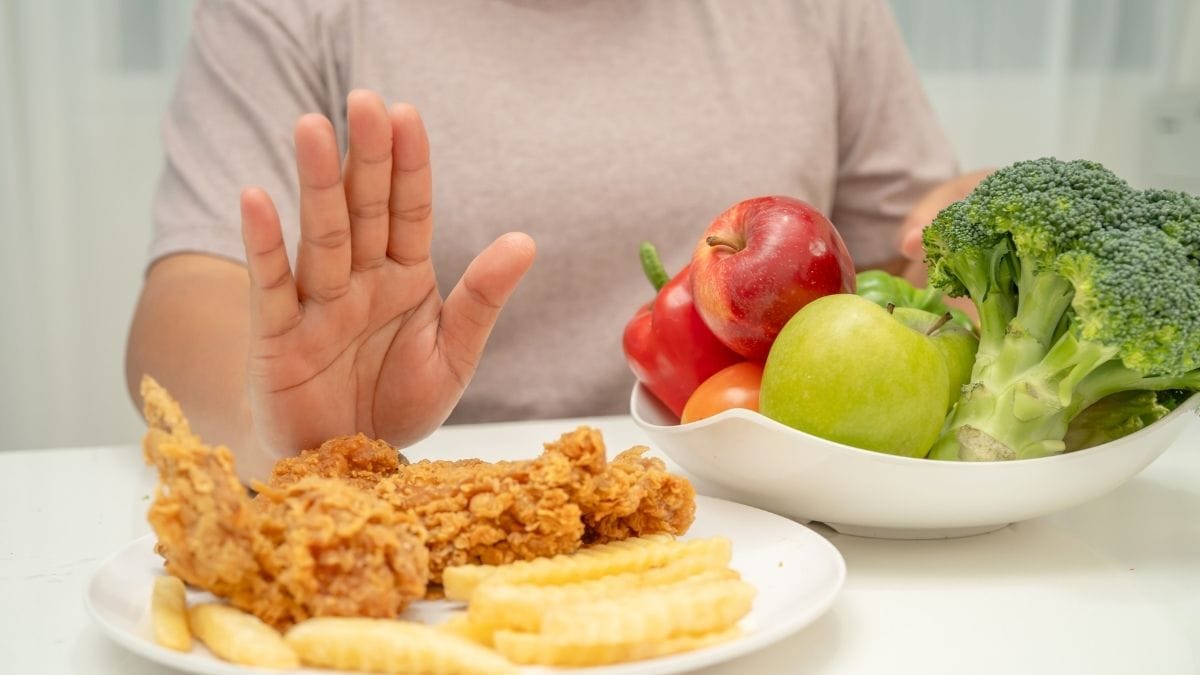
Move junk food out of sight. Put fruit and water at eye level. You do not need more willpower. You need fewer bad decisions in front of you.
5. Measure your waist, not just your weight.
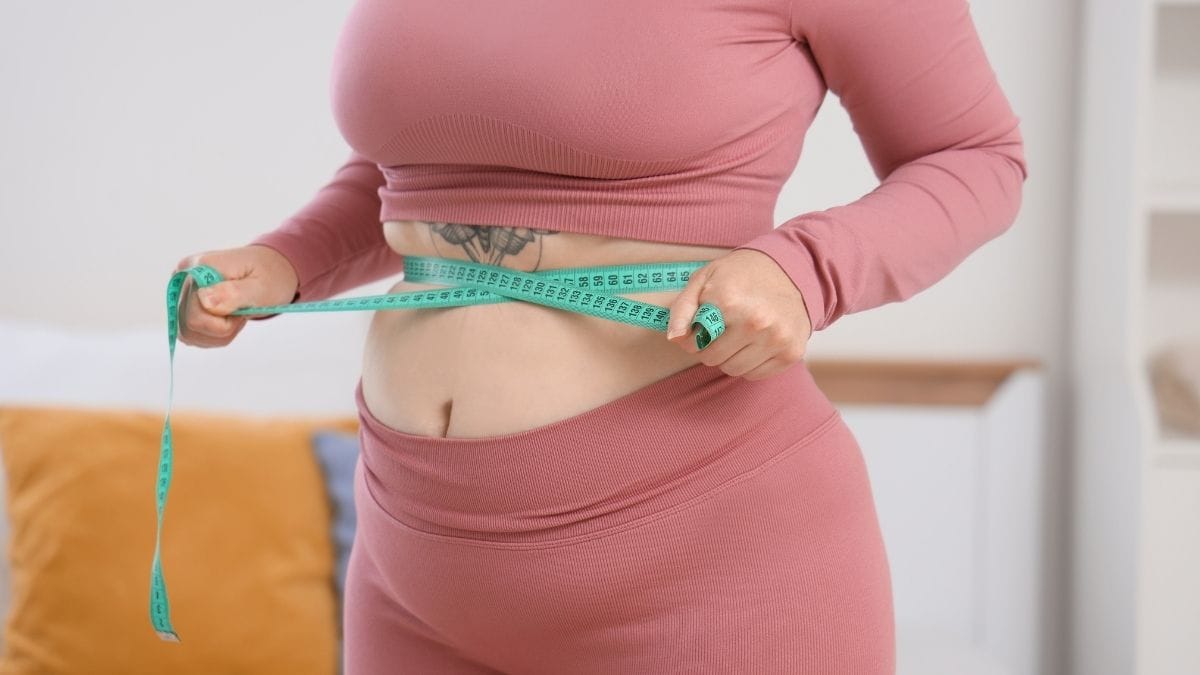
A 2025 UK Biobank study of 315,457 adults showed waist size is a better health marker than scale weight. The scale can lie. Your waist does not.
The Mindset Shift Nobody Talks About
Most people treat weight loss like a project. Lose 20 pounds by summer. Hit the goal. Stop. That thinking is why the weight comes back.
Weight management is a practice — like brushing your teeth. You do not brush your teeth for 30 days and then stop. You do it forever because it becomes automatic.
Self-compassion is not soft advice. It is backed by research. Being harsh on yourself after a bad day makes you more likely to quit. When you mess up — and you will — ask what you can learn, and move on. One bad meal does not ruin a system.
Change what you measure. Stop asking “how much did I lose this week?” Start asking “how consistent was I this week?” That shift changes everything.
And tell people what you are doing. Social accountability is powerful. Noom’s published data shows 78% of users lost weight over nine months — and peer support was a key driver. You do not have to do this alone.
Conclusion:
You did not fail the diet. The diet failed you.
Sustainable weight loss in 2026 is not about the perfect meal plan. It is about building a system with two or three small habits that stick.
Pick one habit from today. Practice it for 66 days. That is what the science says actually works.