

You’re eating well, sleeping enough, and staying active—yet by 2 PM, you’re fighting to keep your eyes open. The energy you had at 30 feels like a distant memory.
Most people accept this as normal aging. But here’s the truth: research shows that energy loss in older adults often comes from fixable nutrient problems, not age itself.
Your body stops absorbing nutrients as well after 40. At the same time, you actually need more nutrients than before.
This guide shows you which nutrient gaps drain your energy. You’ll learn the exact blood tests to request.
And you’ll discover the supplements and diet changes that can bring back your vitality. Let’s figure out if your fatigue is really aging—or just missing nutrients.
Why Energy Actually Declines as You Age
Here’s what happens inside your body after 40.

Your metabolism slows down. You burn fewer calories just sitting around. Your basal metabolic rate drops. Physical activity burns less energy than it used to. All of this is normal.
But there’s more going on. Your body becomes worse at using insulin.
You develop something called anabolic resistance—your muscles don’t respond to nutrients as well. Meanwhile, your ability to absorb vitamins and minerals drops.
Here’s the double problem: you eat less because you need fewer calories. But you actually need MORE nutrients to function properly. Think about that. Less food, more nutrient needs.
The numbers are staggering. Among adults over 51, 92 percent don’t get enough vitamin E. 67 percent fall short on magnesium. 46 percent lack vitamin C.

By 2050, over 1.5 billion people will be 65 or older. That’s 16% of everyone on Earth facing this energy crisis.
Your slowing metabolism is real. But it’s only part of the story.
The Mitochondria Connection: Your Cellular Power Plants
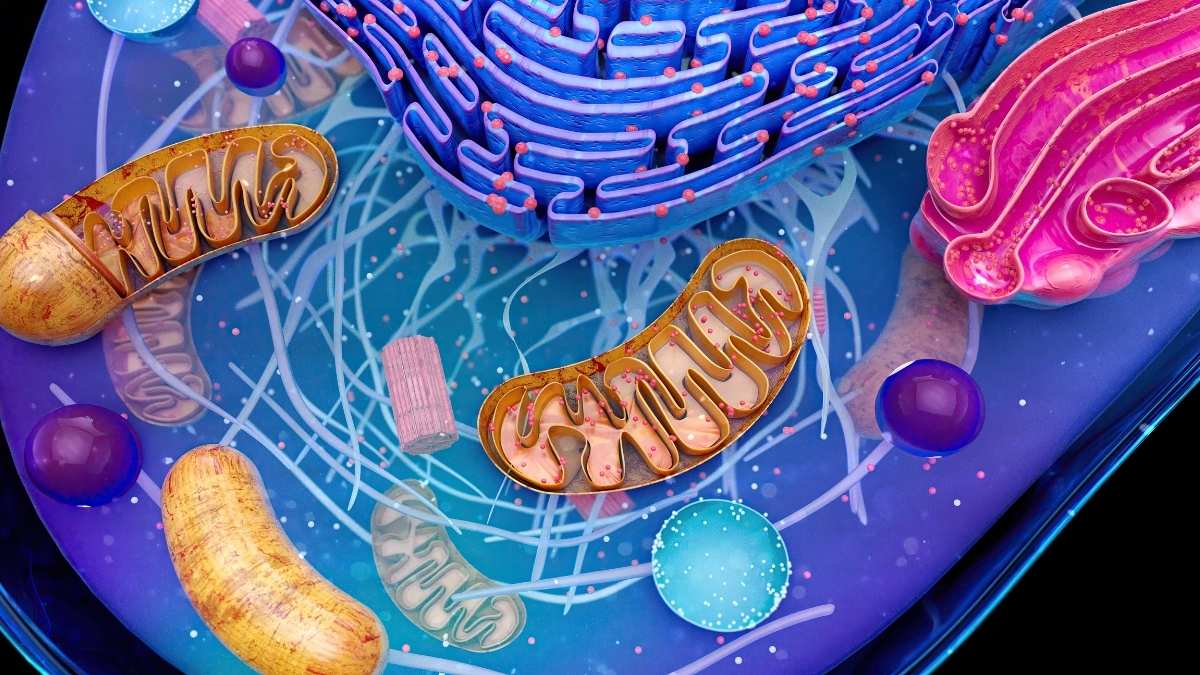
Think of mitochondria as tiny power plants inside every cell. They make ATP—the fuel your body runs on. Without ATP, nothing works.
Mitochondria create energy by breaking down the food you eat. They use something called the electron transport chain. It’s like an assembly line for energy production.
As you age, these power plants start failing. They produce less ATP. They create more damaging molecules called ROS (reactive oxygen species).
The whole system falls out of balance. Your cells can’t repair themselves properly.
The result? You feel tired. Your muscles feel weak. Recovery takes forever.
But here’s the good news: researchers boosted mitochondrial function in mice and saw amazing results. The mice lived longer. Their metabolism improved. They had better endurance. They showed fewer signs of aging.
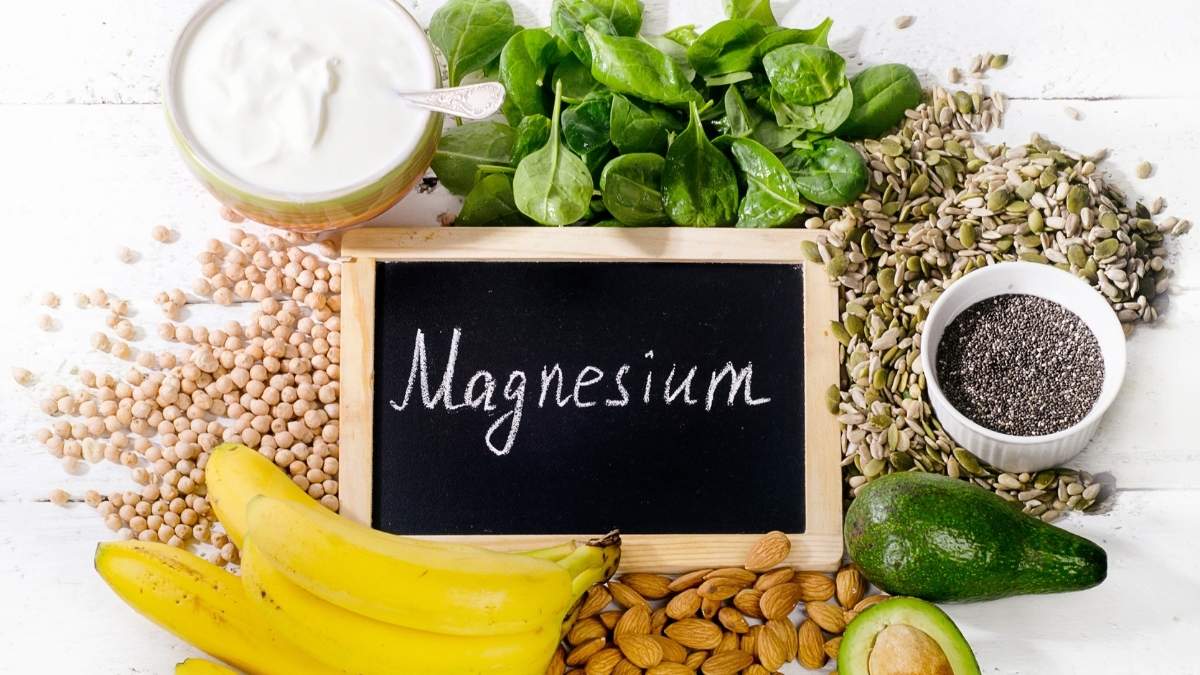
Your mitochondria need specific nutrients to work right. Magnesium is involved in over 300 processes in your body. It activates ATP. When magnesium drops, your cellular power plants sputter.
When mitochondria don’t get what they need, everything suffers.
The Most Common Nutrient Deficiencies Draining Your Energy
Five nutrients silently drain energy from millions of aging adults.
Vitamin B12 tops the list. 30% of older adults can’t absorb B12 from food anymore. Their stomach acid drops. The intrinsic factor needed for absorption disappears.

Deficiency causes crushing fatigue, memory problems, and mood changes. Even worse—8% of people taking B12 supplements still have low blood levels.
Vitamin D comes next. Your skin makes less from sunlight as you age. Your kidneys struggle to convert it to the active form. You need levels between 30-100 ng/mL for optimal energy.
Magnesium powers your ATP. 67% of adults over 51 don’t get enough. Low magnesium means your cellular batteries can’t charge.
Iron deficiency causes obvious fatigue and weakens your immune system.
CoQ10 and NAD+ decline naturally with age. After 30, your NAD+ levels drop fast—sometimes by 50% by age 50. These molecules are critical for mitochondrial function.
Low levels of vitamin D, magnesium, and zinc speed up cellular aging by shortening your telomeres.
Protein: The Overlooked Energy Factor After 40
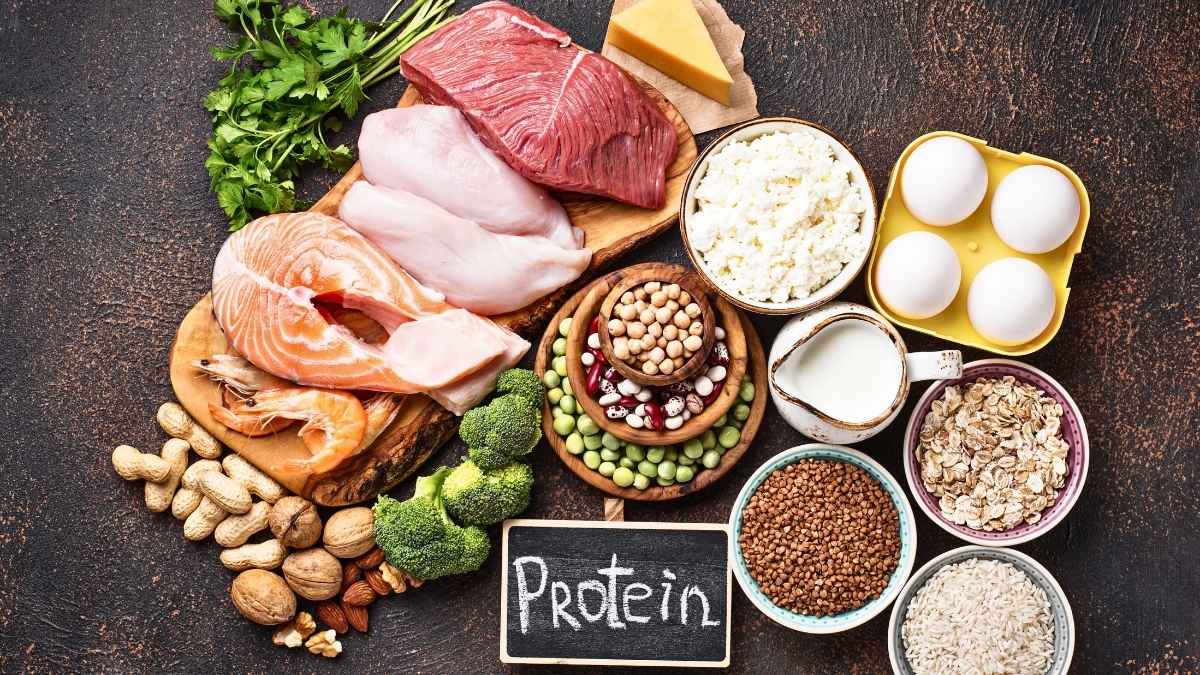
You’re eating protein. But you’re probably not eating enough—or eating it wrong.
After 40, your muscles develop anabolic resistance. They don’t respond to protein like they used to. You need more protein just to maintain what you have.
Sarcopenia—muscle loss with age—affects 30% of people over 60. You lose 3-8% of muscle mass per decade after 30. Less muscle means less energy and more fatigue.
A recent study compared two groups. One ate 0.8 g of protein per kg of body weight daily (the standard recommendation).
The other ate 1.2 g/kg. The higher-protein group gained muscle strength and lost fat. The standard group didn’t.

Research shows you need 25-30g of high-quality protein per meal to maximize muscle protein synthesis. That’s about 4 oz of chicken or a large Greek yogurt with nuts.
For healthy older adults, aim for 1.0-1.2 g of protein per kg of body weight daily. If you have sarcopenia, you might need 1.2-2.0 g/kg depending on your health.
Protein prevents fatigue by maintaining your muscle mass.
How to Test for Nutrient Deficiencies (The Right Way)

Not all nutrient tests are created equal. Here’s what actually matters.
Essential baseline tests:
- Complete Blood Count (CBC) for iron status
- Vitamin B12 with methylmalonic acid (MMA)
- Folate
- 25-OH vitamin D (not the other forms)
- Iron panel with ferritin
Additional recommended tests:
- RBC magnesium (better than serum)
- Zinc
- Calcium
- CoQ10 levels
Get your baseline at 40 or whenever you start feeling tired. Then test annually or when symptoms appear.

Here’s how to read results: Low B12 with high MMA means you have a functional B12 deficiency.
Normal B12 but high MMA means absorption problems. Low vitamin D with high PTH (parathyroid hormone) means your calcium-bone balance is off.
You have options for testing. Quest and Labcorp offer direct-to-consumer panels. LetsGetChecked ships at-home tests. Your doctor can order comprehensive panels.
Work with your healthcare provider to interpret results. Numbers on paper don’t tell the whole story without context.
Supplementation Strategies That Actually Work
Food first, supplements second—but these make the biggest difference.
For mitochondrial function: CoQ10 (100-300 mg daily) is essential. Choose ubiquinol form if you’re over 50—it’s more bioavailable.
NAD+ precursors like NMN or NR help restore declining NAD+ levels. PQQ, acetyl-L-carnitine, and alpha-lipoic acid round out mitochondrial support.

One study combined CoQ10 (200 mg/day) with NADH (20 mg/day). Participants showed improved cellular energy and reduced fatigue.
For vitamin deficiencies: B12 as methylcobalamin (sublingual or injection for absorption issues).
Vitamin D3 with K2 for better calcium regulation. Magnesium glycinate (400-420 mg for men, 320-360 mg for women) to avoid muscle cramps.
CoQ10 and NAD+ work together. They have complementary benefits for energy metabolism and heart health.
Timing matters. Take fat-soluble vitamins (D, CoQ10) with meals. Take magnesium at night—it helps sleep. B vitamins work best in the morning.
Quality matters more than price. Look for third-party testing (USP, NSF, ConsumerLab). Cheap supplements often have poor absorption.
Diet Changes That Support Energy After 40
Your plate should look different at 45 than it did at 25.
Prioritize these nutrient-dense foods: Fatty fish (salmon, sardines, trout) give you omega-3s and vitamin D. Leafy greens (kale, spinach, collard greens) provide magnesium and calcium.
Eggs deliver B12 and choline. Nuts and seeds pack magnesium, zinc, and healthy fats.

For calcium: dairy products, leafy greens, tofu, almonds, fortified foods. For omega-3s: fatty fish three times weekly, or flaxseeds and chia seeds daily.
Here’s a trick for older adults who eat less: make every bite count. Smoothies work better than solid meals for some people.
They’re easier to consume and absorb. Pack them with protein powder, leafy greens, berries, and nut butter.

Distribute protein across the day. Aim for 25-30g per meal, not 80g at dinner and scraps the rest of the day.
What to limit: Processed foods that displace nutrient-dense options. Excess sugar that disrupts insulin sensitivity. Alcohol that depletes B vitamins and magnesium.
Small, nutrient-packed meals beat large, empty-calorie ones.
Lifestyle Factors That Amplify or Drain Energy
Even perfect nutrition fails without these three habits.
Sleep quality directly affects nutrient metabolism. Sleep deprivation disrupts circadian hormones that control how you use nutrients.
It worsens insulin sensitivity. Poor sleep means your body can’t make energy from food efficiently. Aim for 7-9 hours with consistent timing.
Exercise is non-negotiable for mitochondrial health. Regular physical activity triggers your body to build more mitochondria.
It improves insulin sensitivity. It helps muscles respond to protein. You don’t need intense workouts—walking, resistance training, and gentle cardio all work. Just move daily.

Stress management matters because chronic stress depletes nutrients. High cortisol burns through B vitamins, magnesium, and vitamin C faster.
Your body prioritizes survival over energy production. Practice stress reduction—meditation, deep breathing, time in nature.
Gut health controls nutrient absorption. A damaged gut can’t extract nutrients from food. Maintain healthy gut bacteria with fermented foods, fiber, and avoiding unnecessary antibiotics.
These lifestyle factors multiply the effects of good nutrition. Or they cancel it out. Sleep, movement, stress control, and gut health are the foundation everything else builds on.
Lastly:
Energy decline isn’t inevitable aging—it’s often a nutrient mismatch. Test for deficiencies. Eat 1.0-1.2g protein per kg daily. Support mitochondria with CoQ10 and NAD+ precursors. Optimize your diet.
Schedule baseline nutrient testing this week. Start tracking protein intake today. Don’t accept fatigue as “just aging.”