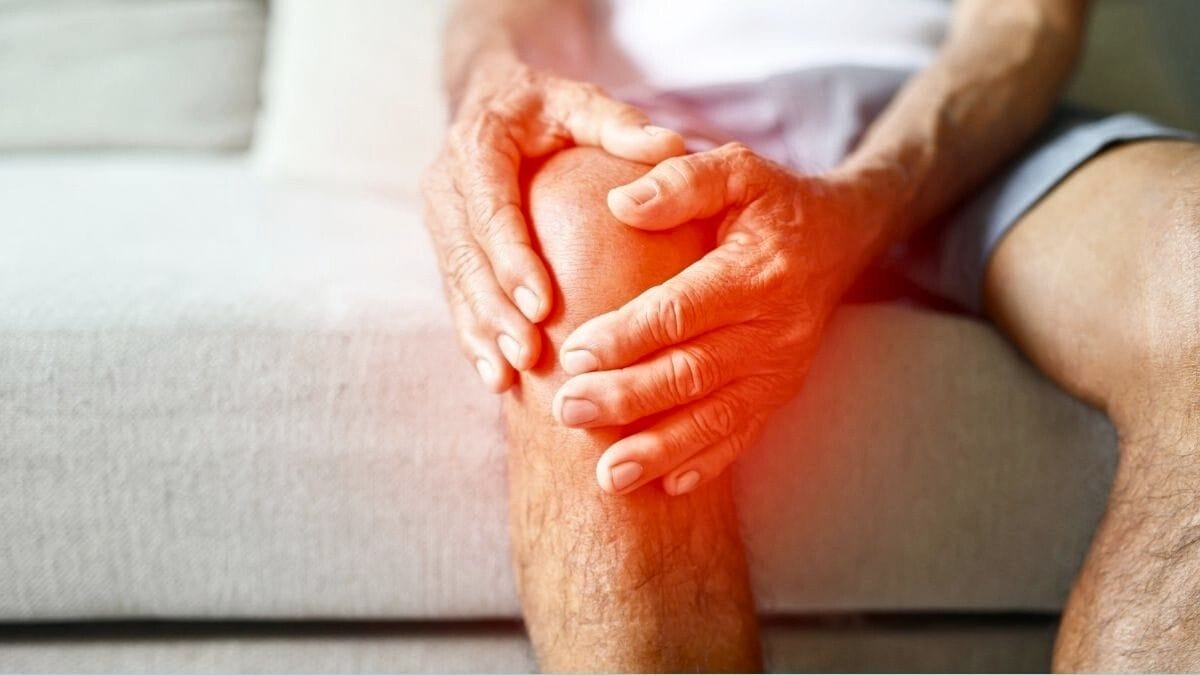
At 45, Sarah noticed she recovered from workouts slower than her 30-year-old gym partner.
A recent blood test revealed why: chronic inflammation was aging her immune system faster than the calendar.
You’re tired more often. Healing takes longer. You’re getting sick more frequently than you used to.
Your doctor says your bloodwork shows “elevated inflammation markers,” but what does that actually mean for your body’s aging process?
This article reveals the latest 2024-2025 research on inflammaging—chronic inflammation that speeds aging.
You’ll learn how it damages your immune system and, most importantly, the specific science-backed steps that can help your immune system recover and potentially slow biological aging by years.
The best part? You can start today.
What Is Inflammaging and Why Should You Care?
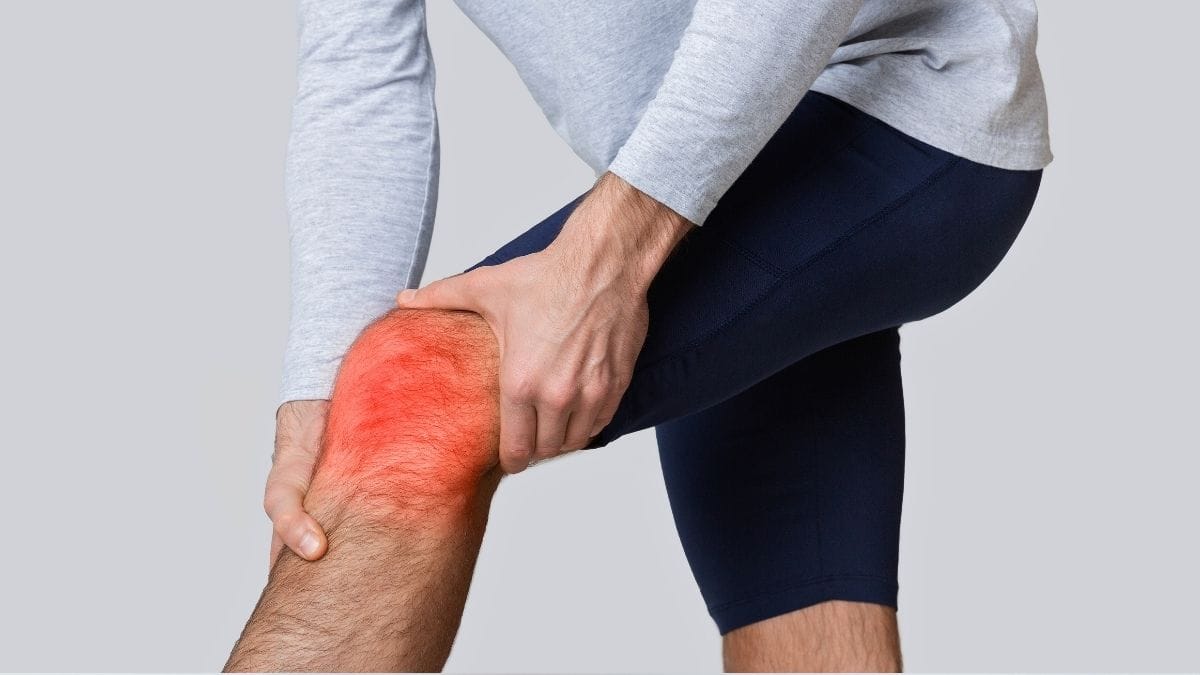
You’ve probably heard that inflammation is bad. Here’s what most people don’t know about how it actually ages you from the inside out.
Inflammaging is chronic low-grade inflammation that comes with aging.
Researchers coined this term when they noticed some people age faster than others. The reason? A vicious cycle that feeds itself.
Here’s how it works: Inflammation creates senescent cells (cells that stop working but won’t die). These “zombie cells” release inflammatory signals called SASP.
More inflammation creates more zombie cells. More zombie cells create more inflammation. Your body gets trapped in this loop.
This isn’t just about feeling tired. Research from 2025 shows inflammaging drives cardiovascular disease by elevating factors like CRP and IL-6, which damage your blood vessels.

In Alzheimer’s and Parkinson’s, inflammaging worsens brain damage by activating microglial cells and releasing cytokines like TNF-α.
Blood tests can show if you have it. Look for elevated CRP, IL-6, IL-1β, and TNF-α.
But inflammaging doesn’t just affect one system. It creates a domino effect throughout your body.
The good news? Understanding inflammaging is the first step to stopping it.
The Science: How Inflammation Hijacks Your Immune System
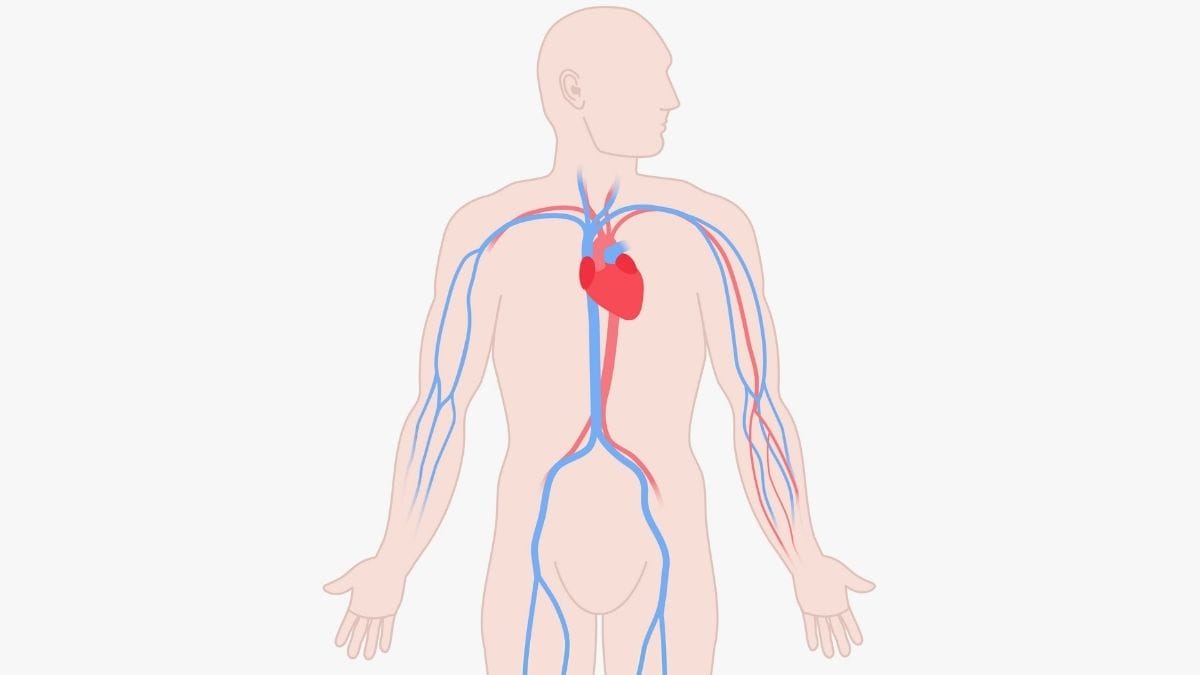
Your immune system is like a trained army. As you age, chronic inflammation sends your troops fake orders.
This process is called immunosenescence—your immune system’s age-related decline. Studies show a decrease in classical monocytes (the good guys) and an increase in inflammatory intermediate monocytes in older adults.
These inflammatory cells produce cytokines like TNFα and IL-6 that damage your tissues.
The thymus is your body’s T-cell training academy. After age 20, it starts shrinking. By 70, it barely functions.
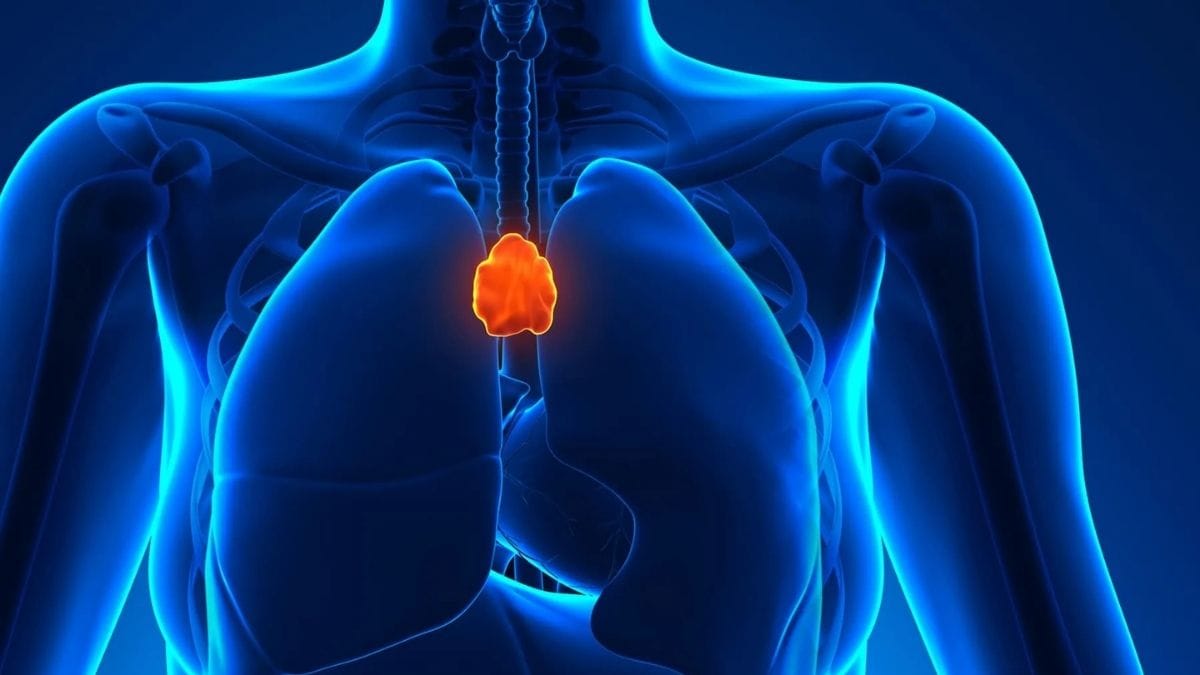
This means fewer naïve T cells (fresh recruits) and more worn-out ones. A significant decrease in naïve T cells is a hallmark of immunosenescence, explaining why you get sick more easily.
Then there are senescent cells. These “zombie cells” stop dividing but don’t die. They secrete harmful SASP factors that age everything around them.
December 2025 brought hope. MIT researchers discovered a way to temporarily program liver cells to improve T-cell function, compensating for thymus decline.
Aged mice receiving the treatment showed much larger and more diverse T cell populations after vaccination.
Now that you understand the mechanisms, let’s explore what you can actually do about it.
Breakthrough Research: Your Immune System CAN Recover
For decades, scientists believed immune decline was irreversible. Until 2024 changed everything.
In July 2024, Nature published shocking results: blocking a protein called IL-11 extended mouse lifespan by 22-25%.
When researchers gave 75-week-old mice (equivalent to 55-year-old humans) anti-IL-11 antibodies, their median lifespan jumped 22.4% in males and 25% in females.
Deletion of the IL11 gene extended lives by 24.9% on average, with reduced obesity and multiple diseases.
But it gets better. Administration of anti-IL-11 to aged mice improved metabolism and muscle function while reducing aging markers and frailty across both sexes.

The MIT study took a different approach. Using mRNA to deliver three factors that promote T-cell survival, researchers rejuvenated immune systems of mice. Think of it as upgrading your body’s software.
Other approaches are emerging too. CAR T-cell therapies and vaccines targeting senescent cells show promise.
IL-11 inhibitors are already in Phase I trials for fibrotic diseases. This is the first time we have multiple pathways showing immune recovery is real.
While these therapies move through clinical trials, you can start using proven lifestyle changes today.
The Anti-Inflammaging Diet: What to Eat (and Avoid)
The food on your plate either feeds inflammation or fights it. There’s no neutral ground.
The Mediterranean diet is the gold standard. Studies from 2024-2025 show it reduces inflammatory markers. This means more olive oil, fish, vegetables, nuts, and whole grains. Less red meat and processed food.
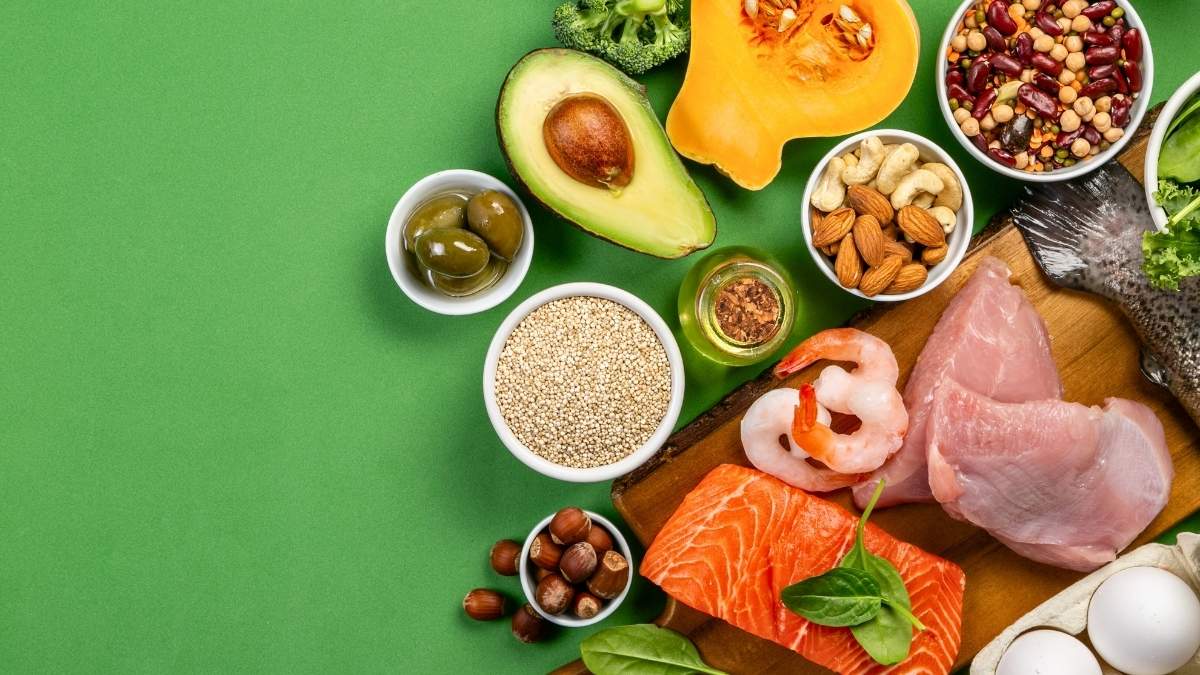
Your omega-3 to omega-6 ratio matters. Most people eat a 14:1 ratio (way too much omega-6). Aim for 2-3:1 instead. Eat fatty fish twice weekly or take fish oil.
Senolytic foods help clear zombie cells. Foods richest in quercetin include onions, apples, capers, blueberries, kale, chili peppers, tea, and broccoli.
Strawberries contain fisetin, but you’d need to eat 1,000 grams of dried strawberries to get 160mg. That’s why supplements exist.
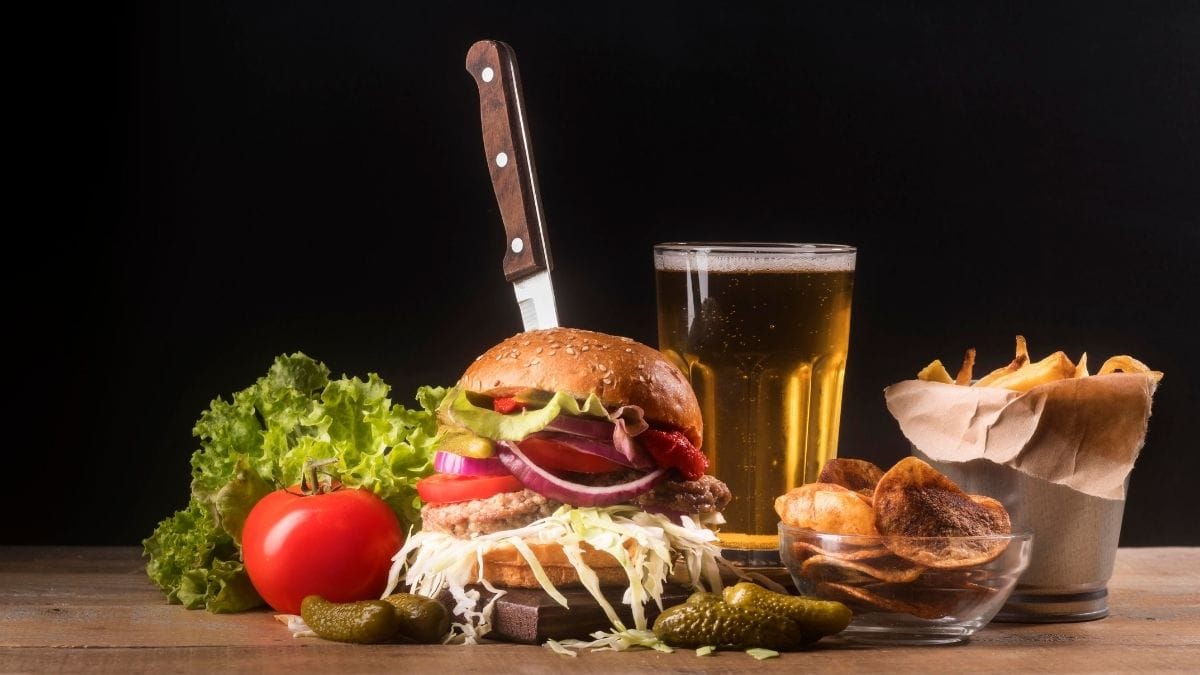
Avoid these inflammation triggers: processed foods, refined carbs, high-fructose corn syrup, and trans fats.
Lifestyle improvements at 2-month intervals reduced TNF-α, IL-17A, and IFN-γ in recent studies. Daily activity made the greatest impact.
Sample breakfast: Greek yogurt with berries and walnuts. Lunch: Salmon salad with olive oil. Dinner: Grilled chicken with roasted vegetables.
Diet is powerful, but it works best when combined with these other lifestyle changes.
Lifestyle Changes That Reverse Immune Aging
You don’t need a prescription to start reversing immune aging. You need a plan.
Sleep comes first. It’s your foundation. Get 7-9 hours nightly. Poor sleep elevates CRP and IL-6. Keep your room cool (65-68°F), dark, and screen-free for one hour before bed.

Exercise is next. Endurance exercise increases naïve T-helper and cytotoxic T cells while reducing worn-out ones in older adults. Aim for 150 minutes of moderate activity weekly.
This could be brisk walking, swimming, or cycling. Chronic physical activity reduces resting C-reactive protein levels by decreasing cytokine production.
Manage stress. Chronic stress keeps cortisol high, fueling inflammation. Try 5 minutes of meditation, 10-minute walks, or journaling. Pick what works for you.

Quit smoking and limit alcohol. Both are direct inflammatory agents.
Here’s the key: combined interventions work better than any single change. For every 1-point increase in adverse lifestyle score, IL-17A increased by 0.98 pg/mL and IFN-γ increased by 1.79 pg/mL. But increased daily activity lowered both.
Start with one change this week. Once it’s habit, add another.
Now let’s talk about targeted supplements that can amplify these lifestyle changes.
Senolytic Supplements: The Science and The Reality
Walk into any health store in 2025 and you’ll see “senolytic” supplements everywhere. But do they actually work?
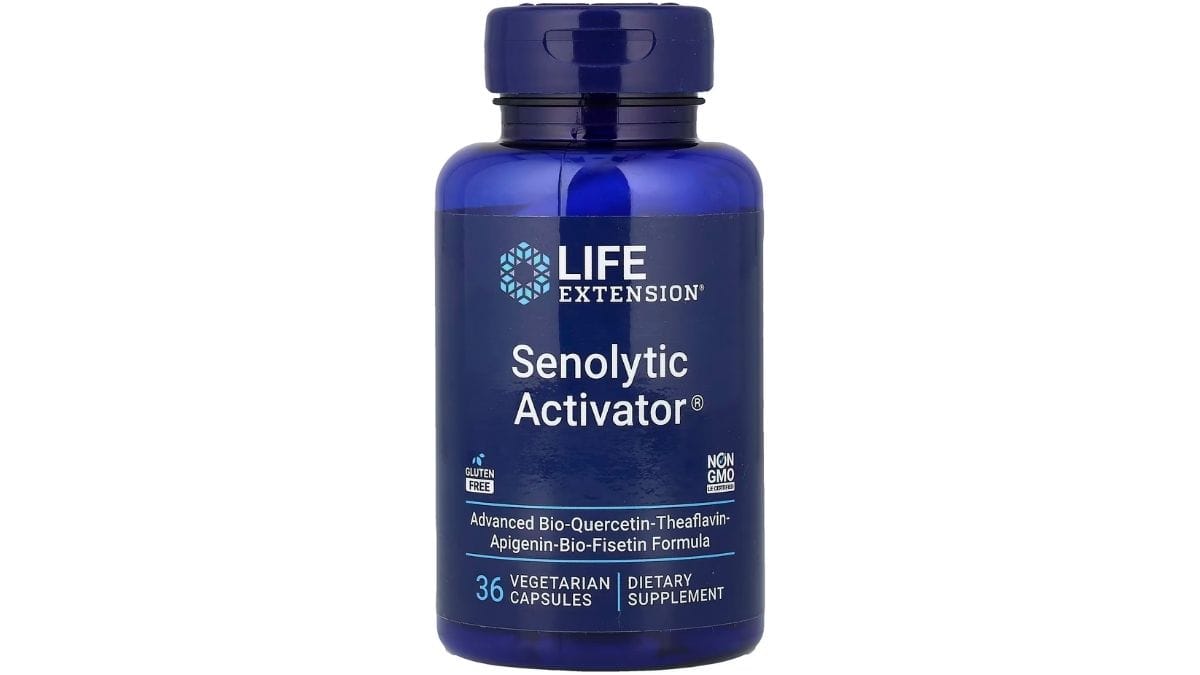
Senolytics are compounds that help clear senescent zombie cells. Natural options like quercetin, fisetin, and curcumin show promise in studies.
Research shows fisetin was more effective than quercetin as a senolytic agent and can work alone.
Here’s the problem: bioavailability. Your gut doesn’t absorb most of these well. You need enhanced formulations—liposomal versions or taking curcumin with piperine (black pepper extract).
The dosing debate is real. Some experts recommend intermittent protocols (two consecutive days monthly) rather than daily dosing.
But James Kirkland, MD, director of Cedars-Sinai’s Center for Advanced Gerotherapeutics, warns that over-the-counter supplements aren’t FDA-regulated.
“Senolytic supplements are typically sold at much lower doses than needed to be effective,” he says.
Quality varies wildly. Look for third-party testing from ConsumerLab or Labdoor.
Food sources give you some benefit without high doses. Remember those onions, apples, and berries from earlier? Eat them daily.

If you choose supplements, work with a healthcare provider who can monitor your response.
Whether you supplement or not, monitoring your progress is key.
How to Track Your Immune Health and Inflammation
You can’t improve what you don’t measure. Here’s exactly what to track.
Blood tests to request: High-sensitivity CRP (hsCRP), IL-6, and complete blood count. Ask your doctor for these specifically.
Normal CRP levels: less than 1.0 mg/L is optimal, 1.0-3.0 mg/L is moderate risk, and above 3.0 mg/L is high risk.
In primary prevention, persistently elevated hsCRP levels should lead to consideration of statin therapy, regardless of LDL cholesterol.
Functional indicators matter too. Track your recovery time after exercise. Count how often you get sick. Rate your energy on a 1-10 scale daily.
Testing frequency: Get a baseline test, then retest every 3-6 months. Changes take time.
Use technology. Sleep tracking apps like Oura or Whoop can monitor recovery. Activity trackers show if you’re hitting movement goals.
Red flags: If your CRP stays above 10 mg/L, you get frequent infections, or fatigue worsens despite changes, see your doctor immediately.
Keep a simple log. Date, test results, symptoms, and what changes you’ve made. This helps you see what works.
Armed with this knowledge and these action steps, you’re ready to start your immune recovery journey.
FINAL THOUGHT:
Inflammaging accelerates biological aging through chronic inflammation and immune decline. But 2024-2025 research proves immune recovery is possible.
Through diet changes, lifestyle modifications, and potentially senolytic compounds, you can reduce inflammation and rejuvenate your immune system.
Your immune system’s ability to recover from inflammation aging isn’t just possible—it’s proven. When will you start?