
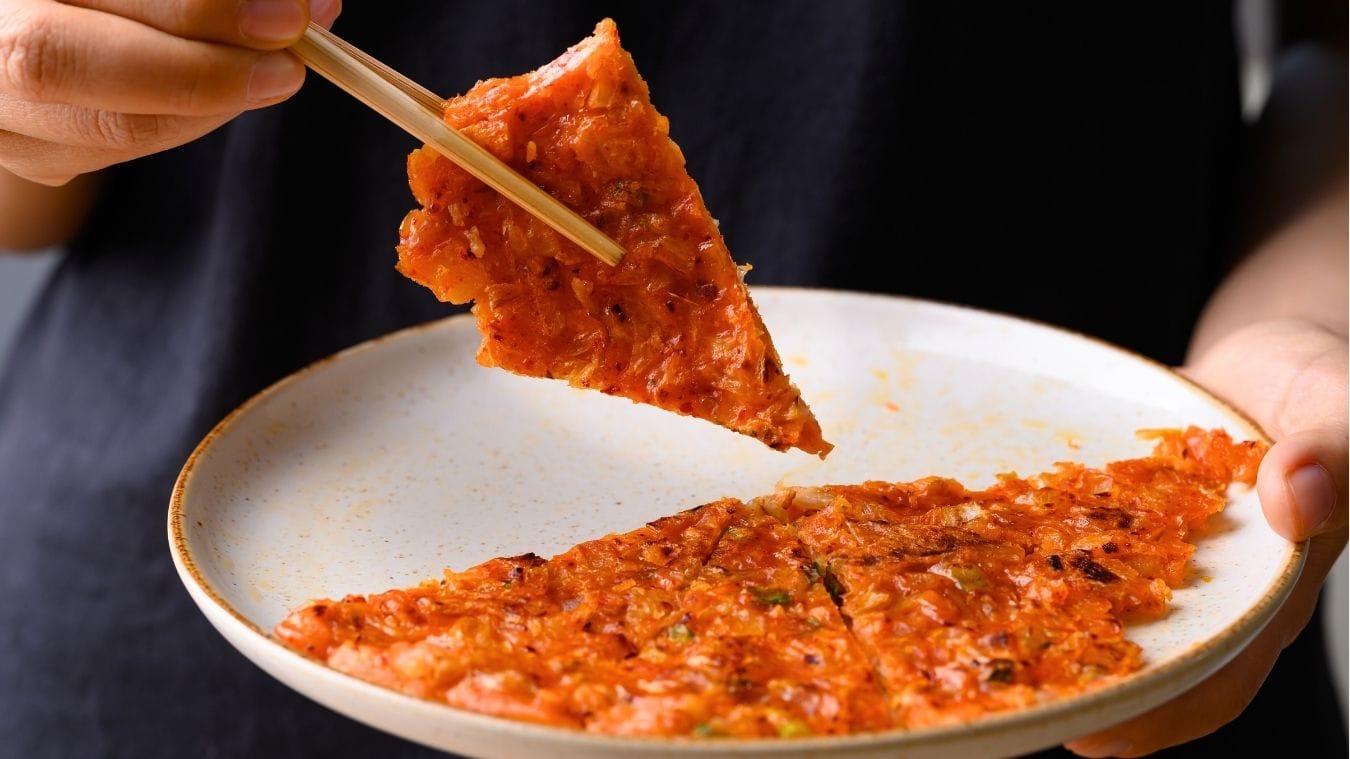
I’ve been growing cabbage in my garden for three years now. Every fall, I make kimchi. And this week, I learned something amazing about what it does to our bodies.
Scientists just discovered that kimchi doesn’t just taste good. It actually works on specific parts of your immune system. The kind of parts that help you fight off colds and stay healthy.
Let me tell you what they found.
What the Scientists Did
Researchers studied 13 people for 12 weeks. Each person was a bit overweight. Some got real kimchi powder in capsules. Others got fake pills.
The amount of kimchi powder they took each day equaled about 30 grams of fresh kimchi. That’s roughly two tablespoons. Not much at all.
They tested everyone’s blood before and after. But here’s what made this study different.
Instead of looking at the immune system as one big thing, they looked at each type of immune cell separately. Like watching individual players on a team instead of just checking the final score.
The Big Discovery
Kimchi did something smart. It didn’t wake up your entire immune system. That would be bad. Too much immune activity causes inflammation and makes you feel sick.
Instead, kimchi targeted two specific parts of your defenses.
First, it boosted something called antigen-presenting cells. These are like security guards that catch bad guys, take their picture, and show it to the rest of the team.
When these cells work better, your body recognizes threats faster.
Second, kimchi improved helper T cells. Think of these as the quarterbacks of your immune system. They call the plays. They tell other cells what to do and when to do it.
The helper T cells became more alert. They reacted faster to threats. And they sent clearer signals to other immune cells.
Everything else stayed calm. No unnecessary inflammation. No overreaction. Just a smarter, faster response system.
Why This Matters for You
Your immune system walks a fine line. It needs to fight infections hard. But it also needs to know when to stop. Too much fighting damages your own tissues.
Kimchi seems to help with that balance.
The researchers think this could help with three things. Fighting viruses. Responding better to vaccines. And keeping inflammation under control.
They need more studies to be sure. But the early signs look good.
Two Types of Kimchi Worked
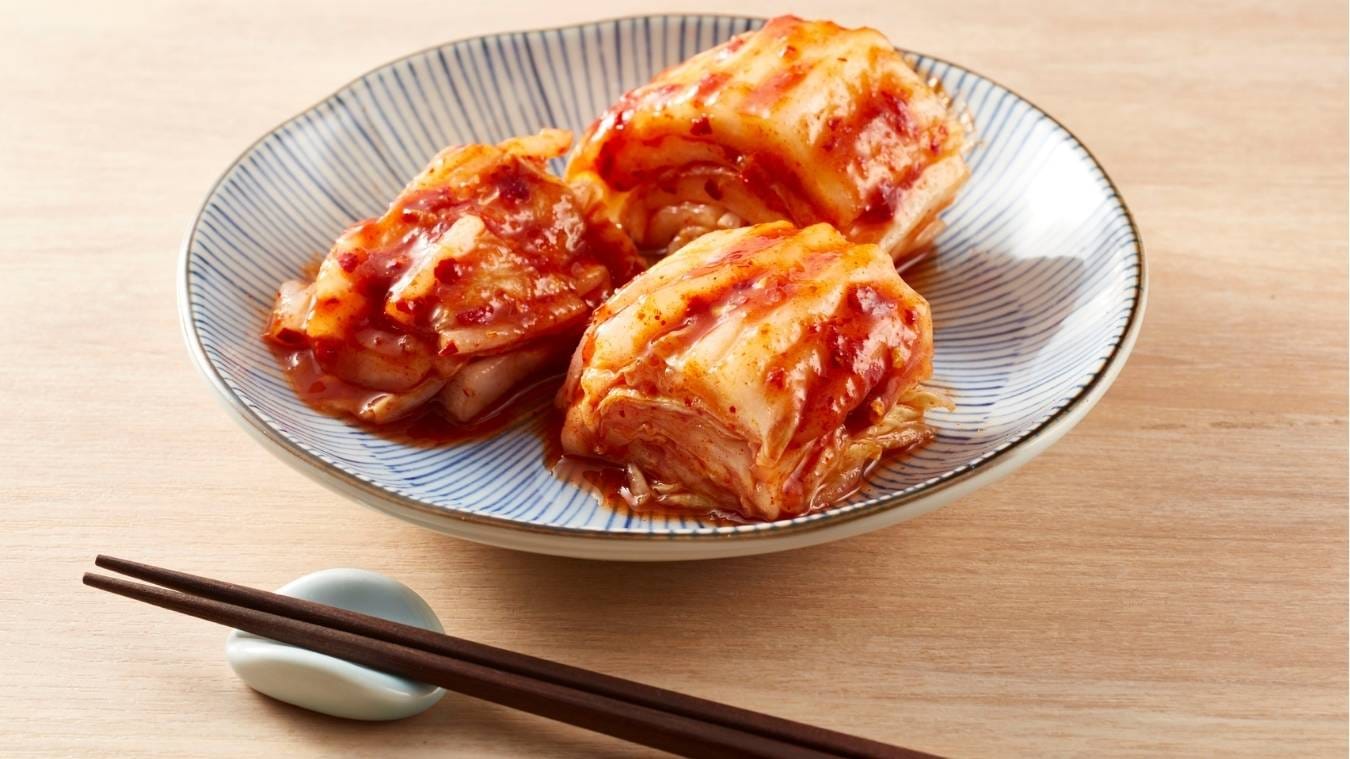
The study tested two kinds of kimchi powder. One was made the old way, using natural microbes from the environment. The other used specific bacterial cultures chosen by scientists.
Both types helped the immune system. But the scientific version worked slightly better.
This tells us something important. The fermentation process matters more than exactly which bacteria you use.
Other Fermented Foods Help Too
Kimchi isn’t alone. Other fermented foods also support your immune system.
Yogurt and kefir boost good gut bacteria. Sauerkraut affects immune responses. Miso and kombucha contain helpful microbes too.
Each fermented food has different bacteria. Each one may help your body in different ways. That’s why eating a variety works better than sticking to just one.
How Much Should You Eat?
In this study, people ate the equivalent of 30 grams of kimchi daily. That’s about two tablespoons. Easy to do.
You could add it to rice. Mix it into scrambled eggs. Put it on a sandwich. Or eat it straight from the jar like I do.
There’s no official recommendation yet. But a little bit each day seems like a good start.
Growing Your Own Kimchi Cabbage
I started growing napa cabbage three years ago. It’s easier than you think.
Plant it in early spring or late summer. It likes cool weather. Water it regularly. Keep the soil moist but not soggy.
In about 70 days, you’ll have beautiful heads of cabbage. Perfect for making kimchi.
Making your own kimchi connects you to an ancient tradition. Korean families have been fermenting cabbage for centuries. Now science shows they were onto something all along.
Conclusion; The Simple Truth
Fermented foods aren’t magic. But they do something real to your body. This study proves it.
The best part? You don’t need to change your whole diet. Just add small amounts of fermented foods to what you already eat.
Keep some kimchi in your fridge. Buy yogurt with live cultures. Try sauerkraut on your hot dog. Drink kefir in the morning.
Small habits add up. Over time, they might help keep you healthier.
Your immune system works hard every day. Give it some help. Give it kimchi.
And maybe, like me, grow the cabbage yourself. There’s something special about eating food you grew in your own garden. Especially when science says it’s good for you.