

Every single day in 2025, about 11,400 Americans turned 65. That is a record 4.18 million people in one year. Are you ready to make the most of these years?
Most people hit 65 with no real daily plan. They deal with poor sleep, fall risks, too many medications, and feelings of loneliness — all at once. They get advice from everywhere but nothing they can actually use.
This article is different. These 8 daily tips are backed by real research. They are simple. They are free or low-cost. And you can start any one of them today — no doctor’s visit needed.
Tip 1: Move Your Body Daily — Even 10 Minutes at a Time Counts

You do not need a gym. You do not need special shoes. You just need to move.
A 2026 Stanford study found that walking in short bursts of 10 minutes had the biggest impact on lowering heart disease risk and early death. Aiming for 7,000 steps a day gives your body real health benefits — without burning you out.
Balance training matters just as much as cardio. Your 60s and 70s are the best time to work on balance. Better balance means fewer falls. Chair yoga, water aerobics, or even dancing in your kitchen all count.
Only 23.1% of adults over 65 meet basic activity guidelines, according to the National Council on Aging. That means most seniors are moving far less than their body needs.
Start small. Walk to the mailbox. Do five minutes of stretching after breakfast. Add more when it feels easy. Movement is medicine — and the dose does not have to be large to work.
Tip 2: Fall-Proof Your Home — One Small Change at a Time

Falls are not bad luck. Most of them are preventable.
Between 30% and 40% of adults over 65 fall every year, according to Mayo Clinic. Falls can lead to loss of independence, nursing home stays, and in serious cases, death. That is not meant to scare you. It is meant to motivate one small action today.
Start inside your home. Remove loose rugs. Add grab bars in the bathroom. Improve lighting in dark hallways. Wear non-slip shoes indoors — not socks, not bare feet.
More than half of older adults (53%) take at least one medication that increases fall risk, according to a PubMed study. You may not even know yours does this.
Medicare covers home safety visits from an occupational therapist. Most seniors do not know this benefit exists. The NCOA also offers a free Falls Free CheckUp at ncoa.org. It takes less than two minutes. Do it this week.
Tip 3: Do a Medication Review Every 6 Months

Four out of five older adults take at least one prescription medication every day. Over a third take five or more. That is a lot of chemicals working inside your body at once.
Some common medications — sleep pills, blood pressure drugs, antihistamines, antidepressants — can affect your balance, memory, and sleep without you realizing it.
A 2025 USC Schaeffer Center study found that reducing sleep medication use in older adults could cut lifetime fall risk by 8.5% and lower the chance of cognitive problems by 2.1%. That is a big number from one small change.
Ask your pharmacist for a Medication Therapy Management (MTM) review. Say those exact words. It is free for most Medicare Part D members. Bring a full list of everything you take — prescriptions, vitamins, over-the-counter pills.
Also check out AARP’s free medication tracker and BenefitsCheckUp at ncoa.org. Your medication list should not be a mystery — to you or your doctor.
Tip 4: Eat Smarter — Your Body After 65 Has Different Needs

Your appetite gets smaller as you age. But your body still needs just as many nutrients — sometimes more.
Protein, calcium, vitamin D, and B12 are the big ones most seniors miss. Protein at every meal helps preserve muscle. Fiber helps digestion.
Water matters more than most people think — dehydration in seniors is common and often mistaken for confusion or fatigue.
About 93% of adults over 65 have at least one chronic condition. Nearly 80% have two or more, says the NCOA. The right food does not cure these conditions — but it directly manages them.
Look into the MIND diet. It combines the best parts of the Mediterranean and DASH diets. Research shows it supports brain health in older adults. No supplements required — just real food choices made daily.
One more thing: poor oral health affects how well you eat and absorb nutrients. Dental care is part of your nutrition plan, not separate from it. Do not skip it.
Tip 5: Stay Socially Connected — Loneliness Affects Your Health More Than You Think

This is not soft advice. Loneliness is a health risk with numbers behind it.
About 24% of Americans over 65 are socially isolated, according to a National Academies study. And research shows that social isolation raises the risk of early death at the same level as smoking or obesity. That should stop you cold.
Before the pandemic, 43% of seniors over 60 reported feeling lonely regularly. In 2024, isolation levels among adults aged 50 to 80 were still at 29.2% — well above what they were before COVID.
One daily phone call makes a difference. One weekly class or club keeps your brain active. Volunteering locally gives your time purpose. These are not complicated fixes.
If you are not sure where to start, visit AARP’s Connect2Affect program online. Your local Area Agency on Aging can also match you with programs in your community — free of charge. You are not meant to do this alone.
Tip 6: Protect Your Sleep — The Right Way, Without Relying on Pills

Sleep changes as you age. You may wake earlier, sleep lighter, or take longer to fall asleep. That is normal. Poor sleep is not.
Sleep medication is one of the most commonly prescribed drugs for older adults — and one of the most risky. Reducing its use could cut fall risk by 8.5% and lower cognitive problems by 2.1%, according to USC research.
The American Academy of Sleep Medicine says the first treatment for insomnia should be Cognitive Behavioral Therapy for Insomnia — called CBT-I. Not pills.
Here is what you can do tonight. Pick a consistent wake time and stick to it every day, including weekends.
Your wake time anchors your whole sleep cycle — not your bedtime. Avoid screens 30 minutes before bed. Keep your room cool. Skip heavy meals or alcohol in the three hours before sleep.
For free CBT-I support, download the Insomnia Coach app — made by the VA and available to everyone. It works. And it costs nothing.
Tip 7: Use Technology as a Daily Tool — Not a Luxury
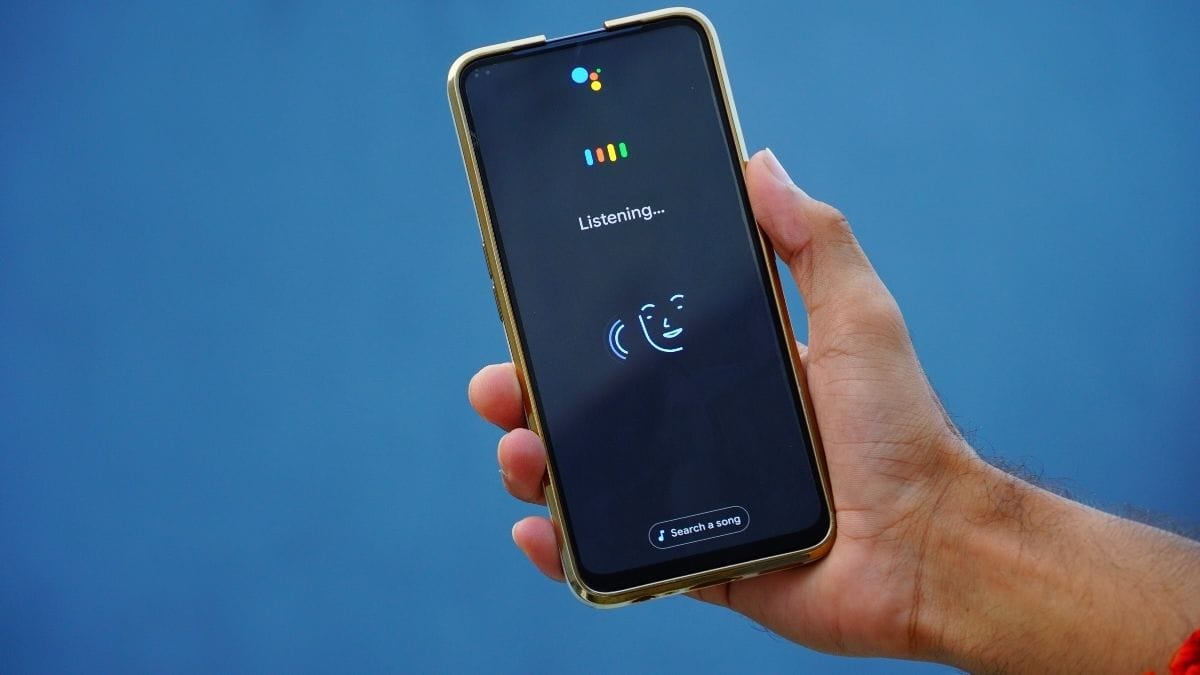
Technology is not just for young people. It is one of the best tools available to help seniors stay safe and independent in 2026.
In 2024, 25% of Medicare fee-for-service users had at least one telehealth visit. You can see your doctor from your couch. No parking. No waiting room. No long drive.
Medisafe is a free app that reminds you to take your medications. Voice assistants like Amazon Echo or Google Home let you make calls, set reminders, and check the weather — hands-free.
Wearable devices like Apple Watch or Life Alert can detect falls and call for help automatically.
You do not need to learn everything at once. Pick one tool. Learn it well. Add the next one when you feel ready.
AARP offers free tech help at local chapter events. GetSetUp.io is an online learning platform designed specifically for older adults — with live classes taught by instructors over 50. Starting is easier than you think.
Tip 8: Know What Benefits You Are Entitled to — and Use Them

Many seniors leave real money and free services unclaimed every year — simply because they do not know they exist.
In 2025, adults over 65 get an extra standard tax deduction of $1,000 if single, or $600 if married filing jointly. That is money back at tax time that most people do not think to claim.
The NCOA’s free BenefitsCheckUp tool at benefitscheckup.org screens for over 2,000 federal and state programs in minutes. It covers food assistance, prescription help, utility relief, and more.
Every year between October 15 and December 7, Medicare holds Open Enrollment. This is your chance to review and switch plans — and many seniors pay more than they need to by never comparing options.
Keep one folder — physical or digital — with your Medicare card, benefit dates, and key contacts. Review it every October.
Call the Eldercare Locator at 1-800-677-1116 for free help finding local services. AARP Foundation Tax-Aide offers free tax prep for seniors every year. These tools are there. Use them.
Conclusion:
Eight tips. Eight real changes. Movement, home safety, medications, food, connection, sleep, technology, and benefits.
Pick one. Start it tomorrow morning. That is all it takes to begin.
Small daily habits are how life after 65 actually gets better — not big, dramatic changes. These daily tips for seniors over 65 work because they are simple, proven, and yours to start right now.