

Heart disease kills more people worldwide than anything else. Not cancer. Not accidents.
Heart disease. And most people don’t know that what they eat every day is either protecting them or making things worse.
You’ve probably heard “eat healthier” a hundred times. But nobody explains what that actually means for your heart. That’s the problem.
The Mediterranean eating pattern has over 65 years of real science behind it. It’s not a trend. It’s not a celebrity diet. It’s the most studied eating pattern in the world for cardiovascular risk.
In this article, you’ll learn exactly what this eating pattern is, what the studies prove, why it works in your body, and how to start this week — without throwing out everything in your kitchen.
What Is the Mediterranean Eating Pattern — Really?
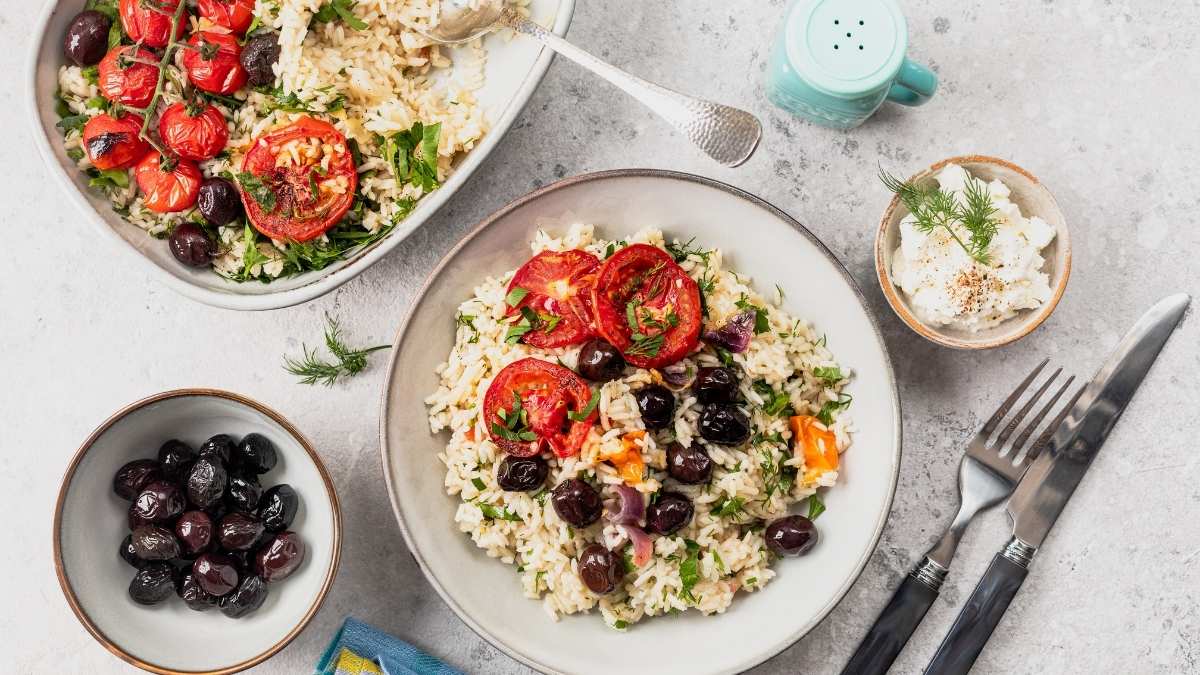
You’ve heard the name. But most people think it means eating pasta or food from Italy. That’s not it.
The Mediterranean eating pattern is a way of eating — not a strict meal plan. No calorie counting. No banned foods.
It started when researchers in the 1960s noticed that people living near the Mediterranean Sea had unusually low rates of heart disease.
They ate a lot of vegetables, fruits, whole grains, beans, nuts, and olive oil. Fish a couple of times a week. Very little red meat or processed food.
The Seven Countries Study followed this for 50 years. The result? People who ate this way had significantly less heart disease and death from it.

It’s been named the world’s #1 diet by U.S. News & World Report for 8 years straight. It’s also backed by the 2020–2025 American Dietary Guidelines.
This isn’t a fad. It’s a proven pattern.
What Do the Studies Actually Show?
Here’s the real science — not blog posts, not influencers.
The PREDIMED Trial followed about 4,500 high-risk adults. Those who ate the Mediterranean way had a 30% lower rate of cardiovascular events compared to those on a low-fat diet.
The Lyon Diet-Heart Study looked at people who already had heart disease. Their risk of another cardiac event dropped by 50–70%. That’s enormous.
A 2024 meta-analysis on PubMed combined results from multiple trials and found:
- 48% fewer major cardiovascular events
- 38% fewer heart attacks
- 37% fewer strokes
- 46% fewer cardiovascular deaths
(Sebastian et al., PubMed, 2024)
An umbrella review in 2025 looked at 238 randomized controlled trials. It found the Mediterranean diet reduced fatal heart disease risk by up to 67%.
Fair warning: some of these studies have limitations. Most are graded “low-to-moderate certainty” by research standards. But the consistency across dozens of studies over decades is rare in nutrition science.
Why Does It Actually Work in Your Body?
It’s not magic. There are clear biological reasons this eating pattern protects your heart.
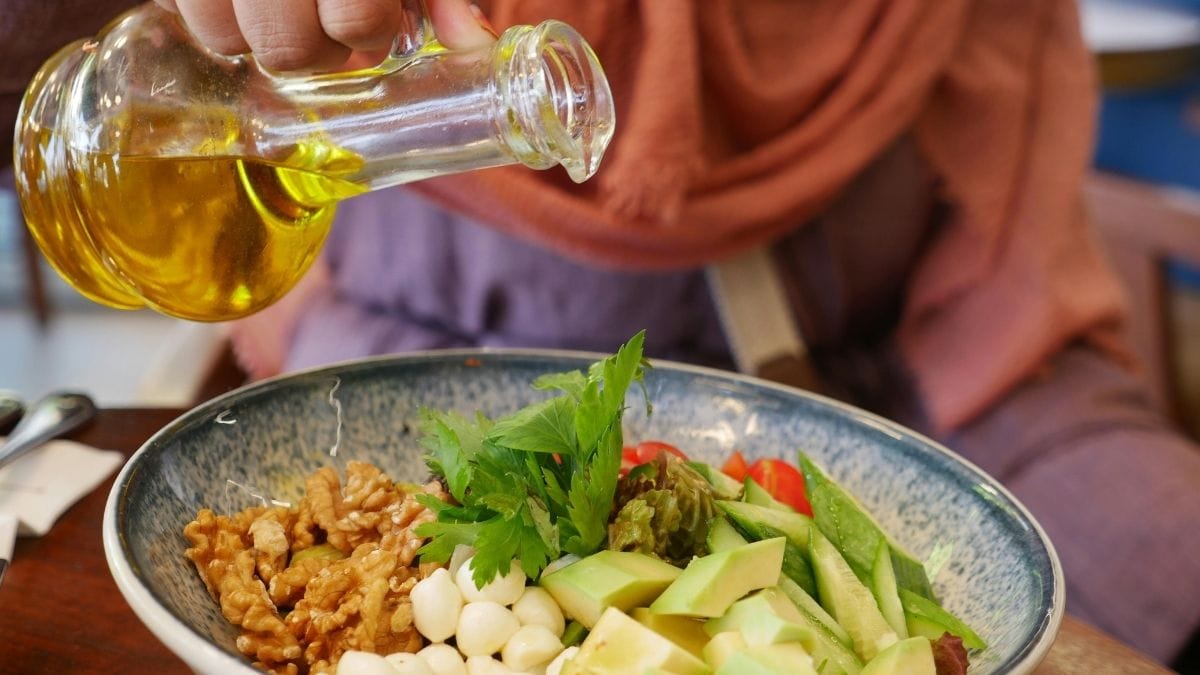
Olive oil, vegetables, and nuts are full of polyphenols — compounds that fight inflammation.
Chronic inflammation is one of the main drivers of heart disease. Less inflammation means less damage to your arteries.
The healthy fats in olive oil lower LDL (“bad”) cholesterol and support healthier blood vessels. Fish like salmon and sardines are rich in omega-3 fatty acids, which reduce triglycerides and lower the chance of blood clots.
The fiber from beans, whole grains, and vegetables helps control blood sugar. High blood sugar over time is a major cardiovascular risk factor.
But here’s the part most articles miss. A big part of this diet’s power is what it replaces.

Butter gets replaced by olive oil. Red meat gets replaced by fish. Soda gets replaced by water. You’re removing harmful things and adding protective ones at the same time. That’s the compounding effect.
What Specific Conditions Does It Protect Against?
This isn’t just about general “heart health.” The research points to specific conditions.
Coronary heart disease —
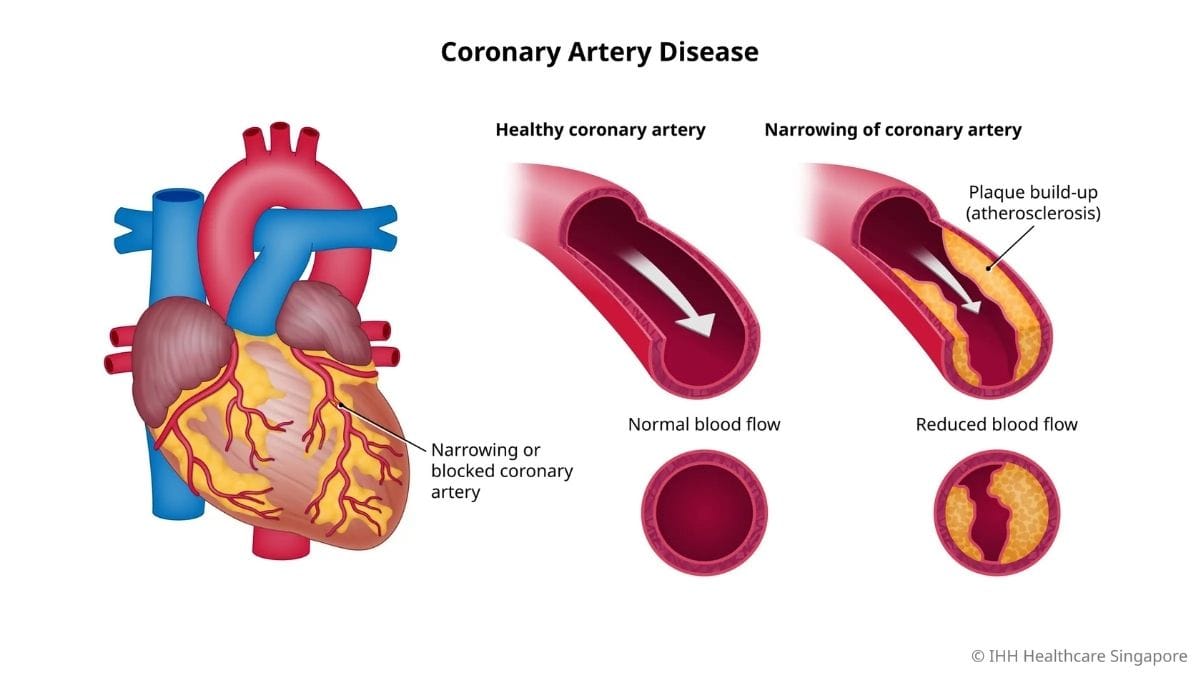
the most studied. Strong, consistent protection in both healthy people and those already at high risk.
Stroke — multiple trials show lower stroke rates and lower risk of a second stroke.
Atrial fibrillation — a heart rhythm problem. A sub-study of PREDIMED found that extra virgin olive oil specifically reduced AF risk. Hazard ratio: 0.65.
Heart failure — every 1-point increase in Mediterranean diet score was linked to a 6% lower heart failure risk, especially in women.
Peripheral artery disease —
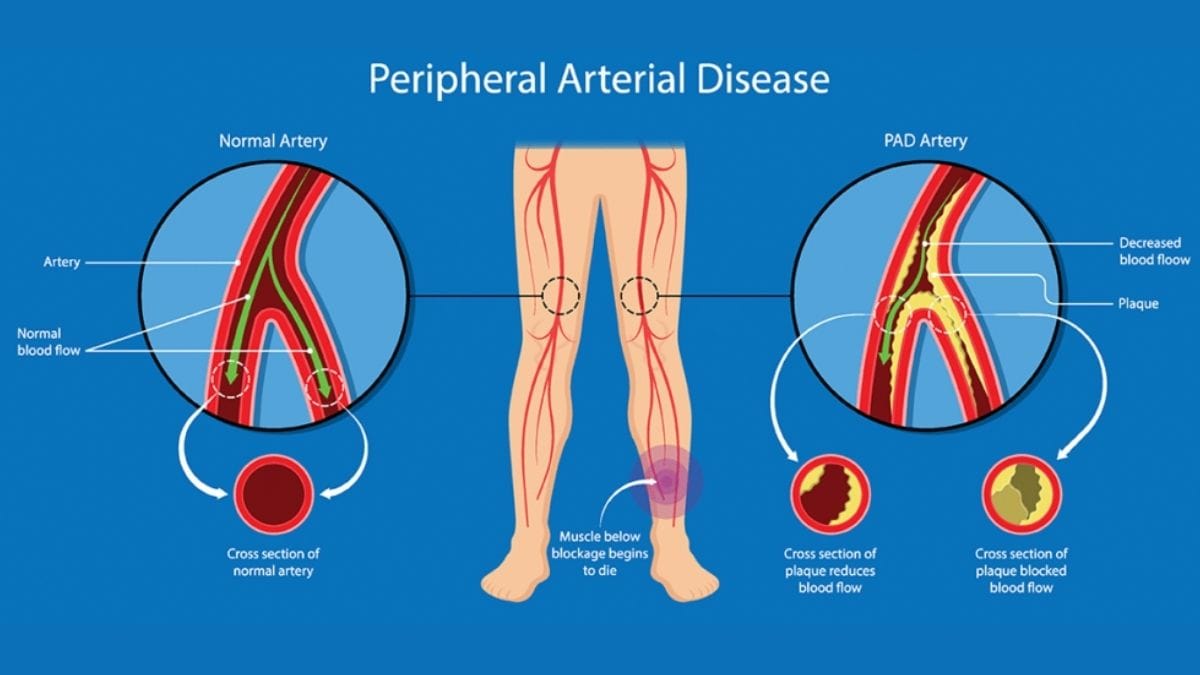
one of the strongest associations found. Hazard ratio as low as 0.34 for people who followed the pattern closely.
And there’s more beyond the heart. Same eating pattern is linked to lower risk of cognitive decline, type 2 diabetes, and certain cancers.
How to Start Eating This Way in 2026 — 3 Simple Swaps
You don’t need to overhaul your entire diet this week. Start with three swaps.

Swap 1: Replace butter or vegetable oil with extra virgin olive oil. Use it for cooking, on salads, on bread. Do this every day. It’s the single fastest change you can make.
Swap 2: Replace one red meat dinner per week with fatty fish. Salmon, sardines, or mackerel work great. Canned sardines cost under $2 and are packed with omega-3s.
Swap 3: Replace processed snacks with a handful of walnuts or almonds plus a piece of fruit. It fills you up and delivers polyphenols your body actually uses.
Simple 1-Day Meal Plan:
- Breakfast: Greek yogurt + berries + walnuts
- Lunch: Whole-grain wrap with hummus, tomatoes, feta, olives
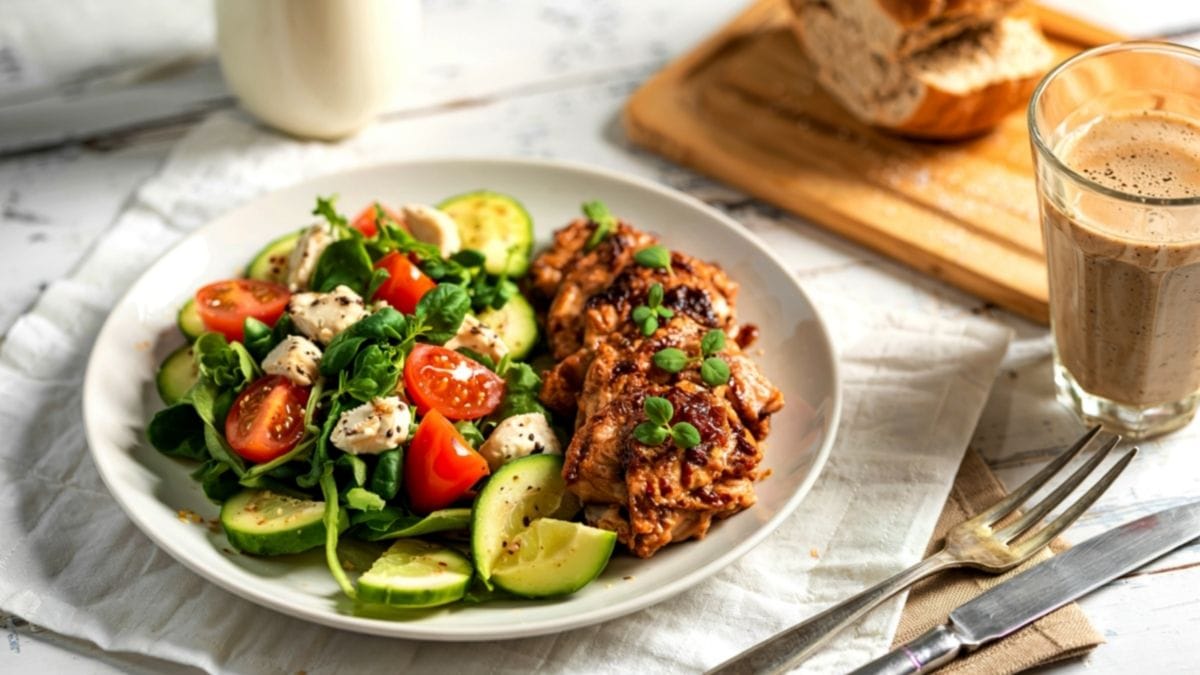
- Dinner: Baked salmon + roasted vegetables + brown rice
- Snack: Apple slices + almond butter
This diet is not expensive. Beans, lentils, canned fish, and seasonal vegetables are all budget-friendly.
Conclusion:
Decades of research — 238 trials reviewed in 2025 alone — show the Mediterranean eating pattern lowers cardiovascular risk in measurable ways.
The science is clear. The steps are simple. Start with one swap this week. Your heart responds to what you do most of the time.