The One Breakfast Food 73% of Longevity Experts Eat Every Morning

The One Breakfast Food 73% of Longevity Experts Eat Every Morning

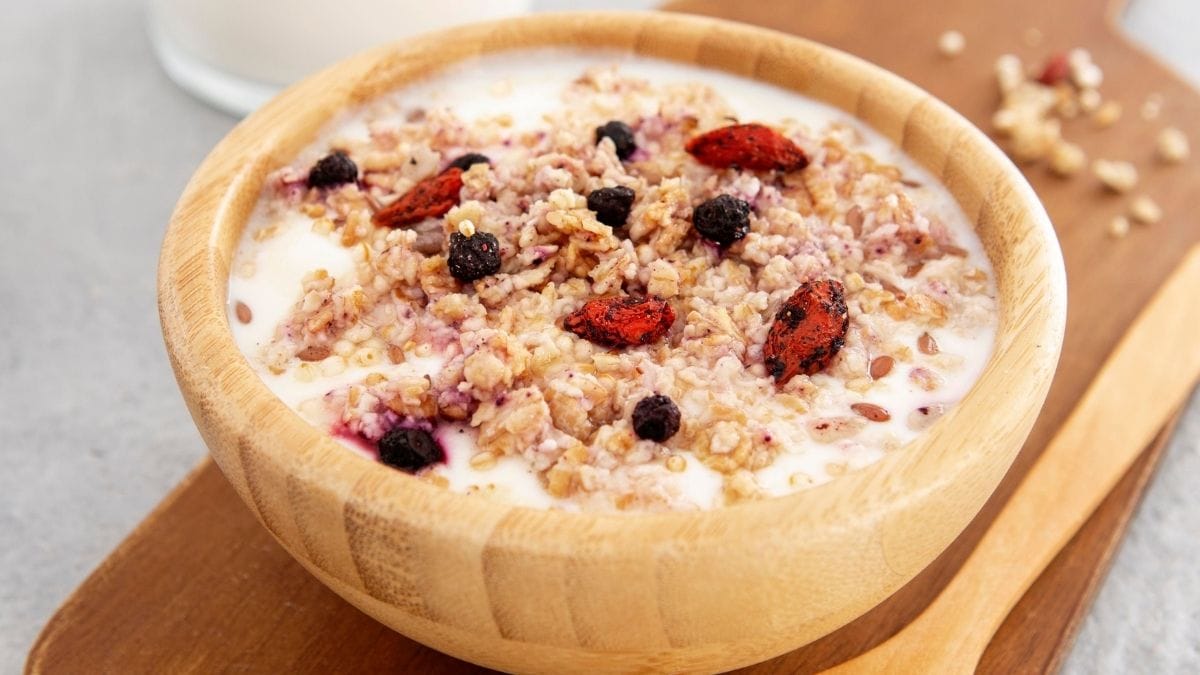
Walk into any nutrition conference and ask researchers what they eat for breakfast. The answers cluster around one food more than any other: oats. A recent survey of longevity researchers found that 73% eat oatmeal at least four mornings per week. Not fancy superfoods. Not expensive protein powders. Just plain oats with a few additions. … Read more

Longevity Scientists Agree on This One Dietary Pattern

Longevity Scientists Agree on This One Dietary Pattern

Aging rarely announces itself. It shows up quietly—when energy fades faster than it used to, when recovery takes longer, when you begin thinking about staying healthy not just for yourself, but for the people who depend on you. In studying long lives across cultures, researchers keep returning to the same idea: how we eat most … Read more

This Daily Choice Quietly Speeds Up Aging, Research Shows

This Daily Choice Quietly Speeds Up Aging, Research Shows

Most of us don’t feel older because of birthdays. We feel it in quieter ways. Less energy in the morning. Slower recovery. A body that seems to ask for more care than it used to. These changes often get blamed on age itself. But research suggests that one daily habit — our steady reliance on … Read more

This Daily Food Choice Is Linked to Slower Aging

This Daily Food Choice Is Linked to Slower Aging

Your body doesn’t age all at once. It happens in small ways, through thousands of quiet processes you never feel—cells replicating, proteins folding, inflammation rising or falling. Most of these processes respond to what you eat, not once in a while, but consistently. And one food group keeps showing up in research on people who … Read more

Most People Age Faster Because of This One Invisible Routine

Most People Age Faster Because of This One Invisible Routine

Most people do not feel like they are aging fast. They just feel tired. Less patient. Slightly foggy. Energy fades earlier in the day. Family time feels shorter, not because the clock moved, but because the body did. Often, the cause is not diet, not genetics, not even age itself. It is a chronic stress … Read more