
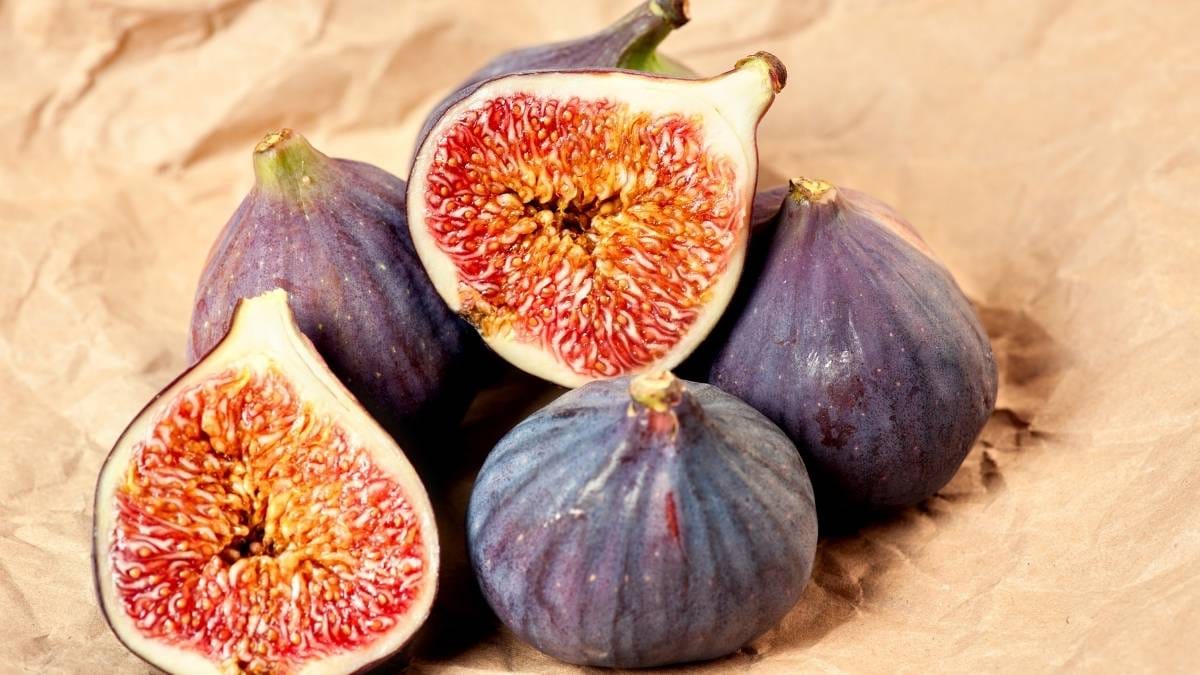
You stand in the grocery aisle. Two bags of sun-dried figs sit before you. One costs less. The other says “organic.” What’s the real difference? Your health depends on knowing.
Clean eating isn’t a trend anymore. It’s a movement. And organic sun-dried figs represent everything this movement stands for: pure ingredients, transparent sourcing, and zero chemical shortcuts. These wrinkled golden gems pack more nutrition per gram than most superfoods on trendy lists. Yet most people walk right past them.
Here’s what you need to know.
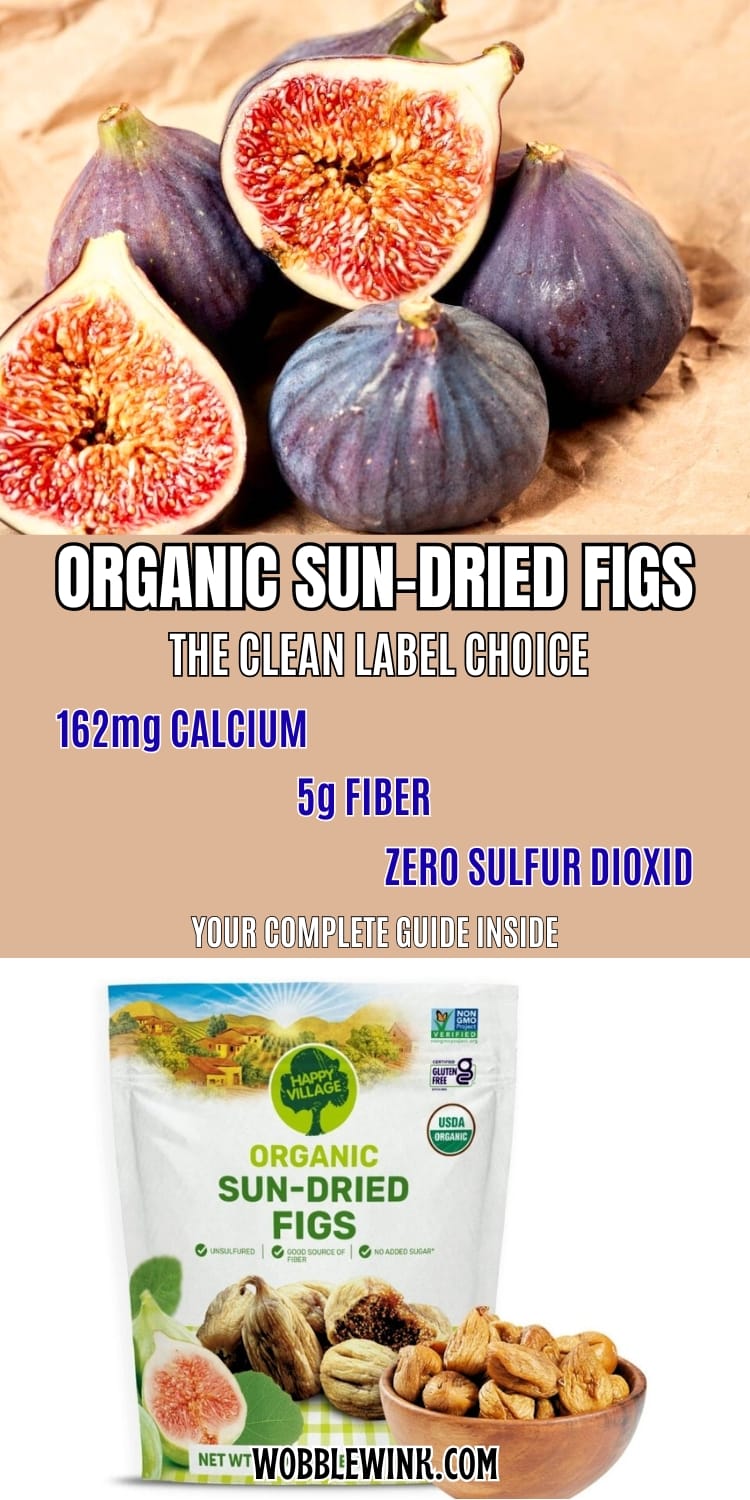
What “Clean Label” Really Means (And Why It Matters)
Clean label sounds fancy. It’s not. It means you can read every ingredient. You understand every word. No chemical codes. No mysterious additives.
For sun-dried figs, a clean label means:
- One ingredient: Figs
- No preservatives: Especially sulfur dioxide
- No artificial colors: What you see is what nature made
- Traceable origin: You know where they grew
The food industry loves shortcuts. Sulfur dioxide keeps dried fruit looking pretty. It prevents browning. It extends shelf life. But it also triggers asthma attacks in sensitive people. It strips away natural flavor. And it has no place in your body.
Organic sun-dried figs skip all that. They dry naturally under the sun. They brown a bit. They look real. Because they are.

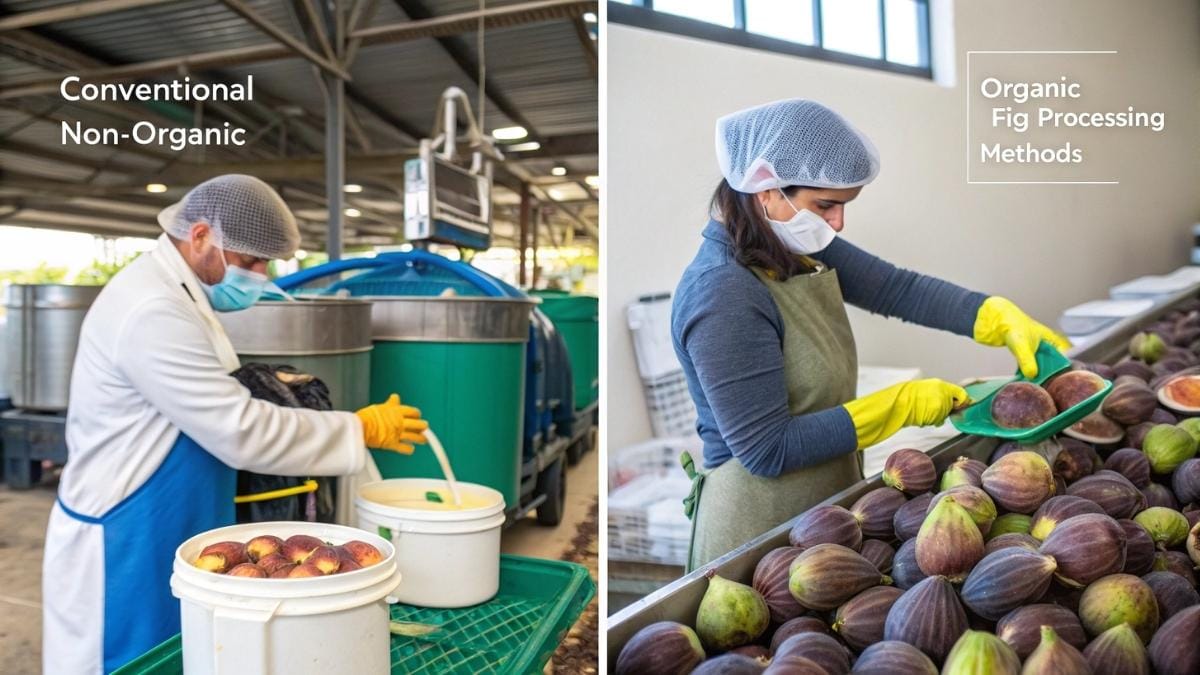
Organic vs. Non-Organic: The Processing Truth
The gap between organic and conventional figs starts in the orchard. It widens during processing.
Conventional Fig Processing:
- Pesticides during growth (up to 12 different chemicals)
- Sulfur dioxide fumigation (150-3000 milligrams per kilogram)
- Possible potassium sorbate treatment
- Hot air drying in industrial facilities
- Mineral oil coating for shine
Organic Fig Processing:
- Zero synthetic pesticides
- Natural pest management only
- Sun-drying on clean surfaces (2-5 days)
- No sulfur dioxide ever
- Optional light water wash only
The organic certification means third-party verification. Annual inspections. Soil testing. Documentation for every step. It’s not just a label. It’s accountability.
Non-organic figs absorb pesticides through their thin skin. These chemicals accumulate. They don’t wash off after drying. You eat them with every bite.
The Fiber Powerhouse: Your Digestive System’s Best Friend
Your gut needs fiber. Most people get barely half of what they need. Three organic sun-dried figs (about 40 grams) fix that fast.
The Fiber Facts:
- 40 grams of figs = 5-6 grams of fiber
- That’s 20% of your daily requirement
- Mix of soluble and insoluble fiber
- Natural prebiotics included
Soluble fiber dissolves in water. It forms a gel in your stomach. This slows digestion. You feel full longer. Your blood sugar stays stable. Your cholesterol drops.
Insoluble fiber doesn’t dissolve. It moves through your system like a broom. It prevents constipation. It keeps everything moving. Regular. Predictable. Comfortable.
But here’s the bonus: organic figs contain natural enzymes that conventional processing destroys. These enzymes include ficin. It breaks down proteins. It aids digestion even further.
Real-World Impact:
- Eat 3 figs mid-morning: Stay satisfied until lunch
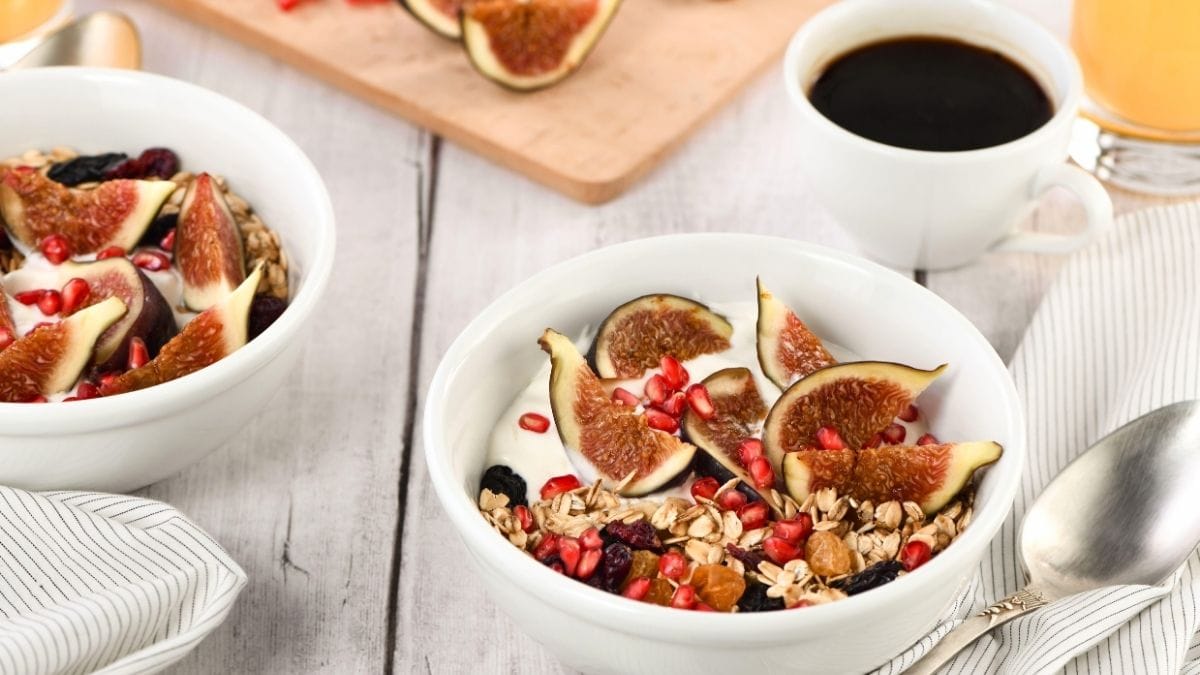
- Add to breakfast: Eliminate mid-morning energy crash
- Evening snack: Support overnight digestive repair
Bone-Building Minerals: The Calcium Secret Nobody Talks About
Calcium gets all the attention. But bones need a team. Organic sun-dried figs deliver the whole crew.
Mineral Content Per 100 Grams:
- Calcium: 162 milligrams (16% daily value)
- Magnesium: 68 milligrams (17% daily value)
- Potassium: 680 milligrams (14% daily value)
- Phosphorus: 67 milligrams (7% daily value)
These minerals work together. Calcium builds bone structure. Magnesium helps calcium absorb. Potassium prevents calcium loss through urine. Phosphorus strengthens the calcium matrix.
This matters more as you age. After 30, you lose bone density every year. After 50, the loss accelerates. Women face higher risks. But men aren’t immune.
Three figs daily (40 grams) give you:
- 65 milligrams of calcium
- 27 milligrams of magnesium
- 272 milligrams of potassium
That’s meaningful. That’s protective. That’s prevention you can taste.
Why Organic Matters Here: Organic soil has higher mineral content. Chemical fertilizers deplete soil. Organic practices rebuild it. Your figs absorb what the soil provides. Better soil means better nutrition.
Antioxidant Protection: Polyphenols That Fight Aging
Free radicals attack your cells. Every second. Every day. Antioxidants defend against this assault. Organic sun-dried figs bring powerful weapons.
Key Antioxidants:
- Polyphenols (chlorogenic acid, gallic acid)
- Flavonoids (quercetin, anthocyanins)
- Carotenoids (lutein, beta-carotene)
These compounds neutralize free radicals. They reduce inflammation. They protect cell membranes. They slow aging at the cellular level.
Research shows dried figs have higher antioxidant activity than fresh ones. The concentration increases during drying. You get more protection per gram.
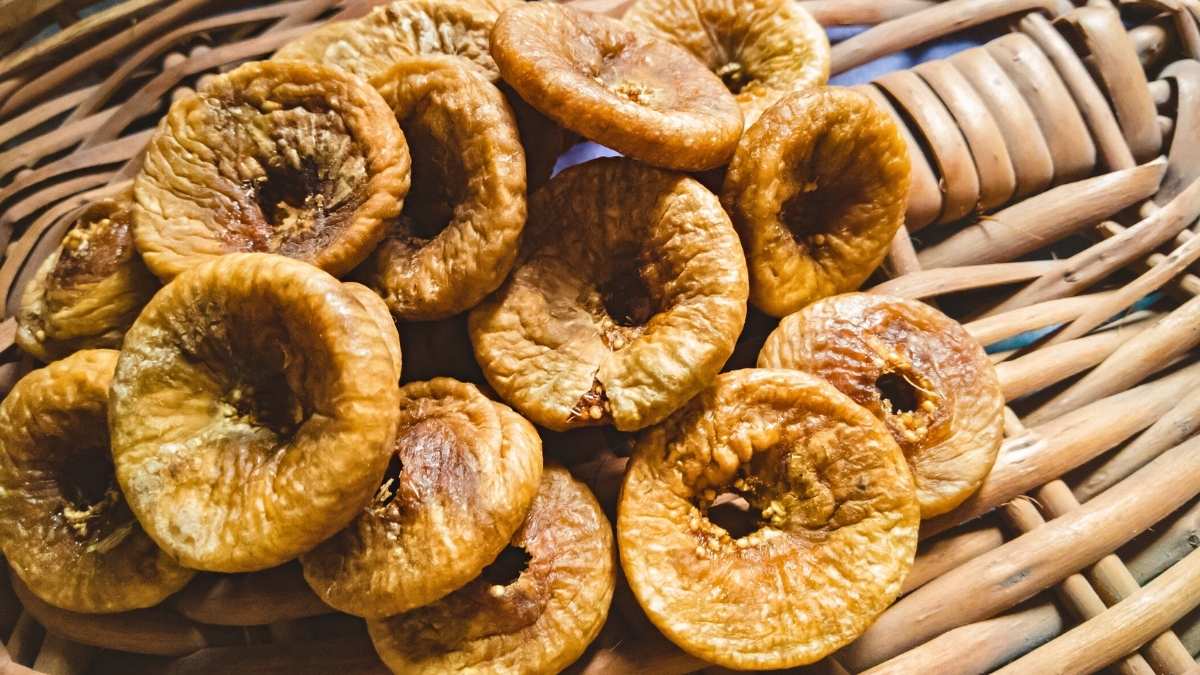
The organic difference? No pesticides means plants produce more natural defense compounds. They make their own protection. You benefit from their strength.
Natural Energy Without the Crash: Smart Carbohydrate Profile
Need energy? Figs deliver. But not like candy. Not like energy drinks. Better.
Energy Breakdown (Per 40 Grams):
- Total carbohydrates: 24 grams
- Natural sugars: 19 grams (fructose and glucose)
- Fiber: 5-6 grams
- Calories: 95
The fiber slows sugar absorption. Your blood glucose rises gradually. It stays elevated longer. Then it descends smoothly. No spike. No crash. Just steady fuel.
Athletes use this. Marathon runners eat figs during long races. Cyclists pack them for endurance rides. The natural sugar-to-fiber ratio provides sustained energy.
For everyday life:

- Pre-workout: Eat 2-3 figs 30 minutes before exercise
- Afternoon slump: Skip coffee, eat figs instead
- Study sessions: Steady glucose supports brain function
Global Sourcing and Quality: Where Your Figs Come From
Not all organic figs are equal. Origin matters. Processing location matters. Certification matters.
Top Organic Fig Regions:
- Turkey: Produces 70% of world’s dried figs. Ideal climate in Aydin province. Strict EU organic standards.
- California, USA: Smaller production but rigorous USDA organic certification. Calimyrna variety dominates.
- Greece: Ancient fig-growing tradition. Kalamata region known for quality. EU organic certified.
- Iran: Estahban figs prized for sweetness. Growing organic sector.
Quality Indicators to Check:
Certification Seals:
- USDA Organic (USA)
- EU Organic Leaf (Europe)
- NASAA (Australia)
- Soil Association (UK)
Physical Quality Markers:
- Pliable texture (not rock-hard)
- Natural brown to golden color (avoid bright orange)
- Slight white crystallization acceptable (natural sugars)
- Sweet smell (no chemical or musty odor)
What to Verify:
- Country of origin on label
- Certification number (proves authenticity)
- Harvest year if possible (fresher is better)
- No “natural flavors” listed (often means additives)
Reputable suppliers test every batch. They check for:
- Aflatoxin levels (mold toxins)
- Moisture content (prevents spoilage)
- Foreign material contamination
- Pesticide residue (even on organic products, for verification)
Buy from companies that publish their test results. Transparency signals quality. Secrecy signals shortcuts.
The Iron Advantage: Plant-Based Blood Support
Iron deficiency affects 1.6 billion people worldwide. Women face higher risk. Vegetarians need extra vigilance. Figs help.
Iron Content:
- 100 grams of figs: 2.0 milligrams of iron
- 40-gram serving: 0.8 milligrams
- That’s 4-10% of daily needs (varies by age and gender)
Plant-based iron (non-heme iron) absorbs less efficiently than meat-based iron. But smart pairing fixes this. Eat figs with vitamin C sources:
- Add to orange segments
- Pair with strawberries
- Include in salad with lemon dressing
This combination can triple iron absorption.
Three Common Mistakes to Avoid When Buying and Storing Sun-Dried Figs
You can ruin perfect figs through ignorance. Don’t let these mistakes waste your money or compromise your health.
Mistake #1: Buying Rock-Hard Figs
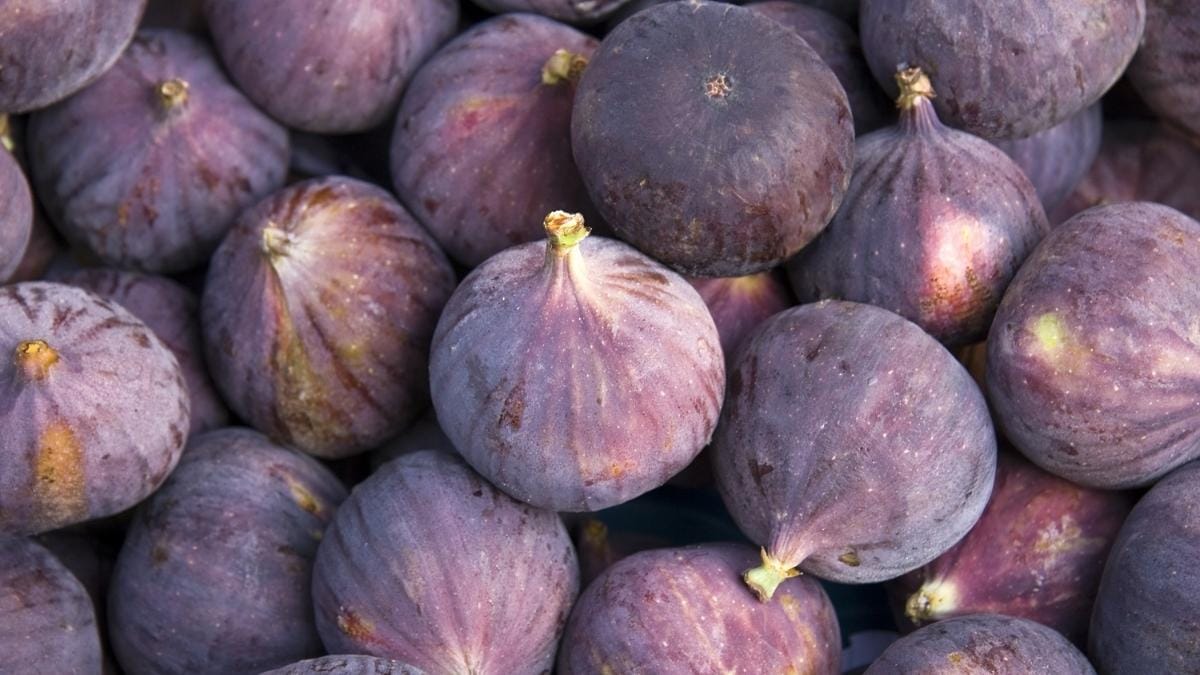
The Problem: Over-dried figs lost moisture and nutrients. They’re difficult to eat. They lack flavor.
The Fix: Squeeze gently before buying. Good figs yield slightly. They feel pliable. They’re never mushy but never stone-hard. If buying packaged, check the packaging date. Figs older than 12 months are questionable.
Mistake #2: Storing in Wrong Conditions
The Problem: Figs contain natural oils and sugars. Heat turns oils rancid. Humidity grows mold. Light degrades nutrients.
The Fix:
- Short-term (1-3 months): Airtight container in cool, dark pantry (below 21°C/70°F)
- Long-term (6-12 months): Sealed container in refrigerator (2-4°C/35-40°F)
- Maximum storage (up to 18 months): Vacuum-sealed in freezer (-18°C/0°F)
Never store in original plastic bag after opening. Transfer to glass or BPA-free plastic containers. Remove as much air as possible.
Mistake #3: Ignoring White Crystallization Warning Signs
The Confusion: Some white crystallization is natural. It’s sugar coming to the surface. It’s harmless. But not all white coating is safe.
Natural Sugar Crystals (Safe):
- Small, sparkly appearance
- Wipes off easily
- No odor
- Figs still pliable
Mold Growth (Dangerous):
- Fuzzy or powdery texture
- Green, gray, or blue tint
- Musty smell
- Figs may be sticky
When in doubt, throw it out. Aflatoxin from mold is dangerous. It’s not worth the risk.
Additional Storage Tip: Place a small piece of bread or apple slice in the storage container. It maintains ideal humidity. Replace every two weeks. This prevents both over-drying and excess moisture.
Smart Serving Sizes and Daily Integration
Knowing nutrition facts means nothing without practical application. Here’s how to actually eat these figs.
Recommended Serving Sizes:
- Standard serving: 40 grams (about 1.4 ounces or 3 medium figs)
- Maximum daily: 80 grams (about 2.8 ounces or 6 figs)
- Minimum effective: 20 grams (about 0.7 ounces or 1-2 figs)
Exceed these amounts and the natural sugars become excessive. Stay within range and you maximize benefits while avoiding drawbacks.
Easy Integration Ideas:
Breakfast:
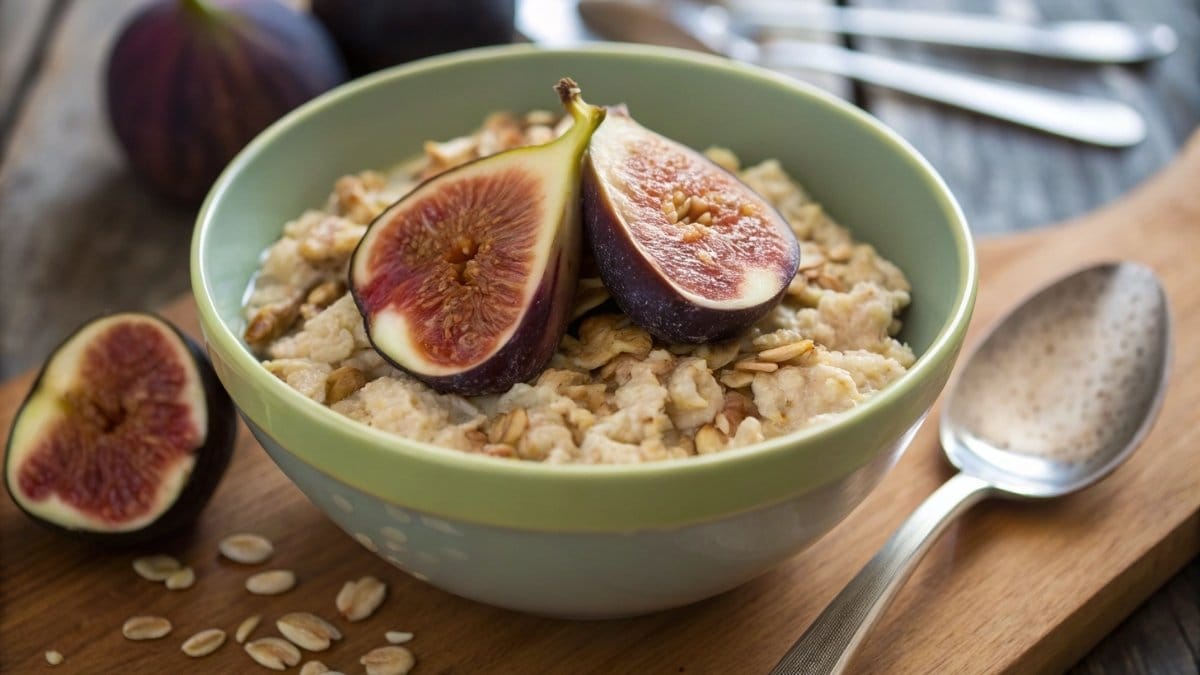
- Chop into overnight oats (add 2 figs to 50 grams of oats)
- Blend into smoothies (3 figs with banana and almond milk)
- Top Greek yogurt (2 figs with 170 grams of yogurt)
Lunch:
- Add to salads (3 figs with mixed greens, goat cheese, walnuts)
- Include in grain bowls (2 figs with quinoa and roasted vegetables)
Snacks:
- Pair with nuts (3 figs with 30 grams of almonds)
- Stuff with nut butter (2 figs with almond or tahini)
- Wrap in prosciutto for special occasions (1 fig per wrap)
Dinner:
- Simmer into sauces for meat (4 figs in balsamic reduction)
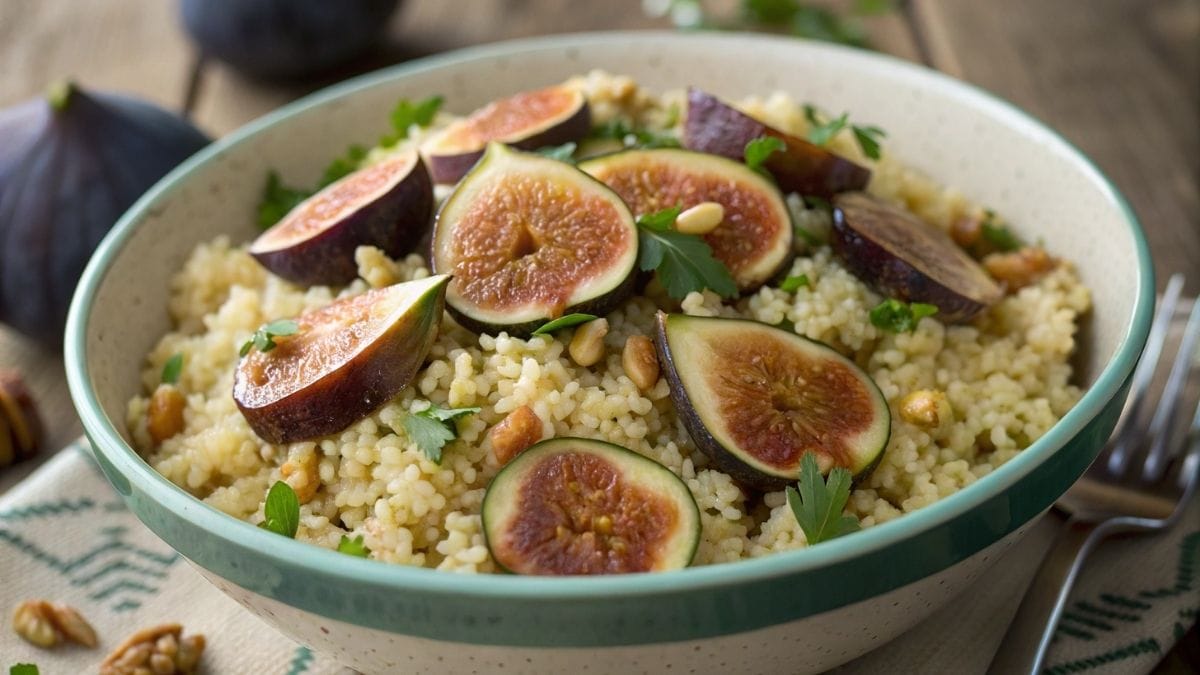
- Chop into couscous or rice pilaf (2 figs per serving)
Lastly:
You now know more about sun-dried figs than 99% of shoppers. You understand clean labels. You recognize quality. You know the organic difference.
This knowledge changes nothing unless you act.
Your Action Plan:
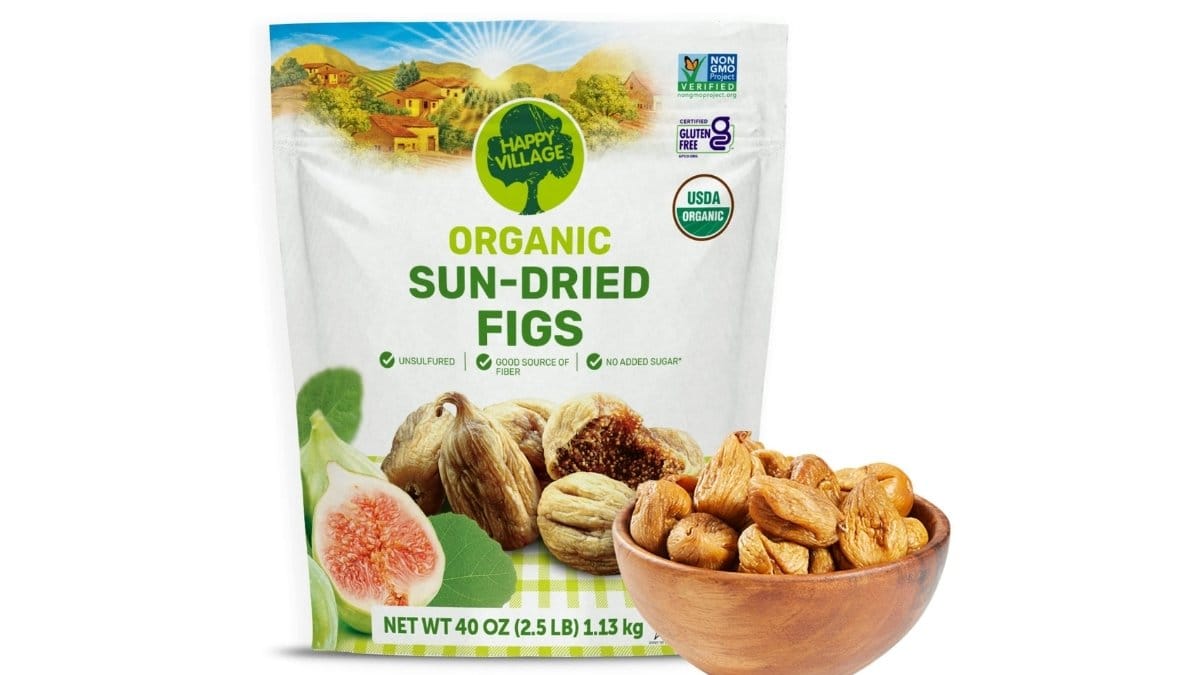
- This week: Find organic sun-dried figs at your local store or order online
- Check the label: Verify organic certification and origin
- Start small: Add 3 figs daily to your breakfast for one week
- Notice the difference: Track your energy levels and digestion
- Share: Tell one friend about clean label choices
The food industry thrives on confusion. They profit when you don’t ask questions. When you don’t read labels. When you choose convenience over quality.
You’re different now. You’re informed. You’re empowered.
Organic sun-dried figs aren’t expensive when you consider what they replace: processed snacks, sugar crashes, empty calories, and chemical additives your body doesn’t need.
They’re an investment in daily energy. In long-term bone health. In digestive wellness. In cellular protection.
The choice is clear. The label is clean.
Choose organic sun-dried figs. Your body will thank you.