

What if the secret to strong immune health is already on your plate?
Colorful fruits and vegetables give your immune system the nutrients it needs. And here’s why that matters. A balanced diet works better than any “magic” vitamin or trend.
This guide shows which everyday foods truly support immune health without the hype today. foods that support immune health

How Diet and Nutrition Affect Immunity
Your immune system needs steady fuel to work well. And here’s why that matters. Immune cells use vitamins, minerals, and protein to grow, repair, and fight germs.
When your diet is low in key nutrients, your body can’t defend you as well. A healthy diet gives you a full mix of nutrients, not a single “fix.”
Many trusted groups, including the CDC and NIH, explain that eating a varied, balanced diet supports normal immune function.
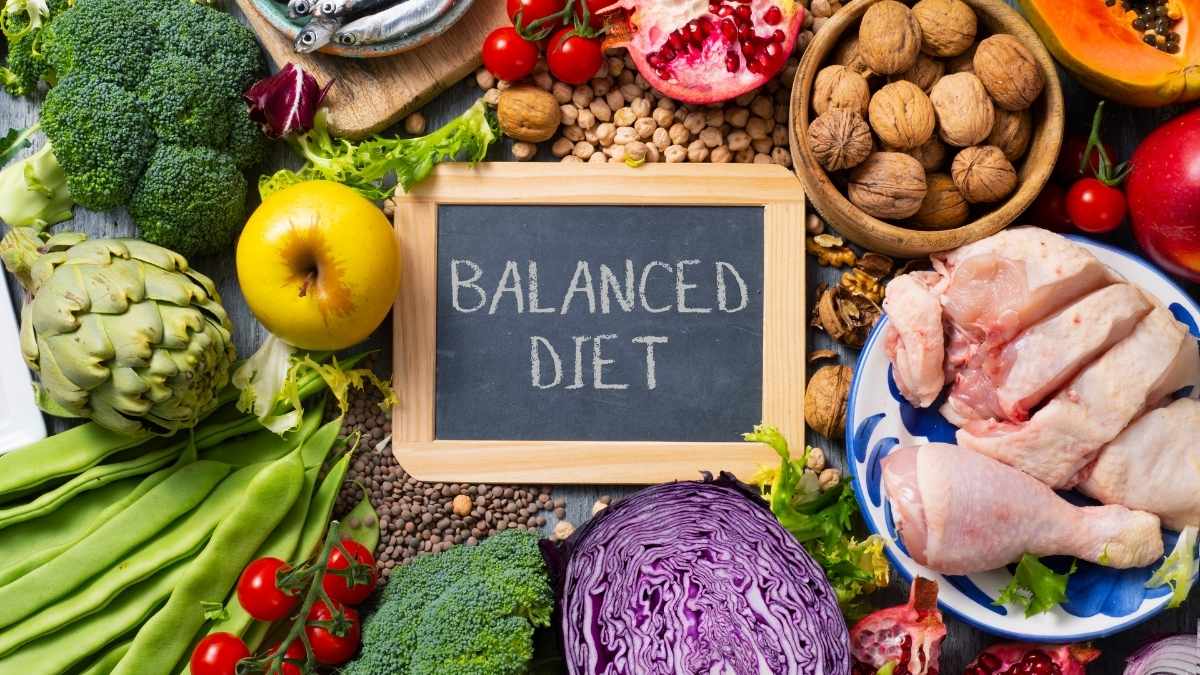
This means fruits, vegetables, whole grains, lean protein, and healthy fats. Each food adds something different. No single vitamin can replace the full package your immune system needs.
Deficiencies make things harder. Low vitamin D or zinc can weaken your immune response, especially in older adults.
This is common because many people do not meet daily needs through food alone.
The U.S. guidelines suggest at least 5 servings of fruits and vegetables each day, but only about 10–12% of adults hit that target. This gap shows why many people feel tired or get sick more often.
A strong immune system starts with what you eat each day.
Small changes add up fast.
Your body feels the difference when it gets steady nutrients.
Key Vitamins & Minerals Your Immune System Needs
Vitamin C helps white blood cells work well. Citrus, kiwi, strawberries, and red bell peppers are top sources.
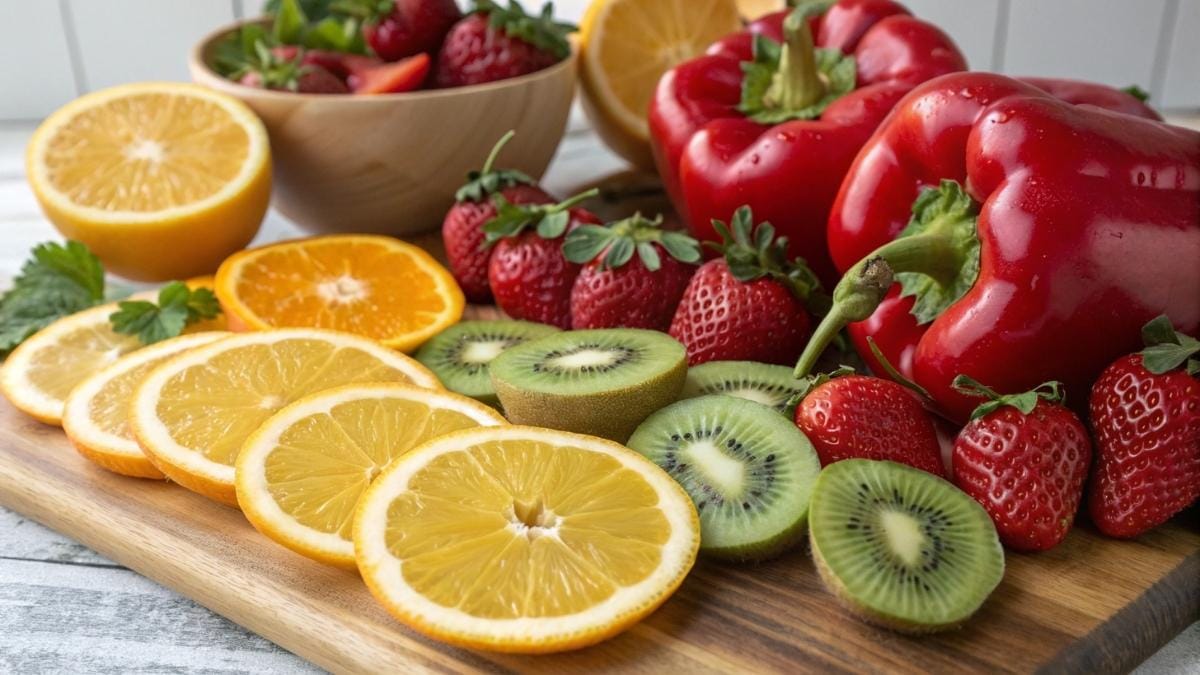
Red peppers have about 3 times more vitamin C than an orange, which surprises many people. Studies show vitamin C may shorten colds by 10–15%, so steady intake matters.
Vitamin A and beta-carotene protect your skin and lining tissues. These are your body’s first shields against germs.
You get them from carrots, sweet potatoes, spinach, kale, and mango. Beta-carotene turns into vitamin A in your body. UC Health notes these foods support antibody strength.
Vitamin D helps control your immune response. You can get it from fatty fish like salmon and tuna, egg yolks, and fortified milk.
Mushrooms help too. Many older adults are low in vitamin D, so foods and safe sun time can help fill the gap.
Vitamin E works as a fat-soluble antioxidant. Almonds, sunflower seeds, spinach, and avocado are easy choices. A simple handful of almonds can meet your daily need.
Minerals matter too. Zinc supports repair and helps your body fight infection. Low zinc levels raise infection risk.
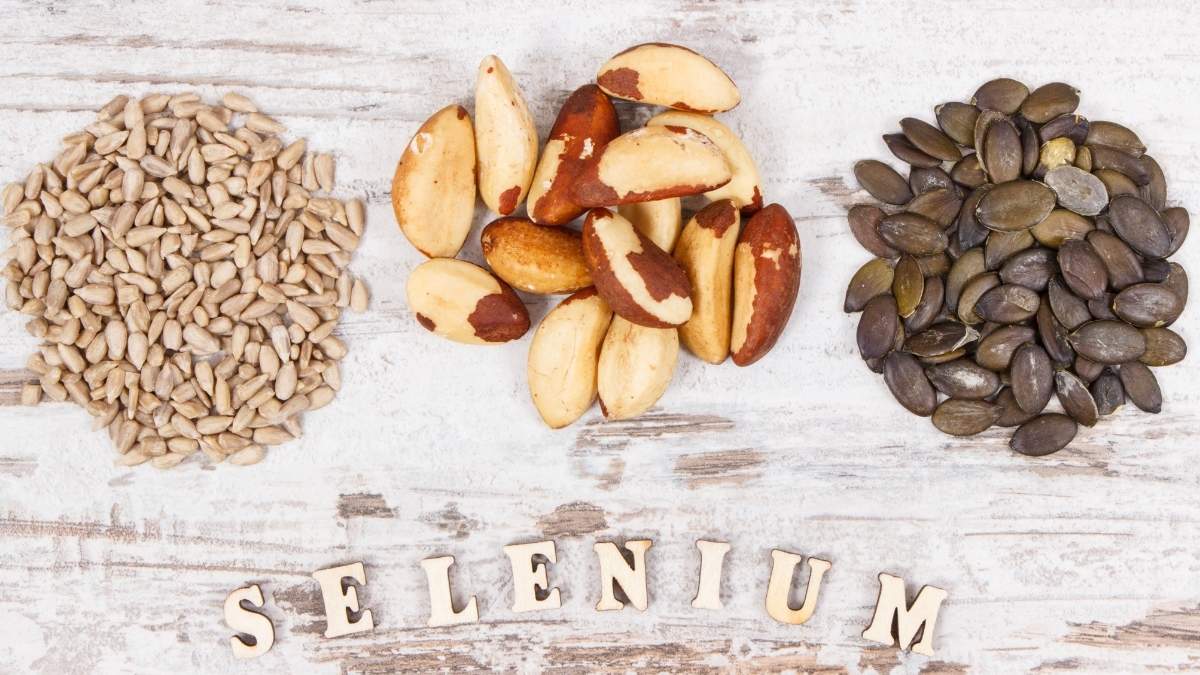
You’ll find zinc in oysters, beef, poultry, and beans. Selenium helps immune signaling and is found in Brazil nuts and sunflower seeds. Vitamin B6 supports lymphocyte production.
Chicken, turkey, fish, chickpeas, and bananas make it easy to get enough.
A healthy mix of these nutrients builds real immune support.
Colorful Fruits & Vegetables That Support Your Immune System
Colorful fruits and vegetables give your body fiber, antioxidants, and immune-boosting nutrients.
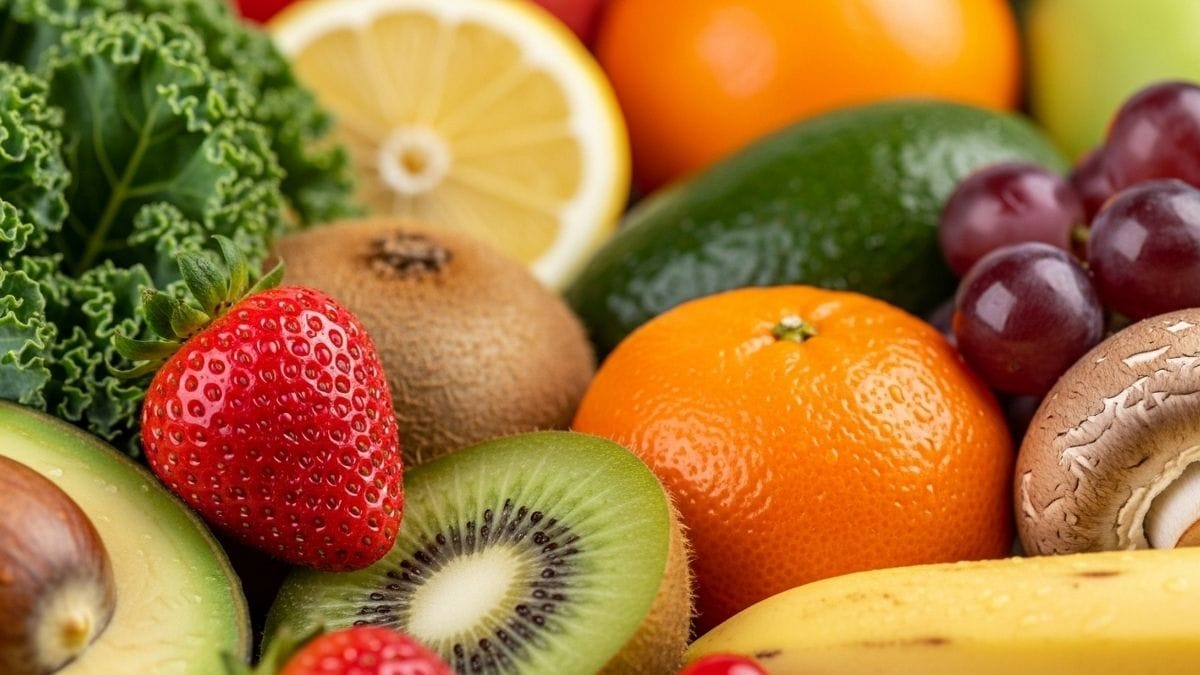
And here’s why that matters. These foods feed your gut bacteria, protect your cells, and help your immune system work the way it should.
A simple goal is 2–3 servings of fruit and 3–5 servings of vegetables each day.
Citrus fruits, berries, and kiwi are easy wins. They’re rich in vitamin C, and berries also offer polyphenols.
Cleveland Clinic notes that berries contain polyphenols with antiviral and antimicrobial properties, which gives your immune system extra help.
Leafy greens like spinach and kale add vitamin A, vitamin C, and folate.
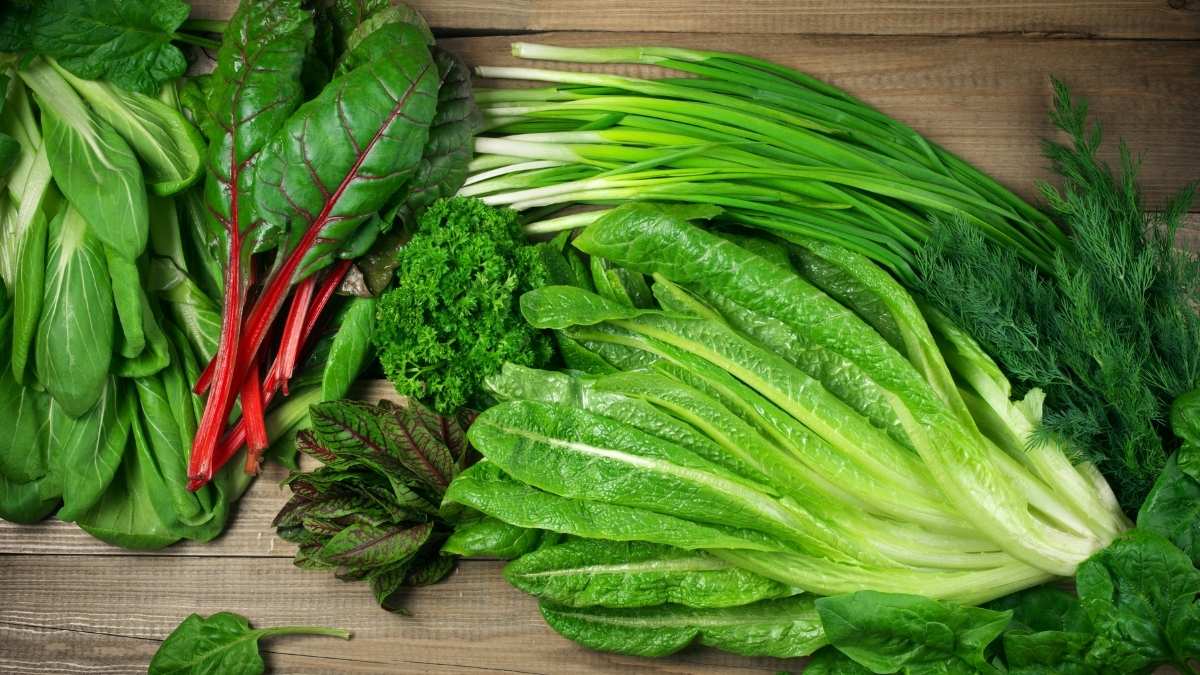
Broccoli brings vitamins A, C, and E, plus compounds that support your natural detox system. Red and yellow peppers stand out because they have about 3 times more vitamin C than oranges.
Fruit and vegetables also fuel your gut. This matters because your gut affects your immune response. Getting at least 2 servings of fruit a day can support gut health and overall immunity.
A simple meal example: a salad with spinach, sliced strawberries, chopped bell peppers, and a squeeze of lemon. It’s bright, fast, and packed with nutrients.
Adding more color to your plate each day is one of the easiest ways to support your immune system.
Antioxidant-Rich Foods That Protect Your Immune System
Free radicals can damage your cells and raise inflammation. Your immune cells feel this stress fast. Antioxidant-rich foods help fight this damage.
And here’s why that matters. When your cells stay protected, your immune system works better and recovers faster.
Berries are one of the best choices. They’re packed with vitamin C and strong plant compounds.
Cleveland Clinic notes that berries have antiviral and antimicrobial properties, which gives your body extra support. Blueberries, raspberries, and strawberries are all great.
Green tea is another smart pick. It contains EGCG, a powerful antioxidant that helps lower inflammation
Nuts and seeds, like almonds, walnuts, and sunflower seeds, add vitamin E and healthy fats that protect your cells.
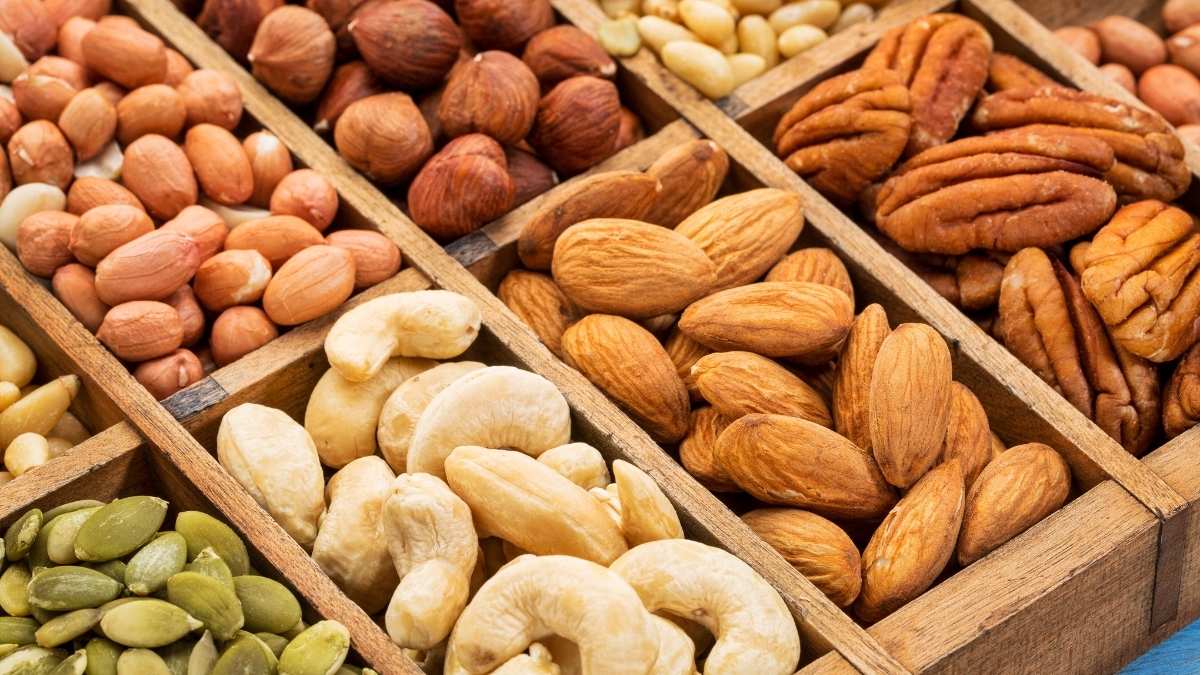
You can also include dark chocolate in small amounts. It offers antioxidants too.
A simple rule: eat a mix of dark berries, nuts, and tea each day to support your immune system.
Protein, Healthy Fats, and Immunity foods that support immune health
Your immune cells need steady protein and healthy fats to work well. And here’s why that matters. Without enough protein, your body can’t build or repair the cells that fight infections.
Lean proteins like fish, poultry, eggs, beans, and lentils give your body what it needs.
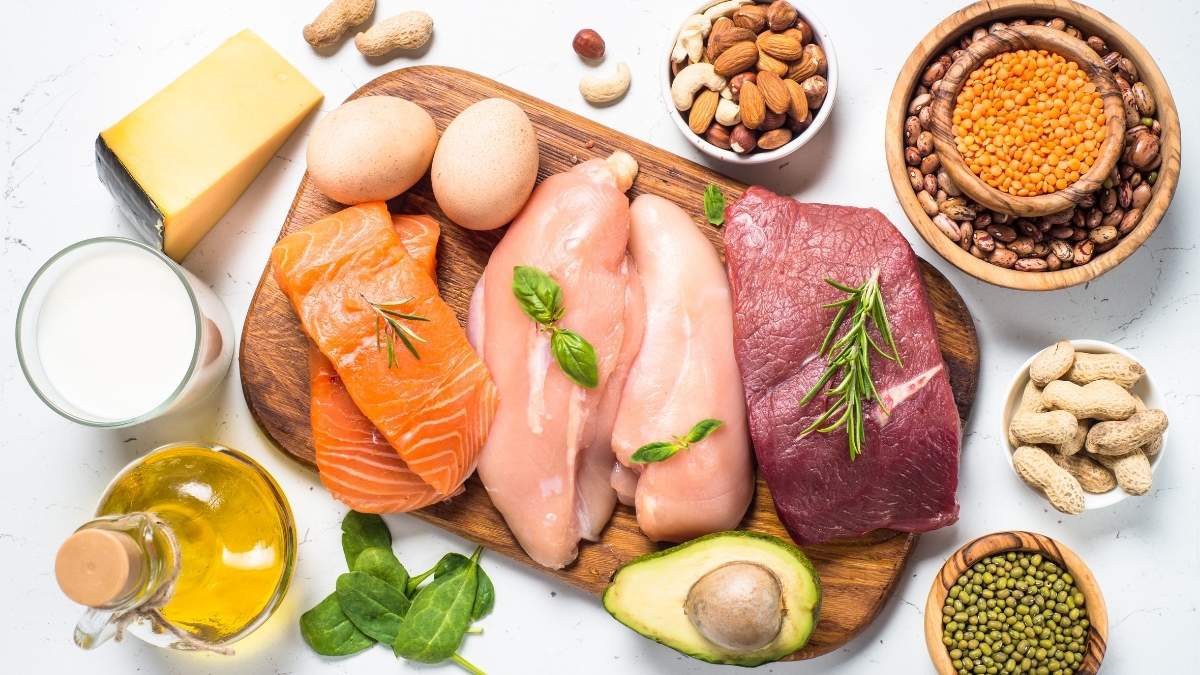
Salmon and tuna add omega-3 fats, which help lower inflammation. Cleveland Clinic notes that chronic inflammation can weaken immune function, and omega-3s support how immune cells work.
Eggs bring vitamin D and protein. Beans and lentils add zinc along with protein.
Healthy fats matter too. Oily fish, almonds, walnuts, sunflower seeds, olive oil, and avocado all support your immune system.
Vitamin E from nuts and seeds protects your cells. Olive oil and avocado give you monounsaturated fats that help reduce inflammation.
A simple plan is this: include one lean protein and one healthy fat source in each meal to help your immune system stay strong.
Probiotics, Prebiotics & Gut Health
Your gut and immune system are closely linked. And here’s why that matters. A healthy gut helps teach your immune cells how to respond to germs. When your gut bacteria are out of balance, your immune system can struggle.
Probiotic foods add helpful bacteria. Yogurt with live cultures, kefir, kimchi, sauerkraut, kombucha, miso, and tempeh are smart choices.
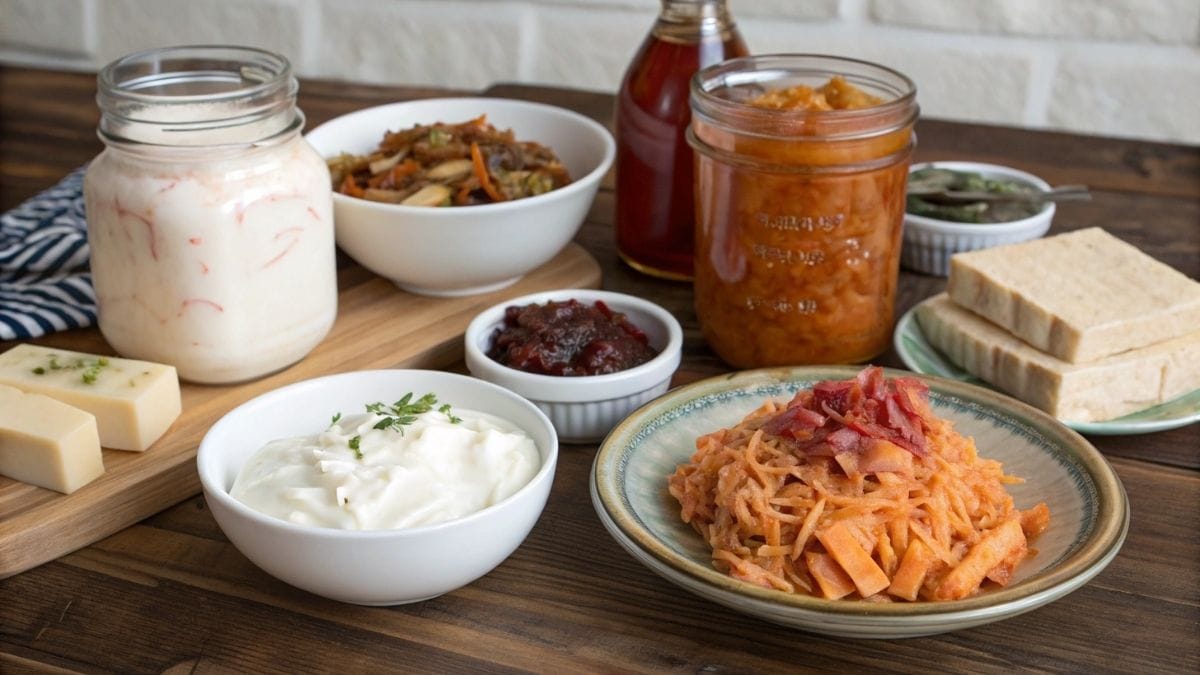
UCHealth notes these foods may stimulate the immune system to fight off disease. Cleveland Clinic also says there is a strong link between gut health and your immune system.
Prebiotics feed the good bacteria you already have. Onions, garlic, leeks, bananas, oats, beans, and whole grains help these bacteria grow. More fiber means better gut health, which supports stronger immunity.
Even one cup of yogurt with live cultures each day can help your gut flora. Just skip high-sugar options.
Aim to include one probiotic food and one prebiotic food daily to support steady gut health.
Herbs, Spices, and Immune Allies
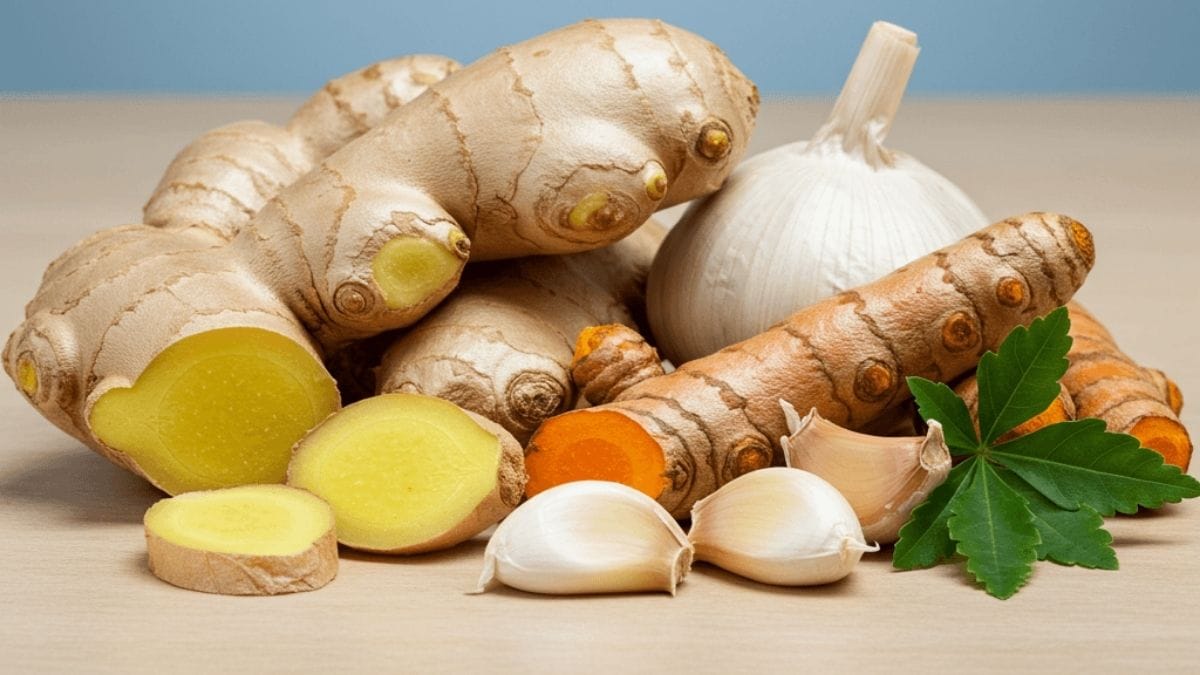
When your immune system feels weak, the right herbs and spices can give it steady support. These foods are simple, cheap, and easy to add to meals. And they bring real benefits backed by research.
Garlic is a big one. It contains allicin, a compound that helps your body make more white blood cells.
Cleveland Clinic’s Zumpano notes that garlic may “boost your immune function.” You can use it raw in sauces or cooked in everyday meals.
Ginger also helps. Its gingerol compounds have anti-inflammatory and antioxidant effects. A warm ginger tea or fresh ginger in stir-fries is an easy way to add it.
Turmeric is another strong ally. It contains curcumin, which helps lower inflammation. Add it to curries or a simple turmeric latte. Pair it with black pepper to help your body absorb it better.
Other helpful choices include mushrooms like shiitake, green tea, cinnamon, oregano, and thyme.
Hydration and Healthy Habits
If you’re sick often, it’s not always your food. Sometimes your daily habits are weakening your immune system without you noticing. And this is where simple changes can help fast.
Start with water. Your body needs it to make lymph, the fluid that carries white blood cells.

UC Health explains this clearly. Sip water through the day. Herbal teas help too, and green tea adds antioxidants. Foods like cucumber and watermelon give extra water if you struggle to drink enough.
Sleep also matters. Your body releases infection-fighting cytokines while you sleep. Most adults need 7–9 hours. Stress works the opposite way.
High cortisol weakens your defenses. Light exercise or breathing exercises can bring stress down.
Moderate exercise helps your immune cells move through your body more easily. Aim for 30 minutes most days.

Try to limit added sugar, ultra-processed foods, and alcohol. These can slow your immune response. And good hygiene and quitting smoking make a real difference.
Conclusion
No single “superfood” can protect you. But a mix of whole foods gives your body the vitamins, minerals, and antioxidants your immune system depends on.
Aim for colorful fruits and vegetables, steady protein, probiotic foods, and enough water each day. Small habits make a real difference.
Plan a simple weekly menu using these ideas or save this guide so you can return to it later. By focusing on foods that support immune health, you give your body a fighting chance.