

Many older adults believe they eat enough protein. Research shows many still fall short. This hidden gap can speed up physical aging without clear warning signs.
And here’s why that matters. Protein protects muscle, strength, and daily independence.
After age 50, muscle slowly declines through sarcopenia. This reduces metabolism, weakens balance, and raises fall risk. The biggest driver is not just inactivity.
The real issue is poor protein habits spread across the day.
In this guide, you will learn the protein mistake older adults often make. You will see how metabolism changes after 60.
You will learn science-backed strategies for protein needs after 60 and proper daily protein intake seniors can follow. These simple meal changes can help protect muscle and long-term mobility.
How to Spot the Surprising Protein Mistake Older Adults Make

Many seniors eat most of their protein at dinner. Breakfast may be toast or cereal. Lunch may be light or skipped. This uneven eating pattern is the main protein mistake older adults make.
Muscles repair best when protein is spread across meals. Research from the National Academy of Medicine shows older adults often miss protein earlier in the day.
When protein is packed into one meal, muscles cannot use it efficiently.
Studies suggest older muscles need about 25–35 grams of protein per meal to trigger muscle repair. If breakfast only gives 5–10 grams, muscle repair slows. Over time, this leads to weakness and faster muscle loss.

Many seniors think total daily protein is all that matters. Distribution matters just as much. Balanced protein intake supports better strength, energy, and recovery.
Fixing this pattern can improve daily protein intake seniors rely on to stay active and independent.
Why Protein Needs Increase After Age 50

Your body changes with age. Muscle cells become less responsive to protein. Experts call this anabolic resistance. It means your muscles need more protein to get the same repair signal.
Hormone levels also change. Growth hormone and testosterone decline with age. These hormones help maintain muscle. When they drop, muscle repair slows naturally.
The World Health Organization suggests adults consume 0.8 grams of protein per kilogram of body weight.
New longevity research shows many adults over 60 benefit from 1.0–1.2 grams per kilogram. Active seniors may need even more.

Sarcopenia affects about 10–16% of adults over 60 worldwide. Reduced appetite also increases risk. Many older adults eat smaller meals and unknowingly reduce protein intake.
Higher protein intake helps protect mobility, metabolism, and immune strength. Meeting proper protein needs after 60 supports muscle repair and helps reduce age-related muscle loss aging protein studies highlight.
5 Signs You May Not Be Getting Enough Protein
Low protein intake often shows up slowly. You may not notice changes at first. But your body usually sends warning signs.
Loss of muscle tone is often the first signal. Arms and legs may feel softer or weaker.

Fatigue may increase even with normal sleep. Protein helps repair tissues and supports energy balance.
Injury recovery may slow. Cuts, bruises, or sore muscles may last longer than before.
Hair thinning and weaker immunity can also appear when protein intake drops.
Research from the American Geriatrics Society links protein deficiency symptoms seniors experience with higher frailty risk. Frailty increases fall risk and reduces independence.

You may also notice reduced balance or slower walking speed. These changes connect strongly with muscle loss aging protein research tracks.
Catching these signs early allows you to adjust protein intake before serious strength decline occurs.
How to Calculate Daily Protein Intake Seniors Actually Need

Protein needs vary based on body weight and activity level. A simple formula helps you estimate your target. Multiply your body weight in kilograms by 1.0 to 1.2 grams. This gives a safe protein range for many older adults.
For example, a 70-kilogram adult needs about 70 to 84 grams daily. Active seniors or those recovering from illness may need slightly more. Sedentary seniors still benefit from the lower end of the range.
Research from the Harvard T.H. Chan School of Public Health supports higher protein intake to maintain muscle during aging. But the body absorbs protein best in moderate portions.
Muscle repair works strongest when protein is spread across meals. Around 25–35 grams per meal helps trigger muscle repair signals. Eating all protein in one meal reduces effectiveness.
A balanced example for a 70-kilogram adult could include eggs at breakfast, chicken or lentils at lunch, and fish or yogurt at dinner. This supports stable daily protein intake seniors need to maintain strength and mobility.
Best Protein Sources Seniors Should Eat More Often
Protein quality matters as much as quantity. Some foods contain more essential amino acids. Leucine is one key amino acid that helps trigger muscle repair.
Eggs provide complete protein and are easy to digest. Greek yogurt offers protein plus calcium for bone support. Fish supplies protein along with healthy fats that support heart health.
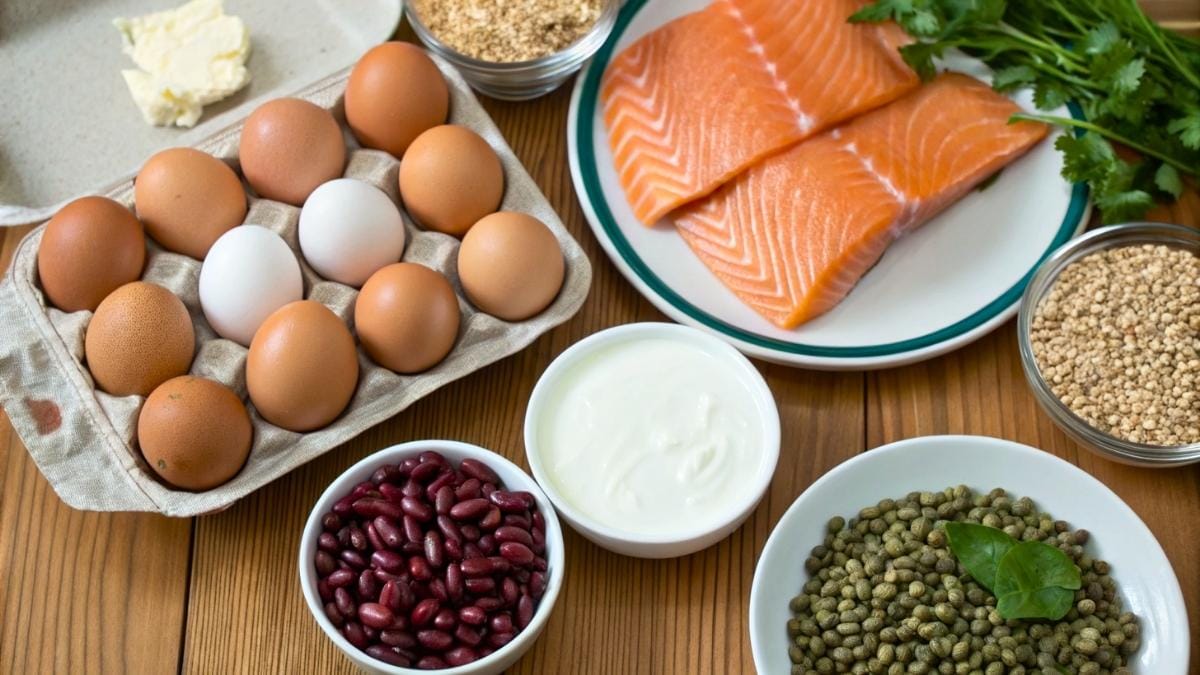
Plant foods also help meet protein needs. Lentils provide fiber and protein together. Combining plant proteins, like beans and grains, improves amino acid balance.
Whey protein contains high leucine levels and absorbs quickly. It can help seniors who struggle to eat enough protein through meals.
Whole food protein sources usually provide vitamins and minerals that processed foods lack.
Protein digestibility scores like PDCAAS and DIAAS measure how well the body uses protein. Animal proteins usually score higher, but mixed plant diets can still support muscle health.
Choosing strong protein sources helps slow muscle loss aging protein research often highlights.
Common Protein Myths Older Adults Should Stop Believing
Many seniors avoid protein due to outdated health advice. One common myth claims protein harms kidneys. Research shows higher protein intake is safe for healthy adults without kidney disease.

Another myth says plant protein alone always meets muscle needs. Plant protein helps, but seniors may need larger portions or combined sources to meet amino acid targets.
Some people believe protein supplements are unsafe. Quality supplements can help when appetite drops. They support protein needs after 60 when full meals feel difficult.

Another common myth claims older adults need less protein. The opposite is often true. Aging muscles require stronger protein signals to maintain strength.
Protein myths seniors believe can limit muscle repair and increase weakness risk. Understanding evidence-based nutrition helps seniors choose balanced protein intake safely and effectively.
Conclusion:
Protein intake protects strength, balance, and independence during aging. The biggest protein mistake older adults make is uneven meal distribution.
Improving daily protein intake seniors follow can protect muscle and energy. Review your meals today, balance protein across meals, and support stronger aging through better protein habits.