
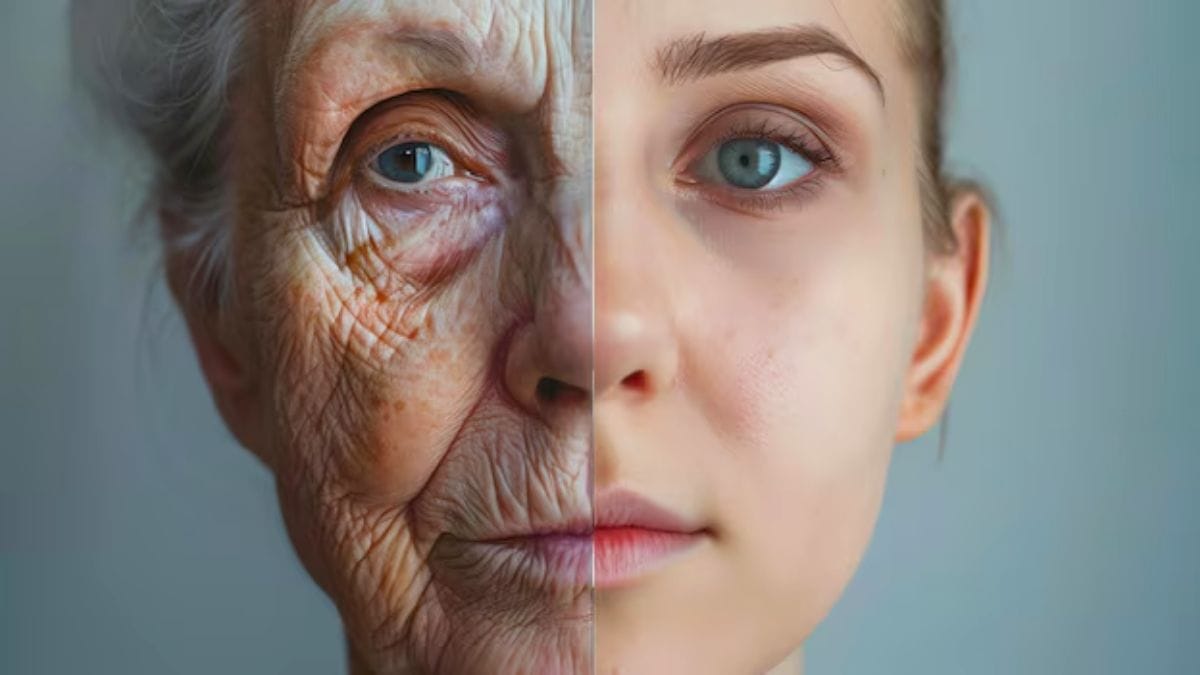
In 1950, only 39,000 Americans reached age 100. By 2024, that number crossed 101,000. Scientists predict 149,000 people will hit that mark by 2054. Living to 100 is no longer rare. But it is not automatic either.
Here is the hard truth. Most people are not dying from bad luck. They are dying from habits they do not even think about. Sitting too long. Sleeping too little. Eating food that comes in a bag. These things feel normal. They are not harmless.
Your genes control only 20–30% of how long you live. The rest comes down to what you do every single day. This article gives you the seven habits — backed by real research — that are quietly cutting years off your life, and exactly what to do about each one.
Habit 1: Smoking — Even One or Two a Day
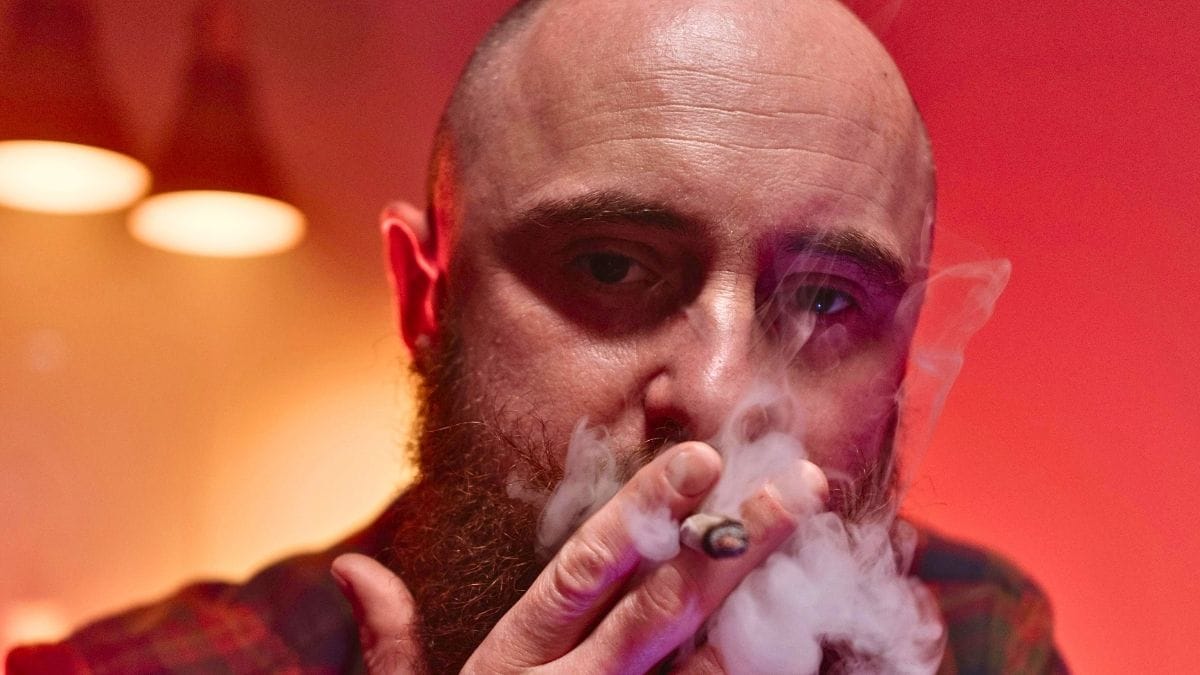
There is no safe number of cigarettes. That is not an opinion. That is what the science says.
German Cancer Research Center scientists tracked over 25,000 people for 20 years. Their finding was clear. Men who smoke lose an average of 8 years of life. Women lose 6. A 2025 study in Scientific Reports backed this up, showing smoking cuts disease-free years by over 3 years for both men and women.
The U.S. Veterans Affairs Million Veteran Program — which tracked over 700,000 people — found smokers face a 30–45% higher risk of dying during any given study period. That is not a small number. That is nearly half.
The good news is real. Quitting at any age works. Your body starts repairing itself within days. Your risk of heart disease drops within a year. You do not need willpower alone to quit. You need a plan and a tool.
3 Tips to Start Quitting Today:
- Set a quit date within the next 7 days and tell someone about it
- Download the free SmokeFree app — it tracks your progress and saves money
- Ask your doctor about nicotine patches or gum, which double your success rate
Habit 2: Sitting All Day Without Moving

You can go to the gym three times a week and still be at risk. Most people do not know this.
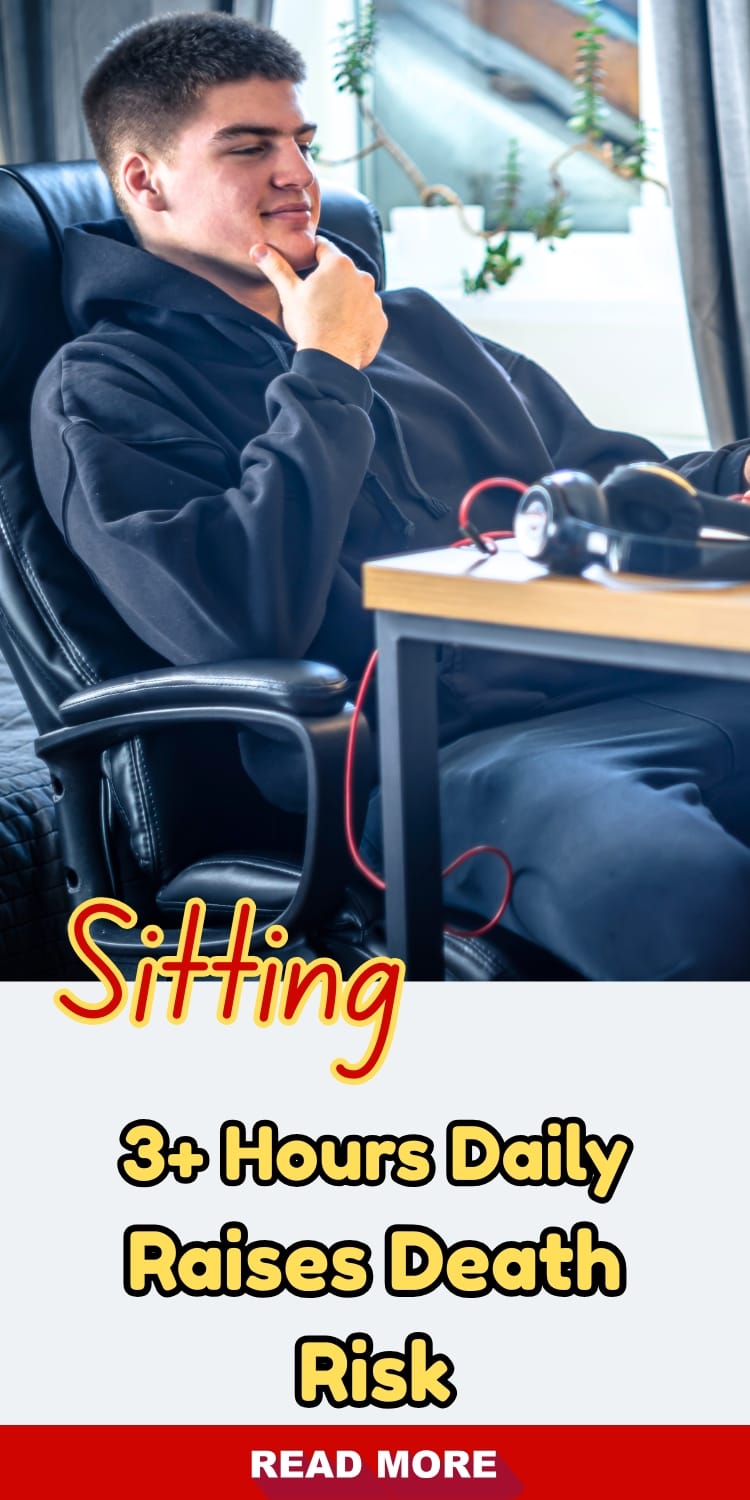
Research shows that sitting more than 3 hours a day is a risk factor for early death — separate from whether you exercise or not. Think about that. Your morning workout does not cancel out 8 hours of sitting at a desk.
A study found that people who sit too long could lose up to 2 years of life compared to those who move regularly. Physical inactivity is now the fourth leading cause of global deaths, accounting for 6% of all deaths worldwide.
The fix is simple. Short movement breaks work. Research shows that just 5–15 minutes of activity spread through the day can cut your risk of dying by 21–33%. Adding 15 minutes of walking per day could prevent up to 6% of all deaths in high-risk groups. Five minutes.
You do not need a gym membership to start protecting your life.
3 Tips to Move More Every Day:
- Set a phone alarm every 30 minutes during work hours to stand and walk for 60 seconds
- Take all phone calls standing up or walking
- Use the stairs instead of the elevator every single time
Habit 3: Sleeping Less Than 7 Hours

“I’ll sleep when I’m dead.” That mindset will make that happen sooner than you think.
Over 35% of U.S. adults are not getting the 7 hours of sleep the CDC recommends. That is more than one in three people walking around with a sleep deficit that is damaging their heart, brain, and blood sugar every night.
People who sleep fewer than 7 hours show faster aging of the heart and blood vessels. Long-term sleep loss raises your risk of type 2 diabetes, dementia, and cardiovascular disease. The Veterans Affairs study found poor sleep is linked to a 20–30% higher risk of dying.
Both too little and too much sleep are harmful. Under 7 hours is dangerous. Over 9 hours regularly can also signal problems. The sweet spot is 7–8 hours.
One more thing. Up to 90% of people with sleep apnea are undiagnosed. If you snore, gasp in sleep, or wake up exhausted every day, get checked. It is treatable.
3 Tips to Sleep Better Starting Tonight:
- Pick a fixed bedtime and wake-up time and stick to it every day, even weekends
- Turn off screens 1–2 hours before bed — the blue light blocks your sleep hormone
- Keep your bedroom cool, dark, and quiet — your brain sleeps better in cold temperatures
Habit 4: Eating Ultra-Processed Food Every Day

Ultra-processed food is not just junk food. It is chips, packaged biscuits, instant noodles, soft drinks, frozen meals, and most things that come in a crinkly bag with a long ingredients list.
These foods now make up over 50% of daily calories for the average person in the U.S. and UK. And the damage is measurable. Monash University found that for every 10% increase in ultra-processed food you eat, your biological age increases by 2.4 months faster than your real age — and your mortality risk rises by 2%.
A 2025 meta-analysis covering over 1.1 million people found that the highest ultra-processed food eaters had a 15% higher risk of dying from any cause compared to the lowest eaters. Processed meat and soft drinks were the two worst offenders.
These foods also disrupt your gut, raise inflammation, and mess with your hormones. They do not just make you gain weight. They age you from the inside.
3 Tips to Cut Ultra-Processed Food:
- Replace one packaged snack daily with fruit, nuts, or a boiled egg
- Swap soft drinks for sparkling water with a slice of lemon
- Cook one extra meal at home per week — it does not need to be fancy
Habit 5: Living With Stress You Never Deal With

Stress you never process does not go away. It stays in your body and causes damage you cannot see.
Chronic stress raises cortisol — your body’s main stress hormone. When cortisol stays high for months or years, it promotes inflammation, belly fat, heart damage, and cellular aging. It also pushes you toward the other habits on this list. Stressed people eat more processed food, drink more alcohol, and sleep worse.
The Veterans Affairs study found chronic stress was linked to a 20–30% higher risk of early death. Research in the American Journal of Epidemiology found that persistent anxiety and low emotional control raise mortality risk significantly.
A BMJ analysis went further. An unhealthy lifestyle that includes ongoing stress is linked to a 78% higher risk of dying — regardless of your genes. Your DNA is not your destiny. But your stress habits might be.
You do not need a retreat or a therapist to start. You need 10 minutes a day of something that actually switches your nervous system off.
3 Tips to Manage Stress Daily:
- Try the 4-7-8 breathing method: breathe in for 4 seconds, hold for 7, breathe out for 8 — repeat 4 times
- Take a 10-minute walk without your phone once a day — leave it at home
- Write three sentences in a journal before bed: what happened, how you felt, what you can let go
Habit 6: Drinking Alcohol Too Often

The idea that a glass of wine every night is good for your heart has not held up under newer, larger studies. Recent research has significantly walked back that claim.
Here is what the data actually shows. The longest-living people drink less than once a week — if at all. A large cohort study found that infrequent drinking, defined as less than once a week, is the pattern linked to the best life expectancy. Heavy and regular drinkers show significantly shorter lifespans and higher healthcare costs.
The Veterans Affairs data, which covered over 300,000 people, placed excessive alcohol in the same 20–30% elevated death risk range as poor sleep and chronic stress. Even moderate regular drinking disrupts sleep quality, which compounds damage over time.
Alcohol is also the most socially accepted habit on this list. That is exactly why it flies under the radar. Most people who drink too much do not think they drink too much.
3 Tips to Cut Back on Alcohol:
- Download the Drink Free Days app (backed by the NHS) and track your intake for two weeks — most people are surprised
- Set a target of at least 4 alcohol-free days per week
- Replace your evening drink with a non-alcoholic ritual — sparkling water, herbal tea, or a mocktail you actually enjoy
Habit 7: Going Through Life Without Real Connection

This one surprises most people. Social isolation is a physical health risk, not just an emotional one.
Research shows that strong social connections are linked to a 50% greater chance of living longer. Loneliness causes the same level of biological damage as smoking. The Veterans Affairs study found that lack of positive social relationships raises your risk of early death by 5%, and that anxiety and depression — which often come from isolation — were linked to 8% of premature deaths.
You can live alone and not be lonely. You can be surrounded by people and feel completely isolated. What matters is whether you have real, meaningful connection with at least one or two people.
The Harvard Study of Adult Development — one of the longest studies on happiness ever done — found that the quality of your relationships is the single strongest predictor of healthy aging. Not wealth. Not status. Not even diet.
You cannot afford to skip this one.
3 Tips to Build Better Social Connection:
- Schedule one meaningful catch-up call or meetup per week — put it in your calendar like a doctor’s appointment
- Join one local group this month: a class, a club, a volunteer team, or a community group
- Put your phone down when you are with people — real presence is what builds real connection
Final Thought:

Seven habits. Seven chances to add years to your life. Smoking, inactivity, bad sleep, processed food, stress, alcohol, and isolation are not just lifestyle choices. They are measurable threats to how long you live. Pick one habit to change this week. Start small. Stay consistent. Longevity is built one decision at a time.