
Some 80-year-olds are physically sharper than many 50-year-olds. Science now tells us why — and it is not luck or good genes.
You may be feeling your energy drop. Your joints hurt more. You are not sure which habits to fix first. That feeling is real. But here is what most people do not know: most of what you fear about aging is actually preventable.
The WHO says there is no “typical older person.” Your 60s and 70s are not the beginning of the end. They are the most powerful window you have to shape how the next 20 years feel.
In this guide, you will get seven clear, proven habits for healthy aging after 60. No jargon. No guesswork. Just what actually works — backed by real research.

Why the Years Between 60 and 80 Matter More Than Any Other
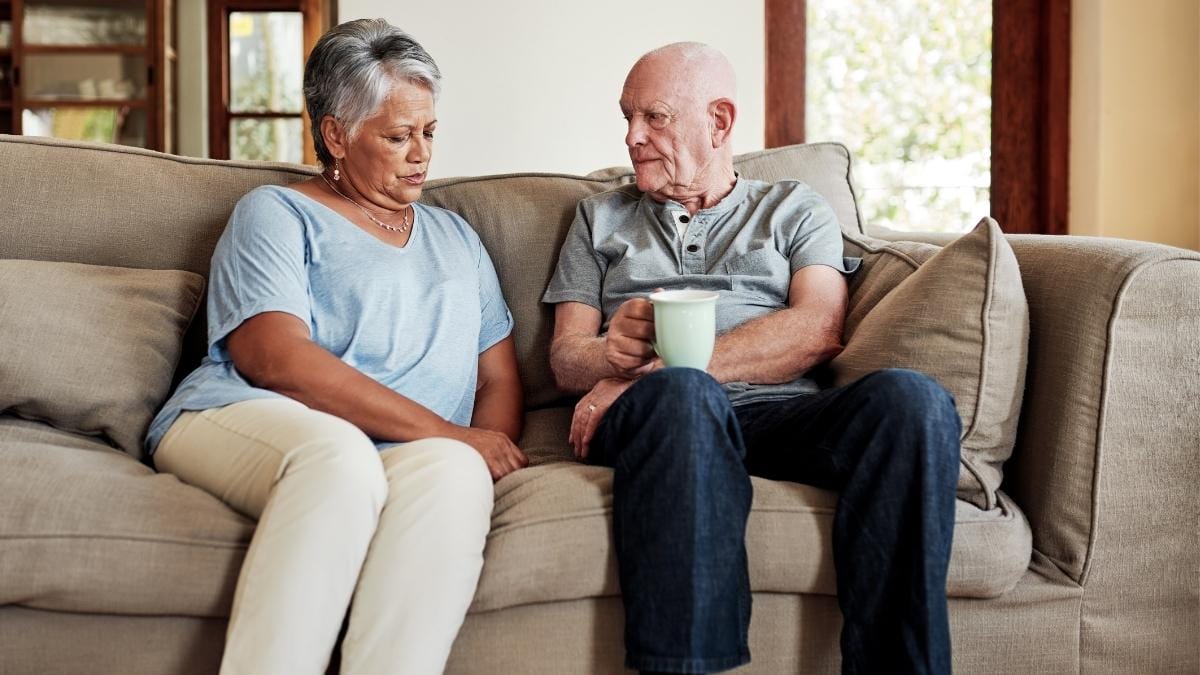
This is the window that decides everything. The habits you build now will shape whether your 70s feel strong or painful. That is not an opinion. That is what the research shows.
About 93% of older adults have at least one chronic condition. Nearly 80% have two or more. Most of these are preventable. The problem is, most people wait too long to act.
Here is a number worth sitting with. A study of over 59,000 adults found that combining moderate exercise, good sleep, and a healthy diet added up to 9.35 extra years of healthy life. Not just more years. Better years.
The difference between “lifespan” and “healthspan” matters. Lifespan is how long you live. Healthspan is how long you feel well while living. Your goal is both. And it starts right now.
It is never too late to start. That is not just a feel-good line. It is what the science says.
3 Quick Tips:
- Write down one health habit you want to build this week
- Share your goal with one person who will check in on you
- Bookmark a trusted resource like nia.nih.gov to read regularly
Secrets of Staying Healthy, Move More, But Move Smart — Exercise for Your 60s and 70s

Walking is one of the most powerful health tools you have. It is free. You do not need a gym. And it works.
Taking 8,000 or more steps per day is linked to a 51% lower risk of death from all causes compared to just 4,000 steps. You do not have to do it all at once. Stanford geriatrician Dr. Silvia Tee says breaking your walk into shorter sessions through the day works just as well.
Strength training matters too. After 60, you lose muscle faster. This is called sarcopenia. Two simple resistance sessions per week — using your own bodyweight or light weights — can slow this down and keep you independent.
Balance is the third piece. Falls are one of the biggest causes of injury in older adults. Tai chi and yoga both improve balance and are well-studied in this age group.
Start simple. Stay consistent. That is the whole strategy.
3 Quick Tips:
- Walk for 10 minutes after each meal — three short walks count as one long one
- Do two bodyweight workouts per week (squats, chair stands, wall push-ups)
- Try one tai chi or yoga class this month — many are free on YouTube
What to Eat After 60 to Protect Your Heart, Brain, and Muscles

Most people eat less protein as they age. That is the opposite of what your body needs. After 60, you need more protein, not less, to keep your muscles strong. Aim for 1.0 to 1.2 grams of protein per kilogram of your body weight each day.
The Mediterranean diet is the most studied eating pattern for this age group. It cuts cardiovascular risk and slows cognitive decline. The basics are simple: vegetables, fish, legumes, olive oil, and whole grains. Eat oily fish like salmon or sardines two to three times a week.
Up to 75% of people over 60 have metabolic syndrome. Most of it is diet-related. And most of it can be improved with food changes.
Do not forget water. Your sense of thirst gets weaker with age. Dehydration raises your risk of falls, heart problems, and infections. Drink six to eight glasses a day even when you do not feel thirsty.
3 Quick Tips:
- Fill half your plate with vegetables and legumes at every main meal
- Add a protein source — eggs, fish, beans, or Greek yogurt — to every meal
- Set a phone reminder to drink a glass of water every two hours
Sleep Is Not a Luxury — It Is Medicine
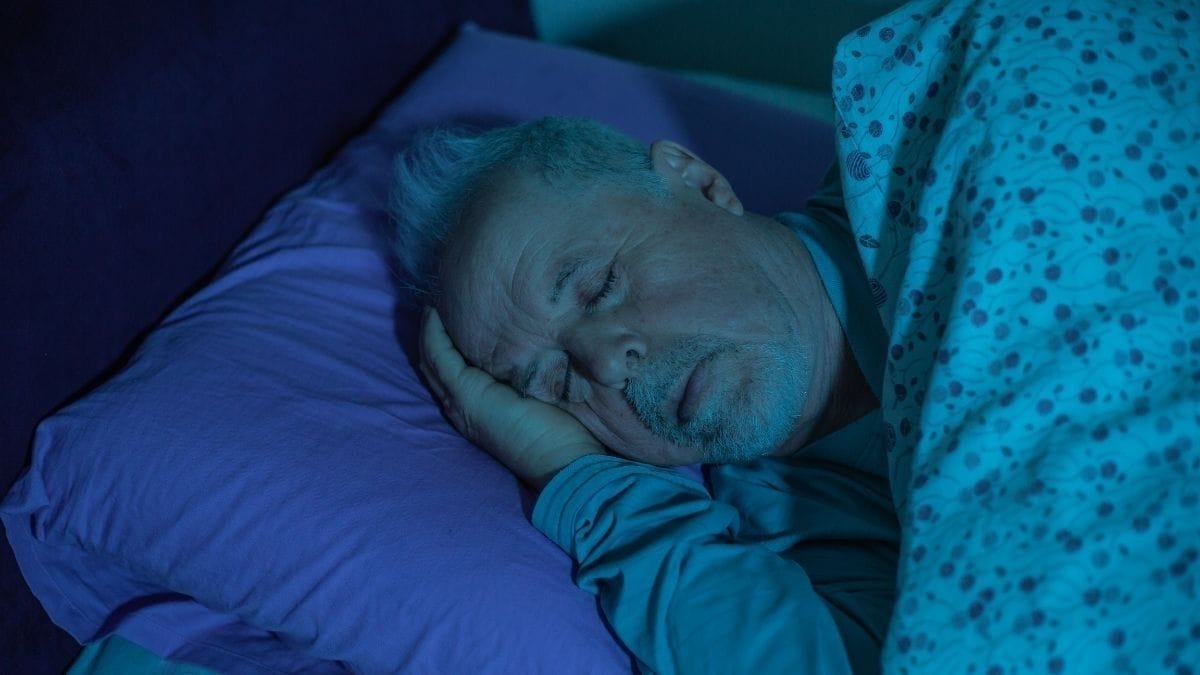
If you sleep six hours or less a night in your 50s and 60s, your risk of dementia goes up. That is not a scare tactic. That is what the National Institute on Aging reports. Poor sleep allows a protein called beta-amyloid to build up in your brain. This protein is linked to Alzheimer’s disease.
Getting 7 to 8 hours of quality sleep is connected to a 25% lower risk of cognitive decline. Quality matters as much as quantity. You want deep, unbroken sleep.
The good news is that exercise helps sleep. A 2025 review of 86 trials found that aerobics, Pilates, and Tai Chi all improved sleep quality in adults over 60. Pilates ranked first.
Common sleep disruptors after 60 include pain, nighttime toilet trips, and medication side effects. Each one has practical solutions your doctor can help with.
Start with the basics tonight.
3 Quick Tips:
- Go to bed and wake up at the same time every day, including weekends
- Turn off screens 30 minutes before bed and keep your room cool and dark
- Cut caffeine after midday — it stays in your system longer as you age
The Health Habit Nobody Talks About — Social Connection
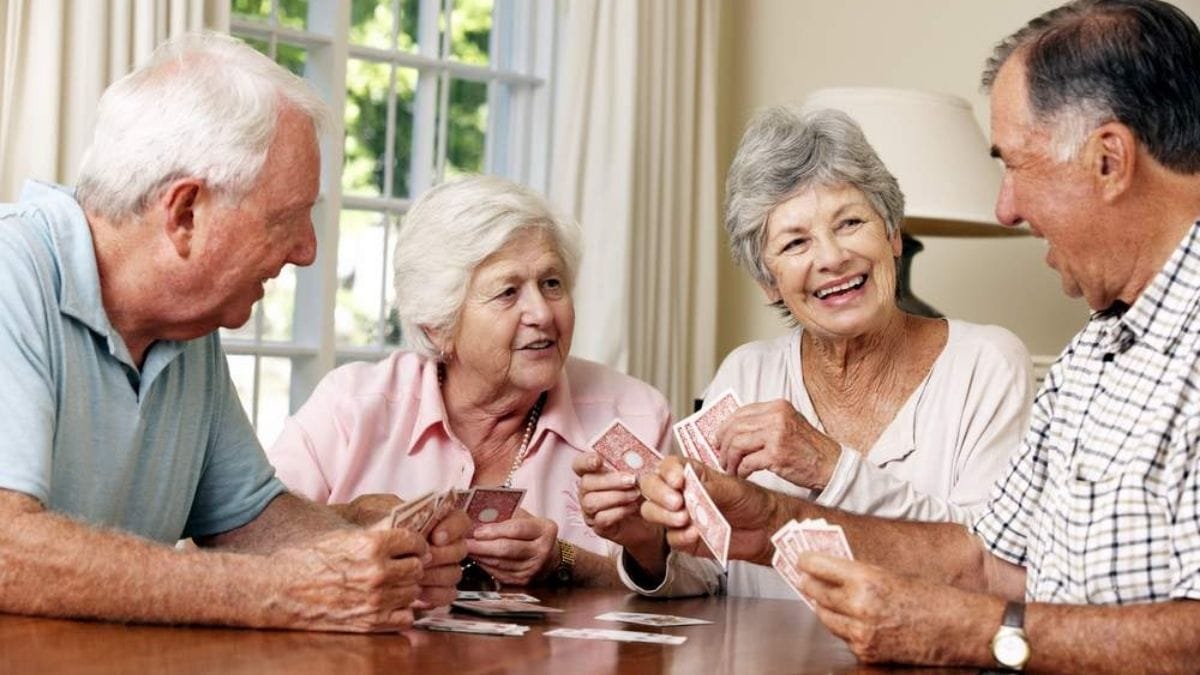
Loneliness is as dangerous as smoking. That is not an exaggeration. The National Academies reports that social isolation raises your risk of early death at the same level as high blood pressure, smoking, or obesity.
A 2025 review of 86 studies confirmed that social isolation raises all-cause mortality risk by 35%. One in five older adults lives with chronic loneliness. It often happens quietly — after retirement, after losing friends, or when health slows you down.
Social connection also protects your brain. Staying connected with others reduces depression risk by 30% and improves life satisfaction. The WHO Commission on Social Connection (2024–2026) has named this a global health priority.
If you feel lonely right now, you are not alone. And this is fixable. Joining a class, volunteering, or even scheduling one regular phone call a week makes a real difference.
Your social life is part of your health plan.
3 Quick Tips:
- Call or meet one friend or family member this week — put it in your calendar
- Join one group activity: a walking club, book group, or community class
- Volunteer locally — it builds connection and gives you purpose at the same time
The Health Checks You Should Not Skip
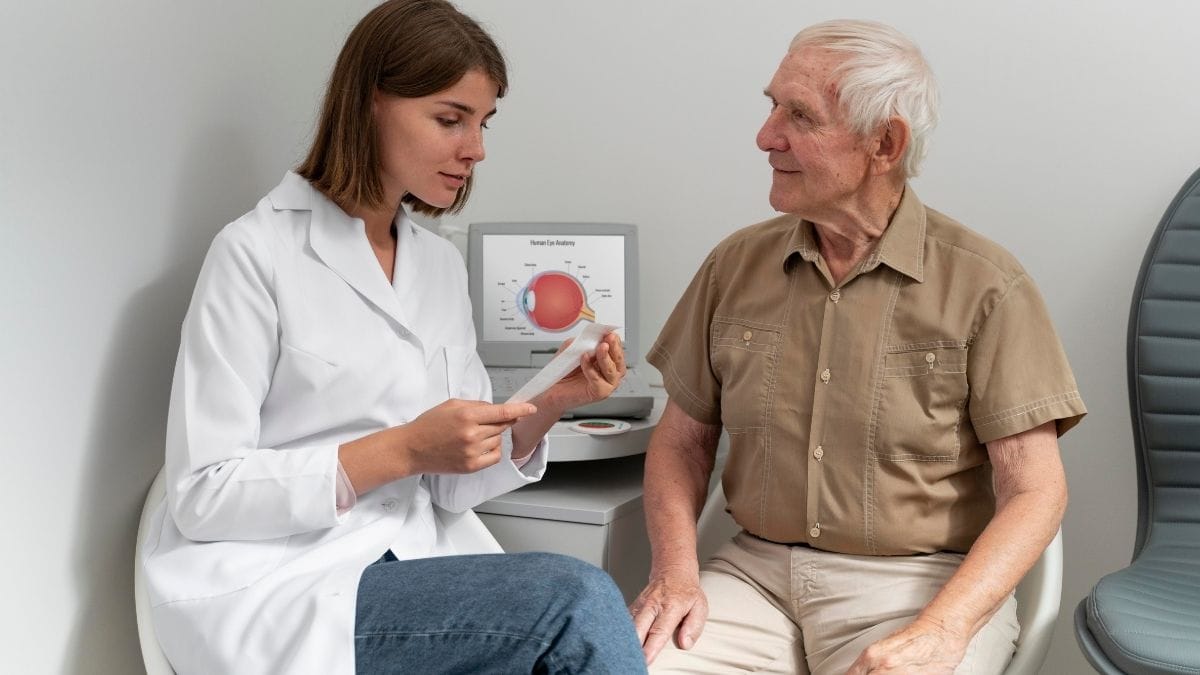
Most people skip checkups because they fear bad news. But catching a problem early gives you more choices, not fewer. Routine checkups reduce undiagnosed chronic conditions by 40%. That is a powerful number.
Every person over 60 should be getting these checks: blood pressure, blood sugar, cholesterol, bone density (DEXA scan), colorectal cancer screening, and eye and hearing exams.
Hearing loss is often brushed off. But it is now clearly linked to a higher risk of dementia. Get it checked. If you need a hearing aid, use it.
Smokers take note. Men aged 55 to 74 and women aged 60 to 74 who smoke are three times more likely to die within six years than non-smokers. Quitting at any age improves your health. It is never too late.
Also ask your doctor for a full medication review once a year. Many older adults are on multiple drugs that can interact in harmful ways.
3 Quick Tips:
- Book your next checkup this week — bring a list of your current medications
- Ask your doctor directly: “What screenings do I need at my age?”
- Use cdc.gov or ncoa.org to check which health screenings apply to you right now
Keep Your Brain Sharp — What Actually Helps

The best thing you can do for your brain is exercise. More than any app or puzzle. Physical activity increases blood flow to the brain and reduces inflammation. This is the most consistent finding in brain health research.
Mental stimulation also helps. But there is a catch. Repeating things you already know well does not do much. Your brain needs new challenges. Learning a new language, a musical instrument, or even a craft like pottery activates areas of your brain that crosswords alone cannot reach.
A study of adults 60 and older showed that doing something new and mentally demanding over time improved memory function. The key word is new.
Chronic stress is a silent threat. High cortisol over a long time physically damages the hippocampus — the part of your brain that handles memory. Managing stress is not optional. It is brain care.
Sleep connects here too. A tired brain cannot repair itself.
3 Quick Tips:
- Pick one new skill to learn this month — even 15 minutes a day counts
- Take a different route on your walk — novelty stimulates your brain
- Practice a short breathing or relaxation routine daily to lower stress levels
Conclusion:

Healthy aging after 60 comes down to seven things: move regularly, eat well, sleep enough, stay connected, get your checks done, protect your brain, and know that this decade matters.
You do not need to be perfect. You need to be consistent.
Pick one habit from this guide. Start it this week. Your 60s and 70s are not the time to coast. They are the time to invest in yourself.