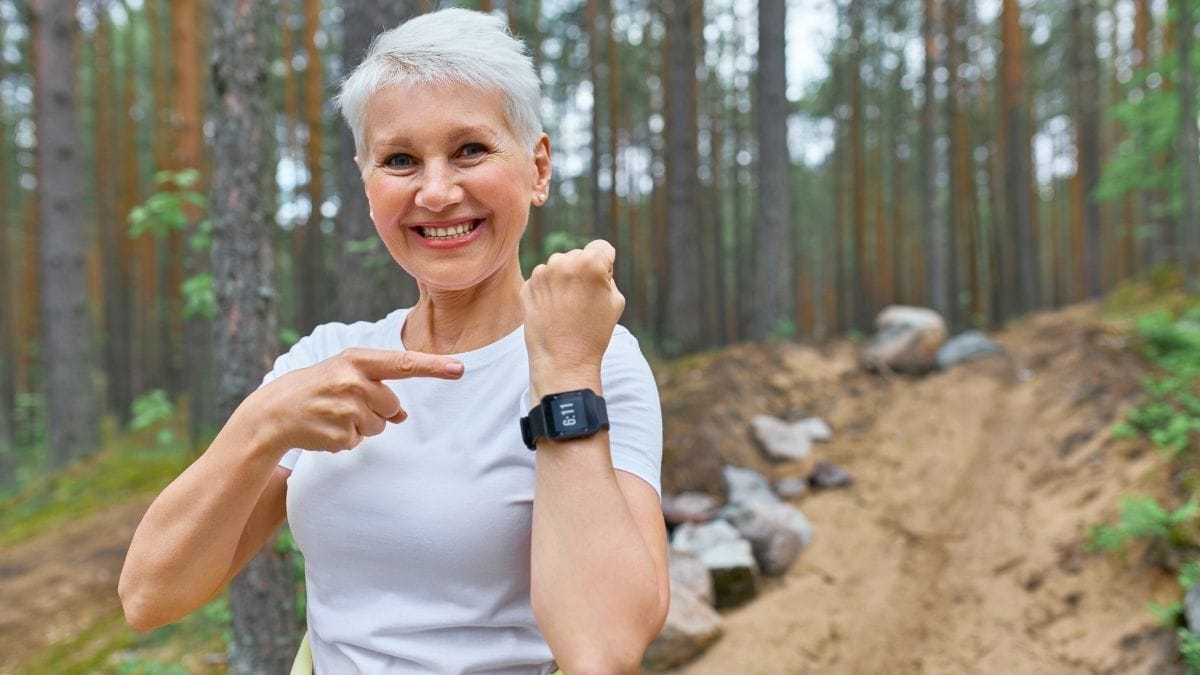
What if the biggest threat to your health in your 40s, 50s, and 60s wasn’t what you were eating — but how little you were moving, sleeping, and connecting with others?
Most people think healthy aging takes hours at the gym, a strict diet, and perfect willpower. That belief stops them before they even start. The truth is simpler than you think.
This article shows you five 10-minute daily habits. Each one is backed by real research from 2024 to 2026. They protect your brain, your body, and your social health — without turning your life upside down. Ten minutes. That’s all it takes to start aging well.
Move for 10 Minutes — Your Brain Depends on It
Did you know your brain physically ages faster when you sit still? It’s not just your body that suffers when you stop moving. Your brain does too.
A study from AdventHealth Research Institute, published in the Journal of Sport and Health Science, found something striking.
People who followed a basic exercise program for 12 months had brains that looked nearly one year younger on MRI scans. One year — just from moving regularly.
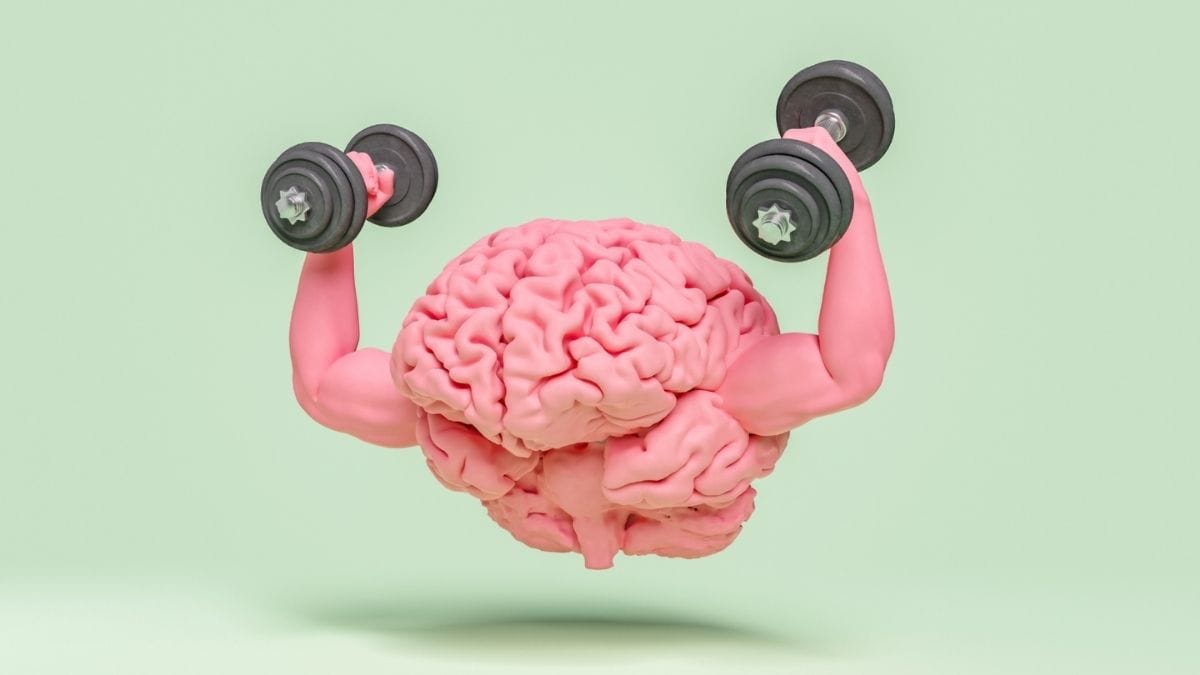
The CDC said in August 2025 that short bursts of activity can boost memory and thinking skills. They also reduce the risk of cognitive decline and dementia. You don’t need a gym for this. Brisk walking, dancing, or climbing stairs all count.
A Texas A&M University study from December 2025 went further. Older adults with early memory problems who stayed moderately active were far less likely to develop dementia.
Their finding? Just 20 minutes of movement, twice a week, was enough to make a real difference.
Here’s a simple 10-minute home plan: Walk in place for 3 minutes. Do bodyweight squats and arm circles for 4 minutes. Stretch or climb stairs for 3 minutes. Done.

3 Quick Tips:
- Do 10 minutes of brisk walking every morning before breakfast
- Dance to two or three songs in your kitchen — it counts as cardio
- Use stairs whenever you can; every flight adds up over a week
Fix Your Sleep in 10 Minutes — The Habit Nobody Talks About
Here’s something that might surprise you. A major 2025 study found that sleep matters more for how long you live than diet or exercise. More than both of them.

Researchers at Oregon Health and Science University published this in the SLEEP Advances journal in December 2025.
They found that poor sleep was the second biggest behavioral threat to life expectancy — right behind smoking. Not bad food. Not skipping the gym. Bad sleep.
A separate study from eBioMedicine looked at 27,500 adults in the UK. Poor sleep was linked to brains that looked older than they should — and a higher risk of dementia. That’s a serious finding.
The fix doesn’t need to be dramatic. A 10-minute wind-down routine works. At 9:50 pm, put your phone down. Dim the lights. Write down your top 3 tasks for tomorrow — this clears mental noise. Do 5 slow box breaths. Lie down at 10:00 pm.

Your goal is 7 to 8 hours. Going to bed at the same time every night matters even more than the total hours.
3 Quick Tips:
- Put your phone in another room 10 minutes before bed, every night
- Write tomorrow’s to-do list before sleep — it stops your brain from looping
- Keep the same bedtime on weekends; your body clock doesn’t take days off
Train Your Brain for 10 Minutes — and Turn Back the Clock by a Decade
What if you could reverse 10 years of brain aging in just 10 weeks? A real study found exactly that.
Researchers studied adults aged 65 and older. Those who did focused mental exercises for 30 minutes a day saw their levels of acetylcholine go up significantly.
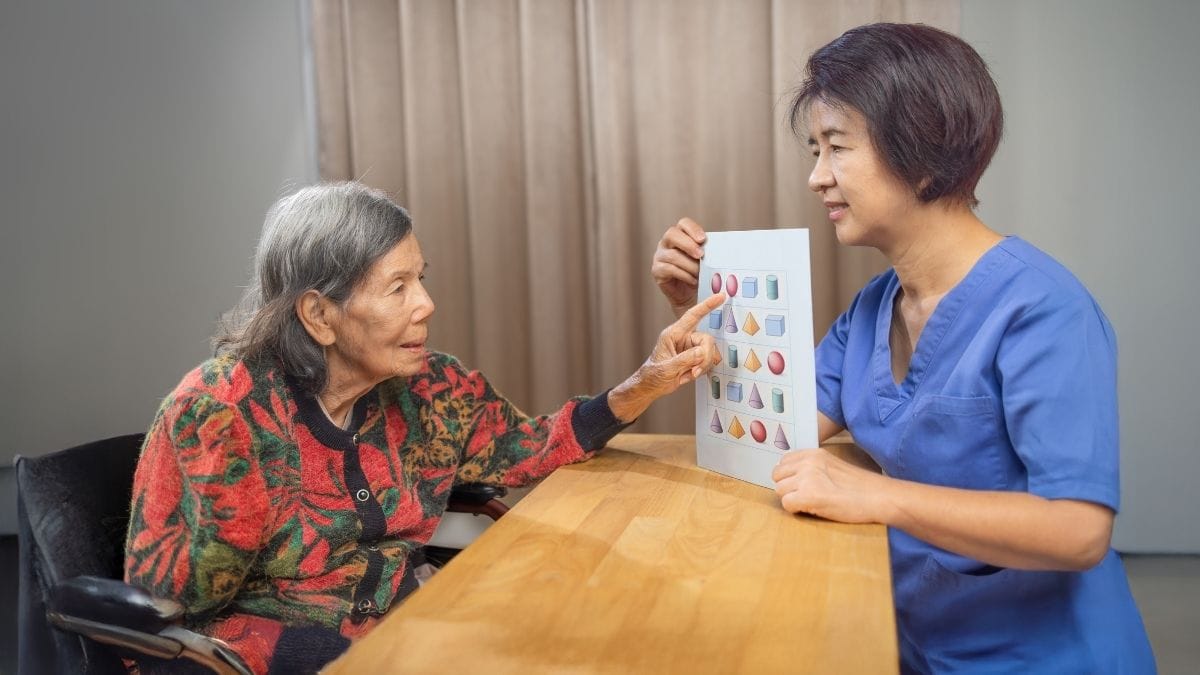
Acetylcholine is a brain chemical responsible for memory and decision-making. It drops by about 2.5 percent every decade after age 40. That decline is linked to early Alzheimer’s disease.
The training reversed that drop. The brain areas tested looked about 10 years younger after just 10 weeks.
A separate NIH-funded study ran for 20 years. People who did cognitive speed training had a 25 percent lower risk of developing dementia. It was the only thing in the trial that showed a result that strong and that lasting.
What counts as brain training? The BrainHQ app was used in the NIH study — it’s free to try. Duolingo for 10 minutes a day also works. So does learning an instrument, doing a timed puzzle, or reading something that makes you think hard.

You don’t need 30 minutes. Start with 10. Be consistent.
3 Quick Tips:
- Open BrainHQ or Duolingo each morning for 10 minutes before checking social media
- Do a crossword or Sudoku puzzle with a timer — the time pressure matters
- Learn 5 new words in a foreign language each day; language learning is real brain training
Connect for 10 Minutes — Loneliness Kills Faster Than Obesity

The World Health Organization released a major report in 2025. It found that 1 in 6 people worldwide is affected by loneliness. And loneliness is linked to roughly 100 deaths every hour — over 871,000 deaths a year globally.
That number is hard to ignore. Loneliness isn’t just a feeling. It’s a health risk.
An analysis of 148 studies found that people with strong social bonds had a 50 percent greater chance of survival compared to those who were isolated. Chronic loneliness cuts as many years from your life as smoking 15 cigarettes a day.
For older adults, the numbers are even clearer. Social isolation raises dementia risk by 50 percent. It raises heart disease and stroke risk by 30 percent. All-cause mortality goes up by 26 percent.
You don’t need to become a social butterfly. Ten minutes of real connection counts. Call someone you haven’t spoken to in a week. Sit with a neighbor. Eat one meal without looking at your phone.
Join a walking group if you can. It combines movement and connection — two habits in one.

3 Quick Tips:
- Schedule one “check-in call” each week at the same time — make it a non-negotiable
- Join a local walking group; you get movement and conversation at the same time
- Send a voice note instead of a text; it feels warmer and takes the same amount of time
Breathe and Be Still for 10 Minutes — Your Stress Ages You Faster Than You Think

Your calendar age is how old you are on paper. Your biological age is how old your body actually is at the cellular level. Chronic stress makes those two numbers drift further apart — and not in a good direction.
Stress triggers inflammation in the body. That inflammation speeds up aging at the DNA level. Researchers can measure this by looking at telomere length — the protective caps on your chromosomes. Short telomeres mean faster aging.
Controlled breathing and mindfulness reduce cortisol, your main stress hormone. Lower cortisol means less inflammation. Less inflammation means slower biological aging. This is not abstract. It’s measurable.
A 10-minute breathwork session doesn’t need to be spiritual or complicated. Box breathing works: breathe in for 4 counts, hold for 4, breathe out for 4, hold for 4. Repeat for 10 minutes. That’s it.
You can stack this habit with others. Do it before your morning walk. Do it as part of your evening wind-down. Use Insight Timer — it’s free. Or find a guided breathing video on YouTube.
Five habits. Ten minutes each. That’s 50 minutes a day — less than one episode of most TV shows.
3 Quick Tips:

- Practice box breathing right after waking up — before you check your phone
- Use the free Insight Timer app for a guided 10-minute session each evening
- Stack this habit with your wind-down routine so it happens automatically every night
Final Thought:
You don’t need to overhaul your life to age better. Move for 10 minutes. Wind down for sleep. Train your brain. Call a friend. Breathe.
Pick one habit this week. Do it every day for 14 days. Then add another. Small is sustainable. Healthy aging in 2026 doesn’t demand perfection. It just demands 10 minutes.