

Research shows that sustained dietary changes can add up to 10 years to your life. But what if the “healthy” foods you’re buying are actually working against you?
You’re spending extra money on foods labeled “natural” and “wholesome.” You’re trying to eat right. Yet you might be choosing foods that shorten your life instead of extending it.
Here’s the problem: 53% of adult calories come from ultra-processed foods, even when people think they’re eating healthy. Food companies are good at making junk look like health food.
In this guide, you’ll discover the healthy foods to avoid for longevity—5 popular items that research links to shorter lifespans. You’ll learn what current science says about each one. And you’ll get simple alternatives that actually support a longevity diet and help you live longer.
What Science Actually Says About Diet and Longevity
The science is clear. Eating ultra-processed foods increases your risk of death by 21%. Following a healthy diet can add 10 full years to your life.
Here’s what makes a food “ultra-processed.” Scientists use the NOVA classification system to rate food processing levels. Ultra-processed means industrial formulations with additives you wouldn’t use at home.
The ultra-processed foods health risks are serious. Research links these foods to 32 health conditions, including heart disease and type 2 diabetes.
High consumption increases your cardiovascular disease death risk by 50% and anxiety risk by 48%.
Americans get almost 60% of their calories from ultra-processed foods. That’s the problem. A longevity diet focuses on food quality, not just calories. What you eat matters more than how much you eat.
#1 – Protein Powders and Bars: The Contaminated “Health” Supplement
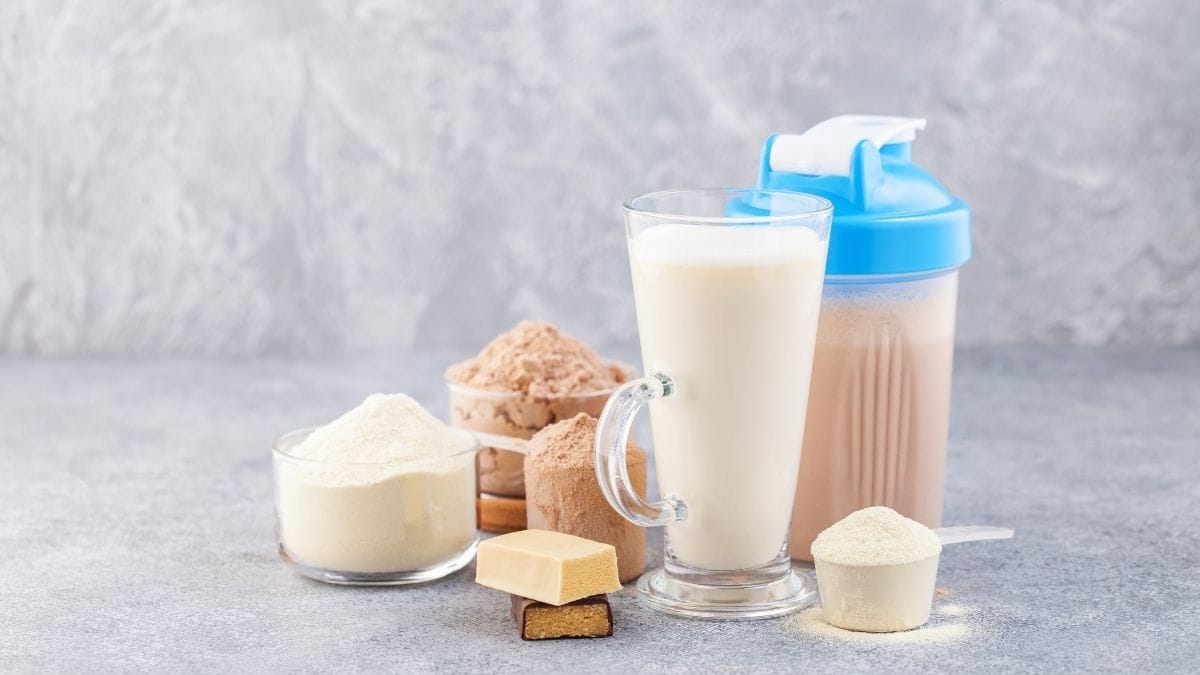
Consumer Reports tested protein powders in 2025 and found something disturbing. 70% of them contained lead levels exceeding safe daily exposure limits.
Nearly half exceeded California’s strict Proposition 65 limits for heavy metals.
You’re buying these thinking they’re healthy. Fitness culture pushes protein powder as essential. It’s convenient and packed with protein. But the protein powder health risks are real.
Plant-based and chocolate-flavored powders had the highest contamination.
Here’s the shocking part: organic products contained twice as much cadmium and three times as much lead as non-organic versions. These heavy metals damage your kidneys and brain over time.
Protein powders don’t give you the same benefits as whole food protein anyway. Many contain artificial sweeteners that mess with your gut bacteria. Your body processes real food better than powder.
Better choices for protein:
- Eggs (6g protein each)
- Plain Greek yogurt (unsweetened)
- Chickpeas, lentils, and edamame
- Fish and lean chicken
- Tofu and tempeh
Real food doesn’t come with heavy metal contamination. Skip the powder. Eat the protein instead.
#2 – Acai Bowls and Smoothie Bowls: Instagram-Worthy Sugar Bombs
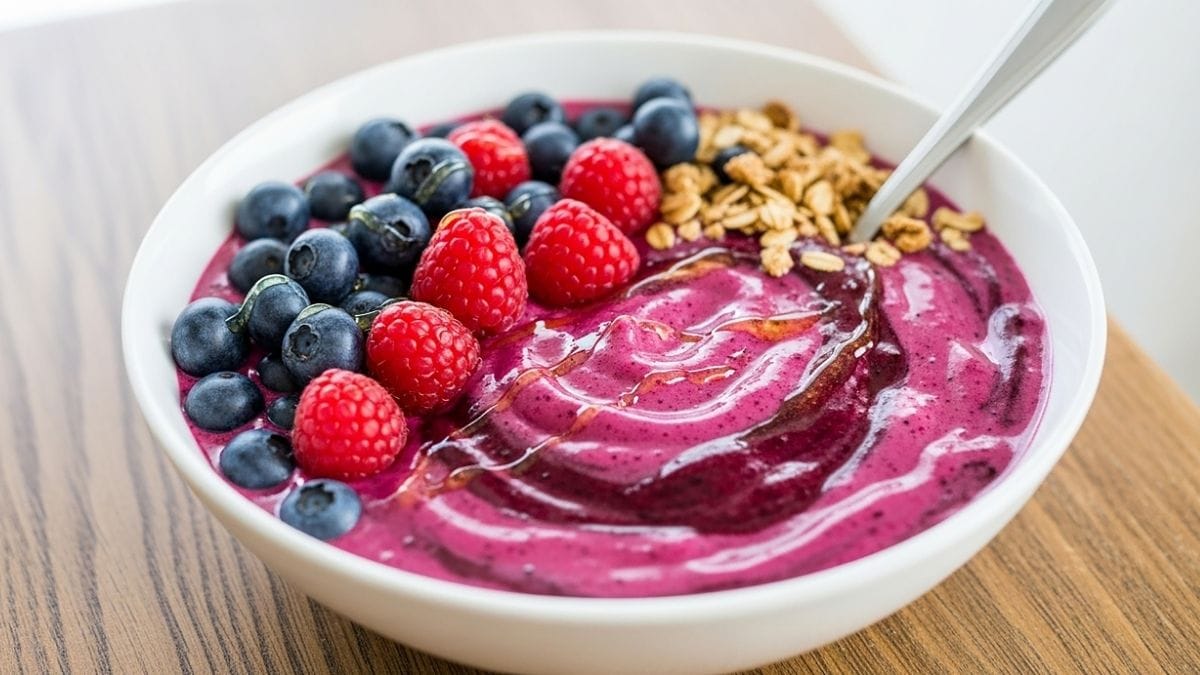
Acai bowls look healthy. They’re colorful, packed with fruit, and loaded with antioxidants. They look amazing on Instagram. But the hidden sugar in healthy foods like these is a serious problem.
Commercial acai bowls contain 21-62 grams of sugar per serving. Many pack 50-100 grams total. That’s more sugar than a Cinnabon. A large Vitality Bowls “Warrior Bowl” has 64 grams of sugar alone.
The American Heart Association says women should limit added sugar to 25 grams per day. Men should stay under 36 grams. One acai bowl can blow past your entire daily limit before lunch.
Here’s why acai bowl calories and sugar matter. Too much added sugar causes liver problems, heart disease, and type 2 diabetes.
Blending fruit destroys the fiber that normally slows sugar absorption. Your blood sugar spikes faster. Granola toppings add 200-400 more calories.
Better choices:
- Whole berries with plain Greek yogurt
- Small homemade bowl (unsweetened acai, zucchini, protein powder)
- Fresh fruit salad with nuts
- Chia pudding with fresh berries
Eat the fruit whole. Skip the sugar bomb.
#3 – Granola Bars: Candy Bars in Disguise
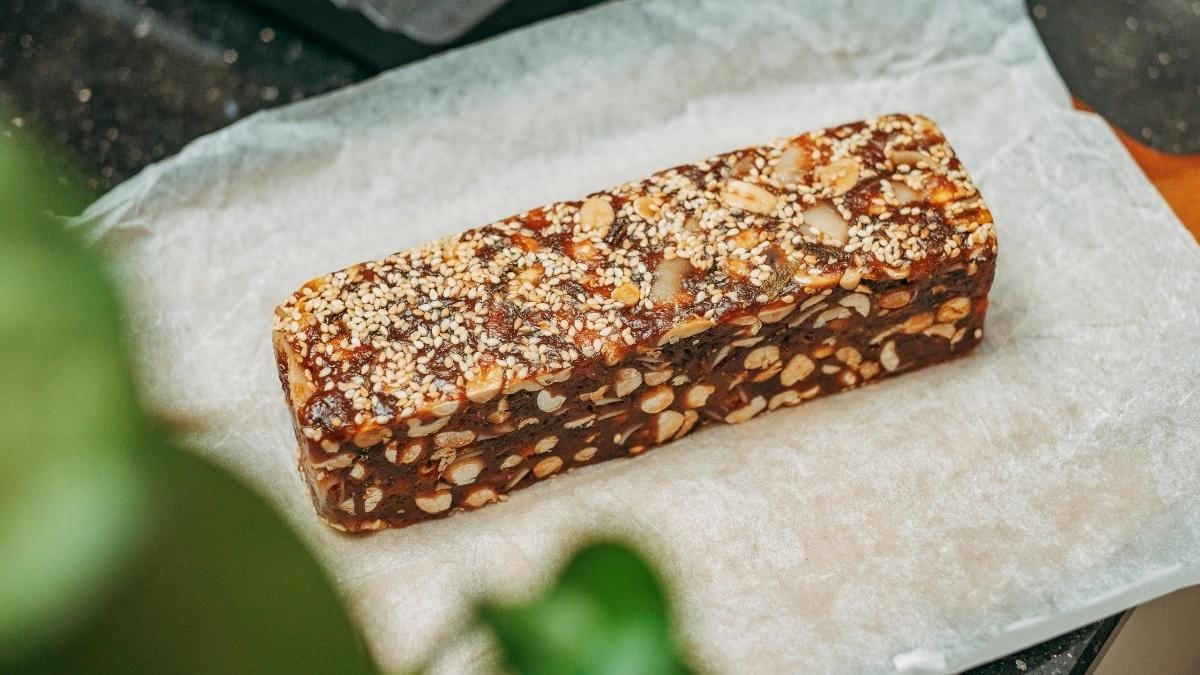
Granola bars are marketed as healthy snacks. Look at the granola bar nutrition label and you’ll see the truth. Many pack up to 15 grams of sugar per serving. That’s basically a candy bar.
Here’s what makes them worse than you think. Most contain three or more types of added sugar in one bar.
You’ll see honey, rice syrup, corn syrup, and cane sugar all listed. Food companies do this to hide how much sugar is really in there.
They’re also made with coconut oil, which is high in saturated fat. Higher consumption of added sugars is linked to type 2 diabetes.
The WHO says you should keep sugar under 25 grams per day. One granola bar can use up half your daily limit.
These hidden sugar snacks are calorie-dense but don’t fill you up. Think about it: 100 calories gets you one granola bar, two cups of cantaloupe, or one large apple. Which one keeps you full longer?
Healthy snack alternatives:
- Raw almonds or walnuts
- Fresh fruit with nut butter
- Homemade bars (oats, nuts, dates)
- Hard-boiled eggs
- Veggie sticks with hummus
Real food satisfies you. Granola bars just spike your blood sugar.
#4 – Flavored Yogurt: Dessert Disguised as Breakfast

Plain yogurt is healthy. Flavored yogurt is not. There’s a huge difference between the two.
Some fruit yogurts pack 25 grams of sugar per serving. That’s 6 teaspoons of sugar. Flavors like key lime pie and cheesecake are literally dessert in a cup. The flavored yogurt sugar content rivals candy bars.
Here’s the trick food companies use. They take out fat and add sugar to make it taste good.
Low-fat versions often have MORE added sugar than regular versions. Check the label and you’ll see corn syrup, sugar, and fruit concentrates all listed.
All that added sugar messes with your gut bacteria. Yes, flavored yogurt has probiotics. But the sugar feeds bad bacteria and cancels out the benefits you’re trying to get.
Plain Greek yogurt has twice the protein and half the sugar. That’s the smart choice.
Better alternatives:
- Plain Greek yogurt with fresh berries
- Unsweetened yogurt with cinnamon and nuts
- Unsweetened kefir for probiotics
- Cottage cheese with fruit
Add your own fruit. Control the sugar yourself.
#5 – Ultra-Processed Meat Alternatives: The Plant-Based Trap

Plant-based diets are healthy. Ultra-processed plant-based foods are not. There’s a big difference you need to know about.
Meat alternatives like fake burgers and nuggets are highly processed. They’re packed with sodium and filler ingredients.
Many contain as much sodium as regular processed meat. High-sodium foods increase your risk for cardiovascular disease and other life-threatening conditions.
Look at the ingredient list on these products. You’ll see chemical additives, emulsifiers, and preservatives you can’t pronounce.
Research shows that additive combinations create toxic effects not seen when each chemical is tested alone. That’s the meat alternative health risks nobody talks about.
Studies show that unhealthy plant-based eating leads to different health outcomes than whole food plant-based diets. The ultra-processed plant-based foods don’t give you the same benefits as real plants.
Better alternatives:
- Beans, lentils, and chickpeas
- Tofu and tempeh (minimally processed)
- Edamame
- Quinoa and whole grains
- Real vegetables
Eating plants is smart. Eating fake meat made in a lab isn’t. Stick with whole food proteins your body recognizes.
Conclusion:
You now know the truth about five “healthy” foods: protein powders, acai bowls, flavored yogurt, granola bars, and ultra-processed meat alternatives. These foods won’t help you live longer.
Research shows that sustained dietary changes can add 10 years to your life. Start by replacing just one of these foods this week. Choose whole food alternatives instead.
Making these simple swaps away from ultra-processed foods and toward whole foods is one of the most powerful steps you can take for longevity.
The foods that truly support a long, healthy life aren’t found in fancy packaging. They’re the simple, whole foods humans have eaten for generations.