
Healthy aging is not only about food, sleep, or exercise. The way you stay connected to people matters more than most think. And here’s why that matters.
As you get older, it becomes easier to lose daily contact. Retirement, health issues, or losing friends can slowly reduce your circle. This can lead to loneliness or social isolation. Both feel similar, but they are not the same. And both can affect your health.
In this guide, you will learn one simple habit that researchers say makes a real difference. You will see how social connection supports your brain and heart. You will also get clear, simple ways to build it into your daily life.
Why social connection matters for healthy aging

Loneliness is the feeling of being alone. Social isolation is having little or no contact with others. You can feel lonely in a crowd. You can also be alone and feel fine. The difference matters.
This problem is more common than most people think. Around 1 in 3 adults feel lonely. About 1 in 4 older adults are socially isolated. That means millions of people face this every day.
And this is not just about feelings. It affects your body. Poor social connection can raise heart disease risk by 29%. Stroke risk goes up by 32%. The risk of dementia can increase by about 50%.
That is why experts now treat social connection like a health habit. Like walking or eating well, it protects your long-term health.
The social habit researchers say matters most

The key habit is simple. You need regular and meaningful social activity. Not random contact. Not once in a while. It needs to be steady.
More contact does not always mean better connection. You can talk to many people and still feel alone. What matters is quality. A real conversation. A shared activity. A sense that you belong.
Research shows people with higher social engagement live longer. One study found a much lower risk of death in people who stayed socially active. The reason is simple. They move more. They feel better. Their bodies age slower.
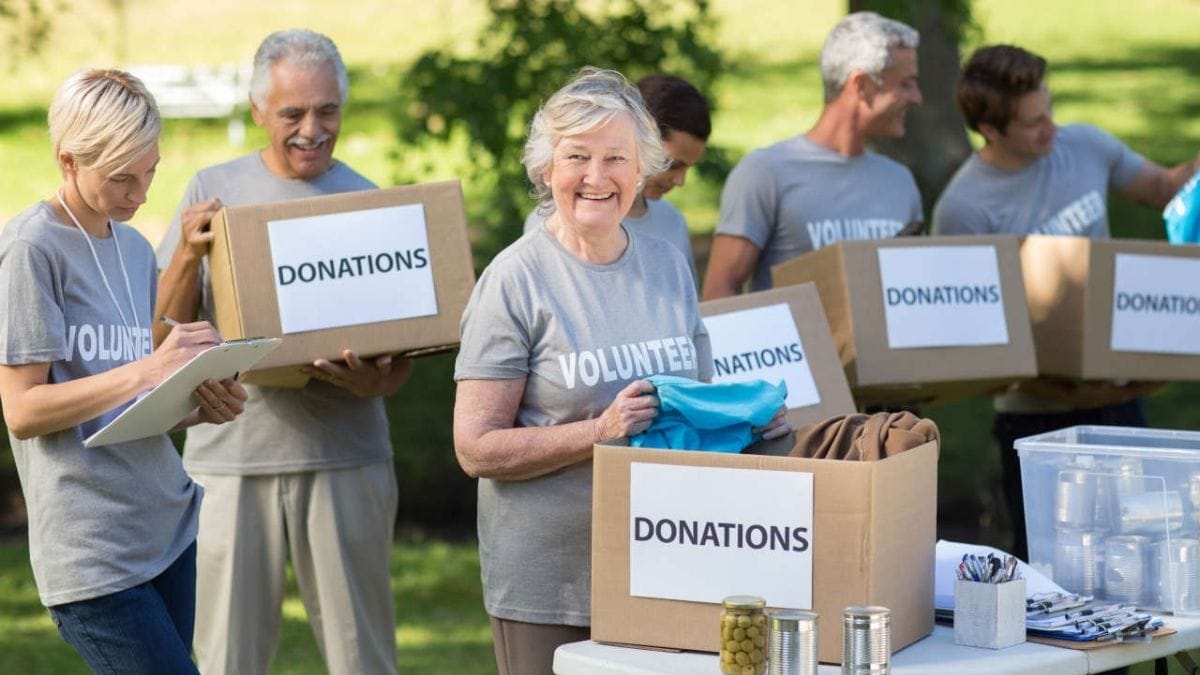
Purpose also matters. Volunteering or helping others works better than just showing up. When you feel useful, your mood improves.
Consistency is the real win. A small habit done every week beats a big effort once a month.
Best social habits to build into a weekly routine

You need habits you can repeat every week. That is what builds real change. One-time events do not help much.
Start with group activities. A walking group is a good example. You move your body and talk to people at the same time. That improves both physical and mental health.
Classes also work well. This could be exercise, cooking, or a hobby. They are easy to schedule. And you meet the same people again and again.
Volunteering adds something extra. It gives you purpose. Helping others can reduce feelings of loneliness and give your day meaning.
You can also keep it simple. Call a friend. Visit a neighbor. Even short check-ins help.
The goal is not to be busy. The goal is to stay connected in a way you can maintain.
How to make it work when life gets in the way
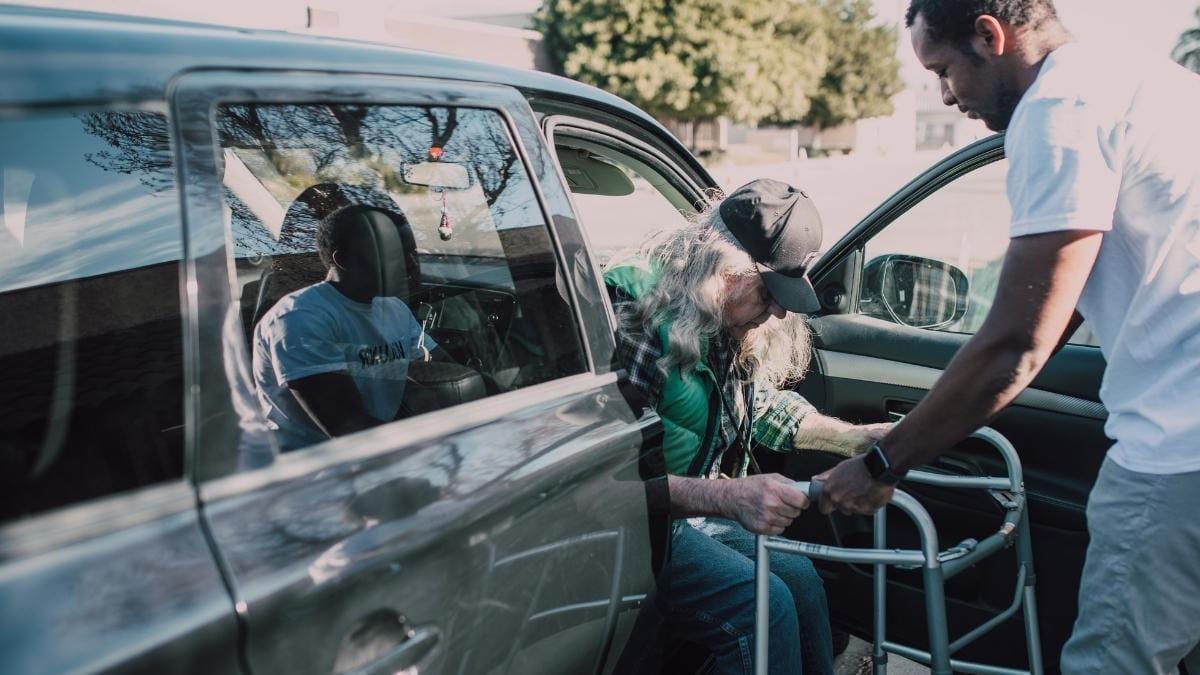
Life is not always easy. Health issues, low energy, or transport problems can make social activity hard. That is normal. You do not need perfection.
Start small. Pick something simple and close to home. A short walk with a neighbor is enough. A weekly phone call also works.
If mobility is an issue, look for nearby options. Community centers or local groups can help. Some places even offer transport support.
Digital tools can help, but they are not perfect. Video calls are useful, but they should not replace real contact completely.
You can also ask for help. Doctors and local services sometimes suggest social activities. This is called social prescribing.
Focus on what you can do. One small step is enough to start.
A simple 7-day action plan for social connection

You do not need a big plan. You just need a simple start. Here is one you can follow this week.
Day 1: Choose one activity you can repeat every week.
Day 2: Invite one person to join you.
Day 3: Set a time for a walk, call, or class.
Day 4: Try one group activity, even if it feels new.
Day 5: Look for one small way to help others.
Day 6: Fix one barrier, like timing or transport.
Day 7: Plan next week and keep it going.
The goal is not to do everything. The goal is to build one habit. When you repeat it, it becomes part of your life.
Consistency matters more than effort.
Final Thought;
The habit that works is simple. Stay connected in a real and regular way. Small actions done often make the biggest impact. Start this week. Pick one habit and repeat it. That is how you build strong social connection for healthy aging.