

If you’re among the 57% of Americans aged 65-74 wearing dentures, you’ve probably discovered that your favorite foods aren’t always denture-friendly. But compromising nutrition doesn’t have to be part of the deal.
You need soft foods for seniors with dentures that actually deliver complete nutrition. Foods that give you enough protein for elderly muscle health and calcium for strong bones.
This guide shows you 8 nutritious soft foods that solve both problems. You’ll get denture-friendly meals that taste good and keep you healthy.
Greek Yogurt: The Protein Powerhouse
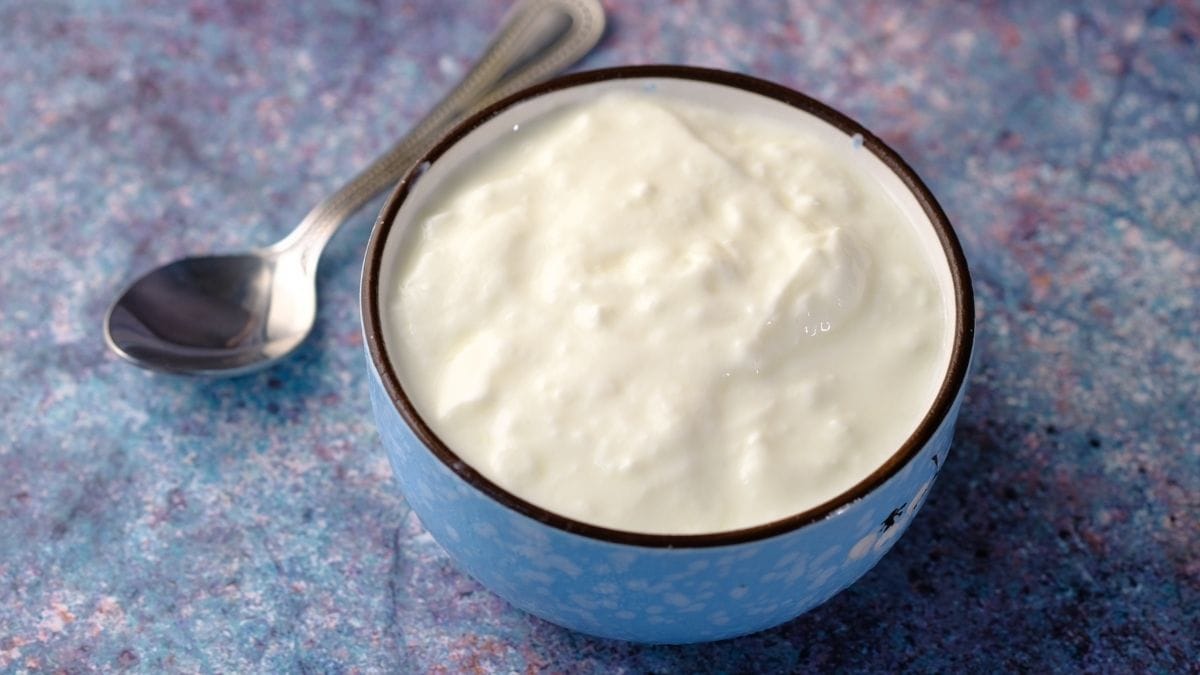
Greek yogurt gives you 15-20 grams of protein in just one 6-ounce serving. That’s nearly triple what regular yogurt offers.
If you weigh 150 pounds, one serving covers about 25% of your daily protein requirements elderly need.
The calcium sources seniors can rely on include Greek yogurt with 160-240mg per serving. That’s 10-20% of your daily calcium goal.
Plus, the creamy texture is perfect for dentures—it won’t get stuck or cause pain.
Greek yogurt also contains probiotics. These are good bacteria that help your gut and may reduce gum inflammation.
Look for “live active cultures” on the label to get these probiotic foods elderly benefit from most.
Here’s how to use it. Make a parfait with mashed banana for breakfast. Blend it into a smoothie with soft berries. Use it as a base for creamy salad dressings instead of mayo.
Choose plain, unsweetened Greek yogurt. The flavored kinds have too much added sugar. Plain versions only have 2-6 grams of natural lactose and about 70 calories per serving.
Add your own honey or soft fruit for sweetness. This way you control the sugar and get protein-rich soft foods that taste great.
Scrambled Eggs: Complete Protein in Every Bite
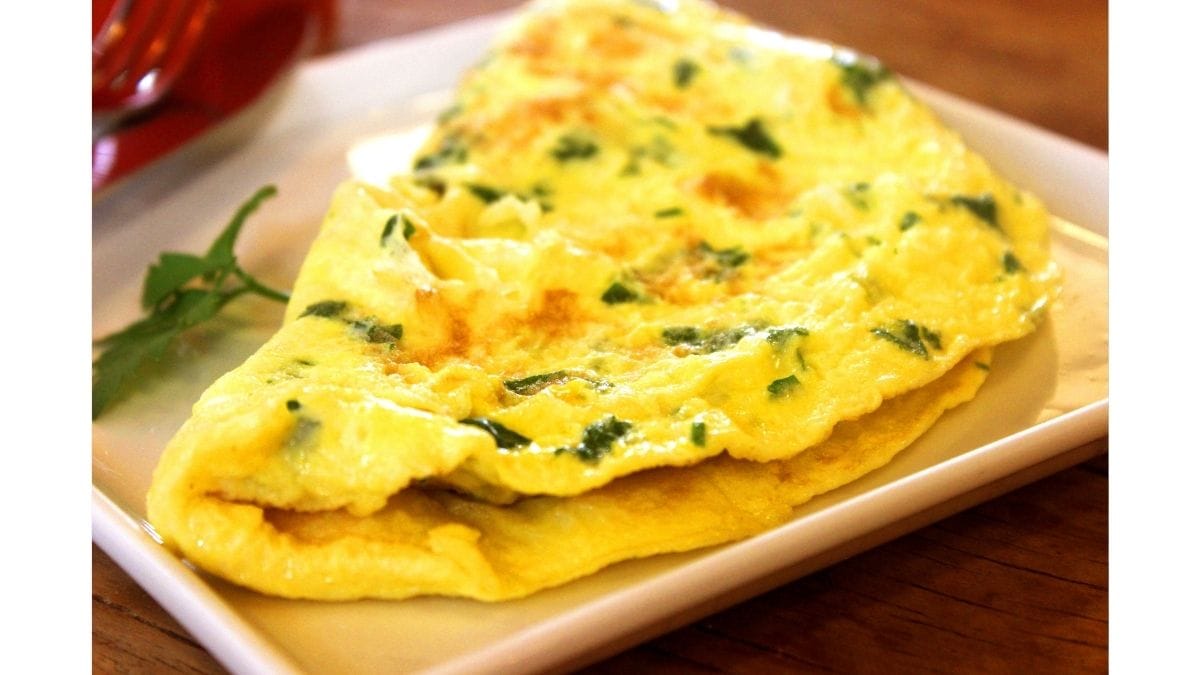
One large egg gives you 6 grams of complete protein with all 9 essential amino acids your body needs.
That makes eggs one of the best high-protein breakfast seniors can eat. Each egg only has 70 calories but packs vitamins A, B12, D, E, and important minerals.
Eggs also protect your brain. They contain choline, which helps with memory and cognitive function.
A 2024 study found that eating more than one egg per week was linked to a 47% lower risk of dementia.
Your eyes benefit too. Eggs have lutein and zeaxanthin, two nutrients that reduce cataract risk as you age.
The soft scrambled texture makes eggs perfect easy-to-chew protein for denture wearers. Just cook them low and slow for the softest results. Add a splash of milk or cream to make them even softer.
Try these ideas. Mix cottage cheese into your scrambled eggs for extra protein. Make egg salad with Greek yogurt instead of mayo. Cook a veggie-packed frittata and cut it into small pieces.
Don’t overcook your eggs. That makes them rubbery and harder to chew with dentures.
Mashed Sweet Potatoes: Nutrient-Dense Comfort Food
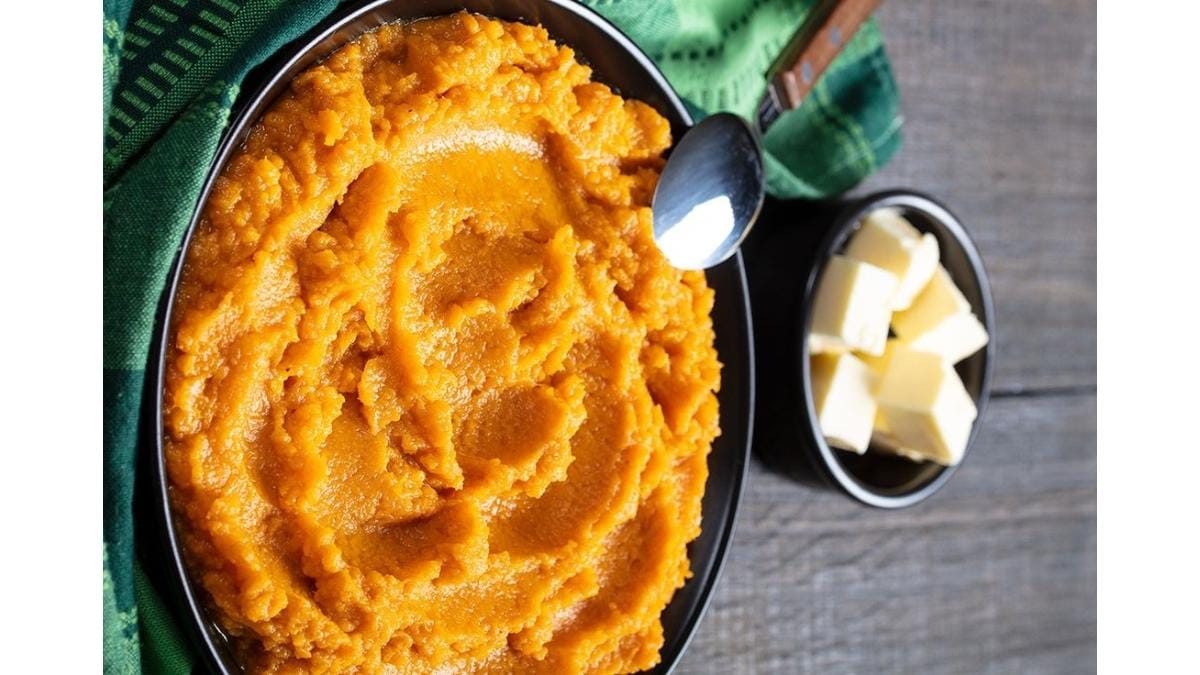
One cup of mashed sweet potato gives you over 400% of your daily vitamin A. That’s huge for eye health and immune function. Sweet potatoes are also vitamin A sources seniors can easily digest and enjoy.
You get fiber too. Sweet potatoes help you reach the 21-30 grams of fiber seniors need each day for good digestive health. The natural sweetness satisfies your taste buds without any added sugar.
The smooth, mashed texture makes these easy-to-swallow vegetables perfect for dentures. No hard chunks to worry about.
Try mashing them with Greek yogurt instead of butter for extra protein. Make sweet potato soup with other soft vegetables. Top with cinnamon for a warm, comforting flavor. Use mashed sweet potato as the topping for shepherd’s pie.
Cook them until very tender. Use a fork to test—it should slide in easily. Remove the skins before mashing for the smoothest texture.
Make big batches and freeze portions. You’ll have fiber-rich soft foods ready whenever you need them.
Oatmeal: Heart-Healthy Whole Grain
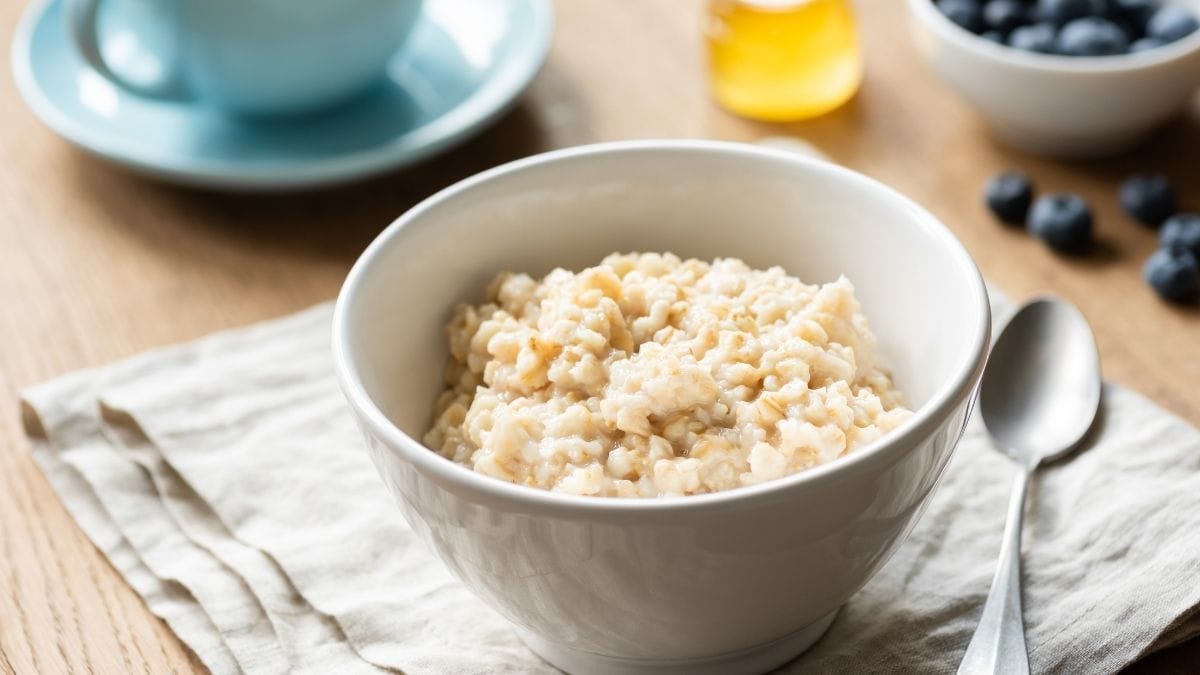
Oatmeal contains beta-glucan fiber that helps lower your cholesterol. That makes it one of the best heart-healthy soft foods you can eat. The complex carbohydrates give you steady energy without blood sugar spikes.
One cup of cooked oatmeal has 5 grams of protein. Add protein powder or almond butter to boost that number even higher. Oatmeal is one of those whole grains seniors can customize easily.
Mix in Greek yogurt for creaminess. Add soft berries or mashed banana. Stir in honey or fruit purees for sweetness. Each bowl can taste different.
Cook your oatmeal longer than the package says. This makes it softer and easier to chew with dentures. Use milk instead of water to add calcium and protein at the same time.
Try overnight oats with Greek yogurt mixed in. Make steel-cut oats cooked extra soft. Or choose Cream of Wheat if you want something even smoother.
Let it cool a bit before eating. Hot foods can hurt when you wear dentures.
Cottage Cheese: Calcium and Protein Combined
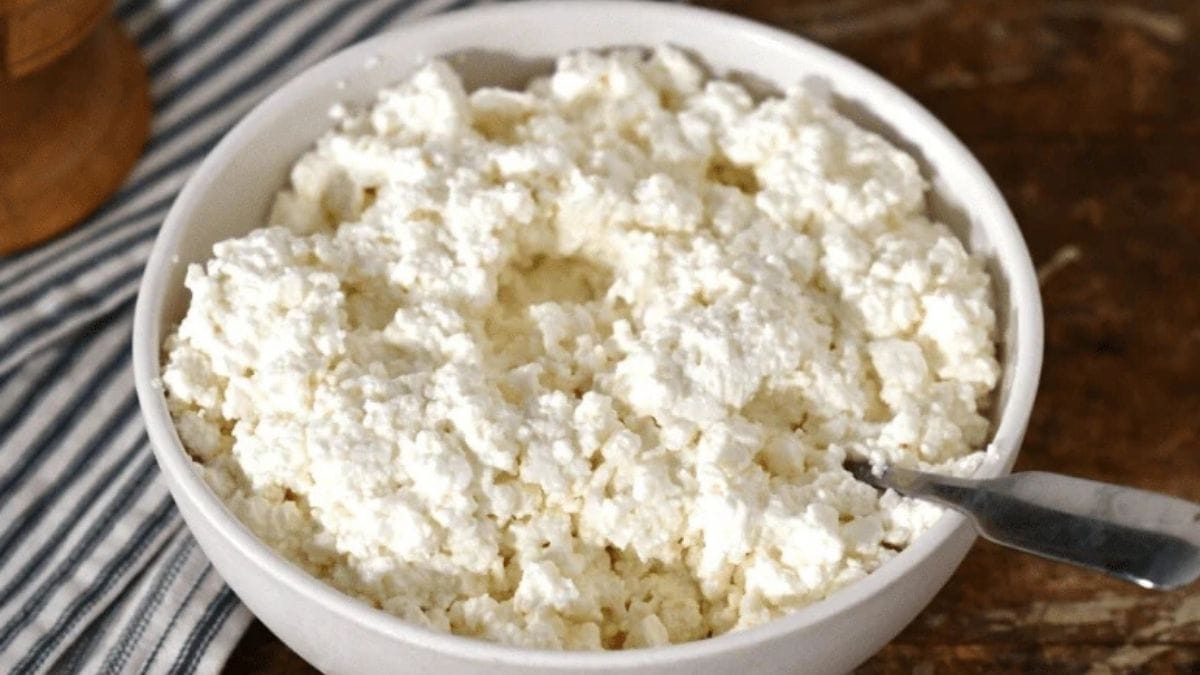
Half a cup of cottage cheese gives you 14 grams of protein and a solid dose of calcium. You get two critical nutrients in one simple food.
That makes it one of the most affordable protein sources for your budget.
The soft curds are gentle on your gums and won’t damage dentures. Some brands include probiotics, which help your digestive system stay healthy.
These are the calcium-rich foods seniors need without spending a lot of money.
Eat cottage cheese with soft canned peaches for a sweet snack. Mix it into your scrambled eggs for extra protein. Top it with mashed avocado and a pinch of salt for a savory option.
If the curds bother you, blend cottage cheese smooth. It works great as a dip or spread this way.
Choose small curd varieties for the easiest eating. Look for low-sodium options on the label—seniors should watch their salt intake. Cottage cheese and other soft dairy products keep well in the fridge too.
Flaky Fish: Omega-3 Rich Protein
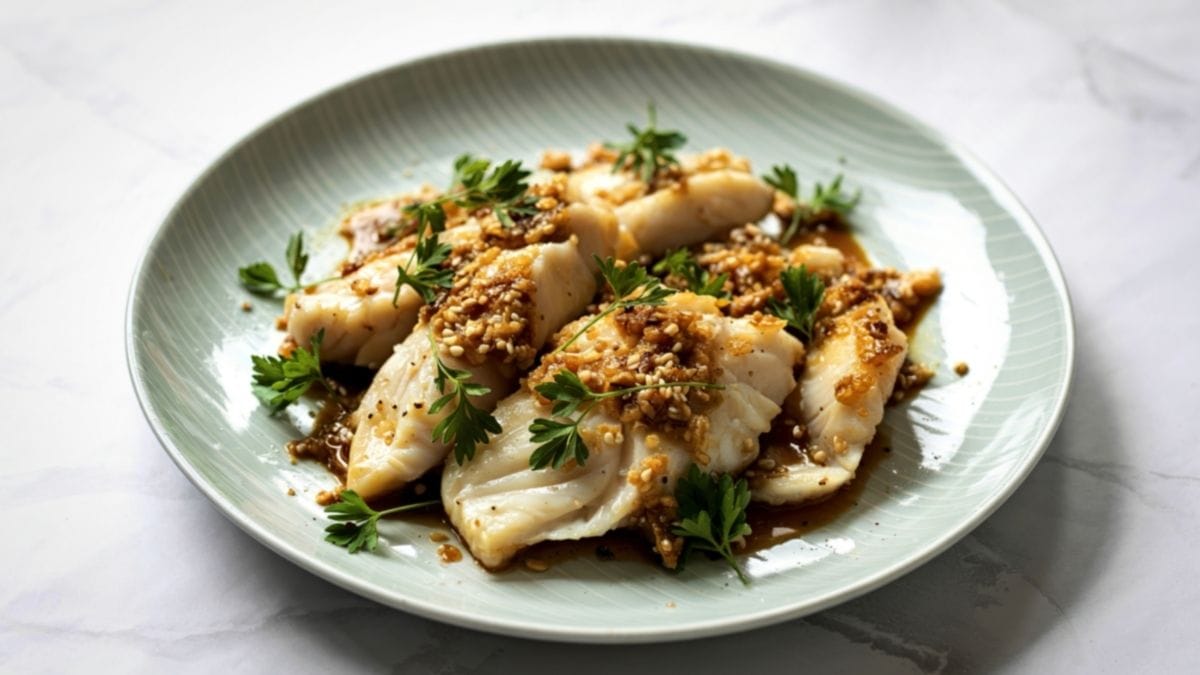
A 3-ounce serving of fish gives you 20-25 grams of quality protein. Salmon, cod, and tilapia break apart easily with a fork, making them perfect soft protein sources for denture wearers.
Fish also contains omega-3 fatty acids that protect your heart and may reduce gum inflammation.
Fatty fish like salmon provide vitamin D, which you need for strong bones. These omega-3 foods seniors eat regularly can lower inflammation throughout the body.
Bake or poach your fish instead of frying it. Poaching in broth adds extra moisture and flavor. Cook until the fish flakes easily when you press it with a fork.
Try baked salmon with lemon juice. Make fish chowder with soft vegetables. Use canned salmon in soft dishes—just remove any bones first.
Always check carefully for bones before eating. Even small bones can cause problems with dentures.
Add lemon juice for better flavor and easier digestion. These vitamin D rich foods taste great and support your overall health.
Smooth Nut Butters: Plant-Based Protein
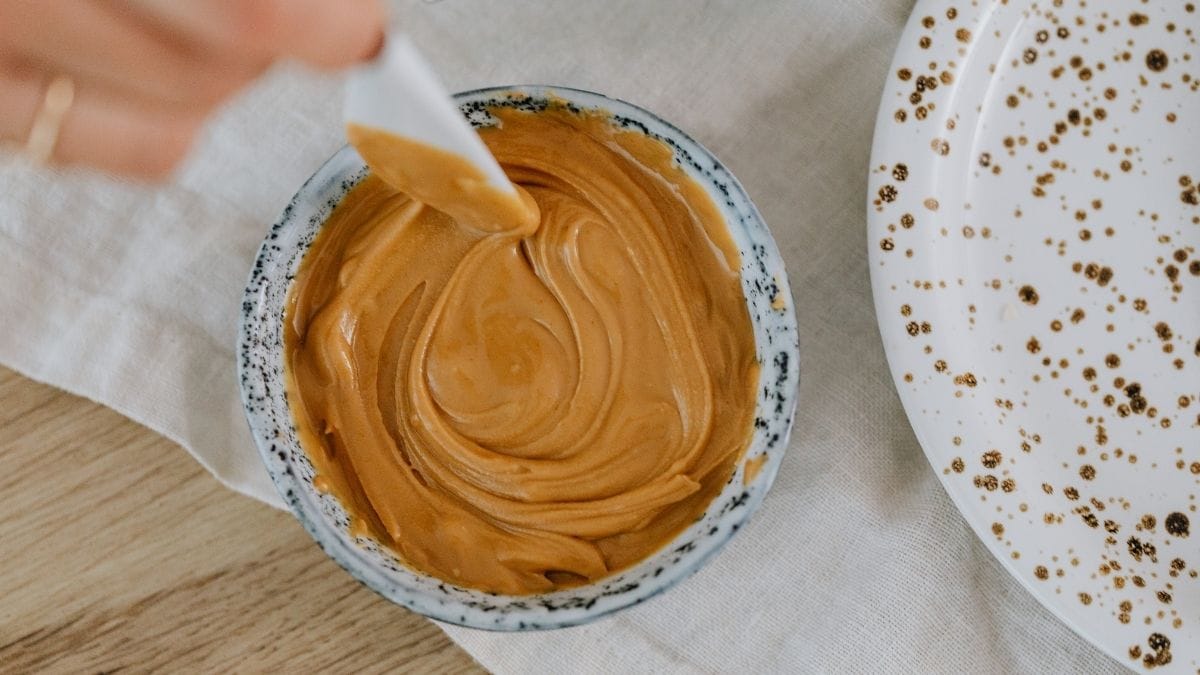
Two tablespoons of smooth nut butter pack 7-8 grams of plant-based protein seniors can easily eat. You also get healthy fats that protect your heart, plus vitamin E, magnesium, and potassium.
Nut butters are calorie-dense, which helps if you have a reduced appetite. They give you energy without needing to eat large amounts. The monounsaturated fats support heart health as you age.
Always buy smooth, creamy varieties. Never chunky. Chunks can get stuck under dentures or hurt your gums.
Spread nut butter on soft bread with the crusts removed. Stir it into your morning oatmeal or Greek yogurt. Blend it into smoothies for extra protein. Mix it with mashed banana for a quick snack.
If your nut butter is too thick, thin it with warm water. This makes it easier to spread and less likely to stick to your dentures.
Look for versions with no added sugar. These energy-dense foods and healthy fats elderly need work best in their natural form.
Smooth Soups and Pureed Broths: Complete Nutrition in a Bowl

Soups give you two things at once—nutrition and hydration. Many seniors don’t drink enough water throughout the day. Warm soups help you meet your fluid needs while eating a meal.
You can pack vegetables, protein, and calories into one bowl. Pureed meals seniors eat regularly are easy to customize based on what nutrients you need.
The warm temperature soothes tender gums and feels comforting.
These easy-to-swallow soups require almost no chewing. That’s perfect when your dentures feel uncomfortable or your gums are sore.
Try butternut squash soup mixed with Greek yogurt for extra protein. Make chicken soup with pasta cooked very soft.
Puree lentil soup until completely smooth. Sip bone broth for a protein boost between meals.
Use an immersion blender to make any soup smooth. Add protein powder or Greek yogurt to boost nutrition even more. Strain your soup if you find any chunks.
Make big batches and freeze portions in single-serving containers. You’ll always have hydrating foods elderly need ready to heat and eat. That’s practical meal planning that saves time.
Practical Tips for Eating with Dentures
Start with pureed foods when you first get dentures. Move to soft foods over the next few weeks. Your mouth needs time to adjust. Rushing this process makes eating harder.
Chew on both sides of your mouth at the same time. This keeps your dentures stable and stops them from moving around. Cut all your food into small pieces before eating to reduce pressure on your gums.
Stay away from sticky foods like caramel, hard foods like nuts, seeded breads, and very tough meats. These cause problems with dentures and can hurt your gums.
Drink water with your meals. This helps with swallowing and keeps your mouth comfortable. Foods with high vitamin C like soft fruits and cooked leafy greens reduce gum inflammation.
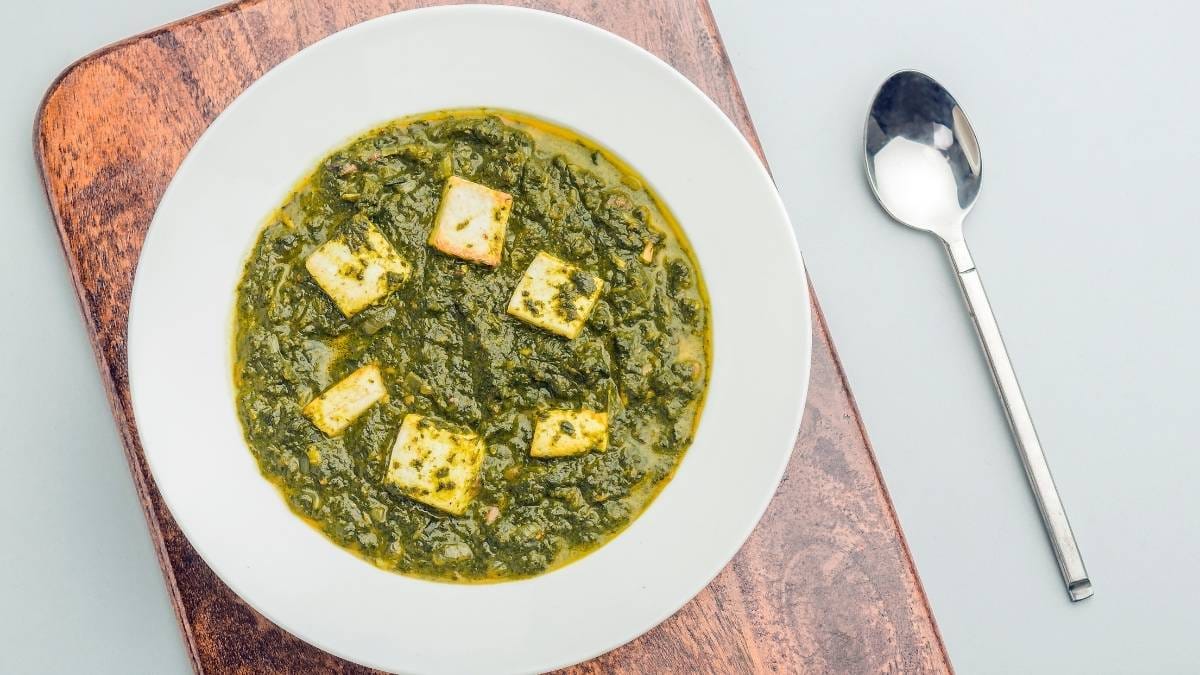
Use sauces and gravies to make foods softer and easier to chew. Denture adhesives make eating more comfortable for many people.
Get your denture fit checked every year. Poorly fitting dentures make eating painful. These eating with dentures tips and good denture care seniors practice lead to comfortable chewing every day.
Conclusion
Living with dentures doesn’t mean giving up good nutrition. These 8 soft foods for seniors with dentures deliver the protein, calcium, and vitamins you need.
You can hit your daily goals—1,200mg calcium, 800 IU vitamin D, and enough protein for your weight.
Start with one or two of these nutritious eating with dentures options this week. Many seniors feel stronger within a few weeks of eating more protein-rich meals elderly bodies need.
Talk to your dentist about denture fit and your doctor about your specific nutrition needs.