
If you’ve ever stood at the fridge at 3 PM craving sweets after lunch, you’re not alone. Sugar cravings affect 97% of women and 68% of men every single week.
🍬 Stop Sugar Cravings Fast
10 Science-Backed Habits to Break Free from Sugar Addiction
97%
Of women experience sugar cravings weekly
68%
Of men crave sugar every single week
38%
Higher obesity risk from poor sleep
🧠 Why You Can’t Stop Craving Sugar
The 10 Habits That Work
⚡ Quick Implementation Tips
✅ Your Action Plan
Start with ONE habit this week. Once it sticks, add another. Results take weeks—be patient!
Why Do You Crave Sugar So Much?
Your sugar cravings aren’t about weak willpower. They’re caused by real changes in your brain and body. Here’s what’s actually happening.
When you eat sugar, your brain releases dopamine and serotonin. These feel-good chemicals make you want more. It works like sugar addiction—your brain remembers that sweet feeling and demands it again.
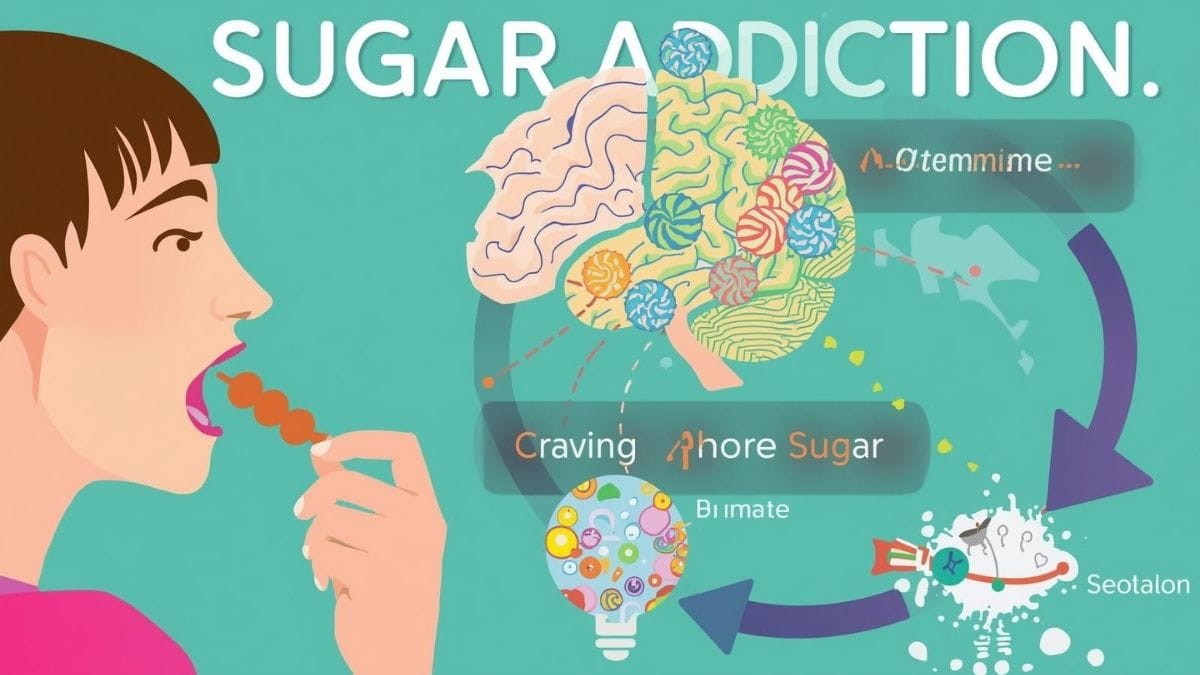
Bad sleep makes everything worse. When you sleep less than 7 hours, your body makes more ghrelin (the hunger hormone) and less leptin (the fullness hormone). You feel hungry all day. People who regularly sleep poorly have a 38% higher risk of obesity.
Stress cranks up cortisol. This hormone spikes your blood sugar levels, then crashes them hard. You end up craving quick energy from sweets.
Your body also confuses thirst with hunger. Sometimes you just need water, not a cookie. Food companies don’t help—they hide sugar in cereals, salad dressings, and yogurt. Americans should eat no more than 10% of daily calories from added sugar. Most people blow past that limit.
Habit 1: Eat Protein at Every Single Meal
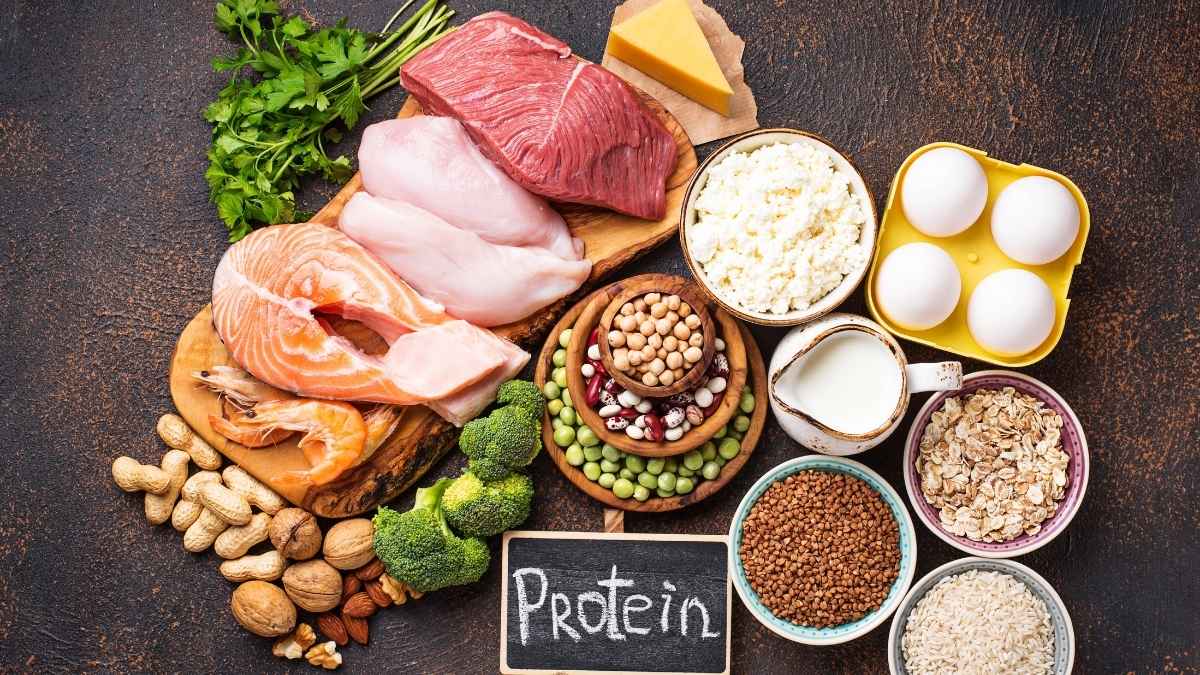
Protein kills sugar cravings better than anything else. Studies show higher-protein diets cut daily hunger by 16%. They also reduce your desire to eat and those late-night fast-food cravings. The connection between protein and sugar cravings is simple—protein keeps you full.
Here’s how it works. Protein slows down digestion. This stops your blood sugar from spiking and crashing. When your blood sugar stays steady, you don’t get those desperate 3 PM cookie attacks.
Start with breakfast. A high protein breakfast changes everything. Research proves that eating 40% protein at breakfast crushes food cravings way more than a normal 15% protein meal. Try Greek yogurt with berries, scrambled eggs with vegetables, or a protein smoothie.
Aim for 0.36 to 0.45 grams of protein per pound of body weight daily. If you weigh 150 pounds, that’s about 54-68 grams of protein. Spread it across all your meals—don’t dump it all at dinner.
Best protein sources: Chicken, fish, lean beef, eggs, and Greek yogurt pack 18-20 grams per serving. Lentils and legumes work great if you’re plant-based. Protein triggers your satiety hormones and shuts down hunger hormones. This keeps you satisfied for hours.
Balanced meals with protein stop the craving cycle before it starts.
Habit 2: Sleep 7-9 Hours Every Night

Bad sleep destroys your willpower around sugar. The link between sleep and sugar cravings is backed by hard science. When you don’t sleep enough, your body pumps out more ghrelin (the hunger hormone) and cuts back on leptin (the fullness hormone). You feel hungry all day long.
Poor sleep also messes with your brain chemistry. It increases endocannabinoid system molecules—the same chemicals that give people the munchies. High-calorie foods suddenly look irresistible. You’ll pick doughnuts over blueberry muffins every time.
Even one bad night affects your blood sugar control. Your body can’t process sugar properly when you’re tired. And here’s the bad news—sleeping in on weekends doesn’t fix the damage. Weekend recovery sleep isn’t enough to bring your metabolism back into balance.
Sleep deprivation effects hit your decision-making too. Your brain’s front area (the part that says “no” to junk food) stops working well. You make terrible food choices without even knowing why.
How to improve sleep quality: Create a bedtime routine and stick to it. Go to bed and wake up at the same time every day, even weekends. Turn off your phone, TV, and laptop at least one hour before bed—blue light keeps you awake. Aim for 7-9 hours every single night.
Habit 3: Drink Water All Day Long

Your brain can’t tell thirst from hunger. Up to 40% of people get these signals mixed up. You think you’re hungry for a candy bar when your body just needs water. The connection between hydration and cravings is real.
When you’re dehydrated, your blood sugar gets concentrated. This causes spikes and crashes that trigger sugar cravings. Your body wants quick energy, so it screams for sweets. Proper water intake keeps your blood sugar balanced and steady.
Dehydration symptoms often look like hunger. You feel tired, cranky, and foggy. Your brain thinks sugar will fix it. But water is what you actually need. Water also helps your liver and kidneys flush out toxins and process nutrients properly.
Drink at least 64 ounces daily—that’s eight glasses. Drink more if you exercise or live somewhere hot. Before you grab a snack, drink a full glass of water first. Wait 10 minutes. Your craving might disappear completely.
Make water taste better: Add berries, lemon slices, or cucumber. Carry a reusable water bottle everywhere as a reminder. Eat water-rich foods like cucumbers, watermelon, and lettuce. They count toward your daily water intake too.
Habit 4: Pay Attention While You Eat

Mindful eating cuts sugar cravings fast. Research shows it reduces sweet food consumption and keeps your blood sugar stable. It also stops emotional eating and helps you ignore food ads and social pressure. You stop eating when you’re actually full, not when the bag is empty.
Most sugar cravings aren’t about real hunger. They’re about stress, boredom, or tiredness. Before you eat anything sweet, pause and ask yourself: “Am I actually hungry, or am I stressed/bored/tired?” This one question can stop half your cravings.
Eat without distractions. Turn off the TV, put down your phone, and close your laptop. When you’re distracted, you eat more without noticing. You miss your body’s fullness signals and keep eating long after you’re satisfied.
Chew slowly and put your fork down between bites. Notice the taste, texture, and smell of your food. Pay attention to how full you feel throughout the meal. Stop when you’re satisfied, not stuffed.
Keep a food journal for one week. Write down what you eat, when you eat it, and how you felt before eating. You’ll spot your food cravings triggers fast. Maybe you always want cookies after work calls. Or ice cream when you’re lonely. Once you see the pattern, you can fix it.
Habit 5: Eat Something Every 3-4 Hours

Meal timing matters more than you think. Eating every three to four hours keeps your stomach full and your blood sugar balanced. When you wait too long between meals, your blood sugar crashes. Then you’re starving and ready to eat anything—usually something sugary and fast.
Skipping meals is a huge mistake. You get so hungry that your brain stops thinking clearly. You grab cookies, chips, or candy because you need energy NOW. Your willpower disappears when you’re that hungry.
Build balanced meals the right way. Fill half your plate with vegetables, one quarter with protein, and one quarter with complex carbs like brown rice or sweet potatoes. Add healthy fats like olive oil or avocado. This combination keeps you full for hours.
Never skip breakfast. Eat within 1-2 hours of waking up. What you eat (or don’t eat) at breakfast affects your blood sugar all day long. A good breakfast stops afternoon sugar crashes.
Plan healthy snacks ahead of time. Keep nuts with fruit, hummus with vegetables, or Greek yogurt with seeds ready to go. Prep grab-and-go options on Sunday for busy weekdays. When hunger hits, you’ll have something good waiting.
Habit 6: Control Your Stress Before It Controls You

Stress and sugar cravings go hand in hand. When you’re stressed, your body releases cortisol. This hormone spikes your blood sugar, then crashes it hard. Your brain screams for sugary, high-fat comfort foods to feel better fast. Higher cortisol levels directly predict stress-induced eating and binge-eating behaviors.
Chronic stress makes everything worse. It causes insulin resistance, which means your body can’t handle sugar properly. This creates more cravings, more stress, and more eating. The cycle feeds itself.
Stress management techniques work as well as changing your diet. You can eat perfectly, but if you’re constantly stressed, you’ll still crave sugar. Regular stress-reduction practices lower cortisol levels naturally and stop cravings at the source.
Try meditation or deep breathing for just 5 minutes daily. When stress hits, take a short walk outside—movement and fresh air calm your nervous system fast. Journal to process your emotions instead of eating them. Writing down what’s bothering you helps more than a pint of ice cream ever will.
Build strong social connections. Talk to friends and family when you’re stressed. Try progressive muscle relaxation—tense and release each muscle group for 30 seconds. Use guided imagery apps to picture calm, peaceful places. These tools drop your cortisol levels and kill sugar cravings.
Habit 7: Pick Your Method—Slow or Fast

There’s no single right way to quit sugar. Your brain can readapt when you cut back, but it takes weeks or even months. Some people do better with gradual reduction. Others need to go cold turkey. Choose what fits your personality.
If you eat moderate amounts of sugar, go gradual. Cut back slowly to avoid intense withdrawal symptoms like headaches, mood swings, and fatigue. Reduce the sugar in your coffee from 2 teaspoons to 1, then to half a teaspoon, then none. Your taste buds adapt every 10-14 days. What tasted bland last week will taste fine this week.
Heavy sugar eaters often need a sugar detox. If you’re “all-or-nothing” type, cold turkey works better. Eliminate all added sugars for 3-4 weeks. This resets your taste buds fast. After a month, fruit tastes incredibly sweet. Regular yogurt tastes like dessert.
Try the substitution method too. Replace sugary snacks with healthier options right away. Swap cookies for apple slices with almond butter. Trade soda for sparkling water with lemon.
Start with one meal at a time. Fix breakfast first—make it sugar-free for two weeks. Then clean up lunch. Then dinner. This makes the process less overwhelming. How to quit sugar depends on you, not some perfect plan.
Habit 8: Eat More Healthy Fats
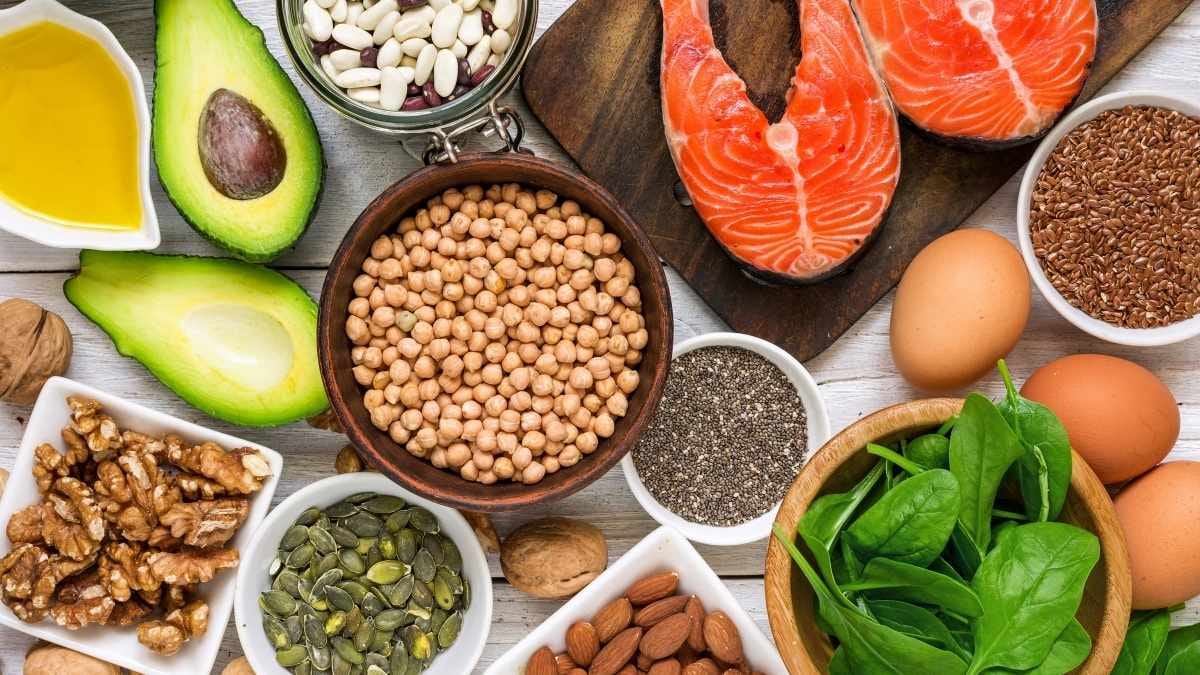
Healthy fats kill sugar cravings fast. Nutritionists load their patients’ diets with coconut oil, nuts, seeds, avocados, and olive oil. These fats keep your blood sugar balanced and make you feel full for hours. They’re secret weapons against cravings.
Here’s why fats work so well. They slow down digestion, which prevents blood sugar spikes and crashes. When you eat carbs alone, your blood sugar shoots up, then drops hard. You want sugar again in an hour. Add fat to that meal, and your blood sugar stays steady. The satiety from fats lasts way longer than carbs or protein.
Omega-3 fatty acids help your brain too. They reduce inflammation and improve mood, which means less stress eating. Your brain needs fat to work properly and make good decisions about food.
Add avocado to your breakfast eggs. Pour olive oil liberally on salads—don’t be shy. Snack on almonds, walnuts, or cashews between meals. Eat fatty fish like salmon or mackerel 2-3 times per week. Use coconut oil for cooking instead of vegetable oil.
Fat doesn’t make you fat. Sugar and refined carbs do. Healthy fats actually help you lose weight by keeping you satisfied.
Habit 9: Swap Sugary Foods for Smarter Choices

Smart substitutions let you enjoy sweet flavors without the sugar crash. You don’t need to suffer. You just need better options. These healthy sugar substitutes satisfy cravings while keeping your blood sugar stable.
Replace soda with unsweetened fruit teas or infused water. Try lower-sugar alternatives like OLIPOP if you miss the fizz. These taste sweet without spiking your blood sugar. Swap refined sugar desserts for naturally sweet options like dates covered in cocoa powder or frozen banana “ice cream.” Blend frozen bananas until creamy—it tastes exactly like soft serve.
Choose dark chocolate with 70%+ cocoa over milk chocolate. Dark chocolate has less sugar and more antioxidants. When cravings hit, eat a small square slowly. It works better than a whole candy bar. Use whole fruits instead of fruit juices. Juice is just sugar water without the fiber. An actual orange fills you up. Orange juice doesn’t.
Skip artificial sweeteners completely. They keep your brain locked into craving sweetness. Your taste buds never adjust.
Try these natural sweeteners in coffee and tea: Add vanilla extract, cinnamon, coconut milk, or cocoa powder instead of sugar. Make no-sugar granola or add chopped dates to oatmeal. Use plain Greek yogurt with frozen berries instead of flavored versions—flavored yogurt has more sugar than ice cream.
Habit 10: Fix Your Gut to Fix Your Cravings

Your gut controls your cravings more than you think. About 70-80% of neurotransmitters are made in your gut, not your brain. Healthy bacteria support this process. When your gut health is bad, your brain chemistry gets messed up. You crave sugar constantly.
Bad gut bacteria actually love sugar. They feed on it and multiply. Then they send signals to your brain demanding more sugar. It’s not you—it’s the bad bacteria controlling your cravings. Probiotics, especially bifidobacteria, help balance your microbiome and kill those cravings.
Fermented foods change how much you eat. Research shows they can prevent food cravings completely. A healthy gut also absorbs nutrients better. Sometimes you crave sugar because you’re deficient in magnesium, chromium, or B vitamins. Fix your gut, and those deficiencies disappear.
Eat fermented foods daily: yogurt, kefir, kimchi, sauerkraut, or kombucha. Consider a quality probiotic supplement if you have digestive issues. Include prebiotic foods that feed good bacteria—garlic, onions, leeks, and asparagus.
Avoid antibiotics unless medically necessary. They wipe out all gut bacteria, good and bad. Eat diverse plant foods every week. The more variety, the healthier your microbiome. Different plants feed different good bacteria.
Conclusion; Your Next Steps How to Reduce Sugar Cravings
Reducing sugar cravings isn’t about willpower. It’s about fixing the root causes—sleep, hormones, stress, and blood sugar. These 10 habits work together. Better sleep improves stress management. More protein balances blood sugar. Hydration stops fake hunger. Everything connects.
Start with ONE habit this week. Pick what feels easiest. Track your cravings in a notebook. Once that habit sticks, add another. Results take weeks or months—your brain needs time to readapt. But it’s absolutely worth it.
Learning how to reduce sugar cravings naturally takes patience. Celebrate small wins. Your body will thank you for these changes.