
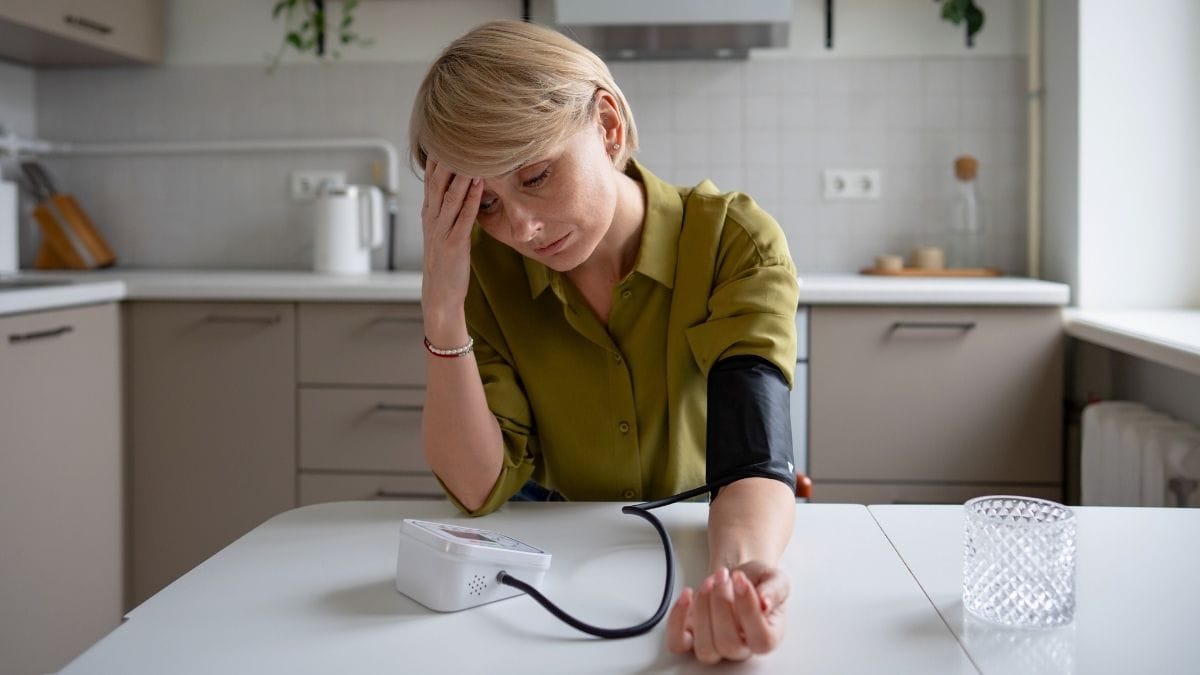
If you’re over 60 and your doctor just read out a number over 130/80 — take a breath. You are not alone. Nearly 3 out of 4 seniors in the U.S. deal with high blood pressure every single day.
Most people get told to “watch the salt” and that’s it. No real plan. No meal ideas. Just a warning and a prescription.
This article changes that. You’ll get a full day of eating — breakfast, lunch, dinner, and snacks — based on what registered dietitians and the latest 2025 health guidelines actually say.
No guessing. No generic advice. Just a clear, simple guide built for older adults managing hypertension through food.
Why High Blood Pressure Hits Seniors So Hard
Here’s a number that should stop you cold. The CDC found that 71.6% of U.S. adults over 60 have high blood pressure. That’s not a small group — that’s most of the people at your doctor’s office.

As you age, your blood vessels get stiffer. Stiffer vessels mean more resistance. More resistance means higher pressure. It’s a slow, quiet change that builds over years.
The Framingham Heart Study found something even more striking. More than 90% of people with normal blood pressure at age 55 will develop hypertension at some point.
So this isn’t just a “some people” problem — it’s an almost everyone problem.
The 2025 AHA/ACC hypertension guideline lists high BP as the single most common, most changeable risk factor for heart disease, stroke, and heart failure. That’s official. That’s current.
But here’s the part that matters most. Diet is one of the few things you can actually control today — without waiting for a medication change or a follow-up appointment.
The good news is that what you eat every single day is one of the most powerful levers you have.
The Eating Plan Dietitians Actually Recommend Right Now
Dietitians don’t guess. There is a specific, proven eating plan built exactly for high blood pressure. It’s called the DASH diet.
DASH stands for Dietary Approaches to Stop Hypertension.
For 2025, U.S. News & World Report ranked it the number one best diet for high blood pressure and heart health. The 2025 AHA/ACC guidelines back it fully.
So what does DASH actually mean on your plate? It means eating more fruits, vegetables, whole grains, and low-fat dairy. It means cutting back on sodium, red meat, and added sugar. Simple as that.
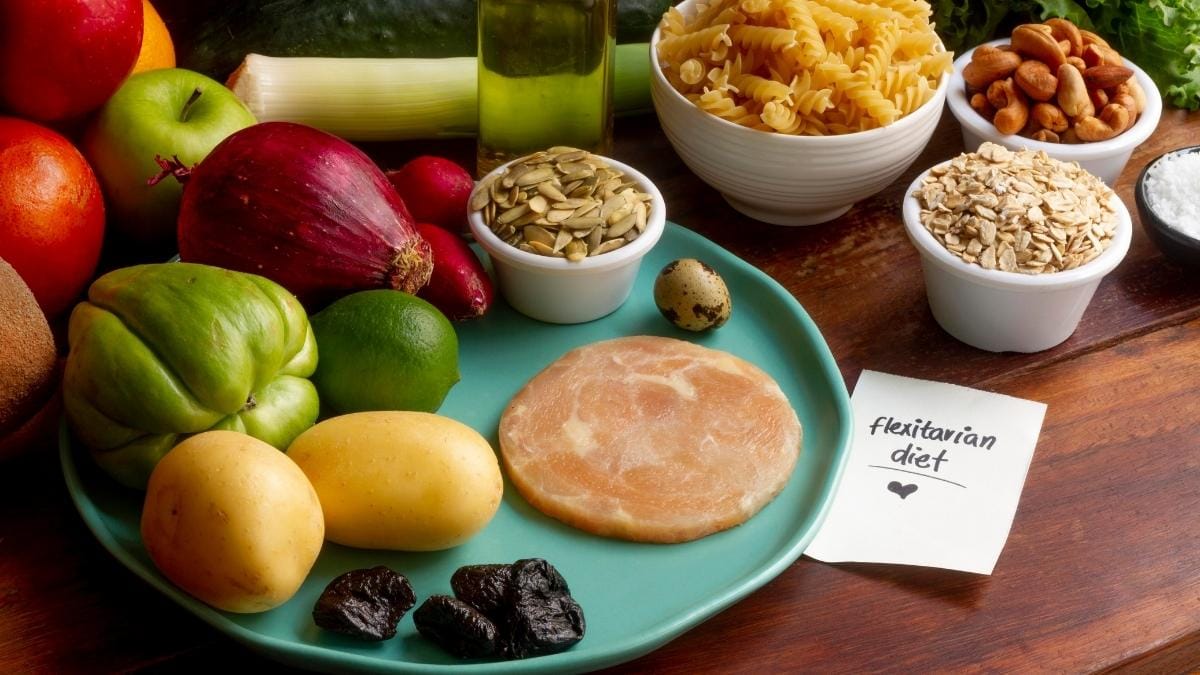
The sodium target is under 2,300 mg per day. If you want stronger results, aim for 1,500 mg. The potassium target is 3,500 to 5,000 mg daily — because potassium helps push sodium out of your body.
The best part? You can start seeing results in just a few weeks, according to MedlinePlus. This isn’t a years-long plan. It works fast when you stick to it.
Think of DASH not as a diet you go on and off, but as a daily eating style you build one meal at a time.
Breakfast: Start the Day Right for Your Blood Pressure
Most seniors skip breakfast or grab something quick and processed. That’s the first problem. Breakfast sets your sodium level for the whole day. Start high, and you’re already behind.
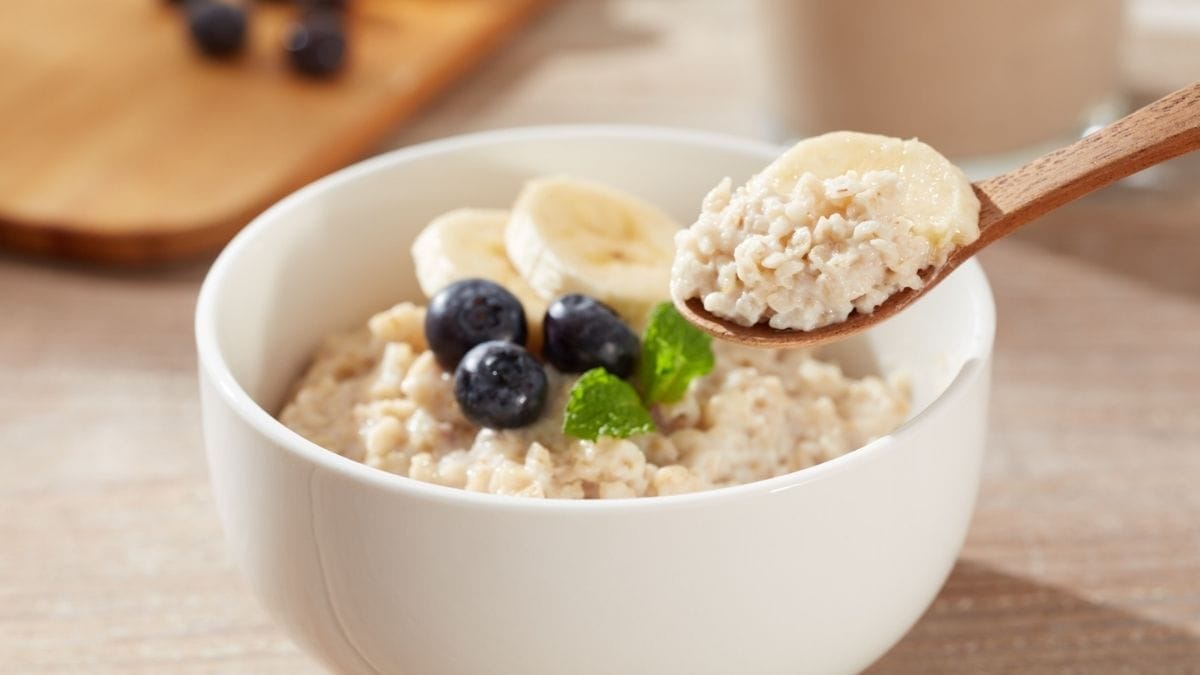
The best choices are simple. Oatmeal with berries and a banana.
Low-fat Greek yogurt with walnuts. Whole-grain toast with unsalted almond butter. These aren’t fancy — they’re just smart.
Oats contain something called beta-glucans. That’s a type of soluble fiber that research links to lower blood pressure. The British Heart Foundation supports eating high-fiber carbs at every meal for this reason.
Bananas are especially good for seniors. They’re high in potassium, which helps your body flush out excess sodium naturally.
Here’s a simple example you can use tomorrow morning. Half a cup of dry oats cooked in low-fat milk, topped with one cup of mixed berries and one tablespoon of chia seeds. That single bowl gives you fiber, potassium, antioxidants, and omega-3s.
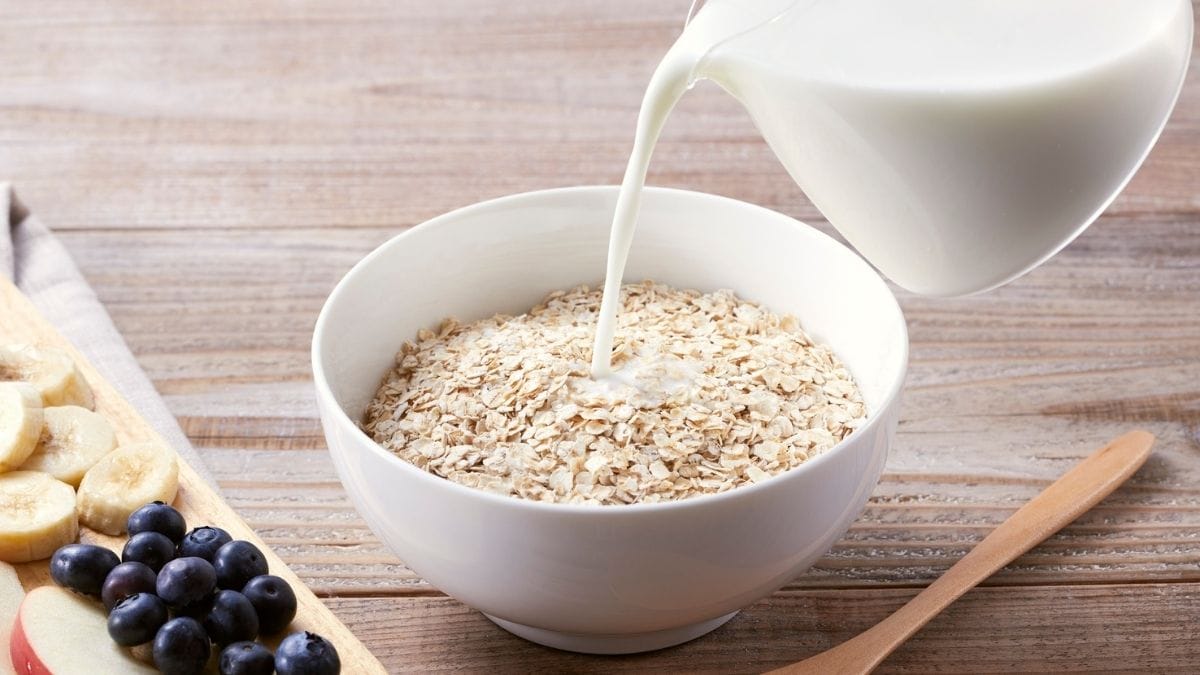
Avoid packaged cereals, bacon, sausage, and full-fat dairy. They look harmless but carry hidden sodium.
Start with something warm, potassium-rich, and fiber-forward. Your arteries will notice the difference.
Lunch: Where Most Seniors Quietly Load Up on Sodium
Lunch is the meal where most seniors unknowingly go wrong — and they don’t realize it until it’s already done.
Restaurant meals, frozen lunches, and deli meats are the biggest traps. Registered Dietitian Michelle Saari puts it plainly: most pre-made and fast food meals are packed with salt and fat, both of which directly raise blood pressure.
The fix isn’t complicated. Build your lunch around real food. A large salad with grilled chicken or low-sodium canned tuna.
A whole-grain wrap with hummus and vegetables. A homemade bean soup. A quinoa bowl with black beans and lime dressing.
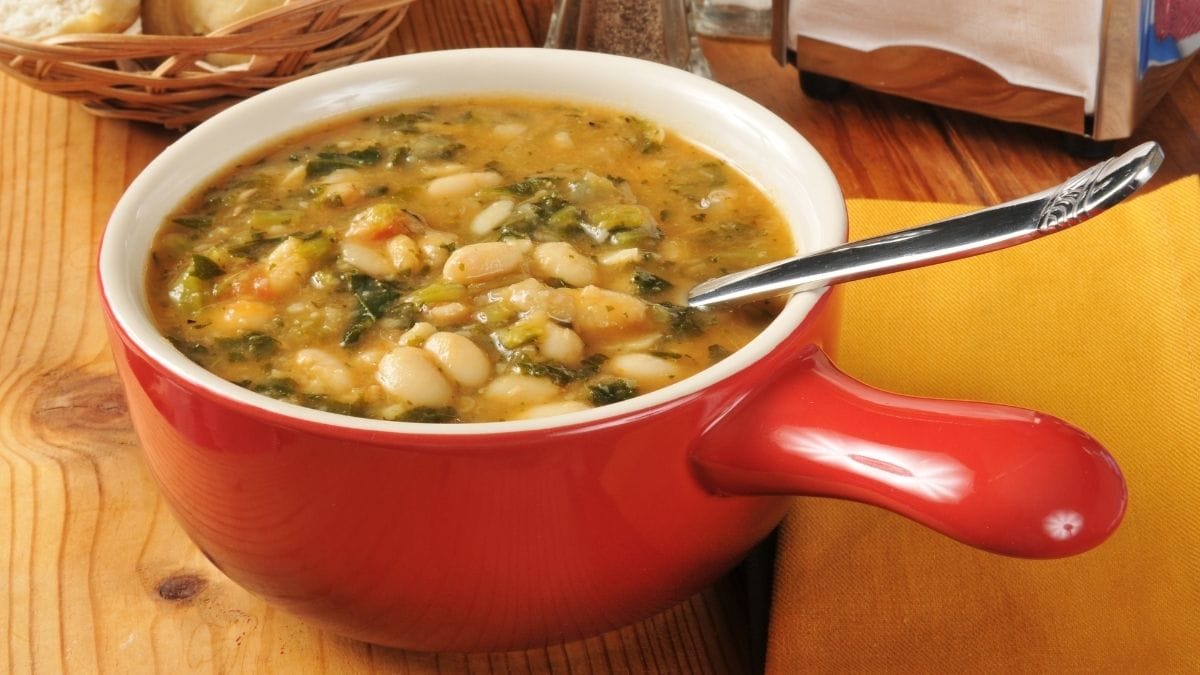
Fish and poultry are low in saturated fat and fit the DASH plan perfectly, according to the Mayo Clinic. Add potassium-rich foods as your sides — spinach, avocado, broccoli, or sweet potato.
One easy rule for dressings: skip the bottle. Bottled salad dressings often carry 200 to 500 mg of sodium per serving. Use olive oil and lemon juice instead.
A BP-friendly lunch doesn’t have to be a sad salad. It just has to be made with real, whole ingredients.
Dinner: The Meal That Can Make or Break Your BP
Dinner is where the best intentions fall apart. You’re tired. It’s easier to open a can or call for delivery. And that’s exactly when sodium sneaks in.
The best dinner proteins for seniors with high BP are baked salmon, cod, or trout.
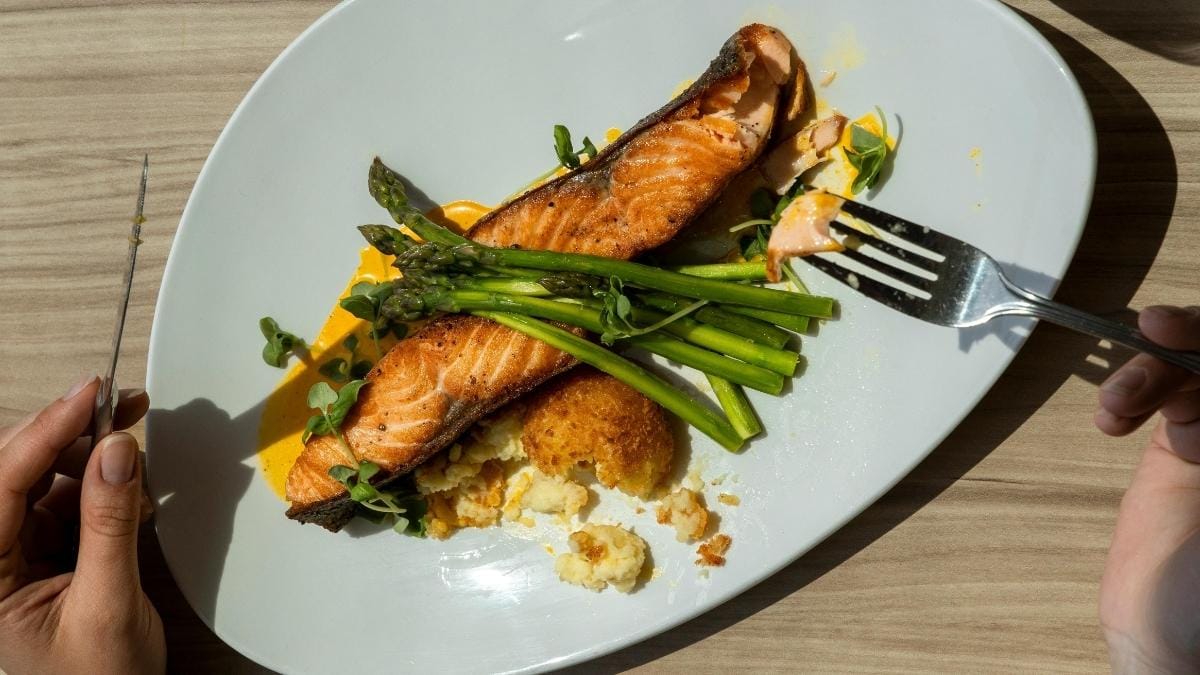
These are rich in omega-3s, which support heart health. Skinless chicken, lean turkey, lentils, and black beans are great too.
For your sides, go with steamed broccoli, roasted asparagus, baked sweet potato, cooked quinoa, or whole-wheat pasta with low-sodium marinara.
Here’s something important from NCBI research. Magnesium — found in whole grains, leafy greens, nuts, and seeds — acts like a natural relaxer for your blood vessels. It helps them open up and reduces pressure.
Skip the salt shaker entirely. Use garlic powder, black pepper, rosemary, lemon juice, or vinegar instead. They add real flavor with zero sodium.
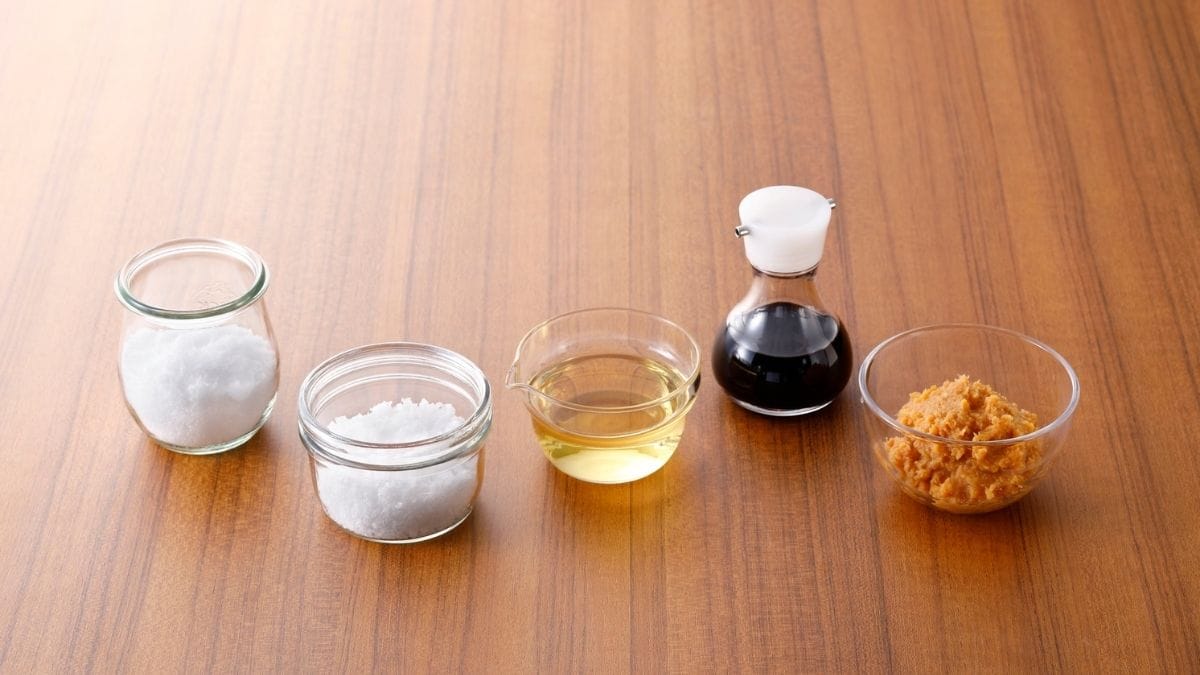
The 2025 AHA/ACC guideline also officially supports potassium-based salt substitutes for the first time. If you cook at home, this is a safe swap worth trying.
A simple dinner with real protein, a colorful vegetable, and a whole grain is genuinely all your blood pressure needs most nights.
Snacks and Drinks: The Part Nobody Talks About
Nobody mentions snacks when talking about blood pressure. But this is where many seniors undo an otherwise good day of eating.
The most common mistake is grabbing crackers, chips, packaged cheese, or deli snacks. These can carry 300 to 600 mg of sodium per serving. That’s a huge chunk of your daily limit in one snack.
Smart swaps are easy. Unsalted almonds or walnuts. Baby carrots with low-sodium hummus. A fresh apple, orange, or banana. Low-fat Greek yogurt. Air-popped popcorn with garlic powder instead of salt.

For drinks, water should be your base. The British Heart Foundation-funded research found that beetroot juice may help lower blood pressure — and many seniors find it easy to add to their routine.
About alcohol: the 2025 AHA/ACC guidelines are clear. Any amount of alcohol raises systolic blood pressure in a measurable way. If you drink, the limit is one drink per day for women and two for men — and less is better.
Older adults also tend to drink too little water.

Dehydration stresses the kidneys, and the kidneys directly affect your blood pressure numbers.
Foods to Actively Avoid If You Have High BP
Some foods work against you every time. Knowing which ones matters as much as knowing what to eat.
The six highest-risk categories for seniors are canned goods with added salt, frozen dinners, processed and cured meats, full-fat dairy, tropical oils like coconut and palm oil, and sugary drinks.
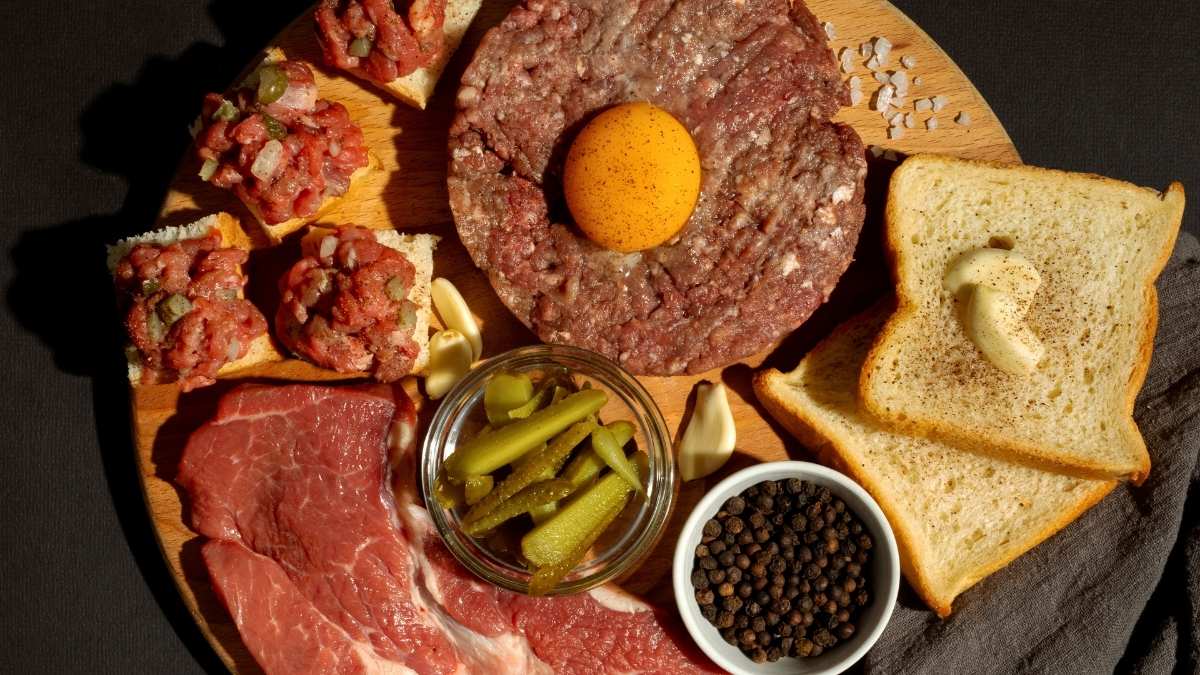
But here’s what surprises most people. Sodium hides in foods that seem healthy or neutral. Bread. Breakfast cereal. Bottled pasta sauce. Pickled vegetables. Olives.
These are called hidden sodium sources — and they add up fast without you noticing.
MedlinePlus recommends staying under 2,300 mg of sodium per day. For better results, aim for 1,500 mg. Most seniors eating packaged food regularly are already at 3,000 mg or more without realizing it.
The one habit that changes everything: read the nutrition label before you buy anything. Look at sodium per serving. If it’s over 200 mg per serving for a single item, think twice about making it a regular part of your day.
A Full Day of Eating for Blood Pressure Control

Here is a complete, dietitian-style meal plan you can copy and use this week. Every meal is low in sodium, high in potassium, and built around the DASH framework.
Breakfast: Half cup dry oats cooked in low-fat milk + one cup mixed berries + one tablespoon chia seeds
Mid-Morning Snack: One medium banana + small handful of unsalted walnuts
Lunch: Three cups mixed greens + 4 oz grilled chicken + half cup chickpeas + cherry tomatoes + olive oil and lemon dressing
Afternoon Snack: Baby carrots + two tablespoons low-sodium hummus
Dinner: 4 oz baked salmon + one cup steamed broccoli + half cup cooked quinoa, seasoned with lemon and garlic
Evening (optional): Half cup low-fat Greek yogurt
No salt added anywhere. All flavor comes from herbs, lemon, garlic, and spices.
Estimated sodium for the day: under 1,500 mg. Estimated potassium: 3,800 to 4,200 mg. This is what a blood pressure-friendly day actually looks like in real life. Print it. Put it on your fridge. Start there.
Conclusion
Managing high BP through food is about replacement, not restriction. Swap salt for spice. Swap processed food for real food. The DASH diet, backed by 2025 guidelines, gives you a proven path. Start with one meal. One good choice leads to the next.