
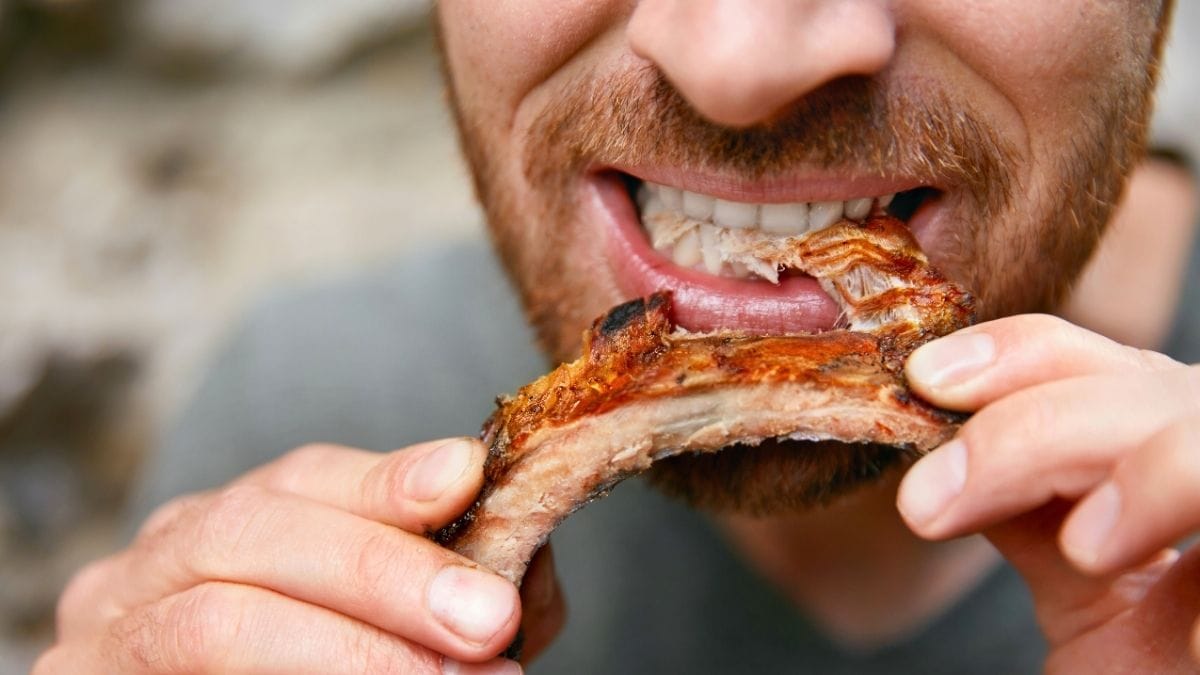
A recent Ohio State University study reveals that 57% of U.S. adults consume diets that promote chronic inflammation, putting them at higher risk for cancer, heart disease, and other serious health conditions.
You might be one of them and not even know it. Most people eat pro-inflammatory foods every day without realizing the damage they’re causing. You’re confused about which foods help and which hurt.
Here’s what you’ll learn: what the study found, how inflammation scoring works, which foods fight inflammation, and simple steps to start eating better today.
What the Research Shows: Most Americans Eat the Wrong Foods

Ohio State researchers looked at 34,500 adults between 2005 and 2018. They used data from the National Health and Nutrition Examination Survey. The results were shocking.
57% of Americans eat a pro-inflammatory diet. Only 34% eat an anti-inflammatory diet. The remaining 9% fall somewhere in the middle.
The problem hits certain groups harder. Black Americans, men, younger adults, and people with less education or lower income showed higher rates of pro-inflammatory eating. This isn’t about willpower. It’s about access and information.
Researchers used the dietary inflammatory index to measure diets. This tool tracks 45 different food components. Scores range from -9 (very anti-inflammatory) to +8 (very pro-inflammatory). Zero is neutral.
Lead researcher Rachel Meadows says this matters because chronic inflammation drives disease.
How Scientists Measure Inflammation in Your Diet

The dietary inflammatory index is like a report card for your food choices. It looks at 45 different parts of your diet, from vitamins to fats to spices. Scientists built this tool by reviewing nearly 2,000 research articles.
Here’s how it works. Researchers track six inflammatory biomarkers in your blood: IL-1β, IL-4, IL-6, IL-10, TNF-α, and CRP. Your food either raises or lowers these markers.
Your anti-inflammatory diet score can range from -9 to +8. Negative numbers are good. They mean your diet fights inflammation. Positive numbers are bad. They mean your diet creates inflammation. Zero sits in the middle.
You don’t need to calculate your own score. Just know that what you eat directly affects inflammation in your body.
Why Pro-Inflammatory Diets Damage Your Health
Chronic inflammation doesn’t hurt right away. It builds slowly over years. But the damage is real and serious.

Research links chronic inflammation to cancer, heart disease, type 2 diabetes, and arthritis. It also affects your brain.
Studies show connections to depression, Alzheimer’s disease, and cognitive decline. Your mental health suffers along with your body.
Here’s the good news. Changing your diet can help reverse this damage. Moving to an anti-inflammatory diet improves cardiovascular disease risk, helps control diabetes, and may even lift depression and other mental health conditions.
Your diet isn’t the only factor. Stress damages your body. Poor sleep creates inflammation. Childhood trauma leaves lasting effects. Even obesity itself causes inflammation in fat tissue. These all work together.
But food is something you control three times a day. You can’t change your past or always control your stress. You can change what’s on your plate.
That’s where your power lives.
Foods That Cause Inflammation in Your Body
These pro-inflammatory foods drive up inflammation every time you eat them. Cut back on these first.
Meats to limit: Red meat like beef, pork, and lamb. Processed meats like bacon, sausage, hot dogs, deli meat, and pepperoni. These are some of the worst offenders.

Refined carbohydrates: White bread, white pasta, white rice, and pastries. Your body breaks these down fast, spiking blood sugar and inflammation.
The bad fats: Trans fats hide in margarine, microwave popcorn, refrigerated biscuit dough, and non-dairy coffee creamers. Check labels for “partially hydrogenated oil.”
Fried and sweet foods: French fries, fried chicken, donuts, cookies, cakes, soda, and sweet tea. These combine bad fats with excess sugar.

Alcohol: Even moderate drinking can tip your diet into pro-inflammatory territory.
Here’s what catches people off guard. You can eat salads every day and still have a pro-inflammatory diet if you’re also drinking too much or eating red meat regularly. Balance matters more than single foods.
Sugar hides under 50+ different names on food labels. Look for anything ending in “-ose” like dextrose, maltose, or sucrose. Also watch for syrup, nectar, and concentrate.
Foods That Fight Inflammation and Protect Your Health
These anti-inflammatory foods actively reduce inflammation in your body. Add more of these to every meal.
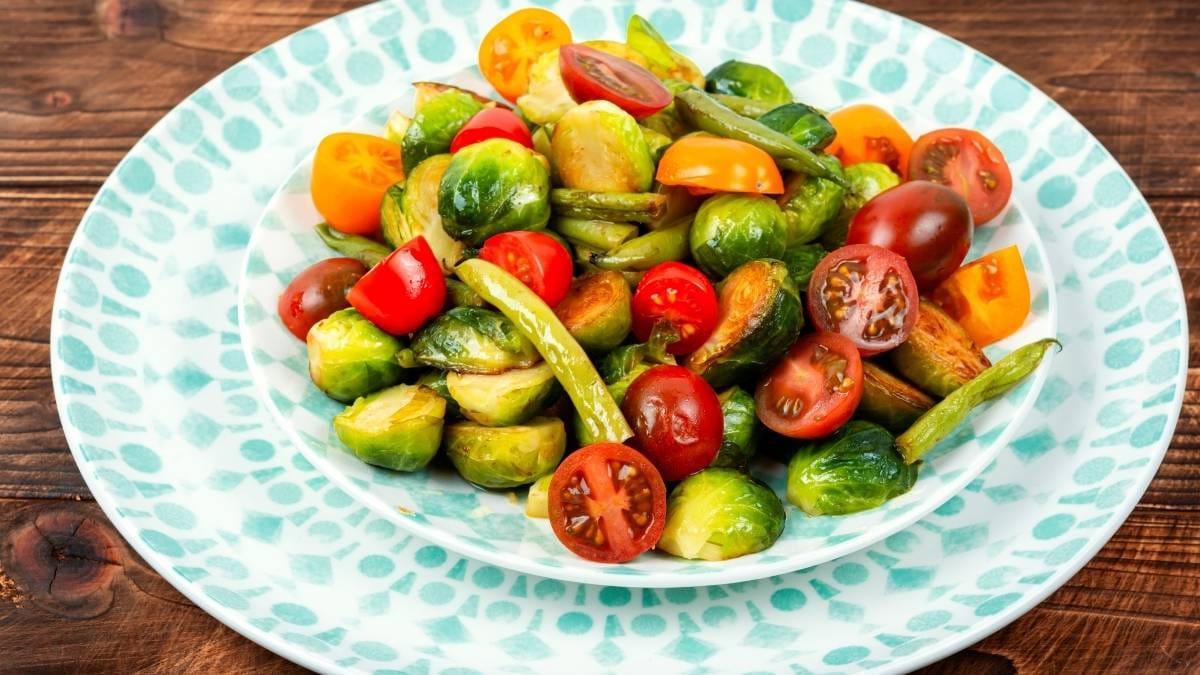
Vegetables (eat 4-5 servings daily): Spinach, kale, broccoli, Brussels sprouts, and cauliflower. These leafy greens pack antioxidants that fight inflammation. Tomatoes also make the list.
Fruits (aim for 3-4 servings): Blueberries, strawberries, cherries, and oranges. Apples work too. These contain polyphenols, natural compounds that calm inflammation.
Fatty fish (2-3 times per week): Salmon, sardines, mackerel, and tuna. They’re loaded with omega-3 fatty acids.
These healthy fats directly reduce inflammatory markers in your blood. Each serving should be about the size of your palm.
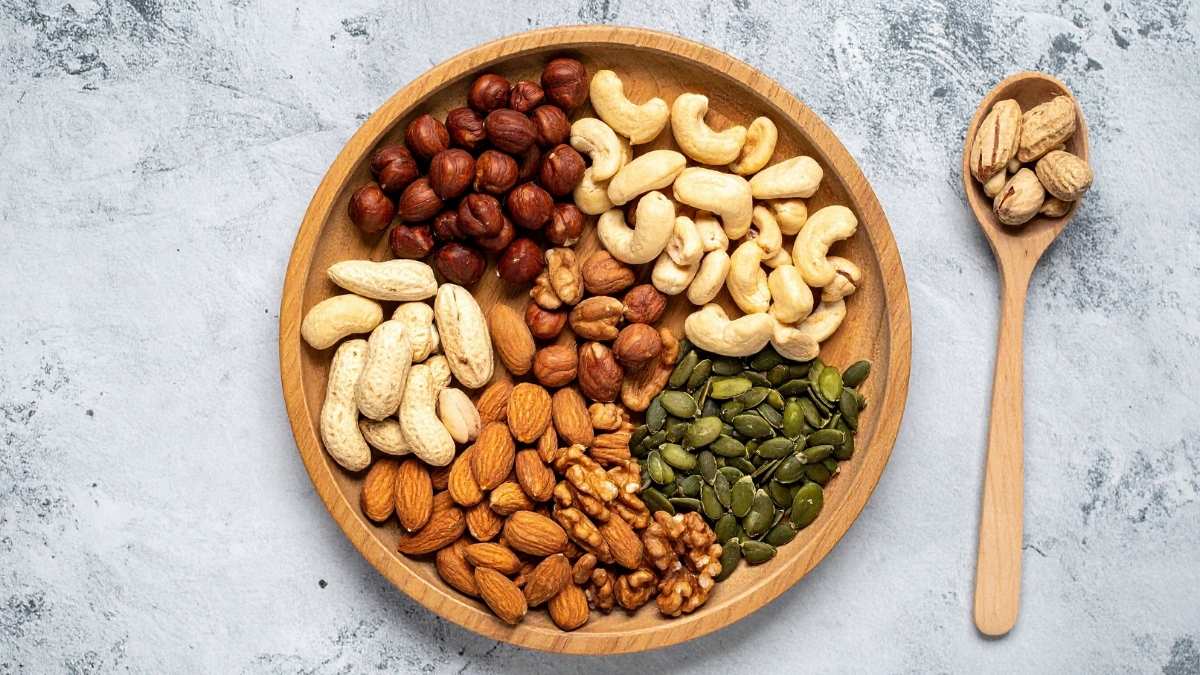
Nuts and seeds (a handful daily): Walnuts, almonds, flaxseeds, and chia seeds. More omega-3 fatty acids here.
Whole grains (switch from white): Brown rice, quinoa, oats, and whole wheat bread. These digest slower and don’t spike inflammation like refined carbohydrates.
Legumes (3-4 times per week): Beans, lentils, and chickpeas. High in fiber and protein without the inflammation.
Healthy fats: Extra-virgin olive oil should be your go-to cooking oil. Use it on salads too. Avocados also belong here.
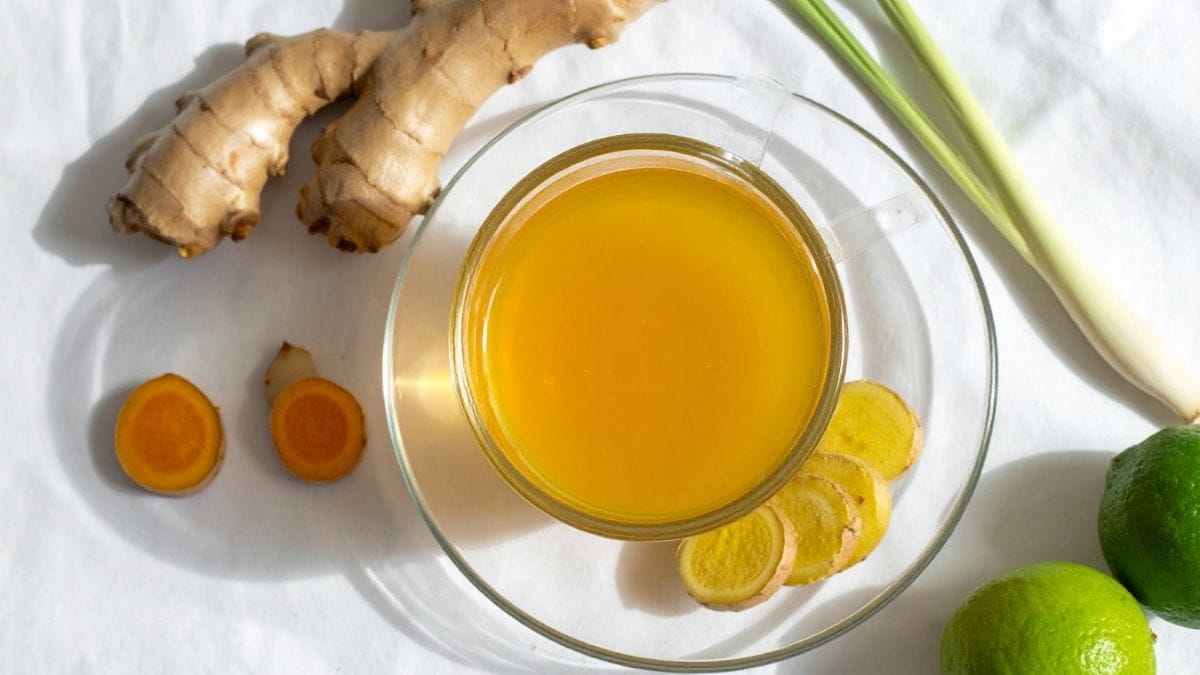
Spices and drinks: Turmeric, ginger, and garlic reduce inflammation naturally. Green tea and black tea contain powerful antioxidants. Add these to your daily routine.
This is basically the Mediterranean diet. People who eat this way have lower rates of heart disease, diabetes, and cancer. The food tastes good too.
How to Start Your Anti-Inflammatory Diet Plan Today
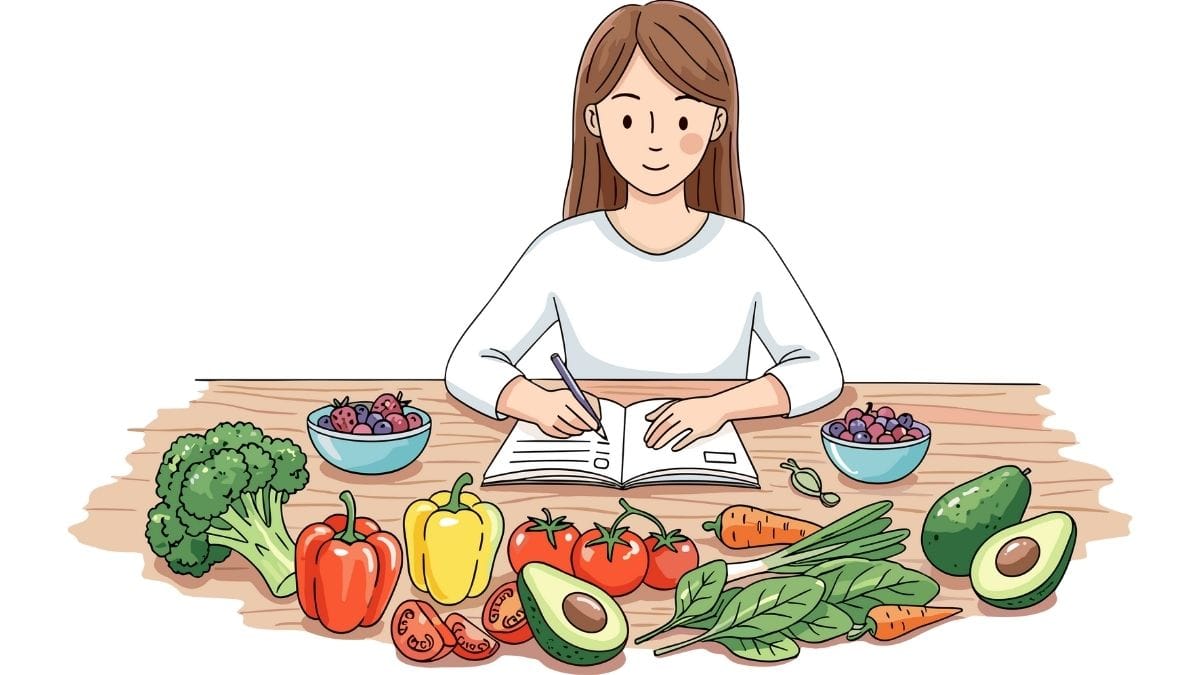
Don’t try to change everything at once. That never works. Start small and build from there.
Week 1: Add before you subtract Add one anti-inflammatory food to each meal. Berries with breakfast. Spinach in your lunch. Salmon for dinner twice this week. You’re not removing anything yet. Just adding good stuff.
Week 2: Make simple swaps Switch white bread to whole grain. Replace soda with green tea. Use olive oil instead of butter. These swaps don’t change your routine much but cut inflammation significantly.
Week 3: Plan two dinners Sunday night, prep ingredients for two anti-inflammatory dinners. Chop vegetables. Cook quinoa. Marinate fish. Busy weeknights become easy when the work’s already done.
Week 4: Read labels like a detective Look for added sugars in everything, even bread and pasta sauce. Check for trans fats listed as “partially hydrogenated oil.” Avoid foods with ingredient lists longer than five items.
Smart grocery shopping in 2025 Shop the outer edges of the store first. That’s where whole foods live. Frozen vegetables cost less than fresh and work just as well.
Canned beans and lentils are budget-friendly protein sources. Buy nuts in bulk and store them in your freezer.
Meal planning for real life Cook once, eat twice. Double your recipes and freeze half. Batch cook grains on Sunday for the week. Keep pre-washed greens ready to go. Hard-boil a dozen eggs for quick protein.
Think of anti-inflammatory foods as tools in your health toolbox. You don’t need to use every tool every day. Pick a few that fit your life and use them consistently.
That’s how healthy eating sticks.
Your 3-Day Anti-Inflammatory Meal Plan
Here’s what anti-inflammatory eating looks like in real life. Each meal takes 20 minutes or less to make.
Day 1 Breakfast: Oatmeal with blueberries, walnuts, and cinnamon (5 min) Lunch: Spinach salad with grilled chicken, cherry tomatoes, olive oil (10 min) Dinner: Baked salmon with roasted broccoli and quinoa (20 min) Snack: Apple slices with almond butter
Day 2 Breakfast: Greek yogurt with strawberries and ground flaxseed (3 min) Lunch: Lentil soup with whole grain bread (15 min if using canned lentils) Dinner: Stir-fried tofu with mixed vegetables over brown rice (15 min) Snack: Handful of almonds and an orange
Day 3 Breakfast: Scrambled eggs with spinach and whole wheat toast (8 min) Lunch: Tuna salad on mixed greens with avocado (5 min) Dinner: Grilled chicken with sweet potato and Brussels sprouts (20 min) Snack: Carrot sticks with hummus
Shopping list: Salmon, chicken, eggs, Greek yogurt, spinach, broccoli, berries, apples, oranges, quinoa, brown rice, olive oil, nuts, lentils, tofu.
Substitutions: Swap fish for beans if vegetarian. Use any leafy greens you prefer. All berries work the same.
Start Your Anti-Inflammatory Diet This Week
Most Americans eat pro-inflammatory diets without knowing it. The 2024 research proves it: 57% of us are eating our way to chronic inflammation and disease.
But you can change this. Small shifts make big differences. Add berries to breakfast. Switch to olive oil. Eat salmon twice a week. These simple steps cut inflammation and protect your health.
Start today. Add one anti-inflammatory food to each meal this week. Track how you feel after 21 days. Your body will thank you.