
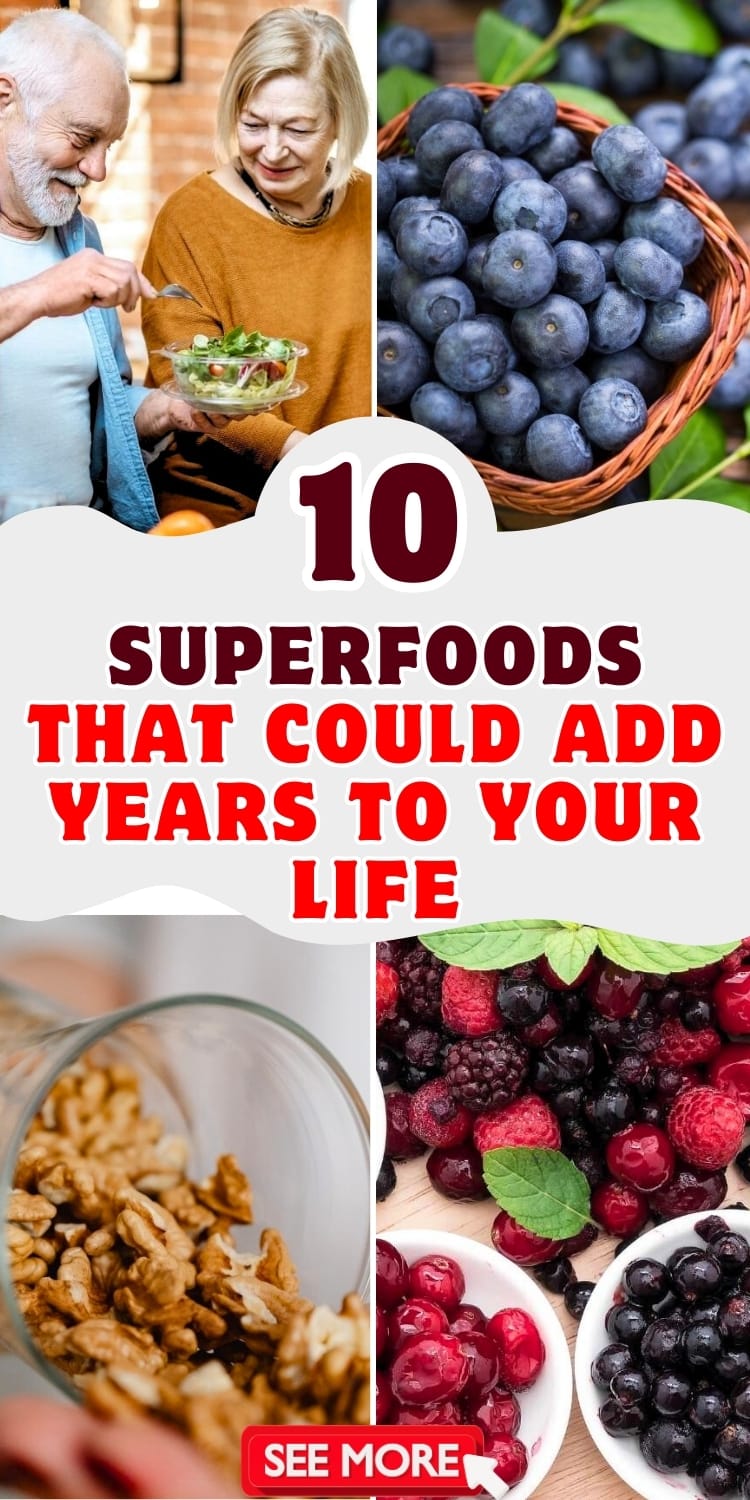
What if adding a handful of blueberries to your breakfast could buy you an extra five years of healthy life?
You’ve heard it all before. Eat this, not that. One expert says berries are miracle foods. Another claims they’re overhyped. You just want the truth about which anti-aging foods actually work.
Here’s what makes this different: real science from 2024-2025 studies, not marketing claims.
You’ll discover 10 Superfoods For Longevity backed by hard data. We’ll show you exactly how much to eat, why they work at the cellular level, and simple ways to add them to your meals today. No confusion. No conflicting advice. Just proven strategies to increase your lifespan and feel better now.
This isn’t about perfection. It’s about small changes that add up to more healthy aging years. Your longevity diet starts here.
🌟 10 Superfoods for Longevity
Science-Backed Foods That Add Years to Your Life
🎯 Key Longevity Benefits
Start Your Longevity Journey Today
Pick 3 superfoods this week and track them for 30 days. Small changes add up to years of healthy life!
What Makes These Foods Actually Work?
Not all healthy foods help you live longer. So what’s the difference?
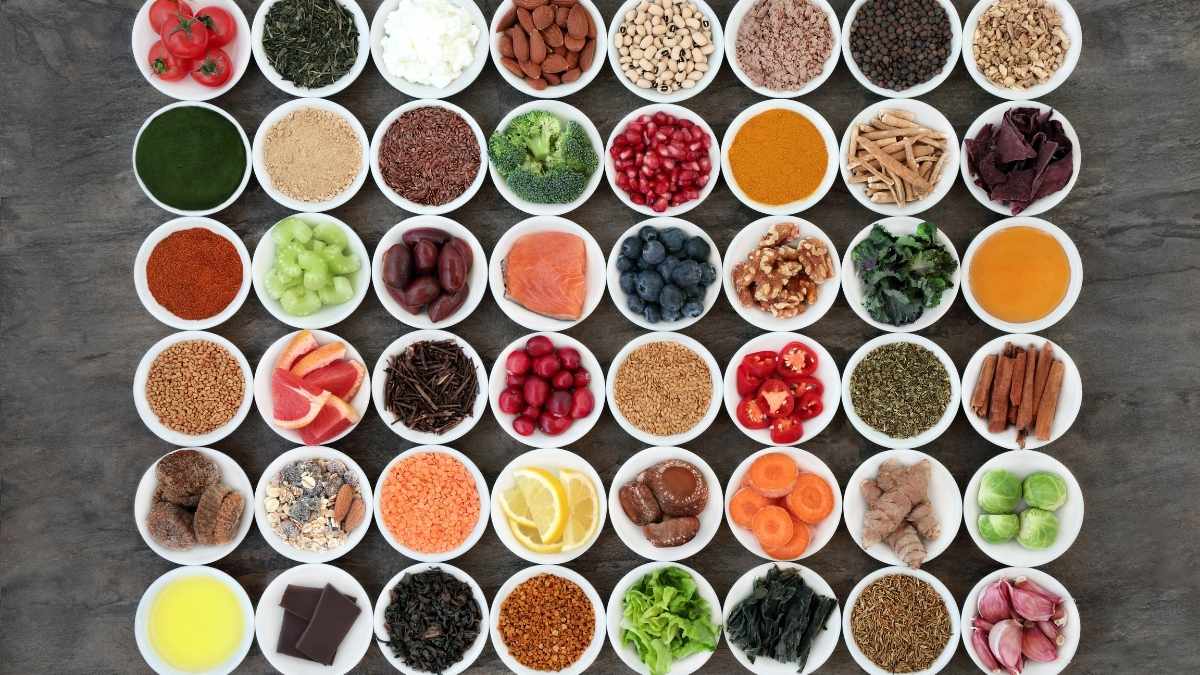
Longevity foods share four key traits: high antioxidants, polyphenols, omega-3 fatty acids, and anti-inflammatory compounds. These aren’t just buzzwords. They protect your cellular health at the deepest level.
Here’s what matters. Your body ages in two ways: chronological age (years you’ve lived) and phenotypic age (how old your cells actually are). The right foods slow down your biological aging clock.
Omega-3s are a perfect example. Research shows higher omega-3 levels can add almost five years to your life. They work by boosting your cells’ energy production and fighting oxidative damage.
Think of inflammation like rust on a car. It builds up over time and breaks things down. Antioxidants stop that rust. They protect your telomeres—the caps on your DNA that shorten as you age.
The catch? You can’t eat blueberries once and expect results. Your body needs consistent intake to maintain these benefits. Daily beats occasional every time.
This is why the global superfood market is projected to hit $271.60 billion by 2033. People are finally getting it.
1 – Blueberries: How to Protect Your Brain While You Eat Breakfast
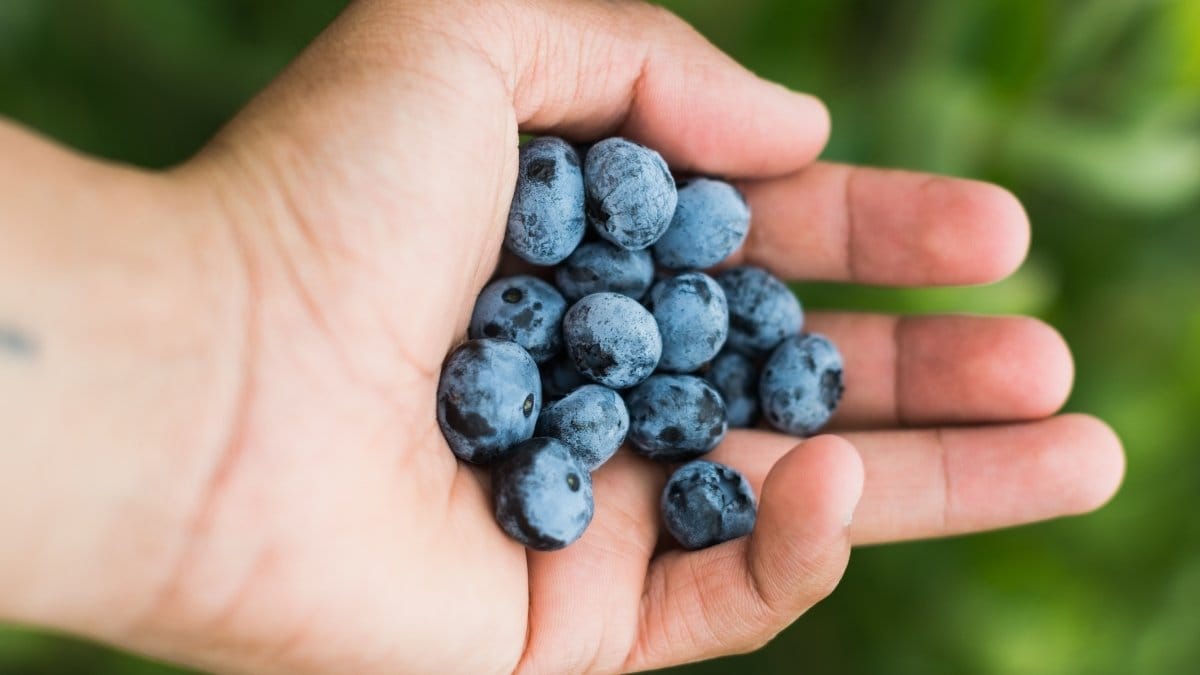
Forgetting where you put your keys? Struggling to focus during meetings? Your brain needs blueberries.
Studies prove that eating 1/2 to 1 cup of blueberries daily improves your cognitive function in just 12 weeks. That’s less than three months to sharper memory improvement and better focus.
The magic ingredient is anthocyanins. These compounds give blueberries their deep blue color.
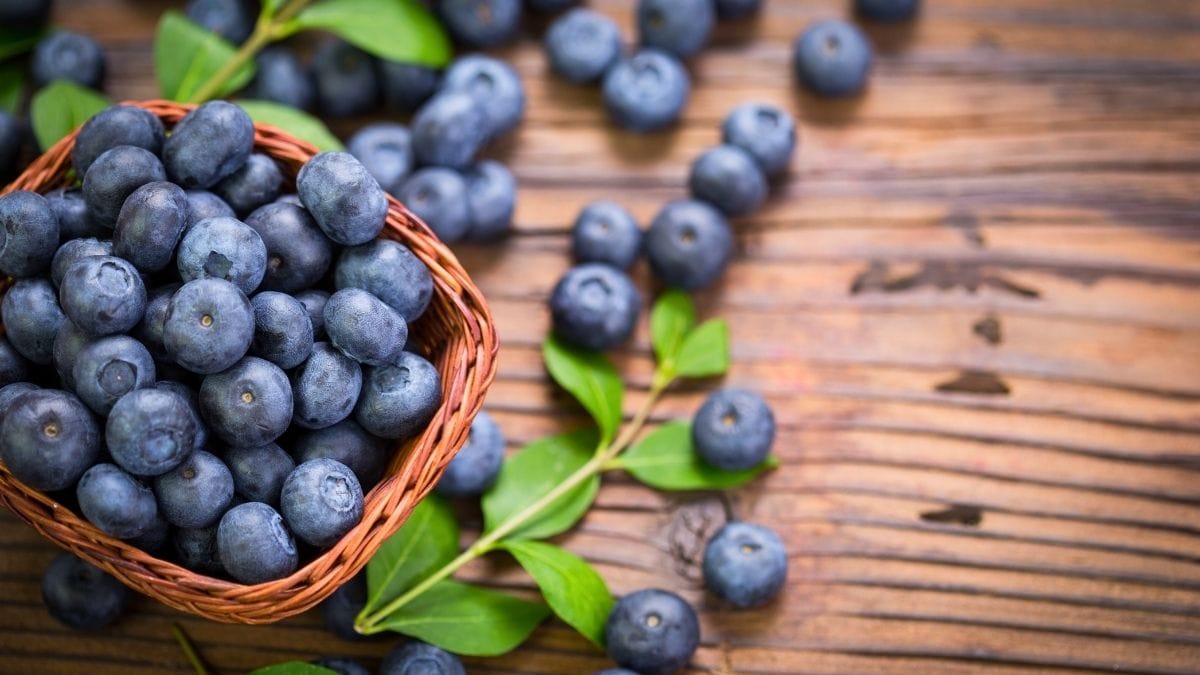
They also boost blood flow to your brain and fight the oxidative stress that kills brain cells.
Here’s what the research shows. People who ate blueberries daily scored higher on cognitive tests. They had better short-term memory, long-term memory, and spatial memory. Their brains worked faster and more accurately.
A 1/2 cup serving gives you 140-461 mg of anthocyanins. That’s the amount linked to real brain health benefits in clinical trials.
Bonus: wild blueberry extract (222 mg) also lowers blood pressure. Your heart and brain both win.
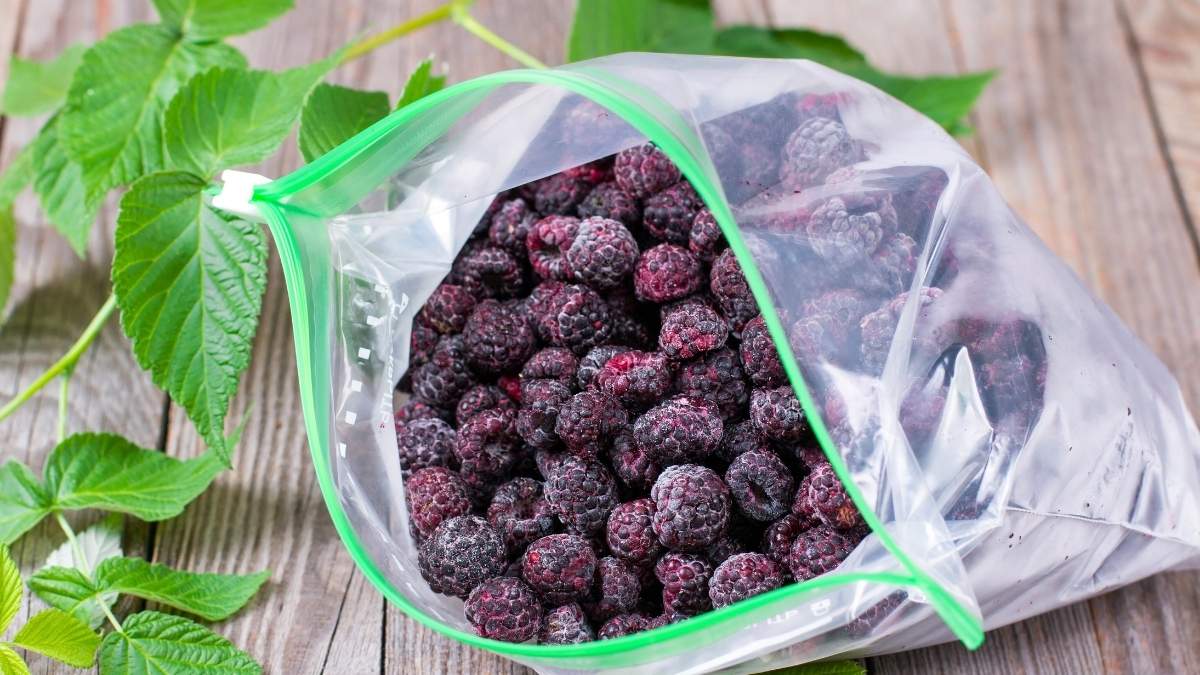
Fresh or frozen? Both work equally well. Frozen berries actually lock in nutrients at peak ripeness. Buy them in bulk and save money.
YOUR DAILY BLUEBERRY PLAN
Serving size: 1/2 to 1 cup daily (fresh or frozen)
Easy ways to eat them:
- Toss into morning smoothies
- Mix with oatmeal or yogurt
- Eat as a snack between meals
Budget tip: Frozen blueberries cost less and have the same nutrients as fresh.
2 – Fatty Fish: Add 4.7 Years to Your Life

Want to live longer? Eat more fish.
Research shows that high omega-3 blood levels add 4.7 years to your life expectancy. That’s nearly five extra years from eating salmon twice a week.
The numbers get better. People with the highest omega-3 fatty acids have a 34% lower risk of death from any cause. That includes cardiovascular disease, cancer, and age-related decline.
Omega-3s contain two superstars: EPA and DHA. EPA fights inflammation throughout your body. DHA keeps your brain sharp and your heart strong. Together, they slow down your biological aging clock at the cellular level.
Here’s how they work. Omega-3s boost your cells’ energy production (called ATP). They also reduce oxidative stress that damages your DNA. Think of them as cell protectors and energy boosters combined.
The American Heart Association recommends 250-500 mg of DHA+EPA daily. You get that from 2-3 servings of fatty fish per week.
Best sources: salmon, sardines, mackerel, and herring. Wild-caught fish have higher omega-3 levels than farmed.
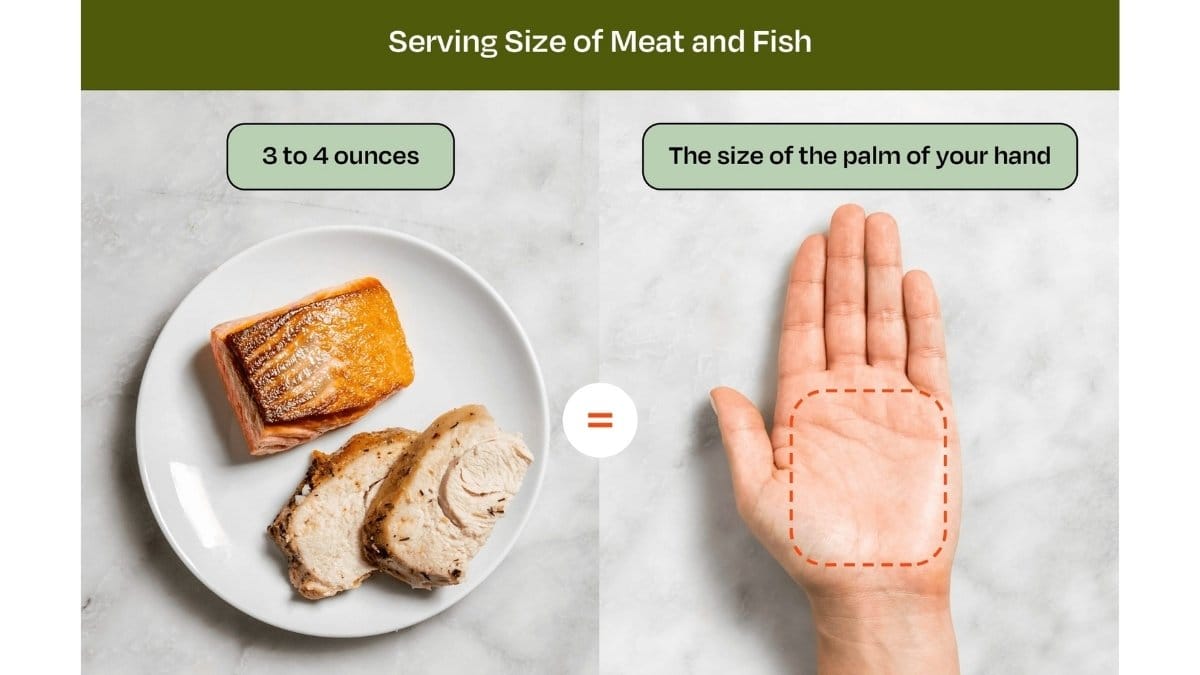
Each serving is just 3-4 ounces cooked. That’s about the size of your palm.
YOUR WEEKLY FISH PLAN
Goal: 2-3 servings per week
Serving size: 3-4 ounces cooked (palm-sized)
Top choices:
- Wild salmon
- Sardines (canned works great)
- Mackerel
- Herring
Quick tip: Buy frozen wild salmon in bulk. It’s cheaper and just as nutritious as fresh.
3 – Leafy Greens: Keep Your Brain 6 Years Younger
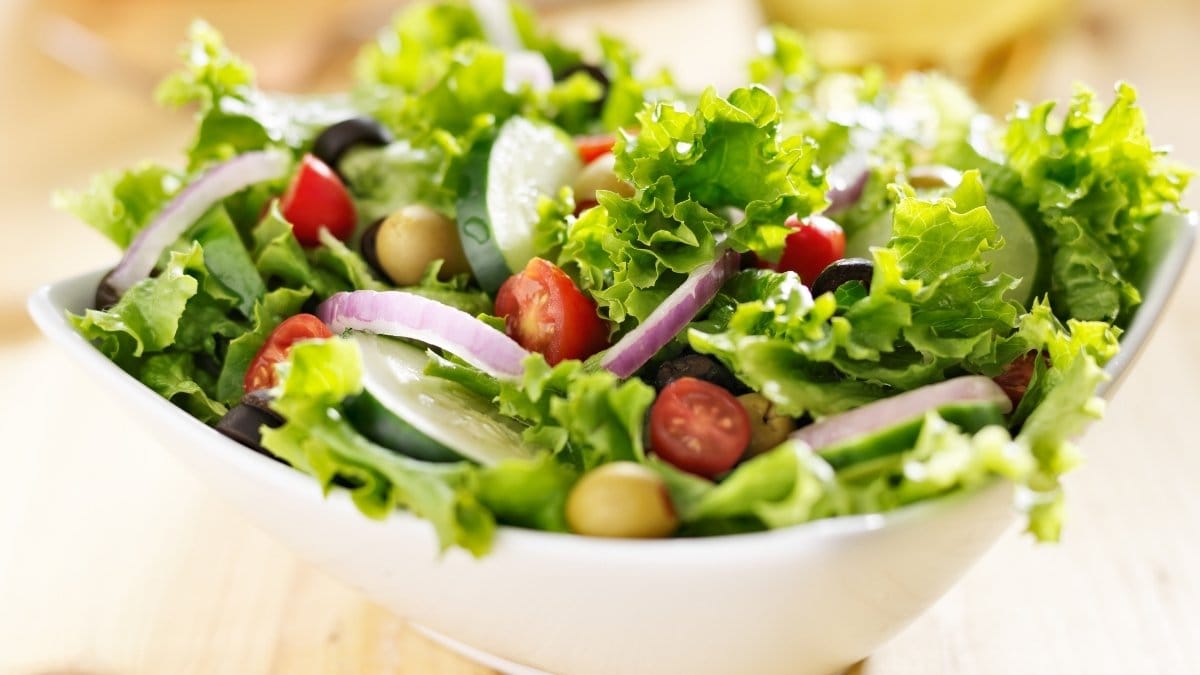
Worried about losing your memory as you age? One daily salad can change that.
Researchers at Rush University found that eating one serving of leafy green vegetables daily slows cognitive decline by 6 years. Your brain literally functions like it’s over a decade younger.
The study tracked 960 people with an average age of 81 for nearly five years. Those who ate just 1.3 servings of leafy green vegetables daily showed dramatically slower cognitive decline.
Here’s what makes greens so powerful: lutein, folate, vitamin E, phylloquinone, and nitrate. These nutrients protect your brain function from oxidative damage and inflammation.
The results held up even when researchers accounted for other factors like exercise, education, and overall diet. Greens work independently to provide neuroprotection.
Spinach, kale, collards, and even regular lettuce all showed benefits. You don’t need exotic greens from expensive stores.
Your cardiovascular health improves too. The same nutrients that protect your brain also reduce inflammation throughout your body.

One serving equals 1/2 cup cooked or 1 cup raw. That’s a medium-sized salad or a handful of sautéed spinach.
YOUR DAILY GREENS PLAN
Goal: 1-1.5 servings daily
Serving size: 1/2 cup cooked OR 1 cup raw
Easy ways to eat them:
- Large lunch salad with mixed greens
- Add spinach or kale to smoothies
- Sauté with garlic as a dinner side
Prep tip: Steam or lightly sauté to preserve nutrients. Don’t overcook.
4 – Extra Virgin Olive Oil: Cut Your Heart Disease Risk by 18%
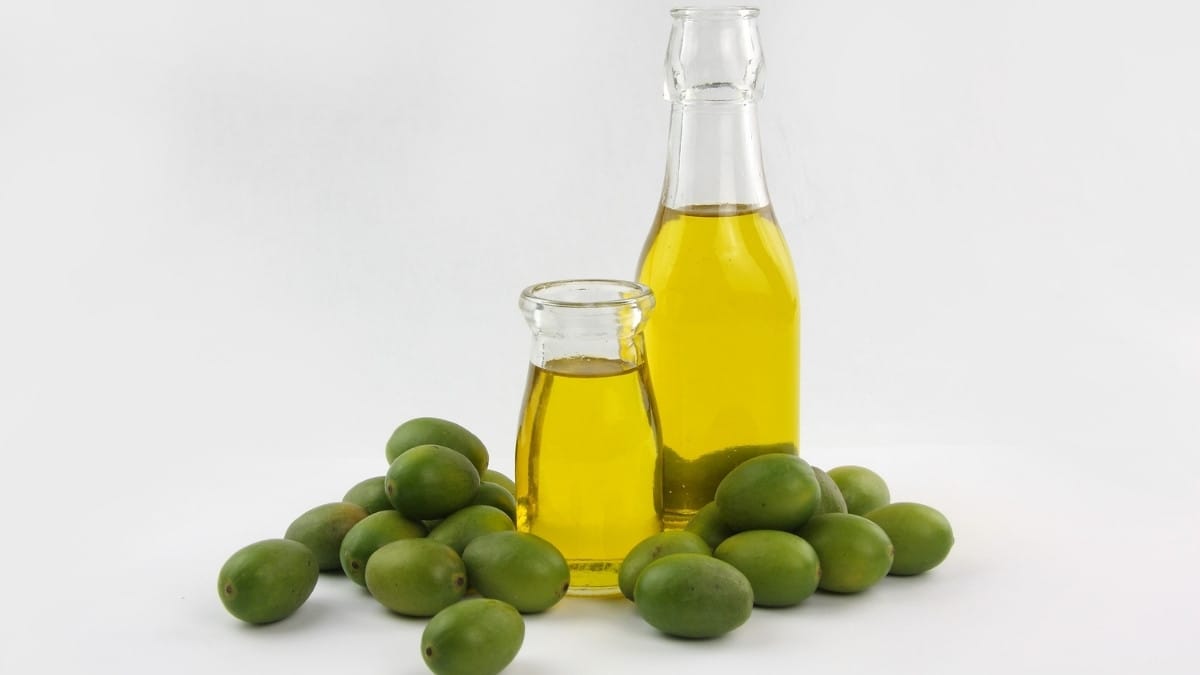
Heart disease runs in your family? This one change could save your life.
Using more than 1/2 tablespoon of extra virgin olive oil daily reduces your coronary heart disease risk by 18%. It also lowers your overall cardiovascular disease risk by 14% and cancer mortality by 16%.
A 28-year study found even better results. People who used the most extra virgin olive oil had 8-34% lower risk of dying from any disease.
The famous PREDIMED trial proved it works. Participants following a Mediterranean diet with olive oil had a 31% reduction in cardiovascular events like heart attacks and strokes.
Not all olive oil works the same. You need extra virgin, cold-pressed oil. Regular or “light” olive oil has been refined and stripped of the good stuff.
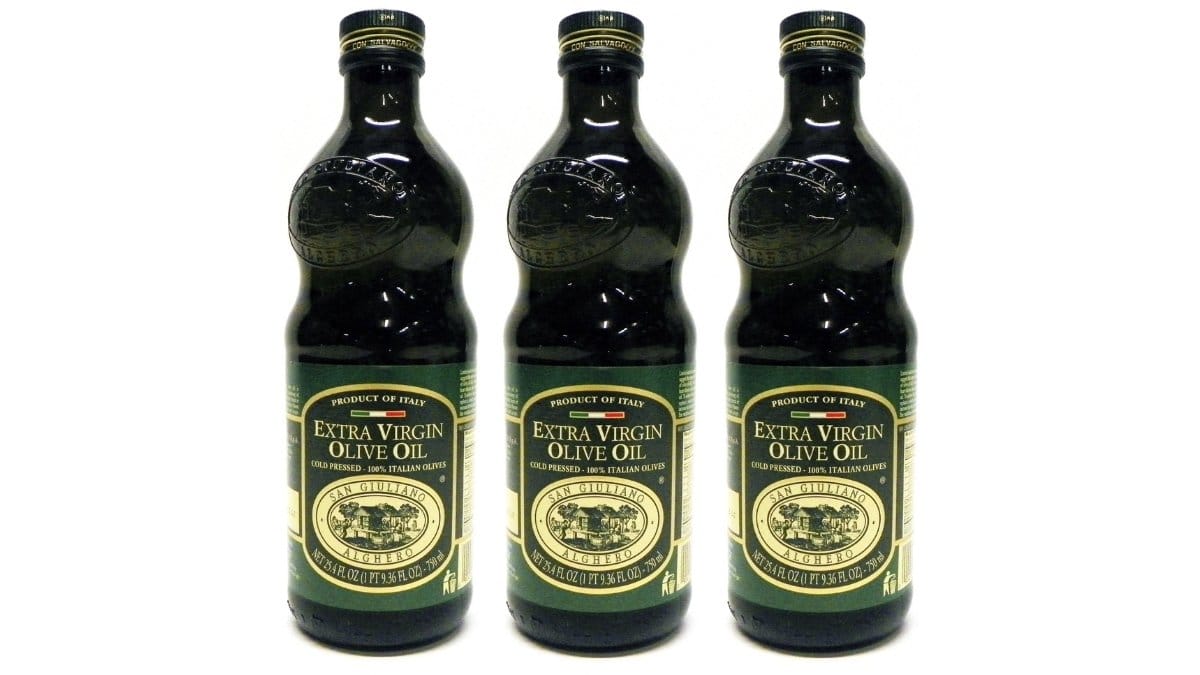
Extra virgin olive oil contains over 20 types of polyphenols—powerful antioxidants that fight inflammation. It’s also 73% oleic acid, a monounsaturated fat that protects your heart.
These compounds work together for heart disease prevention at the cellular level. They reduce arterial plaque, lower blood pressure, and improve cholesterol levels.
Start with 1 tablespoon daily and increase to 4 tablespoons based on your calorie needs.
YOUR DAILY OLIVE OIL PLAN
Goal: 1-4 tablespoons daily
How to use it:
- Drizzle on salads and cooked vegetables
- Use for low-medium heat cooking
- Mix into hummus or dips
Buying tip: Look for “extra virgin,” “cold-pressed,” and dark glass bottles. These preserve the polyphenols.
5 – Walnuts: Superfoods For Longevity. Add 1.3 Years to Your Life
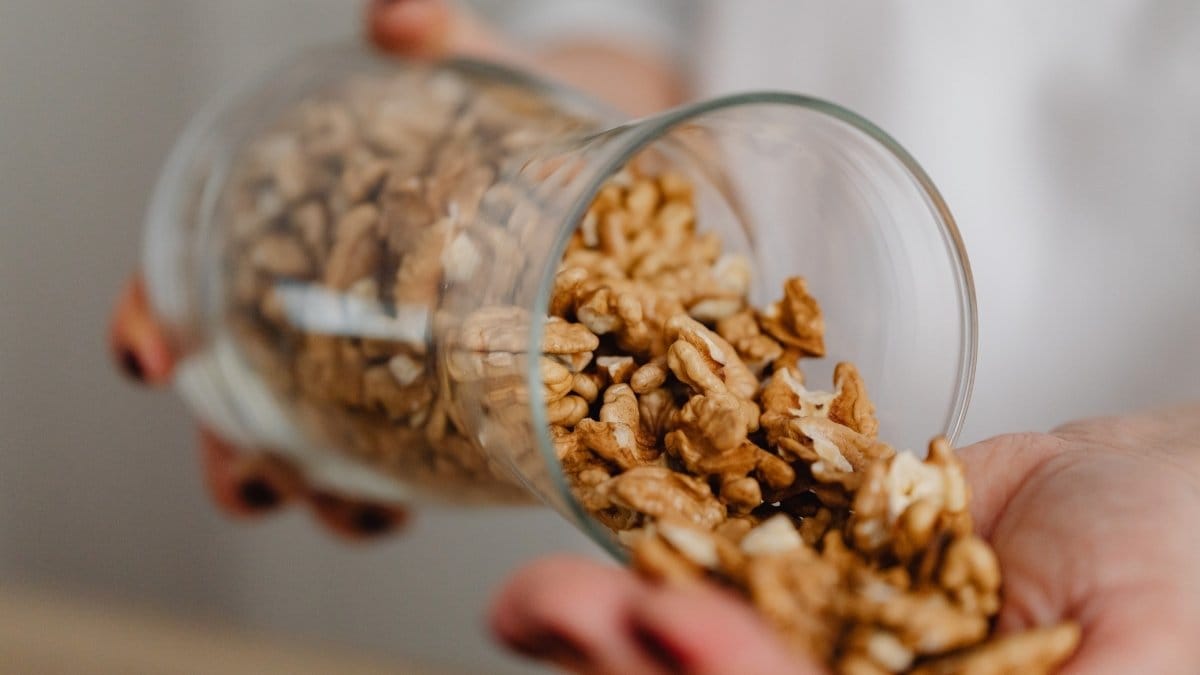
Want a simple snack that helps you live longer? Grab a handful of walnuts.
Research shows that eating 1 ounce of walnuts daily adds 1.3 years to your lifespan if you start at age 60. Both men and women get this benefit.
Walnuts are packed with plant-based omega-3 fatty acids called ALA. Your brain needs these healthy fats for cognitive support and memory. Your heart needs them to reduce inflammation and lower cholesterol.
One ounce equals about 14 walnut halves. That small serving gives you vitamin E, magnesium, protein, and powerful anti-inflammatory compounds.
Studies prove walnuts reduce heart disease risk. They lower bad cholesterol, improve blood vessel function, and decrease arterial inflammation.
The omega-3s in walnuts work differently than fish omega-3s, but they’re still highly effective. They protect your brain cells and keep your cardiovascular system running smoothly.
Eat them raw for maximum benefits. Roasting can damage some of the delicate omega-3 fats.
YOUR DAILY WALNUT PLAN
Goal: 1 ounce daily (about 14 halves)
Easy ways to eat them:
- Grab as an afternoon snack
- Chop and sprinkle on salads
- Blend into smoothies
- Add to oatmeal
Storage tip: Keep in the fridge to prevent the oils from going rancid.
6 – Green Tea: Boost Your Lifespan with Every Sip
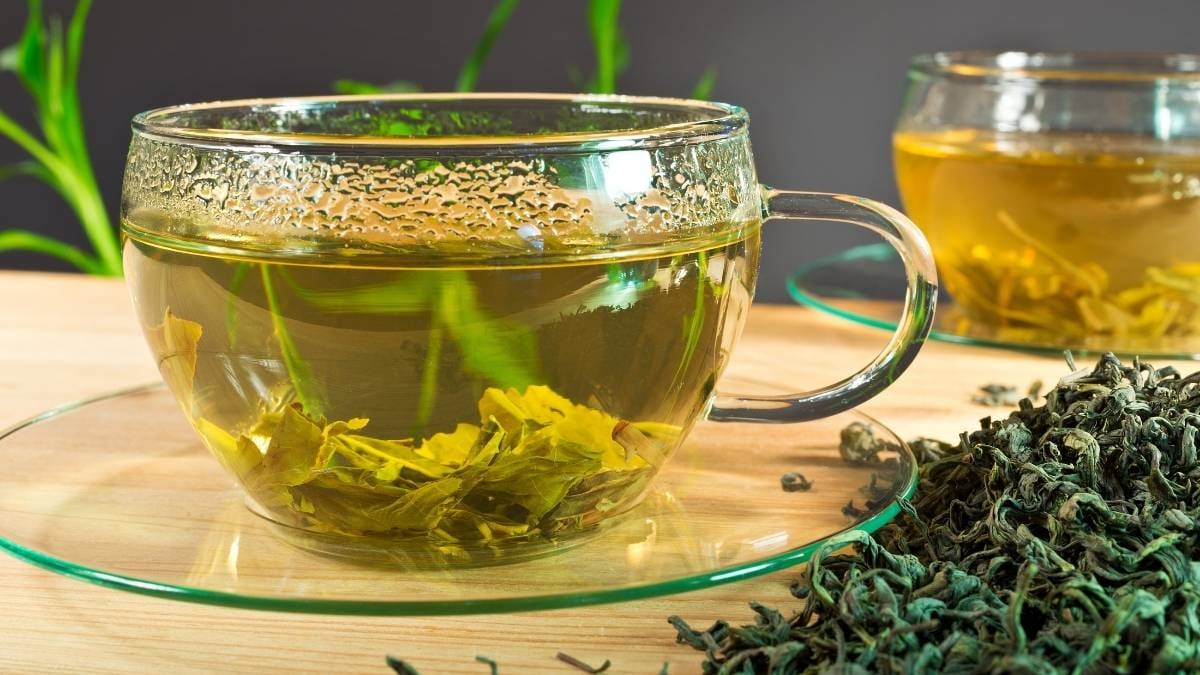
Looking for the easiest longevity habit? Drink green tea.
Green tea’s catechins—especially EGCG—enhance lifespan and physical fitness at the cellular level. These powerful antioxidants protect your cells from damage that causes aging.
One cup (240ml) of green tea gives you around 187mg of EGCG. That’s the compound doing most of the heavy lifting. EGCG makes up 50% of all the catechins in green tea.
Here’s what these compounds do. They reduce body fat, strengthen your antioxidant defenses, and protect your brain from age-related decline. They also improve cardiovascular health by reducing inflammation and protecting blood vessels.
Studies show that drinking 2-3 cups daily provides measurable benefits. Your cells age slower. Your brain stays sharper. Your heart works better.
Want the strongest dose? Choose matcha. It contains the highest concentration of EGCG because you consume the whole tea leaf ground into powder.
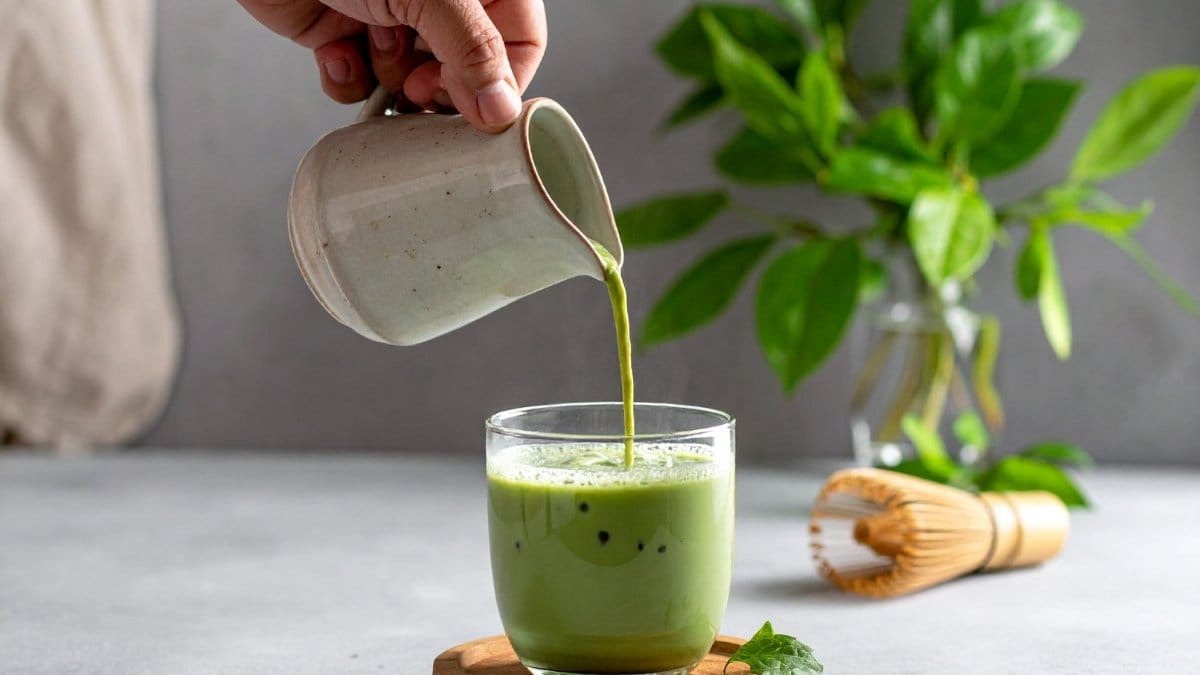
Green tea also has less caffeine than coffee, so you can drink it throughout the day without the jitters.
YOUR DAILY GREEN TEA PLAN
Goal: 2-3 cups daily
Best options:
- Regular brewed green tea (187mg EGCG per cup)
- Matcha (highest concentration)
- Cold-brewed for smoother taste
Brewing tip: Steep for 3-5 minutes in water just below boiling (175-185°F). Hotter water makes it bitter.
7 – Cruciferous Vegetables: Your Body’s Detox System
Hate the idea of “detox cleanses”? Your body has a better system built in.
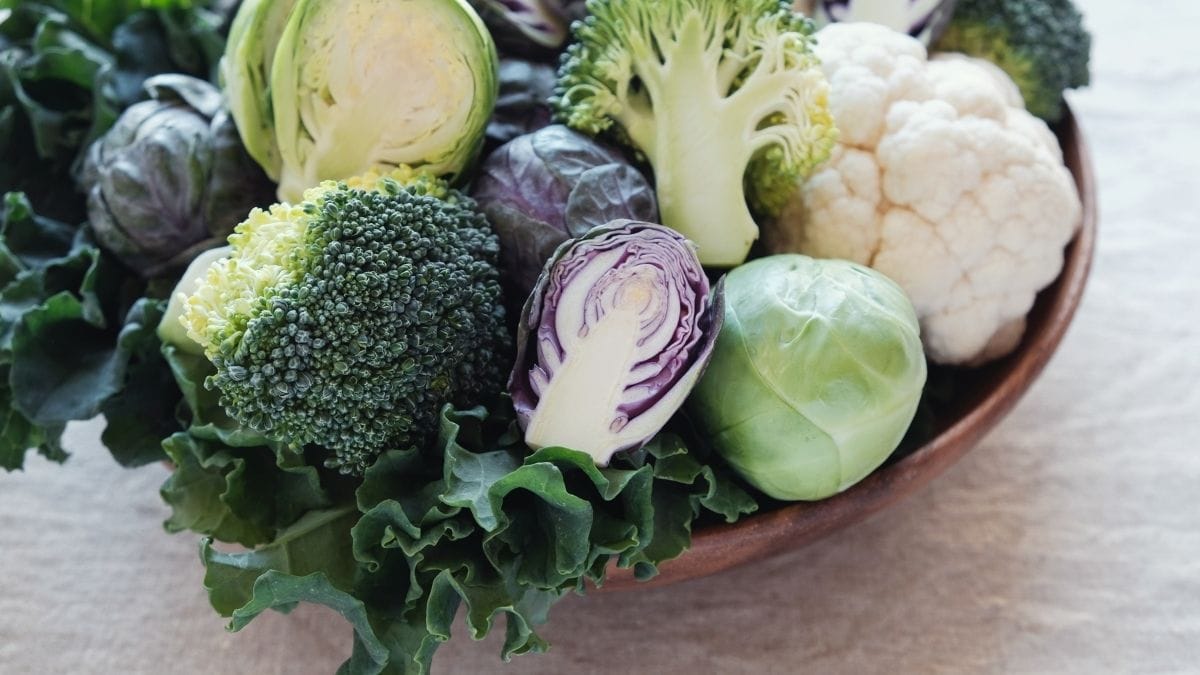
Eating 100g of cruciferous vegetables daily is linked to longer lifespan. That’s just one cup of broccoli or a handful of Brussels sprouts.
These vegetables contain sulforaphane and isothiocyanates—compounds that activate your body’s natural detoxification enzymes. They help your liver break down and remove toxins and damaged cells.
The cancer prevention benefits are impressive. Sulforaphane stops cancer cells from growing and helps your body destroy harmful compounds before they cause DNA damage.
Cruciferous vegetables include broccoli, cauliflower, Brussels sprouts, kale, and cabbage. All of them work.
You also get high doses of vitamins C and K. Vitamin C boosts immunity. Vitamin K supports bone health and prevents arterial calcification.
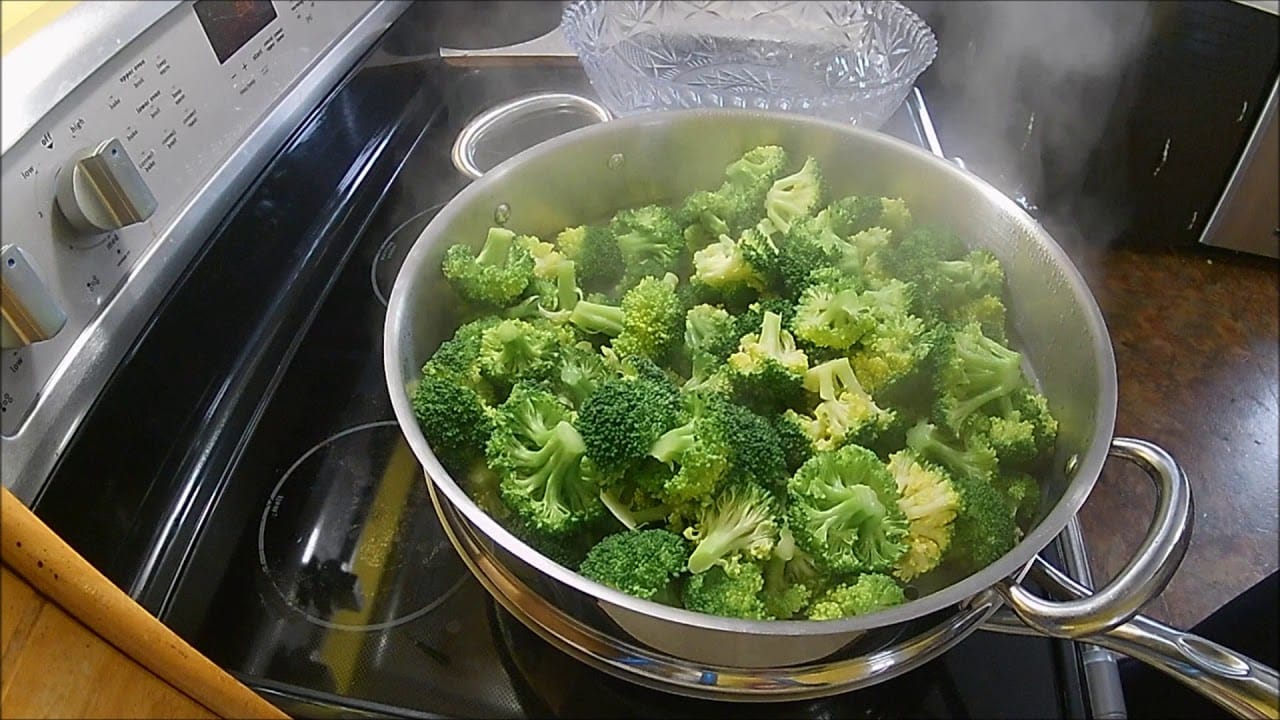
One cup daily (about 91g of broccoli) gives you these benefits. Steam or lightly roast them to preserve the sulforaphane.
YOUR DAILY CRUCIFEROUS PLAN
Goal: 1 cup daily (100g)
Best choices:
- Broccoli
- Brussels sprouts
- Cauliflower
- Cabbage
Cooking tip: Light steaming (3-4 minutes) preserves sulforaphane. Don’t overcook or boil.
8 – Mixed Berries: Why Variety Beats Sticking to One
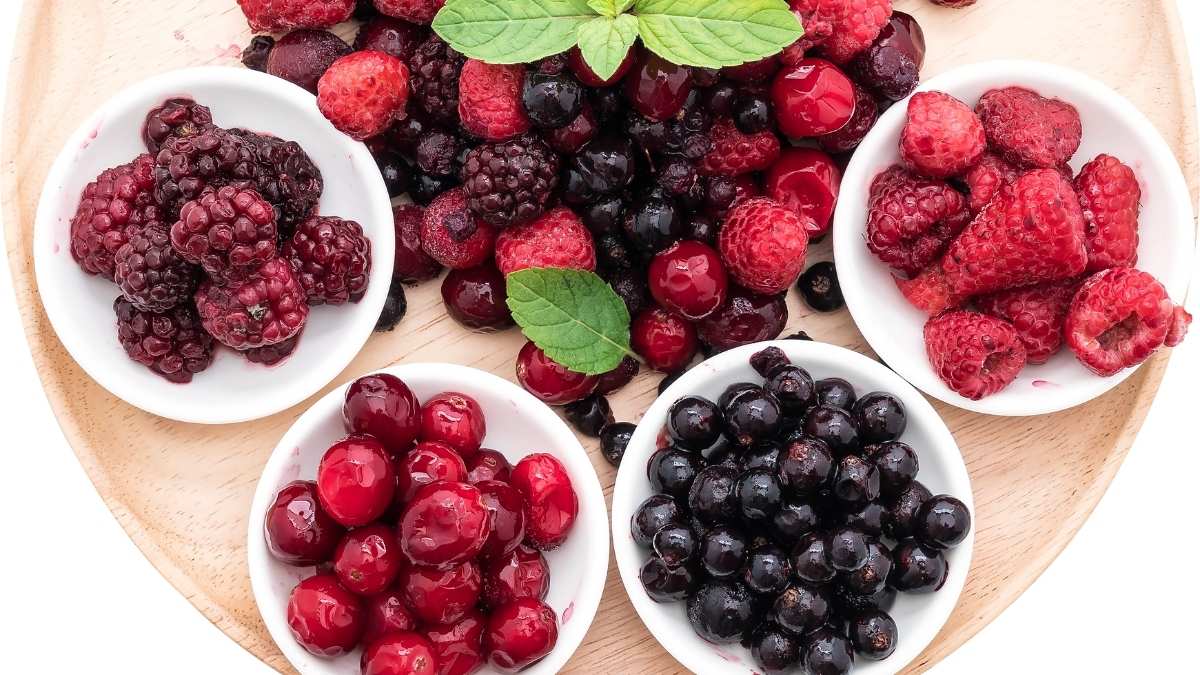
Blueberries get all the attention. But mixing your berries gives you better results.
Eating at least 2 servings of mixed berries per week slows cognitive decline and increases your chances of healthy aging. Different berries contain different types of anthocyanins and antioxidants.
Strawberries, raspberries, and blackberries each have unique polyphenol profiles. When you eat a variety, you get broader protection against cell damage.
Mixed berries work together to protect your heart, stabilize blood sugar, and reduce inflammation. The cardiovascular and metabolic benefits add up when you rotate between different types.
Studies show that people who ate at least 2 servings weekly had measurably slower brain aging. More servings gave even better results.
Aim for 1/2 to 1 cup daily if possible. Mix them in yogurt, blend into smoothies, or eat them plain.
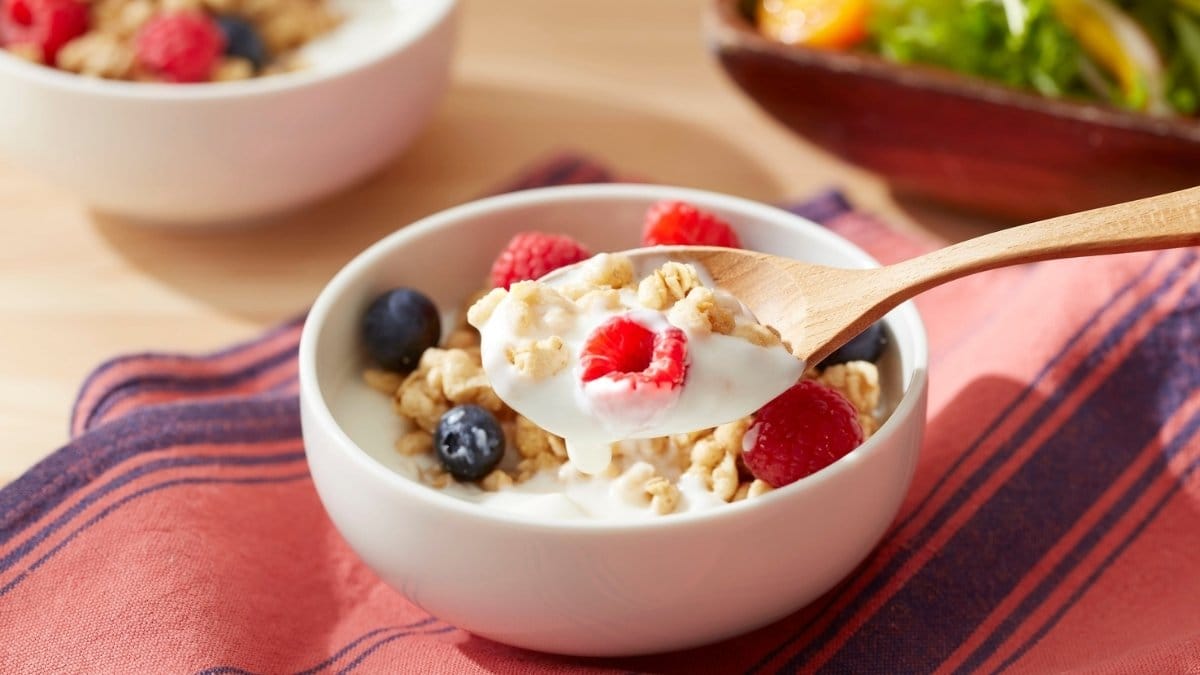
Fresh and frozen both work. Frozen berries are picked at peak ripeness and locked in quickly, so they’re just as nutritious.
YOUR MIXED BERRY PLAN
Goal: At least 2 servings per week (more is better)
Rotate between:
- Strawberries
- Raspberries
- Blackberries
- Blueberries
Money-saving tip: Buy frozen mixed berry bags. They’re cheaper and last longer than fresh.
9 – Beans and Legumes: The Blue Zone Secret
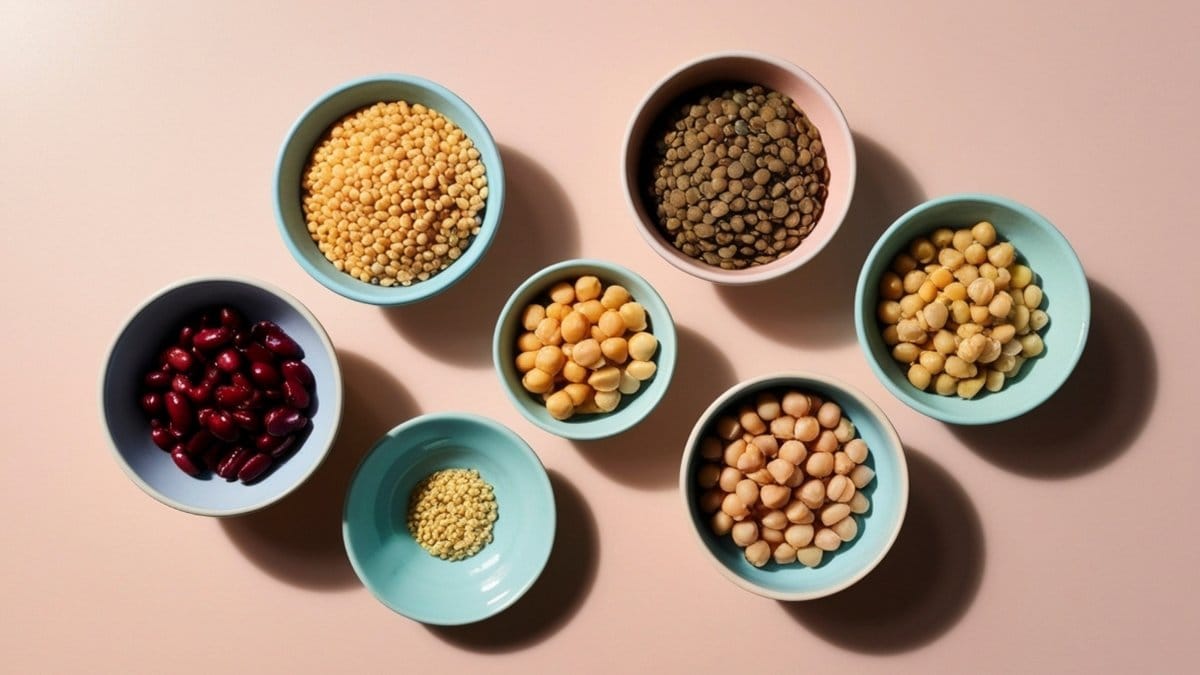
Ever wonder why people in Blue Zones live past 100? They eat beans every day.
Legumes combine plant protein and fiber in one package. This combo stabilizes your blood sugar, keeps you full longer, and feeds the good bacteria in your gut.
The fiber in legumes acts as a prebiotic. It feeds beneficial gut bacteria that produce compounds to reduce inflammation and strengthen immunity. Better gut health means better overall health.
Beans also protect your heart. They lower cholesterol, reduce blood pressure, and decrease inflammation in your arteries.
People in the world’s longest-lived regions eat at least 1/2 cup of beans daily. Lentils, chickpeas, black beans, and kidney beans all work.
You get plant protein without the saturated fat found in meat. When you combine beans with rice or whole grains, you get all the amino acids your body needs.

Start with 1/2 cup cooked beans three times per week. Build up to daily servings.
YOUR DAILY BEAN PLAN
Goal: 1/2 cup cooked beans daily
Easy options:
- Lentils (cook fast, no soaking)
- Canned chickpeas (rinse first)
- Black beans in burritos
- White beans in soups
Gas prevention: Start small and increase gradually. Your gut adapts in 2-3 weeks.
10 – Turmeric: Fight Inflammation and Protect Your Brain
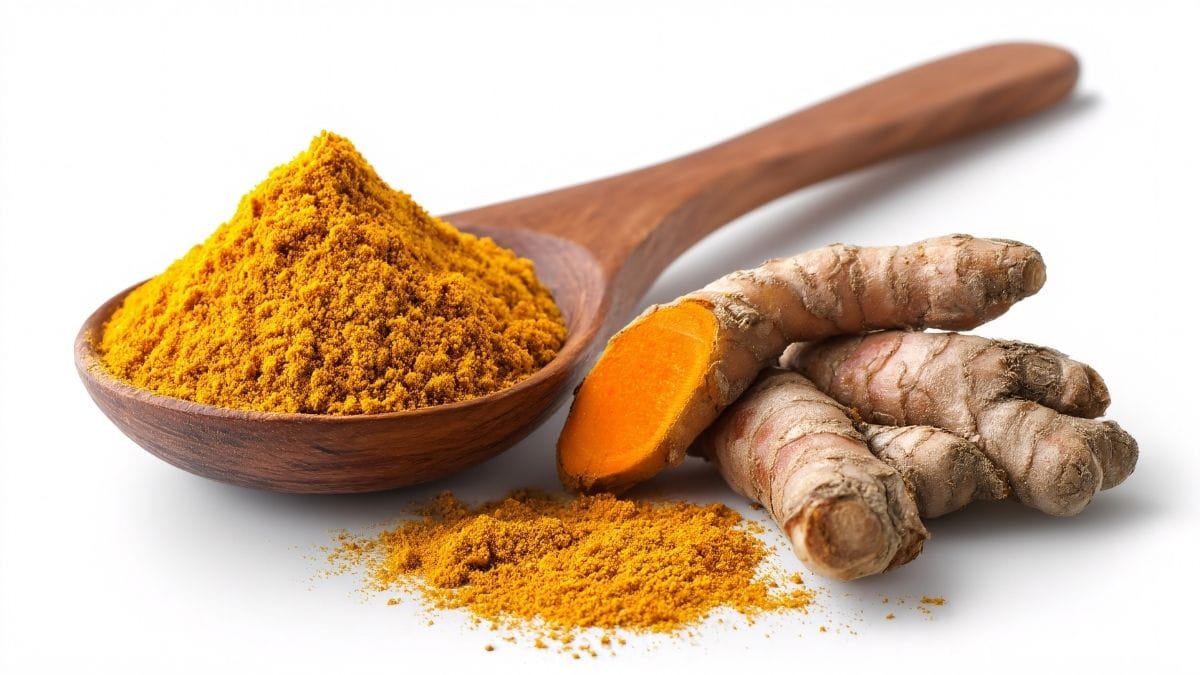
Worried about Alzheimer’s or joint pain? This golden spice helps with both.
Turmeric’s active compound, curcumin, reduces your risk of neurodegenerative diseases like Alzheimer’s. It crosses the blood-brain barrier and protects brain cells from the plaques that cause dementia.
Curcumin is one of the most powerful anti-inflammatory agents in nature. Chronic inflammation drives aging and disease. Turmeric fights it at the cellular level.
Studies show curcumin helps manage arthritis and other inflammatory conditions. People report less joint pain and stiffness after regular use.
It’s also a strong antioxidant. It neutralizes free radicals that damage your DNA and speed up aging.
Here’s the catch: your body struggles to absorb curcumin on its own. Add black pepper to increase absorption by 2,000%. The piperine in black pepper makes curcumin bioavailable.
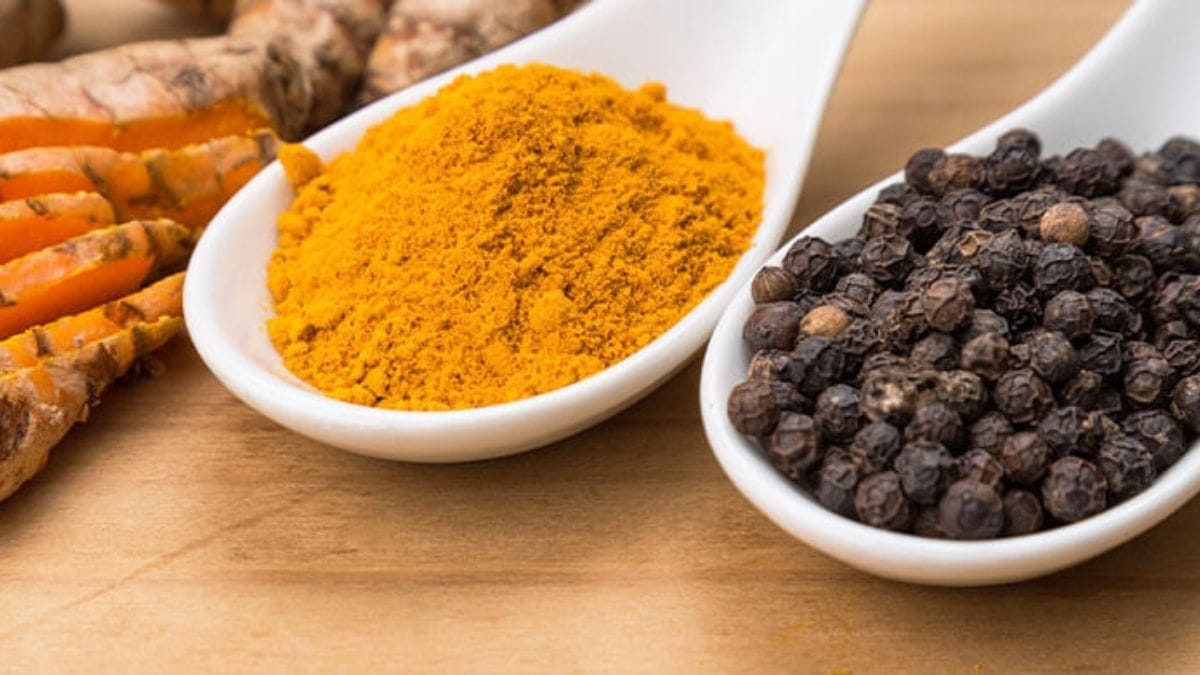
Use 1/2 to 1 teaspoon daily. Mix it into smoothies, curries, or golden milk (turmeric latte).
YOUR DAILY TURMERIC PLAN
Goal: 1/2 to 1 teaspoon daily
How to use it:
- Golden milk (warm milk + turmeric + black pepper + honey)
- Add to scrambled eggs or smoothies
- Mix into curry dishes or soups
Critical tip: Always add a pinch of black pepper. Without it, your body absorbs almost none of the curcumin.
H2: How to Eat All 10 Superfoods in One Day
Eating all 10 superfoods sounds impossible. It’s not. Here’s a meal planning strategy that fits everything into your daily routine.
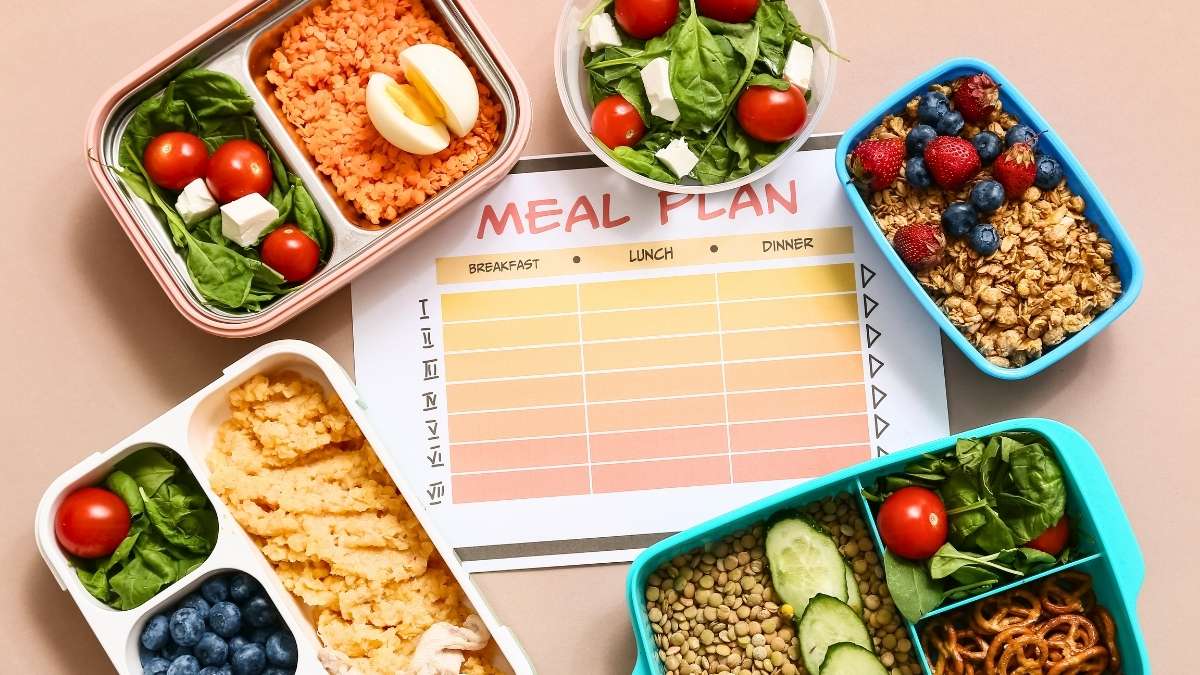
BREAKFAST (7:00 AM) Make a longevity smoothie. Blend 1 cup mixed berries, 1 cup spinach, 1/2 teaspoon turmeric, 1/4 teaspoon black pepper, 1 tablespoon walnuts, and green tea as the liquid base. That’s 6 superfoods before you leave the house.
LUNCH (12:00 PM) Build a big salad. Start with 2 cups mixed greens (kale, spinach, arugula). Add 1/2 cup chickpeas, 1/4 cup chopped walnuts, and mixed berries. Dress with 2 tablespoons extra virgin olive oil and lemon juice. You just hit 4 more superfoods.
SNACK (3:00 PM) Drink a cup of green tea with a handful of walnuts. Simple and effective.
DINNER (6:30 PM) Grill or bake a 4-ounce salmon fillet. Serve with 1 cup steamed broccoli drizzled with olive oil. Add a side salad with turmeric-spiced lentils. All 10 superfoods covered.
BATCH PREP STRATEGIES Sunday prep saves time. Cook a big pot of lentils and beans. Wash and chop greens. Portion frozen berries into smoothie bags. Prep lasts all week.
BUDGET-FRIENDLY SHOPPING Buy frozen berries and fish (same nutrition, lower cost). Get canned beans and lentils. Choose bagged spinach over pre-washed containers. Shop sales for olive oil and buy in bulk.
Start with 3-4 superfoods this week. Add more as you get comfortable. Healthy eating doesn’t require perfection.
YOUR ONE-DAY SHOPPING LIST
Produce:
- Mixed berries (1 cup)
- Spinach/kale (3 cups)
- Broccoli (1 cup)
- Salad greens (2 cups)
Protein:
- Salmon (4 oz)
- Chickpeas (1/2 cup)
- Lentils (1/2 cup)
Pantry:
- Walnuts (1 oz)
- Extra virgin olive oil (4 tbsp)
- Turmeric powder
- Black pepper
- Green tea bags
Final Thought;
These 10 superfoods for longevity aren’t hype. They’re backed by solid science from 2024-2025 studies showing they can increase your lifespan by years.
You don’t need to eat all 10 perfectly every day. Start with 3 this week. Add more as they become habits. Small, consistent changes beat perfection every time.
Research proves dietary changes add real years to your life. Omega-3s add 4.7 years. Leafy greens keep your brain 11 years younger. These anti-aging foods work.
Pick your first 3 superfoods today. Track them for 30 days. Notice how you feel—more energy, better focus, improved health. That’s your healthy aging journey starting now.
Talk to your doctor before major diet changes. Then get started.