
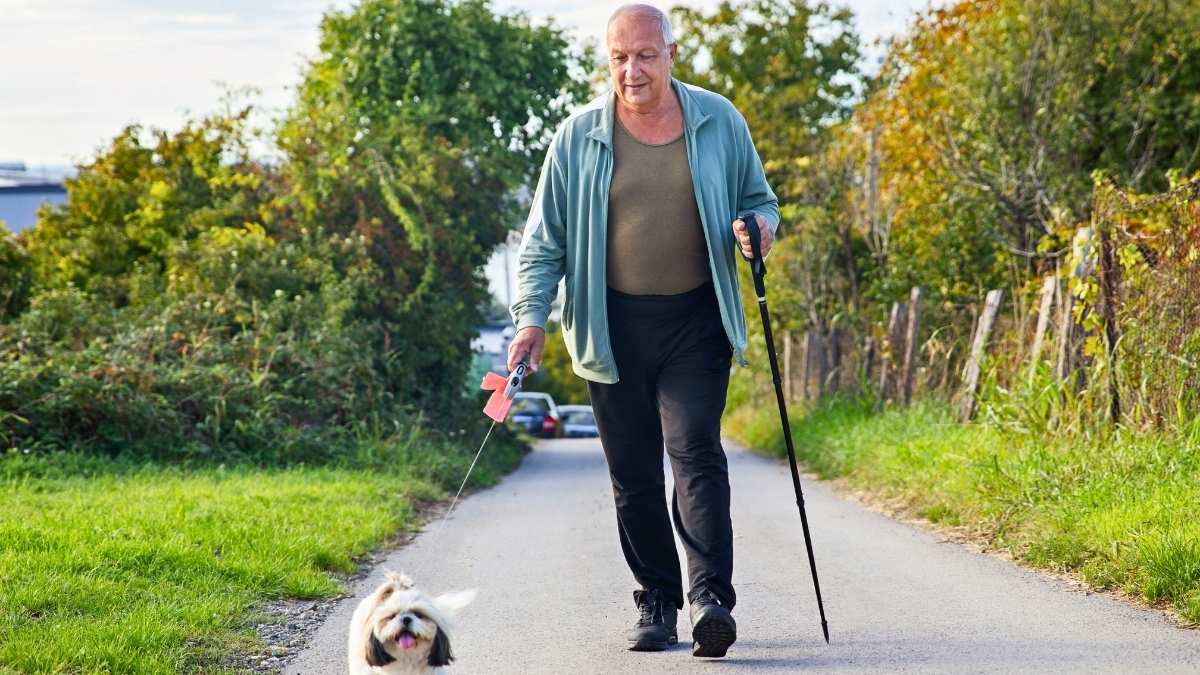
A cardiologist once told a 52-year-old patient something that stunned him:
“Your heart is aging faster than the rest of you.”
The man exercised sometimes. He wasn’t obese. He felt “normal.” But scans showed his arteries looked closer to a 67-year-old’s.
That invisible difference — the 15-year heart gap — is more common than people think.
Yet when researchers study centenarians — people who live to 100 and beyond — they often find hearts that are biologically younger than their age. Not perfect. But resilient.
The question is not why they live longer.
The real question is: what did they protect that most of us don’t?
The Hidden Clock Inside Your Chest

Most people measure aging by wrinkles, gray hair, or joint pain. But heart aging is quieter.
Arteries stiffen. Inflammation builds slowly. Blood vessels lose flexibility. These changes don’t shout. They whisper for decades before symptoms appear.
That’s why heart disease often feels sudden. A person feels fine — until they don’t.
Centenarian studies show something striking: their hearts often age slower than expected. Not because of magic genes alone. Genetics matter, but lifestyle shapes how those genes express.
In other words:
The heart keeps score of daily habits.
Not dramatic moments. Daily patterns.
The 15-Year Heart Gap Starts in Midlife

Cardiologists see the turning point around age 40 to 60. This is when silent damage accelerates — or slows — depending on choices.
Blood pressure creeps up. Blood sugar becomes less stable. Stress becomes chronic. Sleep shortens. Movement declines.
These shifts don’t feel urgent. They feel normal. That’s the trap.
Research on long-lived populations shows that people who reach 100 often protected their cardiovascular system early, before disease had momentum.
They didn’t wait for a warning. They built protection quietly.
That prevention is what closes the 15-year heart gap.
Food Patterns That Keep Arteries Young
Centenarian diets across the world look different on the surface. Okinawa, Sardinia, Ikaria. Different cultures. Different flavors.
But underneath, the pattern repeats:

- plants dominate the plate
- beans and olive oil
- processed food is rare
- sugar is minimal
- healthy fats are common
- portions are moderate
These diets naturally lower inflammation and support blood vessel function.
Leafy greens supply nitrates that help arteries relax. Beans stabilize blood sugar. Olive oil reduces oxidative stress. Nuts protect cholesterol balance.
It’s not about a miracle food. It’s about a consistent pattern that keeps the heart calm.
Hearts age fastest in chaos.
They age slower in stability.
The Role of Inflammation

Heart aging is strongly tied to chronic inflammation. Not the swelling you see after an injury — but low-grade inflammation that simmers silently.
Processed foods, smoking, excess alcohol, poor sleep, and stress all fuel it.
Centenarians tend to live in environments that reduce inflammatory load. Their food is simple. Their activity is steady. Their stress is buffered by social connection.
Inflammation is not just a disease trigger. It is an aging accelerator.
Reducing it is like slowing the clock.
Movement as Daily Medicine

In long-lived communities, exercise is not a task. It is built into life.
Walking hills
gardening
carrying groceries
manual chores
standing more than sitting
Their movement is constant but gentle. The heart prefers frequency over intensity.
Studies show that moderate daily activity improves arterial elasticity and circulation. It prevents plaque buildup and maintains oxygen delivery.
The lesson is simple:
You don’t need extreme workouts.
You need daily motion.
A sedentary heart ages fast.
A moving heart stays adaptable.
Stress and the Aging Heart
Chronic stress tightens blood vessels. It raises blood pressure and floods the body with cortisol. Over time, this erodes cardiovascular health.
Centenarians are not stress-free. No human is. But many share protective traits:

- strong community bonds
- sense of purpose
- daily routines
- time outdoors
- slower pace of life
These factors buffer stress response.
The heart is not only mechanical. It is emotional. Longevity research repeatedly shows that isolation and chronic anxiety damage the cardiovascular system.
Connection is protection.
Sleep: The Repair Window

Sleep is when the cardiovascular system resets. Blood pressure dips. Inflammation markers drop. Tissue repair begins.
Short sleep disrupts this cycle. Over years, poor sleep is linked to hypertension, obesity, and heart disease.
Centenarians often maintain consistent sleep rhythms. Not perfect sleep — consistent sleep.
The body loves rhythm. Predictable rest strengthens heart resilience.
Skipping sleep is like skipping maintenance on an engine. The damage accumulates slowly, then all at once.
Midlife Is the Decision Zone
Many people believe heart decline is locked by genetics. But midlife research suggests something hopeful:
This is the window where change still has massive impact.
Lowering blood pressure in your 40s
improving diet in your 50s
increasing movement at 60
These shifts still reduce risk dramatically.
The heart responds quickly to protection. Arteries can regain flexibility. Inflammation can fall. Circulation improves within months of change.
The body is more forgiving than we think.
But it needs a signal.
A Practical Heart-Protective Blueprint
You don’t need to copy a centenarian village. You can adapt the principles.
A realistic daily framework might include:
- vegetables at two meals
- walking 30–45 minutes
- limiting ultra-processed snacks
- consistent sleep schedule
- time with people you trust
- moments of mental rest
These are not dramatic acts. But together, they shape cardiovascular aging.
Small habits compound. Just like damage does.
The direction matters more than perfection.
Why This Matters for Heart Patients
For people already living with heart disease, this research is not discouraging. It is empowering.
Lifestyle shifts still improve outcomes. Studies show that cardiac patients who adopt plant-forward diets, movement, and stress reduction often stabilize or slow disease progression.
Medication treats symptoms. Habits influence the terrain.
Even modest improvements reduce strain on the heart. The body does not demand flawless behavior. It responds to effort.
Closing the 15-year heart gap is not about reversing time. It’s about reducing future damage.
That is always possible.
The Psychological Shift
The most dangerous belief is:
“It’s too late.”
Centenarian research contradicts this idea. Aging hearts remain responsive. Blood vessels remain adaptable. Inflammation remains adjustable.
The heart is not a fixed object. It is a living tissue in conversation with behavior.
Every meal
every walk
every night of sleep
every moment of calm
These are signals.
And the heart listens.

Returning to the 15-Year Gap
That 52-year-old patient mentioned at the beginning changed his routine slowly. More walking. Less processed food. Better sleep. Lower stress. No extremes.
Two years later, follow-up imaging showed measurable improvement in vascular function.
Not a miracle. Not a cure.
A shift in direction.
The gap narrowed.
That is the quiet power of consistent care. Not immortality. Not perfection.
Just fewer years lost to preventable damage.
Conclusion:
The hearts of people who reach 100 are not untouched by time. They are shaped by protection. Midlife is where that protection either weakens or strengthens.
The 15-year heart gap is not fate — it is feedback. And feedback can guide change. Every steady habit you build today is a vote for a younger heart tomorrow.