
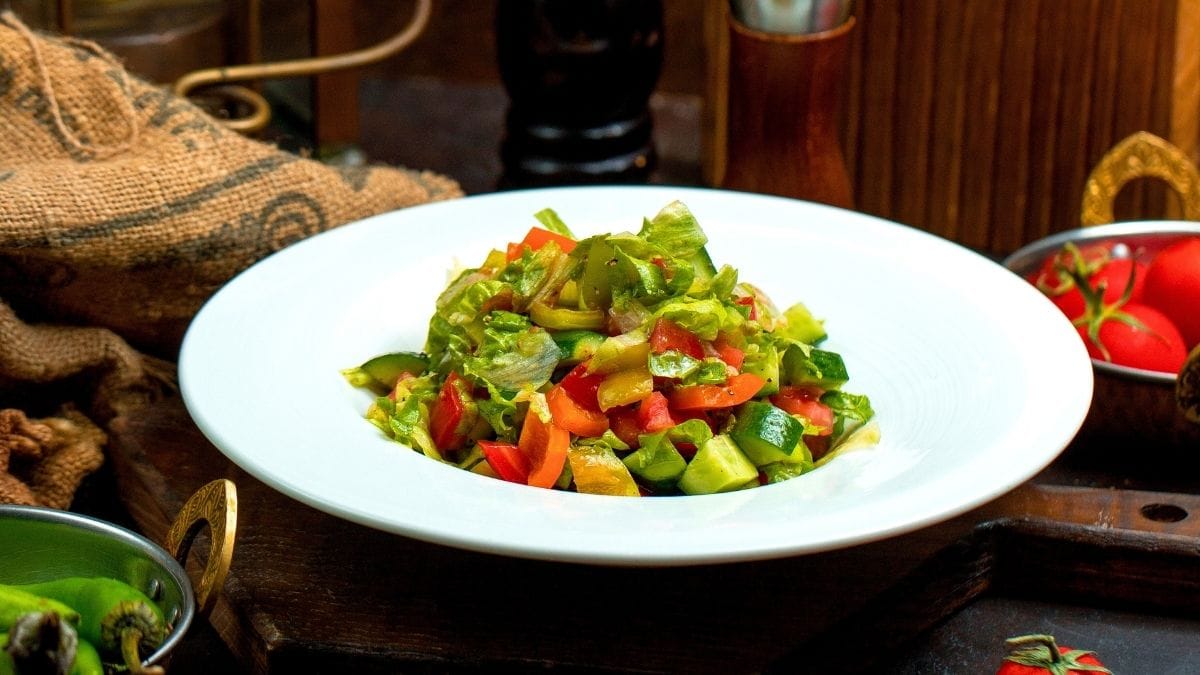
Most people think living longer depends on luck or genes.
But research keeps showing something simpler.
Small food choices, made daily, can shape how long—and how well—you live, especially when you focus on foods for longevity.
Not magic foods. Not extreme diets. Just real, whole foods eaten often.
And Harvard nutrition experts have been studying this for decades.
This article looks at five whole foods linked to longer, healthier lives—and why they matter more than supplements or trends.
Why Harvard Nutrition Research Matters
Harvard has followed hundreds of thousands of people for decades.
Their nutrition studies track what people eat, how they live, and how long they stay healthy.
One key finding appears again and again:
People who live longer don’t eat perfectly.
They eat consistently better.
Their diets focus on simple, whole foods.
These foods support the heart, brain, gut, and metabolism together.
That combination is what supports longevity.
This is why foods for longevity are not about extremes.
They are about patterns.
#-1 Leafy Green Vegetables
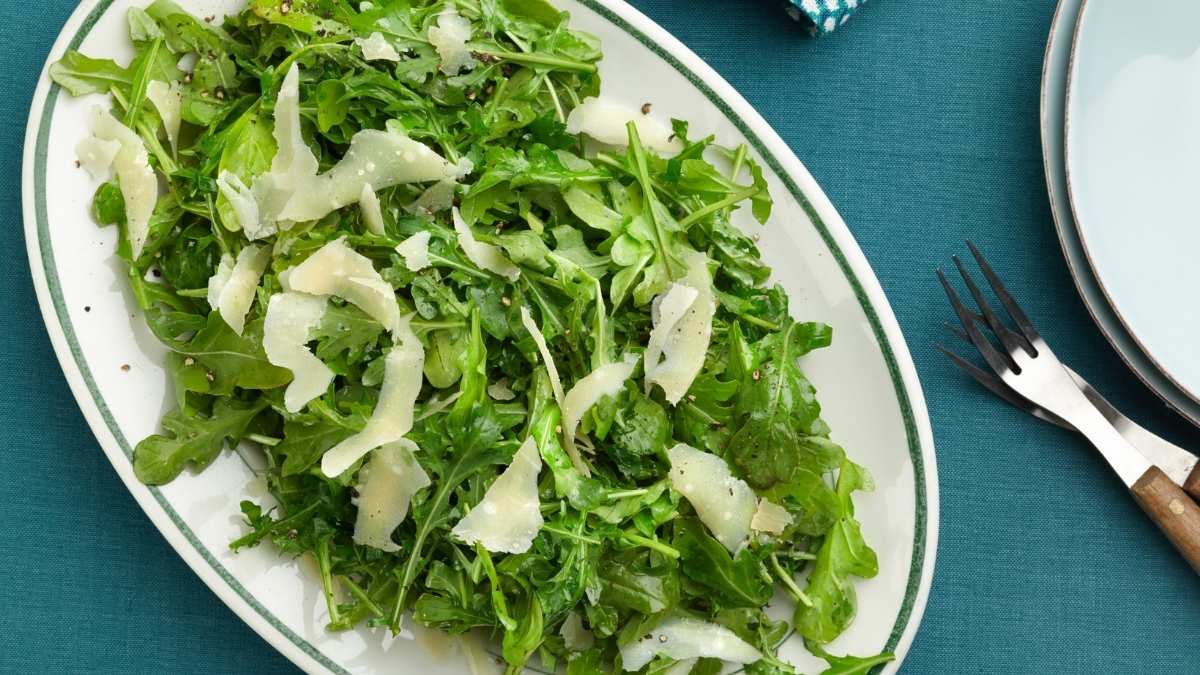
Spinach. Kale. Swiss chard. Arugula.
These greens show up in nearly every long-term nutrition study.
Why they matter:
- Rich in folate, vitamin K, and antioxidants
- Support brain health and blood vessels
- Linked to slower cognitive decline in aging adults
Harvard researchers found that people who eat leafy greens daily age more slowly at a cellular level.
You don’t need large bowls every day.
Even one serving a day makes a difference.
Simple ways to eat them:
- Add spinach to eggs or lentils
- Toss arugula with olive oil and lemon
- Mix greens into soups near the end of cooking
#-2 Nuts (Especially Walnuts and Almonds)
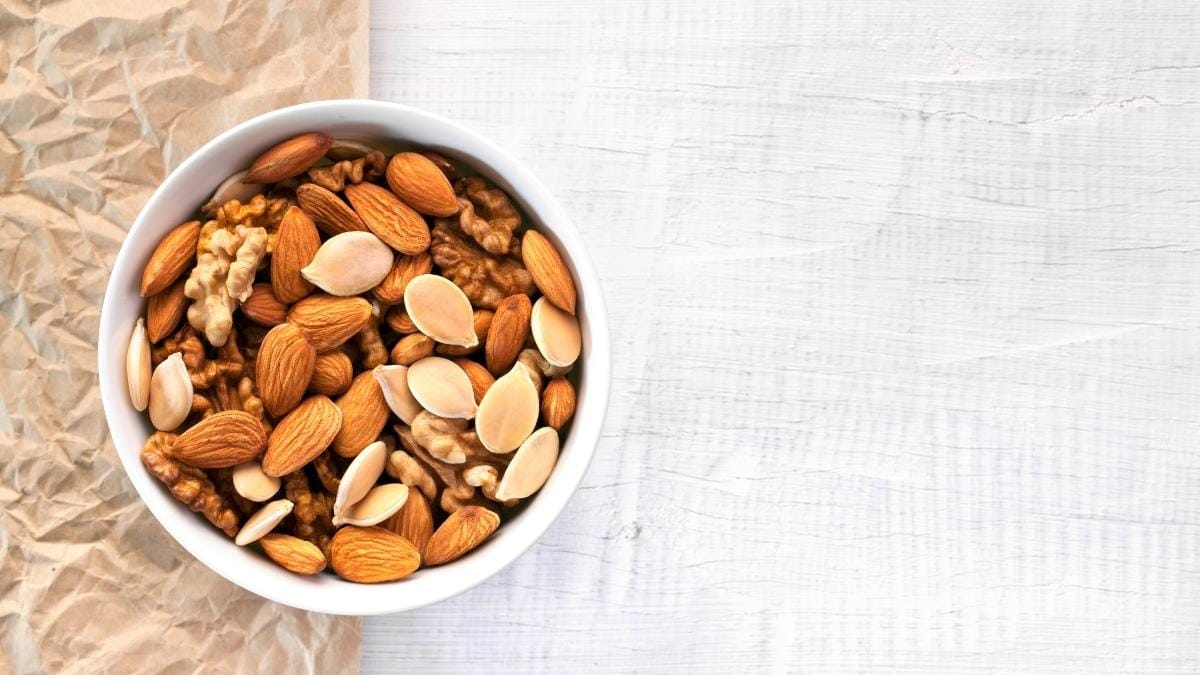
Nuts are small, but their impact is large.
In multiple Harvard studies, regular nut eaters had:
- Lower heart disease risk
- Better cholesterol levels
- Lower overall mortality
Walnuts stand out for brain health.
Almonds support blood sugar balance.
Nuts are calorie-dense, so portion matters.
A small handful is enough.
Why nuts support longevity:
- Healthy fats reduce inflammation
- Fiber feeds gut bacteria
- Minerals support nerve and muscle function
This is one of the most practical foods for longevity because it requires no cooking.
#-3 Legumes (Beans, Lentils, Chickpeas)
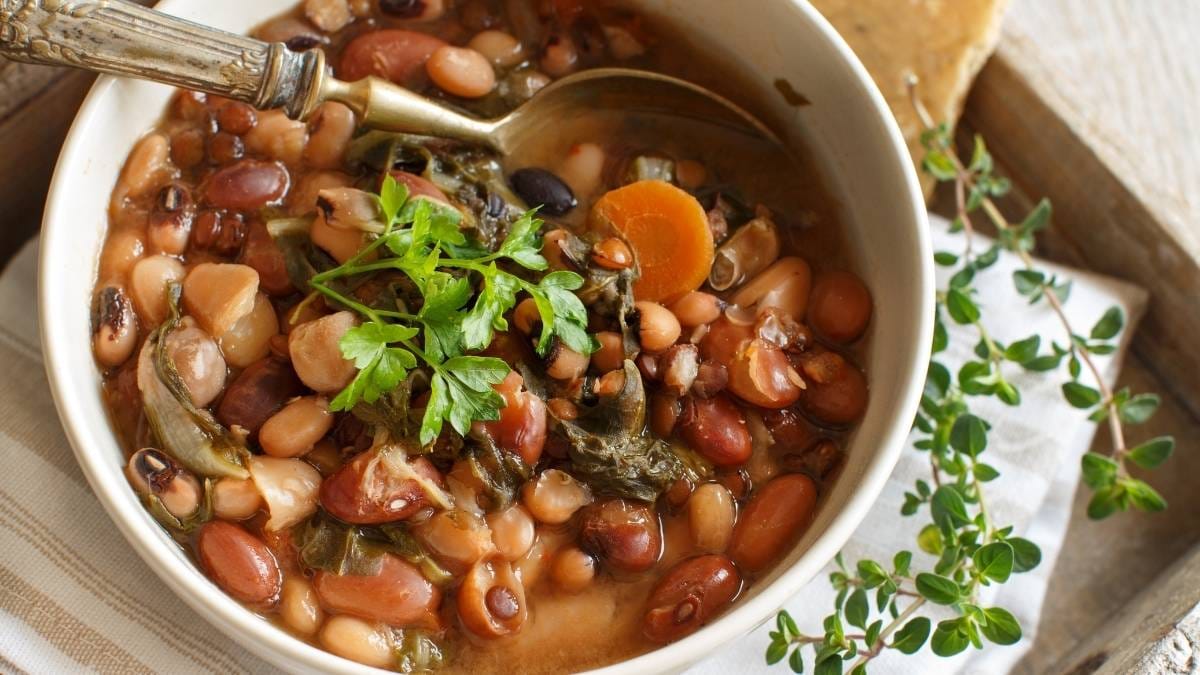
In regions where people live the longest, legumes are eaten almost daily.
Why legumes matter:
- High in plant protein
- Rich in fiber for gut health
- Help control blood sugar and cholesterol
Harvard data links higher legume intake with lower death rates from heart disease and diabetes.
They also help people eat less processed food naturally.
You feel full longer.
Easy ways to include them:
- Lentil soup
- Chickpeas in salads
- Beans cooked with spices and olive oil
Longevity diets are not high-protein diets.
They are fiber-rich diets.
#-4 Whole Grains
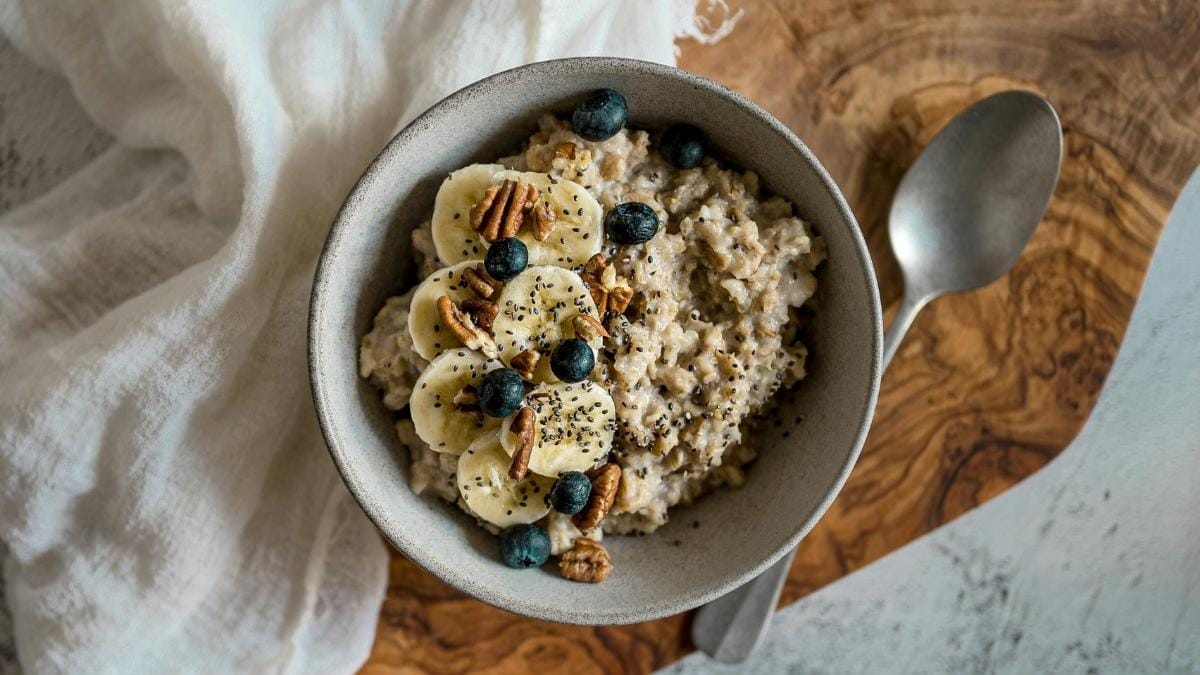
Whole grains are often misunderstood.
But when eaten in whole form, they support long life.
Examples:
- Oats
- Brown rice
- Barley
- Whole wheat
Harvard research shows that replacing refined grains with whole grains lowers the risk of early death.
Why whole grains help:
- Slow digestion
- Improve insulin sensitivity
- Feed beneficial gut bacteria
The key is whole, not processed.
White bread and sugary cereals do not count.
Whole grains are a core part of foods for longevity because they support energy without spikes.
#-5 Fatty Fish

Salmon. Sardines. Mackerel.
These fish are rich in omega-3 fats, which are linked to:
- Lower inflammation
- Better heart rhythm
- Improved brain aging
Harvard nutritionists note that people who eat fish one to two times per week live longer than those who avoid it.
Omega-3 fats support cells at a deep level.
They help maintain flexibility in blood vessels and nerves.
If fish is unavailable:
- Omega-3s can come from walnuts and flaxseed
But fish remains the strongest source.
Why Whole Foods Matter More Than Supplements
Many people try to replace food with pills.
But research shows supplements cannot copy whole foods.
Whole foods contain:
- Fiber
- Phytochemicals
- Nutrient combinations that work together
Longevity comes from systems, not single nutrients.
This is why Harvard experts emphasize eating patterns over quick fixes.
What These Foods Have in Common
All five foods:
- Are minimally processed
- Support multiple body systems
- Reduce chronic inflammation
- Improve metabolic health
They also crowd out harmful foods naturally.
When people eat more whole foods, they eat less sugar, salt, and refined fat without trying.
That shift matters over decades.
Longevity Is Built Slowly
No single meal adds years to life.
But years are shaped by habits.
Harvard research shows that small, repeated choices matter more than perfect plans.
Eating foods for longevity:
- Improves daily energy
- Protects organs
- Slows age-related decline
You don’t need a new diet.
You need better defaults.
A Simple Way to Start
You don’t need all five foods today.
Start with one:
- Add greens once a day
- Eat nuts instead of snacks
- Replace white grains with whole ones
Consistency beats intensity.
This is how long life is built—quietly, over time.