

You eat good food.
You try to be careful.
You avoid junk most days.
Still, your stomach feels heavy.
You feel bloated after meals.
Some days you feel tired for no clear reason.
This is confusing.
Most people think the problem is what they eat.
But very often, the real problem is how they eat.
Modern life has quietly created eating habits that damage gut health, even when food looks healthy.
This article explains:
- Why your gut feels “off” even on a clean diet
- The everyday eating habits harming digestion
- How timing, speed, and combinations affect your stomach
- Simple fixes that actually work
No extreme rules.
No food obsession.
Why Gut Health Is the Center of Everything
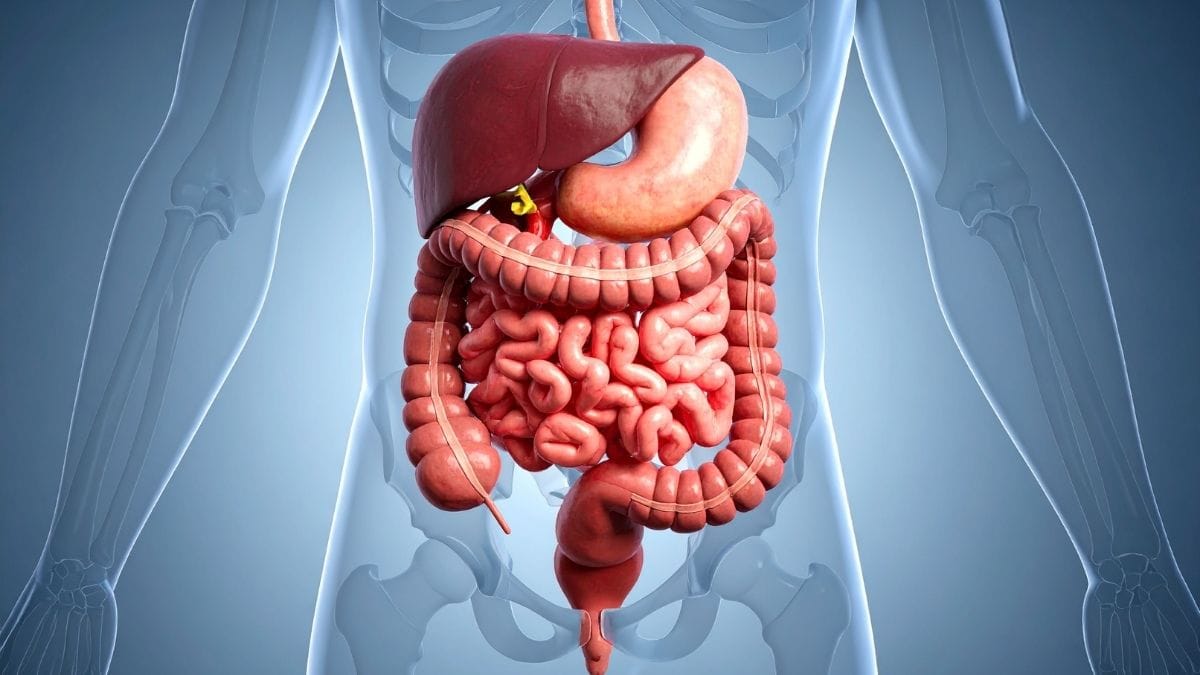
Your gut is not just about digestion.
It affects:
- Energy
- Mood
- Immunity
- Weight
- Inflammation
When the gut is stressed, the whole body feels it.
And stress does not only come from bad food.
It also comes from bad eating patterns.
The Biggest Lie About “Healthy Eating”
Here is the lie:
“If the food is healthy, digestion will be fine.”
This is not true.
You can eat the best food in the world and still:
- Feel bloated
- Feel gassy
- Feel tired
Why?
Because digestion depends on:
- Timing
- Portion size
- Eating speed
- Mental state
Food is only one piece.
1. Eating Too Fast (The Silent Gut Killer)
This is one of the most damaging habits.
When you eat fast:
- Food is not chewed well
- Stomach acid cannot work properly
- The gut gets overwhelmed
Digestion starts in the mouth.
Not in the stomach.
Fast eating sends half-done work to your gut.
What Happens Over Time
- Chronic bloating
- Poor nutrient absorption
- Acid reflux
Simple Fix
- Put the spoon down between bites
- Chew until food feels soft
- Eat without screens
Slow eating alone fixes many gut issues.
2. Eating While Stressed or Distracted
Your gut and brain are connected.
When you eat while stressed:
- Blood flow moves away from digestion
- Enzymes slow down
- The gut tightens
This creates discomfort even with simple meals.
Common Triggers
- Eating at work
- Eating while scrolling
- Eating during arguments
Why This Matters
The gut needs a calm signal to digest properly.
Simple Fix
- Sit down
- Take 3 deep breaths before eating
- Eat with awareness
Small pause. Big difference.
3. Skipping Meals, Then Overeating Later
This habit confuses the gut.
Long gaps followed by big meals:
- Shock the digestive system
- Cause bloating
- Create blood sugar swings

The gut prefers rhythm.
What This Causes
- Heavy stomach at night
- Poor sleep
- Cravings
Simple Fix
- Eat regular meals
- Keep portions moderate
- Avoid “all day empty, night feast” pattern
4. Eating Late at Night (More Harm Than You Think)

Late eating is very common.
And very damaging.
At night:
- Digestion slows
- Gut repair mode turns on
Eating late forces digestion when the body wants rest.
Long-Term Effects
- Acid reflux
- Poor gut repair
- Morning fatigue
Simple Fix
- Finish eating 2–3 hours before sleep
- Keep dinner lighter
This single change improves gut health fast.
5. Drinking Too Much With Meals
Many people drink large amounts during meals.
This:
- Dilutes stomach acid
- Slows digestion
- Creates bloating
Why Stomach Acid Matters
Strong acid breaks food down.
Weak acid causes fermentation.
Simple Fix
- Sip, do not gulp
- Drink more between meals, not during
6. Mixing Too Many Foods in One Meal
Heavy combinations overload digestion.
Too many textures, fats, and sugars together:
- Slow stomach emptying
- Cause gas
- Create discomfort
Example
Large meals with:
- Heavy protein
- High fat
- Sugary dessert
Simple Fix
- Keep meals simple
- Fewer ingredients, better digestion
7. Eating Even When Not Hungry

Eating out of habit confuses gut signals.
Your gut has natural hunger and fullness cues.
Ignoring them causes:
- Poor digestion
- Sluggish gut movement
Simple Fix
- Ask: “Am I hungry or bored?”
- Eat when hunger is real
8. No Breaks Between Meals
Constant eating keeps digestion “on” all day.
The gut needs rest periods to clean itself.
This cleaning process is important.
What Happens Without Breaks
- Bloating
- Poor gut bacteria balance
Simple Fix
- 3–4 hour gaps between meals
- Avoid constant snacking
9. Relying Only on “Healthy Labels”
“Healthy” does not mean easy to digest.
Some foods are:
- Healthy
- But heavy for certain guts
Digestion is personal.
Simple Fix
- Notice how food makes you feel
- Adjust without guilt
10. Ignoring Early Gut Signals

Most people ignore:
- Mild bloating
- Slight discomfort
Until it becomes chronic.
The gut whispers before it screams.
Simple Fix
- Pay attention early
- Adjust habits early
How These Habits Damage Gut Health Over Time
Together, these habits:
- Weaken digestion
- Disrupt gut bacteria
- Increase inflammation
This is why eating habits that damage gut health matter more than single foods.
How to Rebuild a Calm, Strong Gut (Simple System)
You do not need perfection.
You need:
- Slow meals
- Regular timing
- Calm environment
- Simple portions
That is it.
A Gut-Friendly Daily Eating Rhythm
Morning:
Eat when hungry, not rushed
Midday:
Main meal, calm setting
Evening:
Light meal, early
Night:
No digestion stress
How Long Until Improvement?
Most people notice:
- Less bloating in 7–10 days
- Better energy in 2–3 weeks

Consistency matters more than intensity.
Why This Topic Performs Well
This topic works because:
- Everyone eats
- Everyone relates
- It solves confusion
- It feels human, not medical
That is why major publishers use behavior-based food content, not lists.
Conclusion:
Your gut is not broken.
It is overwhelmed.
Fixing how you eat often matters more than what you eat.
Change the habits.
Calm the gut.
Let digestion do its job.