
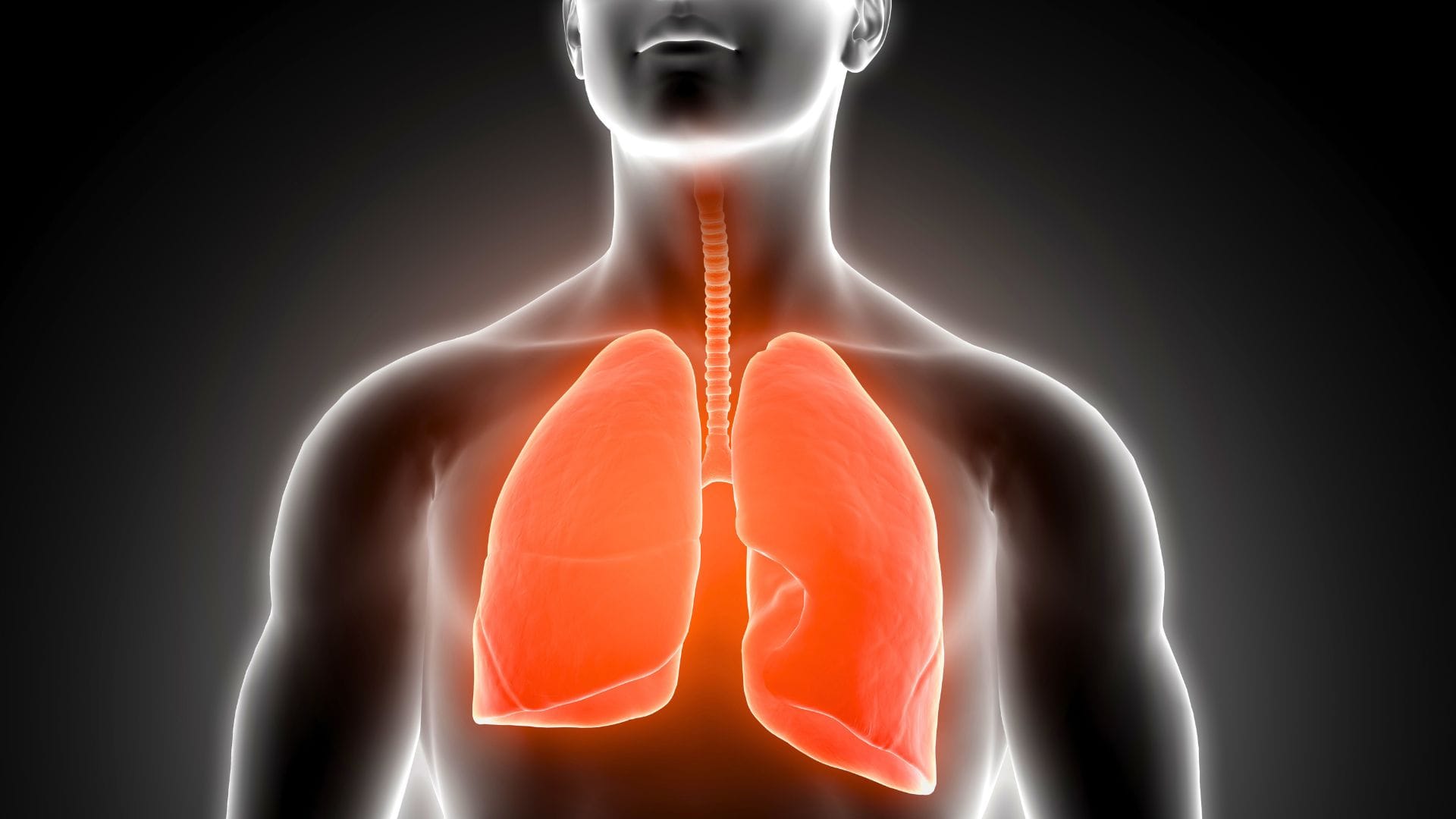
Take a deep breath right now. Does it feel easy and smooth, or do you notice tightness in your chest? Maybe you need to clear your throat?
Your lungs work hard. They filter over 11,000 liters of air every single day. That air carries pollution, dust, and allergens that inflame your airways. This inflammation makes breathing harder. It narrows your airways and stops oxygen from reaching your blood properly. You feel tired, short of breath, and just off.
Here’s what most people miss: the foods you eat either make this inflammation worse or help fight it.
This article shows you seven lung cleanse foods that science says actually work. These anti-inflammatory foods for lungs repair damaged tissue and reduce swelling in your airways. You’ll learn exactly how much to eat, how each food helps your lungs, and simple ways to add them to meals you already make. Your breathing capacity can improve—starting with what you put on your plate.
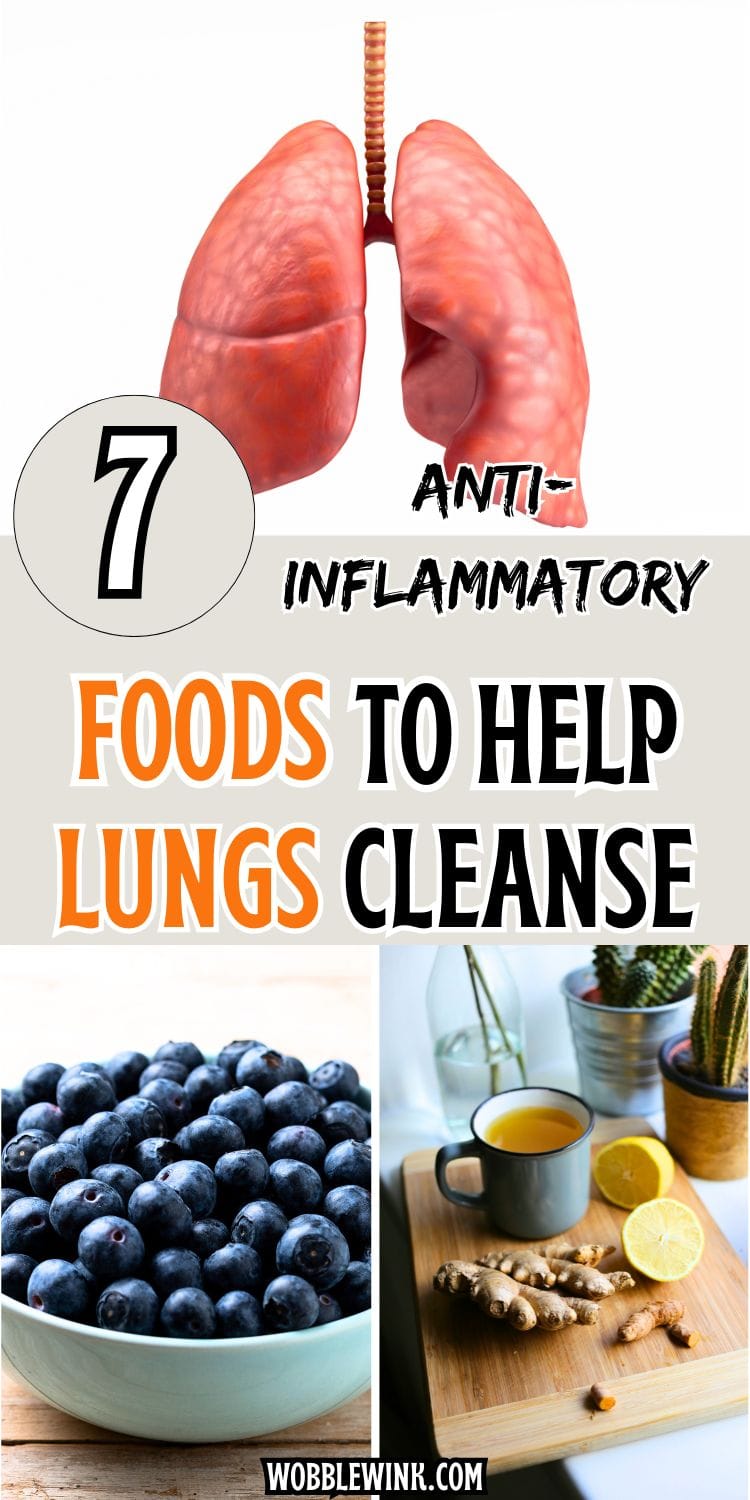
Why Your Lungs Need Anti-Inflammatory Foods
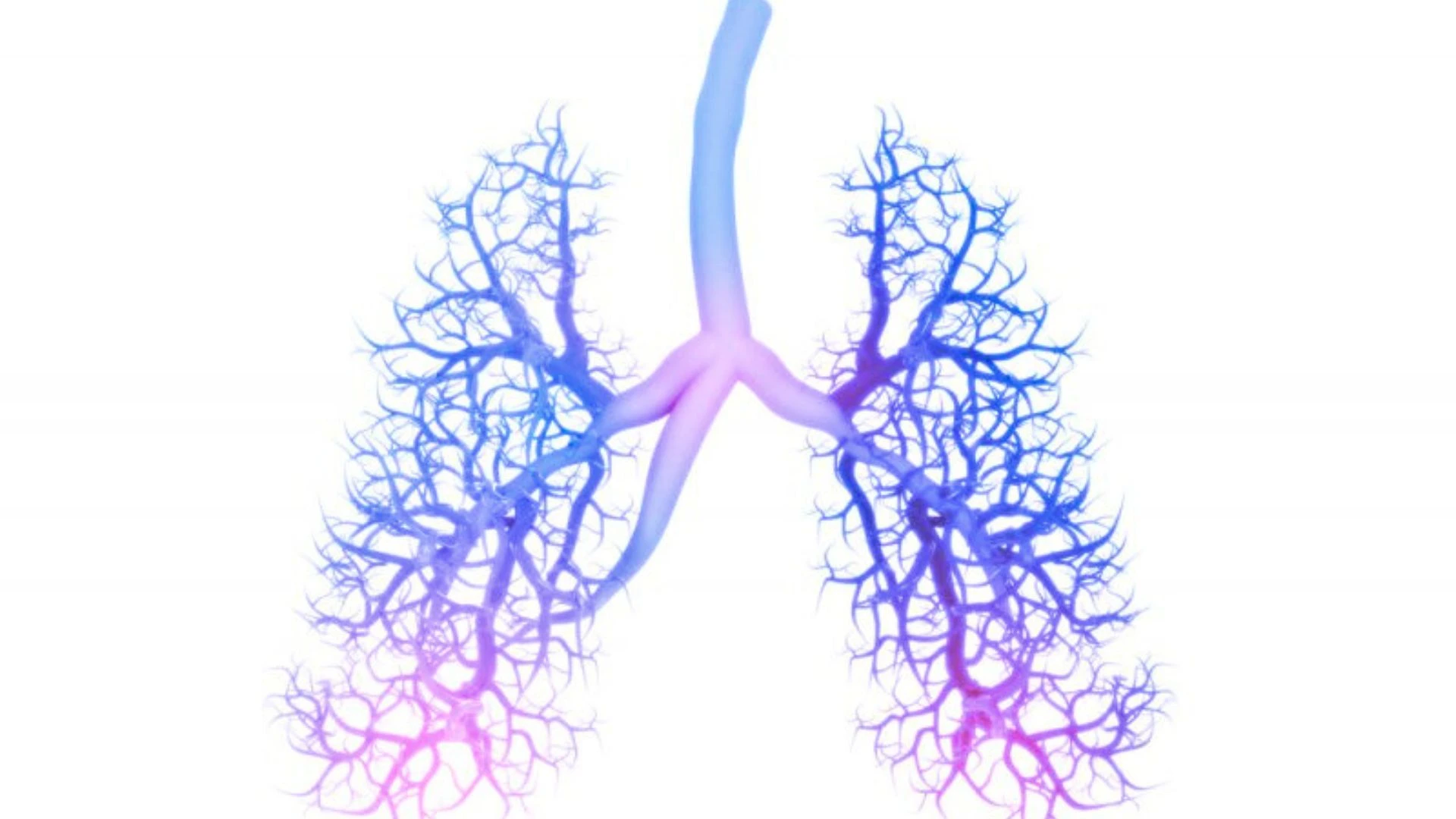
Your lung tissue replaces itself every 10-14 days. The food you eat today becomes your lung cells tomorrow. If you eat foods that cause inflammation, you’re literally building inflamed lungs.
Here’s the difference. Acute inflammation is good—it’s your body healing a cut or fighting a cold. Chronic inflammation is different. It’s like a fire that never goes out. It damages your lung tissue day after day, making your airways narrower and stiffer.
This inflammation releases chemicals called IL-6, TNF-alpha, and C-reactive protein into your blood. These markers show up in blood tests when your lungs are struggling. Respiratory inflammation affects 1 in 4 adults in urban areas. You might have it right now.
Watch for these signs: you get breathless walking upstairs, you cough every morning, or you can’t exercise as long as you used to. That’s inflammation stealing your lung health.
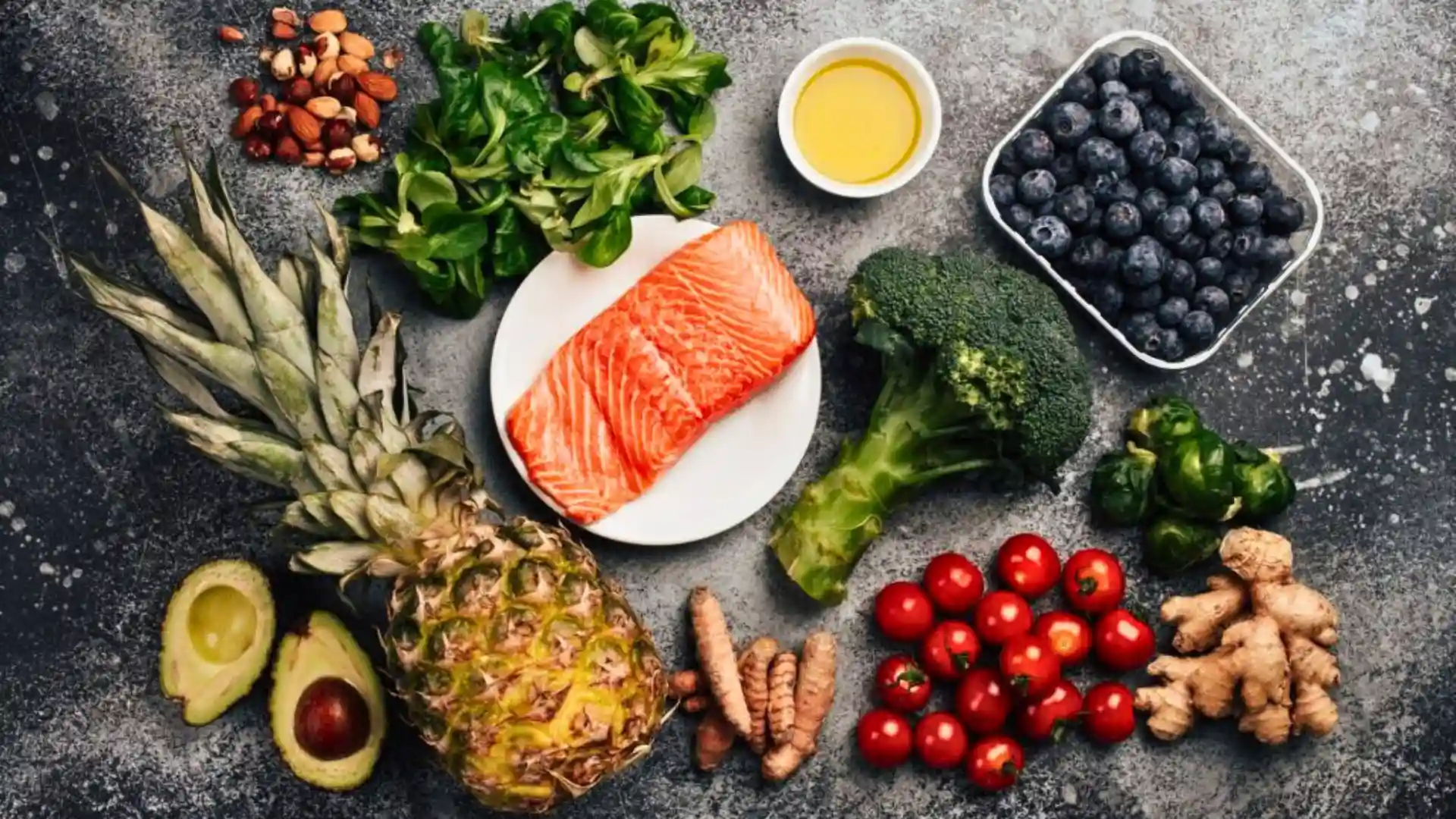
A Harvard study found something important. People who ate a Mediterranean diet cut their respiratory disease risk by 50%. The right anti-inflammatory foods for lungs actually work. They fight oxidative stress—the main thing that destroys lung tissue.
Now that you know why inflammation matters, let’s look at the seven most powerful foods that protect your respiratory health.
1. Turmeric – The Golden Anti-Inflammatory Powerhouse
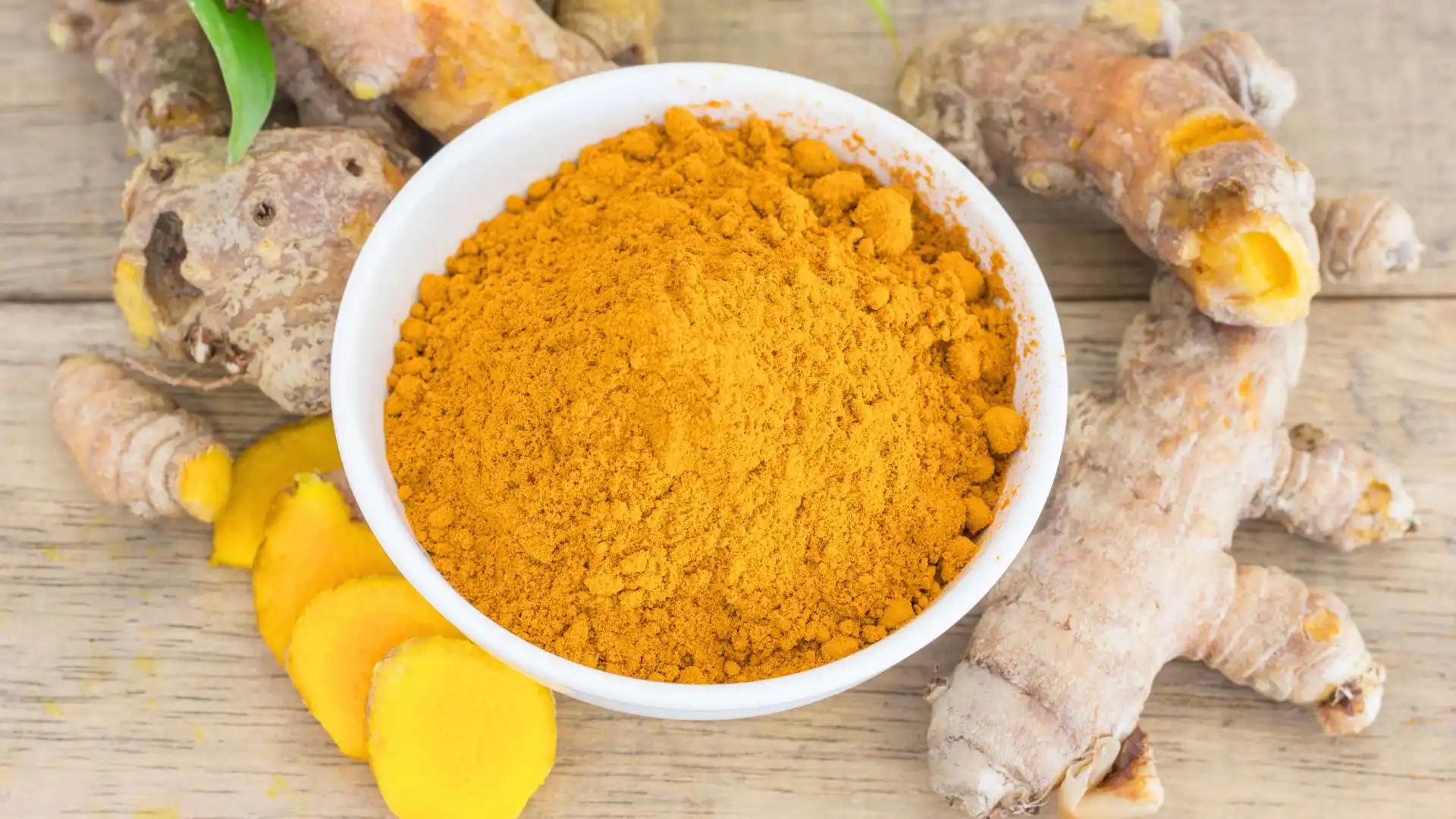
Turmeric tops the list of lung cleanse foods for good reason. Its active compound, curcumin, blocks a pathway in your body called NF-kB. This pathway triggers the inflammation that swells your airways and makes breathing hard.
A UCLA study tracked people with lung inflammation for 8 weeks. Those who took curcumin saw their inflammation markers drop by 40%. That’s a big deal for anyone with breathing problems.
Here’s the catch most people don’t know. Your body only absorbs 3% of turmeric when you eat it alone. It passes right through you. You need two things to fix this: black pepper and fat. Black pepper increases absorption by 2,000%. Healthy fats like coconut oil help even more.
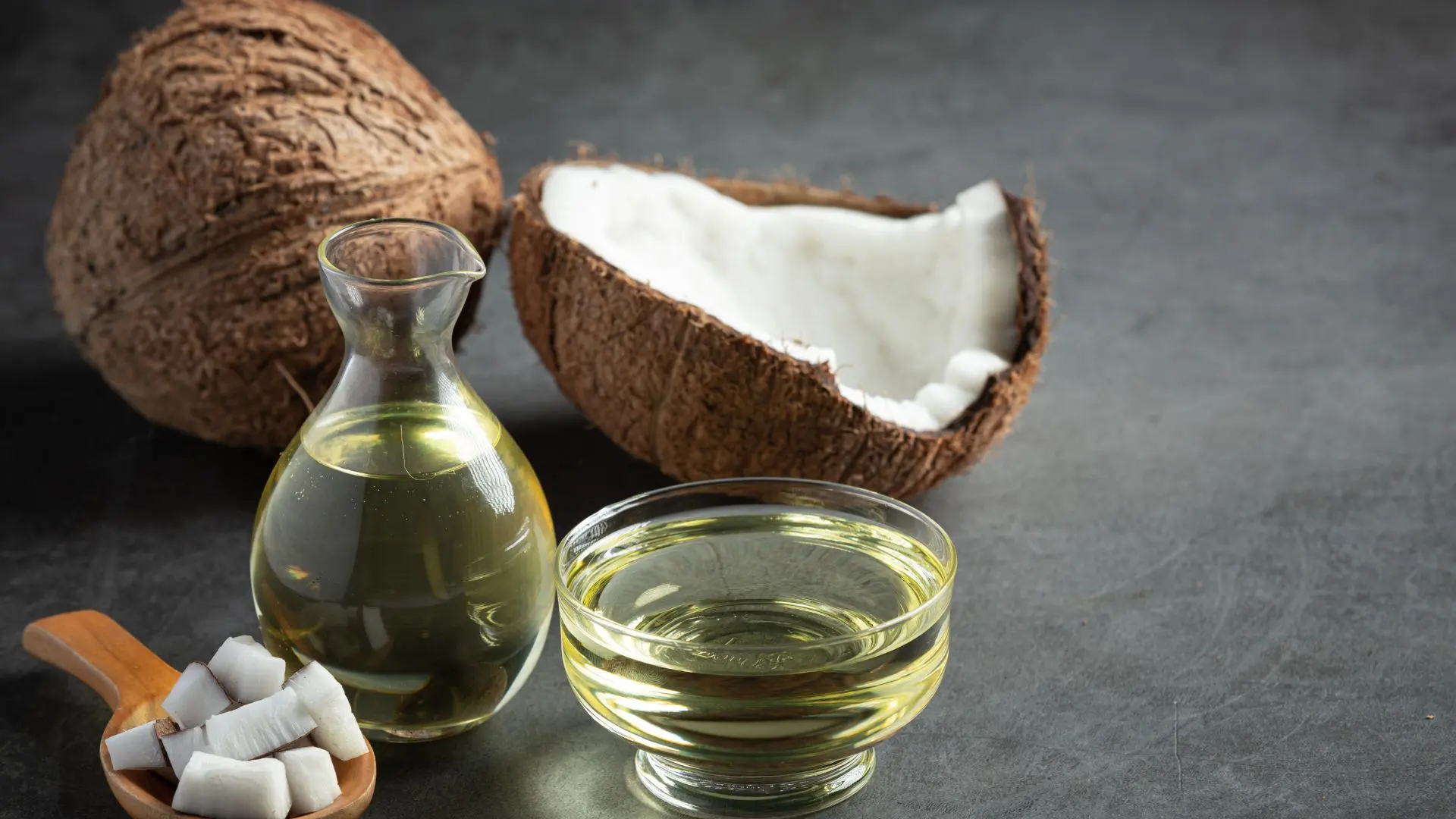
How much you need: 500-1000mg of curcumin daily, or 1-2 teaspoons of fresh turmeric powder. Mix it with black pepper every time.
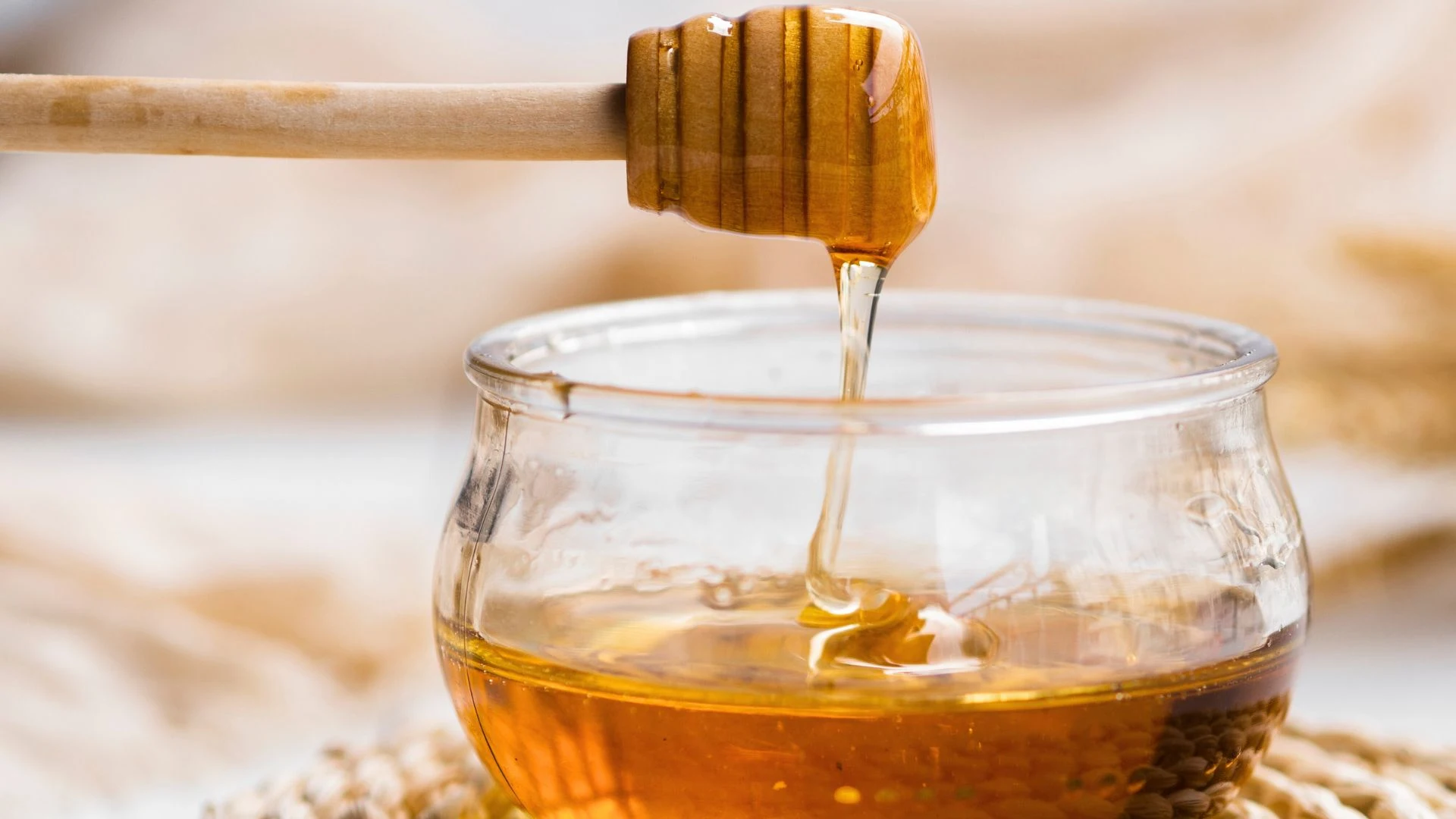
Try golden milk before bed: warm coconut milk, ½ teaspoon turmeric, pinch of black pepper, and a bit of honey. Or add ½ teaspoon turmeric and black pepper to your morning eggs or smoothie.
Warning: If you take blood thinners, talk to your doctor first. Turmeric can increase bleeding risk.
2. Leafy Greens – Nature’s Lung Protectors
Leafy greens are packed with magnesium, and magnesium does something amazing—it relaxes the muscles around your airways. When those muscles relax, air flows easier. People low in magnesium often have worse asthma symptoms.
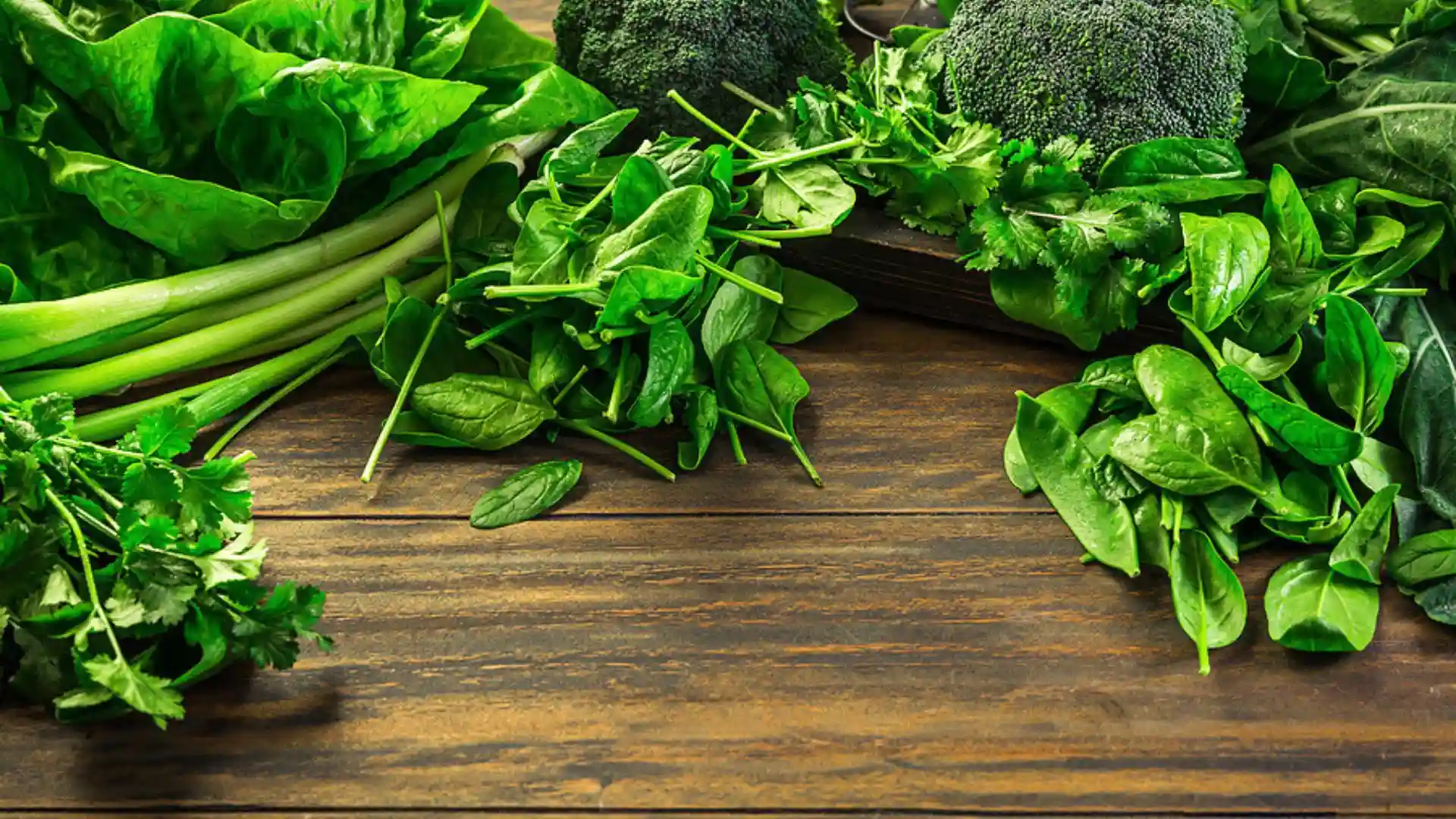
These greens also contain carotenoids like beta-carotene and lutein. These compounds protect your lung tissue from oxidative damage—the wear and tear that happens when you breathe polluted air. Plus, vitamin K in greens helps build strong, healthy lung tissue.
The European Respiratory Journal studied thousands of people. Those who ate 2 or more servings of leafy greens daily had 20% better lung function. That’s significant improvement from simple foods that help you breathe better.
Best choices: kale, spinach, collard greens, and Swiss chard. Eat 2 cups raw or 1 cup cooked every day.
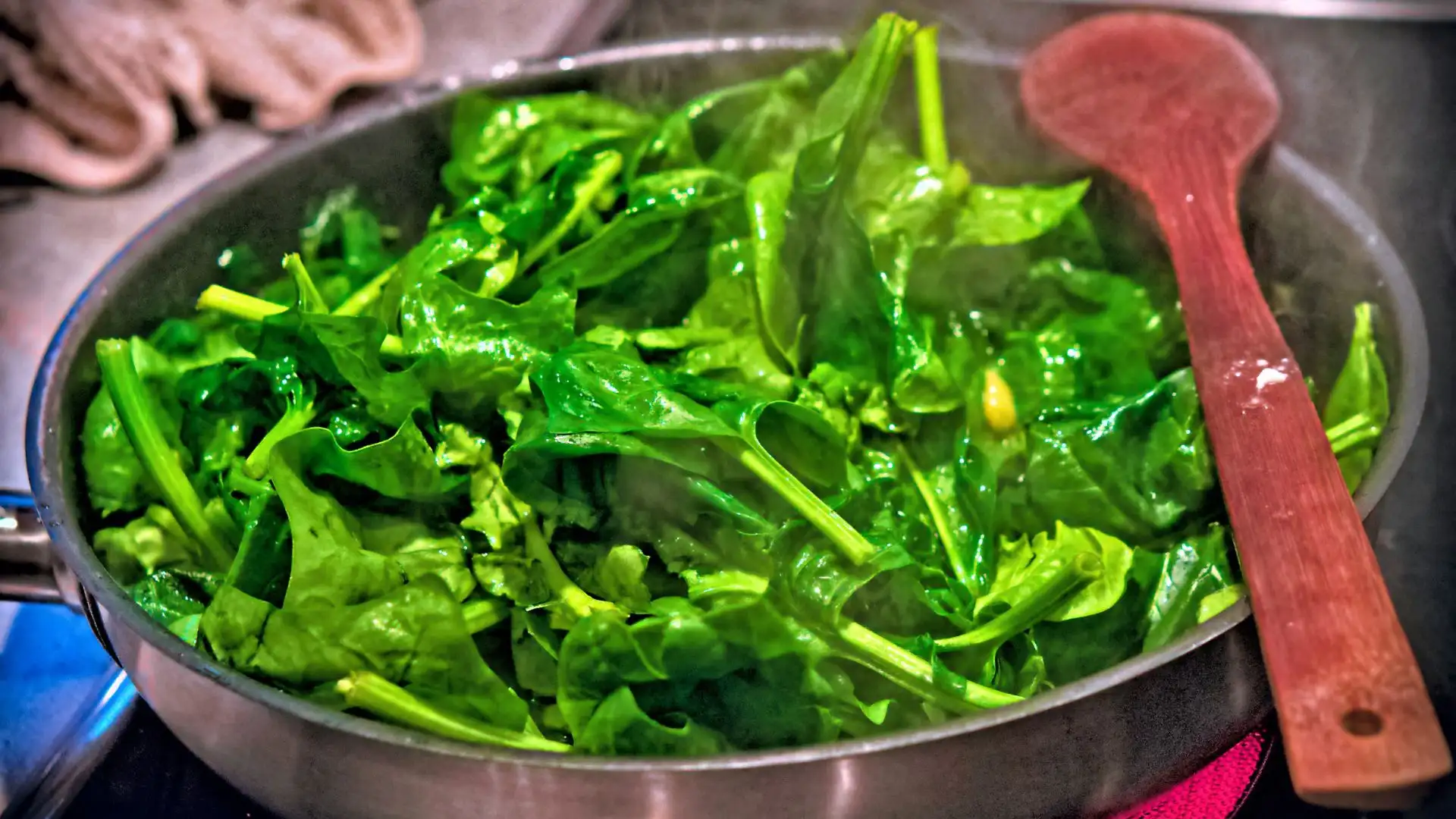
Here’s a cooking trick. Light sautéing with olive oil increases carotenoid absorption by 300%. Raw is good, but cooked with fat is better for your lungs.
Lunch hack: Toss 2 handfuls of spinach into any soup during the last 2 minutes of cooking. It wilts down and you barely taste it.
3. Fatty Fish – Omega-3s for Respiratory Resilience
Fatty fish contain omega-3s called EPA and DHA. These compounds stop your body from making prostaglandins—chemicals that cause inflammation in your airways. Less inflammation means easier breathing.
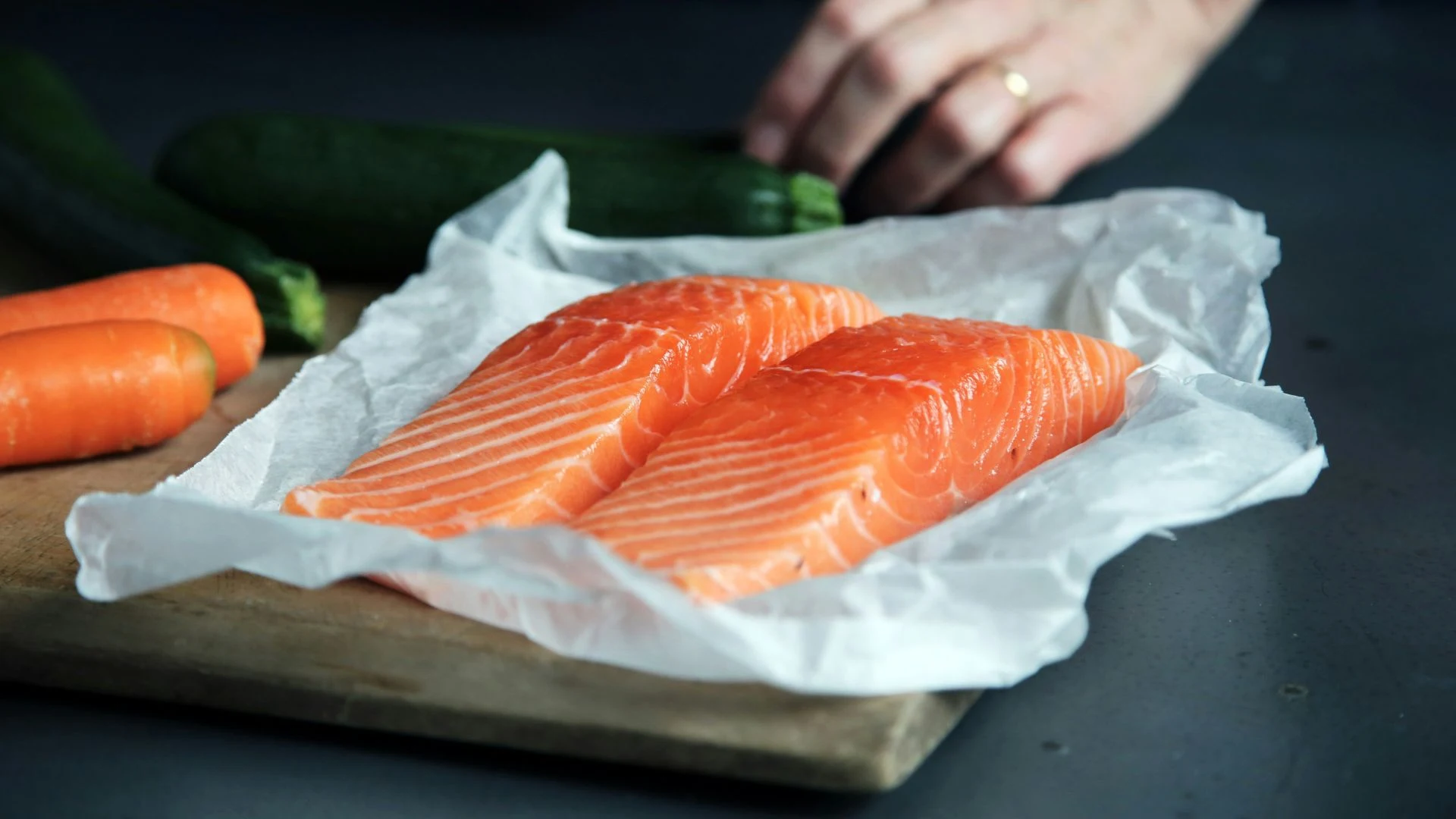
The American Journal of Respiratory Medicine found something impressive. People who ate omega-3-rich fish regularly reduced their asthma symptoms by 31%. Fish also protect against exercise-induced bronchoconstriction—that tight chest feeling you get when working out.
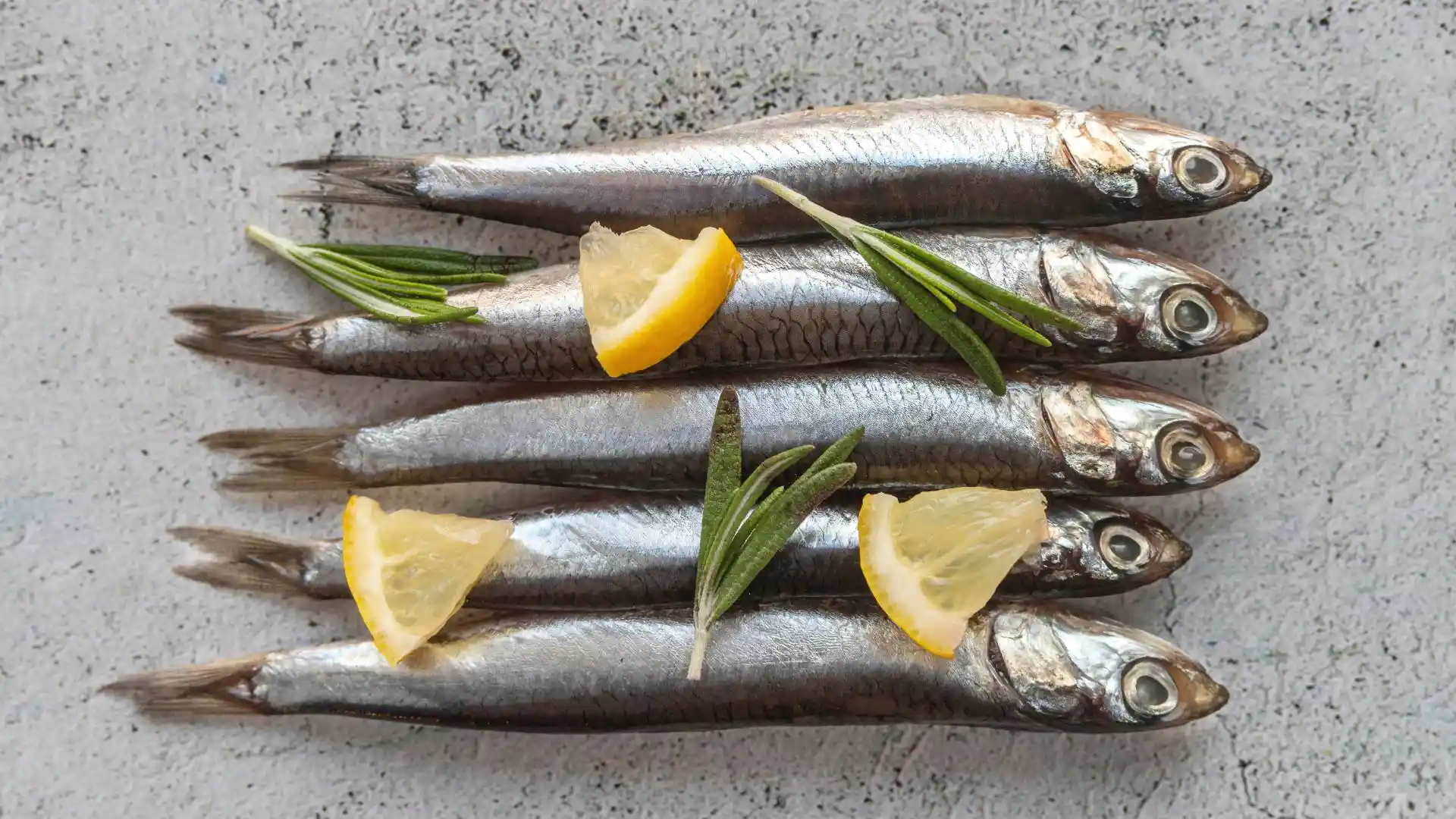
Best sources: wild salmon (1,500mg omega-3s per 3oz), sardines (1,200mg per 3oz), mackerel, and anchovies. Aim for 2-3 servings weekly, about 8oz total.
Here’s why this matters. Most people eat way too many omega-6 fats (vegetable oils, processed foods) and not enough omega-3s. This imbalance fuels inflammation. Fish helps fix that ratio, making them powerful anti-inflammatory foods for lungs.
Watch mercury levels. Smaller fish like sardines and anchovies have less mercury than big fish like tuna.
Plant omega-3s from flaxseed aren’t as effective. Your body has to convert them first, and most people convert poorly.
Quick dinner: Mix canned wild salmon with Greek yogurt, lemon, and dill. Spread on crackers or veggies.
4. Berries – Antioxidant Warriors Against Airway Inflammation
Berries fight lung damage on three fronts. First, they contain anthocyanins—compounds that neutralize free radicals before they destroy your lung tissue. Second, they’re loaded with quercetin, which acts like a natural antihistamine. This reduces airway reactivity when you breathe allergens or irritants.
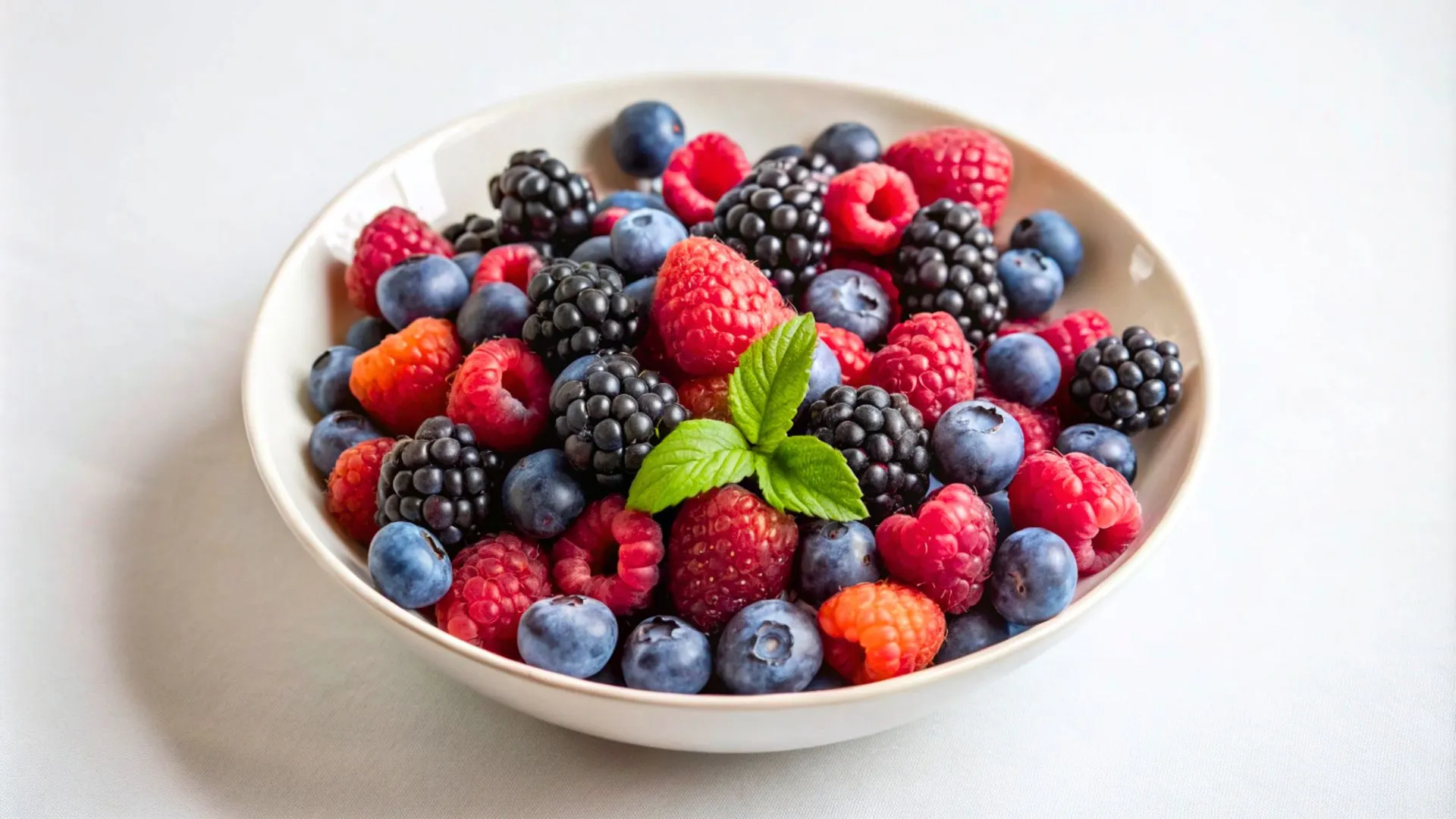
A Finnish study tracked people eating blueberries daily. After 6 months, their lung capacity improved by 4%. That means deeper breaths and more oxygen reaching your blood.
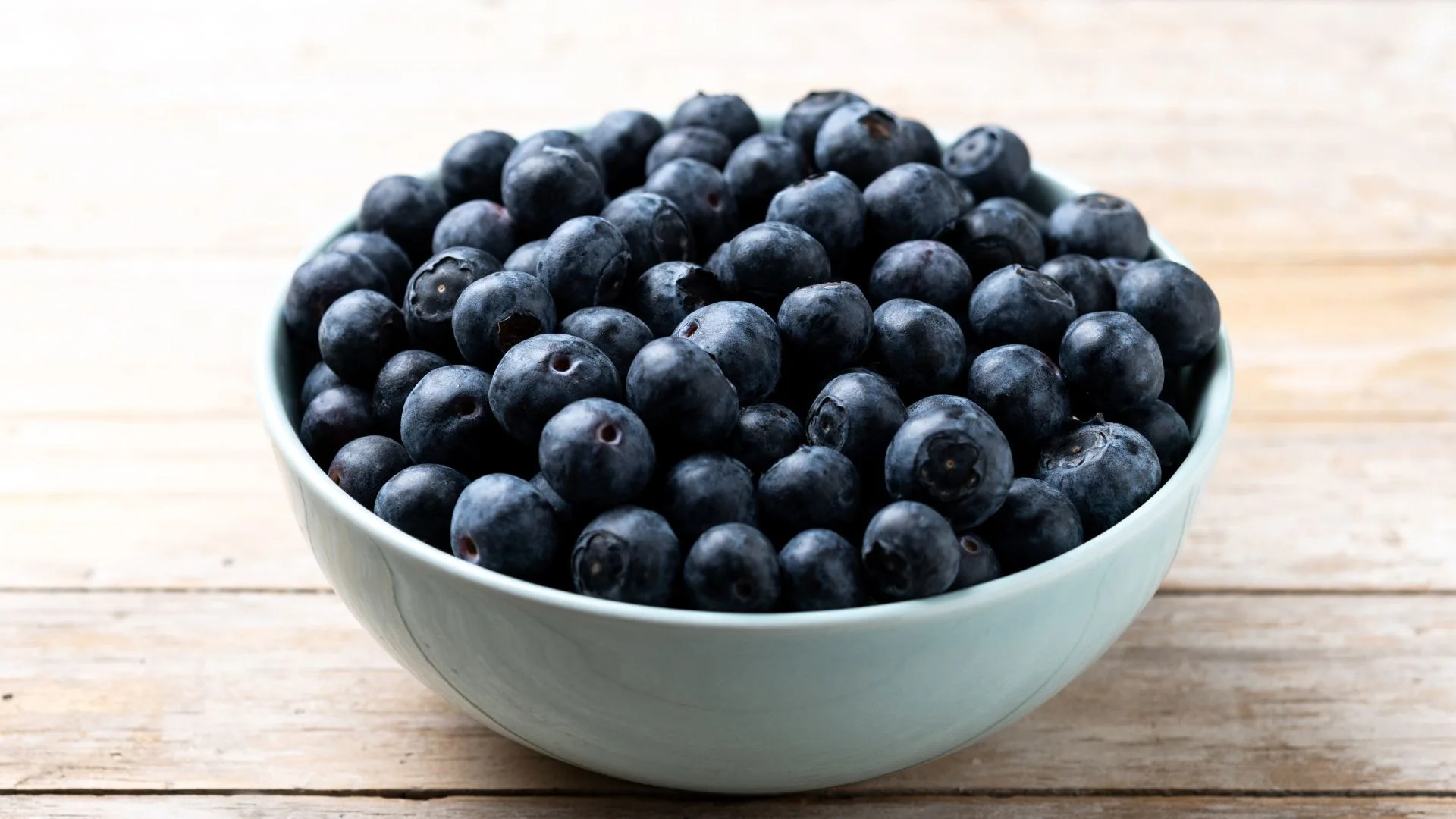
Berries also provide vitamin C, which builds collagen—the structural protein that keeps your lungs elastic and strong. Blueberries rank in the top 5 foods for antioxidant capacity.
Best picks: blueberries, strawberries, blackberries, raspberries. Eat 1 to 1.5 cups daily. Frozen berries work just as well as fresh and cost less. Organic berries have 50% more antioxidants, but regular berries still help you breathe deeper.
Breakfast hack: Freeze berries in ice cube trays. Drop them in your morning water for slow flavor release and steady antioxidants all morning.
5. Garlic and Onions – Sulfur Compounds for Clearer Airways
Garlic and onions are natural lung detox foods that work in powerful ways.
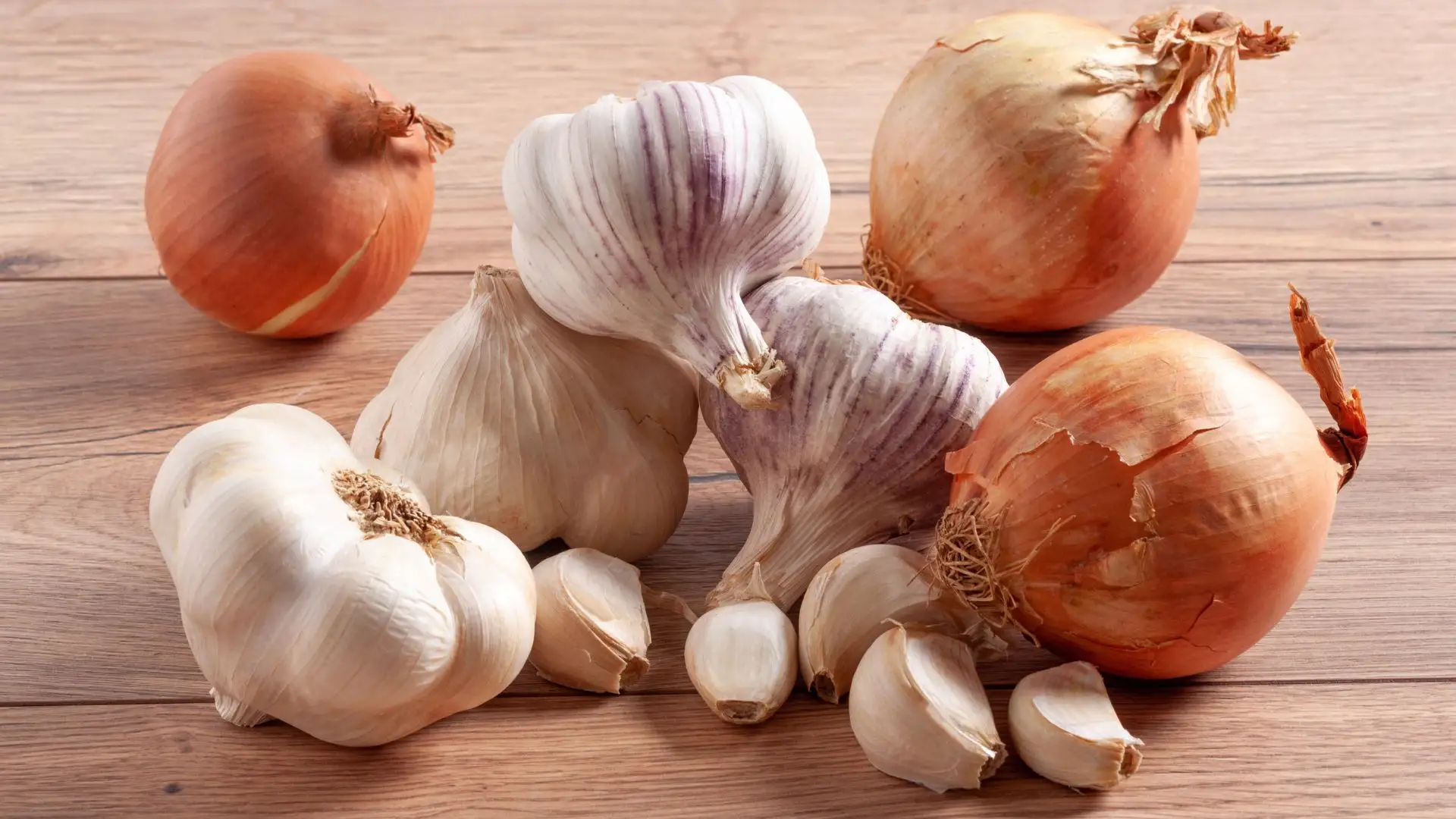
Garlic contains allicin, a compound that reduces mucus production and fights respiratory infections. Research shows eating garlic just twice weekly cuts respiratory infection risk by 63%.
Onions are loaded with quercetin—the same antihistamine compound in berries but in higher amounts. Red onions have twice the quercetin of white onions. This helps calm your airways when allergies or irritants make breathing hard.
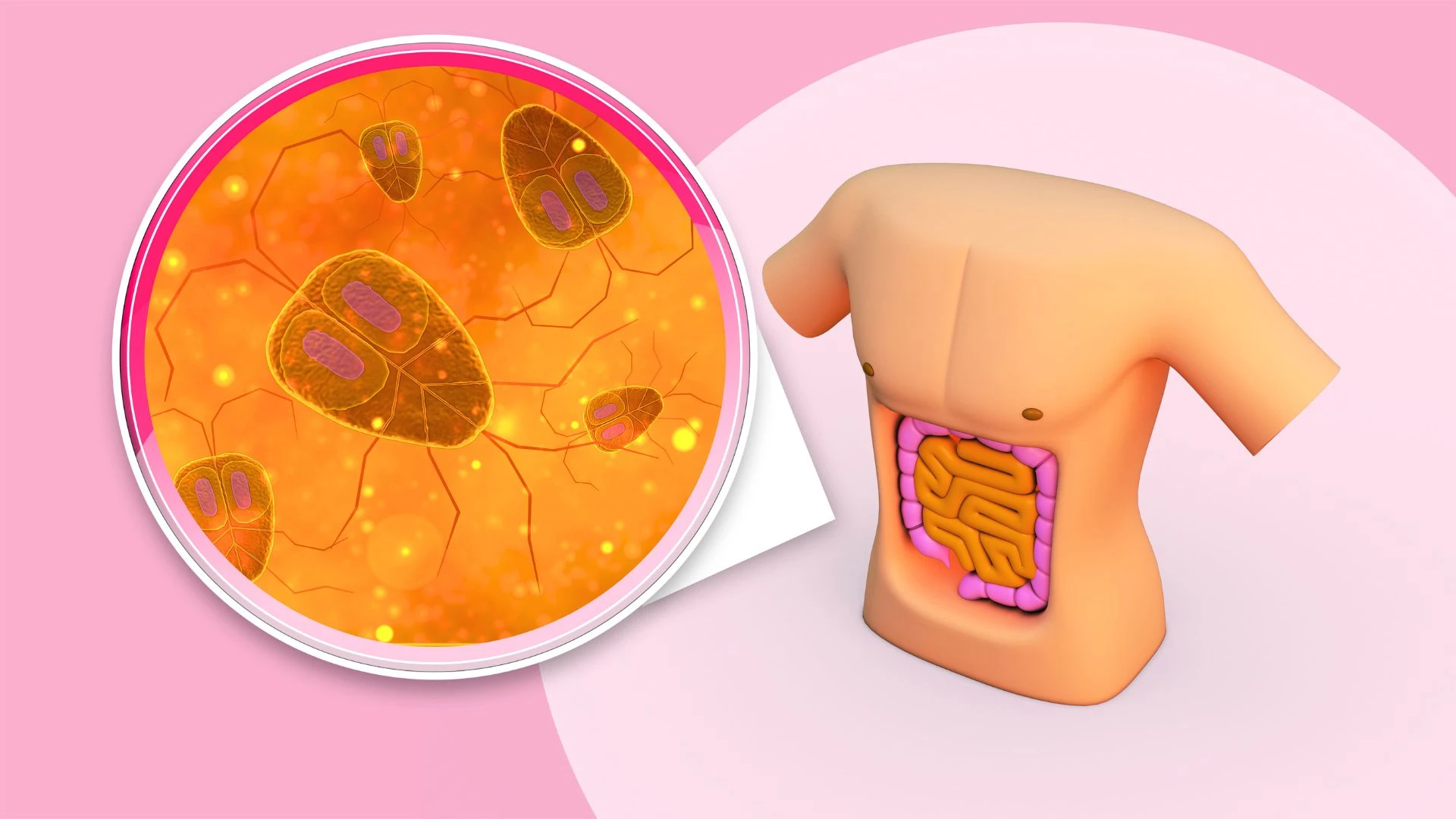
Both act as natural expectorants. They help you cough up congestion instead of letting it sit in your lungs. Plus, they feed good gut bacteria, and 70% of your immune system lives in your gut.
Here’s the trick with garlic. Crush it and wait 10 minutes before cooking. This activates the allicin. Eat 1-2 raw cloves or ½ medium onion daily.
Simple salad dressing: Mince raw garlic, mix with lemon juice and olive oil. Let it sit 10 minutes. Now you’ve got three foods that help you breathe better in one dressing.
6. Ginger – The Bronchodilator Spice
Ginger does something remarkable—it relaxes the smooth muscles around your airways, just like asthma medications do. The American Thoracic Society found that ginger extract improved airway relaxation within 30 minutes. That’s fast relief.
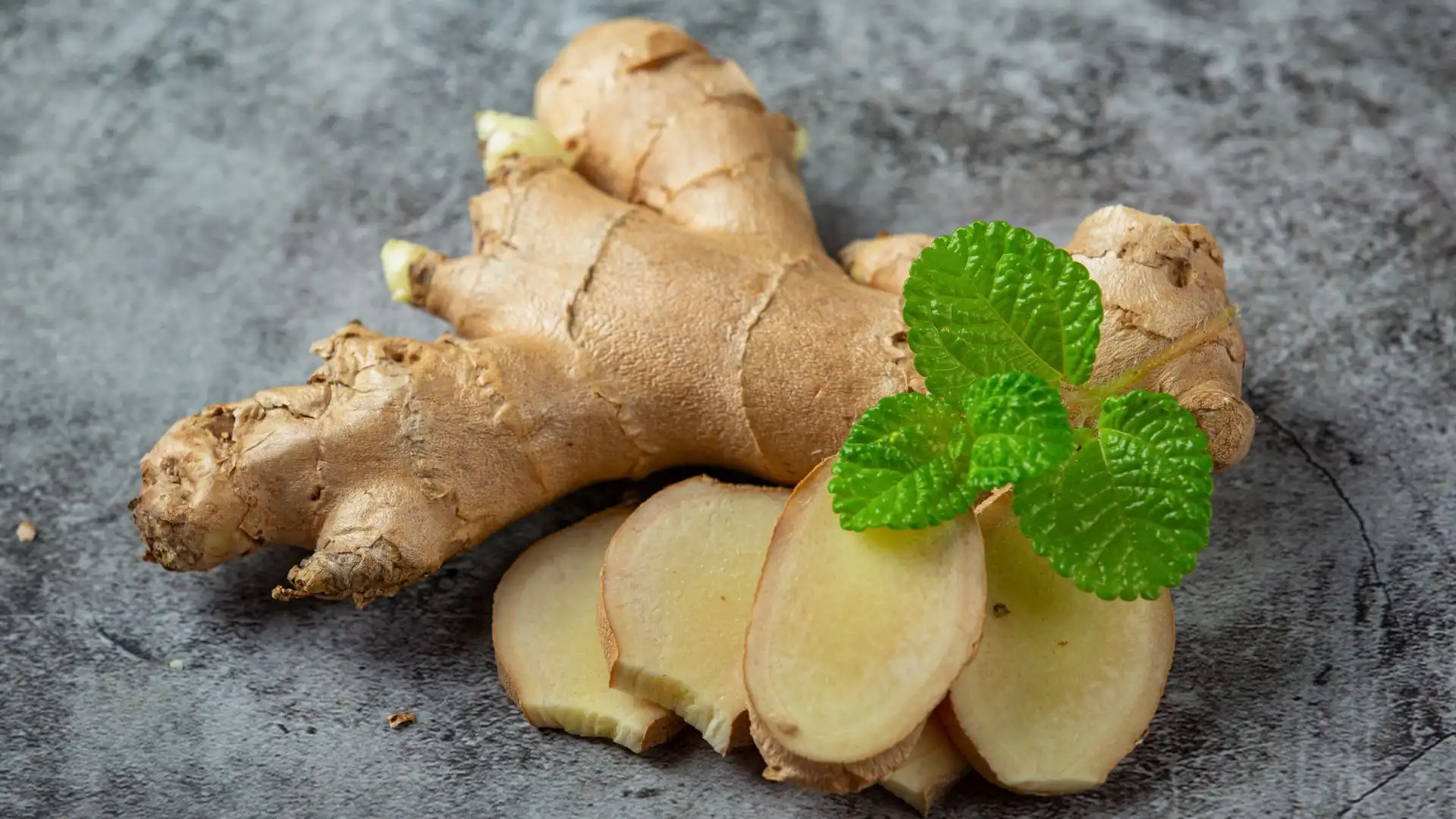
Ginger contains compounds called gingerols and shogaols. These are strong anti-inflammatory foods for lungs that reduce swelling in your bronchial passages. Ginger also breaks down thick mucus, making it easier to cough up and clear out.
Temperature matters here. Hot ginger tea works better than cold ginger because heat activates more of the beneficial compounds. This improves your breathing capacity faster.
Use 1-2 grams of fresh ginger daily—that’s about a ½-inch piece. Or take 250-500mg in supplement form. Pair it with raw honey for extra respiratory soothing.
Evening ritual: Grate fresh ginger into hot water.
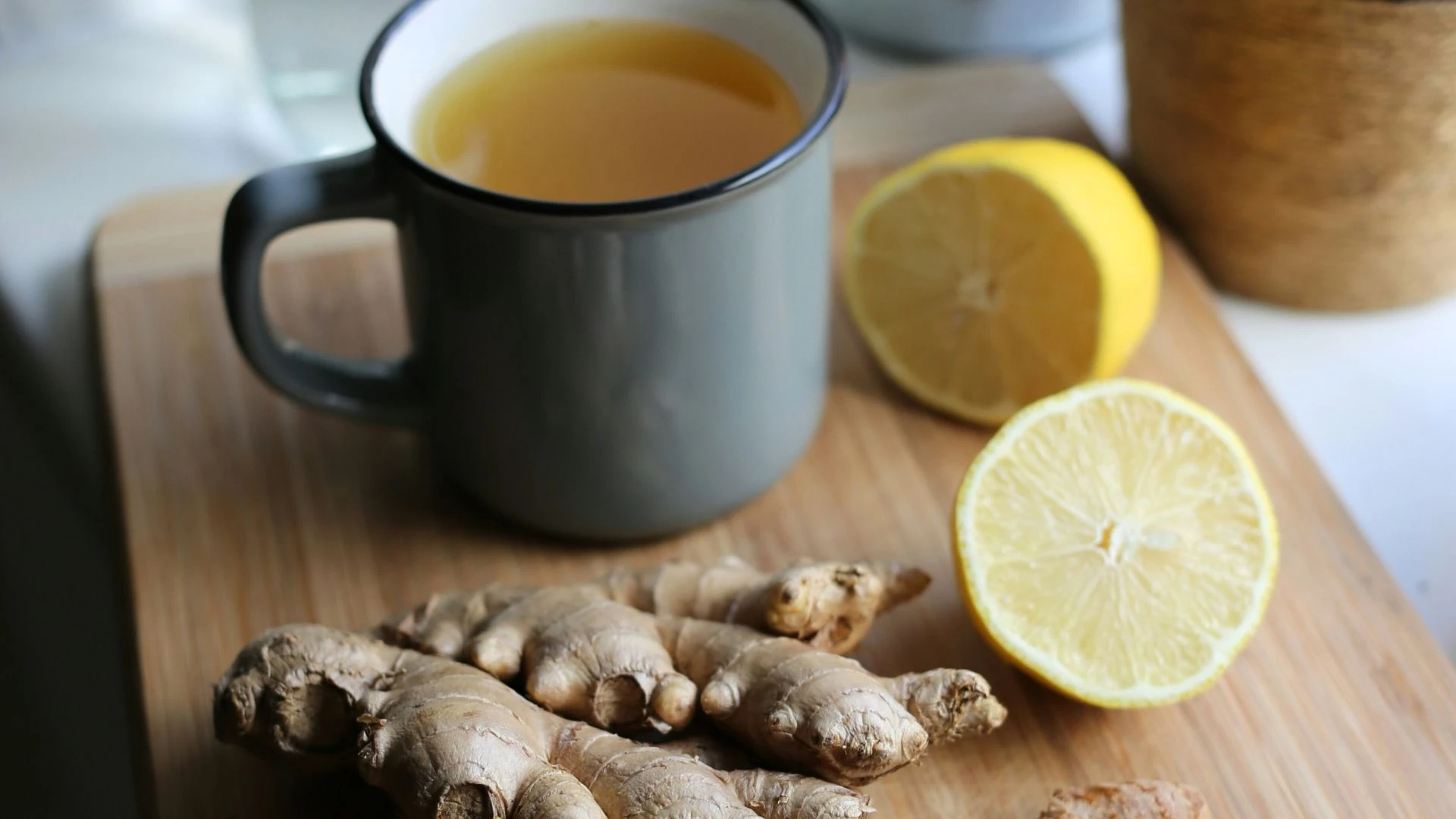
Let it steep for 10 minutes. Wait until it cools below 110°F, then add raw honey. Drink this an hour before bed for clearer nighttime breathing.
7. Green Tea – Polyphenols for Lung Protection
Green tea completes our list of lung cleanse foods with a compound called EGCG.
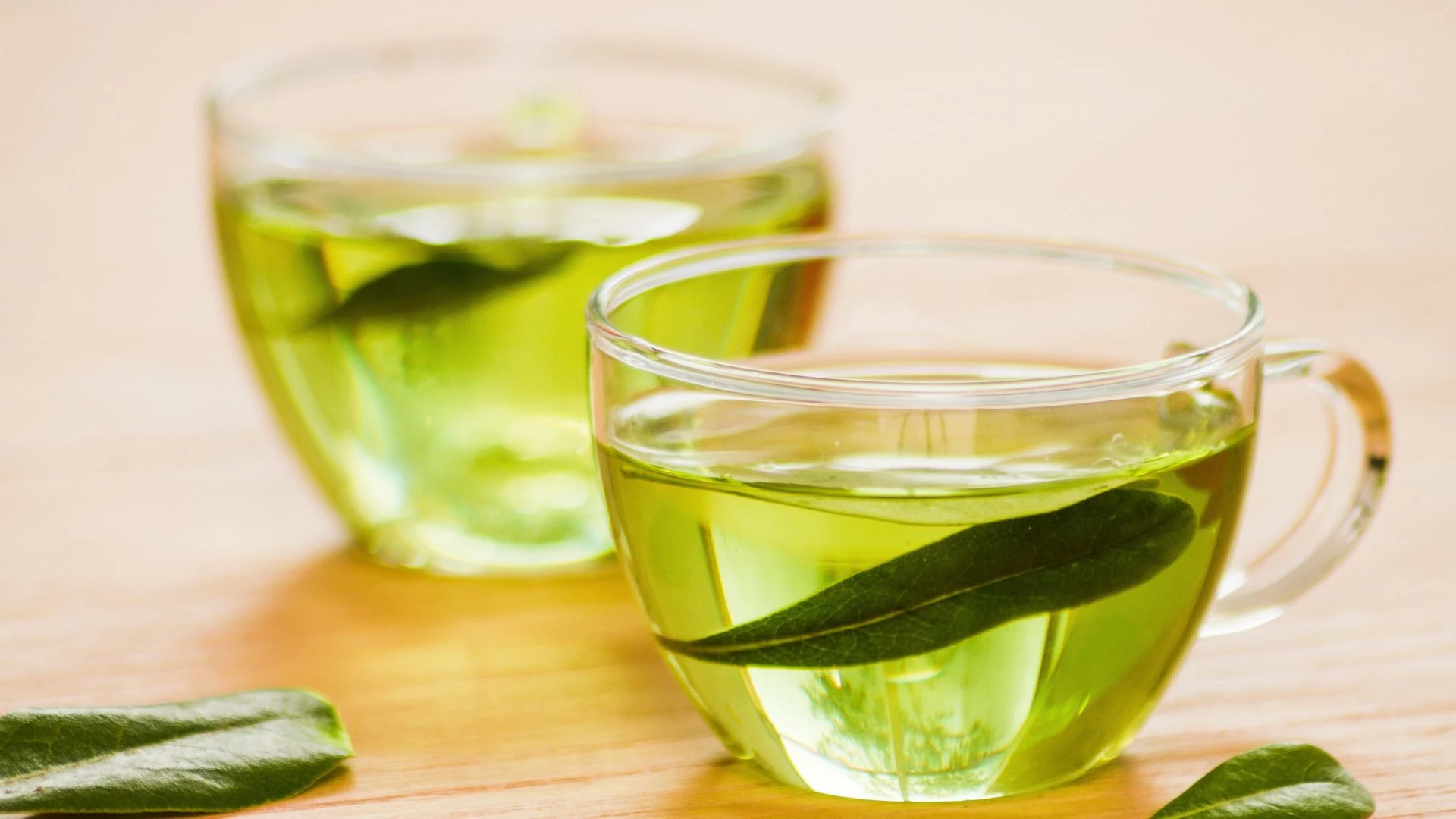
This polyphenol prevents fibrosis—the scarring and stiffening of lung tissue that makes breathing harder over time. It also neutralizes damage from pollution and cigarette smoke.
A Korean study tracked thousands of tea drinkers. Those who drank 2 or more cups daily had a 40% lower risk of lung disease. That’s powerful protection from a simple drink.
Green tea contains L-theanine, an amino acid that reduces stress.
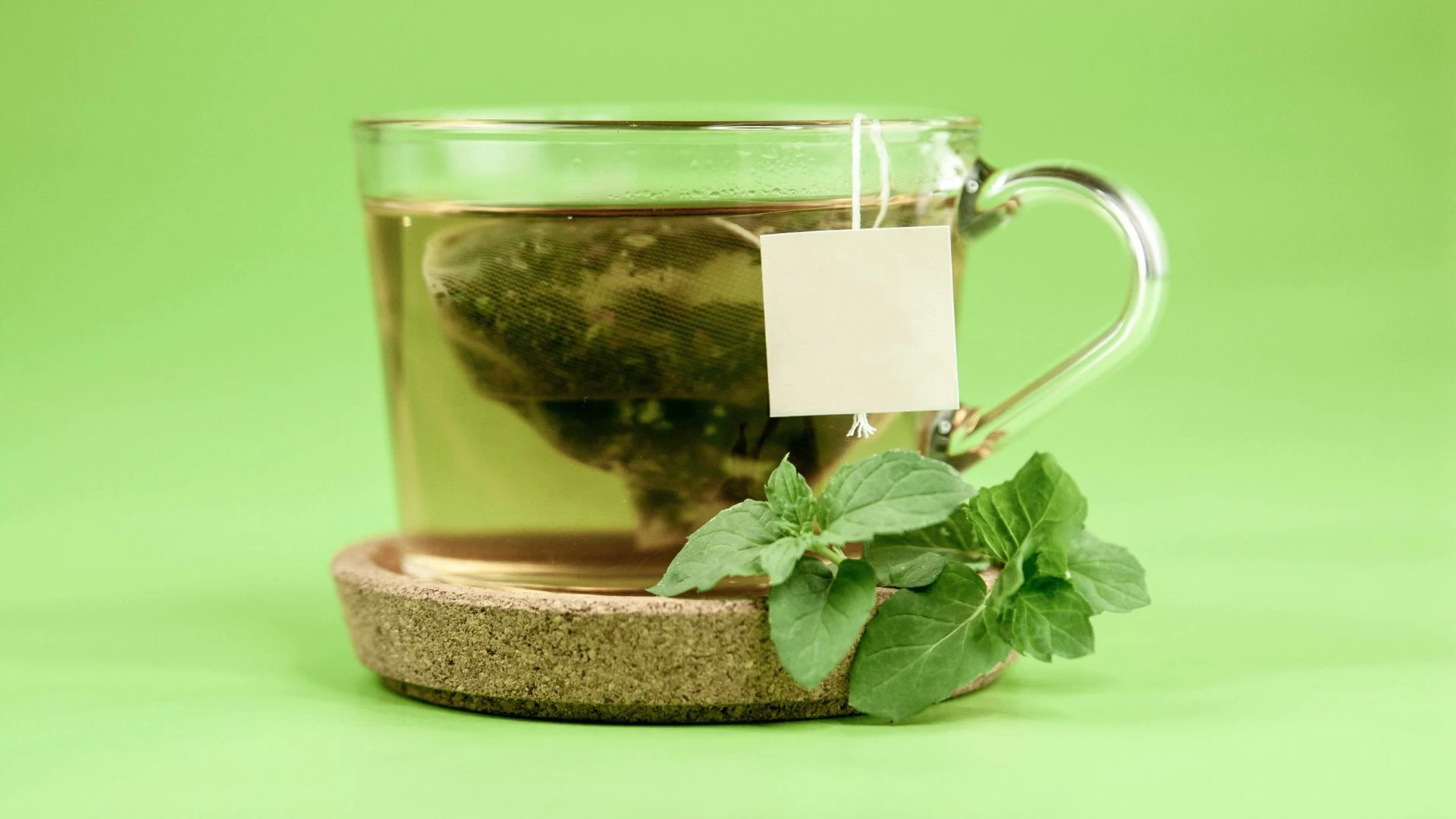
Since stress can trigger breathing problems, this adds another layer of benefit for your natural lung detox.
Drink 2-4 cups daily for best results. Each cup has 50-100mg of EGCG depending on quality. Don’t add milk—it binds to the polyphenols and blocks absorption.
Watch the caffeine. Too much causes anxiety, which can make breathing feel harder.
Brewing hack: Heat water to 160-170°F (not boiling). Steep your tea for 2-3 minutes. This extracts maximum EGCG without the bitter taste that ruins most green tea.
How to Combine These Foods for Maximum Lung Benefits
Don’t try to add all seven foods at once—you’ll quit by day three. Start with three foods in week one. Add the other four in week two. By week three, create a routine. This gradual approach has 80% better success rates.
Here’s what a sample day looks like:
- Breakfast: Berry smoothie with spinach and turmeric
- Lunch: Salmon salad with kale and red onions
- Snack: Green tea (mid-afternoon)
- Dinner: Stir-fry with ginger, garlic, and greens
These foods that help you breathe better work even better together. Turmeric with black pepper, greens with olive oil—the combinations amplify effects.
Now, what to avoid. Trans fats increase inflammation by 25%. Processed foods,

excess sugar, and too much dairy all counteract your efforts. Test cutting dairy for two weeks—it increases mucus in 60% of people.
Drink 8-10 glasses of water daily. This thins mucus so your lungs can clear it easier. Dehydration makes breathing harder.
These anti-inflammatory foods for lungs protect your lung health, but only if you stay consistent.
Your Lungs Can Heal—Starting with What You Eat

Your lungs repair themselves when you give them the right nutrition. These seven foods—turmeric, leafy greens, fatty fish, berries, garlic, ginger, and green tea—reduce inflammation, fight oxidative damage, and improve breathing capacity. They each work differently, which is why combining them beats relying on just one.
Small changes add up over weeks. Start tomorrow: add ½ teaspoon turmeric and one cup of berries to breakfast. Notice how you breathe after two weeks.
Your lungs process 8,000 liters of air daily. They deserve support.
These lung cleanse foods are scientifically backed and natural, but they complement medical care—they don’t replace it.