
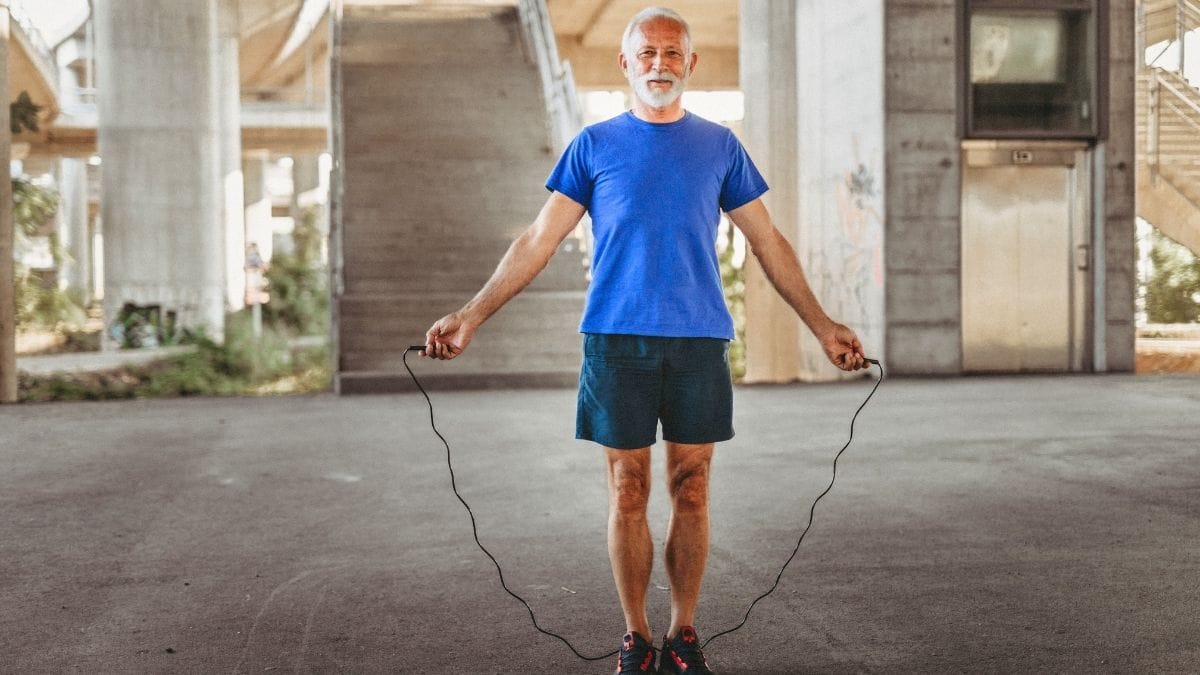
The version of you at 82 — hiking with grandchildren or needing help getting dressed — is being shaped right now. By choices you’re making today.
Most people in their 40s and 50s feel fine. Energy is okay. The body works. Aging feels far away. But here’s what the research says: the damage that shows up at 80 usually started 20 years earlier.
This is not about fear. It’s about timing. You’re in the best window right now to change what your later years look like.
In this guide, you’ll learn which midlife health decisions actually matter, what the latest studies say, and what you can do about it — starting this week. No fluff. No guessing. Just clear, actionable steps built on real science.
1. Why Your 40s and 50s Are the Most Important Health Years of Your Life
Most people think aging happens in your 70s. It doesn’t. It starts much earlier — and your midlife habits are the biggest factor in how it goes.
A 2025 review of 35 clinical trials with 25,000 participants found that lifestyle changes in people over 50 improved heart health, brain function, and muscle strength. Real results. Real people.

Stanford research also showed the body ages in waves — with major shifts at ages 34, 60, and 78. Your 40s and 50s sit right before a big one.
And here’s the scary part: Alzheimer’s plaques begin forming in midlife, not old age. Symptoms show up 10–20 years after the damage begins. By the time you notice something’s wrong, you’ve already lost time.
Up to 40% of dementia cases may be preventable with the right lifestyle changes (UCSF, 2024). That number is enormous. It means your daily choices have real power over your brain’s future.
The goal isn’t just a longer life. It’s a functional one — where you’re sharp, strong, and independent well into your 80s.
2. Your Muscles Are Already Shrinking — Here’s How to Stop It
Muscle loss doesn’t start at 80. Research from 2025 found that noticeable decline begins around age 61, with the worst drop happening at 79. If you’re in your 40s or 50s, the clock is already ticking.
This condition is called sarcopenia.
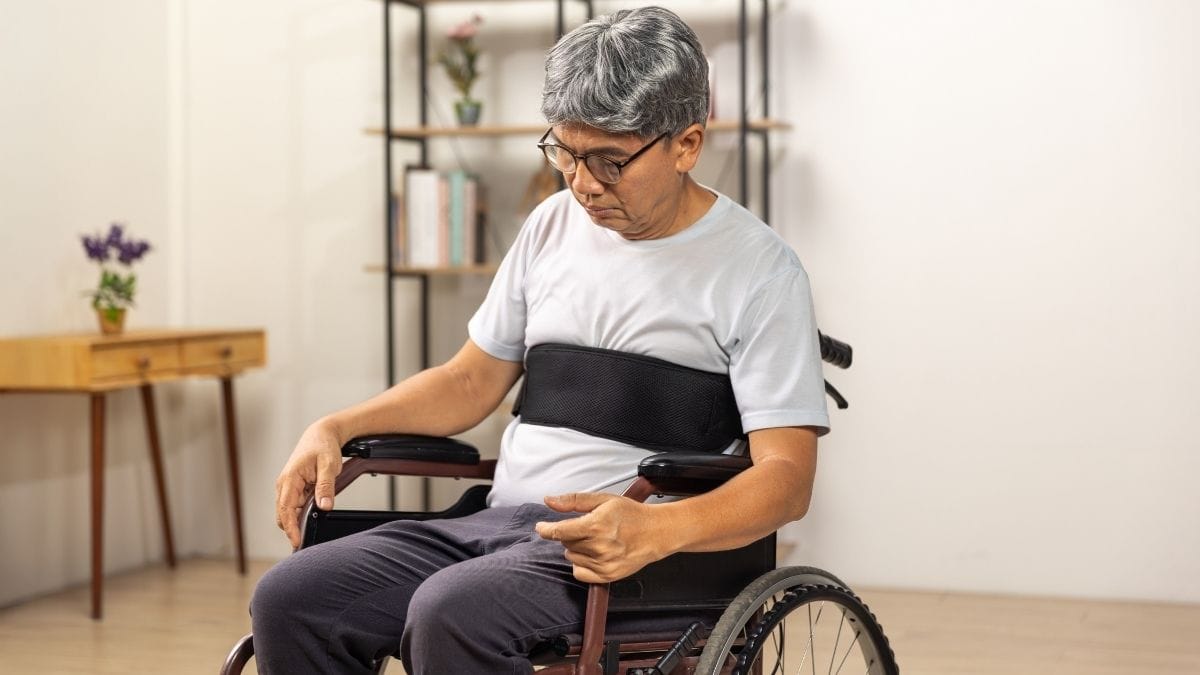
It affects 10–16% of older adults worldwide. In hospitals, the number jumps to 46%. Sarcopenia makes you more likely to fall, break a bone, and lose your independence.
What’s worse — strength drops 2–5 times faster than muscle size. You can look fine and still be weaker than you were five years ago.
The fix is simple but non-negotiable: lift weights. Two to three times per week is enough. Dr. Stephanie Faubion, medical director of The Menopause Society, said in March 2025 that all midlife women should do resistance training to prevent frailty.

Eat more protein too. Aim for 1.2 to 1.6 grams per kilogram of body weight daily. Most people over 50 eat far too little.
Start here: Add one strength session this week. Bodyweight squats count. So do resistance bands.
3. Bad Sleep in Your 50s Is Quietly Damaging Your Brain
Sleeping six hours or less at age 50 raises your dementia risk by 22%. That’s from a study of 8,000 people tracked over 25 years (Nature Communications, Whitehall II).
But here’s what most people miss: it’s not just how long you sleep. It’s how well.
A UCSF study found that fragmented sleep — lots of tossing and waking — was linked to worse brain function 11 years later. Even in people who slept a full night.
A December 2025 study in Neurology found people with weak daily rhythms had 2.5 times the dementia risk. People whose activity peaked after 2:15 PM had a 45% higher risk.
And it hits your heart too. Fragmented sleepers had a 32% higher risk of heart events and 35% higher dementia risk over 12 years (Nature, 2025).
What actually helps: Wake up at the same time every day — even weekends. Get sunlight in your eyes before 9 AM.

If you snore heavily, get tested for sleep apnea. It’s more common than you think, and very treatable.
4. VO₂ Max: The Number Your Doctor Probably Never Mentions
VO₂ Max measures how well your body uses oxygen during exercise. Think of it as your engine size. The bigger the engine, the better your heart, brain, and muscles perform as you age.
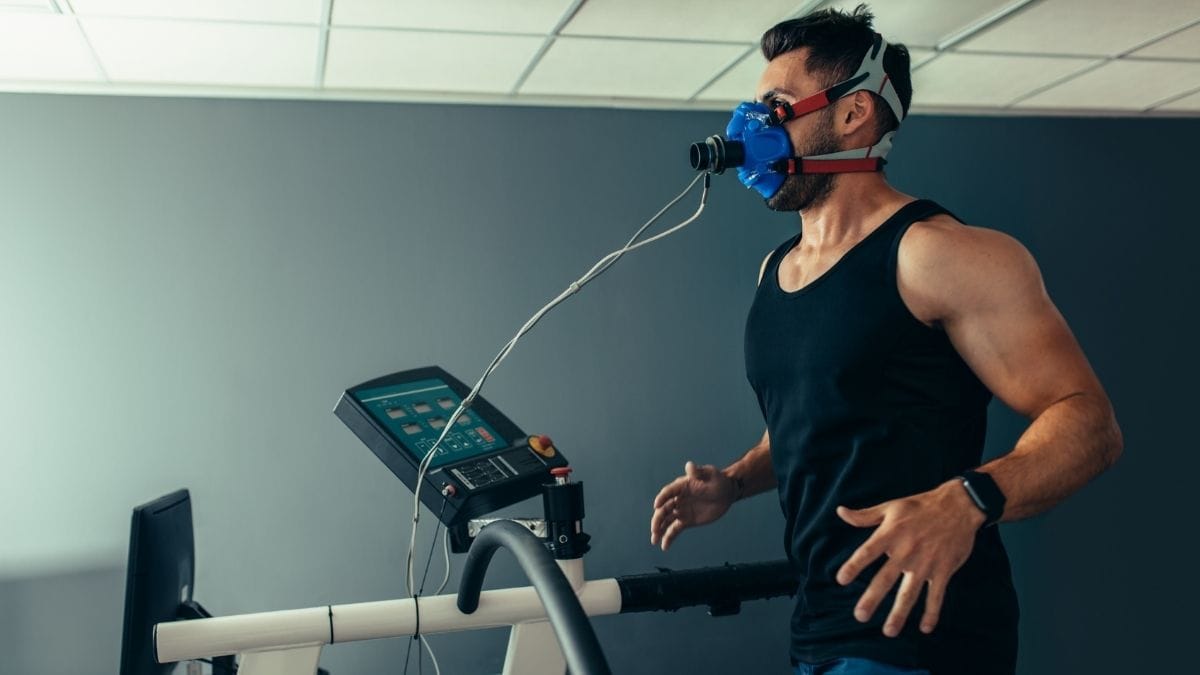
It’s now considered the single strongest predictor of long-term health — more powerful than cholesterol, BMI, or blood pressure alone (Cenegenics, 2025).
Without effort, VO₂ Max drops about 10% every decade after age 30. That adds up fast. But even an 8–12% improvement is linked to better blood sugar, less belly fat, better sleep, and better mood.
You don’t need a lab to start improving it. Zone 2 cardio — a pace where you can still hold a conversation — is the most proven method. Aim for 150+ minutes per week. Add one or two harder interval sessions on top of that.
Check your number:

Garmin, Apple Watch, and Polar all estimate VO₂ Max. Use it as a long-term trend, not a single data point. If it’s going up over months, you’re moving in the right direction.
5. What You Eat in Your 50s Literally Changes Your Biology
Food isn’t just fuel. It’s information your body uses to regulate inflammation, repair cells, and either speed up or slow down aging.

A 2025 review of 35 clinical trials found the Mediterranean diet reduced heart disease risk by 22% and cut cognitive decline risk significantly in adults over 50. That’s not a small effect — that’s a major difference in how people age.
The key word is “inflammaging” — the slow-burning, low-grade inflammation that drives nearly every chronic disease: heart disease, Alzheimer’s, cancer, and diabetes. What you eat either fuels it or fights it.
Foods that fight it: oily fish, olive oil, berries, leafy greens, nuts, fermented foods. Foods that fuel it: ultra-processed snacks, refined sugar, and excess alcohol.
More than 60% of U.S. adults take anti-aging supplements. But the research says diet quality matters more than any pill.
One practical tip: Get your homocysteine level tested. High levels accelerate biological aging — and they can often be corrected with B vitamins (Aging Cell, 2024).
6. Loneliness Ages You Faster Than Smoking

This isn’t soft advice. Chronic loneliness is a biological force.
Social isolation carries roughly the same health risk as smoking 15 cigarettes a day (Holt-Lunstad, widely cited in 2024–2025 longevity research).
And an October 2025 study in Brain, Behavior and Immunity found that strong social relationships slow cellular aging at the molecular level.
Stress does the same kind of damage. Chronic stress raises inflammation, disrupts sleep, and weakens immunity. It’s not just “in your head.” It shows up in your blood work.
And meditation actually helps.

A 2025 study from Maharishi International University found that transcendental meditation reduced the expression of genes linked to inflammation and accelerated aging. Ten minutes a day is enough to start seeing effects.
What to do this week: Call a friend you haven’t spoken to in a while. Join one group — a class, a club, a volunteer shift. Protect at least two to three real social interactions per week. Not scrolling. Not texting. Actual human contact.
Your relationships are part of your health plan. Treat them that way.
7. Your Annual Physical Is Missing the Most Important Tests
A standard checkup tells you almost nothing about how fast you’re actually aging. It wasn’t designed to catch problems 15 years before they appear. But better options exist right now.
Here are the tests worth asking your doctor about:
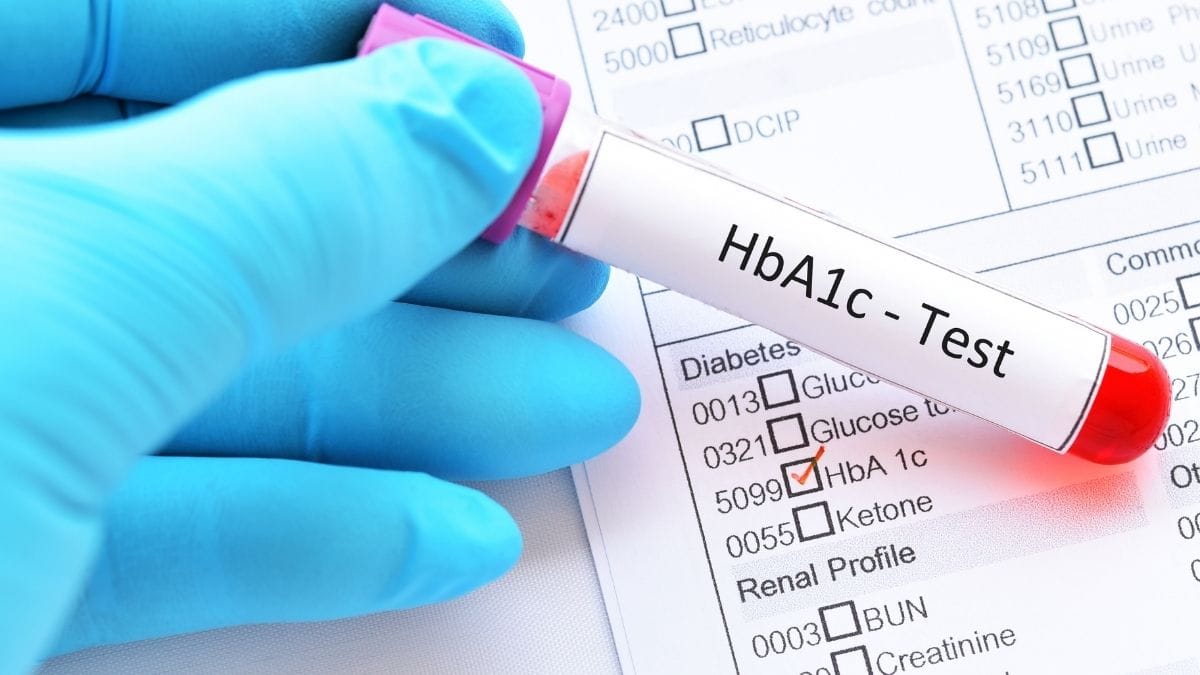
HbA1c and fasting insulin — catch metabolic problems before they become diabetes. Homocysteine — a biological aging marker that B vitamins can correct. hs-CRP — measures inflammation directly.
Vitamin D — a 2025 Mass General Brigham study found daily D3 supplementation reduced biological aging by about three years. DEXA scan — checks bone density and muscle mass together.
For women: In November 2025, the FDA began removing the old “black box” warning from hormone replacement therapy (HRT).
New evidence links it to lower all-cause mortality, better bones, and better brain health when started within 10 years of menopause. Talk to your doctor.
You can’t fix what you don’t measure. One expanded blood panel could change everything you do next.
Lastly:
Your 80s are not a matter of luck. They’re a matter of what you do in the next ten years.
Pick one section from this guide. Start this week. Muscle, sleep, movement, food, connection, and testing — these midlife health decisions, made now, become the life you live at 80.